




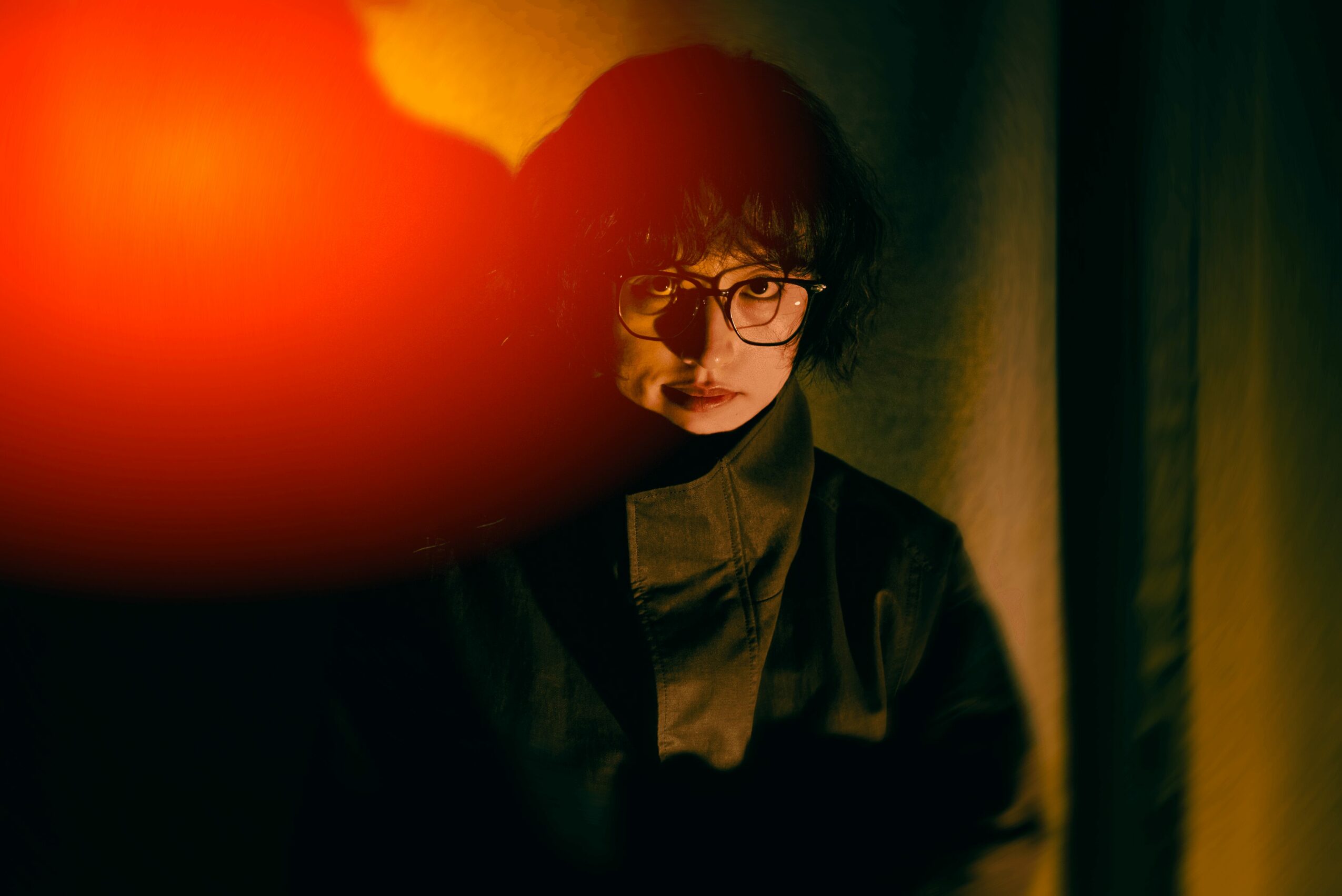
Today we’d like to introduce you to Yifan Guo.
Hi Yifan, so excited to have you with us today. What can you tell us about your story?
I am a composer, instrumentalist, and intermedia artist who works primarily with sound across multiple time-based media. I am currently a PhD candidate in composition in the Music Department at UC San Diego.
My musical journey began in childhood with piano and guitar lessons. I never enjoyed practicing scales or drilling repertoire, but I was endlessly fascinated by how instruments worked, how sound was physically produced, and free improvisation. That curiosity eventually led me to a music high school in Guangzhou at the age of 15, where I studied composition. One of my most vivid memories from that time is walking through the practice room building on campus, where dozens of instruments played different music simultaneously — each voice independent yet somehow interwoven into a single, overwhelming sound world. It was breathtaking.
After entering formal music training, I never stopped reaching beyond the boundaries of the curriculum. I played electric guitar and keyboard synthesizer in a progressive metal band, performed as a pianist at jazz bars, scored music for videos, produced pop songs, founded and conducted an orchestra, and more. These experiences felt more like musicking in its truest sense to me than anything happening in a classroom — yet I still sensed something missing.
That changed when I moved to New York City for college. For the first time, I was immersed in a wide spectrum of art forms, particularly contemporary and experimental ones. During my time there, I experienced a continuous stream of experimental performances alongside canonical concerts, all shaped by exceptional musicianship and striking scenographic design. New York laid the foundation for the artistic vision I carry today.
We all face challenges, but looking back would you describe it as a relatively smooth road?
Before moving to California, music had been my entire world since the age of 15. Everyone around me was a conservatory-trained musician, and I existed entirely within that ecosystem — so much so that I began to take it for granted, and gradually lost sight of why I was making art in the first place.
Relocating to UCSD for my PhD marked both a geographical and psychological shift. Although the program is known for contemporary composition, the broader vibe of the city and university, which isn’t like New York, exists largely outside the world of music and art. As a contemporary composer — someone whose work is ostensibly about “challenging and redefining the boundaries of music” — I found that the more I pushed, the more disoriented I became. What did music actually mean to me? Why was I making art at all? And perhaps most unsettling: what boundary was I pushing for, and for whom?
At the same time, I was beginning to build a career in China, where I encountered a very different kind of audience — broader, more general, and unfamiliar with the conventions of contemporary concert music. The syntaxes I had learned in the conservatory, deeply embedded in the European art music canon, simply didn’t translate. And it wasn’t only the general public. Even among fellow artists — visual artists, architects, designers — I found myself struggling to communicate across disciplinary lines. The specialized language of contemporary music, with all its institutional weight, created an invisible wall between me and the people I most wanted to connect with. I was confronted with a profound cultural gap, not just between countries, but between the rarified world of academic music and the broader creative community that surrounded it.
After more than a decade of making concert music, I hit an artistic crisis. I had been working within the walls of music institutions for so long that I had grown, in some ways, blind and deaf to the world outside them. It took more than a year of self-examination before I began to find my way through. I slowly opened my eyes and ears to what was surrounding me — and in doing so, started to find answers.
Music/art making perhaps, I came to realize, is the medium I think in — the most honest way I know how to perceive and respond to the world: to engage with it at both micro and macro scales, to understand how humans experience and inhabit their environment, and to leave something honest behind — a vessel for thought and feeling before it vanishes. The boundary I had been pushing wasn’t meant to exclude — it was meant to expand, to invite others into a different way of listening, of sensing, of being present. That realization didn’t resolve everything, but it gave me a direction. I was also fortunate to be surrounded by supportive friends, collaborators, mentors, and family members whose encouragement made that transformation feel worthwhile.
Thanks for sharing that. So, maybe next you can tell us a bit more about your work?
My creative practice generally spans three approaches. The first is electroacoustic and instrumental composition. I write music for instrumentalists to perform on stage or in site-specific contexts, exploring the timbral, acoustic, kinesthetic, and semantic possibilities of instruments in combination with amplification systems. This includes developing custom augmentations for acoustic instruments and designing innovative approaches to amplification, live sound processing, and transmission. The second is performance, primarily as an instrumental improviser. I play electronic instruments (for example, modular synthesizers, computer instruments, or otomatone) as well as various flutes and the hulusi, a Chinese free-reed wind instrument. The third is intermedia art: works that usually integrate sound, light, video, installation, and other elements mostly in a theater context, allowing for a more comprehensive and immersive artistic experience.
I would describe myself as a generalist rather than a specialist in art — and I mean that with some pride (haha😅). These three approaches create a space where a broader set of my capabilities can come into play — music composition, instrument playing, sound engineering, computer music technology, stage direction, lighting design, filmmaking, and cinematography. Rather than treating these as separate crafts, I see them as tools that can be summoned and combined in service of whatever a given work demands. I am also open to learning new skills for making pieces, if needed. Once I learned metalwork and carpentry for a piece.
Across my creative practice, although I don’t limit myself to specific topics or forms of presentation, I find myself returning to a few recurring threads: the pure joy of sound making and crafting in itself; explorations of musical and cultural memory and heritage; and interpretations of life and social realities. These threads don’t always announce themselves, but they run through most of what I make.
Who else deserves credit in your story?
I’ve been shaped by many people and places, and I find it impossible to single out just a few without doing injustice to the rest.
I don’t have a large circle of close friends — but the ones I do have almost all intersect with my work in some way, and I feel both lucky and proud that they are, without exception, exceptional at what they do. They have been some of my most vital intellectual companions: challenging my assumptions, pushing back on my ideas, and opening doors in my thinking that I wouldn’t have found on my own. My family has offered something quieter but no less sustaining: the kind of unconditional presence and emotional grounding that makes it possible to take risks and sit with uncertainty. My mentors have given me something I didn’t always know I needed — the feeling of being genuinely understood as an artist, and the opportunities and platforms that allowed that understanding to translate into real work. My collaborators — some of whom have also become close friends — have been equally essential, opening doors to resources, contexts, and communities that have fundamentally shaped the direction of my practice.
If I’m honest, the cities I’ve lived in deserve credit too. Guangzhou is where I was born and where I first learned to create — it gave me my earliest musical language. New York cracked my world open. San Diego, perhaps unexpectedly, gave me the disorientation I needed — and with it, the space to explore more devotedly and honestly, until a path forward finally became clear.
I wouldn’t be doing what I do without any of them.
Contact Info:
- Website: https://yifanguo.com/
- Instagram: https://www.instagram.com/yifan_.guo/
- Youtube: https://www.youtube.com/@yifanguo8192
- Soundcloud: https://soundcloud.com/yifanguo
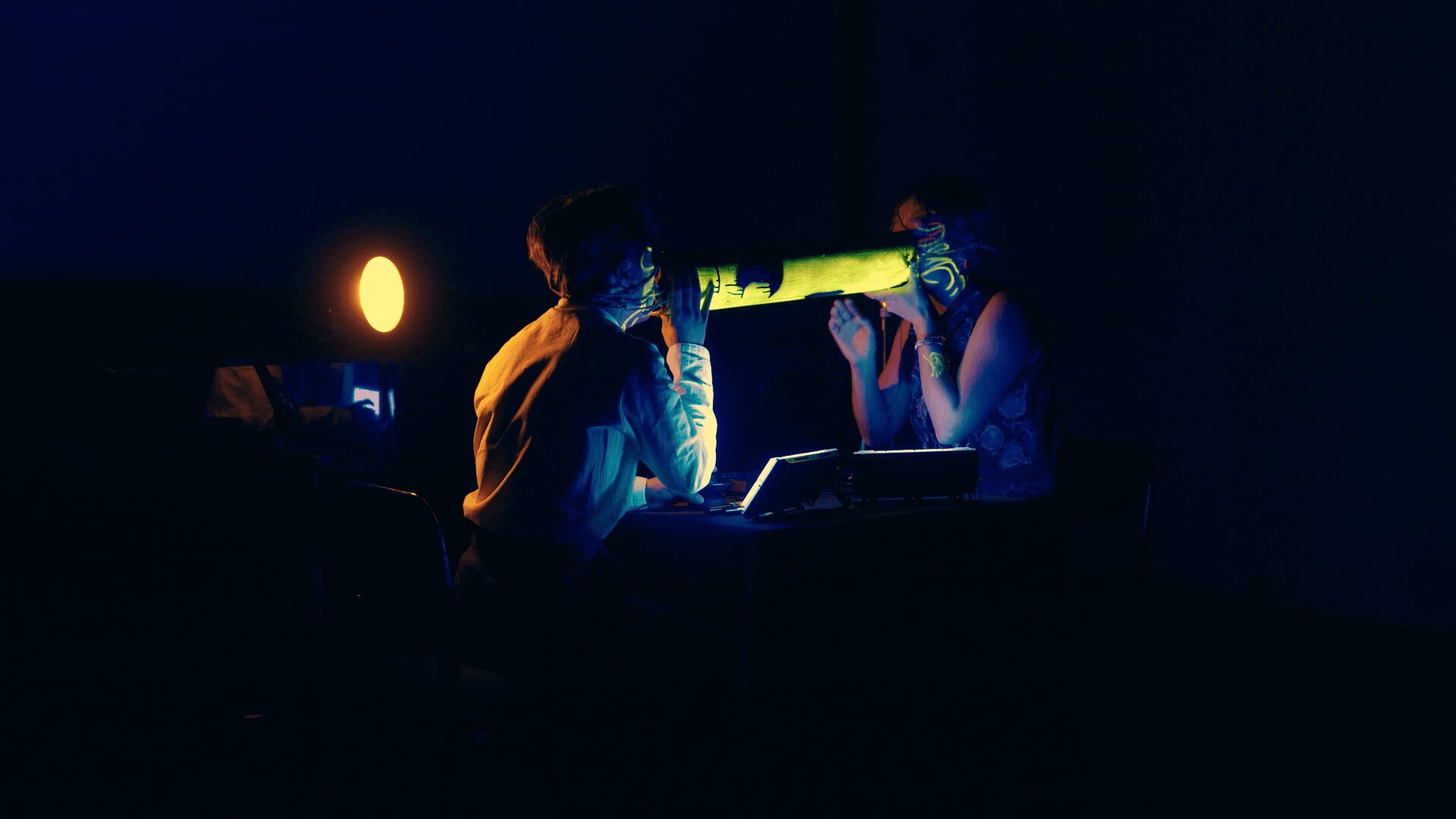
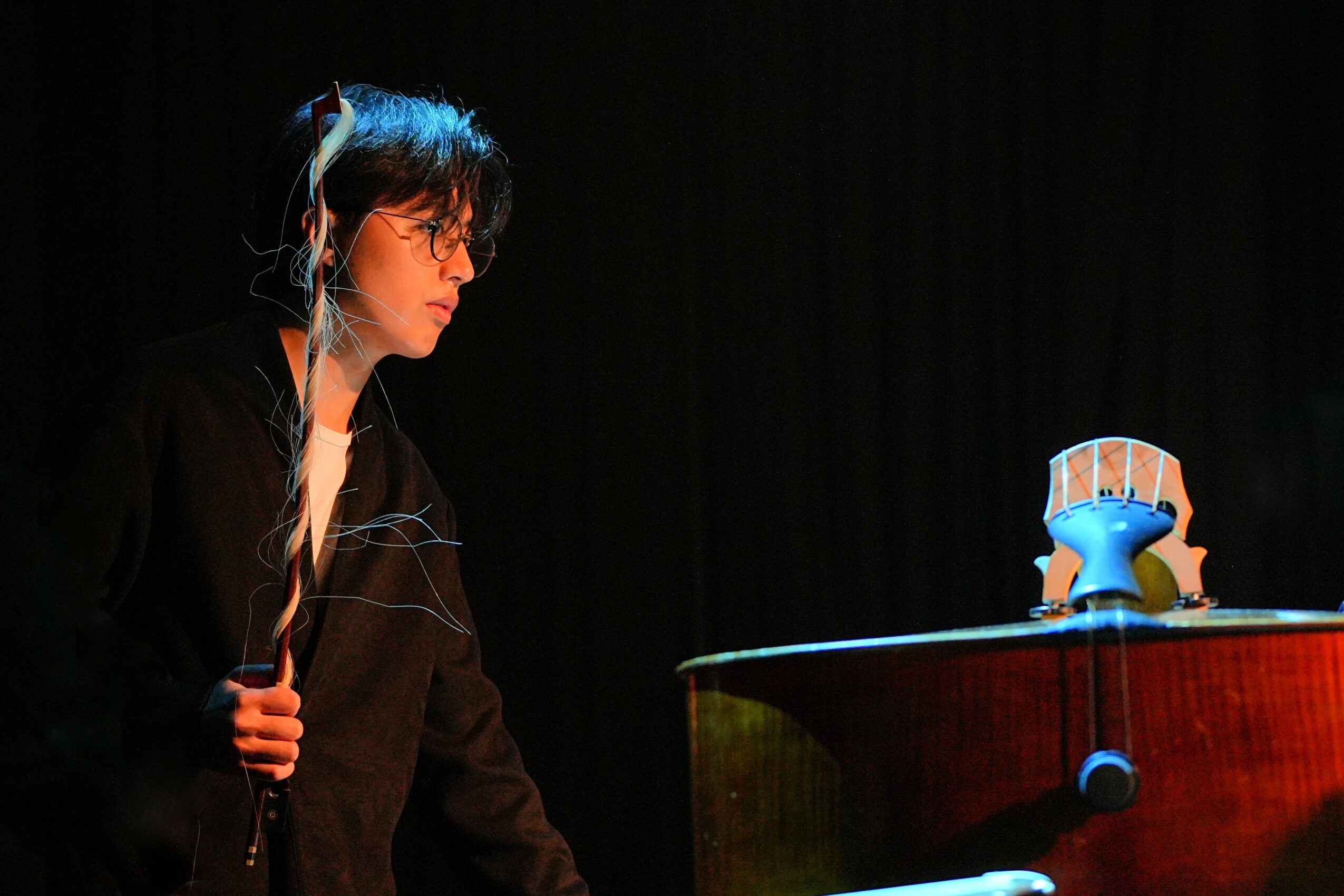
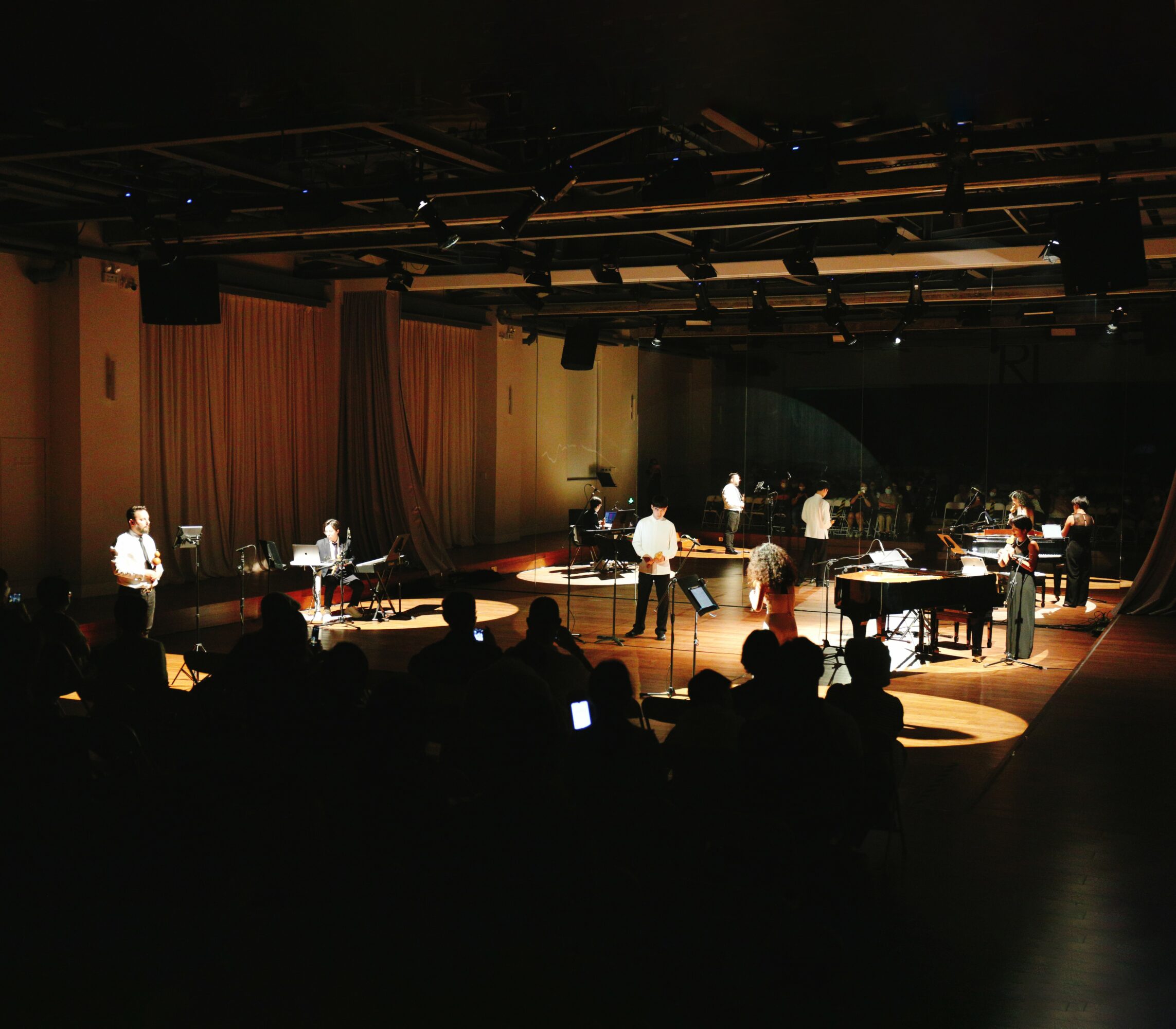
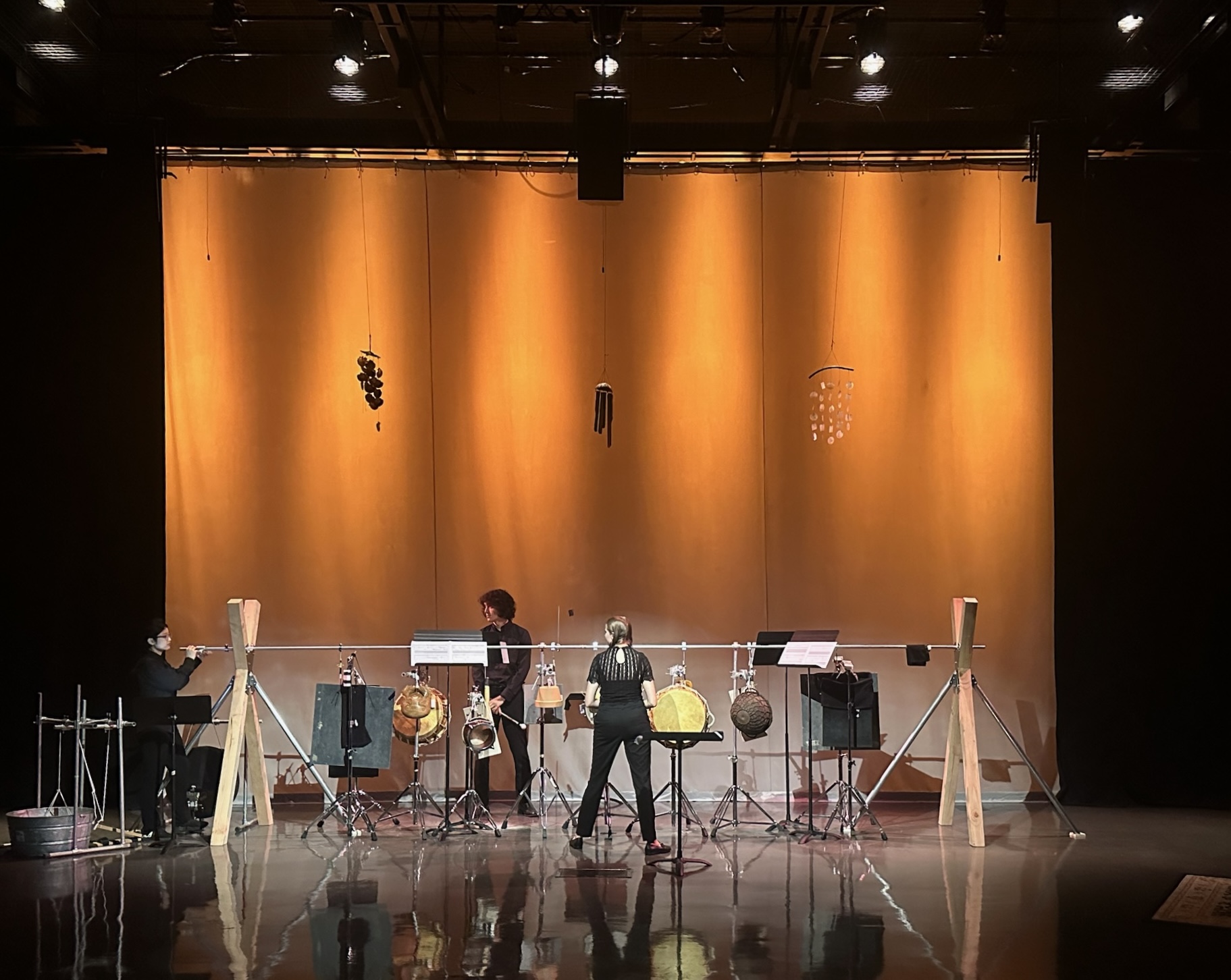
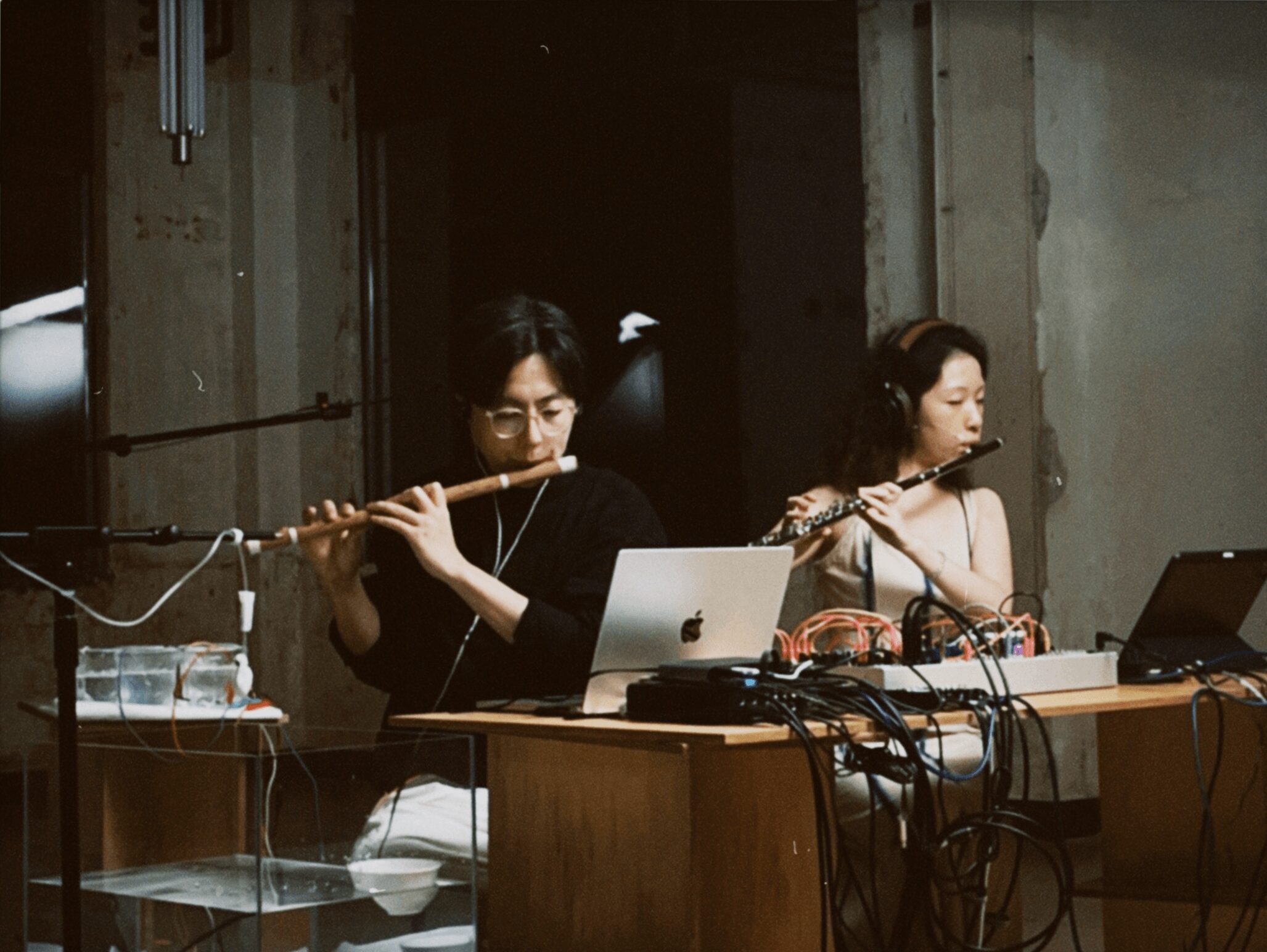
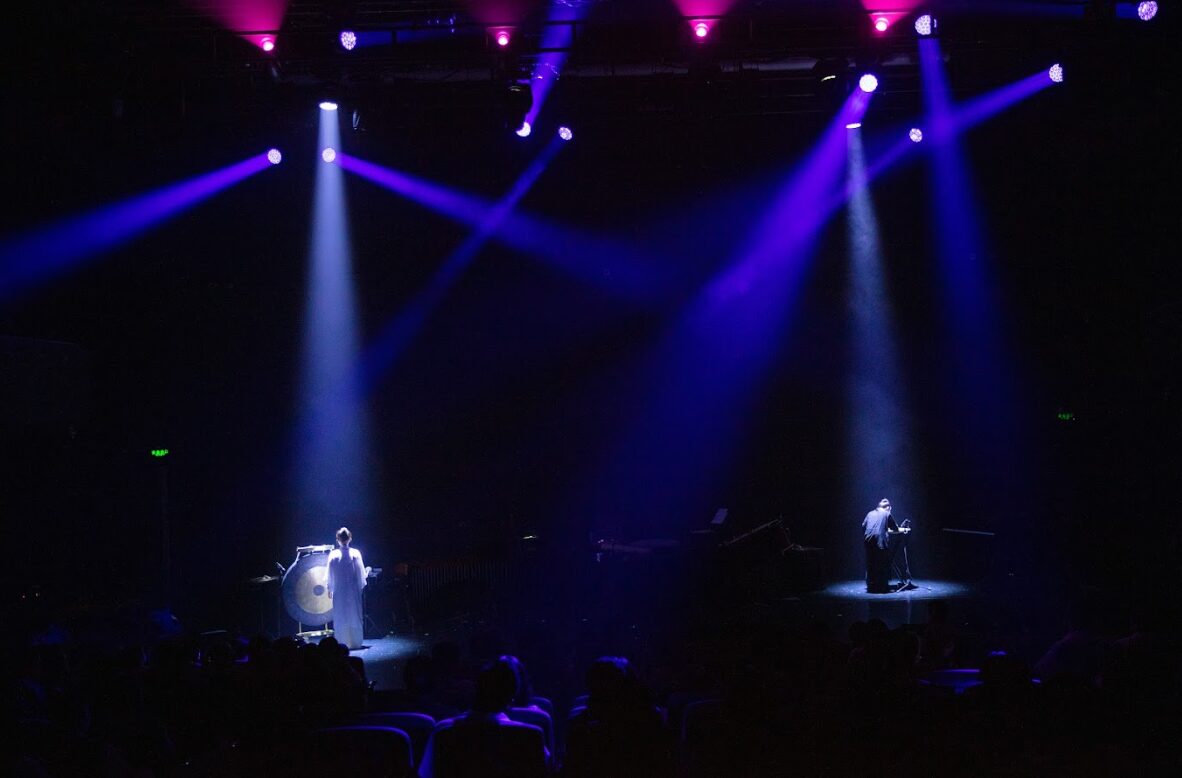
Image Credits
Yifan Guo, Hana Tobias, Qualcomm Institute, TRI Space Shanghai, Shanghai Symphony Orchestra, Qianhou Space, Guangzhou Opera House, Guanjie
Popular
-
Robin Olive on Building an Inclusive Performing Arts Movement and Expanding Opportunities for Every Student
-

Portraits of the Valley
-

LA’s Most Inspiring Stories
-

Que Johnson on Building Brands That Last: From Visibility to True Market Authority
-

Christina Wren Steps Into the Director’s Chair to Tell Stories That Feel Like Home
-
JordanL on ‘Breathe,’ Belief, and Building a Movement Beyond the Music


