




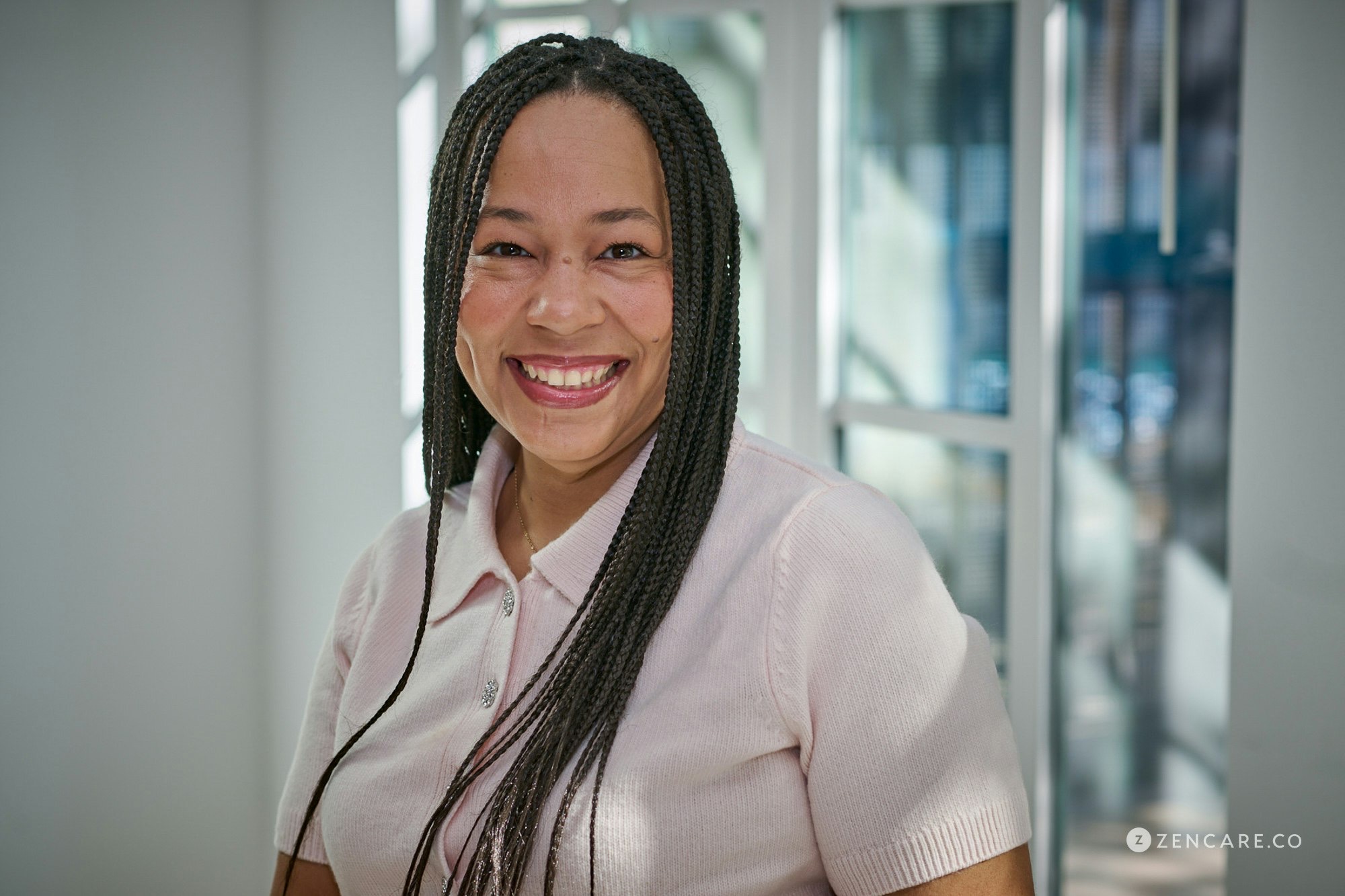
Today we’d like to introduce you to Taiann Knetge-Forbes.
Hi Taiann, thanks for sharing your story with us. To start, maybe you can tell our readers some of your backstory.
My name is Taiann Knetge. I am a biracial Black woman, heterosexual, cisgender, a mother, wife, aunt, and therapist. Each of these identities shapes both who I am and how I show up in my work.
I am a Licensed Clinical Social Worker with over 10 years of experience in the mental health field. My work is grounded in anti racist and anti oppressive practices, with a focus on eating disorders and co occurring disorders. I specialize in eating disorders, anxiety, depression, neurodivergence, and racial based issues and am certified in CBT and EMDR, with additional training in DBT.
I run a private practice where I primarily serve Black women and other women of color. I also provide trainings in the community on various topics, including eating disorders, equity in treatment, and diversity, equity, and inclusion. In addition, I am passionate about helping treatment spaces become more adaptive, culturally responsive, and accessible for people of color.
I am a part time lecturer at California State University, Northridge, and serve as the faculty advisor for the Masters of Social Work Black Social Work Caucus student organization, which promotes resiliency in Black identifying students and the broader community.
I entered this field because of my own lived experiences with body image challenges, an eating disorder, racism, anxiety, and depression. When I was seeking support, I did not see myself or my culture reflected in treatment spaces. That absence deeply impacted me and ultimately inspired me to become the representation and support I wished I had. I was given an opportunity to grow and learn in the field by many powerful and insightful women, Dr. Wendy Ashley, Tammy Bagdasarian, and Dr. Desiree DeShay, which helped shape the trajectory of my career.
As a first generation college student, my academic journey was not easy. I was lifted and supported by Black women who poured into me, and I carry that with me in everything I do. I earned my Master of Social Work from California State University, Northridge, and I am committed to paying that support forward.
I am also a mother to a three year old daughter who is the light of my life. I have a parent like relationship with one niece and two nephews who have given me so much purpose and perspective. My daughter, my niece and nephews, and my husband are my motivation for everything I do.
I want a world where my daughters never have to feel ashamed of their bodies, their size, the color of their skin, or their hair, and where they can have a peaceful, healthy relationship with food. I want them to grow up free from the weight of Eurocentric beauty standards, racism, and fatphobia. I want my sons to feel equal to any man, to live fully and freely as who they are, without limits placed on them by systems or stereotypes.
My work spans micro and mezzo levels, providing direct clinical care in my practice, teaching future clinicians, and offering community trainings. At the core of it all, I am dedicated to empowering people of color, especially Black women, to heal, reclaim their narratives, and thrive.
What feels different about my approach is that it is deeply rooted in anti racist and anti oppressive practice. I do not treat eating disorders and body image concerns as issues that exist in isolation from culture, history, or systems of power. I intentionally help clients explore how racism, historical trauma, Eurocentric beauty standards, and systemic oppression have shaped their relationship with their bodies and with food.
When someone is able to recognize that parts of their body image struggles are rooted in racism and white supremacy, not personal failure, it allows them to lift shame off their own shoulders and place it where it belongs, on oppressive systems. That shift is often profoundly liberating and transformative. It creates space for self compassion, cultural pride, and healing that feels grounded rather than pathologizing.
I have witnessed clients grow more comfortable in their bodies, embracing their hair, their skin, their size, and their full identities, and reconnect with themselves in ways that feel authentic and empowering. I have also seen organizations I have trained begin to shift their practices, meeting clients needs in more culturally responsive and validating ways, and equipping providers with tools that foster equity rather than exclusion. In many ways, their healing has helped me continue my own. Bearing witness to their courage, resilience, and growth is reciprocal. It reminds me why this work matters and deepens my own commitment to collective liberation.
I see myself not only as a clinician, but as an advocate and systems disrupter. My work challenges the historical exclusion of Black and brown bodies in eating disorder treatment and pushes the field toward accountability, inclusion, and justice.
I’m sure it wasn’t obstacle-free, but would you say the journey has been fairly smooth so far?
It has not been a smooth road. Growing up biracial added layers of complexity to my experiences. Having a monoracial parent raising a Black child in the 80s, 90s, and early 2000s came with challenges. My parents did the best they could with what they knew, but navigating identity, belonging, race, and representation left scars that I have had to unpack and heal from over time.
More recently, one of my greatest challenges has been living through the Altadena fires in 2025. I am a resident of Altadena, California, a historically Black neighborhood with deep cultural roots. Although my home did not physically burn down, it was surrounded and located in the burn zone. Everything inside was destroyed, and the house was deemed unlivable. I had to throw away all of our belongings and start over.
My father, who lived just around the corner, lost our family home of 60 years. Everything inside was gone, including my mother’s ashes. That loss was devastating. His home was a central gathering place for our family, filled with history, memories, and legacy. The collective loss in Altadena is something we are still processing, and the long term impact on our community has only begun to unfold.
I am still recovering. My family and I are currently in a transitional space, living in an apartment and not yet back in a permanent home. Rebuilding is ongoing, both materially and emotionally.
At the same time, these experiences have deepened my understanding of grief, resilience, displacement, and collective trauma. They have strengthened my commitment to community, healing, and justice in ways I could not have anticipated.
Thanks – so what else should our readers know about Taiann Knetge, LCSW ?
My practice is rooted in healing, liberation, and cultural responsiveness. I specialize in eating disorder treatment and co occurring disorders, with a primary focus on Black women and other women of color who have historically been overlooked, misdiagnosed, or excluded from traditional treatment spaces.
What sets my practice apart is that I do not separate mental health from culture, identity, or systems of power. My work is grounded in anti racist and anti oppressive frameworks. I help clients understand how racism, historical trauma, Eurocentric beauty standards, and systemic marginalization shape their relationship with their bodies and with food. Healing in my space is not about fixing individuals. It is about reducing shame, increasing self compassion, and contextualizing struggles within larger systems.
I am certified in CBT and EMDR and trained in DBT, which allows me to integrate evidence based practices with culturally grounded care. Clients often come to me after feeling unseen in other treatment environments. In my practice, they are validated, understood, and not pathologized for surviving oppression.
In addition to direct clinical care, I provide community based trainings on eating disorders, equity in treatment, and diversity, equity, and inclusion. I work with organizations to help them become more adaptive and responsive to the needs of marginalized communities. I am known for pushing conversations further, challenging long standing norms in the eating disorder field, and offering practical tools for clinicians who want to practice more ethically and equitably.
Brand wise, I am most proud that my work feels aligned and authentic. My practice is not performative. It is deeply personal and rooted in lived experience, clinical expertise, and a commitment to collective liberation. I am proud that my brand centers Black women unapologetically while still holding space for broader community healing.
What I want readers to know is that my services are designed for those who have not felt reflected in traditional treatment models. Whether through therapy, consultation, teaching, or training, my goal is to create spaces where people feel seen, culturally affirmed, and empowered to reclaim their narratives and their bodies. My work is about more than symptom reduction. It is about dignity, justice, and sustainable healing.
Do you any memories from childhood that you can share with us?
I had a very happy childhood. It wasn’t perfect, but it was filled with love, laughter, and connection, which makes it hard to choose just one favorite memory.
I spent a lot of time with my grandmother, is was delightful, playful, and full of joy. My parents always kept us engaged in activities, sports, and family time, so there are many moments I treasure. But some of my favorite memories are from camping trips with my mom.
We would go to Leo Carrio State Park for a few days with my mom, her two close friends, and all of their children. I remember making s’mores around the campfire, telling ghost stories and silly stories late into the night, and playing board games. During the day, we would run around, ride bikes, swim, play in the sand, and laugh until our sides hurt. There was something about being outside, surrounded by family and community, that felt so freeing and joyful.
Those camping trips are some of the happiest memories of my life. They represent connection, adventure, and the kind of simple joy that stays with you long after childhood ends.
Pricing:
- Individual Therapy sessions are $165 for a 60 minute session.
- Speaking engagement fees begin at $250 per hour, with rates varying based on format, audience size, preparation time, and travel requirements.
Contact Info:
- Website: https://blinq.me/EnneaVtZRXjO6nEkhGSM
- Instagram: https://www.instagram.com/taiannklcsw
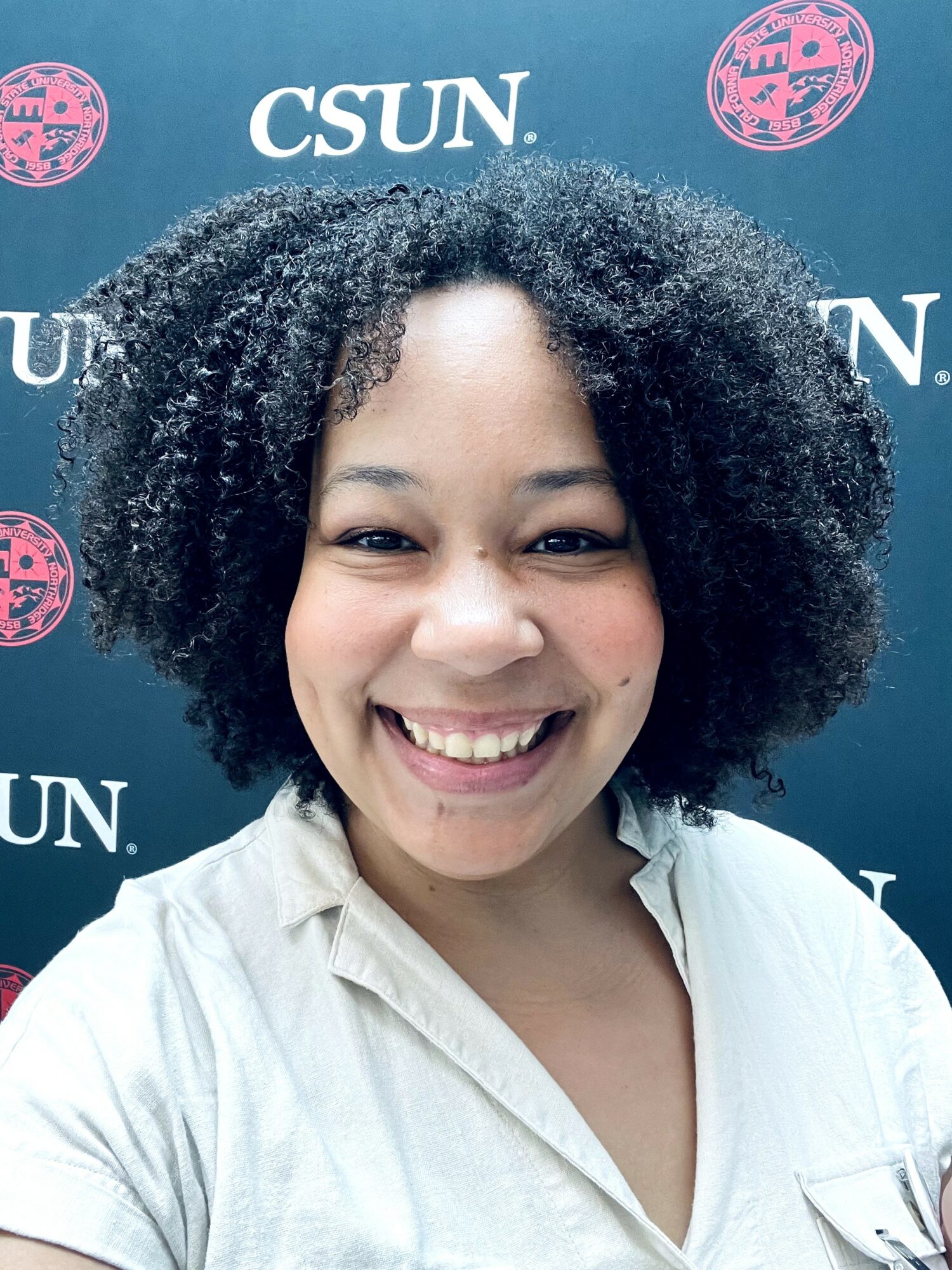
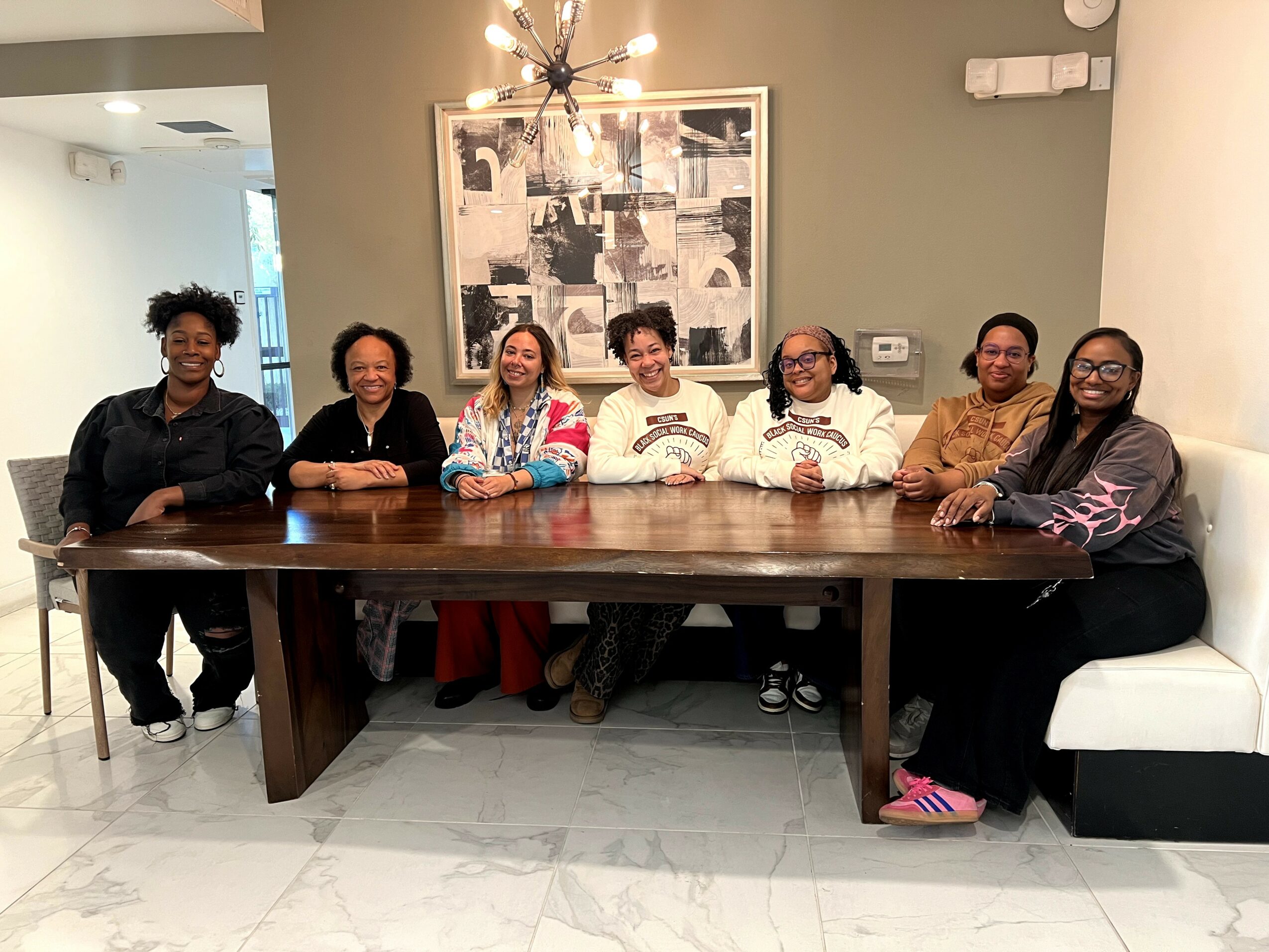
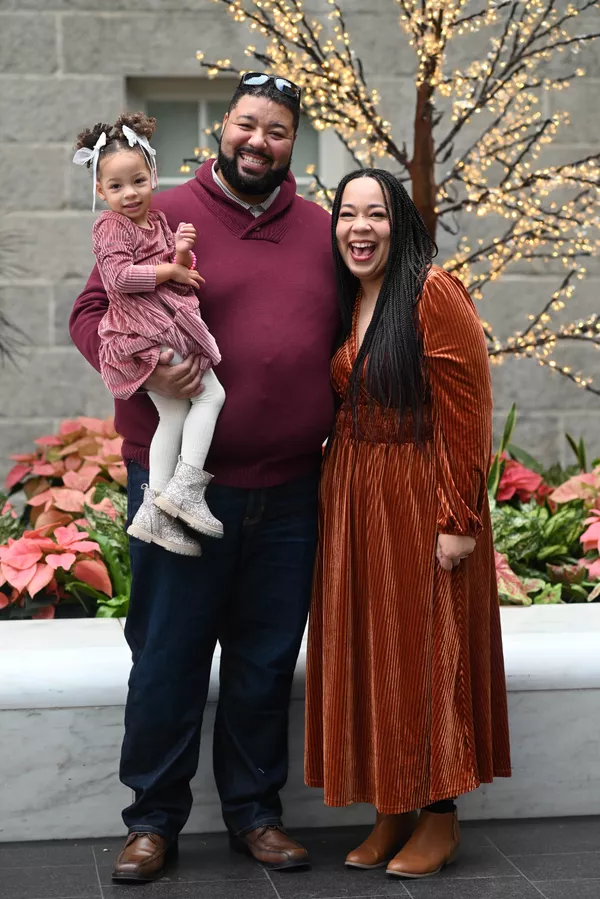
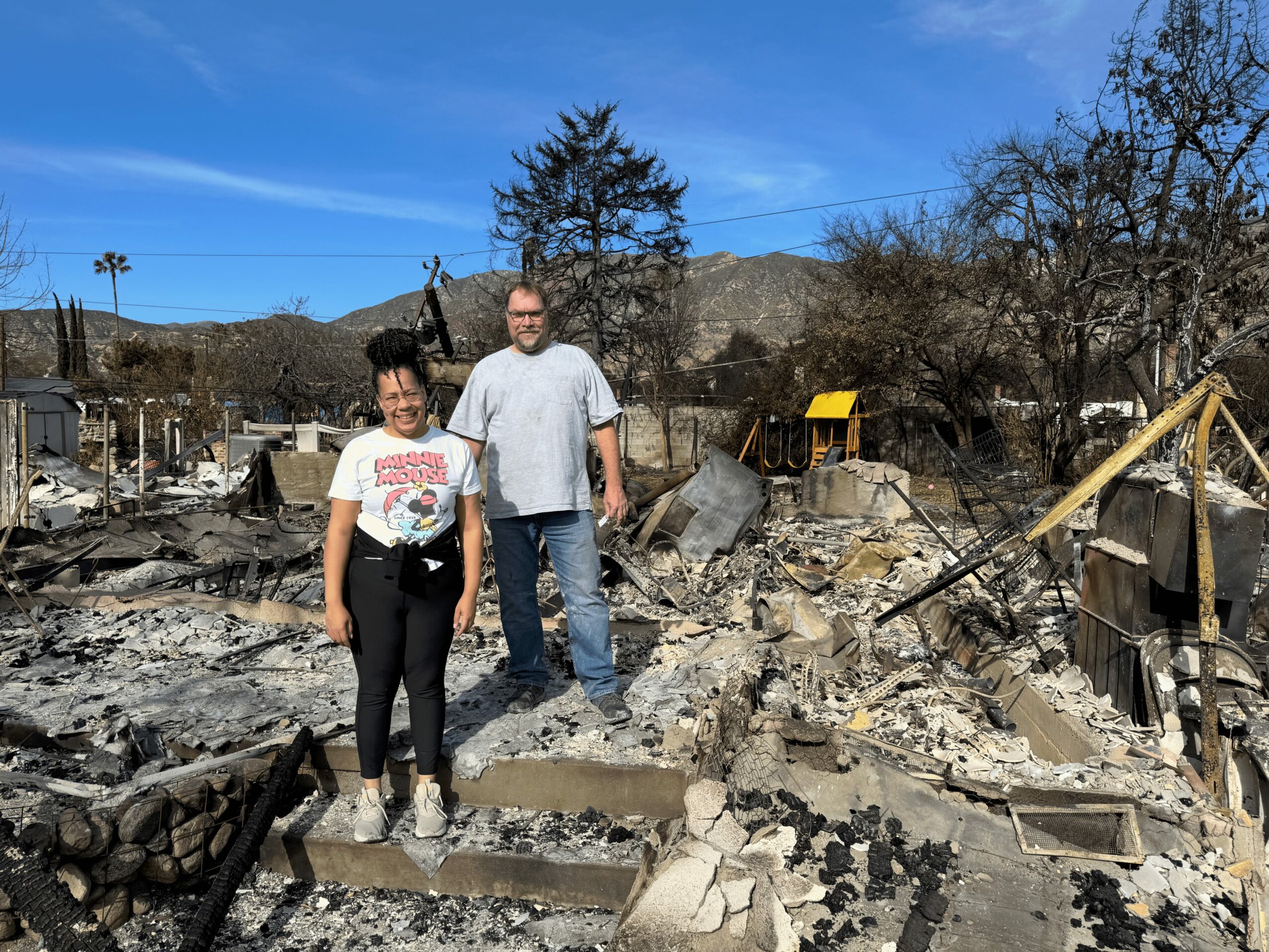
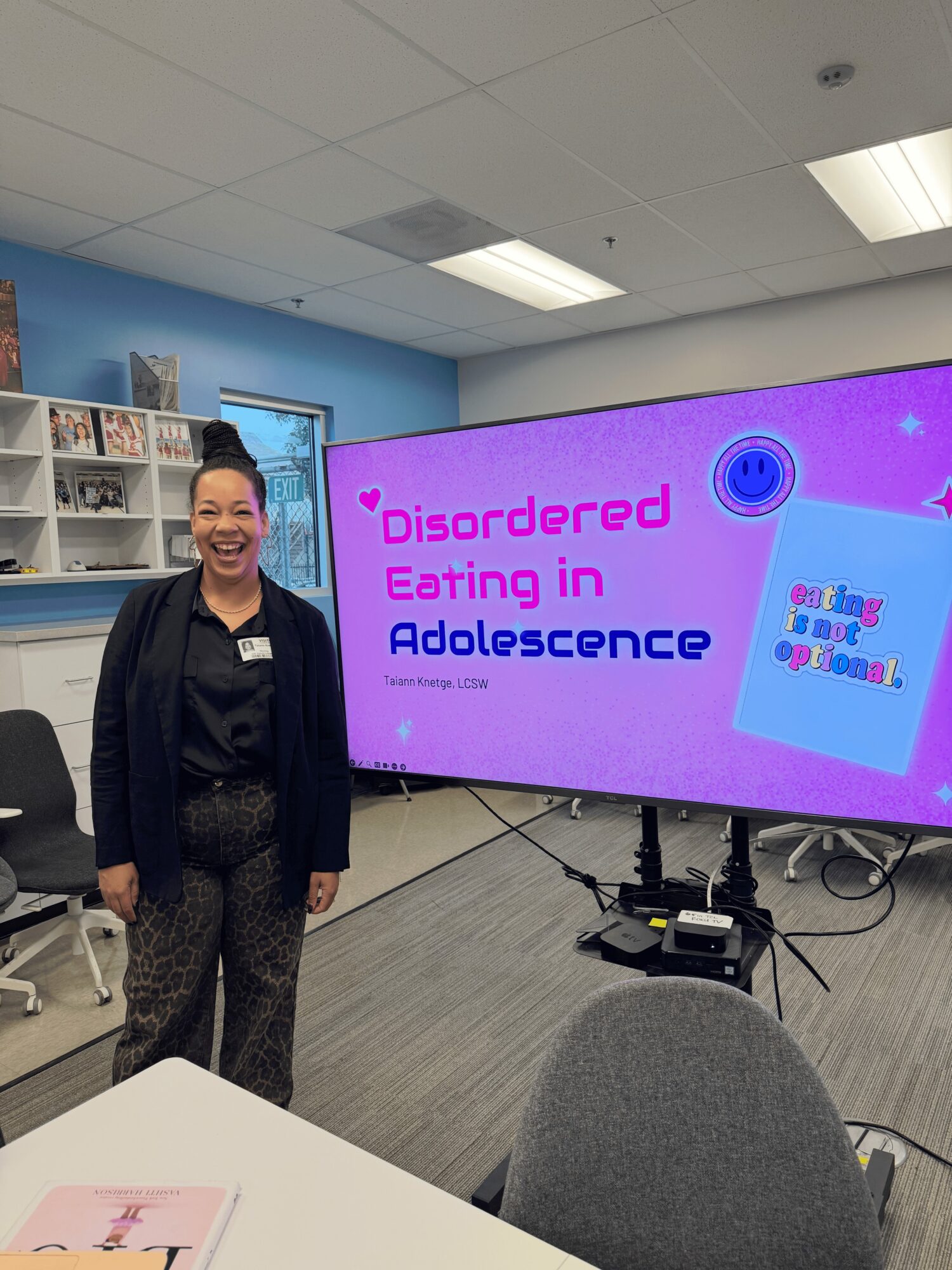
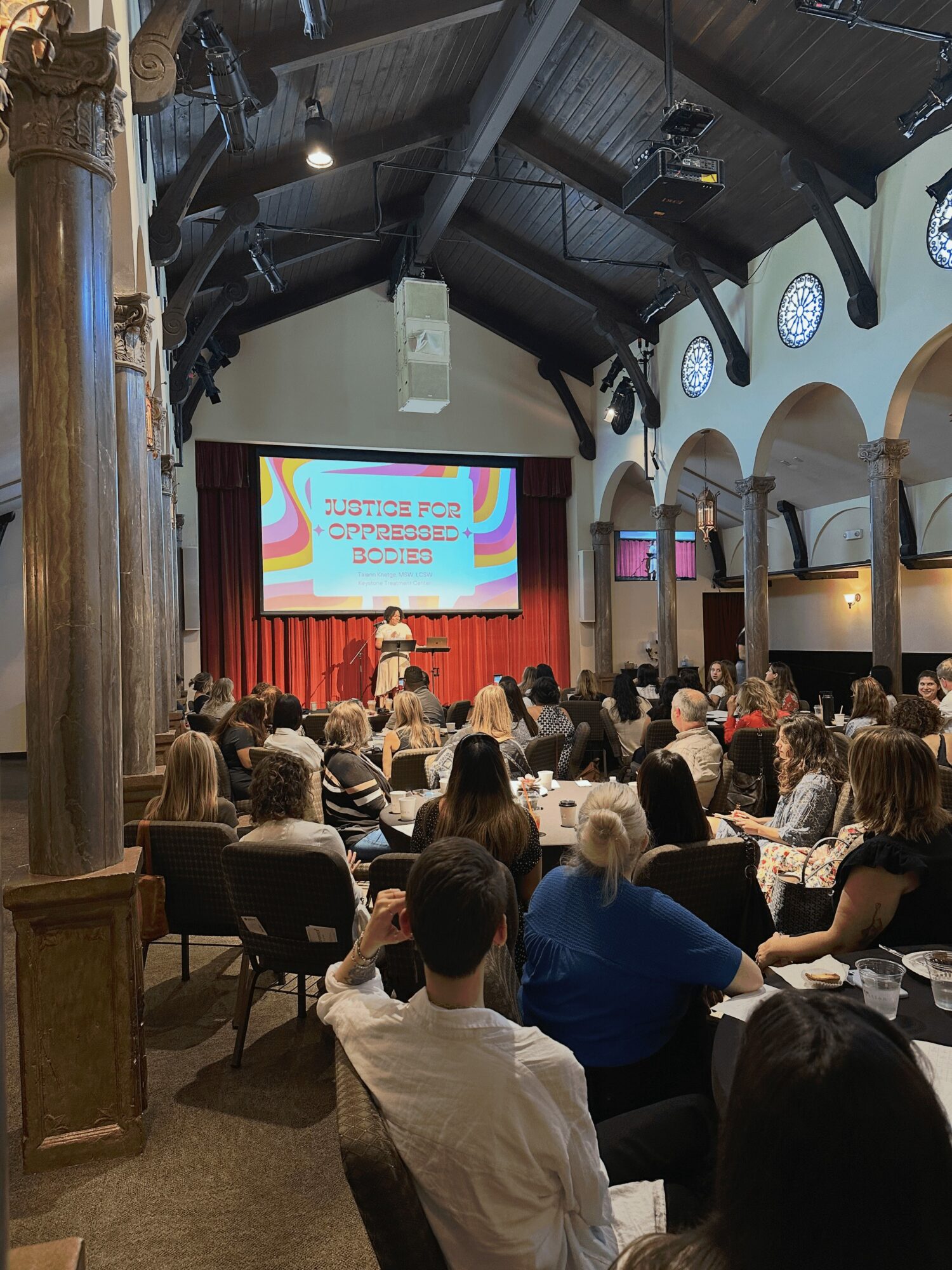
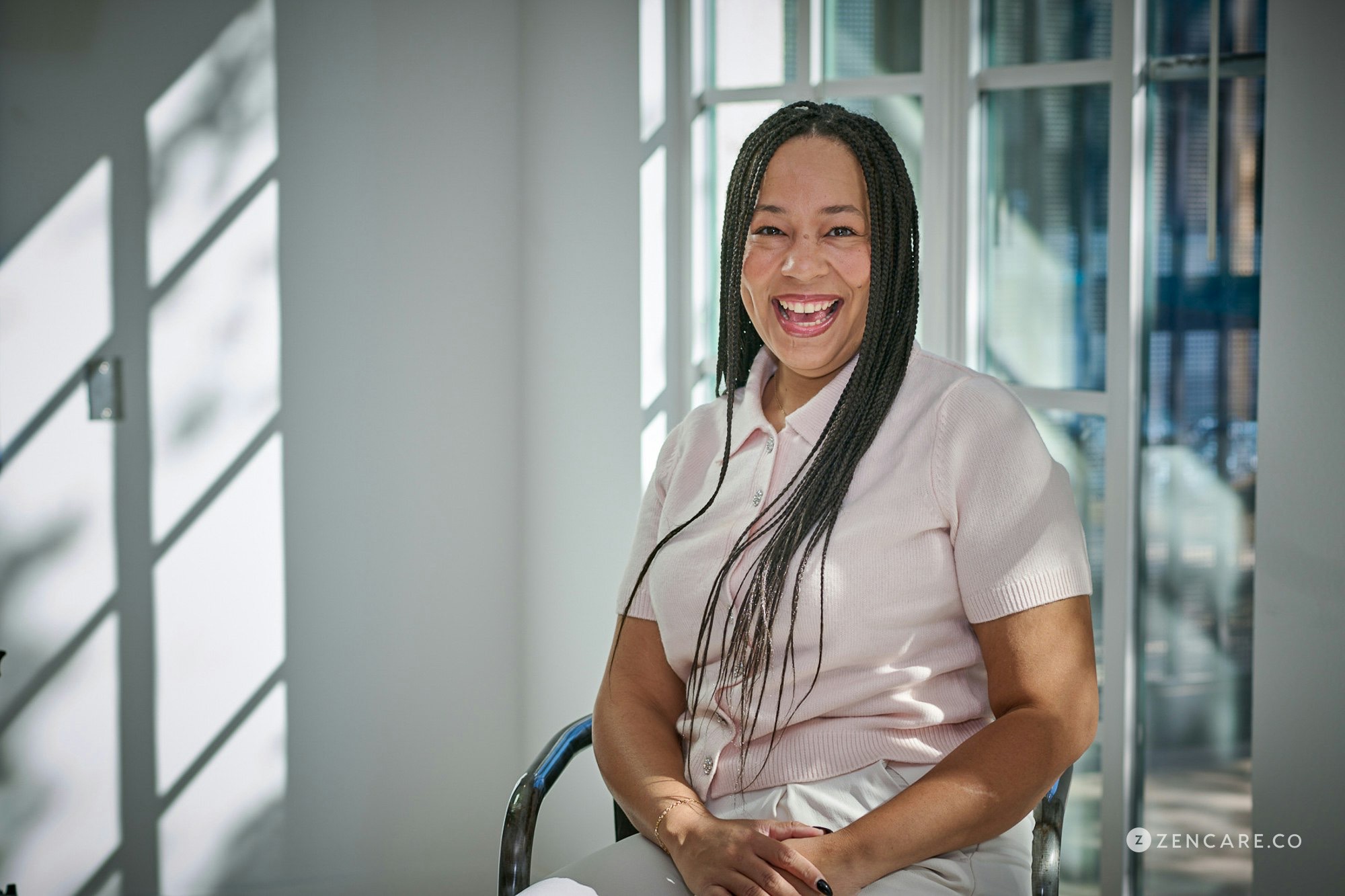
Image Credits
Some pictures through zen care, I can use them as long as they are not on opposing sites. “Photo usage permission: I understand that I can use my Zencare photos on my own website and promotional materials for professional and personal needs. I also understand that I cannot use my Zencare photos on competitor sites such as therapist and medical professional directories. I understand I may be asked to leave the professional network and/or end my Zencare membership if I violate this agreement.”
Popular
-
Cedar Boschan on Elevating Black Music Rights and Driving Urgent Conversations Around Credit, Equity, and Artist Protection
-

Portraits of the Valley
-

LA’s Most Inspiring Stories
-

Robin Olive on Building an Inclusive Performing Arts Movement and Expanding Opportunities for Every Student
-

Que Johnson on Building Brands That Last: From Visibility to True Market Authority
-

Christina Wren Steps Into the Director’s Chair to Tell Stories That Feel Like Home


