




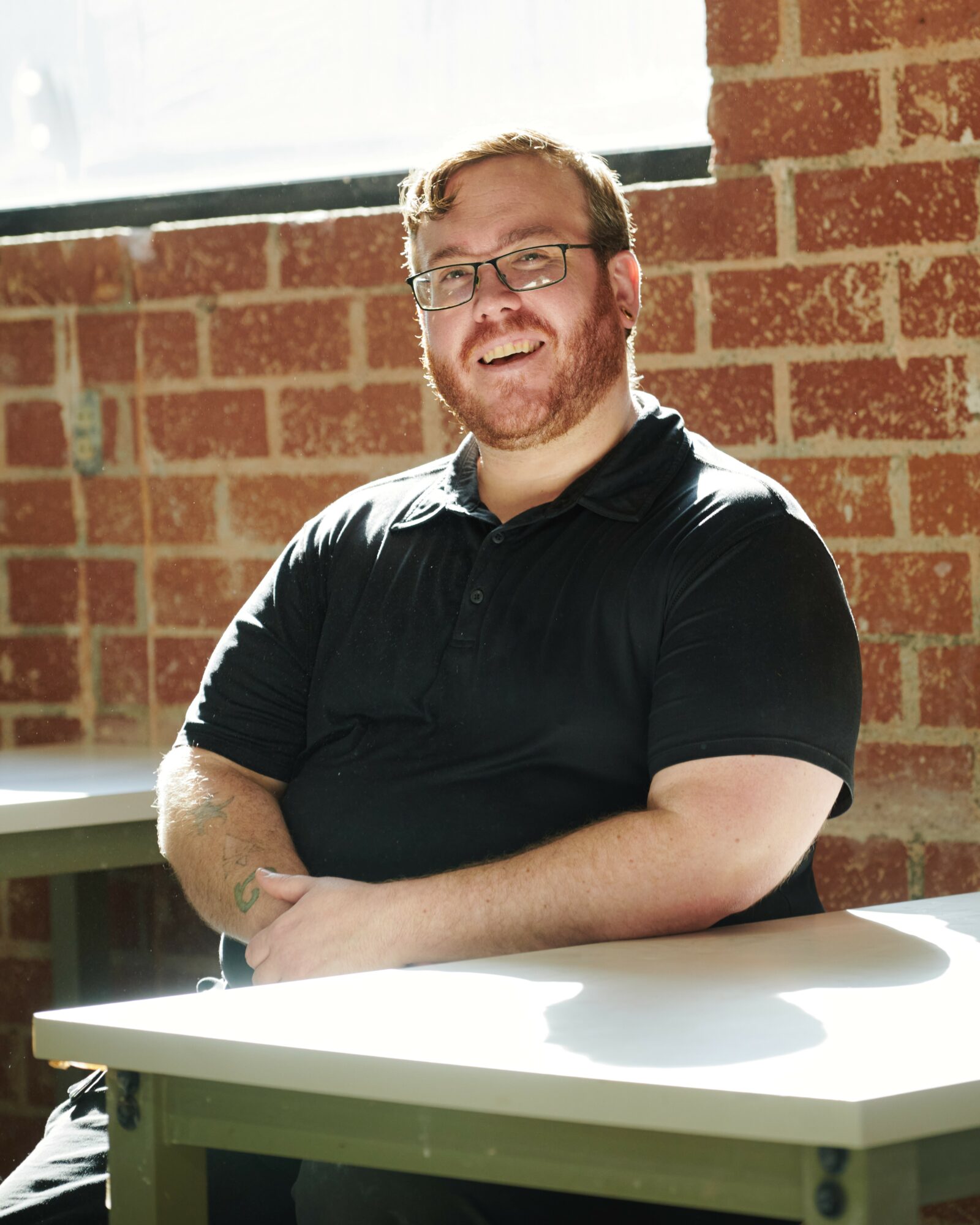
Today we’d like to introduce you to Makay Finley.
Hi Makay, thanks for joining us today. We’d love for you to start by introducing yourself.
I’ve always been fascinated by art. I’ve had the privilege to try nearly every medium you could name: literature, music composition and performance, carvings of wood, stone, soap, resin casting, sculpture, all manner of painting, and more. The one art that always eluded me was pottery.
When it comes to clay, I believe than anyone can make beautiful pieces from clay, whether they’re functional or made solely for display. However, the end-stage finishing process of firing and glazing is unattainable for the average hobby enthusiast. Kilns are expensive to own and operate; material supplies for glazing can be dangerous to store or mix without proper precautions. These limitations gated my access to pottery, until an avenue became available to me a few years ago.
With the advent of the COVID crisis, local colleges reinvested in online learning. Previously, there were very few classes available outside of in-person or daytime hours, so this new availability was a huge benefit for me. I had dropped out of college many years ago to pursue career opportunities, and the more I became committed to daytime work schedules, the fewer chances I had to re-enter the educational system. I took the opportunity to re-enroll at the local Los Angeles Valley College and complete general educational courses. With these requirements finally fulfilled, I was primed to enjoy the in-person art courses when lockdown was lifted and the campus reopened.
I spent the last 3-4 years at Valley College. The first couple years were filled with pottery and sculpture courses, learning the ins-and-outs of the ceramic process. I’ve spent the last couple years volunteering as a studio technician, assisting with kiln loading, firing, and maintenance, clay recycling (reclaim), glaze mixing and testing, janitorial services, and more.
Midway through my time at Valley College, I joined a local studio (The Pottery Studio) in Sherman Oaks as a member. After about a year of near-daily practice, my skills had improved significantly. When the opportunity to work with the studio as a pottery instructor opened up, I leapt at the chance. Combining my pottery experience with my years of professional training roles, this instructional part-time job proved to be one of the most fulfilling roles I’ve ever served.
Alright, so let’s dig a little deeper into the story – has it been an easy path overall and if not, what were the challenges you’ve had to overcome?
Aside from the past struggles to access kilns or classes, the biggest struggle is working with the clay itself. Although the finished product is extremely durable, the clay is sensitive and fragile during the making process. As I tell my students, I have gone home from the studio in tears on more than one occasion. Maybe it’s spending six hours in front of the pottery wheel, only to end up with a formless pile of mud. Maybe it’s a sculpture that I’ve pored over for days, only to shatter when I drop it, or to develop several cracks as it dried. Maybe a highly anticipated piece whose final appearance is starkly different from my expectations when I see it come out of the final kiln firing. This is an art where you can irreparably damage any piece, at any point in the process.
I’ve also experienced struggles with selling pieces, but I should clarify. I’ve had many successful jobs selling products and services, both in-person and online. I have access to some market events, like the Good Times Farmer’s Market at Los Angeles Valley College, and the college’s annual Winter Student Sale. When selling at these events, the daily profits are always in a four-digit sum. My struggle is not in making pieces that sell well, but in finding places to sell pottery.
Between my 9-5 day job, volunteering at Valley College, and teaching at The Pottery Studio, I simply don’t have time to participate in any market events. Even if I had the time, most Los Angeles markets require steep vendor fees with no guarantee of a worthwhile turnout. Selling online is another challenge. Setting item descriptions, taking & editing product photos, packing and shipping products is a huge time sink. Rather than divest my time & energy to sell pieces, I’ll donate to the Valley College and participate in these infrequent sales events to maximize profits for the lowest time expenditure.
Thanks for sharing that. So, maybe next you can tell us a bit more about your work?
My ceramic practice has a strong focus on functional pieces, items with a specific use. This is partially due to my role as a pottery instructor, where I teach others how to produce wheel-thrown pottery. Functional pieces are often the first category of work created, as learners build skills in shaping the clay and practicing standardized forms. If I had never pursued an instructional path, I believe my work would still embody a functional nature.
Though I was born and raised to be a man, I’ve realized a non-binary identity in recent years. I identify with the clay in this respect, being neither one thing nor the other. The clay has a limitless potential, taking forms that often evolve throughout the making process. In pottery terms, clay’s flexibility is called ‘plasticity’. I like to think of mental neuroplasticity as a human parallel to the clay, in terms of our own flexibility as we adapt to challenges.
And though I am not committed to a set gender role, my masculine heritage also encourages functionality in my work. Men are often viewed as expendable, as providers. It’s difficult to break away from the concept that my personal value is dependence on my usefulness, and my preference towards functional work reflects this.
In my personal work (separate from instructional demonstrations), I love making forms that involve identity or transmutation. For example, I love sculpting faces. The faces I sculpt do not include cranial or facial hair, or other signifiers that might prove whether the subject is male or female. In utero, there is a hair’s breadth between male or female development. I believe that with most things in life, there is a much greater overlap in similarities rather than differences. My work is ambiguous, allowing the audience to interpret the form according to their experiences.
My work is also known for dynamic sculptural presentation. I love art from the Baroque period, pieces that emphasize motion and action. The term dynamic means that a form is visually appealing from all angles. When working with something three-dimensional, like a sculpture, I take great consideration to make sure appendages and focal points of a sculpture are distinctly visible anywhere the audience is standing.
What sort of changes are you expecting over the next 5-10 years?
The art world has been threatened by recent advances in artificial intelligence. Illustrators, musicians, and writers have suffered job losses as corporations and patrons have become more reliant on AI-generated content in these mediums. The ceramics industry is fortunate that AI is not currently a threat. Three-dimensional forms are much harder to replicate artificially, and it’s unlikely that AI would be able to replace ceramic artists any time soon.
There are other constant challenges in the industry, mostly focused around supply chains. The pottery community often experiences a loss of a major material supplier every few years, which can stall or completely erase the availability of clays or glazes. Mines may go out of business, or mineral veins may run dry, and the pottery world either has to abandon a favored chemistry, or perform many tests to identify a suitable replacement using other materials.
I’m currently pursuing an educational career, transferring to California State University of Northridge (CSUN), where I’ll seek a Master’s program that would allow me to teach at the college level. If the current administration has its way, I imagine there will be significant challenges in the educational space. Funding and accessibility could be threatened or even eliminated, in a worst-case scenario.
As for pottery itself, this is a technology almost as old as humanity itself. I don’t think there will ever be a day where people won’t want to pursue this art. Pottery aside, art and self-expression is one of the most fundamental expressions of human identity. I’m incredibly honored to have a place in this setting as an instructor and as an artist.
Contact Info:
- Instagram: https://www.instagram.com/art_by_makay/
- Youtube: https://www.youtube.com/@SouffleArt
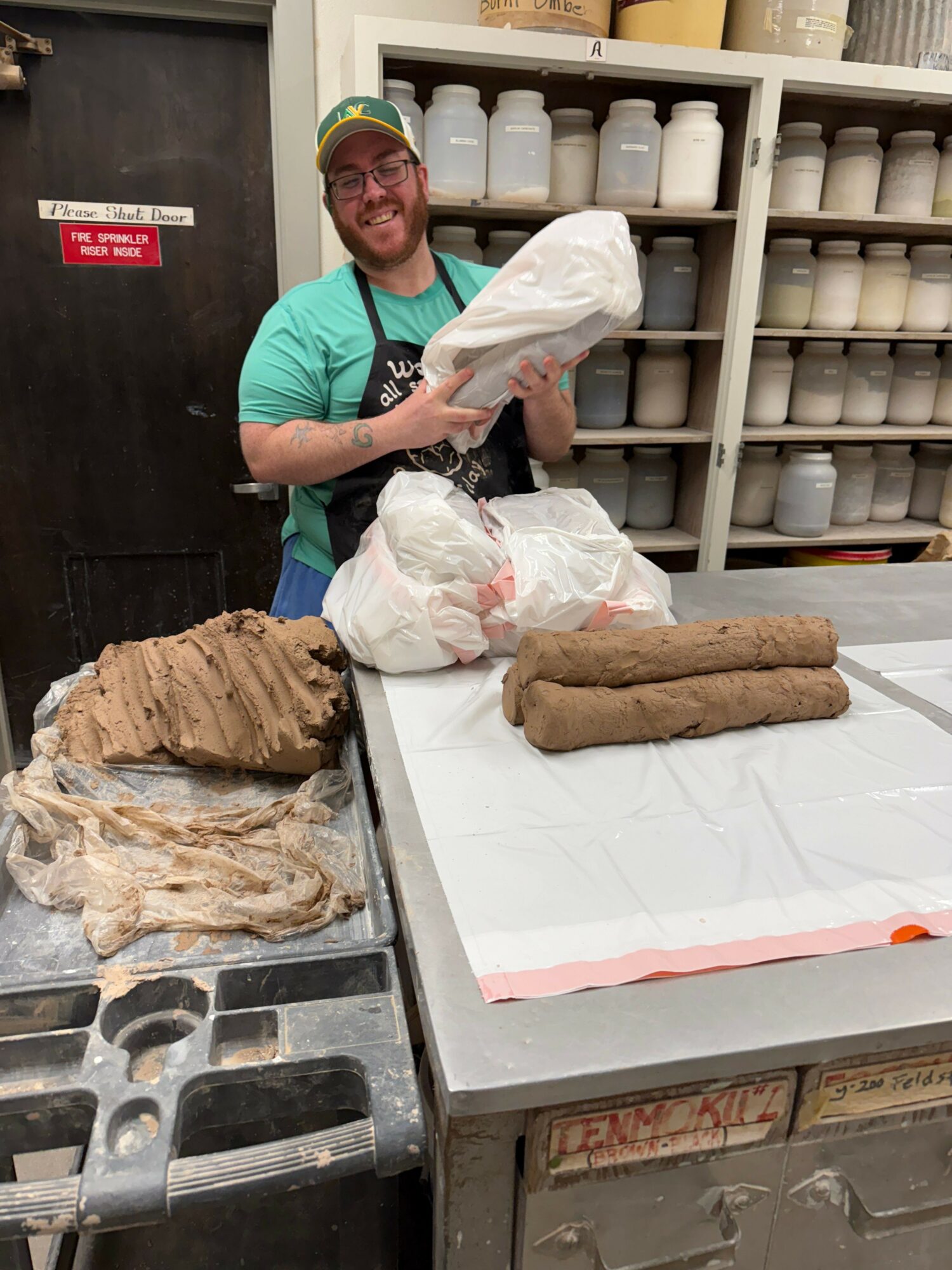
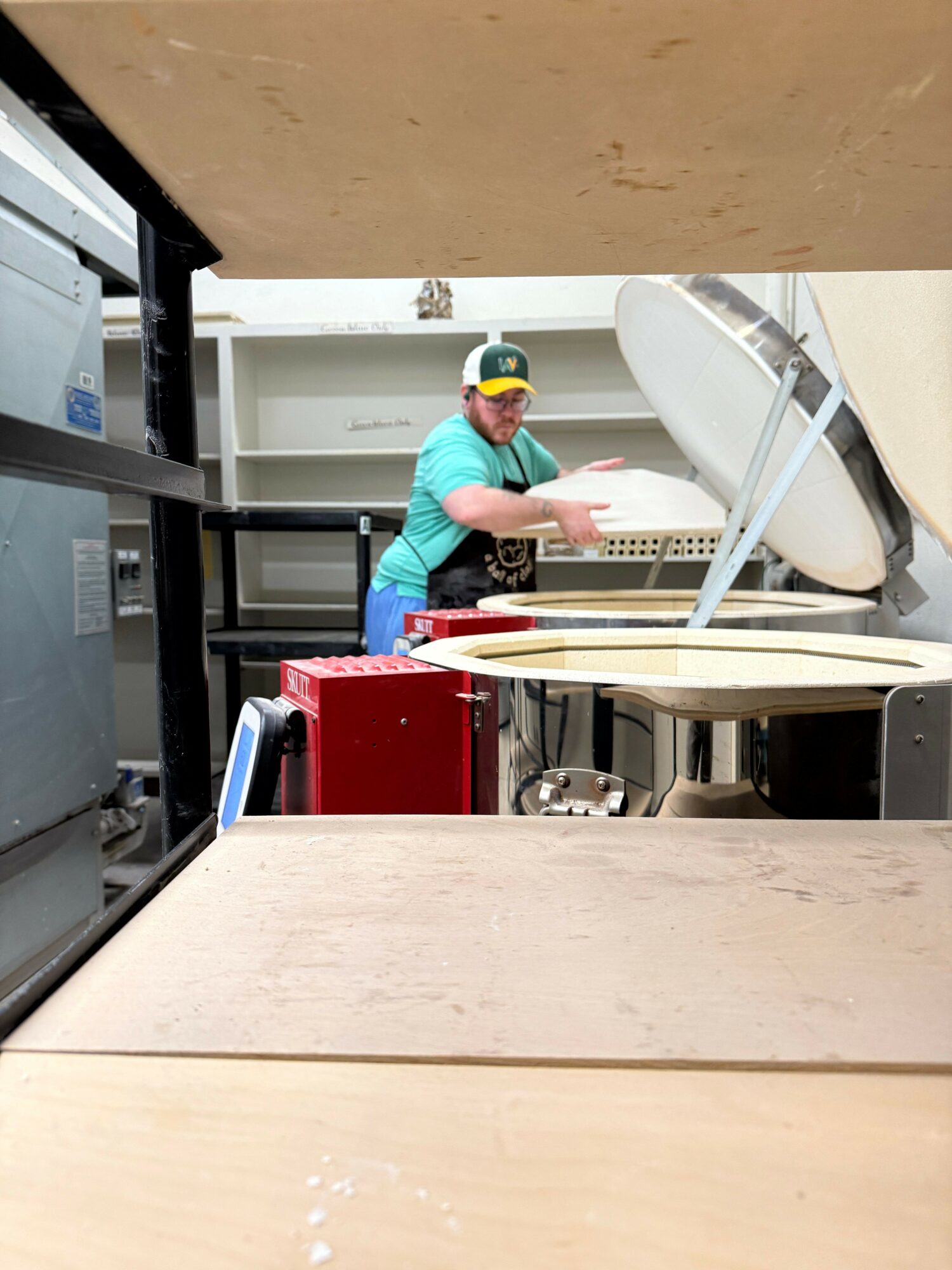
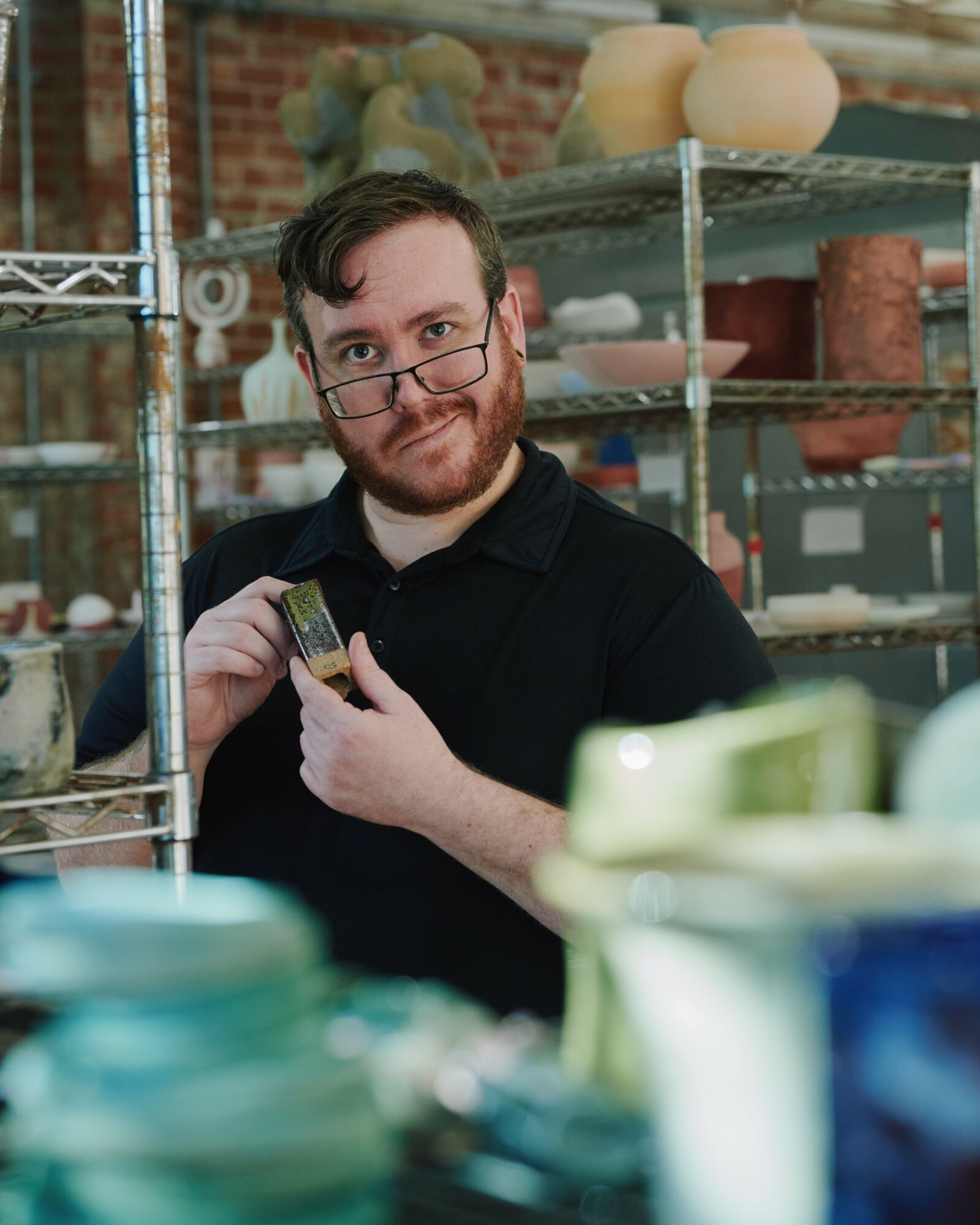
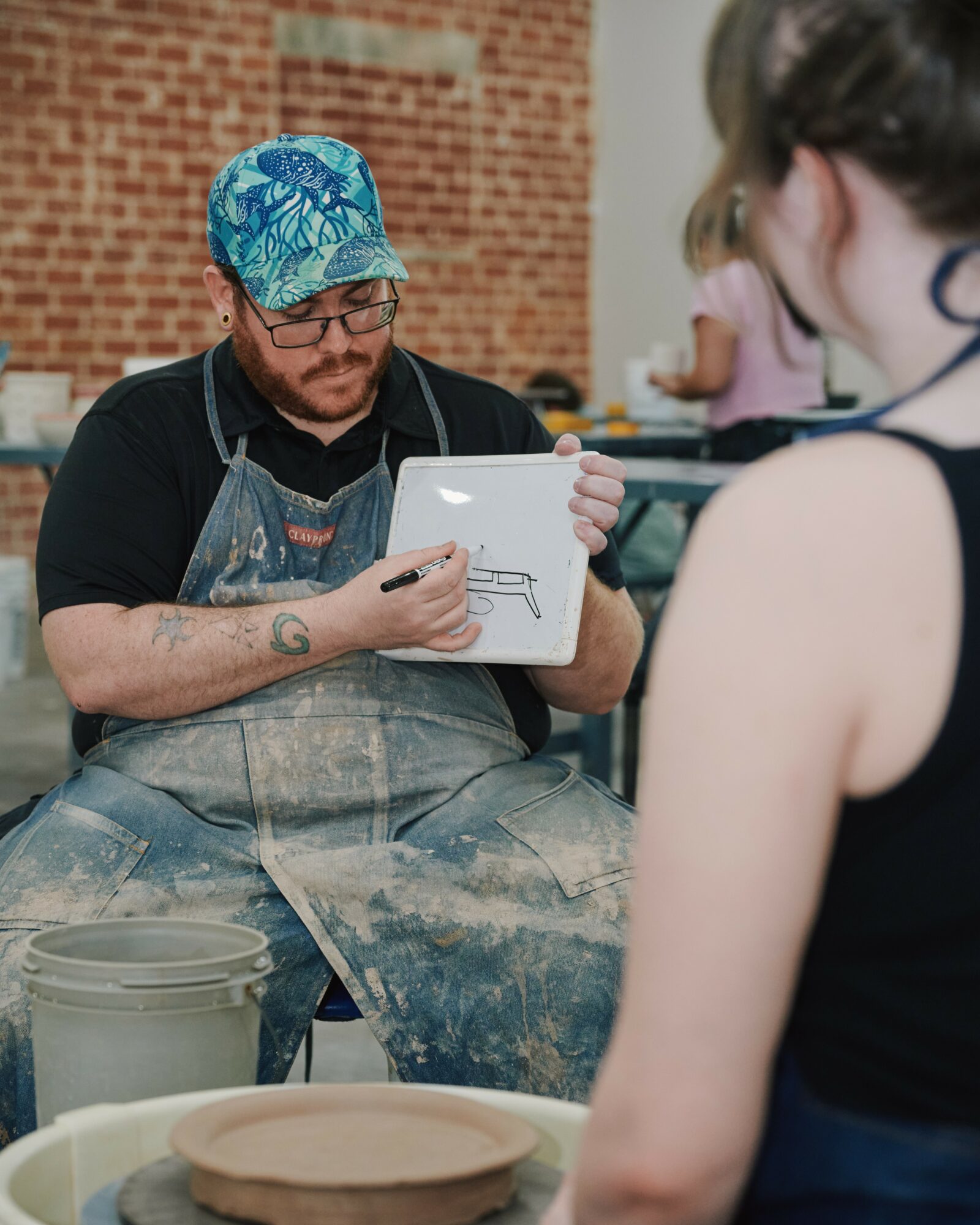
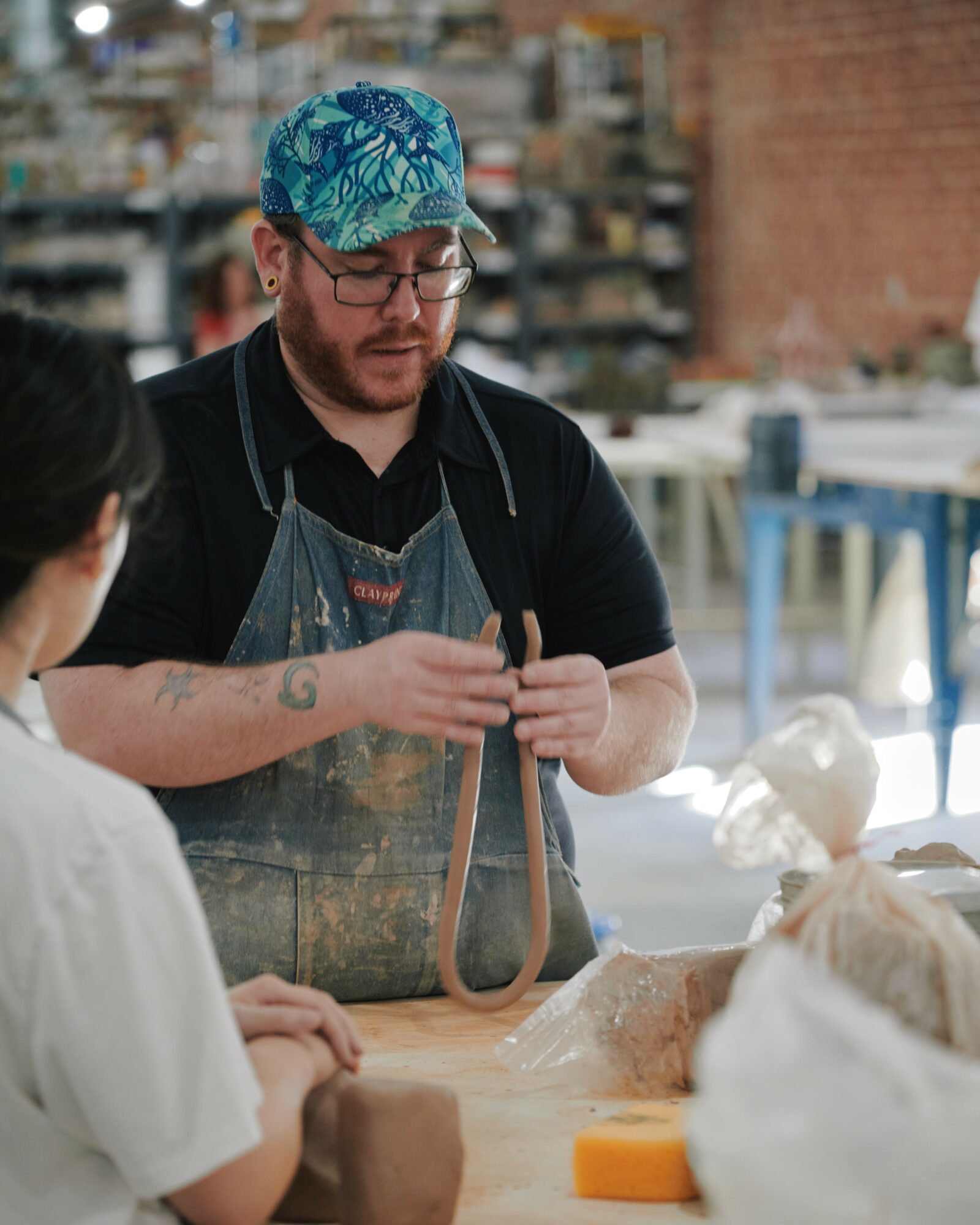
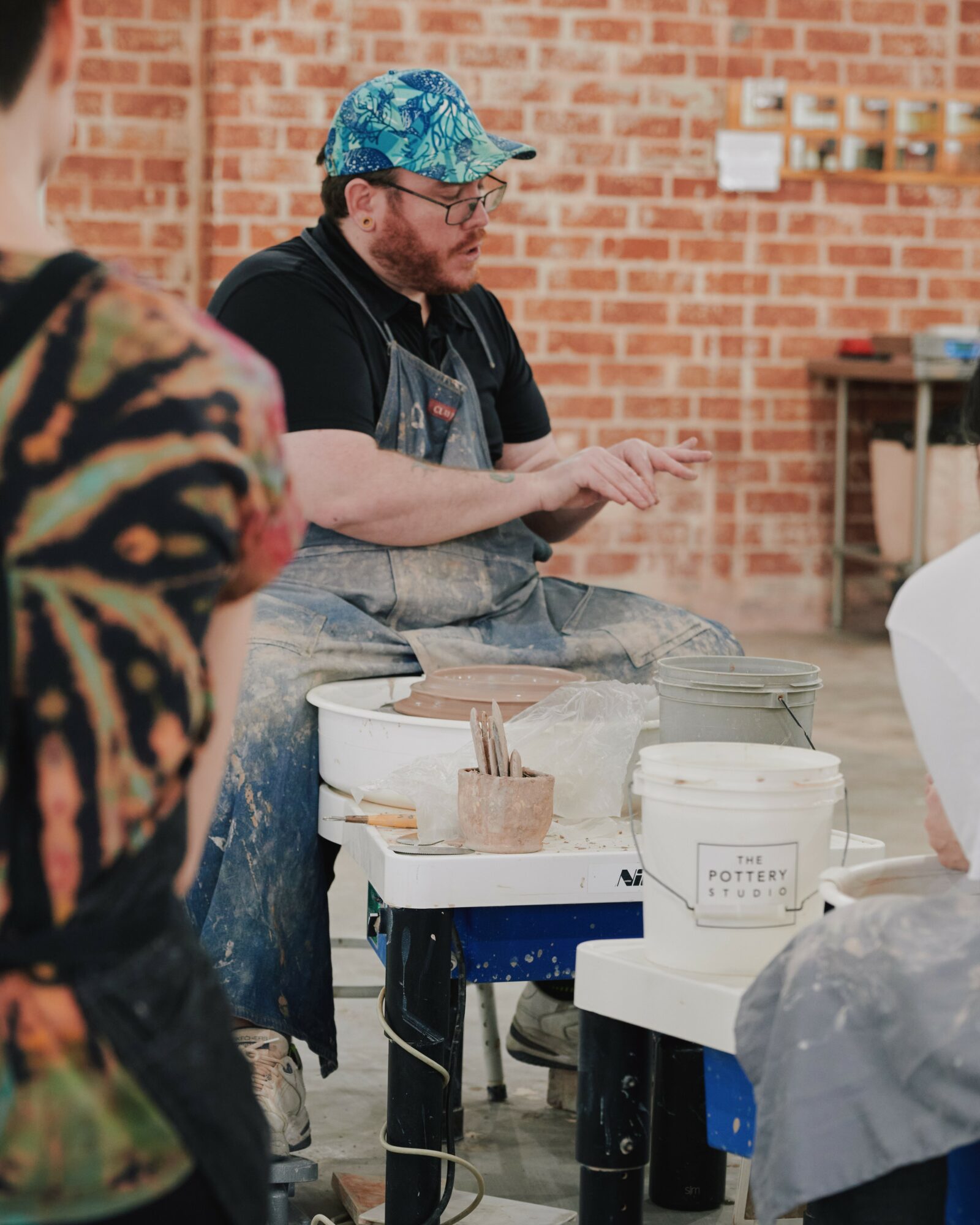
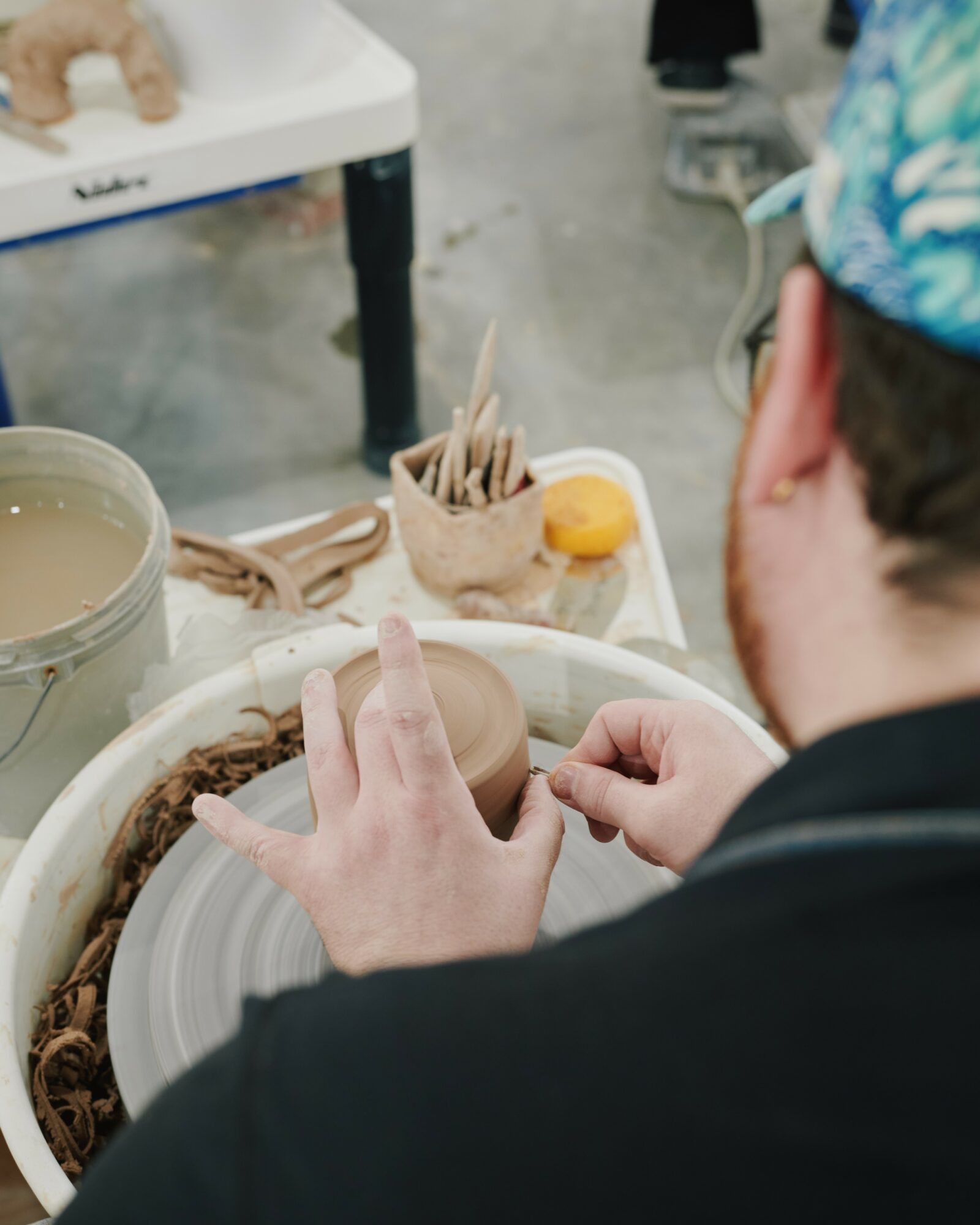
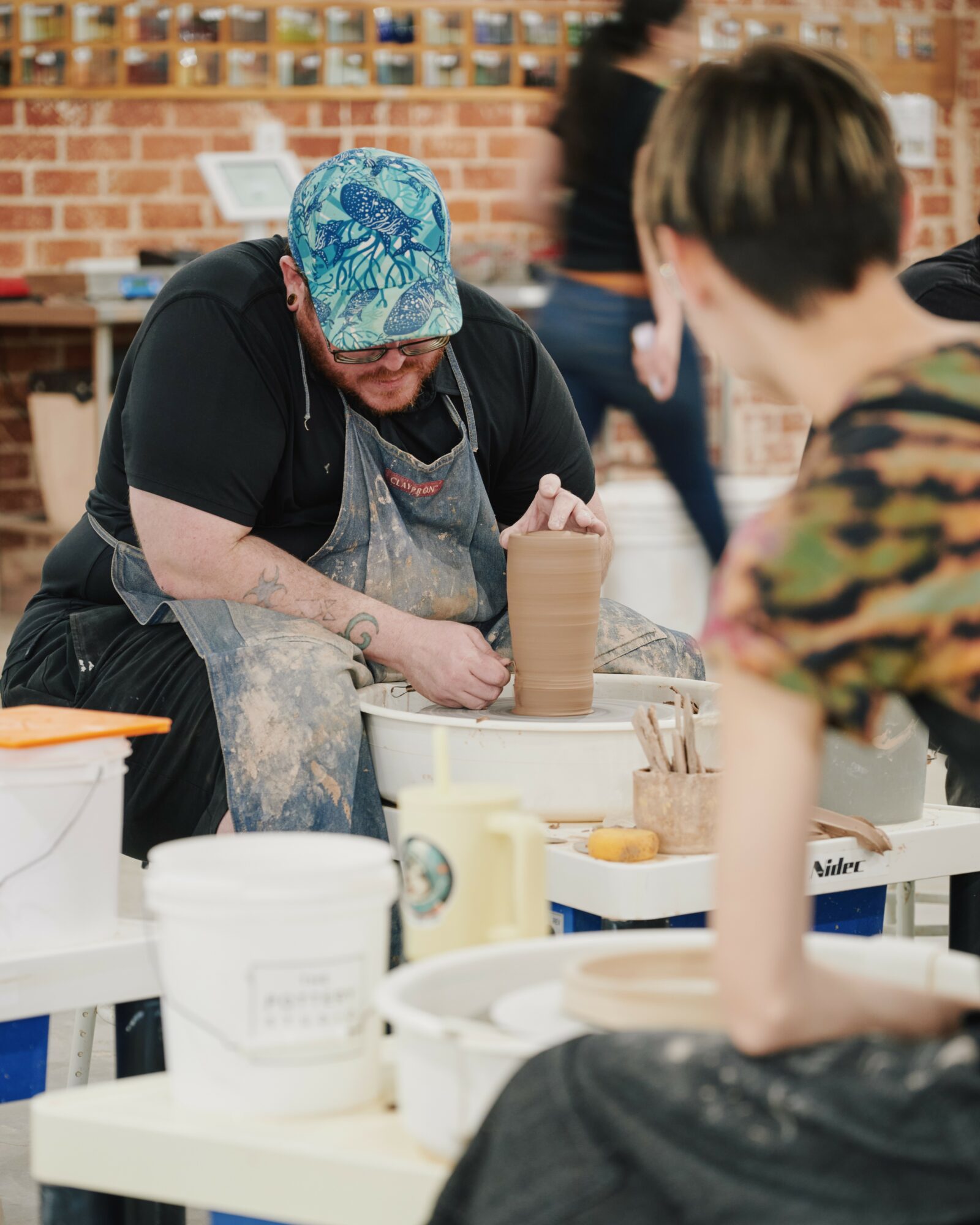
Image Credits
Tyler Ferguson
Popular
-

Finding Balance Through Art: Theresa Croft on Blending Music, Wellness, and Visual Storytelling into a Holistic Creative Identity
-

From Street Corners to City Tours: Chef Chuck Glaster on Building SOULD Out Into a Culture-Driven Culinary Movement
-

Portraits of the Valley
-

LA’s Most Inspiring Stories
-

From Rock Bottom to Calling: How Hasani McLean-Davis Found Purpose Through Faith and Music
-

Building a Scalable, Soulful Travel Brand: How Abboud Khallouf Turned Morocco Into a Global Experience


