




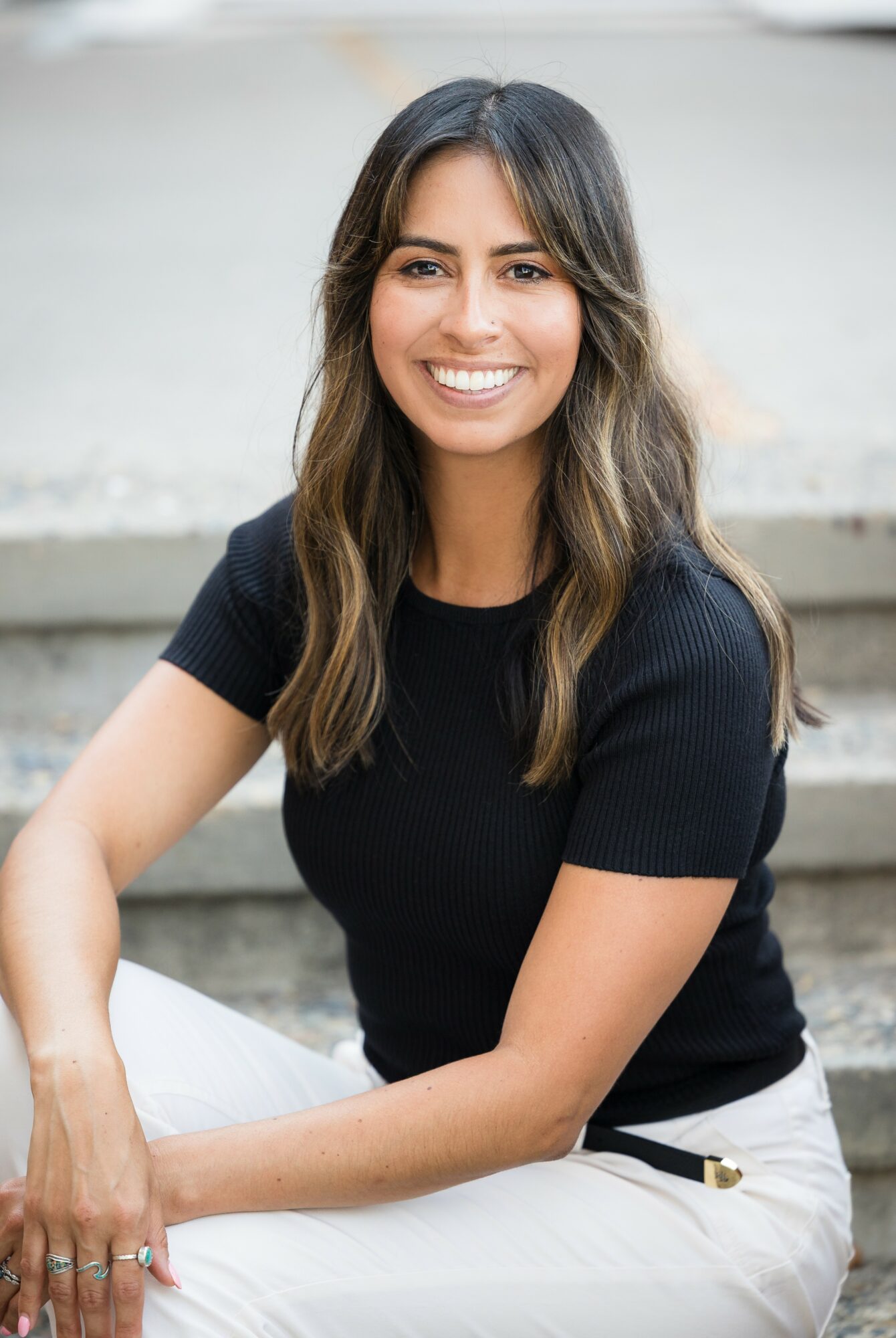
Today we’d like to introduce you to Camille Mack.
Alright, so thank you so much for sharing your story and insight with our readers. To kick things off, can you tell us a bit about how you got started?
I knew from a young age that I wanted to help others. Like so many therapists who enter this profession, I felt drawn to connecting with people and helping guide them toward a fulfilling life. When I was young, I thought I might want to be a teacher since I grew up in a household with two educators. While attending the University of California, Santa Barbara, I transitioned from that idea into studying psychology and sociology, feeling more drawn to understanding the human experience of living.
During my last two years in college, I worked as a resident assistant, and this is where I discovered my love for supporting others’ mental health and wellbeing. I also served as a peer support at the Koegel Autism Center, and after graduating, I worked as an ABA specialist supporting neurodivergent children and their families.
I went on to graduate school at Cal State Long Beach, where I completed my Master’s in Marriage and Family Therapy. During my training, I was honored to work with survivors of crime and trauma at the Long Beach Trauma Recovery Center, where we provided free, trauma-informed therapy to the community. Building safety and trust to help people reach their goals and create meaningful change has been one of the most rewarding parts of my work. Knowing that each person has the ability to grow and recover—and witnessing firsthand the power of resilience and strength—continues to amaze me.
I now specialize in trauma and eating disorders, including body image and one’s relationship with food and body. In our society, there is so much pressure to be and look a certain way in order to feel worthy or valued. My mission is to help shift that internal critical voice and support people in reconnecting to joy, nourishment, and self-trust.
We all face challenges, but looking back would you describe it as a relatively smooth road?
As an empathetic person, you want to care and help in every way you can. In the beginning of my traineeship, when I started seeing my first clients, there were times when I felt emotionally burnt out. Caring deeply for clients and being so attuned to their lives sometimes left little energy for my own. Thinking about clients and hoping for their safety is a natural worry when you’re a therapist just starting out working in a trauma recovery center, and a certain level of burnout is very common.
Thanks to a great supervisor, I learned how to care for others while also reserving enough for myself and my own life. It took being vulnerable and open in supervision, learning my limits, and recognizing that I am not responsible for my clients’ lives or decisions. I always share this with people who are interested in the field because it can be hard work but for me, the hard work has always been worth it. You are and will always be forever learning in this line of work. It is important to be able to adapt to your client’s needs and really work in a collaborative framework. I absolutely love being a therapist where I am able to help guide, help create new mindsets, change a certain perspective of self, and help bring awareness to the patterns that may not be serving clients in their lives. Being a witness to growth and change is such a amazing experience and why being a therapist is not just my career but it is a part of me.
Alright, so let’s switch gears a bit and talk business. What should we know?
I am a private practice owner and therapist working with teens and adults ages 10 and up. I have worked in a variety of settings, which has given me a wide range of experience and clinical skills. My work in higher levels of care, including partial hospitalization programs, strengthened my crisis management abilities, and widen my skills to provide a wide variety of support to clients.
My specialty areas, where I have pursued additional training, include trauma and eating disorders. I work with individuals who have experienced trauma such as domestic violence, assault, shootings, and traumatic loss, as well as those struggling with eating disorders or challenges in their relationship with food and body. A central focus of my work is helping clients find stabilization in their lives and relationships, which often creates the foundation for deeper healing.
I practice from a CBT-informed perspective and aim to provide clients with practical tools and coping skills they can use outside of session. Meeting clients where they are while also moving towards change is the framework I often lean into. I want clients to feel that they leave therapy with steps they can try and apply in their daily lives. I also value creating goals in therapy to offer structure, while remaining flexible so we can focus on what feels most important for the client to process.
I am known for helping clients explore deep-rooted beliefs that may have developed in childhood or through significant life experiences. Together, we identify these beliefs and, through different therapeutic approaches, begin to reshape them into more supportive frameworks for example, shifting from “I am not important enough” to “I am a worthy person,” or from “I am not lovable” to “I am enough.”
I utilize trauma-informed therapies such as EMDR, Cognitive Processing Therapy, Narrative Exposure, and Prolonged Exposure. When working with clients experiencing eating-related challenges, I focus on helping them reconnect with nourishment, explore where messages about food and body originated, and find their way back to trusting their bodies.
One of the biggest things I am most proud of in my practice is continuing my learning and adapting to the areas that I feel have been needed. I will always strive to be a guide and never an expert in my client’s lives. Having a passion for the work will show up in our sessions.
I would like the readers to know that I offer free 20 minute consultation calls where we can discuss what they may need support in and see if we would be a good fit. I feel like finding a therapist can sometimes be difficult to find someone you can connect with- which is why I will ask about feedback and check ins on what is going well in our therapy and what the client may want more of. The therapy focus is on the client needs and goals not mine as the therapist.
What quality or characteristic do you feel is most important to your success?
The quality I feel is most important to my success is my ability to create a space where people feel genuinely safe, seen, and not judged. When clients feel that level of trust, they’re more willing to be honest about what they’re struggling with and to explore the deeper beliefs or experiences that may be keeping them stuck. My approach is compassionate and collaborative, but also practical. I want clients to leave sessions with insight as well as tools they can use in their daily lives. Therapy is not just about talking; it’s about helping people reconnect with their own resilience, build self-trust, and make meaningful changes at a pace that feels right for them.
Contact Info:
- Website: https://www.camillemacktherapy.com
- Instagram: https://www.instagram.com/therapy_with_camille/



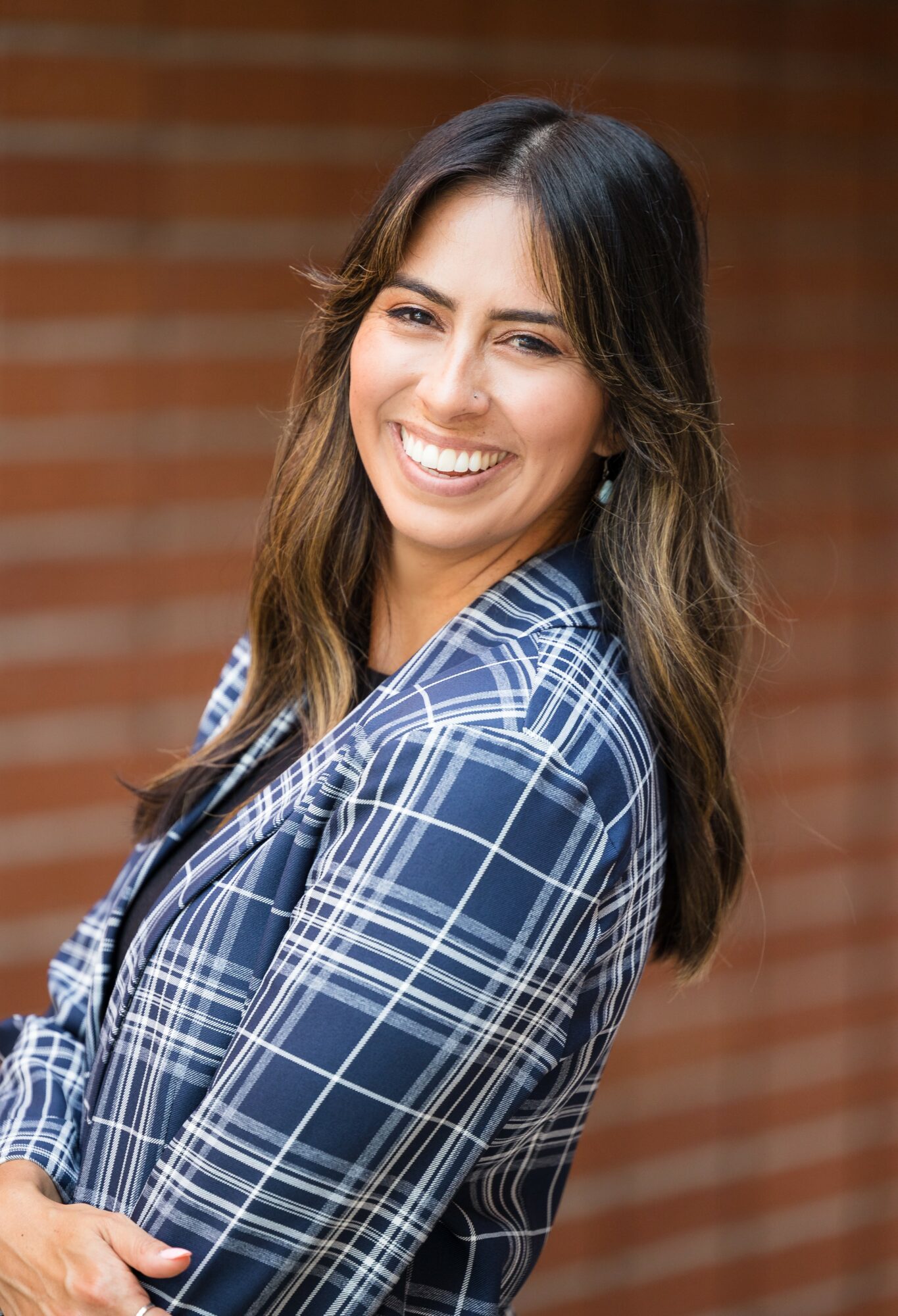
Image Credits
@lovelily.photo
Lovelilyphoto.com
Popular
-

Finding Balance Through Art: Theresa Croft on Blending Music, Wellness, and Visual Storytelling into a Holistic Creative Identity
-

From Street Corners to City Tours: Chef Chuck Glaster on Building SOULD Out Into a Culture-Driven Culinary Movement
-

Portraits of the Valley
-

LA’s Most Inspiring Stories
-

From Rock Bottom to Calling: How Hasani McLean-Davis Found Purpose Through Faith and Music
-

Building a Scalable, Soulful Travel Brand: How Abboud Khallouf Turned Morocco Into a Global Experience


