




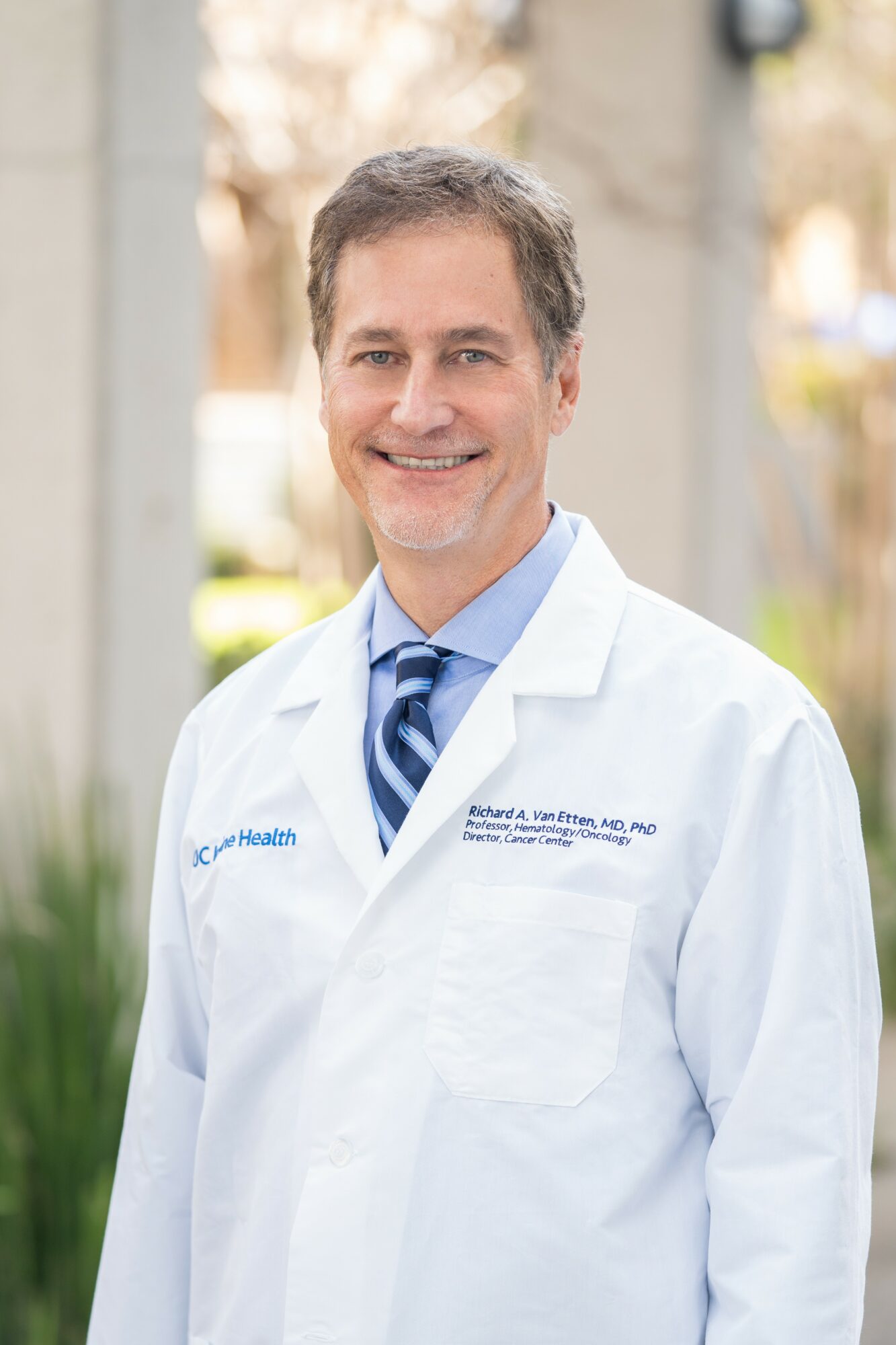
Today we’d like to introduce you to Richard Van Etten.
Hi Richard, we’d love for you to start by introducing yourself.
I am a board-certified, fellowship-trained UCI Health hematologist and oncologist who specializes in the treatment of leukemia and other blood cancers. My clinical focus also includes hematopoetic stem cell transplantion.
I received my medical degree and a PhD in Biophysics at Stanford University School of Medicine.
During my medical residency at Harvard Medical School and Brigham & Women’s Hospital in Boston, researchers had just identified a genetic abnormality in a human cancer, an abnormal chromosome that created a fusion between two genes, causing production of an abnormal protein in leukemic cells. This was very exciting to me because I was convinced this protein might be the direct cause of a disease called chronic myeloid leukemia (CML).
That discovery led me to specialize in hematology, the study of blood and blood diseases, in the lab of Nobel laureate David Baltimore at the Massachusetts Institute of Technology’s Whitehead Institute in Boston. My hunch about the protein later turned out to be correct, and we went on to prove that it caused CML.
My research on CML led to the development of current treatments like Gleevec that target this abnormal protein. Before this breakthrough, this fatal disease could only be cured through a bone marrow transplant.
After completing my training, I joined the faculty at Harvard Medical School, where I spent about ten years from 1992 to 2003. From there, I moved to Tufts University School of Medicine, where I took on leadership roles as Chief of the Division of Hematology/Oncology and Director of the Tufts Cancer Center.
In 2013, I made the move to California to serve as Director of the UCI Health Chao Family Comprehensive Cancer Center, Orange County’s only National Cancer Institute-designated comprehensive cancer center. Today, I lead a team of more than 250 physicians, basic and translational scientists conducting cancer research at UC Irvine.
As the Director of the UC Irvine Chao Family Comprehensive Cancer Center, I have an urgent need for resources to support the most innovative, paradigm-shifting research of our cancer scientists and clinicians. I have also always been an avid cyclist, and in 2017, I was inspired by the Pan Mass Challenge, a successful cancer cycling event in Massachusetts, to create something similar here in Southern California. I soon launched the UC Irvine Anti-Cancer Challenge, an annual community ride, run and walk event that brings people together in the fight against cancer.
This year, we’re celebrating our 10th anniversary event on Saturday, Oct. 10 at UC Irvine, where thousands of people will rally together for a 5K run/walk, a mountain bike route and 14- to 100-mile street bike routes around Orange County. In just a few years, we’ve raised more than $7.7 million – every dollar of which goes directly to pilot studies and early phase clinical trials that aim to develop new insights into cancer prevention, treatment and cures to save lives.
I’m sure it wasn’t obstacle-free, but would you say the journey has been fairly smooth so far?
My mother was the source of intellectual stimulation for my sister and me. She often encouraged us to be creative and think critically. And like most mothers, she had very high expectations for her children.
When I was in my early 30s, my mother was diagnosed first with breast cancer and then with high-grade uterine cancer. A medical oncology fellow at the time, I took on the difficult task of advising her about her care and prognosis.
But what is routine today was still unknown then.
Thirty years ago, there was not strong evidence to support the benefits of adjuvant chemotherapy for early stage breast cancer. My mother was terrified of receiving chemotherapy, and she chose hormonal therapy instead.
In the end, you cannot imagine how heart-wrenchingly frustrating it was to watch her die of cancer — despite all of my training and knowledge. But losing a parent does not happen in a moment. It takes years to appreciate the impact of what is gone.
Although I was already committed to a career in cancer research, my mother’s personal journey with cancer was the primary reason I refocused my emphasis on clinical oncology, on both clinical trials and patient care. Experiencing her battle firsthand continues to influence my approach to patient care.
At the UCI Health Chao Family Comprehensive Cancer Center, where I serve as director, compassionate care is at the heart of what we do. We never forget our patients are human. We know the comfort of being heard and properly cared for is just as important as the leading-edge medicines and treatments given.
Can you tell our readers more about what you do and what you think sets you apart from others?
Cancer isn’t one disease, it’s about 150 different ones, and each is completely different in terms of its causes, detection and treatment. As the Director of the UCI Health Chao Family Comprehensive Cancer Center, it is my goal to advance our ability to prevent, manage and cure cancer so that all people live healthier, longer lives.
There are several reasons that make our cancer center unique. First, we bring together nationally recognized experts in all types of cancer, which allow us to be the most up-to-date on the latest research and technologies.
We also have the largest portfolio of clinical trials in Orange County with over 500 active cancer clinical trials underway, including more than 140 early phase trials and the latest in immunotherapies. This allows us to offer the newest treatments for patients who aren’t responding to standard therapies.
In 2020, we launched Orange County’s only adult bone marrow transplant and today, we perform about 110 transplants per year. The importance of the program is that it offers the community a lifesaving procedure and keeps care close to home. In addition, the transplant program serves as platform for cellular therapies. These are some of the most advanced immunotherapies where we engineer patient cells to leverage the patient’s immune system to help attack cancer. Only cancer centers that have a transplant program are qualified to offer these latest types of cell therapies.
We’ve made extraordinary strides to achieve our vision, and it would not be possible without the support of our community. One thing I’m particularly proud of is launching the UC Irvine Anti-Cancer Challenge nearly 10 years ago. Last year’s event alone raised over $1.5 million with every dollar going to critical research at our NCI-designated comprehensive cancer center and our pediatric partner, Rady Children’s Hospital of Orange County.
Everyone is affected by cancer, and the UC Irvine Anti-Cancer Challenge proves that when doctors, researchers, patients, families and the community come together, we can accelerate progress.
What does success mean to you?
At the most fundamental level, success is when a patient hears the words “cancer-free”. That’s why physician-scientists like me and my colleagues at the UCI Health Chao Family Comprehensive Cancer Center continue to do this important work.
Success is also about creating the conditions for breakthrough discoveries. We are continuing to achieve this through the UC Irvine Anti-Cancer Challenge. Since its inception, over 17,500 participants have come together from across Southern California to raise $7.7 million, leading to the funding of 155 innovative pilot projects and early phase clinical trials. Several of these grants have helped researchers produce critical preliminary data that justifies continued investigation of these innovative concepts, leading to more than $80 million in extramural funding from government agencies and private foundations, a testament to the potential of the research to produce important outcomes.
Our recent progress in the fight against cancer has been remarkable. We are now curing cancers that were once a death sentence, and we have turned others into chronic conditions whose medical management resembles diabetes or high blood pressure rather than cancer.
The UC Irvine Anti-Cancer Challenge represents success on all levels. It’s community engagement creating real scientific impact, which leads to improved treatments and more lives saved.
Contact Info:
- Website: https://www.anti-cancerchallenge.org/
- Instagram: https://www.instagram.com/anticancerchallenge
- Facebook: https://www.facebook.com/AntiCancerChallenge/
- LinkedIn: https://www.linkedin.com/company/anticancerchallenge
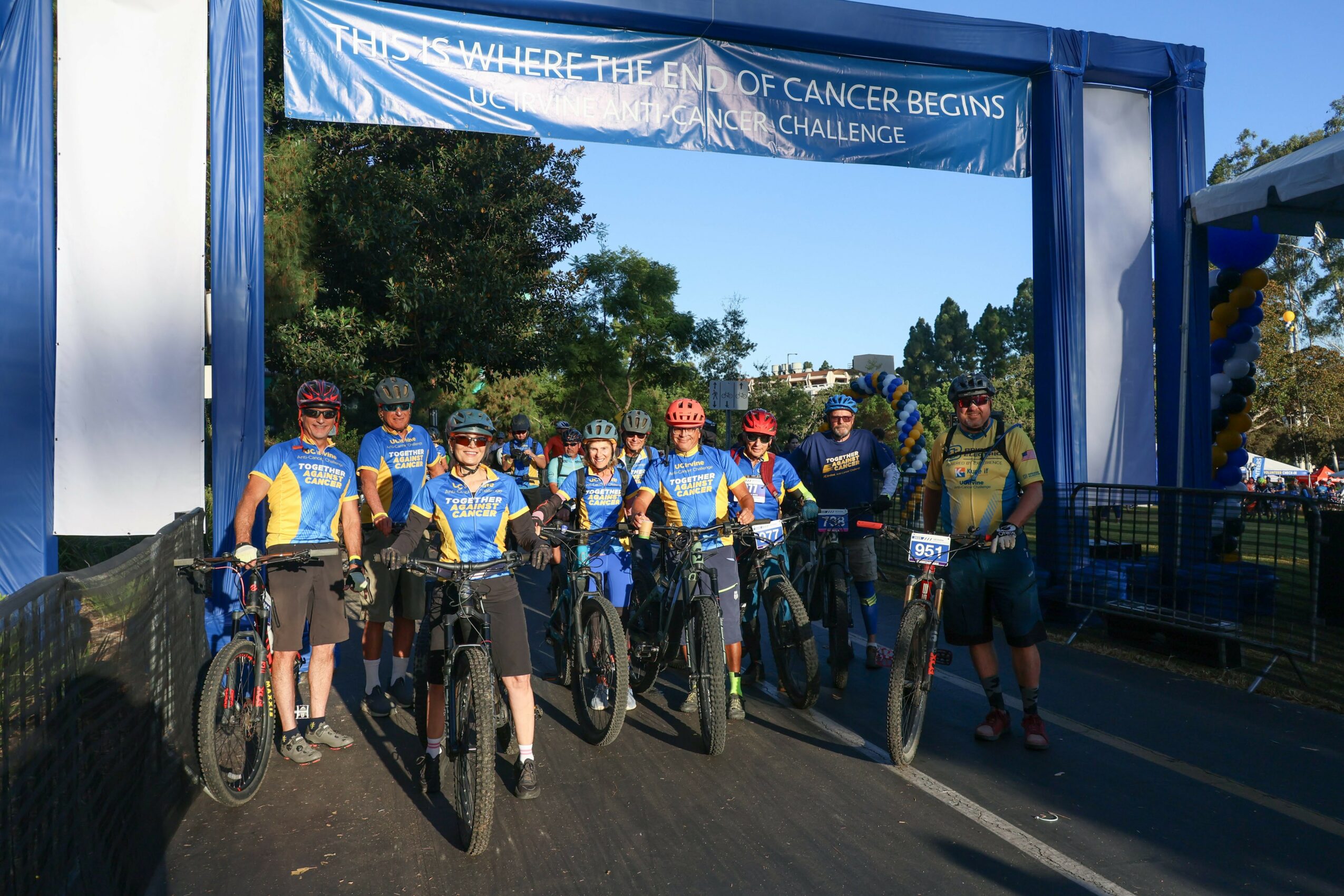
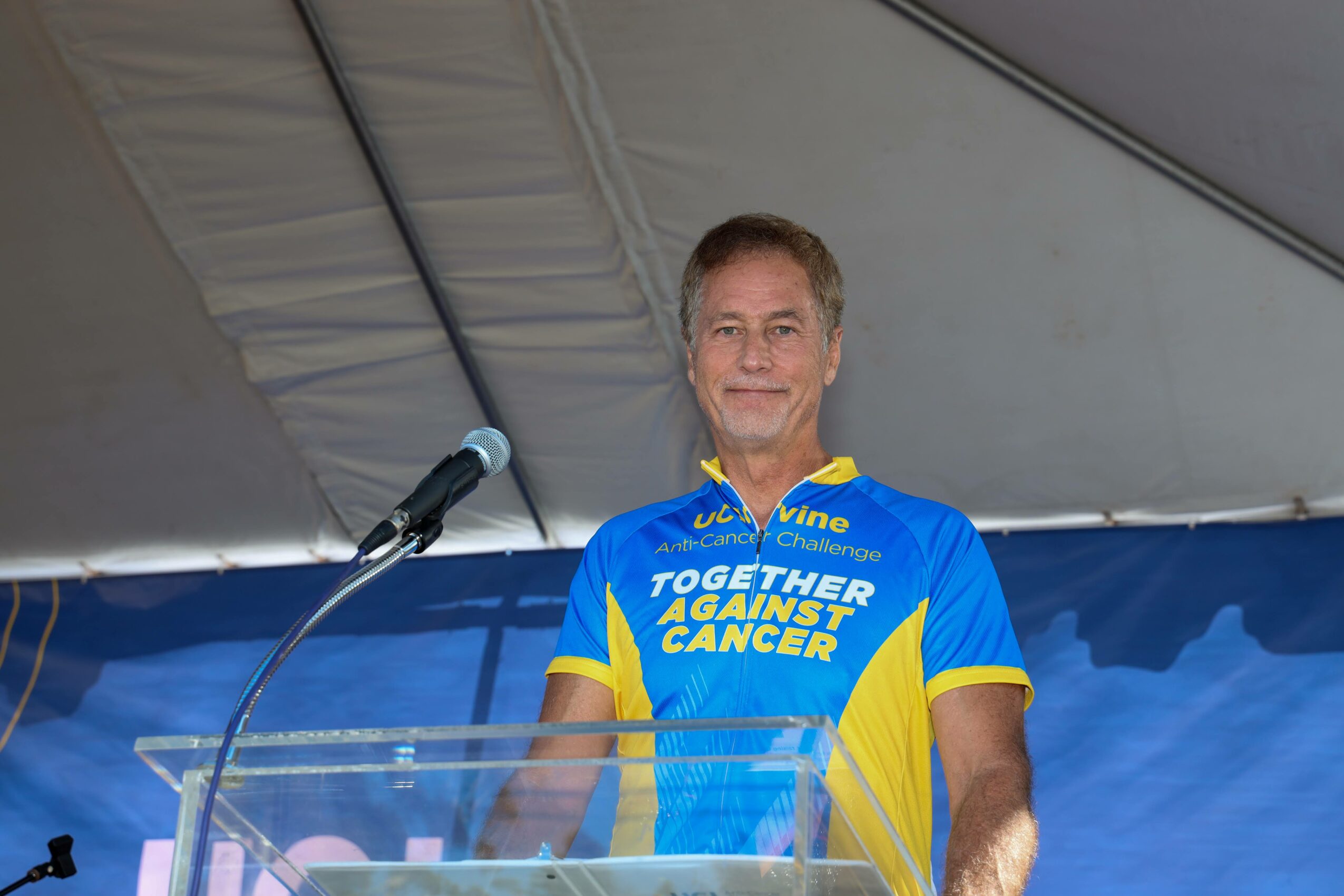
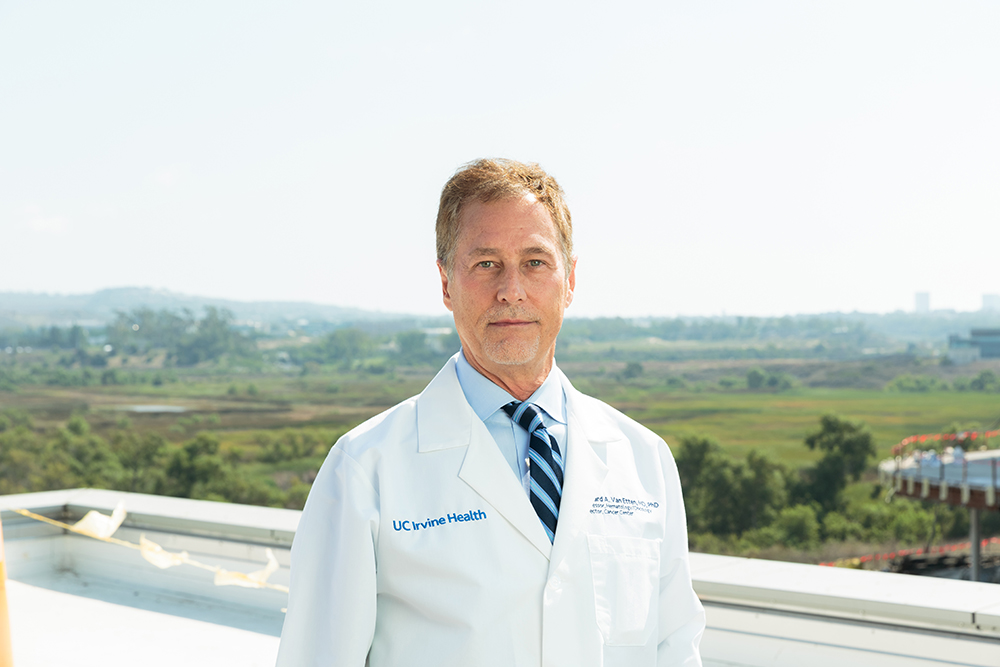
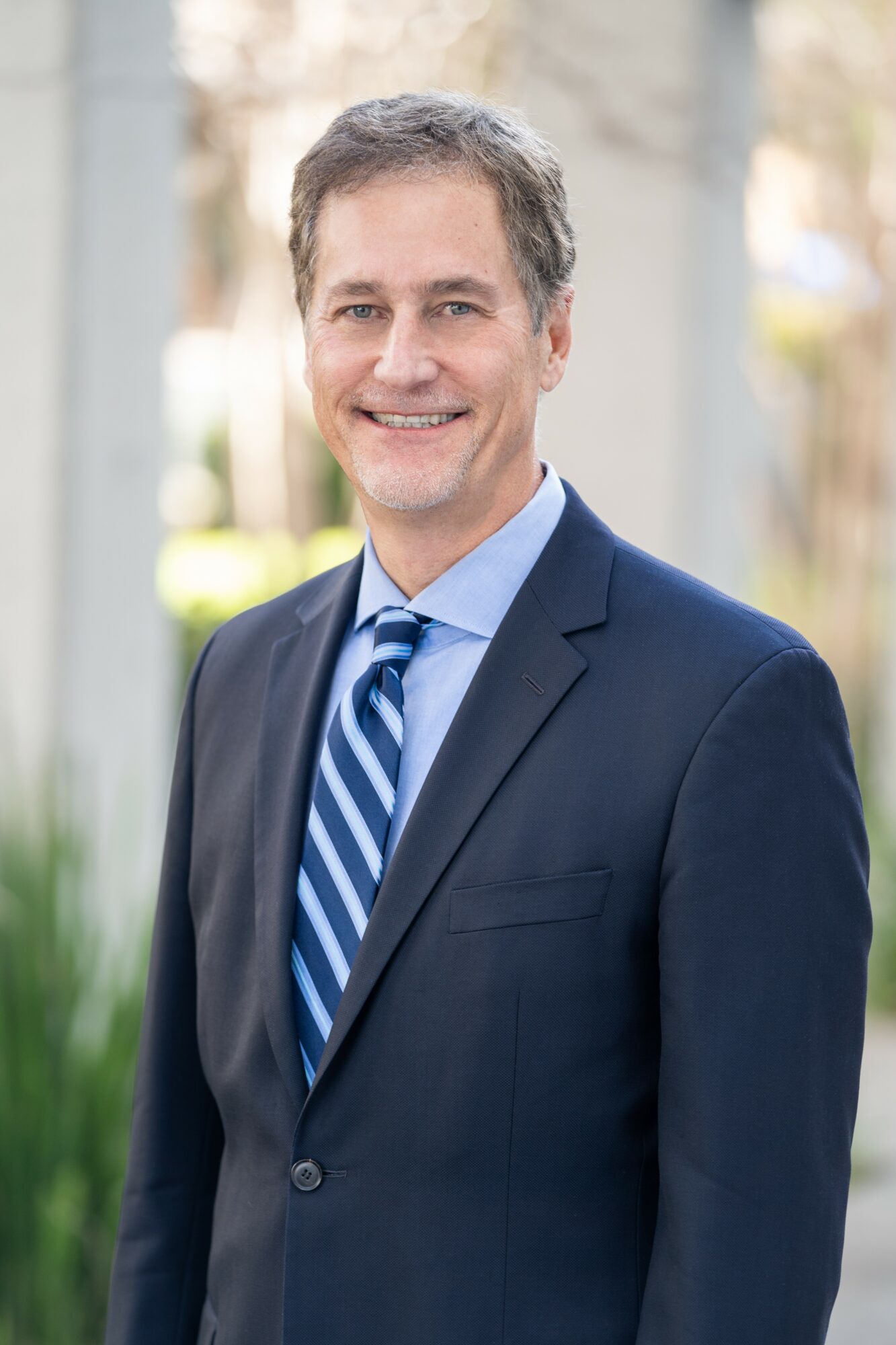
Image Credits
Puma Images
Popular
-

LA’s Most Inspiring Stories
-

Portraits of the Valley
-

Rick Norris Learned That Building a Successful Business Means Building a Life You Actually Want to Live
-

How Olivia Rush Turned Survival Into a Mission to Help Others Keep Going
-

How Bibi Goldstein Is Helping Entrepreneurs Reclaim Their Time by Embracing the Power of Delegation
-

Victoria Hasson is Redefining Voice Coaching Through Community and Collaboration


