




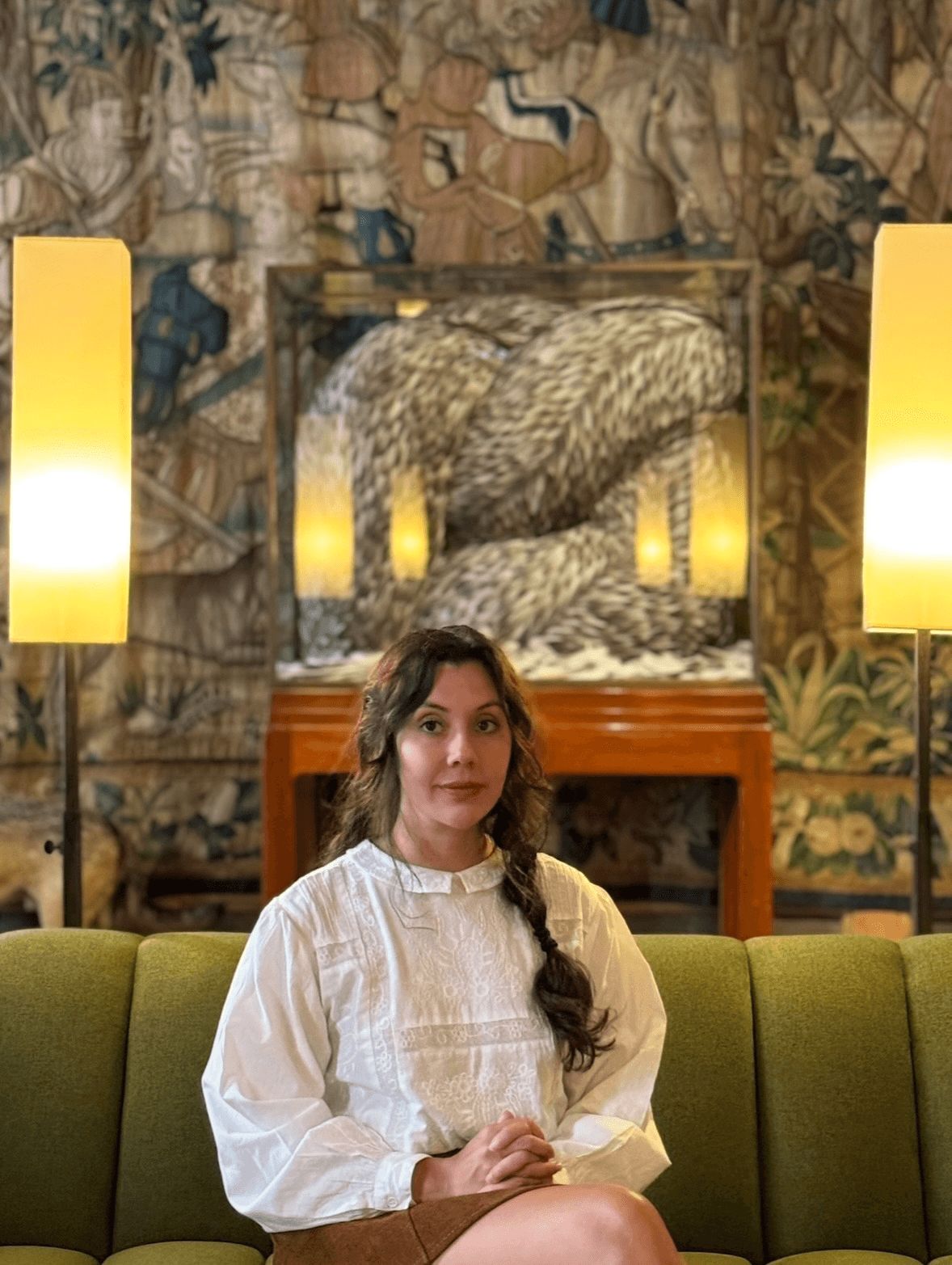
Today we’d like to introduce you to Genevieve Gaudet.
Genevieve, we appreciate you taking the time to share your story with us today. Where does your story begin?
I’m a ceramicist, fiber artist, and the director of an innovation lab focused on improving public benefits. Those might sound like totally unrelated things and, for most of my life, they felt that way.
I grew up multiracial in South Louisiana, which was my first experience with trying to integrate two totally different aspects of myself. On my father’s side, I’m one of many grandchildren in a family with deep roots in the Cajun culture and history of that area while my mother is Japanese and Mexican from Southern California. Even so, both of my parents valued self-sufficiency, resourcefulness, resilience, and I inherited a love of making things that were both useful and beautiful. My grandmother was a seamstress while my mother is an incredible fiber artist.
In college, that split feeling continued for me. I wanted to be a doctor, but I majored in classical studies and pre-med (two paths that were hard to explain to anyone, even myself). After Hurricane Katrina, I worked as an EMT in New Orleans, still thinking medicine was my calling. But over time I realized my talents weren’t clinical and my gift was in seeing how things could be different and helping make them that way.
Even still, I felt divided. I pursued public health school while I built a career in technology and design and maintained a creative practice in embroidery and fiber work. For years these felt like separate lives I was living in parallel. But over time, those parts of my life began to converge. Now, I lead an innovation lab where we explore ways to make it easier for people to access support like help buying food, finding a job, or getting medical care. And I maintain an art practice I learned from my family, making things by hand that are useful and beautiful.
Alright, so let’s dig a little deeper into the story – has it been an easy path overall and if not, what were the challenges you’ve had to overcome?
Honestly, the struggle for me was feeling split between identities and needing to choose. For a long time I felt like I couldn’t just be one person. I was always code-switching or explaining, feeling like the different parts of my life and identity didn’t have a place to meet.
When I left Louisiana and entered the wider world, I absorbed this idea that to be an artist, or a designer, or even just successful, I needed to become someone else. I felt like I needed to put distance between myself and where I came from, to learn what it ‘really’ meant to be a professional, an artist, a serious person. I tried to smooth out the contradictions of my life rather than let them coexist.
So much of my personal experience has been a return. A return to the fiber work my mother and grandmother practiced. A return to the values I saw in the home my father made for us: resourcefulness, making things with your hands, caring for your family and community. My father died a few years ago, and that changed everything for me. After that, I stopped wanting to be anyone other than who he raised me to be.
The state of the world right now feels so urgent. There’s a cultural push toward flattening, toward single identities that sever people from the traditions and heritages that make them who they are. Against that, I find myself holding even more tightly to the parts of my identity that are Japanese and Mexican and Cajun, all of it. I can’t imagine myself, or the world, without them.
Thanks for sharing that. So, maybe next you can tell us a bit more about your work?
Over time, I’ve come to see the theme of my work as transformation. Professionally, that means bringing emergent tools and practices to the archaeological layers of bureaucracy and technology that form our social safety net. I lead Nava Labs, the R&D arm of Nava PBC, where we’re reimagining how government services work. Millions of people rely on systems that determine whether families can access food, healthcare, housing and much of that infrastructure hasn’t been meaningfully updated in decades. Our team brings new approaches to old structures and as you introduce new paradigms, those systems begin to transform. I’ve spent over a decade working to make government services more human, and recently joined Governor Newsom’s Innovation Council to help shape how California approaches AI in public services.
Artistically, I also work with mediums that transform as you work with them. The clay changes through firing and glazing while thread and fiber weave together to become strong and functional. I love understanding how things work: the chemistry of a glaze, the mechanics of a sewing machine, the way fibers cling together under tension, the interaction of policies with the architecture of a legacy codebase. That curiosity drives all sides of my practice. I sell ceramics and embroidery through my site and I’m currently learning to weave, pushing my work toward larger-scale tapestries.
What I’m most proud of is the integration in my creative practice now. My work holds all the pieces of where I come from like the fiber traditions, playing with structure and material and even my work with technology where we’re taking old structures and traditions and making them new again. My professional work holds that same spirit of taking what exists and imagining how it could become something more useful and whole. I don’t feel split. It’s all one practice to me.
Before we let you go, we’ve got to ask if you have any advice for those who are just starting out?
Don’t abandon parts of yourself in order to become who you think you’re supposed to be. I spent years trying to smooth out my contradictions, trying to be legible, explainable, one thing at a time. But over time I’ve found richness in the complexity. The women in my family were master fiber artists, and I spent years looking elsewhere to learn what it meant to be an artist. My father was a testament to the patient work of devotion to the people and places you love and all we’re really here to do. Coming back to what they taught me is what made my work finally start to feel like mine.
Pay attention to what you’re actually drawn to, not just what seems like the obvious path. I thought I needed to be a doctor because I wanted to help people and that’s a good reason to become a doctor, but it wasn’t my gift. It took time to recognize that my contribution would come through a different kind of work.
I really believe that all anyone really wants to do is give what they’ve got to the world. If you can figure out what you’ve got, your particular combination of skills, curiosity, and care, and find the place where that’s needed, then you’re one of the lucky ones. I definitely am.
Contact Info:
- Website: genevievegaudet.com
- Instagram: https://www.instagram.com/ggggggggenevieve/
- Linkedin: https://www.linkedin.com/in/genevievegaudet/
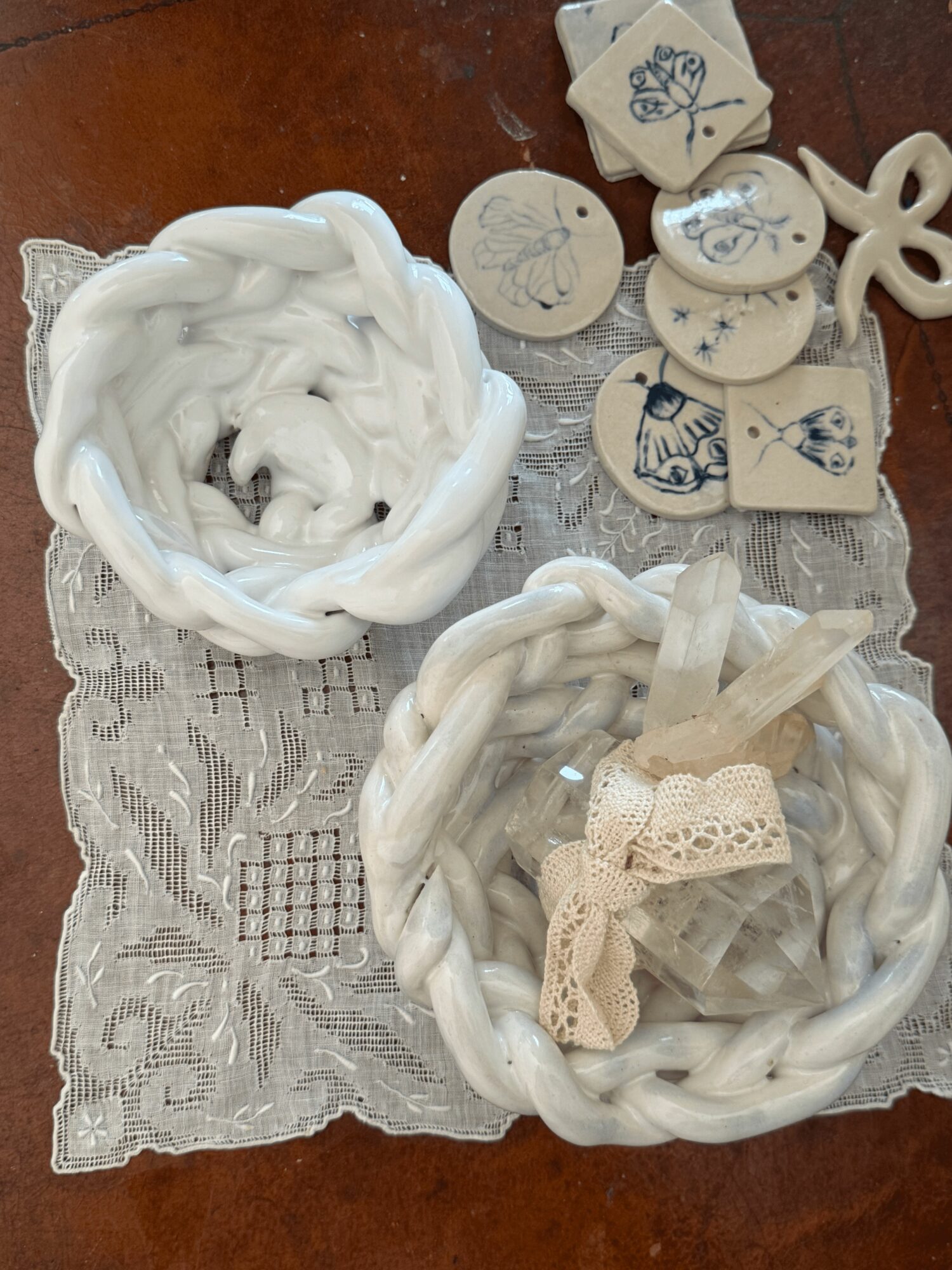
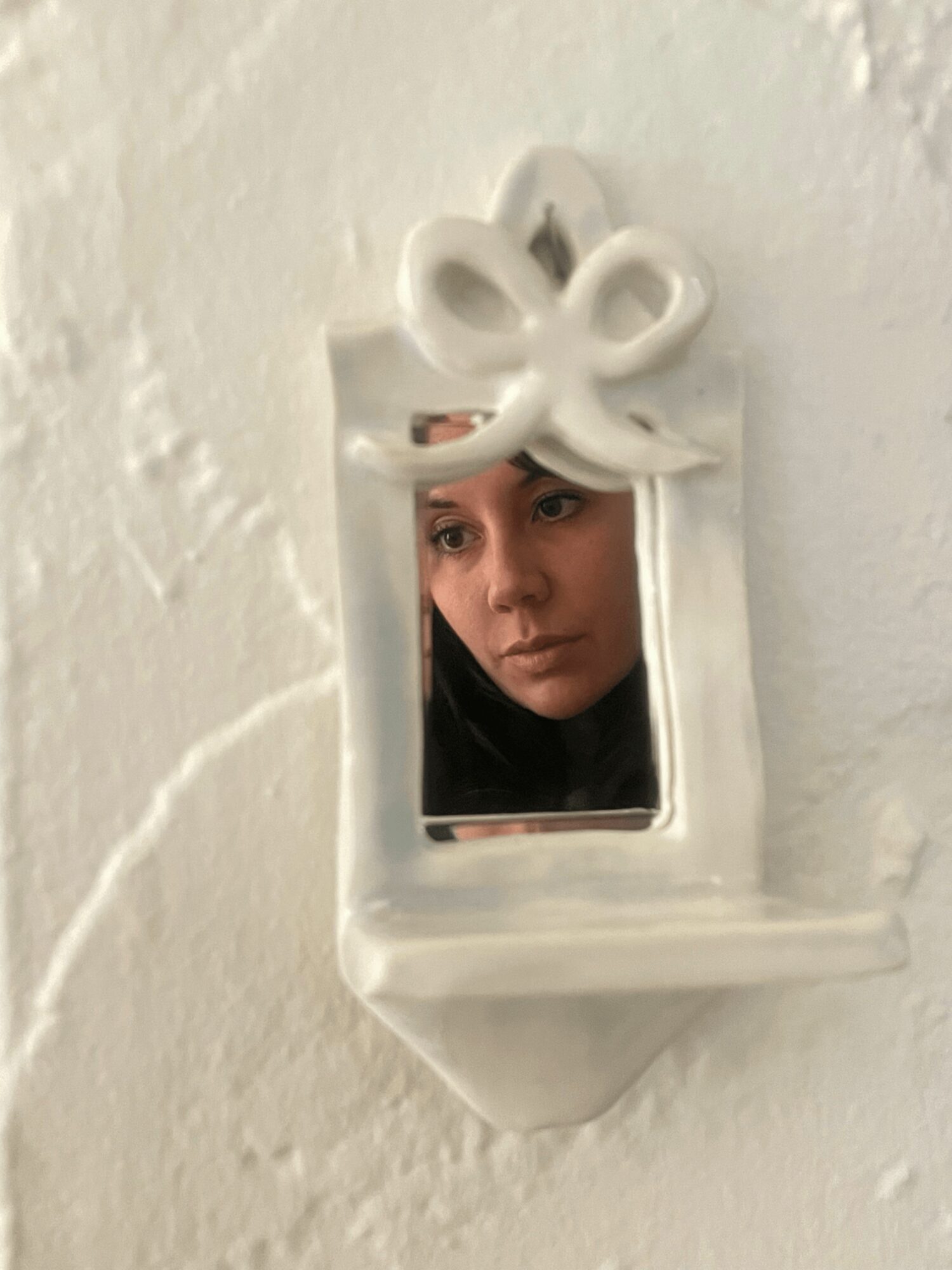
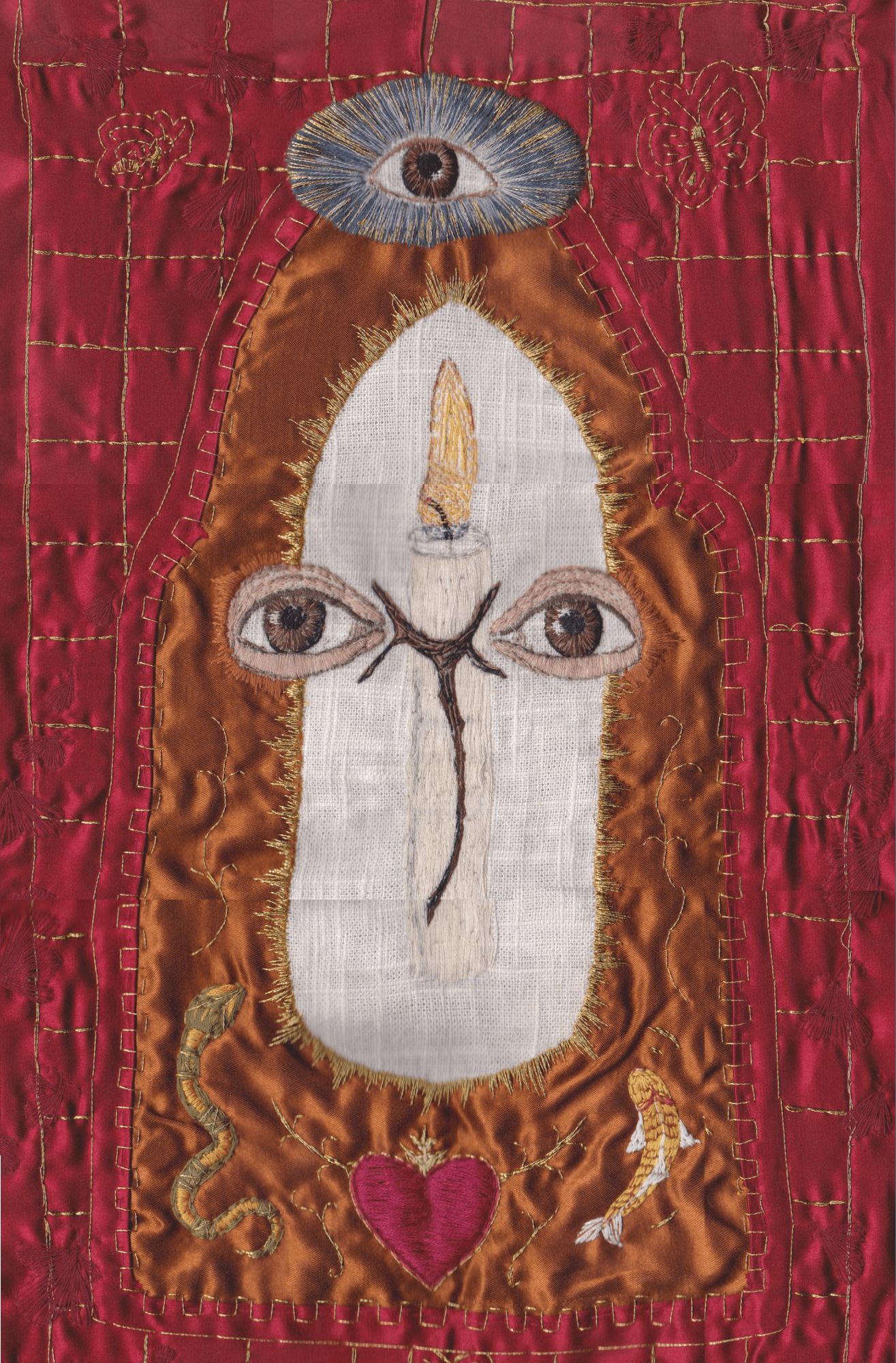
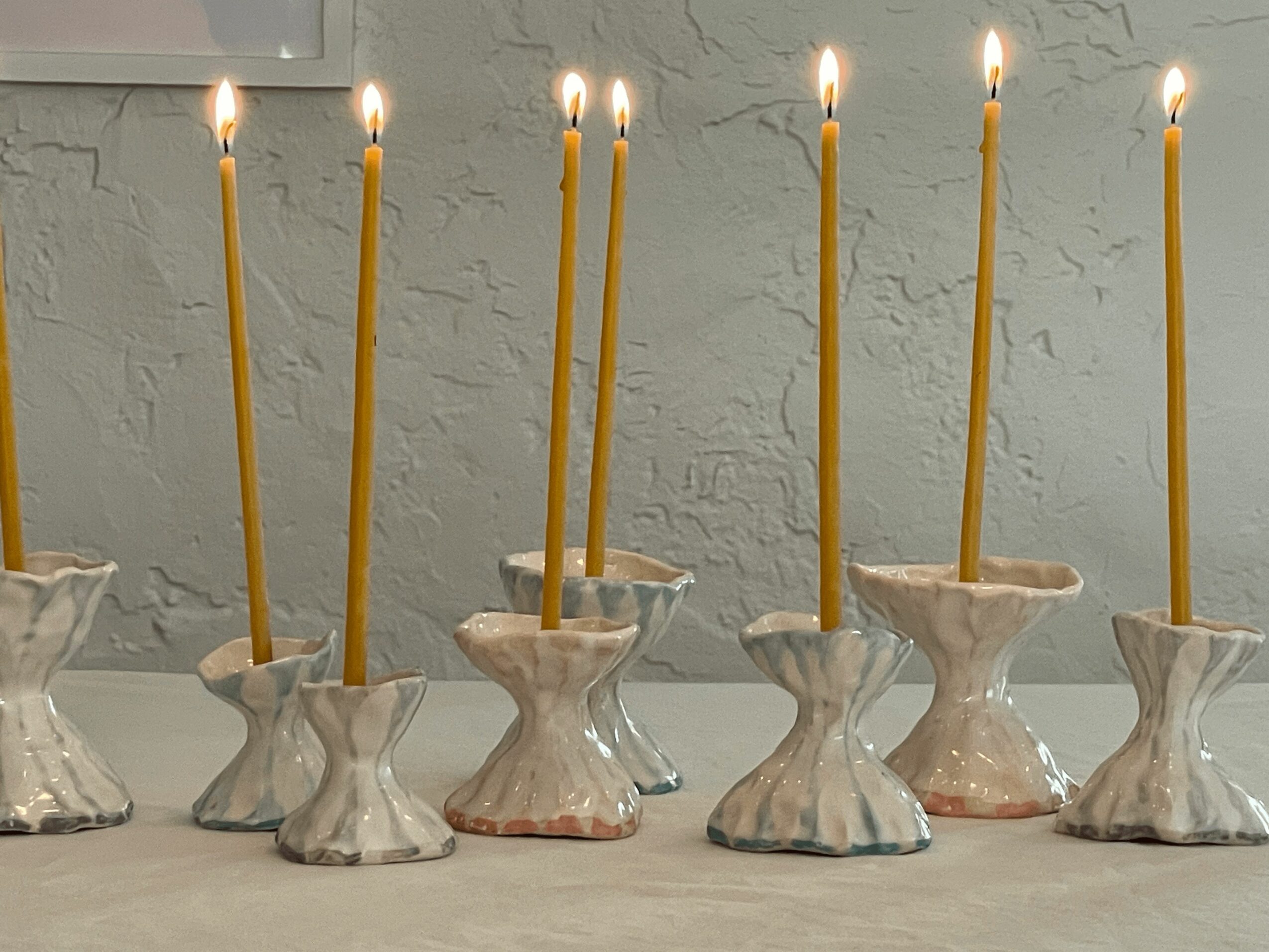
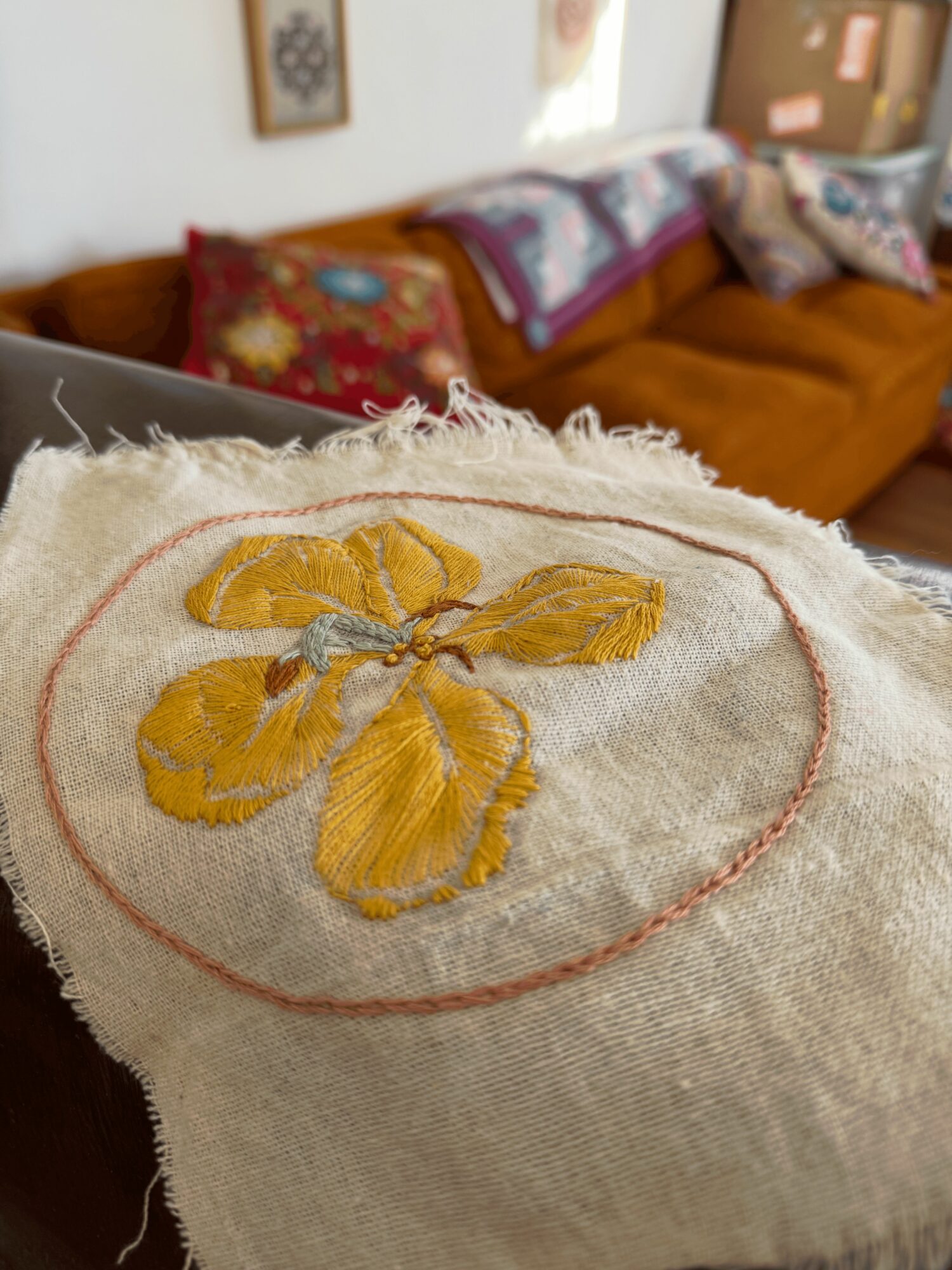
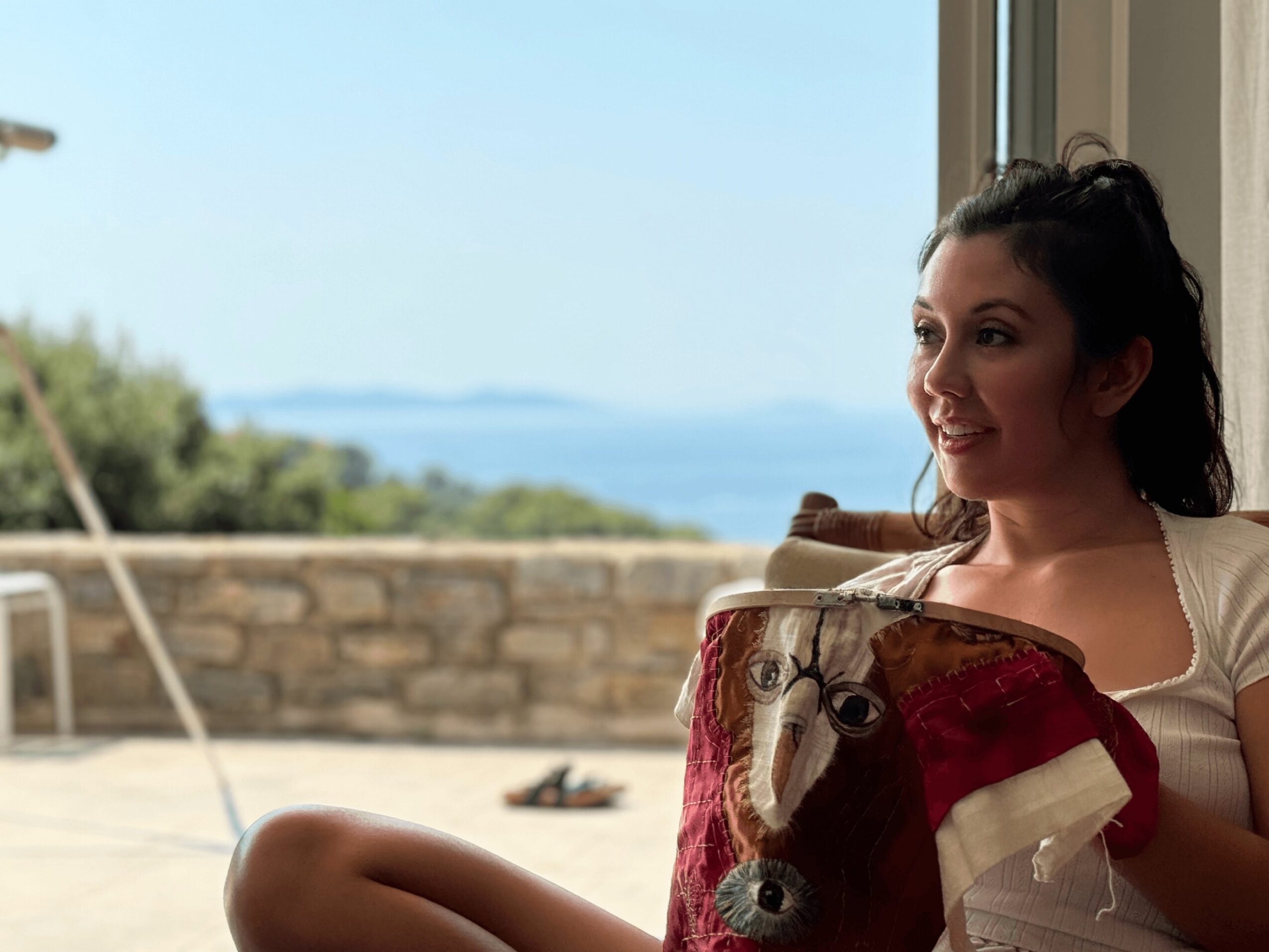
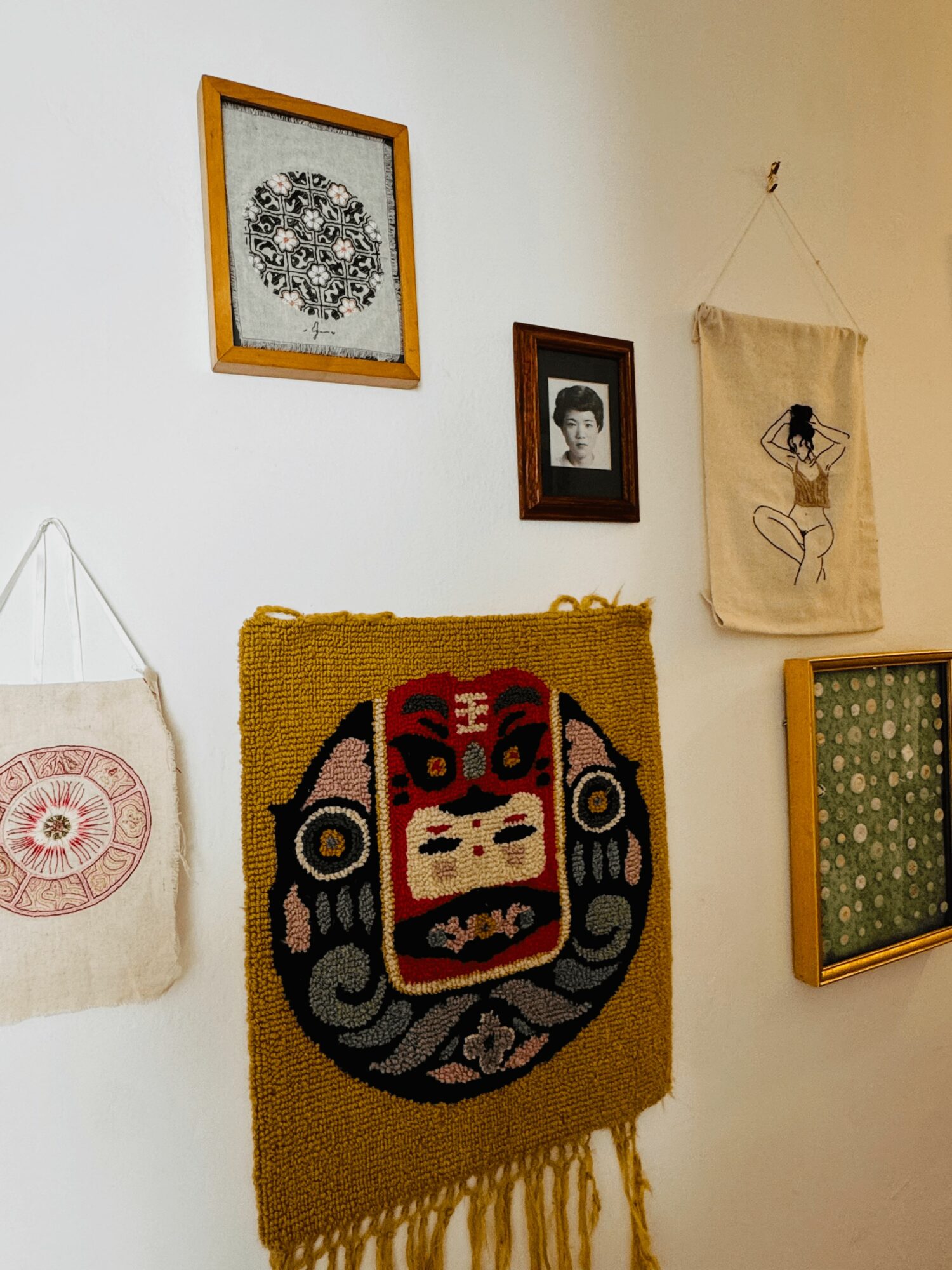
Image Credits
28751556248_699dcee5b2_o.jpg – Credit: Drew Bird Photography, CC BY-ND 2.0, https://creativecommons.org/licenses/by-nd/2.0/#ref-appropriate-credit IMG_9469.JPG.png – Credit: Andre Hyland All other photos – Credit: Genevieve Gaudet
Popular
-
Los Angeles Barea on Turning Green Superheroes into a Global Movement for Youth-Led Change
-

Trisha DuVivier on Bridging the Franchisor–Franchisee Divide with Workhero and “Franulate”
-

Portraits of the Valley
-

LA’s Most Inspiring Stories
-
Cedar Boschan on Elevating Black Music Rights and Driving Urgent Conversations Around Credit, Equity, and Artist Protection
-
Robin Olive on Building an Inclusive Performing Arts Movement and Expanding Opportunities for Every Student


