




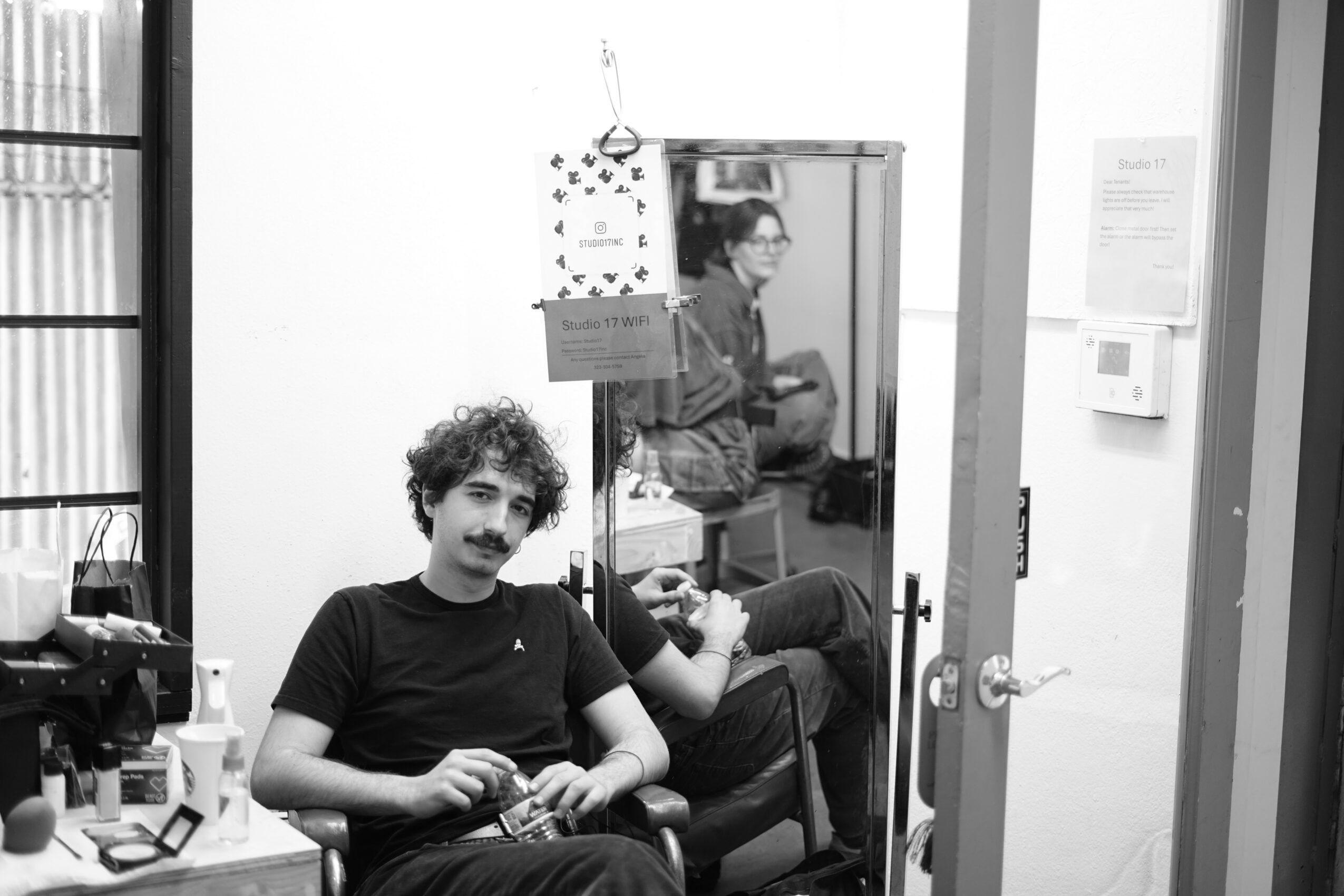
Today we’d like to introduce you to Mateo Ferrada Rovira.
Hi Mateo, so excited to have you with us today. What can you tell us about your story?
I was born and raised in Madrid, Spain, in a place where community wasn’t an abstract idea but something lived daily through family, shared rituals, and local traditions. From early on, I became fascinated by how those bonds shape identity, and cinema quickly became the way I explored that curiosity.
As I grew older, I lived in different countries, including Korea and England. Those experiences completely shifted how I understood culture and belonging. Moving between languages, customs, and social codes made me aware that identity is fluid, something you carry, adapt, and sometimes have to rebuild from scratch. Those years abroad deepened my interest in stories about people navigating spaces without clear cultural frontiers.
I later received a scholarship for excellence in the Netherlands, which further reinforced my desire to work across cultures and collaborate with international voices.
I’m now based in Los Angeles, finishing my studies at AFI. Being in LA has sharpened my focus on the kinds of stories I want to tell. I’m especially drawn to family-centered narratives and comedies that, on the surface, feel warm and entertaining, but quietly hide the dramatic realities we’re all living through today. I believe humor and community are powerful tools, not to escape reality, but to survive it and understand it together.
Would you say it’s been a smooth road, and if not what are some of the biggest challenges you’ve faced along the way?
Not at all. It’s been meaningful, but rarely smooth. Being constantly on the move meant never fully settling for long. Every new place required learning a new cultural language, rebuilding community from zero, and finding your footing again and again. That instability can be exciting, but it’s also exhausting.
As an immigrant, there’s a constant feeling of being slightly out of sync, even when you’re doing well. You’re always translating yourself, your humor, your references, your way of seeing the world. There’s also the practical side of uncertainty, visas, financial pressure, and the quiet fear that the ground beneath you might shift at any moment.
At the same time, those struggles shaped how I see people. They taught me empathy and sharpened my sensitivity to outsiders, families in transition, and communities trying to hold themselves together. The hardships didn’t slow the journey so much as define it. They’re the reason I’m drawn to stories about belonging, resilience, and finding warmth and humor even when stability feels temporary.
As you know, we’re big fans of you and your work. For our readers who might not be as familiar what can you tell them about what you do?
I work as a writer and producer, with a strong focus on story development. I’m especially drawn to projects in their early stages, when ideas are still taking shape. I enjoy helping stories find their emotional and structural clarity, particularly narratives centered on community, family, and cultural identity, often using humor to reveal deeper, more uncomfortable realities.
Alongside my creative work, I have professional experience at a law firm, where I was exposed to the legal and financial architecture behind film and television projects. Beyond contracts, I developed an understanding of international production structures, co-production frameworks, and fiscal incentive systems across different territories. That background, combined with my lived experience across multiple countries, allows me to think strategically about how stories can travel and how they can be built in ways that are both creatively ambitious and financially viable.
What I’m most proud of is my ability to connect the creative and the practical. I’m comfortable developing story and character while also thinking about international financing, tax incentives, and production logistics. That dual perspective helps projects move forward instead of getting stuck between vision and feasibility.
What sets me apart is that blend of sensitivity and structure. On a more personal note, I keep every parking ticket I’ve ever gotten, from every city I’ve lived in. I don’t know exactly why, but they’ve become a strange, accidental archive of places, moments, and versions of myself, which feels pretty close to what I’m trying to do with storytelling.
Who else deserves credit in your story?
None of this happens in isolation, and I’ve been incredibly lucky with the people around me. My parents deserve the first and biggest credit. They supported a path that was anything but straightforward, often without fully knowing where it would lead, and trusted me anyway. That kind of quiet faith made it possible for me to keep taking risks and moving forward.
Hannah has been a constant collaborator and creative partner. Working together over time has taught me the value of trust, shared language, and honest feedback. She’s someone who challenges my instincts while also understanding them deeply, and that balance has been essential in developing projects that feel both personal and rigorous.
I’ve also been shaped by friends who have acted as early audiences, sounding boards, and emotional anchors across different countries. Many of them aren’t in the industry, which has been just as important. They keep me grounded, remind me why stories matter outside professional spaces, and often help me see when something is honest or when it’s just clever.
All of these relationships have influenced not just what I make, but how I make it. They’ve reinforced the idea that storytelling, like life, is ultimately a collective effort.
Contact Info:
- Instagram: @mateo_ferrada
- LinkedIn: https://www.linkedin.com/in/mateo-ferrada-rovira-02976115a/
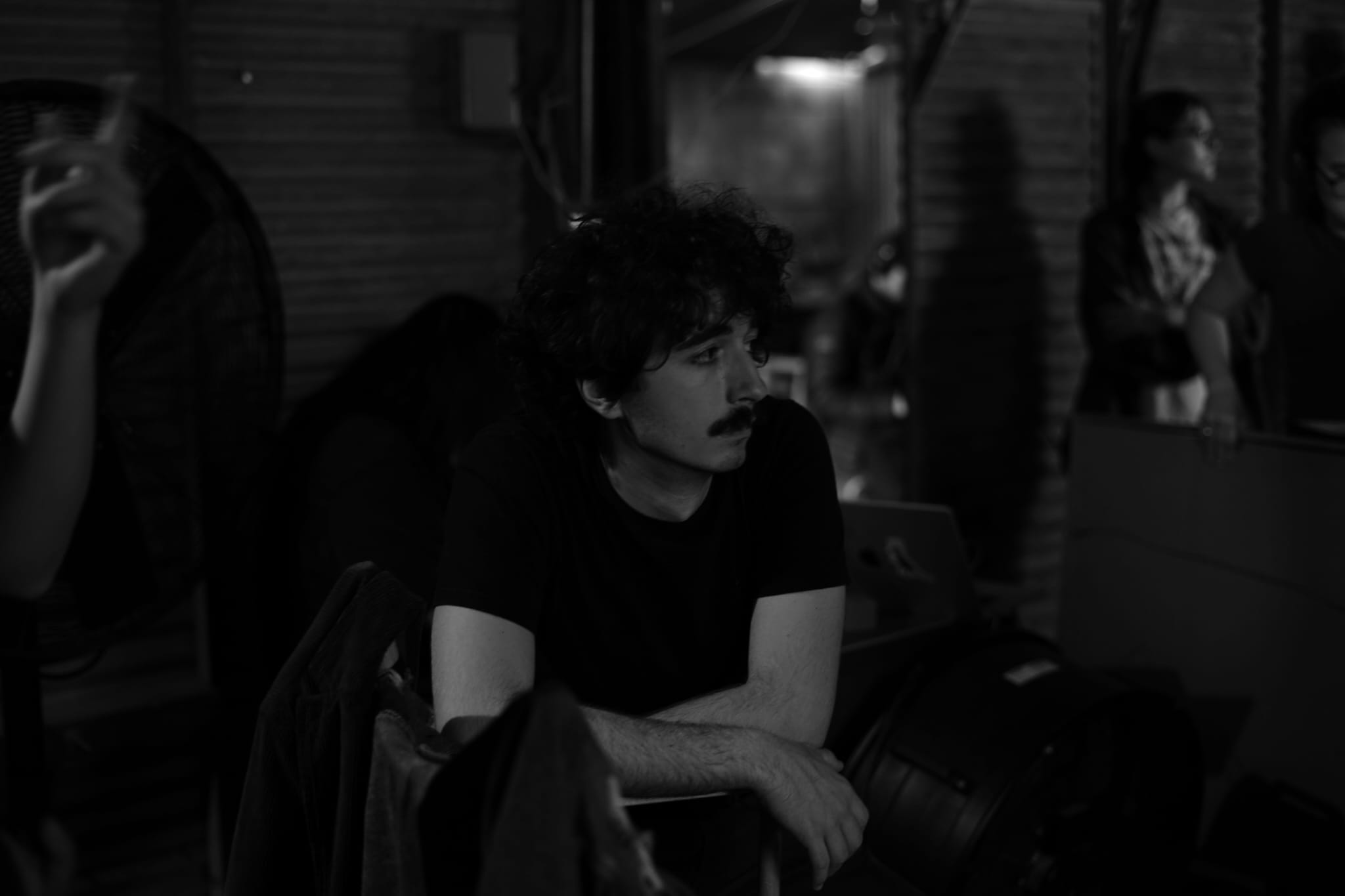
Image Credits
Michelle Kahn
Popular
-
Cedar Boschan on Elevating Black Music Rights and Driving Urgent Conversations Around Credit, Equity, and Artist Protection
-

Portraits of the Valley
-

LA’s Most Inspiring Stories
-

Robin Olive on Building an Inclusive Performing Arts Movement and Expanding Opportunities for Every Student
-

Que Johnson on Building Brands That Last: From Visibility to True Market Authority
-

Christina Wren Steps Into the Director’s Chair to Tell Stories That Feel Like Home


