




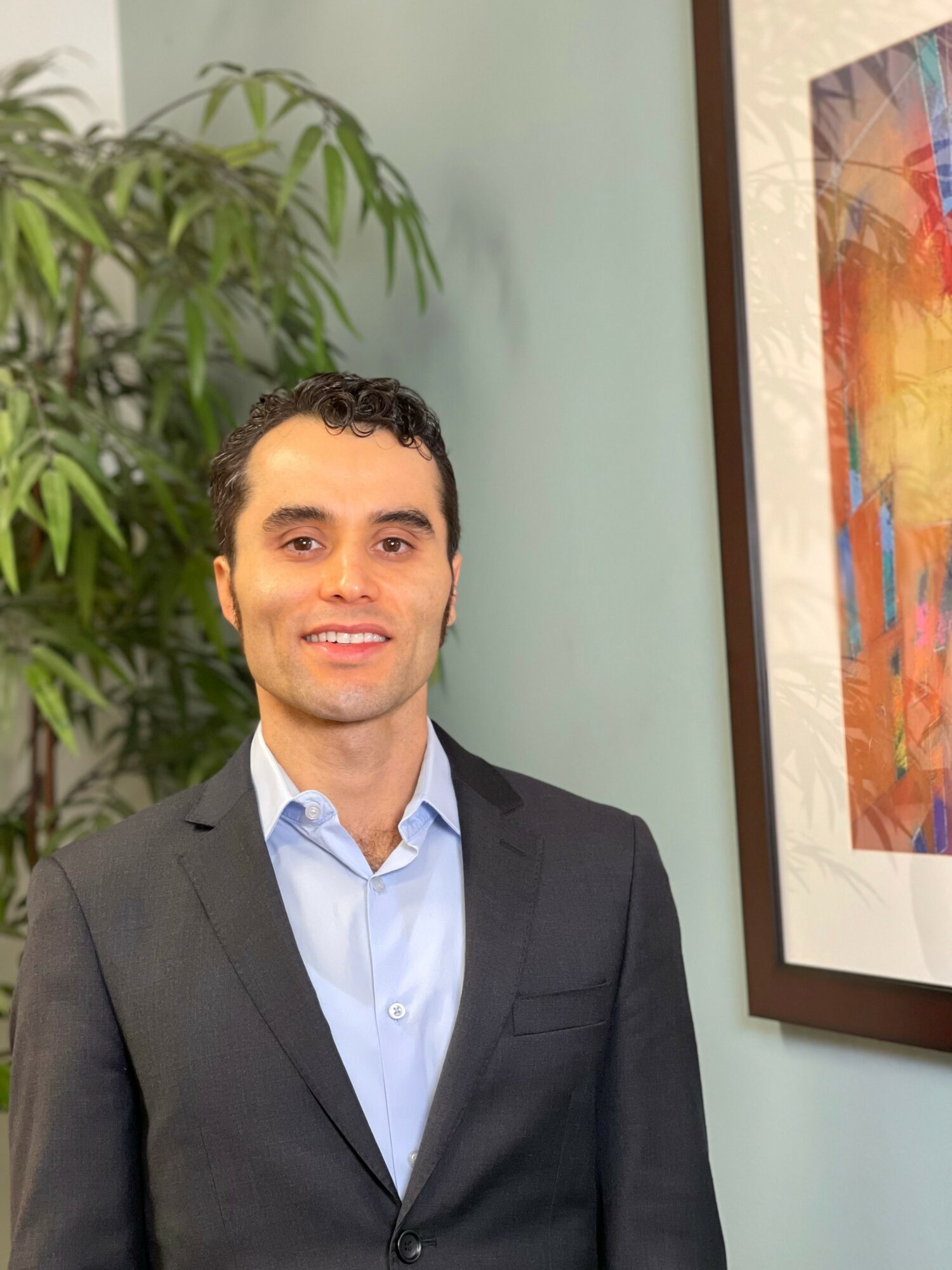
Today we’d like to introduce you to Eric Lazcano.
Hi Eric, it’s an honor to have you on the platform. Thanks for taking the time to share your story with us – to start maybe you can share some of your backstory with our readers?
Early childhood experiences with multiple ear reconstructive surgeries, as well as having a physician father, played a meaningful role in shaping my interest in medicine. Those experiences gave me a firsthand appreciation for the impact that thoughtful, skilled care can have on someone’s sense of self. They initially motivated me to pursue a career in surgery.
During medical school, however, my understanding of healing began to shift. I became increasingly aware that many of the challenges patients face are rooted far beneath what is immediately visible. That realization led me to psychiatry — a field uniquely focused on understanding the mind and the deeper patterns that shape behavior, suffering, and well-being.
To fully integrate that transition, I completed an intern year of surgical training before transferring into psychiatry. That experience allowed me to carry forward the precision and discipline I valued in surgery while developing a more comprehensive, depth-oriented approach to patient care.
Ultimately, I chose to enter integrative private practice because it aligned best with my values. I wanted the freedom to prioritize depth, nuance, and individualized care over volume, and to work collaboratively with patients in a way that allows for thoughtful, root-cause-oriented treatment.
Would you say it’s been a smooth road, and if not what are some of the biggest challenges you’ve faced along the way?
One ongoing challenge has been learning to balance discipline and ambition with patience and restraint. I’ve always valued structure and long-term thinking, including in my own physical training, but I’ve had to confront the reality that progress — whether physical or psychological — cannot be forced without cost.
Navigating physical limitations has reinforced the importance of listening closely to early signals, adapting deliberately, and respecting the difference between productive effort and unnecessary strain. That perspective has carried over directly into my clinical work, where meaningful change often comes not from pushing harder, but from slowing down, observing patterns carefully, and making precise, sustainable adjustments over time.
This process has been both humbling and clarifying, and it continues to shape how I think about resilience, self-regulation, and long-term well-being — both for myself and for the people I work with.
Thanks – so what else should our readers know about Eric A Lazcano MD?
I run a mental health practice focused on helping people understand and address the underlying drivers of stress rather than simply managing surface symptoms. In addition to medication management and psychotherapy, my work involves closely examining behavioral patterns that quietly sustain distress, including habits around substances, food, sleep, exercise, and digital consumption.
We also take a thoughtful look at existing self-management strategies, including supplements or other forms of self-medication. From there, we work to refine them in a way that is coherent, intentional, and aligned with each person’s goals. The aim is not perfection or rigid control, but clarity and sustainability, so that reduced stress and improved well-being emerge as natural byproducts of clearer understanding and more precise interventions.
Is there a quality that you most attribute to your success?
The most important quality has been a willingness to sit with complexity without forcing premature solutions. Maintaining a beginner’s mind — approaching each day with curiosity rather than certainty — allows for clearer judgment and more meaningful, lasting progress.
Contact Info:
- Website: https://drlazcano.com
Image Credits
Eric Lazcano MD
Popular
-

Robin Olive on Building an Inclusive Performing Arts Movement and Expanding Opportunities for Every Student
-

Portraits of the Valley
-

LA’s Most Inspiring Stories
-

Que Johnson on Building Brands That Last: From Visibility to True Market Authority
-

Christina Wren Steps Into the Director’s Chair to Tell Stories That Feel Like Home
-

JordanL on ‘Breathe,’ Belief, and Building a Movement Beyond the Music


