




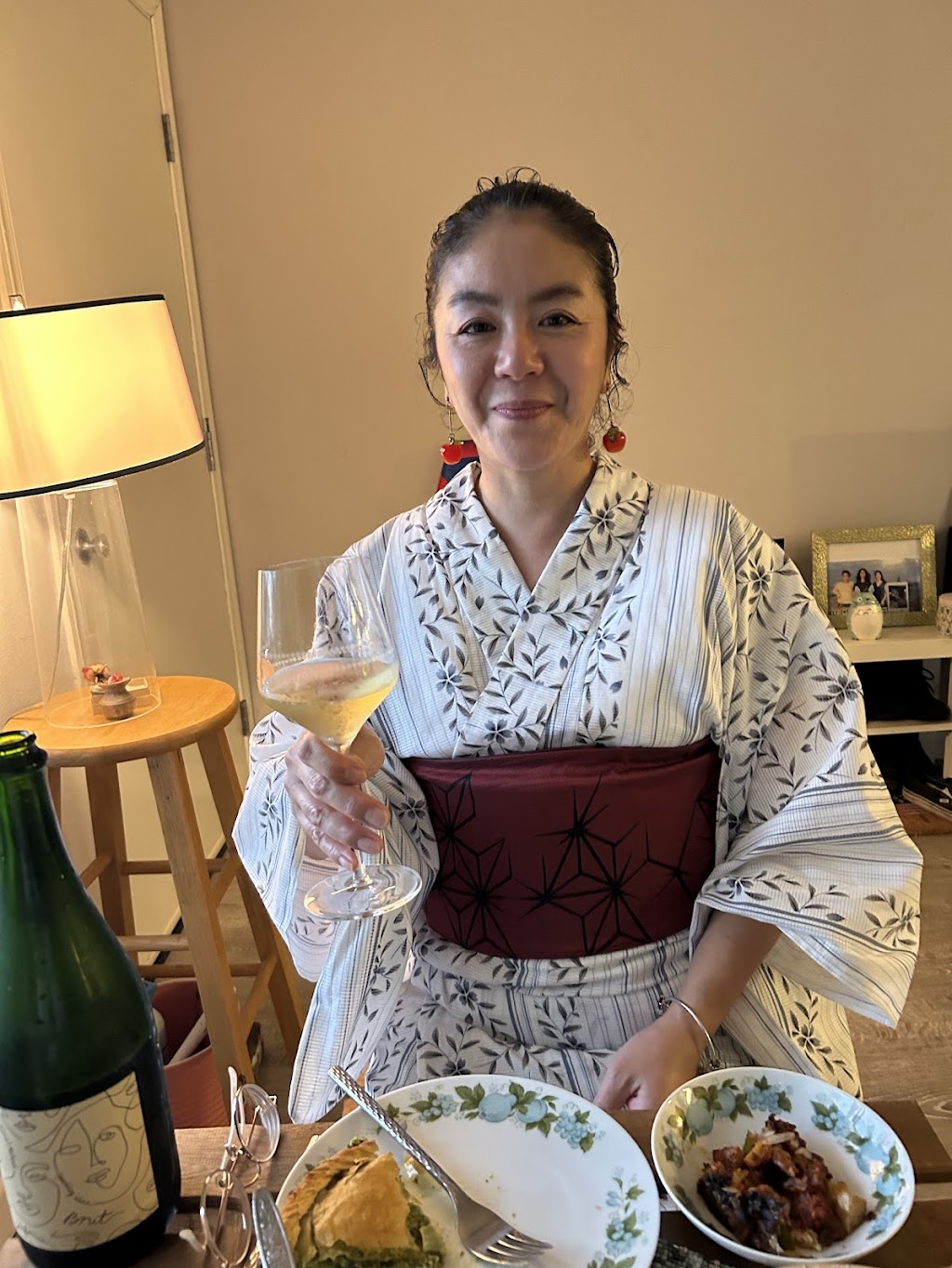
We’re looking forward to introducing you to Shino Saito. Check out our conversation below.
Good morning Shino, it’s such a great way to kick off the day – I think our readers will love hearing your stories, experiences and about how you think about life and work. Let’s jump right in? What do you think is misunderstood about your business?
One of the most common misunderstandings about my work as a recipe developer (or “料理研究家” in Japanese) is that people assume I’m a professional chef who spends all day in a restaurant kitchen, whipping up gourmet dishes on the spot. While cooking is involved, the roles are quite different.
My focus is on creating reliable, reproducible recipes tailored to specific categories—in my case, healthy home-style Japanese cooking. Much of my job is commissioned: for magazines, I consider the publication date, featured seasonal ingredients, reader demographics, and current trends to develop recipes that anyone can recreate at home with consistent results. For example, when a vegetarian magazine requests a vegan cake, I experiment with egg- and dairy-free substitutes, test multiple versions, and refine until it’s delicious and foolproof.
Corporate projects might involve developing recipes around a new packaged product (like a novel seasoning blend, a healthy sauce, or an innovative kitchen staple) or writing an instruction booklet for a kitchen gadget. It’s a lot of research—finding the right ingredients, testing ratios, ensuring the method works every time—not about showing off personal cooking prowess.
People sometimes mistake this for being a “great cook” who loves to flaunt skills. I’ve had moments where folks say, “Make something delicious for me!” or try to one-up me with their own cooking stories. It’s flattering, but my work isn’t about competing in a “who’s the best cook” contest. It’s about translating ideas, ingredients, and client needs into clear, approachable instructions.
And honestly, I actually enjoy eating delicious food way more than cooking it myself—I’m happier sitting down to a meal someone else prepared! That’s why I sometimes keep my profession under wraps in casual settings—to avoid unnecessary misunderstandings or expectations.
In short, being a recipe developer is more like being a thoughtful translator and tester than a flashy kitchen star. The real joy comes from making good food accessible and reliable for everyone.
Can you briefly introduce yourself and share what makes you or your brand unique?
Hi, I’m Shino Saito, a recipe developer and writer specializing in healthy, everyday Japanese home cooking. Online, I share approachable recipes through “Shino’s healthy recipes and Japanese Home Cooking” https://www.youtube.com/@shinosaito_japan, focusing on fresh, seasonal ingredients and simple techniques that make nourishing meals feel effortless.
My path began in Japan, where I created recipes for magazines, published cookbooks, and appeared on TV, helping people enjoy balanced, flavorful food at home. When I moved to the United States, I chose to prioritize family and adapting to life here, which meant stepping back from full-time professional work for a season. During that time, I stayed connected through social media and kept my passion quietly alive.
Recently, with more space in my schedule, I’m excited to dive back in—relaunching my YouTube channel and sharing more of what I love. It’s still an early chapter in this new phase, but the response so far has been encouraging and motivating.
What draws me to this work is the joy of turning everyday ingredients into something delicious and good for you. I believe home cooking is about intuition, care, and listening to what’s fresh and available, rather than strict rules. Living in America now, I hope to make authentic Japanese-inspired healthy meals more accessible and enjoyable for everyone here.
I’m grateful for the opportunity to share my journey and recipes—one simple, heartfelt dish at a time.
Okay, so here’s a deep one: What’s a moment that really shaped how you see the world?
One of the most defining moments for me happened when I was in elementary school, around second or third grade. My mom was away one day, and there was nothing ready to eat in the house. The family turned to each other and asked, “Who’s going to make something?” I felt this little spark inside—I wanted to try.
We had frozen gyoza in the freezer, so I decided to pan-fry them. Everyone gathered around the kitchen, watching with curiosity as I took charge. In my young mind, it was going to be perfect: crispy, golden, just like the ones we loved. I could picture it so clearly that I was sure it would turn out effortlessly.
But they came out burnt—charred and smoky. Still, we all sat down together and ate them, laughing about the mishap. No one made a big deal; it just became one of those family stories.
That simple dinner changed something deep inside me. Until then, as a child, I believed that if I imagined something wonderful, it would just happen. The burnt gyoza taught me there’s a real gap between imagination and reality—and that gap is filled with knowledge, practice, skill, and steady effort. You can’t wish perfection into being; you have to build it step by step.
That experience became one of the key roots of my effort-driven mindset. Now, as a recipe developer, I test and refine everything obsessively, not because I’m naturally flawless, but because I learned early that good ideas need real work to become something anyone can enjoy reliably. Those slightly charred gyoza weren’t a setback—they were my first real lesson in turning dreams into delicious, repeatable reality.
I still think of them fondly. They remind me that even the messiest first tries can plant the seeds for something meaningful.
Was there ever a time you almost gave up?
Yes, there was definitely a period when I came very close to giving up on my career as a recipe developer and content creator.
After years of being very active in Japan—publishing books, appearing on TV, and building a solid presence in the food media space—I moved to the United States. Life changed dramatically. I shifted my full focus to raising my family and managing our new home in a different country. Suddenly, the rhythm of work I knew disappeared, and it felt like everything I had built was on pause. The transition, combined with the demands of parenting and adjusting to a new environment, made it hard to see a clear path forward. There were many days when I wondered if my professional chapter was simply over.
I never fully stopped, though. I kept my social media alive in small ways—it was my quiet connection to the community and a reminder of what I loved. YouTube, however, sat untouched for about three years. Restarting felt overwhelming, like starting from zero in a new context.
But when I finally found a bit more time as my child grew more independent, I decided to try again. To my surprise and gratitude, the channel grew to over 1,000 subscribers relatively quickly after the restart. It wasn’t the big comeback I once envisioned, but it was proof that the passion hadn’t disappeared—it had just been waiting.
I’m still in the middle of this journey, not yet back to the level of activity I had in Japan, but I’m committed to continuing at my own pace. The biggest lesson from that “almost” moment is that seasons of life come and go, and it’s okay to prioritize family when you need to. What matters is not giving up completely—keeping a small flame alive eventually allows you to reignite it when the timing is right.
That experience made me more patient, more appreciative of steady progress, and even more determined to create meaningful content that helps others enjoy healthy, joyful home cooking—wherever life takes me next.
So a lot of these questions go deep, but if you are open to it, we’ve got a few more questions that we’d love to get your take on. What are the biggest lies your industry tells itself?
As someone who has spent years writing and developing recipes for magazines, books, and brands, I’ve come to realize one of the biggest lies the food and recipe industry tells itself: that great home cooking always requires a detailed recipe—and the more complex, the better.
We’ve somehow created this culture where “good cooking” means following a precise formula, shopping for exact ingredients (often out of season), and spending hours on elaborate techniques like long simmering or multi-step processes. If you deviate or simplify, you’re somehow “not doing it right.” But after testing hundreds of recipes and cooking for my own family, I’ve seen the truth: most everyday home cooking doesn’t need a recipe at all.
The ideal for me is walking into the supermarket, spotting what’s fresh, seasonal, and affordable that day (which is usually the most flavorful), bringing it home, washing, chopping, giving it a quick heat if needed, seasoning simply (salt, maybe a dash of soy or herbs), and saying “itadakimasu!” Think sliced tomatoes or cucumbers with just salt, or salmon simply salted and pan-seared. When ingredients are at their peak, they speak for themselves—no elaborate instructions required.
The industry has unintentionally spread the seed that the more steps and specialty items a dish has, the more “impressive” or “skilled” you are. That’s a myth that makes home cooks feel inadequate if they don’t have every ingredient on hand or if dinner isn’t Instagram-perfect. It pushes people toward processed or overcomplicated meals instead of celebrating the simplicity and joy of real, seasonal food.
Don’t get me wrong—recipes aren’t bad. They’re incredibly valuable for sharing techniques, flavor pairings, and ways to make the most of specific ingredients. They inspire, educate, and help beginners build confidence. The problem is when we treat them as rigid rules to follow blindly, starting with “Okay, sleeves rolled up—let’s execute this recipe exactly!” instead of using them as gentle guides or starting points.
The real magic of home cooking is listening to the ingredients first—what they want to become, how they want to shine together—rather than forcing them into a pre-set mold. That’s the shift I hope more people make: from recipe-dependent perfection to intuitive, joyful simplicity.
Okay, so before we go, let’s tackle one more area. Are you doing what you were born to do—or what you were told to do?
Honestly, when I think about whether I’m doing what I was “born to do,” I’m not entirely sure I can claim it as a clear, lifelong destiny from the start. But what feels closest to the truth is this: at each stage of life, I’ve stepped in where I was needed, pushed myself a little harder when I saw the impact, and somehow, the path kept opening up.It started small—like that childhood day when I burned the gyoza because no one else was going to feed the family. I didn’t think, “This is my calling.” I just felt, “If I don’t do it, everyone goes hungry.” Later, when my child was diagnosed with allergies, the drive to find ways to make safe, tasty meals became overwhelming—I had to learn, experiment, and share what worked. And now, living in America, I keep creating healthy Japanese home-style recipes because I believe sharing them can make it easier for people here to enjoy authentic, nourishing food without hassle. It’s not grand ambition; it’s responding to the moment and seeing real needs met.My focus on healthy cooking also comes from a deeply personal place. I’ve dealt with atopic dermatitis and asthma since childhood, so I’ve always felt a strong connection between food and how my body feels. My grandparents and mother were passionate about health and passed down knowledge naturally. When my child’s allergies appeared, I dove deeper into studying nutrition and ingredients. All that accumulated experience gets poured into my recipes—not as a “perfect expert,” but as someone who truly understands the struggle and the relief that comes from eating well.I believe people who are naturally healthy can enjoy whatever they love without worry—and that’s wonderful. But for those whose bodies aren’t thriving, changing how we eat can bring real freedom and joy. If there’s a “born to do” element in my work, I think it’s in helping share that message: food isn’t just fuel; it’s a way to care for ourselves and others, one simple, intuitive meal at a time.I’m not done figuring it out, and life has told me to pause or pivot more than once (family, relocation, new circumstances). But each time I come back to this, it feels more like purpose than obligation. So maybe I’m doing what I was born to do—slowly, quietly, and in response to the people and moments that need it most.
Contact Info:
- Website: https://shinosaito.com/
- Instagram: https://www.instagram.com/shinosaito_japan/
- Youtube: https://www.youtube.com/@shinosaito_japan
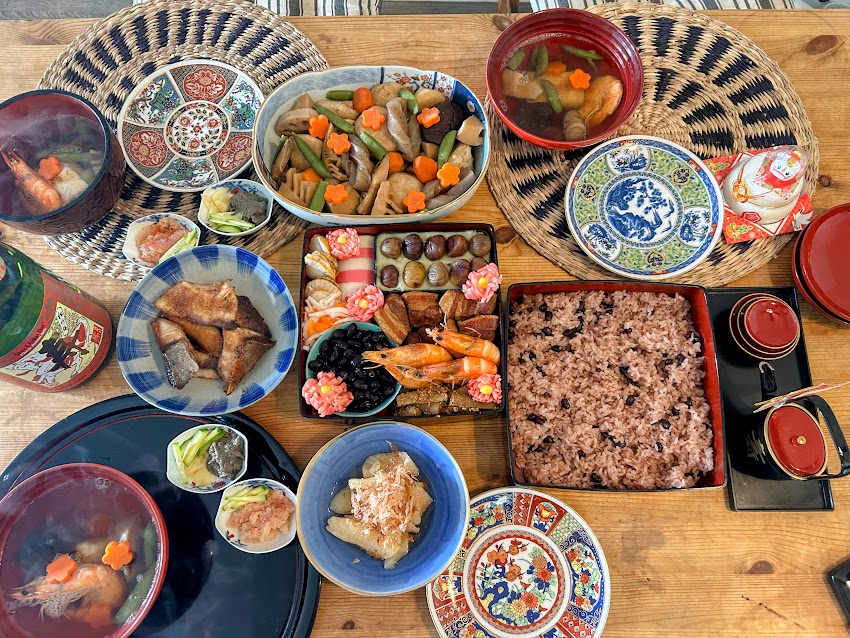
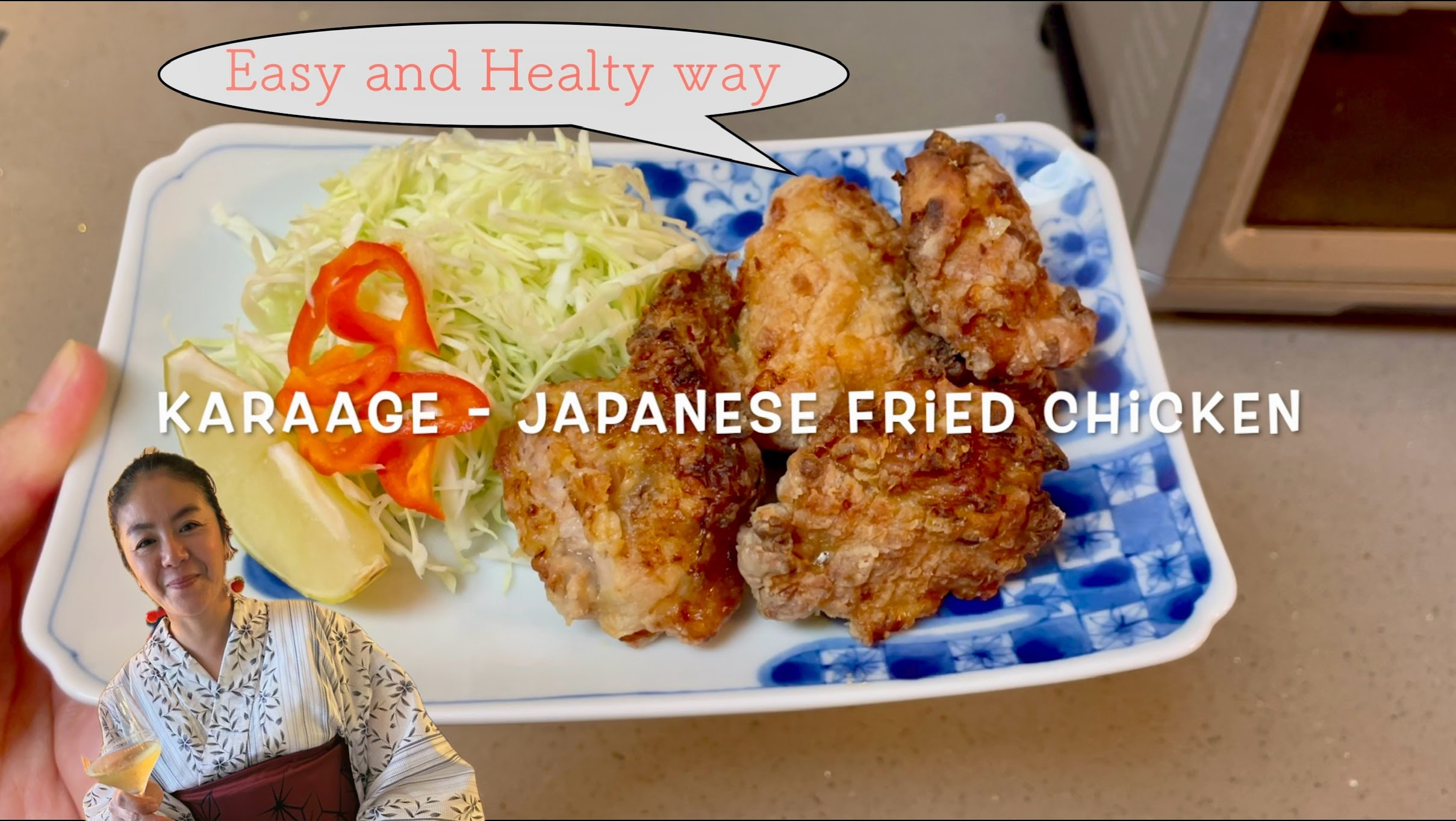
Image Credits
By Shino Saito
Popular
-

Portraits of the Valley
-

LA’s Most Inspiring Stories
-

Rick Norris Learned That Building a Successful Business Means Building a Life You Actually Want to Live
-

How Olivia Rush Turned Survival Into a Mission to Help Others Keep Going
-

How Bibi Goldstein Is Helping Entrepreneurs Reclaim Their Time by Embracing the Power of Delegation
-

Victoria Hasson is Redefining Voice Coaching Through Community and Collaboration


