




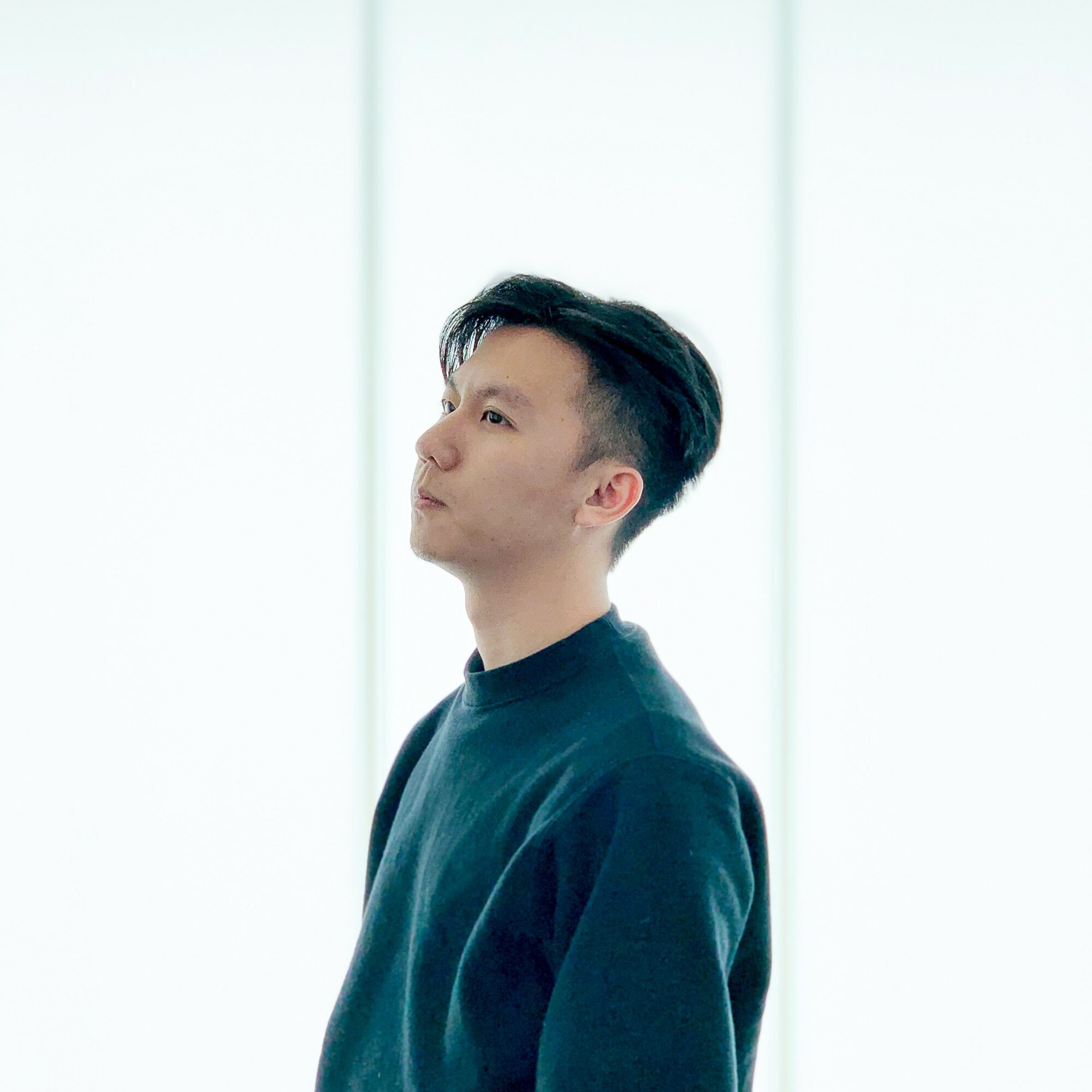
Today we’d like to introduce you to Xiaohan Qiu.
Alright, so thank you so much for sharing your story and insight with our readers. To kick things off, can you tell us a bit about how you got started?
I grew up in a rapidly urbanizing coastal city in southern China, where historic arcade streets, colonial façades and new towers coexist in a very compressed way. Watching those layers of the city collide made me curious about why some places feel alive and human, while others feel anonymous or left behind.
That curiosity led me to study urban design and architecture and eventually to a career as an urban and architectural designer. Over time, through both academic training and professional practice, I realized that architectural creation is the tool I use to pursue a simple goal: to help shape spaces that are livable, culturally grounded, and responsive to the people who inhabit them.
Alright, so let’s dig a little deeper into the story – has it been an easy path overall and if not, what were the challenges you’ve had to overcome?
It has not been a smooth road. One of the biggest challenges was moving from the conceptual freedom of school into professional practice, where every idea must respond to budgets, regulations, timelines and construction realities. I had to learn how to protect the core of a design idea while still making it practical and buildable. Another ongoing challenge has been working with very different stakeholders and learning to listen, negotiate and adjust, while still holding on to key values such as human experience, cultural sensitivity and sustainability.
As you know, we’re big fans of you and your work. For our readers who might not be as familiar what can you tell them about what you do?
My work sits at the intersection of urban design and architecture. I focus on how buildings, streets and public spaces can support everyday life, reflect local culture and remain resilient over time. I tend to approach each project as a story about people and place, combining technical planning and architectural skills with attention to context, narrative and environmental responsibility.
I am grateful that some of this work has been recognized internationally, including the BLT Built Design Award, Winner in Architectural Design (Small Architecture), and the Red Dot Design Concept Award. I am most proud of projects where this way of thinking translates into a real change on the ground, when a space could quietly improves daily life and still feels true to its surroundings. What sets me apart is this multidisciplinary and story driven approach, and a desire to design not only for the present moment but also for long term social and ecological resilience.
We love surprises, fun facts and unexpected stories. Is there something you can share that might surprise us?
Many people know me mainly through my architecture and urban design work, but fewer know that I am also deeply involved in photography and vocal performance. I have produced a photography book, and image making is an important way for me to observe cities and people, which in turn sharpens my sensitivity to light, proportion and human presence in space. I am also curious about interactive media such as game and virtual reality related experiences. On the surface these paths may seem separate, but for me they are all connected by the same question of how to design experiences that help people feel more closely connected to their surroundings and to each other.
Contact Info:
- Website: https://xiaohanqiu.com
- LinkedIn: https://www.linkedin.com/in/xhanqiu/

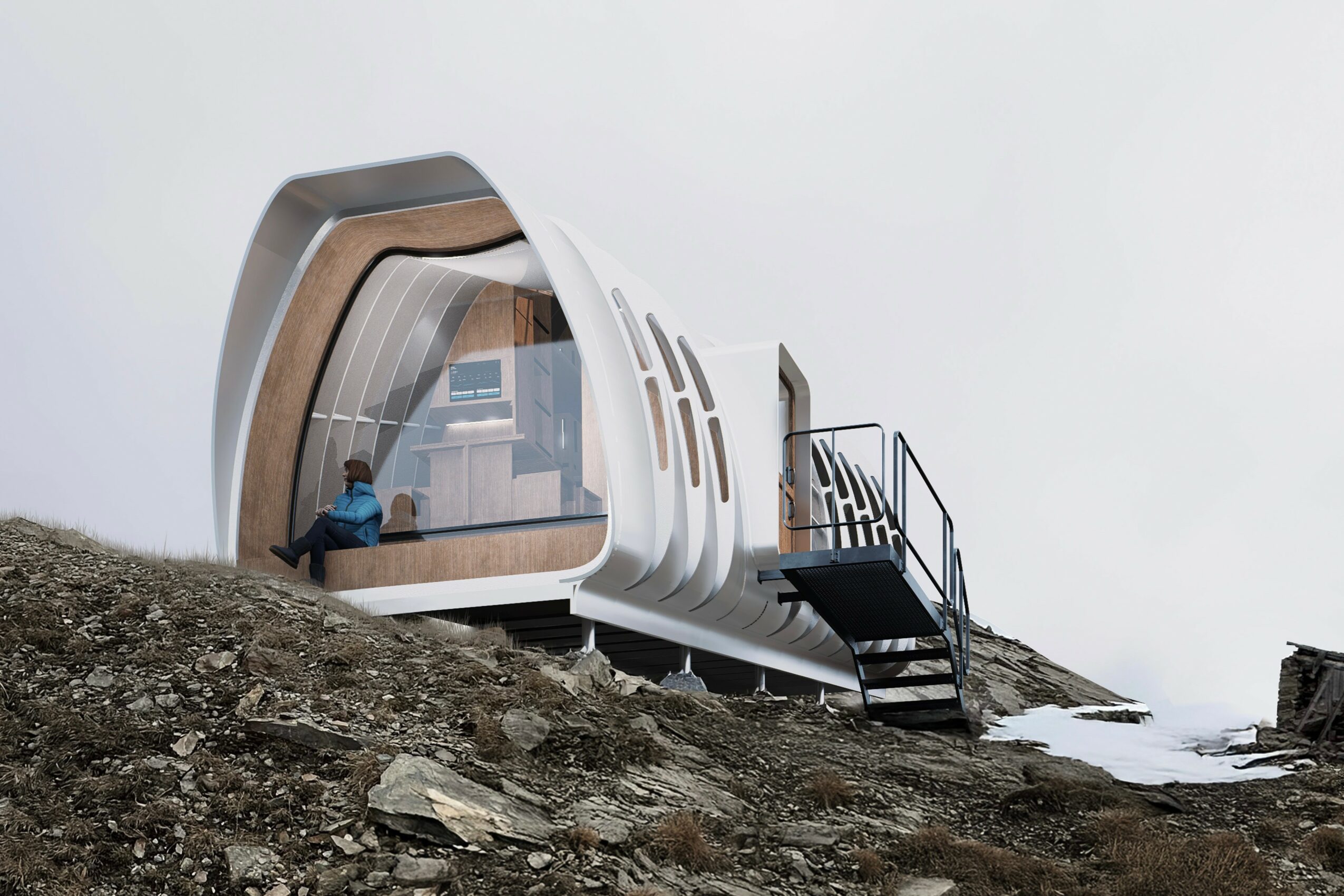
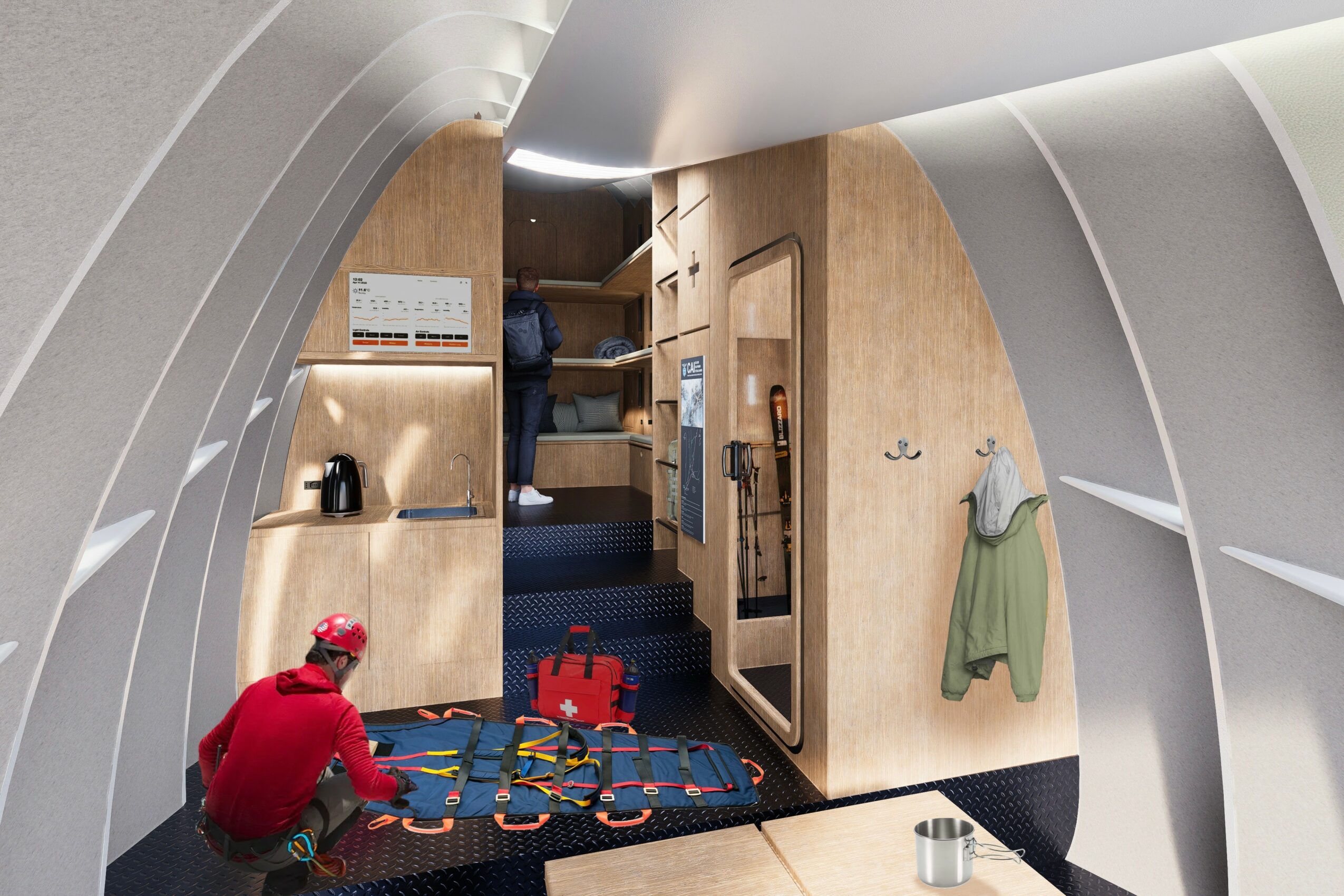
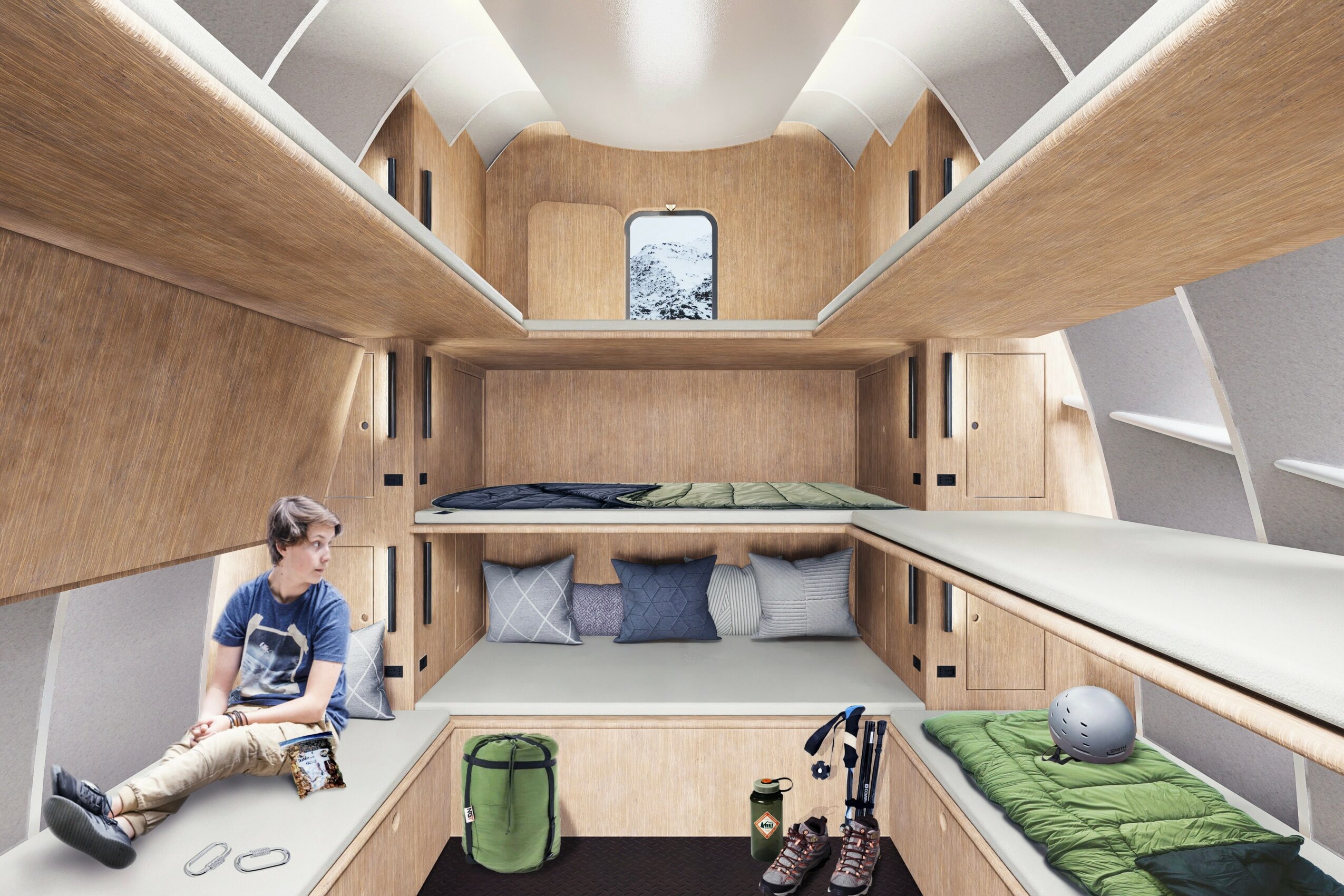
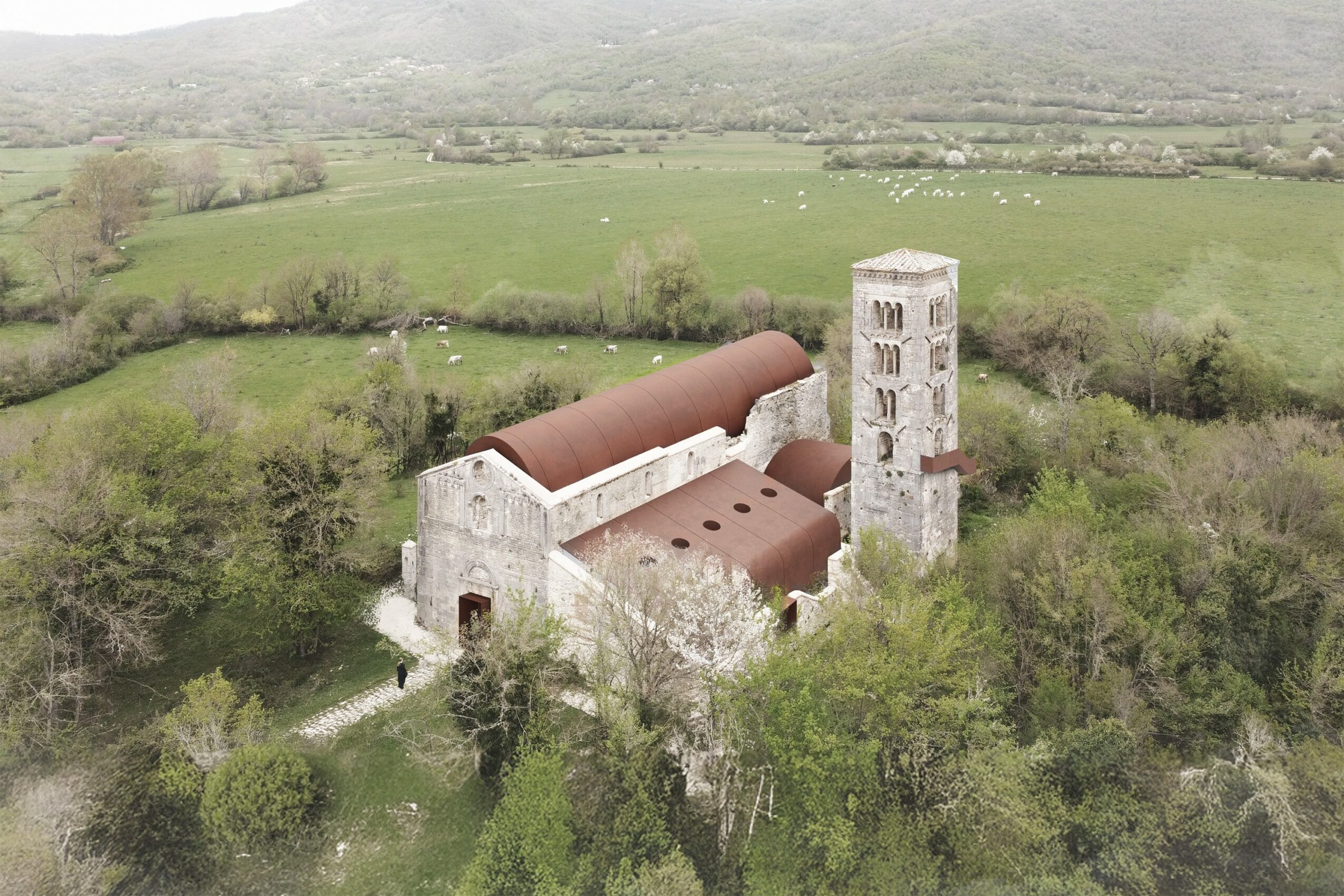
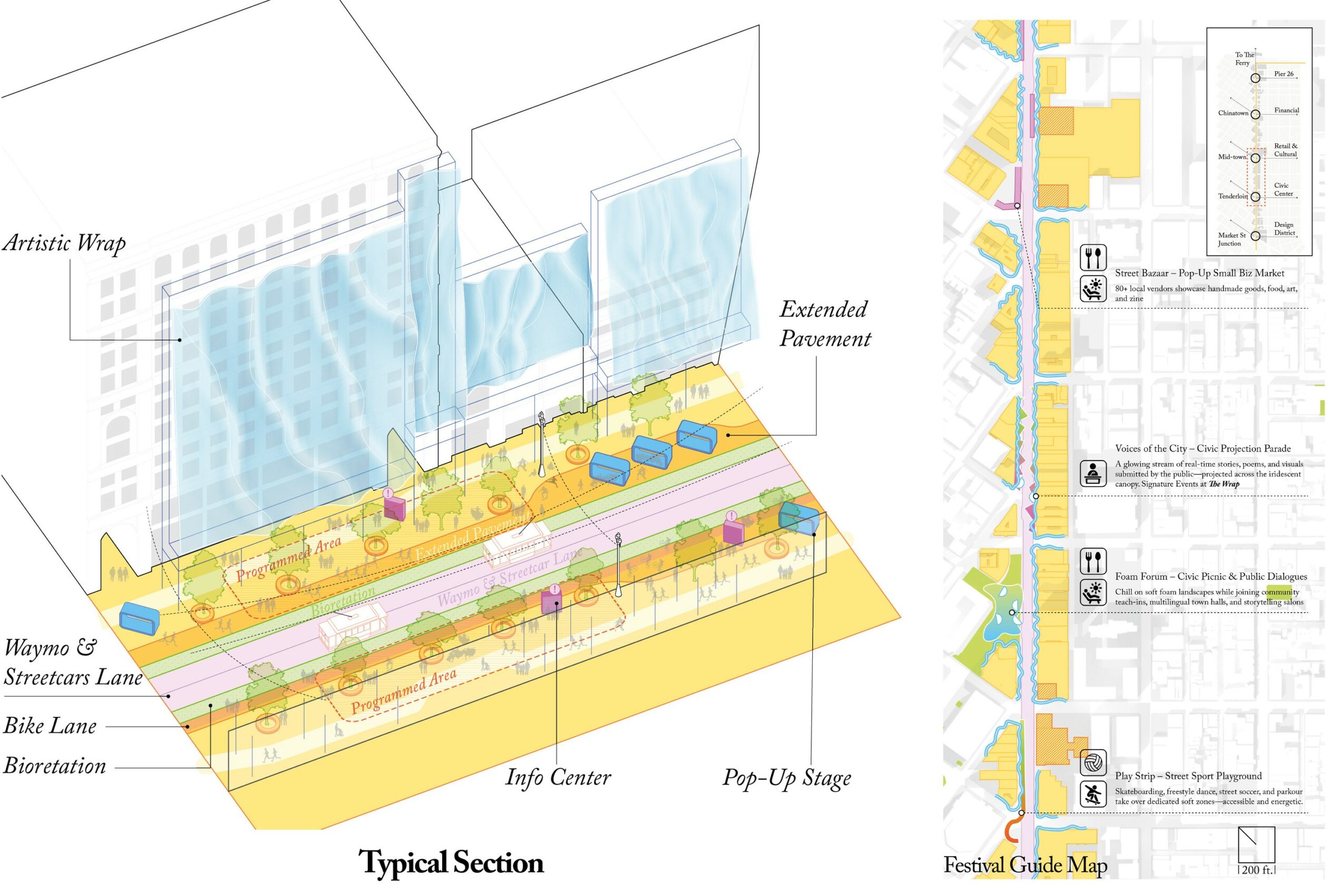
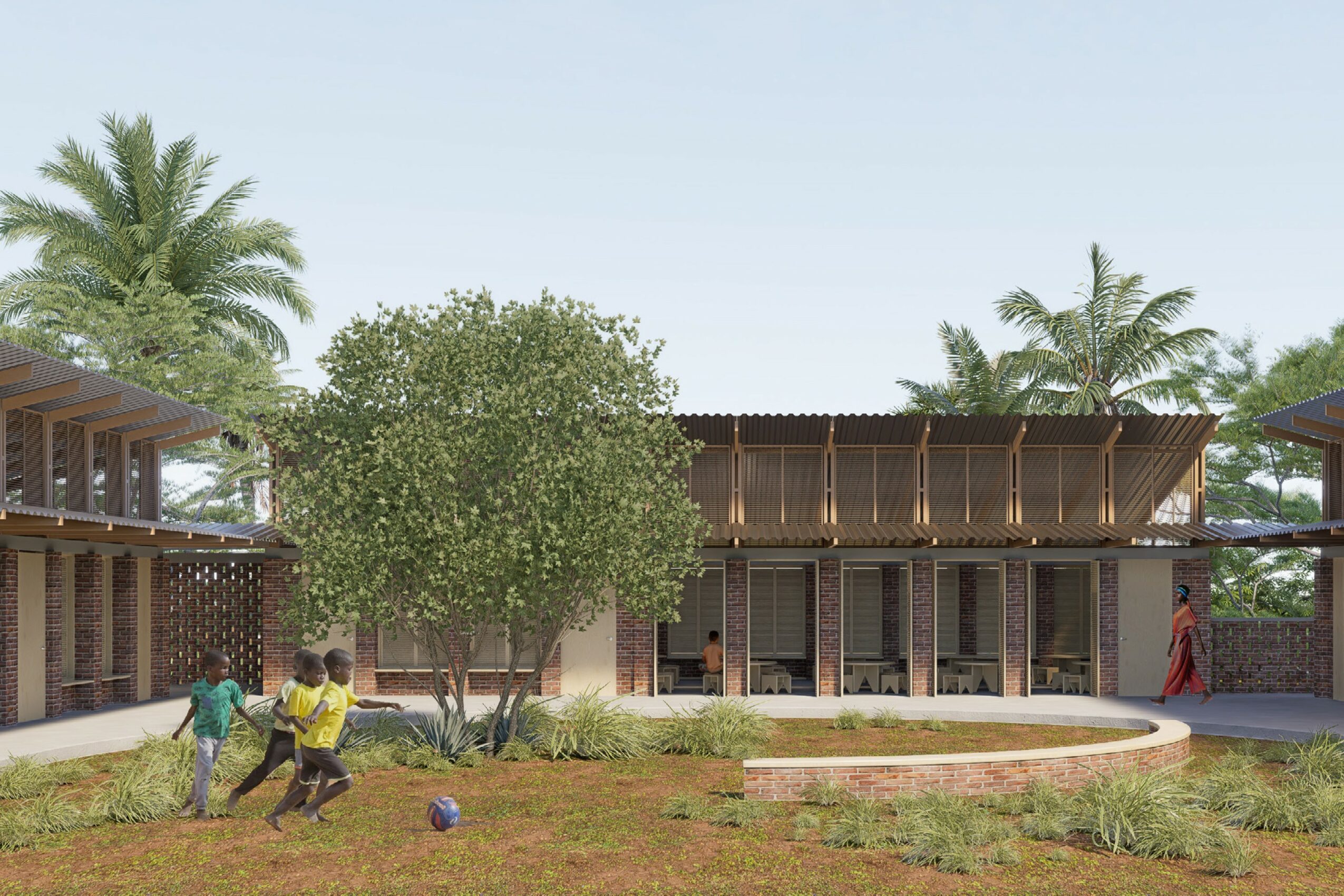
Image Credits
Yanci Chen, Jing Chen, Xiaoyu Yang, Yifan Cai
Popular
-

Finding Balance Through Art: Theresa Croft on Blending Music, Wellness, and Visual Storytelling into a Holistic Creative Identity
-

From Street Corners to City Tours: Chef Chuck Glaster on Building SOULD Out Into a Culture-Driven Culinary Movement
-

Portraits of the Valley
-

LA’s Most Inspiring Stories
-

From Rock Bottom to Calling: How Hasani McLean-Davis Found Purpose Through Faith and Music
-

Building a Scalable, Soulful Travel Brand: How Abboud Khallouf Turned Morocco Into a Global Experience


