




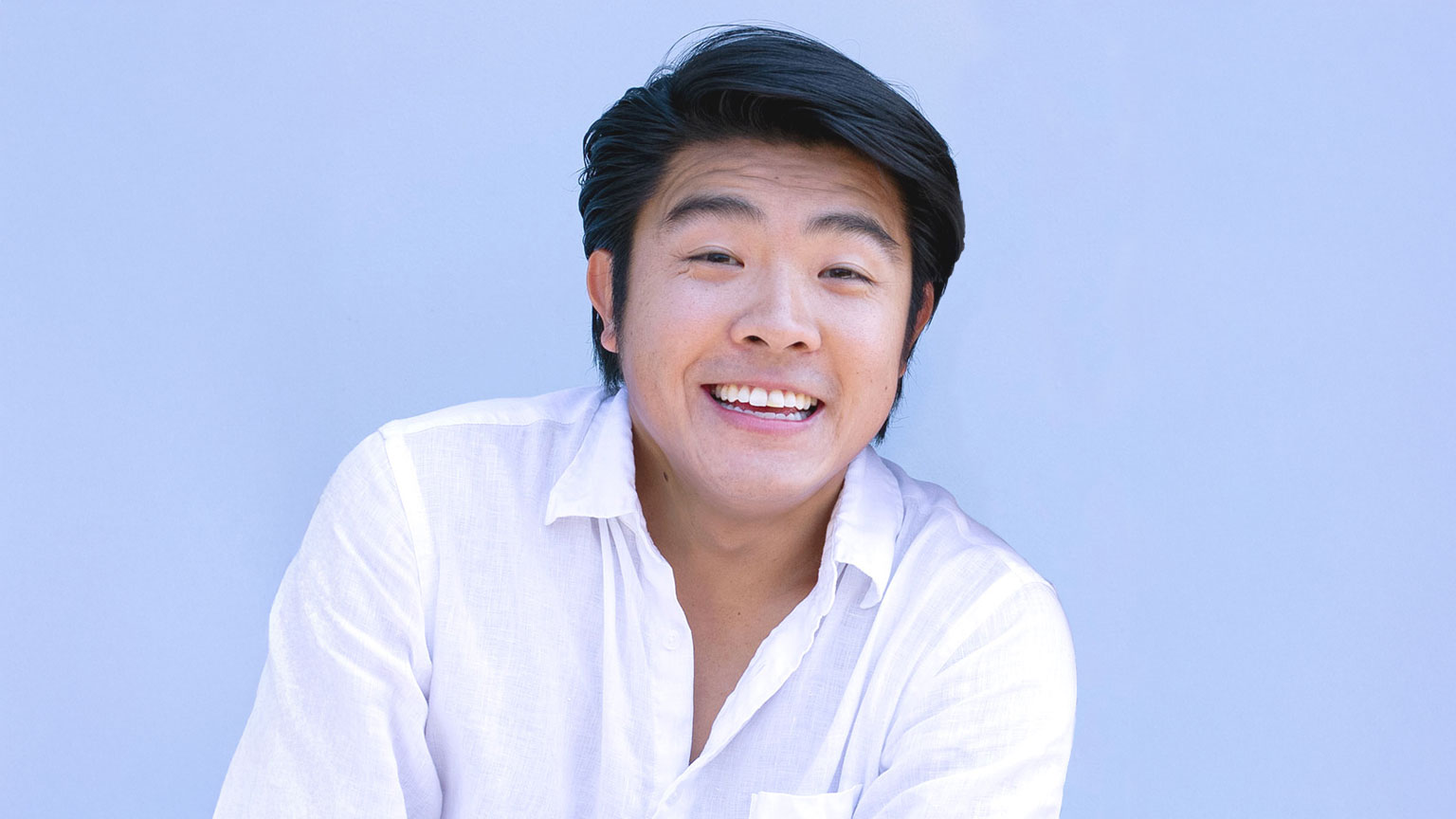
Today we’d like to introduce you to Greg Chen.
Hi Greg, can you start by introducing yourself? We’d love to learn more about how you got to where you are today?
I was six when my parents immigrated from Taiwan to the United States. At that age, I didn’t fully understand what it meant to leave one country for another, but I remember feeling caught between two worlds. What grounded me was drawing. I sketched constantly, and in school I often teamed up with a friend – he’d write the words, and I’d bring them to life with pictures. Looking back, that was my first lesson in collaboration and in the power of storytelling.
In high school, I discovered graphic design and fell in love with the process of arranging text and images until they felt meaningful. That passion carried me to CalArts, where I studied design and discovered animation and motion graphics. It was like magic, designs I’d been working with suddenly started to move. In that moment, the world felt bigger, brighter… and a whole lot more interesting.
My career began at The Daily, an iPad-only news app where we experimented with digital storytelling. From there, I joined The Guardian and later CNN, working on projects that tackled some of the most important stories of our time. Being part of the team covering the NSA revelations, which went on to win the Pulitzer Prize for Public Service, was a defining experience. Beyond the recognition, it showed me that design can do more than decorate a story. It can illuminate it, provoke conversation, even shift public awareness.
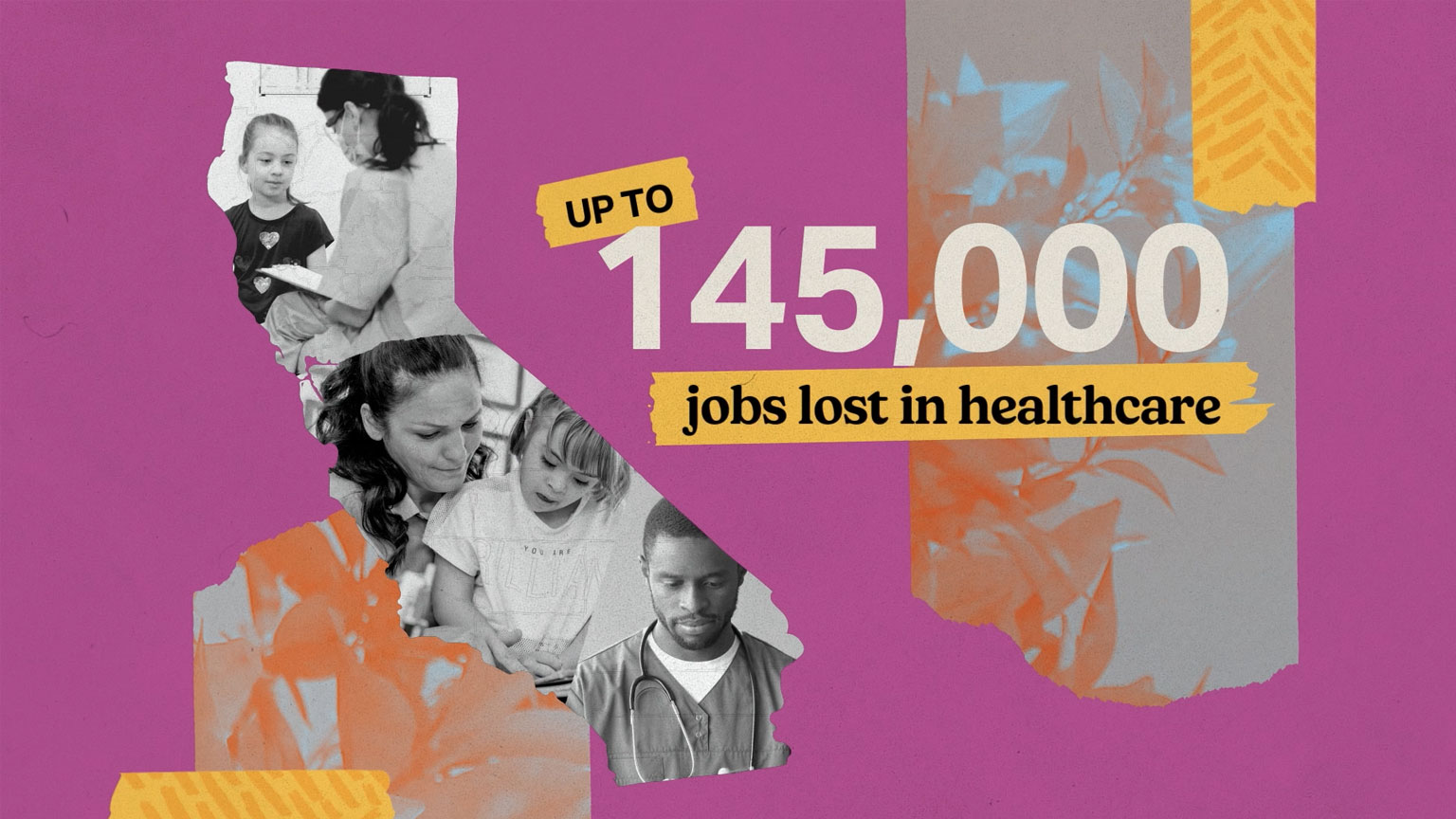
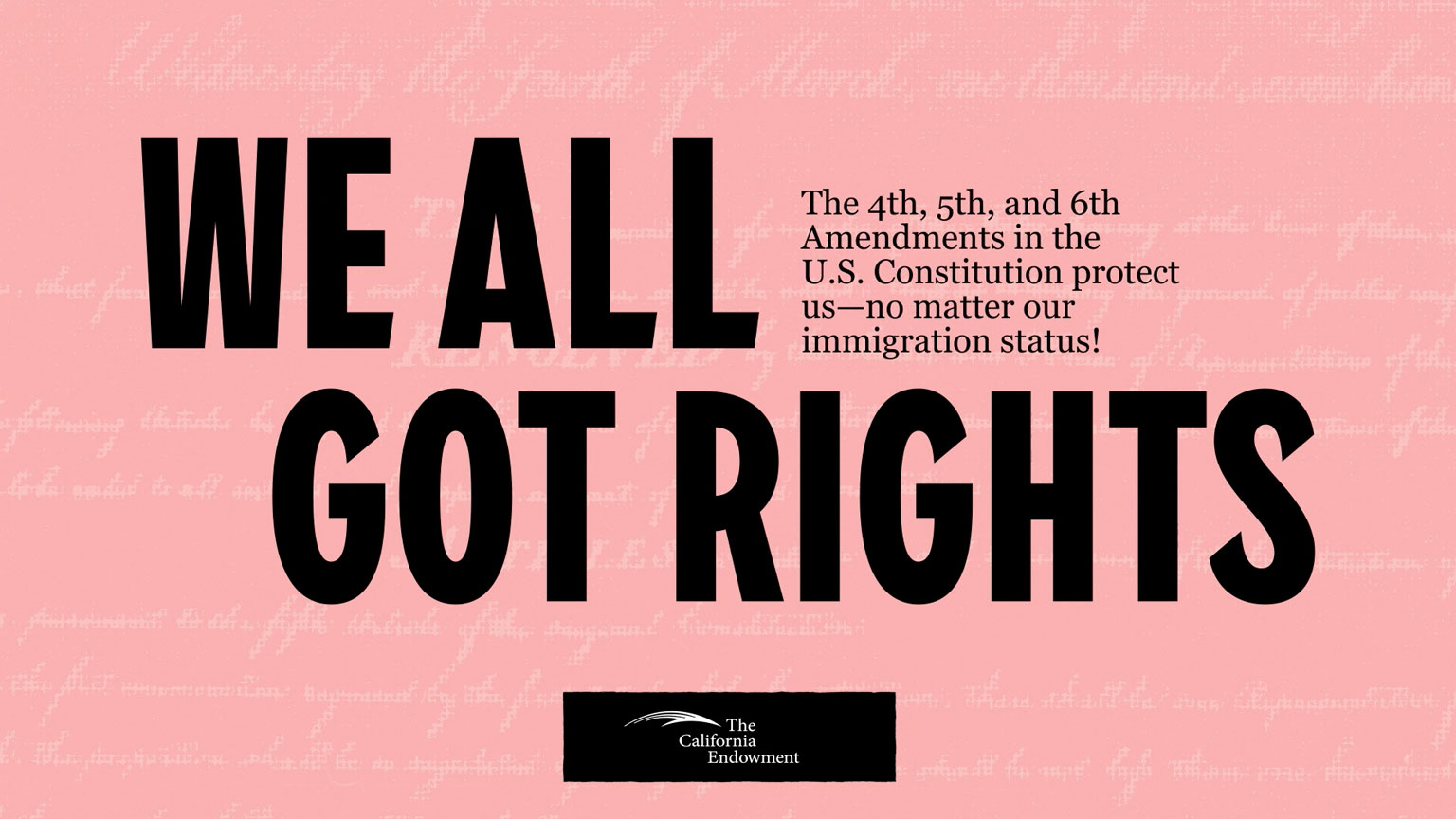
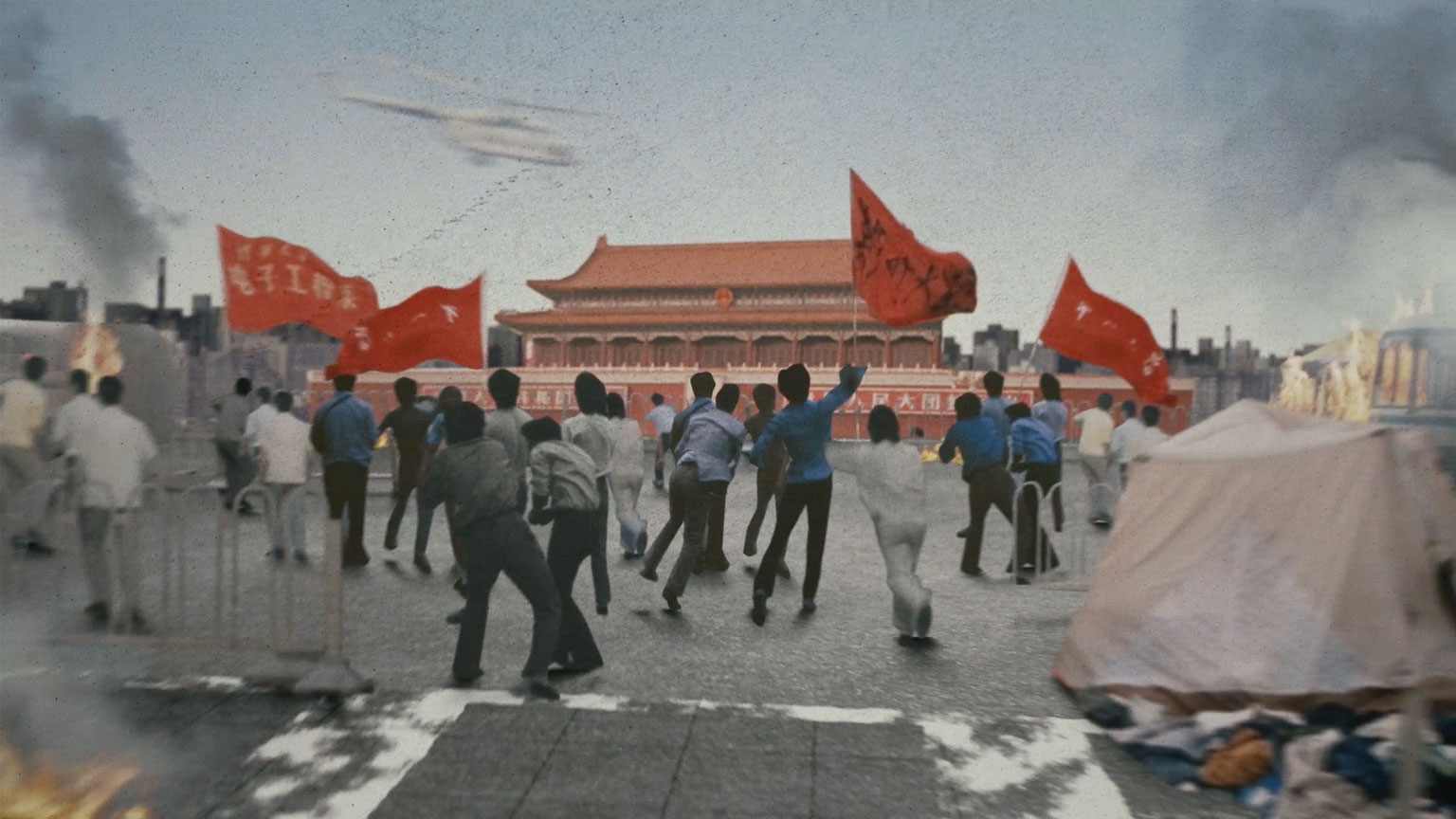
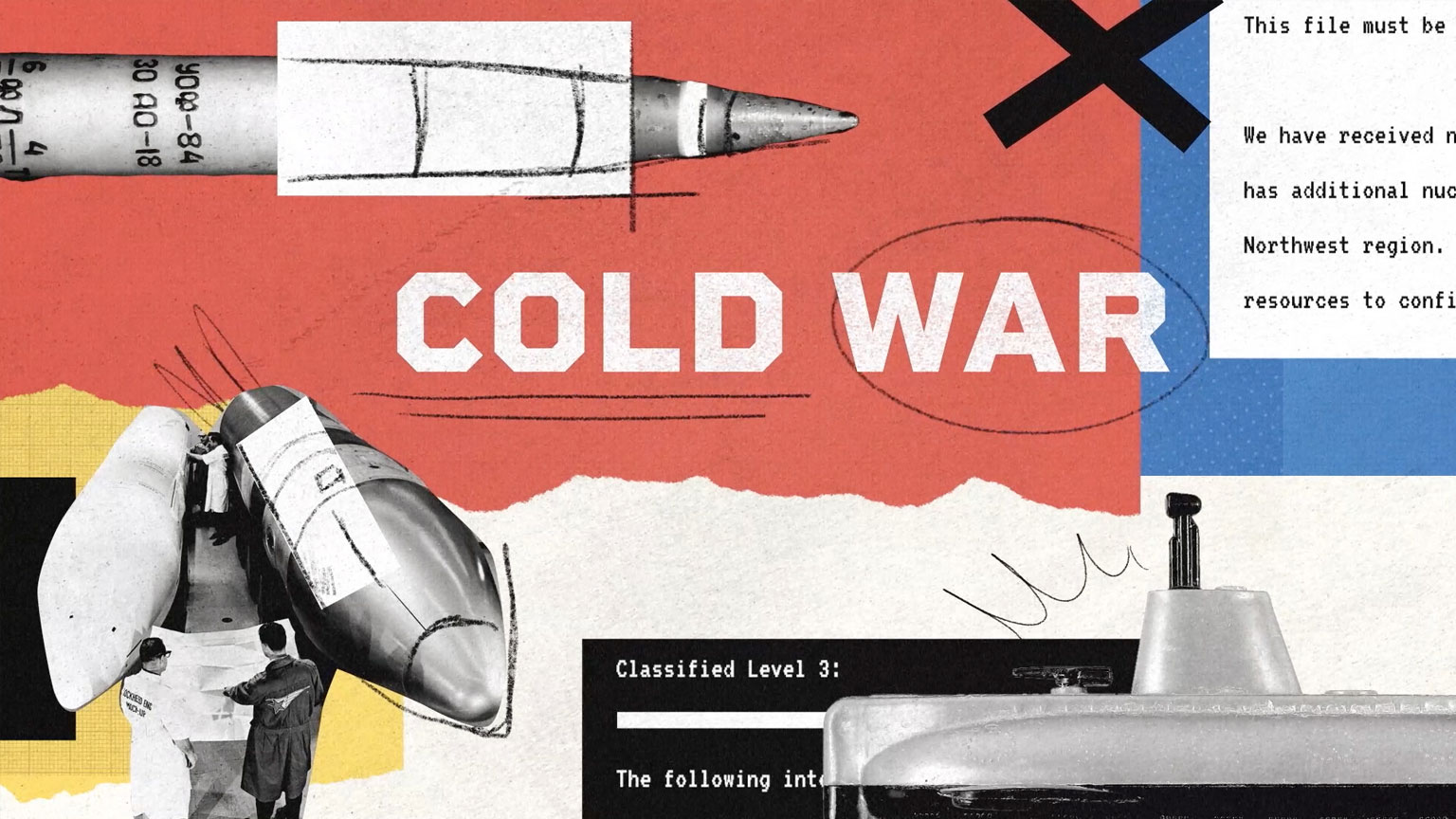
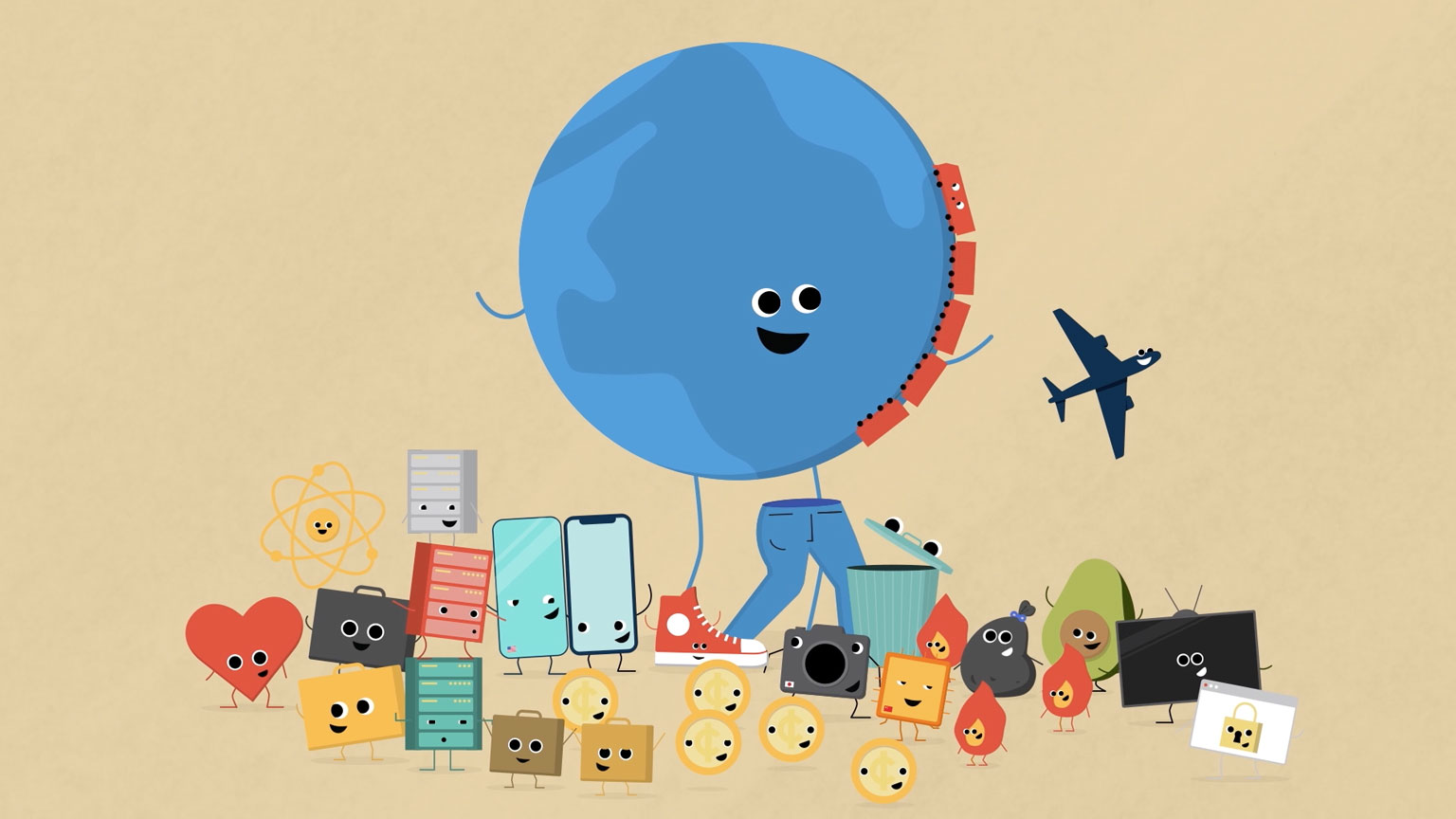
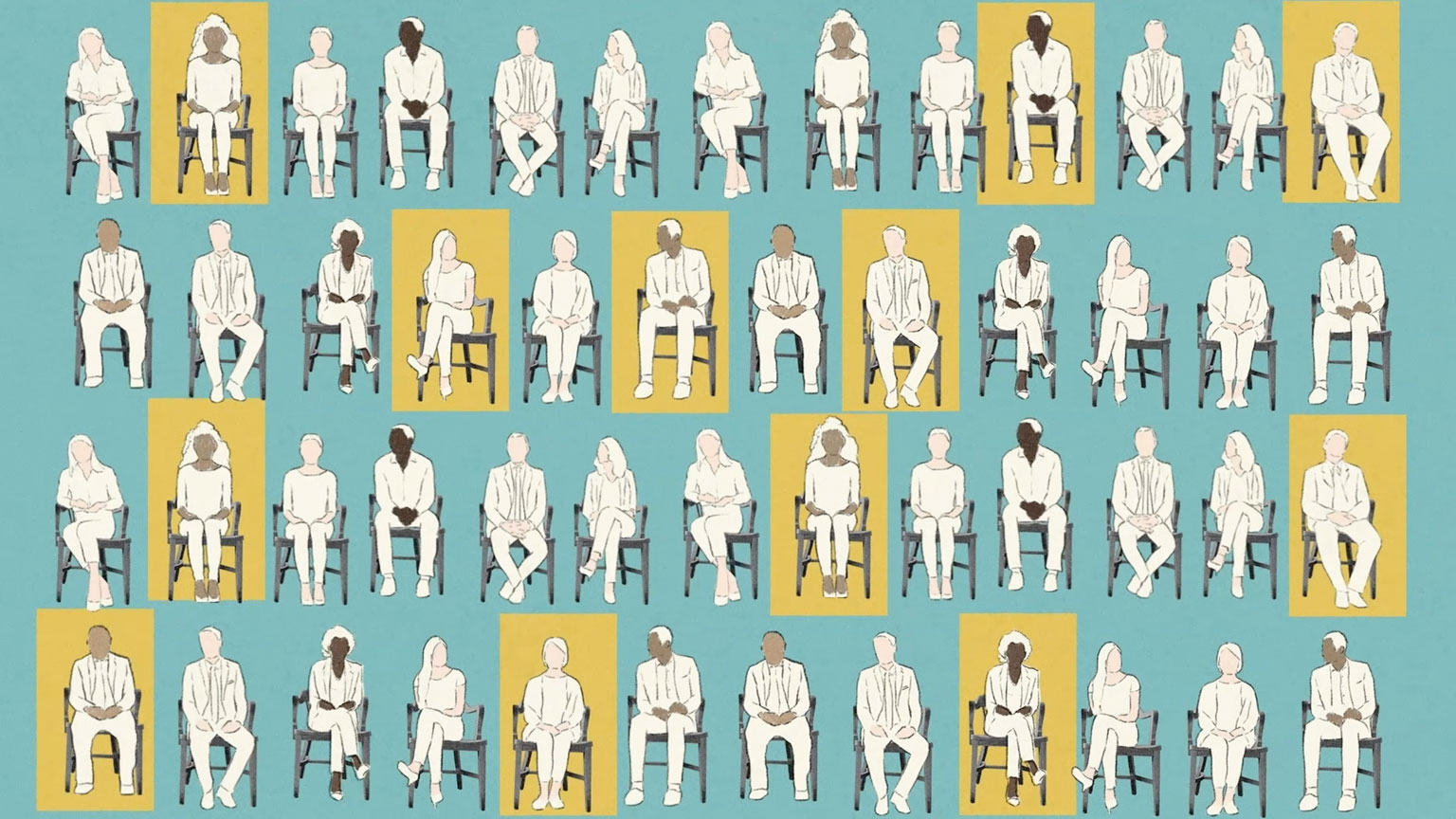
Today, I focus on partnering with organizations like Bloomberg Philanthropies, The California Endowment, The Commonwealth Fund, Teach for America, and the Equal Justice Initiative, as well as working with filmmakers on documentaries. These projects feel especially meaningful because they merge craft with purpose, using storytelling to amplify missions that matter and to give visibility to stories that might otherwise go unseen.
Alright, so let’s dig a little deeper into the story – has it been an easy path overall and if not, what were the challenges you’ve had to overcome?
Early on, I spent countless nights in newsrooms, racing against deadlines to finish animations before broadcast. It was exhausting, but it taught me how to stay resilient and trust my instincts under pressure. Later, when I shifted into nonprofit work, the challenge became slowing down – approaching stories with more sensitivity and nuance. That shift was tough, but it gave me a deeper appreciation for the kind of impact design can have over time. And now, there’s AI, a new challenge and opportunity. I try to see it not as a rival but as a tool, one that can open new possibilities as long as we remember the heart of storytelling must remain human.
Thanks – so what else should our readers know about your work and what you’re currently focused on?
The projects I’m most proud of are the ones where creativity meets purpose. The award winning work at The Guardian was a milestone, but equally meaningful are my collaborations with the Equal Justice Initiative and The California Endowment, work that uses design and storytelling to shed light on injustice, healthcare, and education. Recently, I contributed titles and motion design to Songs from the Hole, a Netflix documentary visual album about an incarcerated musician. His story, told through his own music, carried layers of pain and resilience. This project was a chance to explore how design can deepen the emotional resonance of documentary storytelling, and it reinforced for me how powerful visuals can be when paired with deeply human narratives.
I think what sets me apart is the range of worlds I’ve worked in – media, journalism, philanthropy, finance, documentaries, and being able to take complex ideas from any of those spaces and turn them into stories people can actually connect with.
Do you any memories from childhood that you can share with us?
In first grade, I couldn’t resist tweaking my classmates’ drawings. Swords became shields, straight lines turned into flowing dresses, I was convinced I was improving them. I got caught, of course, and was instantly embarrassed, realizing that my ‘helpfulness’ was not appreciated. Looking back, I can laugh at how seriously I took it – I was probably overthinking every detail, obsessing over what I thought made something ‘better.’ It’s funny now, but even then, I was learning a small lesson about creativity, control, and how people don’t always see the world quite the way you do.
Contact Info:
- Website: http://www.gregchen.com/
- Instagram: https://www.instagram.com/chengreg/
- LinkedIn: https://www.linkedin.com/in/greg-chen/
- Twitter: https://x.com/ChenGreg
- Other: https://www.behance.net/greg_chen
Popular
-
Cedar Boschan on Elevating Black Music Rights and Driving Urgent Conversations Around Credit, Equity, and Artist Protection
-

Portraits of the Valley
-

LA’s Most Inspiring Stories
-

Robin Olive on Building an Inclusive Performing Arts Movement and Expanding Opportunities for Every Student
-

Que Johnson on Building Brands That Last: From Visibility to True Market Authority
-

Christina Wren Steps Into the Director’s Chair to Tell Stories That Feel Like Home


