





Today we’d like to introduce you to Shabby Casey.
Hi Shabby, please kick things off for us with an introduction to yourself and your story.
I didn’t always know I wanted to be a therapist or social worker, but in many ways, it was what I had always been by nature. I was the supportive friend who could talk people off ledges, and the one who consistently advocated for those who couldn’t advocate for themselves. In college I took psychology classes, but I never imagined it as a career path.
That changed in my mid-twenties when I spent a year backpacking through Europe. With time and space to reflect, I realized that what I wanted most was to give something meaningful back to the world. Though there were a few twists and turns along the way, I eventually recognized that at my core, I was a social worker.
What I love about social work as a lens for therapy is that it doesn’t see a client’s struggles as existing in isolation. Instead, it recognizes that people live within environments — and that circumstances, systems, and life experiences all shape mental health. Sometimes depression, anxiety, or stress are not simply “within” a person, but rather responses to the conditions of their lives.
Over the years, I’ve had the privilege of working with people from many different walks of life. No matter the circumstances, I’ve seen that at the heart of it, everyone is trying to find happiness and navigate the life they’ve been given. When people ask me what I specialize in, my honest answer is: humans experiencing life.
I’m sure it wasn’t obstacle-free, but would you say the journey has been fairly smooth so far?
I began my career believing I wanted to work with children in schools. Advocating for those who could not advocate for themselves had always been my passion, and who better fit that definition than kids? In those early years, I poured my energy into supporting children. They connected easily with me, and I was able to meet them where they were and guide them through their challenges.
But I soon discovered that the biggest challenge in working with children often wasn’t the children themselves — it was their parents. Many parents brought their kids to therapy hoping to “fix” their feelings and behaviors, without recognizing that the roots of the struggles often lay within the family system. I found myself navigating resistance, educating parents on child development, and offering parenting skills, often with more difficulty than the work I was doing with their children.
At this same time, I became a parent myself. The energy I once had for working with other people’s children was now being channeled into raising my own. That shift was difficult, and I eventually realized it was time to transition into working primarily with adults. While different, this work was just as fulfilling.
Motherhood itself brought a new set of challenges. Balancing my role as a parent with the demands of my career often felt overwhelming. I came to understand that the only way to create a sustainable work-life balance was to take the leap into private practice. Starting my own practice was daunting and, at times, exhausting. I was doing everything on my own — building a caseload, learning the logistics of running a business, and continuing to show up for clients. It was slow, and sometimes painful, but over time I built the practice I have today — one that reflects both my professional growth and my personal values.
Thanks – so what else should our readers know about Think Well Therapy?
What sets me apart as a therapist is that I show up as myself. I don’t put on a “therapist hat” or hide behind clinical jargon. My clients often tell me that talking with me feels natural — like spending time with a real person who can laugh and cry with them, while still offering guidance rooted in professional knowledge. Therapy with me is not a detached or distant experience; it’s an engaged, collaborative process where I actively participate in their journey.
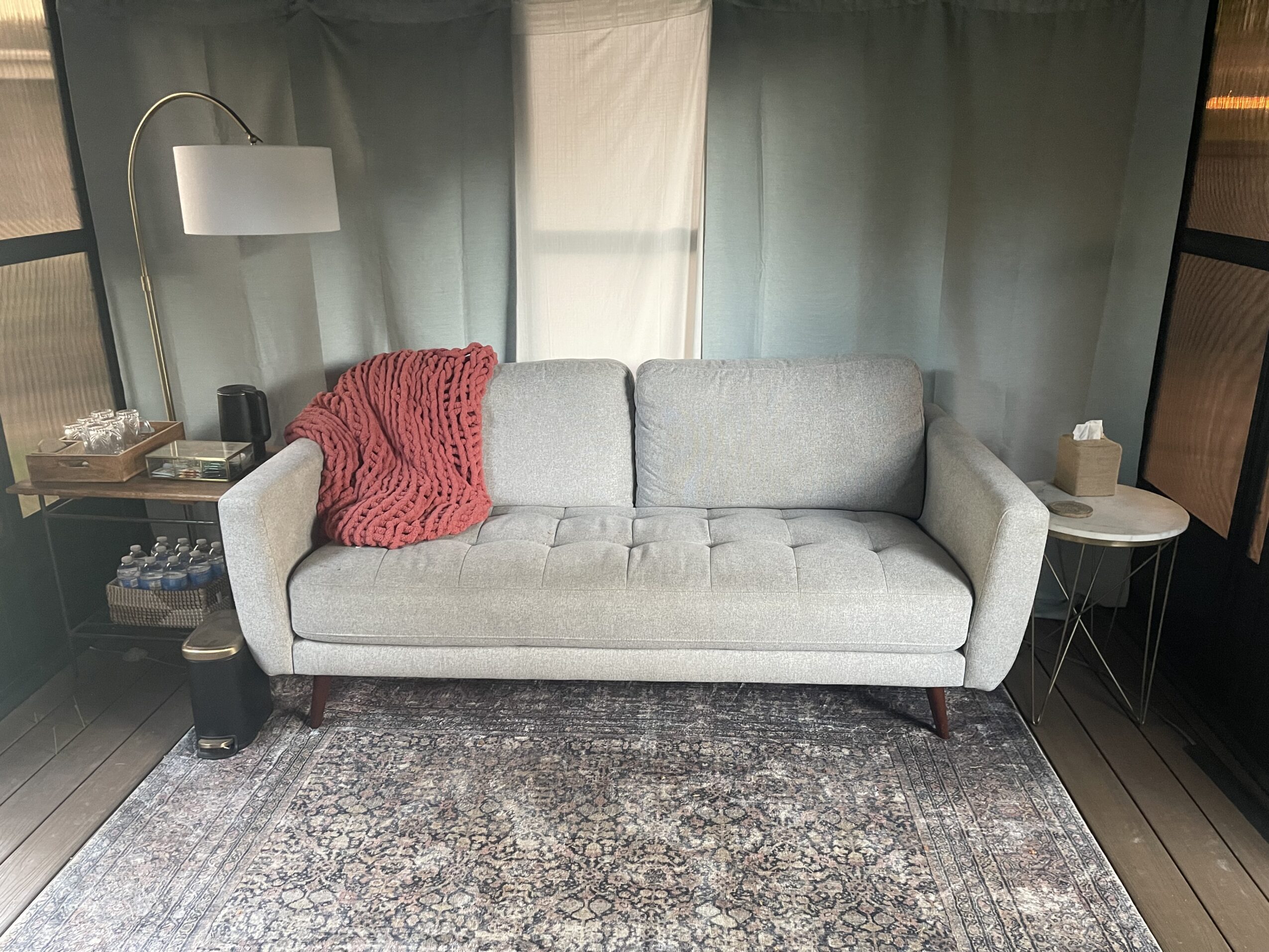
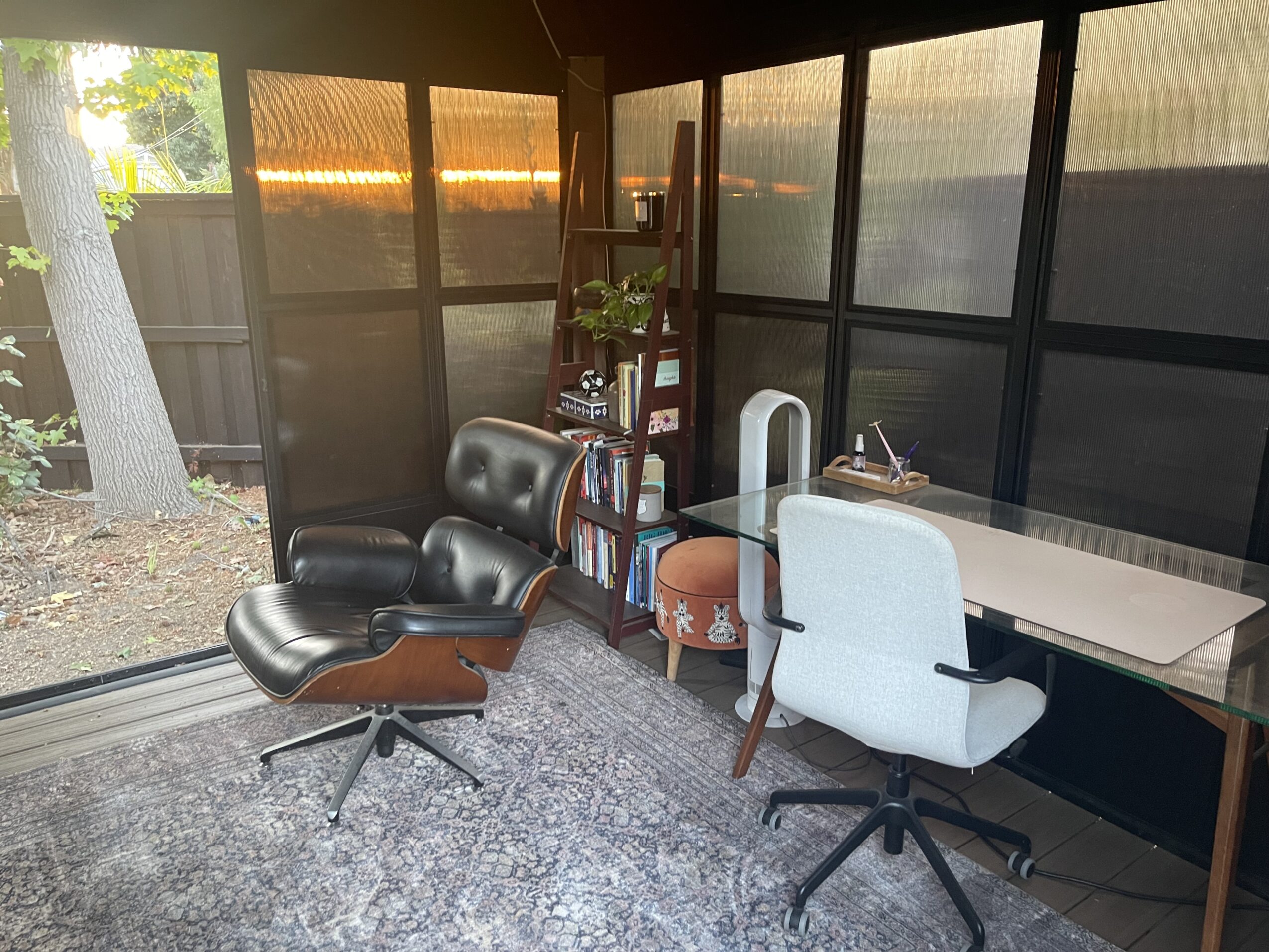
I also don’t view clients as diagnoses. I see them as people navigating the game of life — a game that we are all playing in our own ways. There is no judgment in my practice. Instead, there is a shared understanding that life is complex, sometimes messy, and always worth exploring with curiosity and compassion. My goal is to create a space where clients feel at ease, like they are with a trusted friend who also understands the human condition through years of study and experience.
The relationships I build with my clients often extend beyond the traditional frame of therapy. Many who have “graduated” from regular sessions continue to check in with me, sometimes years later, to share updates or seek support during transitions. My clients know I am invested in their lives and well-being, and they feel that consistency and care long after the therapy hour ends.
Over time, I have dedicated more focus to areas I feel especially passionate about: anxiety and depression, ADHD, grief, and parenting. I also structure my sessions with intention. I offer 50 to 60 minutes, allowing extra time for clients to transition out of therapy gently. I believe in a “soft stop” that respects the emotional process, rather than cutting people off at the 50-minute mark.
In addition to both in-person and online therapy, I also provide supervision for social workers who are gaining their hours. Supporting new professionals in the field is another way I give back to the community and ensure that the next generation of therapists is equipped with both clinical skill and humanity.
At the heart of it, my practice is about real connection. My clients don’t just feel heard; they feel understood, supported, and truly cared for. That is what sets me apart.
If you had to, what characteristic of yours would you give the most credit to?
I think the quality that’s been most important to my success is my authenticity. I don’t approach therapy as if I’m separate from my clients or wearing a role — I show up as myself. That allows people to feel comfortable and at ease, like they’re talking with someone real who’s genuinely invested in them.
Authenticity also keeps me engaged. I’m not just listening, I’m actively present — laughing, reflecting, and sometimes sitting in hard emotions right alongside my clients. That creates trust, and trust is really the foundation of meaningful therapeutic work.
Over time, I’ve seen how much clients value that. Many come back for check-ins years later because they know our relationship wasn’t just about solving a problem in the moment, but about having someone who truly cares about their long-term well-being. For me, being authentic is what makes the work not only effective, but deeply fulfilling.
Contact Info:
- Website: https://thinkwelltherapy.com


Popular
-

Cedar Boschan on Elevating Black Music Rights and Driving Urgent Conversations Around Credit, Equity, and Artist Protection
-

Portraits of the Valley
-

LA’s Most Inspiring Stories
-

Robin Olive on Building an Inclusive Performing Arts Movement and Expanding Opportunities for Every Student
-

Que Johnson on Building Brands That Last: From Visibility to True Market Authority
-

Christina Wren Steps Into the Director’s Chair to Tell Stories That Feel Like Home


