




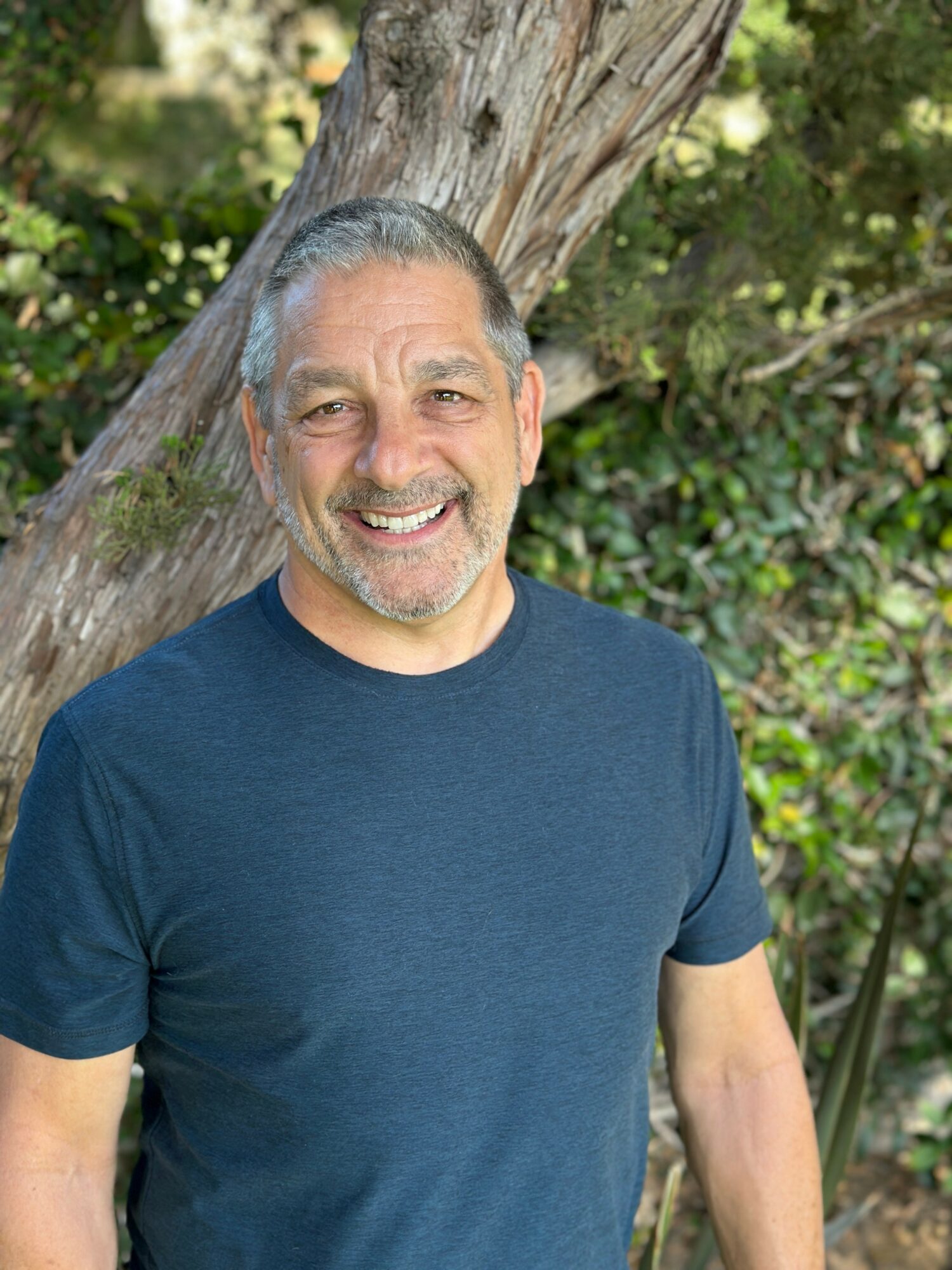
Today we’d like to introduce you to Jim Costello.
Hi Jim, can you start by introducing yourself? We’d love to learn more about how you got to where you are today?
I spent nearly two decades as a chiropractor, helping people recover from pain, injury, and physical tension. But over time, I began to notice something deeper. Many of my patients were also living with anxiety, burnout, ADHD, or emotional overwhelm. Even when their bodies felt better, they still didn’t feel right. They were stuck.
That’s when I realized we were asking the wrong question. It wasn’t just about where it hurt, it was about why they couldn’t shift. I became deeply curious about what actually helps people change, not just physically, but mentally and emotionally. I started exploring movement science, neurodevelopment, and how the body shapes the way we think, feel, and function.
Here’s what I knew from years in practice: if physical movement can make us stronger, faster, and more adaptable, then it should be able to influence brain function too. You can train the body to grow, so why not train it to regulate? I started asking, what if we could use movement to improve focus, processing speed, mood, and emotional regulation? That became the question I set out to answer.
Eventually, I retired from chiropractic to fully pursue this new direction. That work became the Costello Method a body-based approach that uses specific movement and rhythm to help reset patterns that traditional talk therapy and mindset strategies often can’t reach. It’s especially effective for those navigating ADHD, autism, anxiety, and chronic stress.
From that foundation, I created Neuro-Fit Systems, where we help children and adults tap into their natural capacity for clarity, regulation, and resilience. This isn’t about mindset. It’s about giving the body the inputs it needs to do what it was always designed to do.
As demand grew, we knew we needed a way to reach more people. That’s why we created LifeBoat, a guided membership that offers a structured, step-by-step path to lasting change. It gives families access to the same movement-based systems we use in private practice, delivered in a way that’s sustainable and supportive.
What started in a treatment room has become a complete framework for transformation. This isn’t about managing symptoms. It’s about restoring what’s already built into us. When the body gets what it needs, change doesn’t have to be forced, it becomes natural.
I’m sure it wasn’t obstacle-free, but would you say the journey has been fairly smooth so far?
It’s definitely not been a smooth road. The biggest challenge in the early years wasn’t creating the method. That part came naturally, because I was watching it work in real time. What made things hard was shifting the mindset around what was actually possible.
Most people, primarily professionals, were still working from a model that said the brain stopped developing after early childhood. If a child missed a milestone or an adult struggled with regulation or focus, the assumption was that things could be managed, but not changed. So when I started talking about using movement to support emotional regulation, processing speed, attention, or mood, it didn’t fit what people believed about brain development.
I was introducing neuroplasticity and developmental plasticity before those terms were widely accepted. I was explaining how specific movement patterns, especially the ones rooted in early development, could re-engage neural circuits and open access to parts of the system that had been stuck or shut down for years. And most people just weren’t ready to hear that.
There was no language for it at the time. No research people could easily point to. So the idea of using crawling, rocking, breath work, or midline integration to improve behavior or mood felt too “out there.” I wasn’t offering quick fixes or mindset hacks. I was presenting something that required people to reframe how they thought about the body’s role in mental and emotional health.
There were moments where I felt like I was speaking an entirely different language. I could see it working in the clinic, kids calming down for the first time, adults finally feeling connected to themselves, families finding a rhythm but it still felt like I had to justify what was already happening right in front of me.
It was hard. But it also made the work sharper. It pushed me to keep refining the method, to create repeatable results, and to keep showing up for the people who were willing to try something different.
Now, we’re in a very different moment. Neuroplasticity is no longer a fringe concept. People are starting to understand that the body is not separate from the brain, and that movement, when applied with intention, can be the entry point for real change. But back then, it meant holding onto a vision before the world caught up.
And that’s probably been the hardest and most important part of the journey, believing in the work before anyone else knew how to name it.
Thanks – so what else should our readers know about your work and what you’re currently focused on?
I help children and adults who feel like something in their system isn’t working the way it should. Many have tried therapy, medication, and mindset tools, but they’re still anxious, distracted, burned out, or stuck in survival mode. That’s where my work begins.
I specialize in movement-based intervention that helps the brain and body work together more effectively. The method I created, called The Costello Method, combines exercise physiology and neurodevelopmental science to create targeted movement protocols that improve focus, emotional regulation, processing speed, and resilience, especially for those navigating ADHD, autism, anxiety, and burnout.
I work with a wide range of people, children on the spectrum, neurodivergent kids, teens with emotional dysregulation, and adults who feel overstimulated, disconnected, or exhausted. What we hear most often from adults is that they feel calmer, more present, less anxious, and more energized. Parents tell us their kids are more focused, social, and emotionally balanced.
What sets this work apart is that it’s not mindset-first, it’s body-first. We’re not managing symptoms. We’re helping people reconnect with their natural capacity to regulate, focus, and feel like themselves again.
I wrote a book called The Brain Follows to capture the heart of this work and make it accessible to anyone who feels like they’ve tried everything but still aren’t getting better. It’s written for people who have insight, who are doing the work, but still feel stuck in patterns they can’t explain. The book lays out why traditional mindset strategies often fall short—and how movement, not more thinking, is often the missing piece in true healing and transformation. It’s both practical and science-backed, and for many readers, it finally puts words to what they’ve been experiencing for years.
What I’m most proud of is witnessing real, lasting change in people’s lives, the moment when something finally clicks, and they step out of survival and into connection, clarity, and confidence. Watching a child regulate for the first time. Hearing a parent say they finally feel hope. Helping someone come back to themselves. That never gets old.
Alright, so to wrap up, is there anything else you’d like to share with us?
Yes. If you’ve been doing all the “right” things, reading the books, going to therapy, trying to stay positive but still feel like your system is stuck, you’re not broken.
We’ve been taught to approach healing from the top down, starting with thoughts and behavior. But for many people, especially those with ADHD, anxiety, or sensory processing challenges, that approach doesn’t reach the root of the issue. You have to work with how the body processes input, stress, and movement in order to create real change.
Your body isn’t the obstacle. It’s the access point. When you give it the right inputs—at the right time and in the right sequence, things begin to shift. And often, it happens faster than you think.
This work is here to help people stop chasing symptoms and start rebuilding from the inside out. You don’t have to live stuck. Your system isn’t broken. It’s just been waiting for the right invitation to come back home.
Contact Info:
- Website: https://drjimcostello.com
- Instagram: https://www.instagram.com/dr.jimcostello
- Youtube: https://www.youtube.com/@Dr.JimCostello
Popular
-

Robin Olive on Building an Inclusive Performing Arts Movement and Expanding Opportunities for Every Student
-

Portraits of the Valley
-

LA’s Most Inspiring Stories
-

Que Johnson on Building Brands That Last: From Visibility to True Market Authority
-

Christina Wren Steps Into the Director’s Chair to Tell Stories That Feel Like Home
-

JordanL on ‘Breathe,’ Belief, and Building a Movement Beyond the Music


