




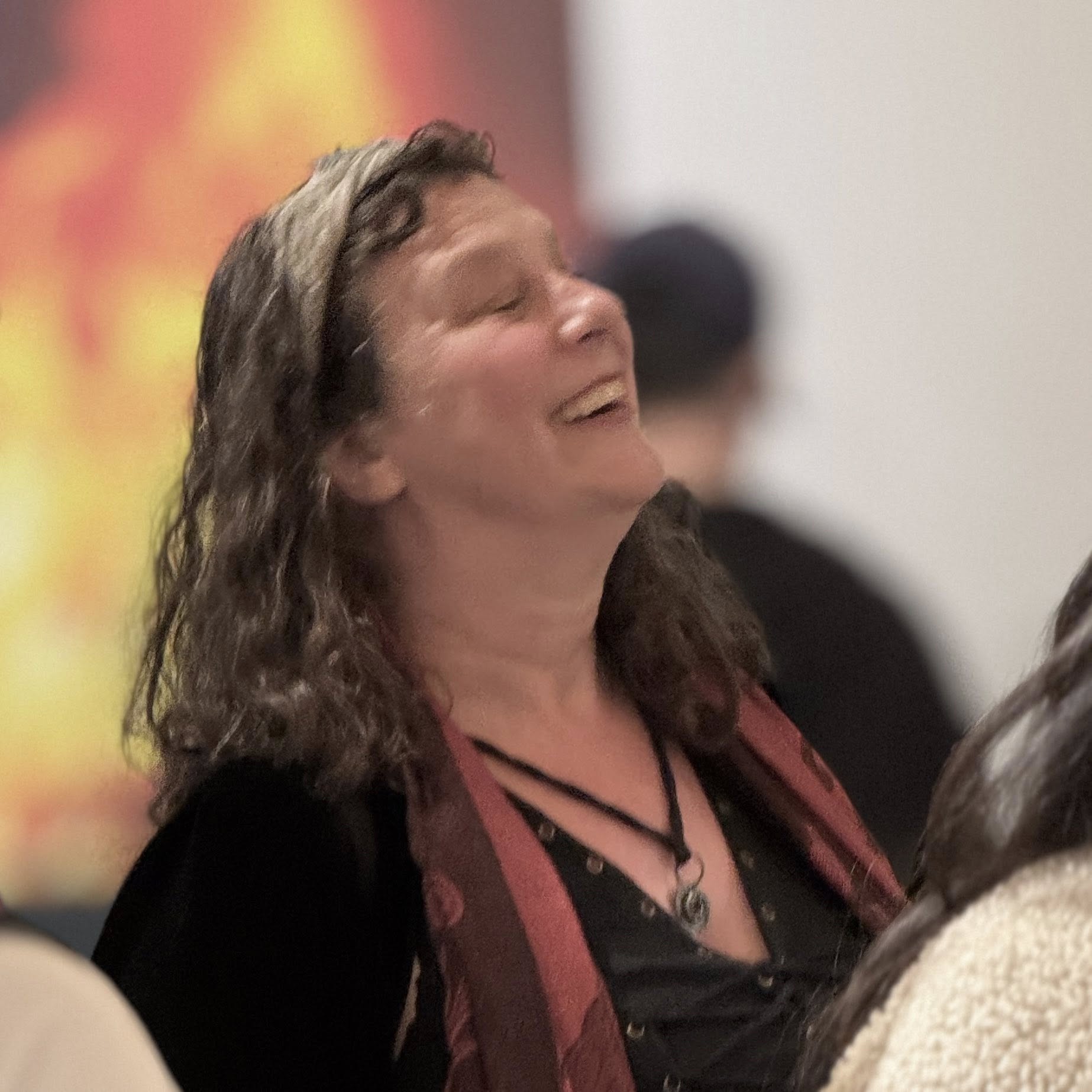
Today we’d like to introduce you to A. Laura Brody.
Hi A. Laura, we’re thrilled to have a chance to learn your story today. So, before we get into specifics, maybe you can briefly walk us through how you got to where you are today?
I had no idea when I first started thinking about wheelchairs that I would develop an international exhibit focusing on re-imagining disability. It wasn’t until a former partner had a stroke that adaptive devices came into focus for me. While taking him to physical therapy, I saw an 85 year old man and a four year old girl doing the exact same therapy, and there was no question that anyone could become disabled at any time, for any reason. I was fascinated by the wheelchairs, walkers, scooters, and devices that helped people get around, but put off by their cold and clinical designs. They seemed almost insultingly ugly.
I was a professional costume maker and designer, and while I had no medical equipment training I felt confident in creating interesting designs. In 2009 I remade a friend’s electric wheelchair into an Edwardian throne. It was lovely, but the upholstery was so thick that he was practically pushed onto the floor the first time he used it. Fortunately, he was unhurt and good-humored!
I decided to approach this idea through the lens of art instead of medical device manufacturing. Art is such a graceful way to introduce people to new concepts, to start difficult conversations, and help change minds. While developing my first mobility artworks, I found out that few interesting designs for wheelchairs ever made it to market. I also realized I was unintentionally touching on taboos about disability and mortality, and got some surprising resistance. Most of this came from able bodied people— immediate family and their friends, gallerists, professors, and fellow artists— who felt my work was inappropriate, frivolous, and dangerous. They told me that my art and ideas were damaging to the environment, potentially harmful to disabled people, a waste of time, and too hard to display and sell.
Luckily, instead of being discouraged, I got stubborn. Being a collaborative artist by nature, I wanted to bring other people into the equation and work on this together. I figured I couldn’t possibly be the only person thinking about re-imagining disability, so I made plans to put on an exhibit. The first show was in 2013, but this idea didn’t really get going until 2015 with a show at Cal State University Northridge. It’s now the 10 year anniversary, and the latest exhibit was a retrospective of California based artists at Brand Library & Art Center. Each year I am re-captivated by the art, the artists, and the beautiful community we are building together.
I’m sure it wasn’t obstacle-free, but would you say the journey has been fairly smooth so far?
Each time I put up new exhibits I face more challenges, and there are usually at least a few moments why I wonder why I bother doing this work at all. These struggles can take many forms: a lack of accessible spaces, artworks gone AWOL, bias and prejudice against disability, artist drama, issues with funding, organizational corruption, and too many other kerfuffles to mention. Thankfully, each time there are wonderful reasons to continue.
Right now, the problem of federal funding cuts across the board to arts programming and to any work that offers diversity, equity, inclusion, and access is a serious and dangerous issue. I want to encourage private progressive funders to take note of how conservative think tanks have been funding projects for years– they offer multi-year funding with minimal fuss. It also makes an enormous difference for all of us to form coalitions and work together instead of viewing each other as competition. Let us find all the ways that we can grow, protect the vulnerable, and thrive in spite of all the damage being done.
Thanks – so what else should our readers know about your work and what you’re currently focused on?
I am probably best know for Opulent Mobility. These exhibits ask artists to re-imagine disability as opulent and powerful, two terms that aren’t usually used to describe disability. When I started, the Edwardian throne wheelchair and Victorian inspired walker became the face of the project because the idea was so unusual. Over the years so many artists have joined the exhibit and shared artworks that celebrate disability of all kinds, not only ones that require mobility devices. It is truly wonderful to build and grow with this community of artists. Over the years my curation has expanded and this year will be the 3rd year of curating Enter the Goddesses, an exhibit that celebrates the Goddess in all forms.
My own artworks have also changed. When I first started creating the wheelchairs and walkers, they were more like costumes for the devices. Over time, though, they became much more personal. The last three large sculptures —the Kali Walker, Medusa, and the Fairy Melusine— are based on myth and legend and are deeply personal, and I am engrossed in the next piece based on the goddess Inanna. Strangely enough, the more personal my works become, the more they speak to others. I also explore fabric portraits, embroidery, and mending, mostly on the themes of social justice and sustainability.
Can you share something surprising about yourself?
Fun facts about me: I used to be a partner in a book business selling vintage erotica.
I sing often but rarely in public- but that may change soon!
I am really uncoordinated at ball games and don’t enjoy them. That includes pool and bowling.
I read the news (from many terrific sources) but cannot listen to it or watch it or I get too angry at the world.
I enjoy gardening succulents and herbs, but am not terrific at growing veggies, flowers, or anything fussy.
And I love community building AND really need alone time in order to feel semi-human.
Contact Info:
- Website: https://www.opulentmobility.com/
- Instagram: https://www.instagram.com/opulentmobility/
- Facebook: https://www.facebook.com/opulentmobility
- Linkedin: https://www.linkedin.com/in/a-laura-brody-5864478
- Youtube: https://www.youtube.com/@opulentmobility
- Other: https://substack.com/@opulentmobility
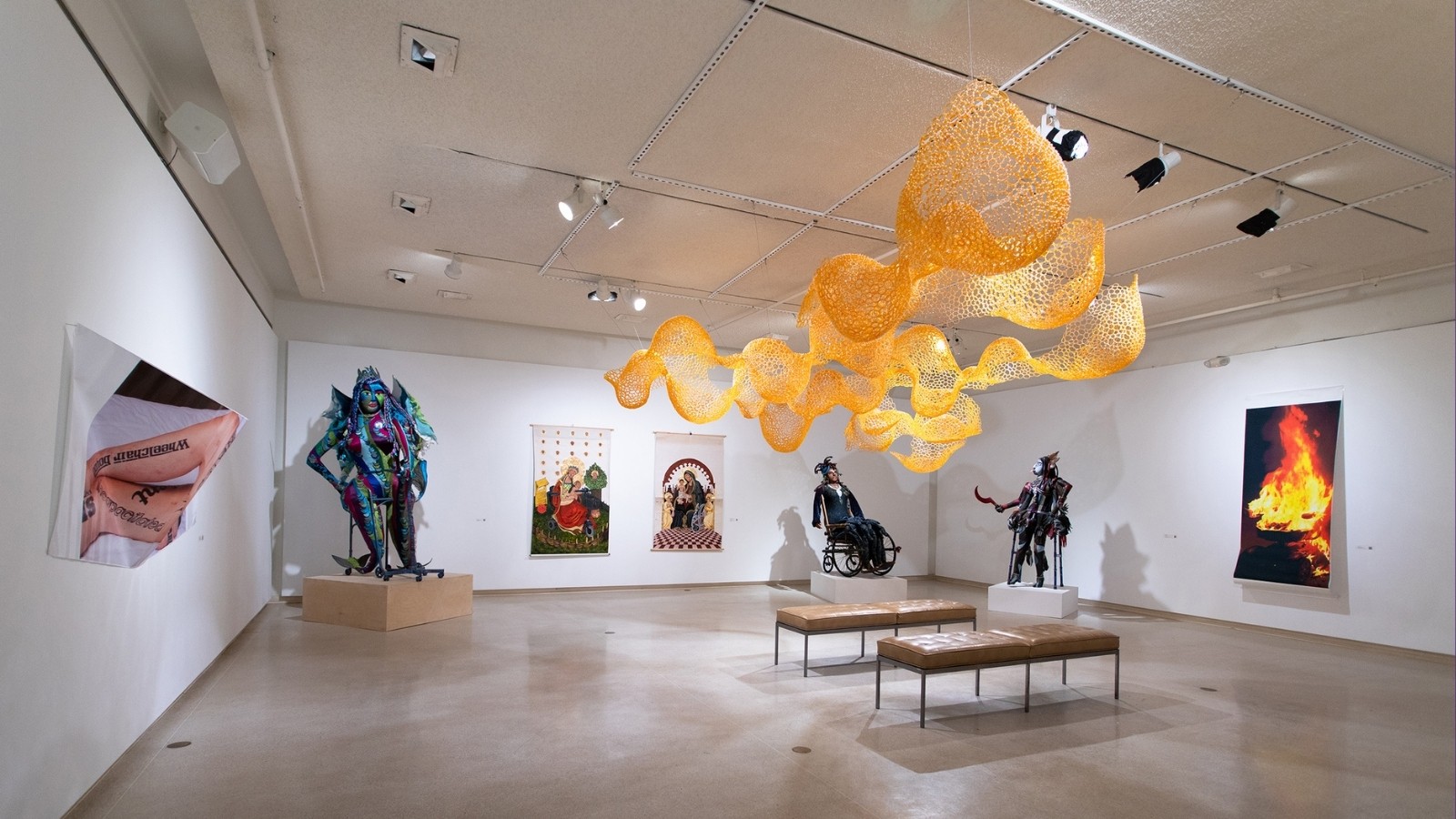
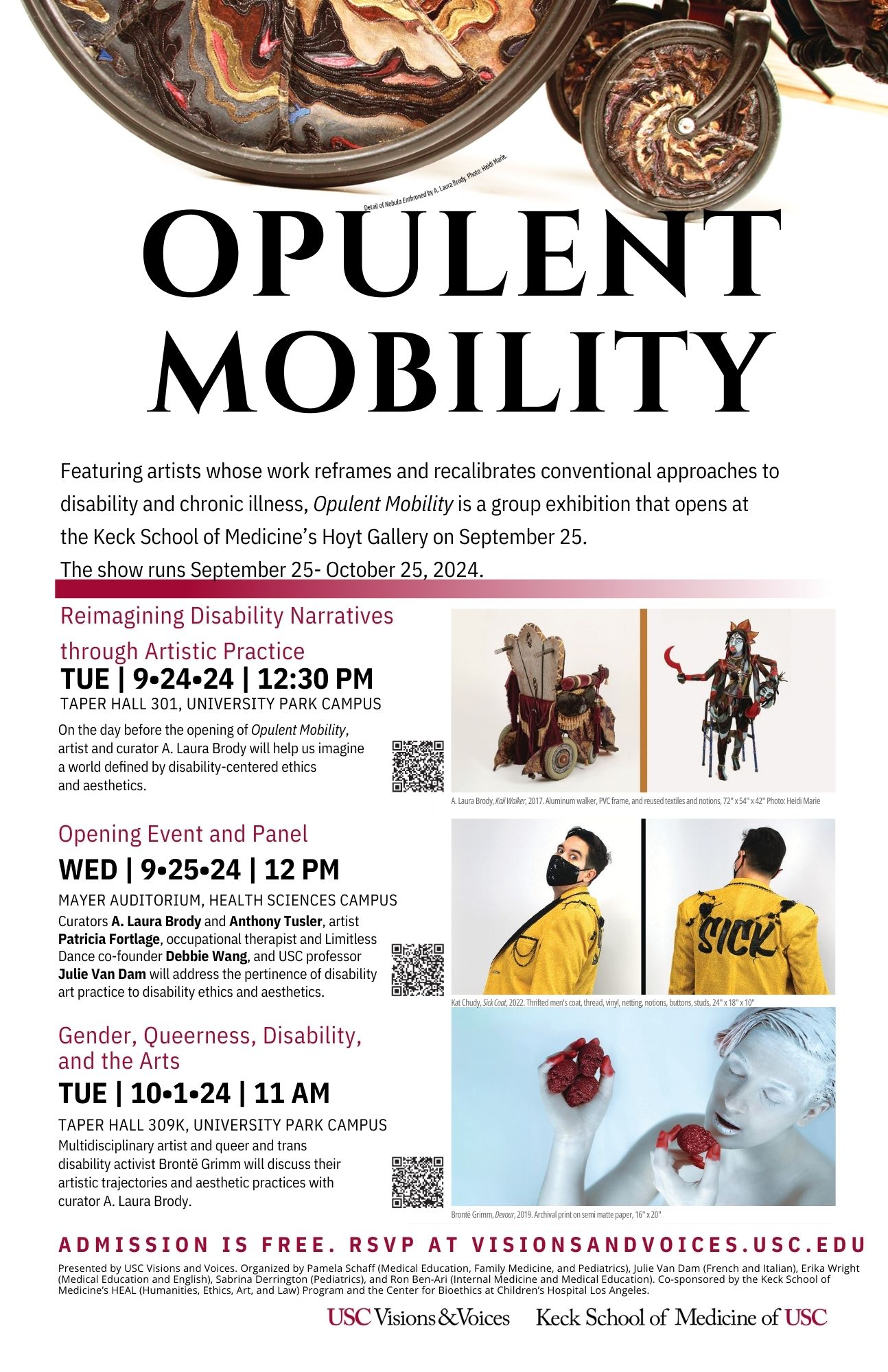
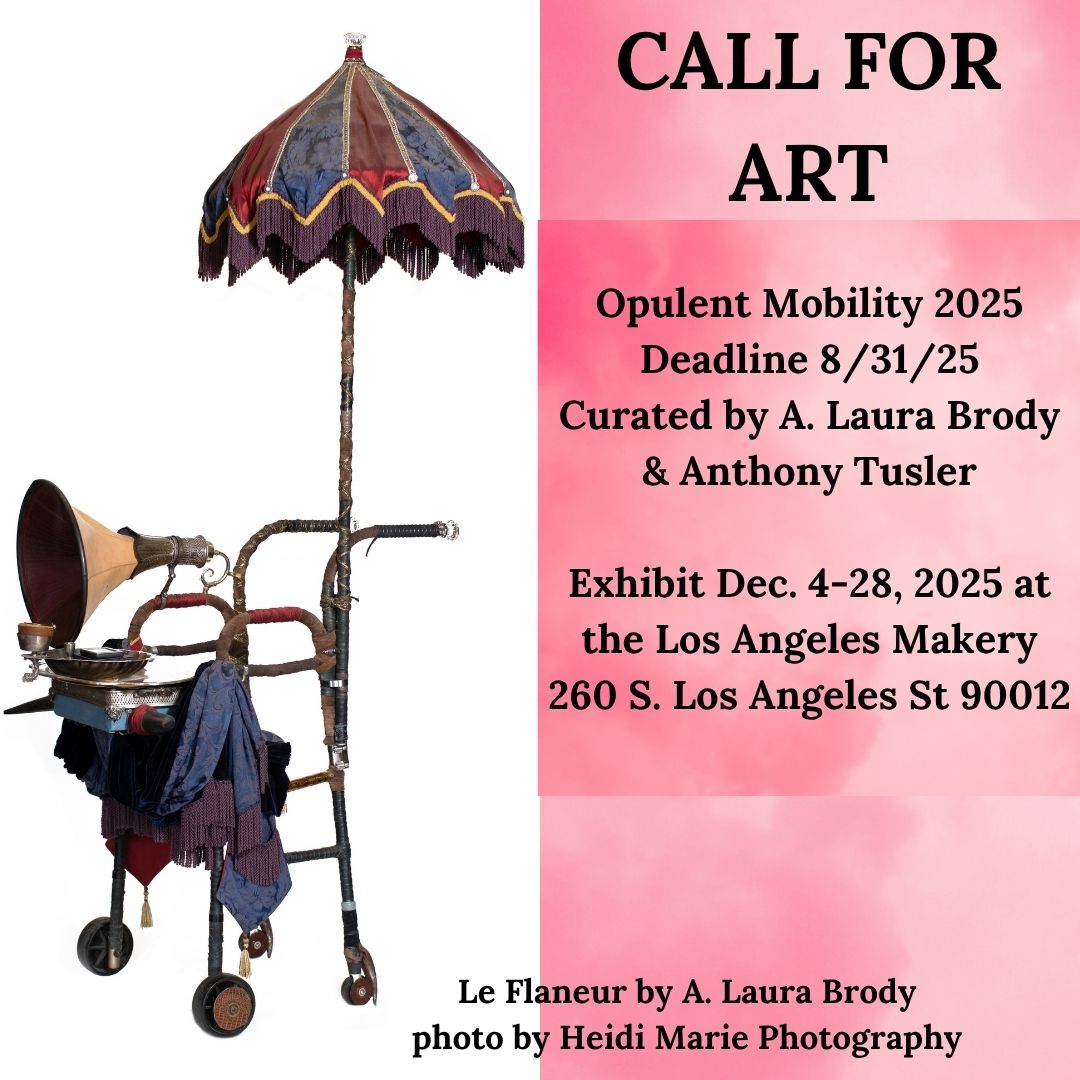
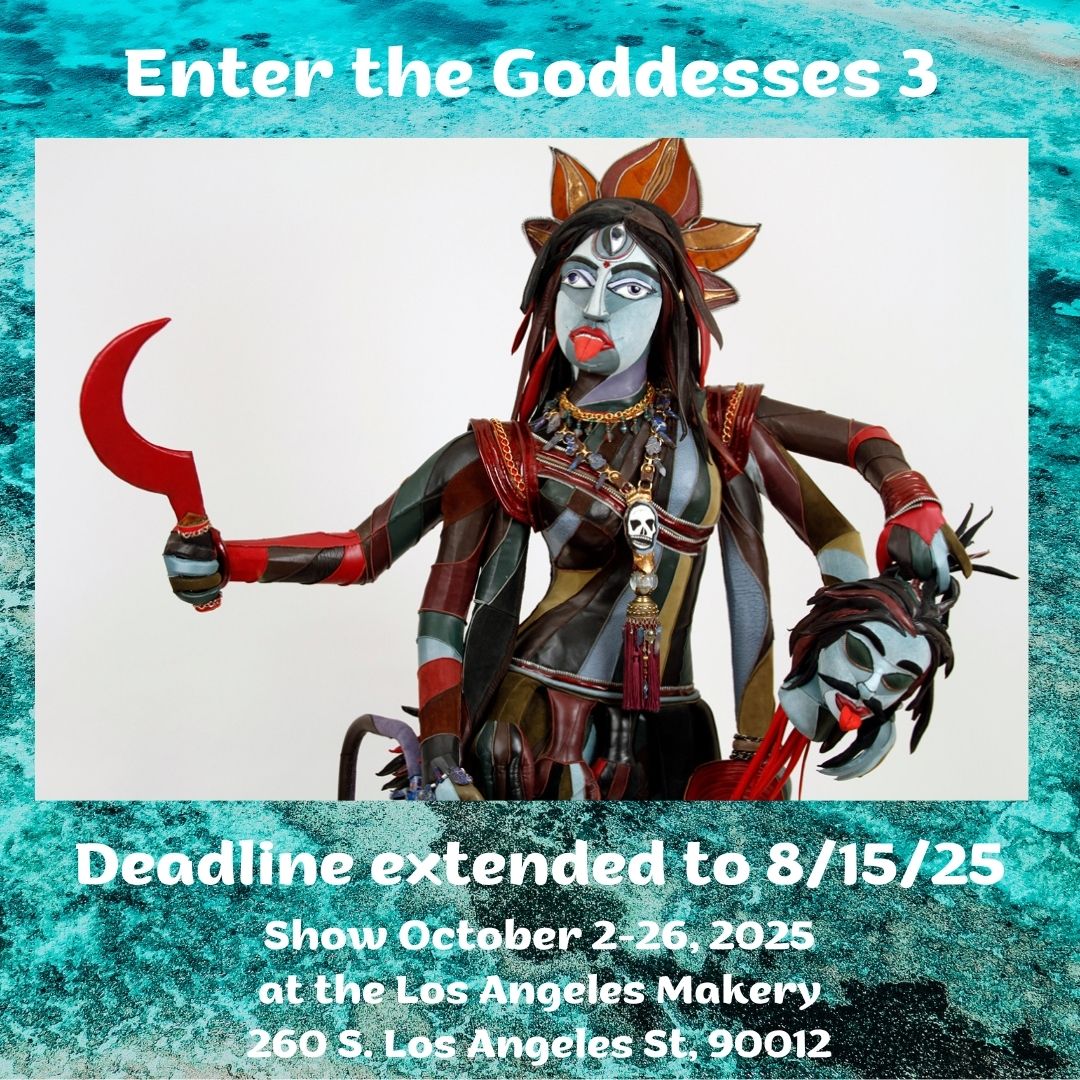
Image Credits
Lisa Tomczeszyn, Stacy Meineke, USC Visions and Voices, Heidi Marie Photography
Popular
-
Cedar Boschan on Elevating Black Music Rights and Driving Urgent Conversations Around Credit, Equity, and Artist Protection
-

Portraits of the Valley
-

LA’s Most Inspiring Stories
-

Robin Olive on Building an Inclusive Performing Arts Movement and Expanding Opportunities for Every Student
-

Que Johnson on Building Brands That Last: From Visibility to True Market Authority
-

Christina Wren Steps Into the Director’s Chair to Tell Stories That Feel Like Home


