




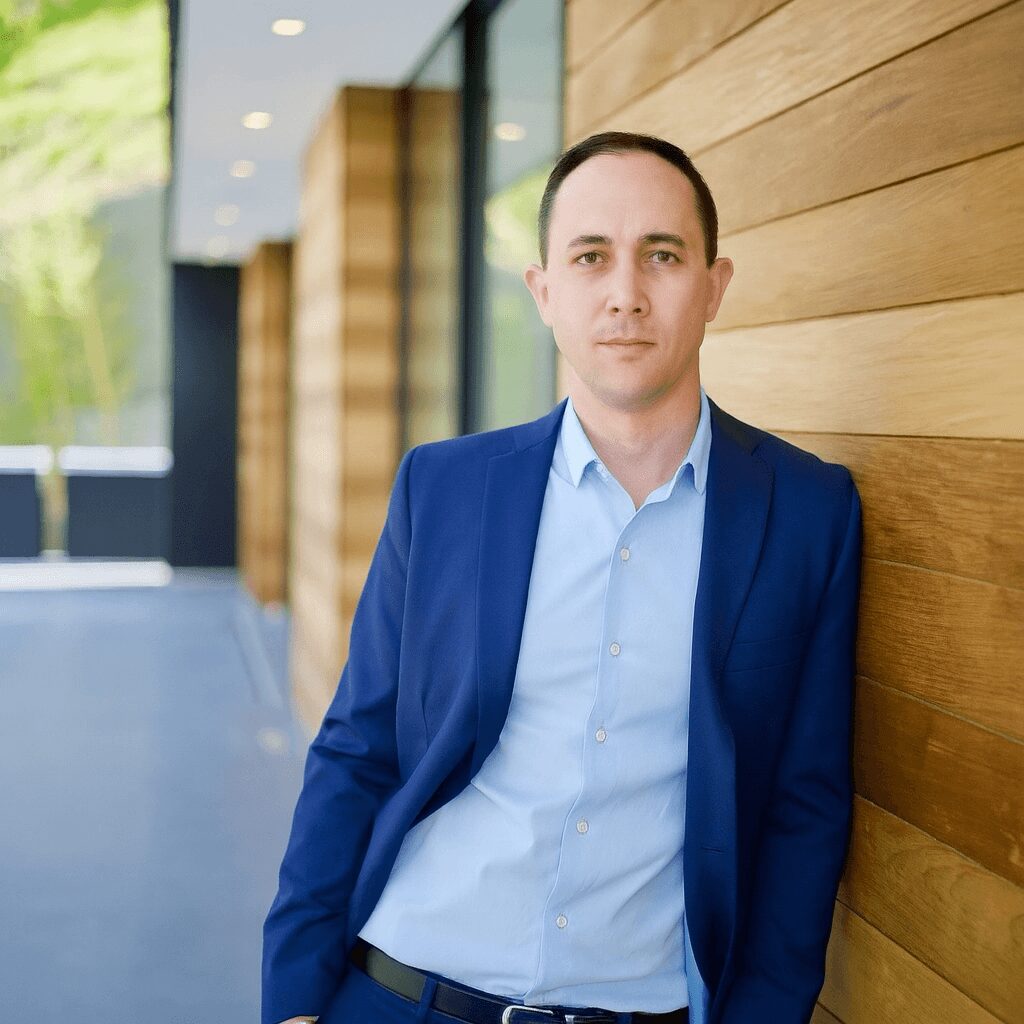
Today we’d like to introduce you to Ameen Ayoub.
Hi Ameen , we’d love for you to start by introducing yourself.
“My path wasn’t linear, it was a series of bold choices, risks, and a refusal to settle.”
I grew up in El Paso, Texas which is a border town that sits right between the hard edges of tradition and the freedom of the desert. I was a quiet, artistic kid in my family.
Architecture found me early. I remember being six or seven years old, sitting in my dad’s office after school when he asked me to design a theoretical office building to keep me occupied. I didn’t realize it at the time, but that simple act of being given space to imagine something from scratch planted a seed that never left me.
I went on to study architecture first at Baylor, where I earned a Bachelor of Arts in Architecture, and then at Washington University in St. Louis, where I received my Master of Architecture. That period of my life was transformative. It was the first time I was surrounded by people who thought the way I did — curious, creative, relentless. I felt myself expand rapidly.
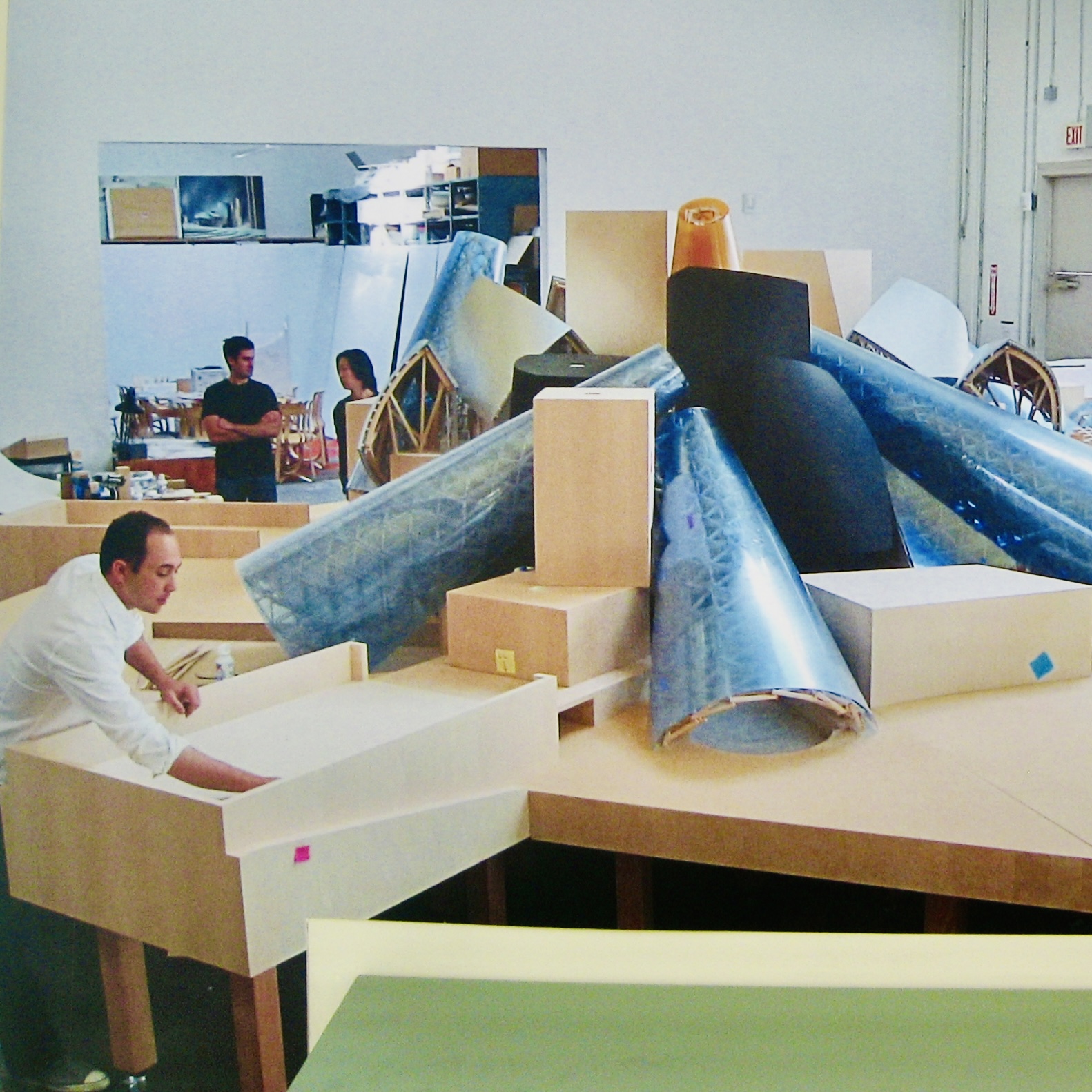
After grad school, I moved to Los Angeles. I knew I didn’t want to take the safe path at a firm where my creativity would be boxed in. After a few years bouncing around studios, I landed a spot at master architect Frank Gehry’s office in Playa Vista. I had already started my own studio two years after Washington University, but in 2010, I took time away from my practice to work with Frank Gehry as one of the designers on the Guggenheim Museum in Abu Dhabi. It was an incredible experience one that changed the way I see architecture, form, and legacy.
Eventually, I returned to my own studio and dove deep into residential design in the hills of Los Angeles. That decision changed everything. I started saying yes to projects I wasn’t sure I was “ready” for but I trusted my vision and my ability to create something people hadn’t seen before.
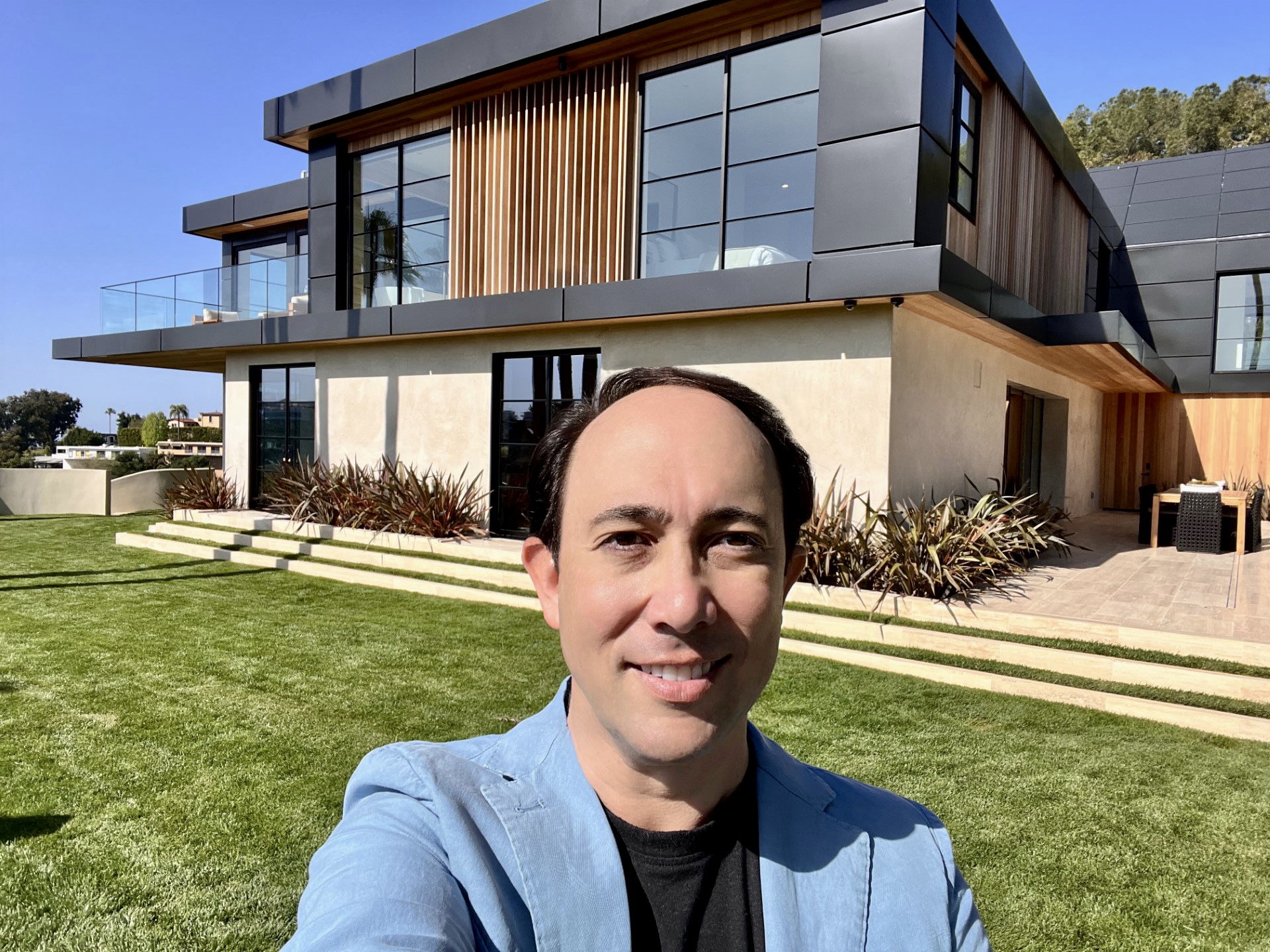
Since then, I’ve designed hillside homes across LA, worked with high-profile clients, navigated the labyrinth of city politics, and stayed true to my design philosophy: fluid modernism —architecture that moves you emotionally, that feels alive. For me, it’s never just about buildings. It’s about memory, atmosphere, tension, and release.
I’ve been underestimated more times than I can count. But in a way, that’s been my greatest asset. It’s made me sharper, more resilient, and more committed to creating work that speaks for itself.
Recently, I was honored to be selected as one of the architects contributing to Case Study House 2.0 program. This is a contemporary reimagining of the legendary Case Study House program. The initiative brings together 50 leading architects to design a series of standardized, sustainable homes for fire-prone, climate-challenged areas. Being part of this program is not only a career milestone, it aligns with my deeper belief that architecture must evolve with integrity and purpose.
Today, I’m at another turning point. I’ve built something meaningful but I’m not here to coast. I’m focused on the next evolution: pushing my work to be bolder, more iconic, and more aligned with the stories I actually want to tell.
Would you say it’s been a smooth road, and if not what are some of the biggest challenges you’ve faced along the way?
Has it been a smooth road? Definitely not but every rough stretch shaped the work and the vision.
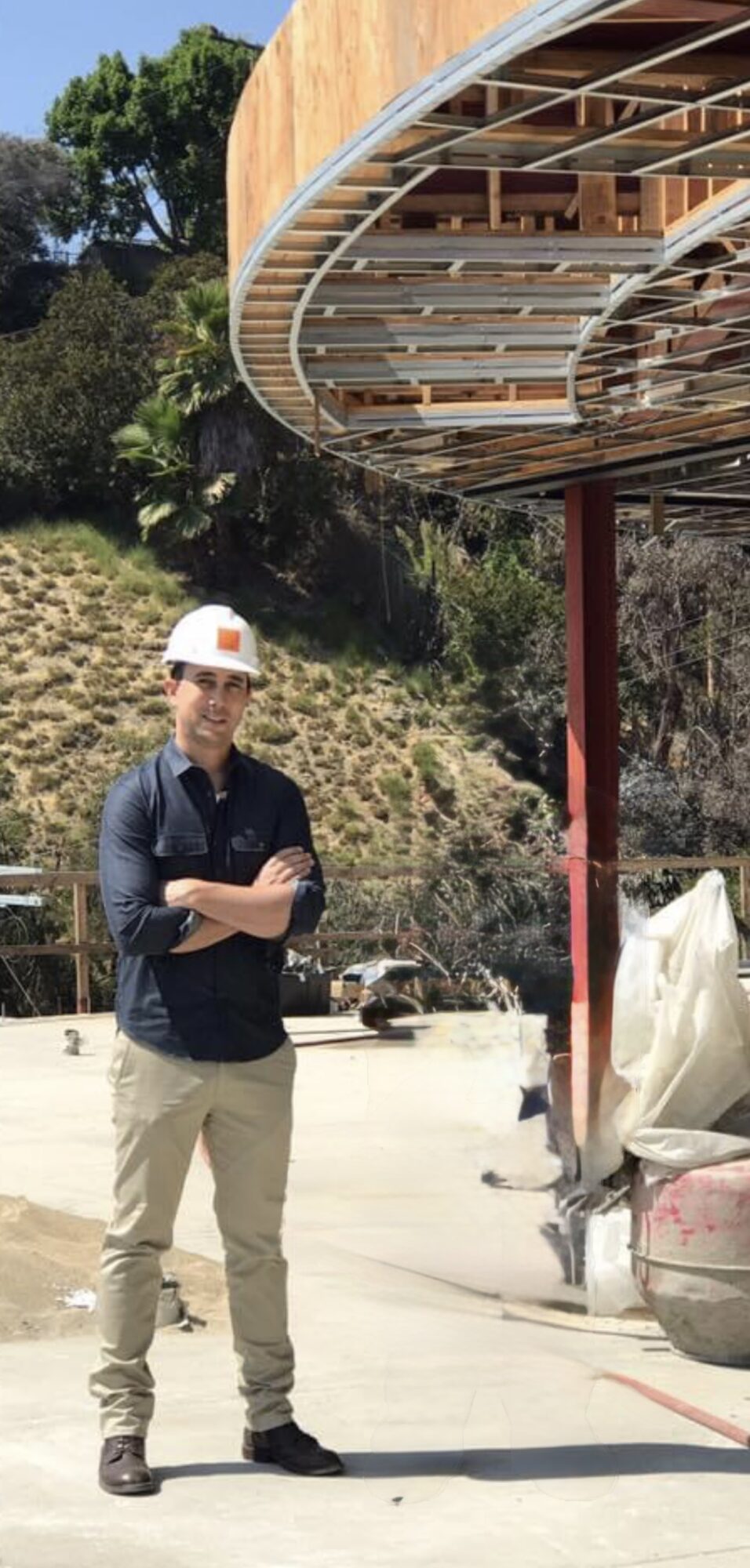
Designing and building in Los Angeles is not for the faint of heart. The terrain is steep, literally and figuratively. Entitlements, permits, neighborhood politics, environmental reviews, and navigating through multiple city agencies can drag out a project for months, even years. I’ve had to become not just a designer, but a strategist, advocate, and at times, a mediator.
There were moments where projects stalled, consultants underdelivered, or a single misstep in communication triggered costly delays. I’ve also had to fight to protect the integrity of my design in the face of budget cuts or misguided feedback. And like many creatives, I had to learn the hard way that not everyone values the vision until they see the final product and even then, they may try to undercut it.
Early on, I said yes to things I wasn’t quite ready for — but that’s where I grew the most. I learned how to lead teams, manage pressure, and hold the line on what matters. The road hasn’t been smooth, but it’s been real and it’s made me better.
Can you tell our readers more about what you do and what you think sets you apart from others?
At Ameen Ayoub Design Studio (AADS), we don’t just design buildings, we create emotional experiences through architecture.
We’re a Los Angeles–based architecture and design practice known for bold, expressive, and highly customized work — especially in the realm of hillside residential design. Our projects push the limits of what’s possible on complex terrain, often in areas with tight zoning restrictions and heightened scrutiny. We navigate all of it whether it be the politics, the agencies, the red tape and without compromising the artistic vision.
What sets us apart is our philosophy: fluid modernism. It’s not just a style — it’s a way of thinking. Our spaces are cinematic, emotional, and responsive. They’re built to move people physically, psychologically, and atmospherically. It’s architecture that breathes, that adapts, that resonates.
We specialize in high-end custom residences, but we also work on select cultural and commercial projects when the story aligns. Every line we draw is intentional. Every surface, shadow, and sequence of space is part of a larger narrative.
What I’m most proud of is that our work doesn’t look like anyone else’s — because it’s not. Every project is deeply personal, uniquely crafted for the site, the client, and the larger environment. We’re not interested in cookie-cutter minimalism or trendy details that won’t last. We design for impact and permanence.
Our clients come to us because they want more than just a house. They want a legacy. They want something that stands out and stands for something.
So if you’re looking for architecture that challenges convention, embraces complexity, and tells a story worth remembering—that’s what we do.
How do you think about happiness?
What makes me happy? Creating something that didn’t exist before and watching it move people.
There’s a specific kind of joy I get when I walk through a space I’ve designed and see how light hits a wall, how a hallway frames a view, how someone instinctively pauses or breathes differently in a room — that’s the magic. That moment when the architecture disappears and the feeling takes over, which makes me happy.
I’m also happiest when I’m building momentum. Whether I’m sketching, modeling, reviewing a site, or deep in a design sprint and when I’m in motion and fully in the creative flow, I feel most like myself. It’s not about chasing perfection, it’s about chasing the clarity of a strong idea coming to life.
And finally, I’m happy when the work resonates and when a client says, “This feels like me,” or when someone experiences the space and feels something they can’t quite name. That’s when I know I’ve done my job.
Contact Info:
- Website: https://ameenayoub.com
- Instagram: https://www.instagram.com/aads_architecture/?hl=en
- Facebook: https://www.facebook.com/AmeenAyoubDesignStudio/
- LinkedIn: https://www.linkedin.com/company/ameen-ayoub-design-studio-llc
- Twitter: https://x.com/AmeenAyoubDS/status/1700183324113932367
- Other: https://www.houzz.com/professionals/architects-and-building-designers/ameen-ayoub-design-studio-pfvwus-pf~1040278916
Popular
-

Maagic Collins on Building a Fearless Publishing Platform for Truth, Advocacy, and Underrepresented Voices
-

Los Angeles Barea on Turning Green Superheroes into a Global Movement for Youth-Led Change
-

Trisha DuVivier on Bridging the Franchisor–Franchisee Divide with Workhero and “Franulate”
-

Portraits of the Valley
-

LA’s Most Inspiring Stories
-

Cedar Boschan on Elevating Black Music Rights and Driving Urgent Conversations Around Credit, Equity, and Artist Protection


