




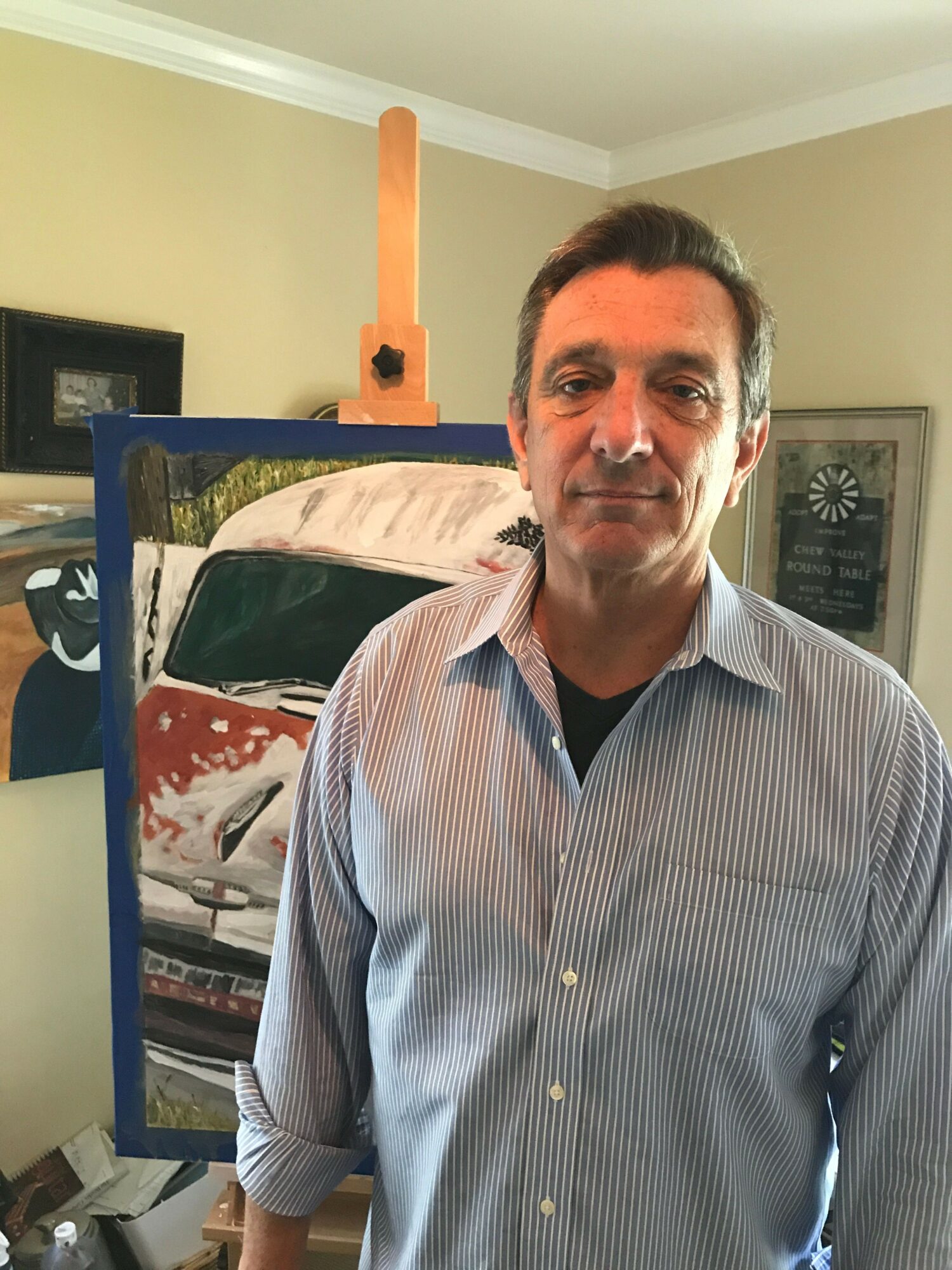
Today we’d like to introduce you to Robert Chew.
Hi Robert, so excited to have you with us today. What can you tell us about your story?
My career started as a writer in the mid-1970’s working for business publications in Chicago and New York. This led to work in public relations, advertising, and then later communications consulting for Fortune 500 companies. Today, I still write, mostly business and speech writings for clients, but my nterests in about 2017 moved to visual creativity.
At first, my interest in visual arts started with abstracts. It seemed accessible and easy and fun. I found out quickly that good abstract art is not easy at all, I moved on to portraiture, with the idea of painting like Rembrandt. But this too was foolhardy. There is only one Rembrandt.
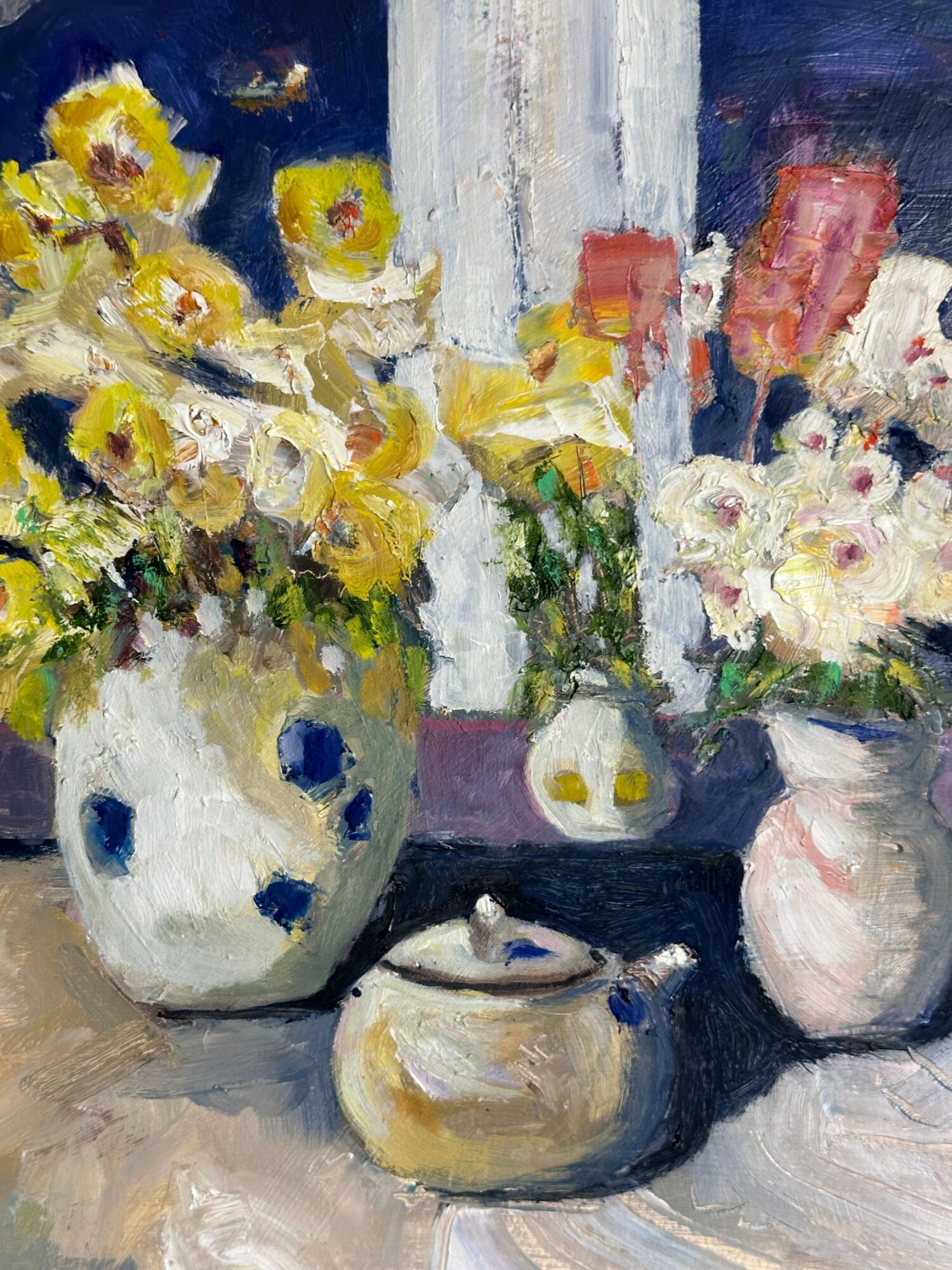
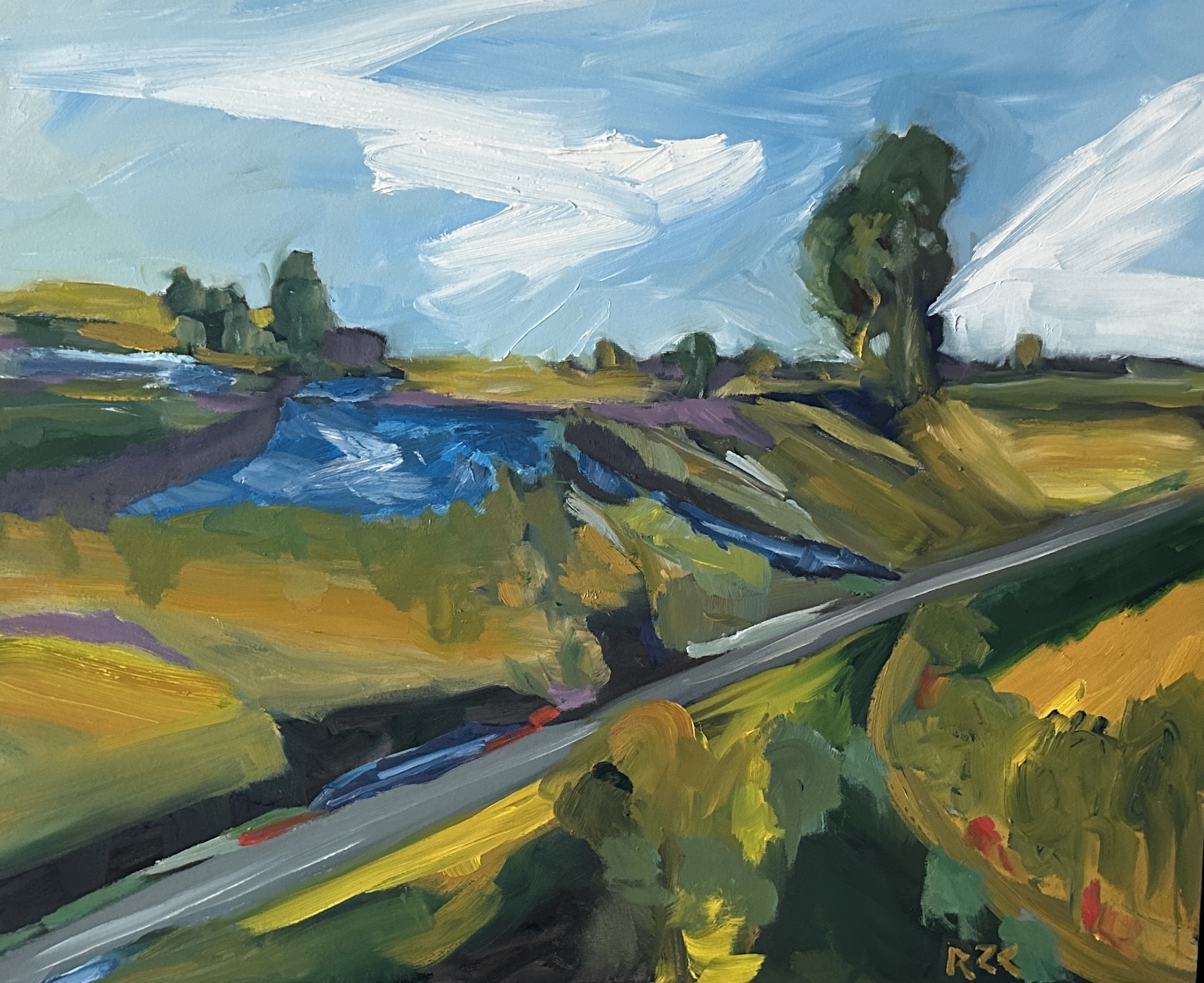
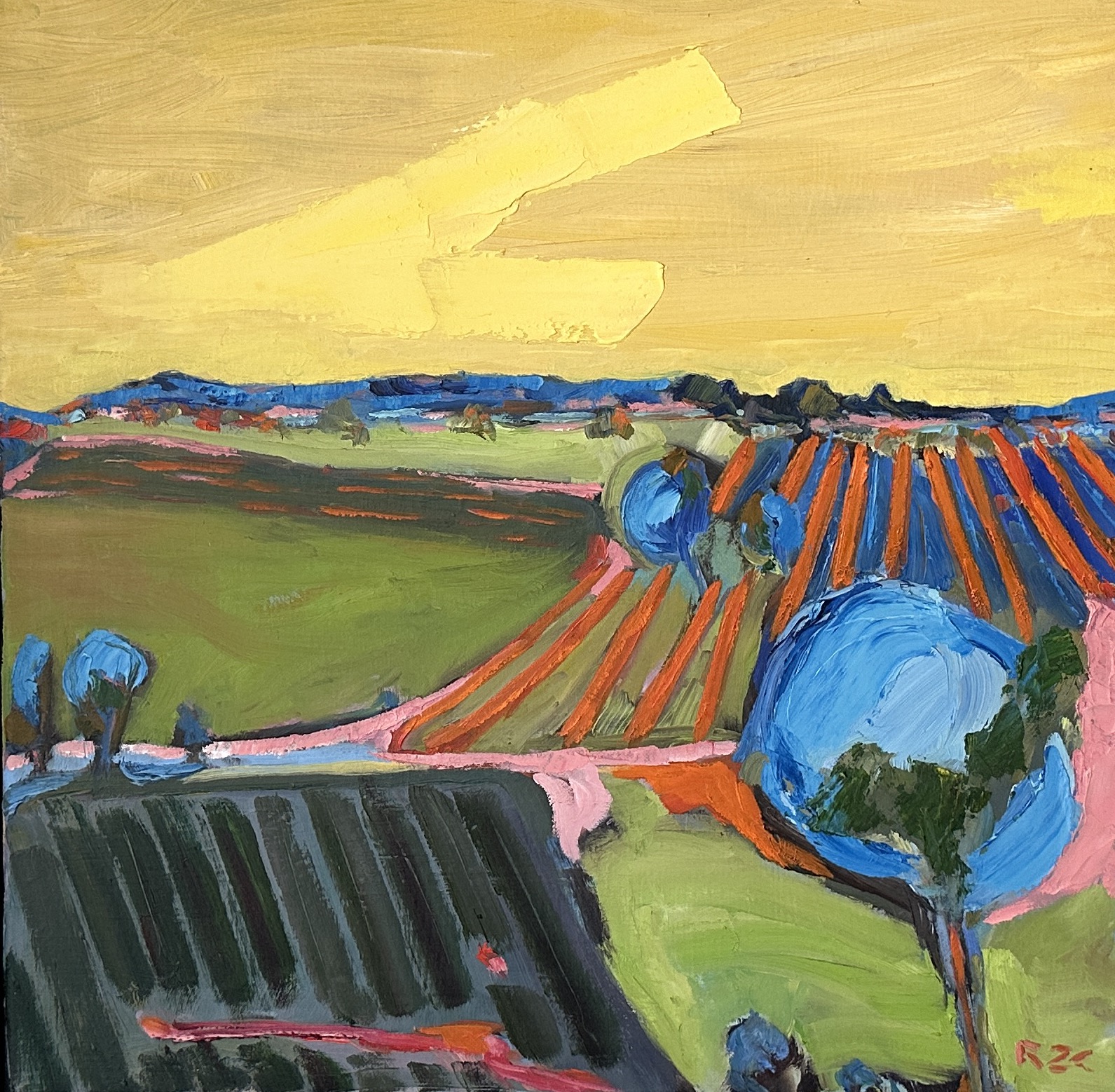
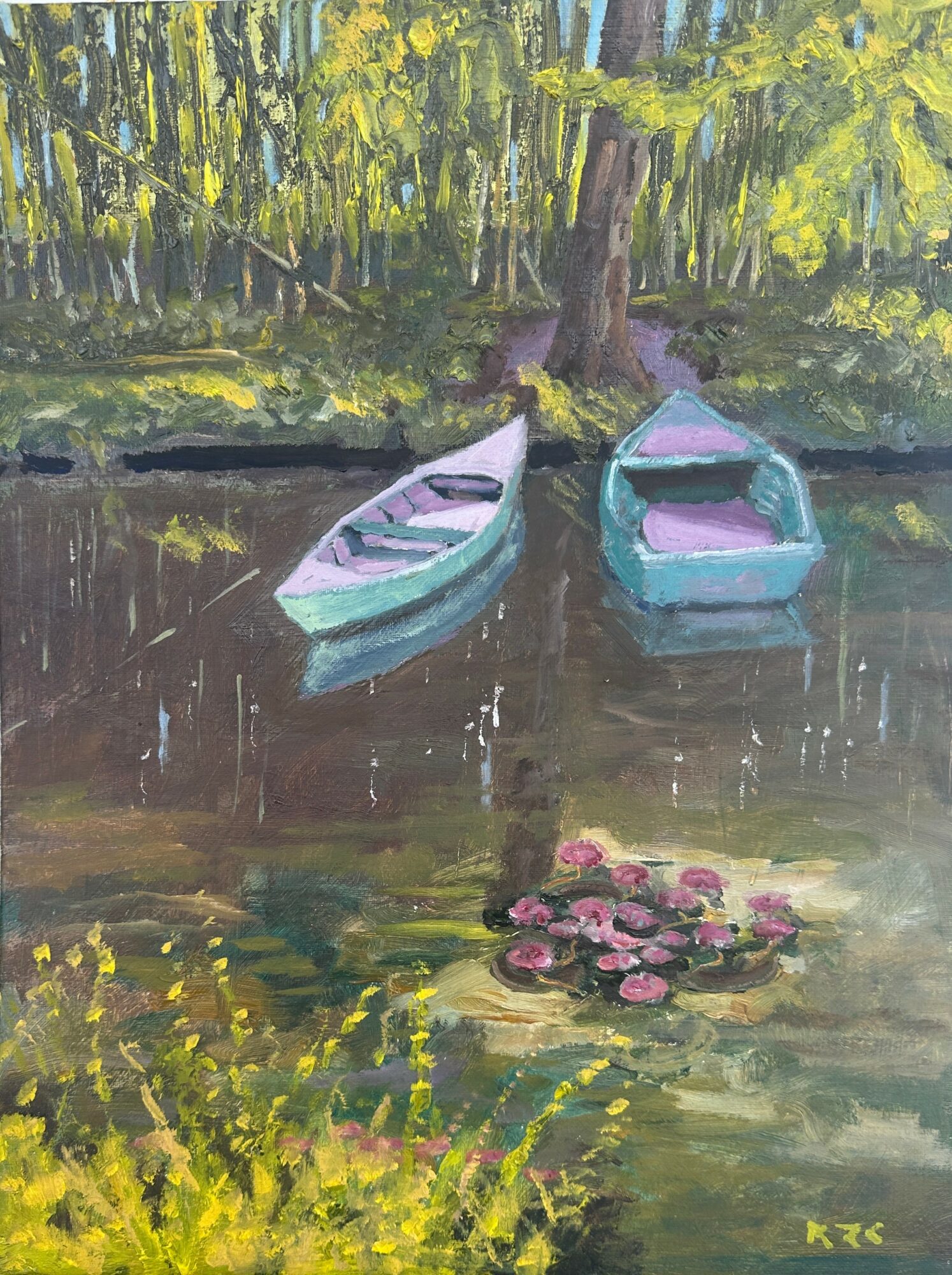
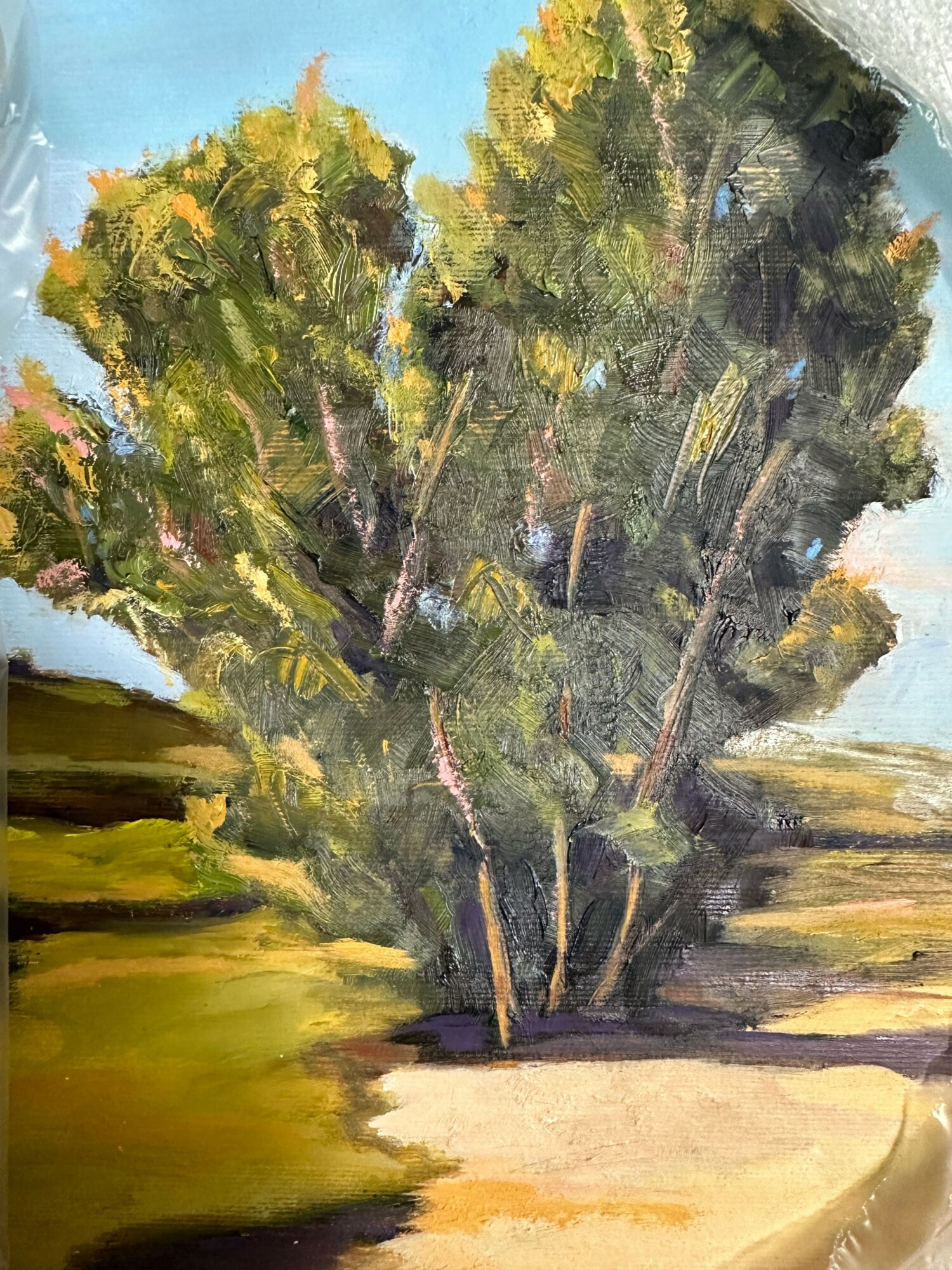
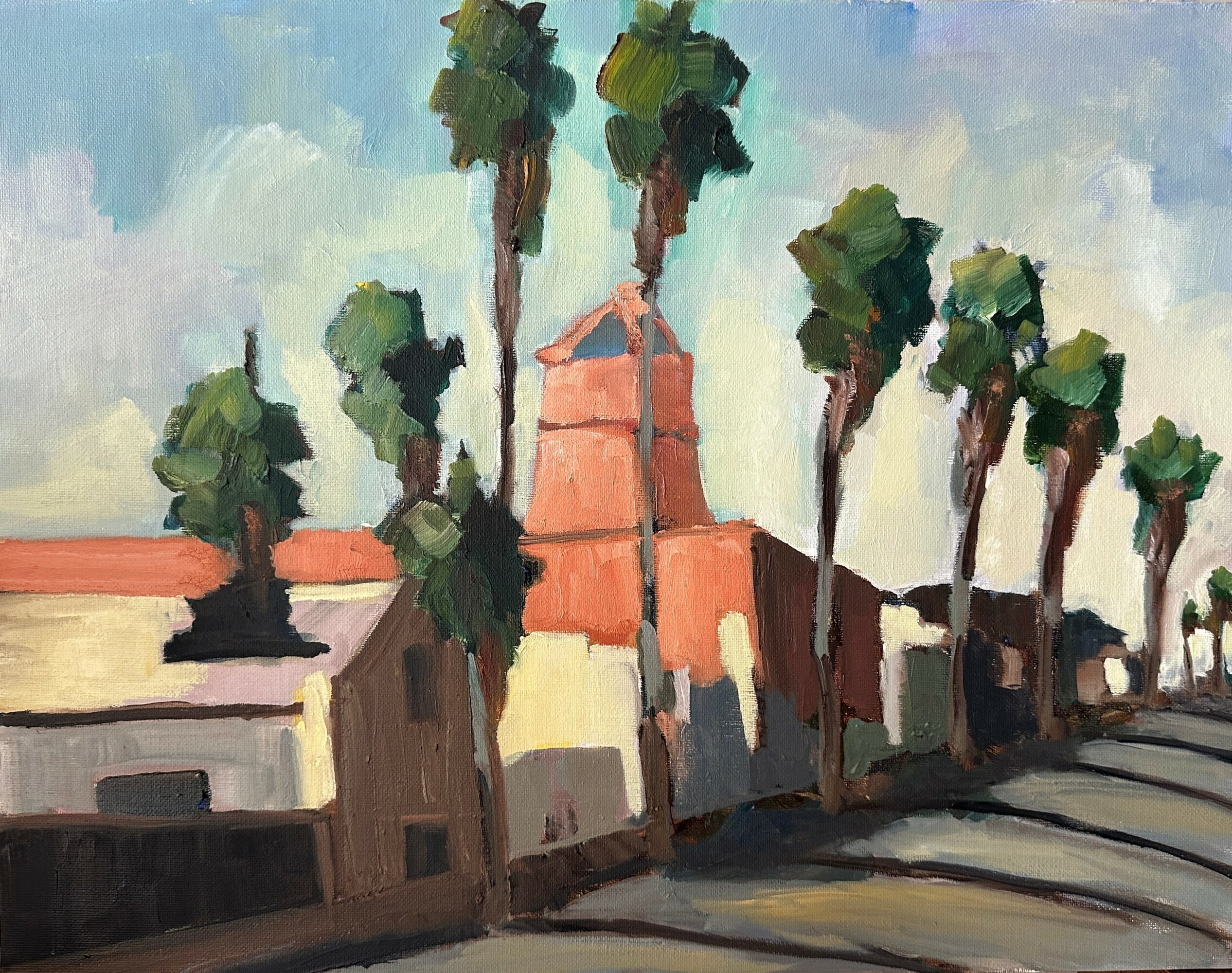
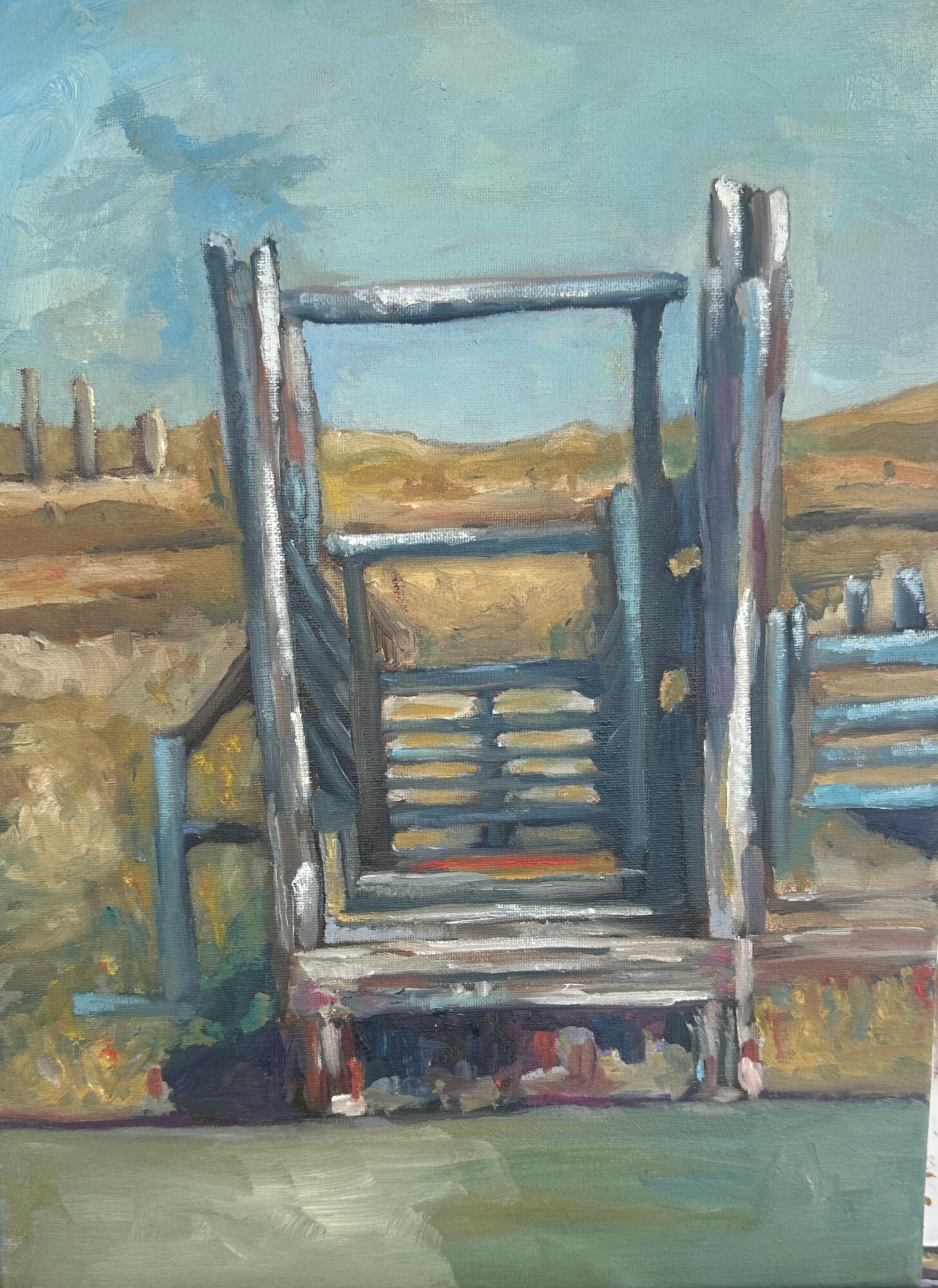
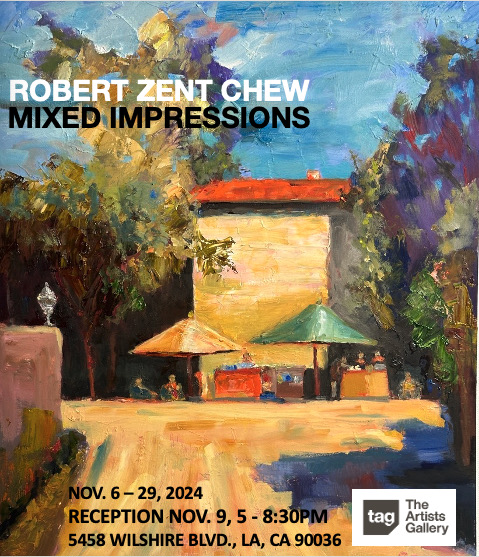
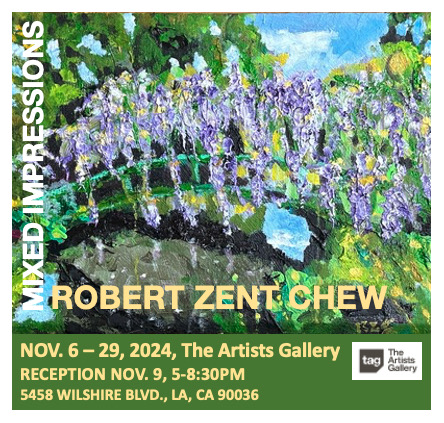
I was learning the ropes of painting in oil and this led me to the Kline Fine Art Academy in Los Angeles. After a few years studying the basics there (and I still am) I gather the courage to show my work in exhibitions. This led me to The Artists Gallery (TAG) on Wilshire Boulevard, where I was accepted as a member in 2022.
Would you say it’s been a smooth road, and if not what are some of the biggest challenges you’ve faced along the way?
About three years I worked with several artists to help revitalize The Artists Gallery (TAG) on Wilshire Boulevard in Los Angeles. The gallery is about 7,000 sq. ft. of gallery space and not far from LA’s Museum Row. At the time, management left, along with staff and nearly half of the galleries membership. The then President opened a competing gallery a few miles away. We were stuck with expiring leases, a confused membership, and a pathway that was unclear. We suddenly went from 40 full members to less than 20.
The immediate task was to secure the lease, begin reassuring members that all was going to be okay, and then to develop a series of new membership levels that would diversify the membership, and make it less expensive. Of course, this was during COVID-19 pandemic, but fortunately businesses were starting to open up again.
Within a few months, we grew the membership from under 20 to over 70 members at varying levels. Today, we are approaching 80 members, with many from across the U.S. and from different countries.
As you know, we’re big fans of you and your work. For our readers who might not be as familiar what can you tell them about what you do?
I have been a writer my entire working life. I started out as a business journalist working in Chicago for the advertising trade magazine Advertising Age. My first job was to write obituaries for well-known ad men who had smoke one too many Marlboros and drank one too many martinis. This was the tail-end of the “Mad Men” era.
Writing took me to New York where I worked for various publishers as an editor-in-chief and columnist and eventually is started my own publication, Hudson Valley Living, in a little town along the river called Dobbs Ferry. The country publishing venture was fun and expensive. It nearly broke me. After a few years I landed back in Manhattan working for a large global public relations firm, Burson-Marsteller. It was a great experience and it took me around the world, running offices in Singapore and then Los Angeles.
Over the years I have written seven books (non-fiction and fiction) and been a contributor to many publications, including Time Magazine.
Creatively, it was, and still is, all about writing and finding the story, but over the ten years I have added the visual element to my creative pursuits. Today, visual storytelling has taken centerstage in my creative life.
Are there any apps, books, podcasts, blogs or other resources you think our readers should check out?
I find the online learning world to be vast. I started off my painting journey wanting to be a portrait artist, much like Sargent or Rembrandt. I was a fool, but it led me to Mark Carder YouTube videos. He specializes in Sargent’s technique and the secrets to unlocking many of his techniques. “Paint ugly” is one of his mantras. But other very good tips were to prepare correctly, to be a professional, to find the right values, and so forth. I would recommend Mark Carder to anyone just starting out.
Pricing:
- The vast majority of original art sold today is under $500.
- Understand what your out of pocket costs are, including canvas, paint, and framing. Then work in your “creative fee,” then add the gallery commission. That will be the price.
- For emerging artists, build a collector base first with prices under $1,000 and then “upset” your collectors overtime. If they like your work, they will buy more.
- Your most recent buyers are your best future customers
Contact Info:
- Website: https://www.robertzentgallery.com
- Instagram: @robertzentchew
- Facebook: www.taggallery.net
Popular
-
Los Angeles Barea on Turning Green Superheroes into a Global Movement for Youth-Led Change
-

Trisha DuVivier on Bridging the Franchisor–Franchisee Divide with Workhero and “Franulate”
-

Portraits of the Valley
-

LA’s Most Inspiring Stories
-
Cedar Boschan on Elevating Black Music Rights and Driving Urgent Conversations Around Credit, Equity, and Artist Protection
-

Robin Olive on Building an Inclusive Performing Arts Movement and Expanding Opportunities for Every Student


