



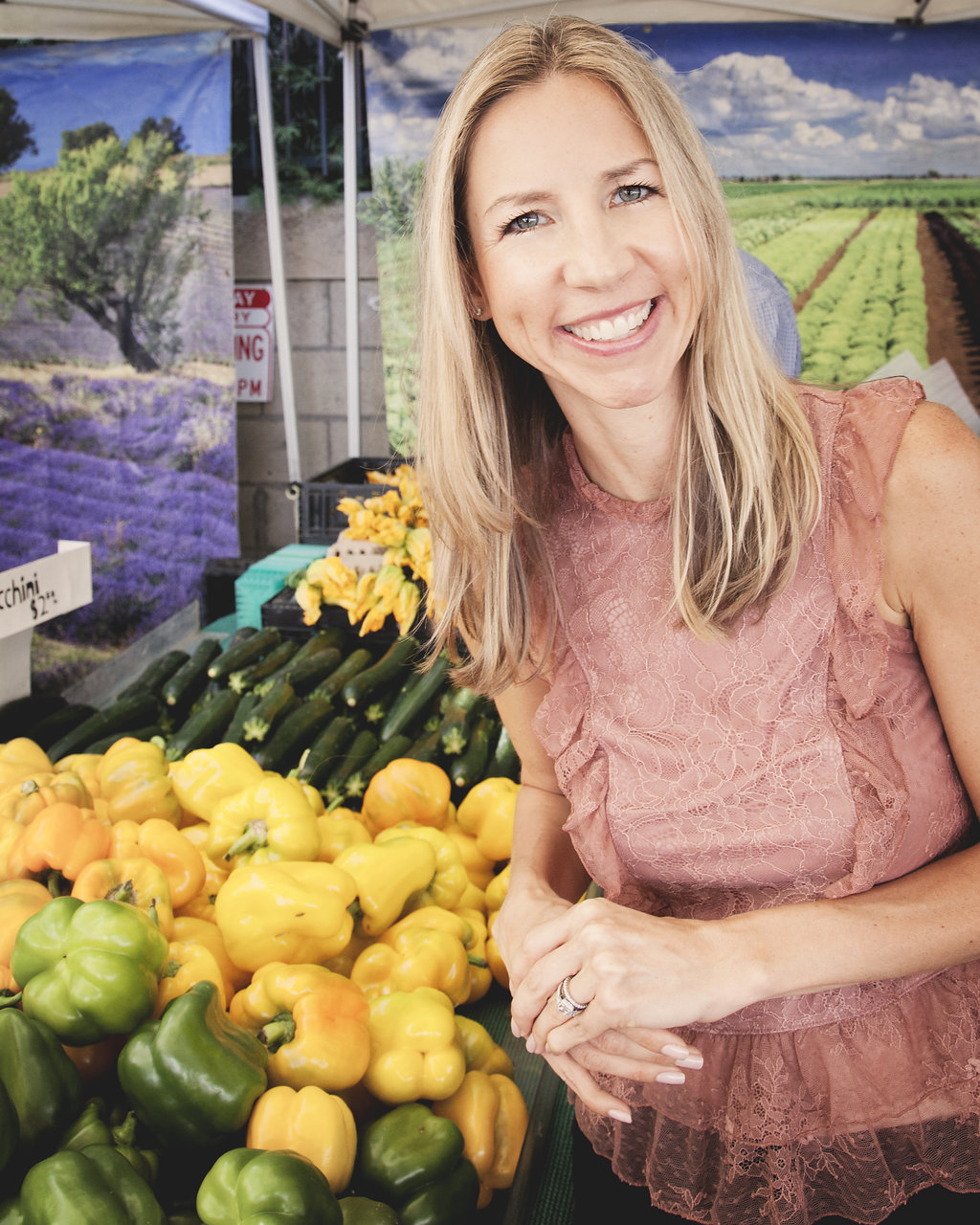
Today we’d like to introduce you to Rhonda Krick.
Rhonda, we appreciate you taking the time to share your story with us today. Where does your story begin?
I graduated from Penn State University with a bachelor’s degree in nutrition, then went on to complete my dietetic internship and pass the exam to become a Registered Dietitian. I began my career in a long-term care facility in New York, but soon after, I moved to Los Angeles and started what became a 20-year journey at Cedars-Sinai Medical Center.
At Cedars-Sinai, I worked in a variety of inpatient and outpatient settings—ranging from OB/GYN and diabetes care to transplant and cardiac rehab. But my primary focus was outpatient nutrition counseling, where I had the opportunity to work one-on-one with clients—something I’ve always loved. I really value the relationships I build with clients and the opportunity to support them in navigating their struggles with food and body image.
Early in my career, most of my clients were referred for weight management. Like many dietitians at the time, I provided calorie-controlled meal plans and advice on how to lose weight. But over time, I saw how often this approach failed to lead to lasting change. It was frustrating—for me and my clients.
That experience prompted me to return to school for a master’s degree in psychology, seeking tools that would allow me to better support the emotional and behavioral aspects of eating. Around the same time, I was introduced to Intuitive Eating, a non-diet approach created by two dietitians, Evelyn Tribole and Elyse Resch. It resonated with me deeply and fundamentally changed not only how I worked with clients, but also my own relationship with food.
Since then, I’ve embraced a weight-inclusive, non-diet approach in my work. In 2021, I left the hospital and transitioned full-time into private practice. Today, I specialize in supporting individuals with disordered eating, eating disorders, and health concerns through the lens of Intuitive Eating and body respect. Helping people heal their relationship with food and their bodies is truly the most meaningful work I’ve done.
We all face challenges, but looking back would you describe it as a relatively smooth road?
No it has not been a smooth road. One of the biggest challenges for me early on was realizing that the traditional weight-focused approach to nutrition just wasn’t working for most of my clients—or for me. I was doing what I had been taught: giving meal plans, focusing on weight loss goals, offering all the “right” advice. But over time, I saw that people were stuck in the same patterns—feeling guilt, cycling through restriction and overeating, and blaming themselves when things didn’t work. It was disheartening, and honestly, it didn’t feel like real healing.
Another challenge was navigating the emotional side of eating. So many people come in carrying shame, trauma, or years of diet culture messaging. As a dietitian, I wanted to help, but I felt limited by the tools I had. That’s what led me to go back to school for a master’s in psychology—so I could support the full picture of what people were going through, not just what they were eating.
And like many people who move into private practice, the transition was both exciting and challenging. I had to learn how to run a business while staying grounded in my mission to provide compassionate, non-diet care. It was a steep learning curve, but I’m so glad I took that leap—it’s allowed me to do the kind of work that truly aligns with my values.
Alright, so let’s switch gears a bit and talk business. What should we know?
My practice, Rhonda Krick Nutrition, is all about helping people heal their relationship with food and their bodies—without dieting, guilt, or shame. I specialize in a non-diet, weight-inclusive approach that supports individuals who are struggling with disordered eating, eating disorders, chronic dieting, or just feeling stuck in an exhausting cycle of trying to “fix” their bodies.
What I offer is very different from traditional nutrition counseling. I don’t give people rigid meal plans or tell them what they should weigh. Instead, I help them tune into their own body cues, make peace with food, and explore what it means to care for themselves with compassion. I use the principles of Intuitive Eating, along with my background in psychology, to support each client as a whole person—not just what they eat, but how they think, feel, and live.
What sets my practice apart is the deep, nonjudgmental space I hold for people. I’ve worked in hospitals, with complex health conditions, and with people who feel completely disconnected from their bodies—and I meet each person with respect and curiosity. I don’t believe in one-size-fits-all nutrition. I believe in building trust and finding sustainable ways to support both physical and emotional well-being.
Brand-wise, I’m most proud that people feel safe and seen when they come to me. Whether they’re navigating an eating disorder recovery journey or just trying to unlearn years of diet culture, they know they don’t have to do it alone.
I work virtually with clients across California and offer both 1:1 nutrition counseling and group coaching programs focused on intuitive eating and body image. If there’s one thing I’d want your readers to know, it’s this: You don’t have to be at war with food or your body. There is another way—and I’m here to support you in finding it.
How do you think about luck?
The idea of luck is tricky. I’ve worked hard—both in life and in my business—to build what I have today. Much of my path has been shaped by persistence, growth, and staying aligned with my values. But I can also recognize that luck has shown up in meaningful ways.
Landing a job at Cedars-Sinai early in my career was one of those moments. It gave me an incredible foundation and exposed me to so many different specialties. And discovering Intuitive Eating when I did felt like serendipity—it came at a time when I was questioning the traditional, weight-focused approach I had been trained in. That discovery not only changed the way I worked with clients, but also transformed my own relationship with food.
One of the most personal examples of good luck is becoming pregnant with identical twin girls- which felt like and is still one of the greatest gifts in my life. And professionally, the pandemic—despite all the hardship—turned out to be a lucky break for my career. It pushed the world toward virtual work, which gave me the opportunity and confidence to leave my hospital job and fully step into private practice. That shift allowed me to do the work I feel most passionate about—supporting people in healing their relationship with food and their bodies.
So while I don’t believe success is all about luck, I do believe it plays a role. The key is being ready and willing to act when those lucky moments come along—and having the courage to turn them into something meaningful.
Contact Info:
- Website: https://www.rhondakrick.com
- Instagram: https://www.instagram.com/rhondakrickrd/
- Facebook: https://www.facebook.com/rhondakrickRD
- LinkedIn: https://www.linkedin.com/in/rhonda-krick-m-a-r-d-ba2b227/
- Yelp: https://www.yelp.com/biz/rhonda-krick-ma-rd-calabasas?osq=Nutritionists+and+Dietitians
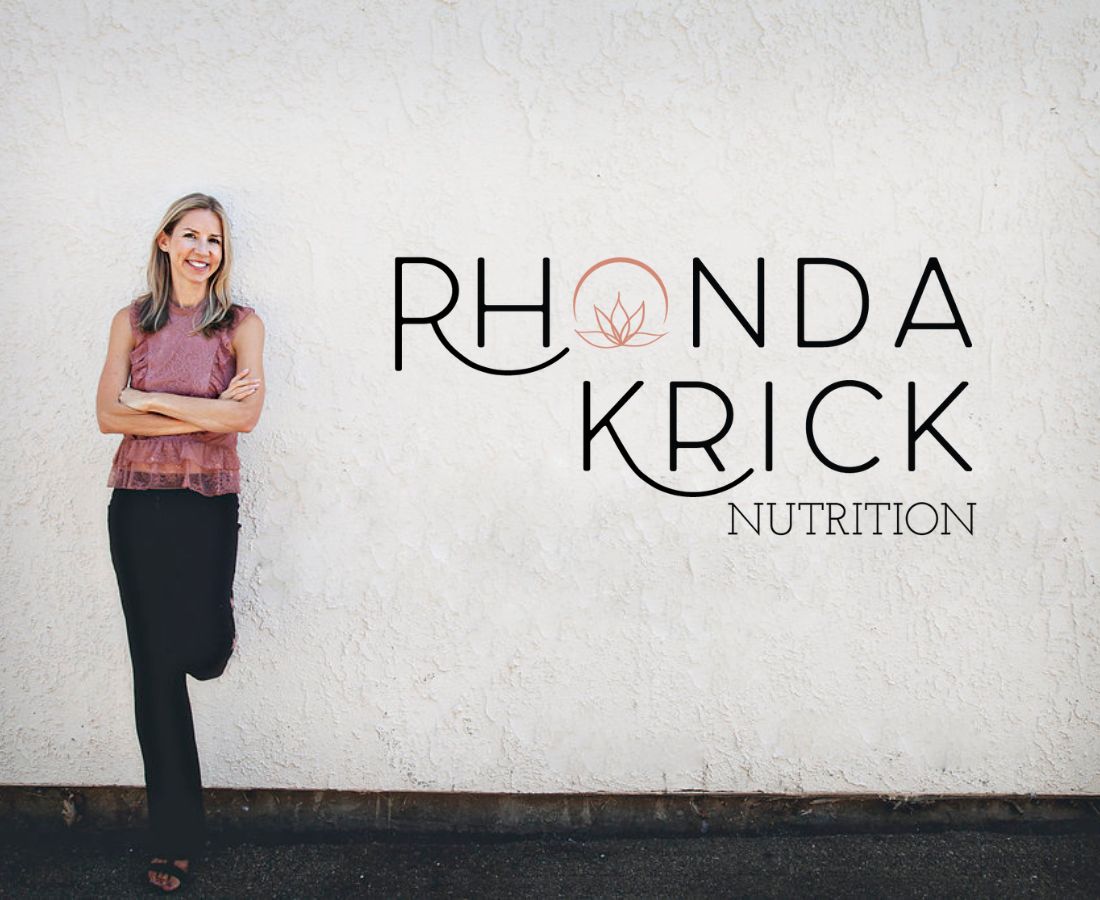
Image Credits
Rachael Buechler
Popular
-
Los Angeles Barea on Turning Green Superheroes into a Global Movement for Youth-Led Change
-

Trisha DuVivier on Bridging the Franchisor–Franchisee Divide with Workhero and “Franulate”
-

Portraits of the Valley
-
LA’s Most Inspiring Stories
-
Cedar Boschan on Elevating Black Music Rights and Driving Urgent Conversations Around Credit, Equity, and Artist Protection
-
Robin Olive on Building an Inclusive Performing Arts Movement and Expanding Opportunities for Every Student


