




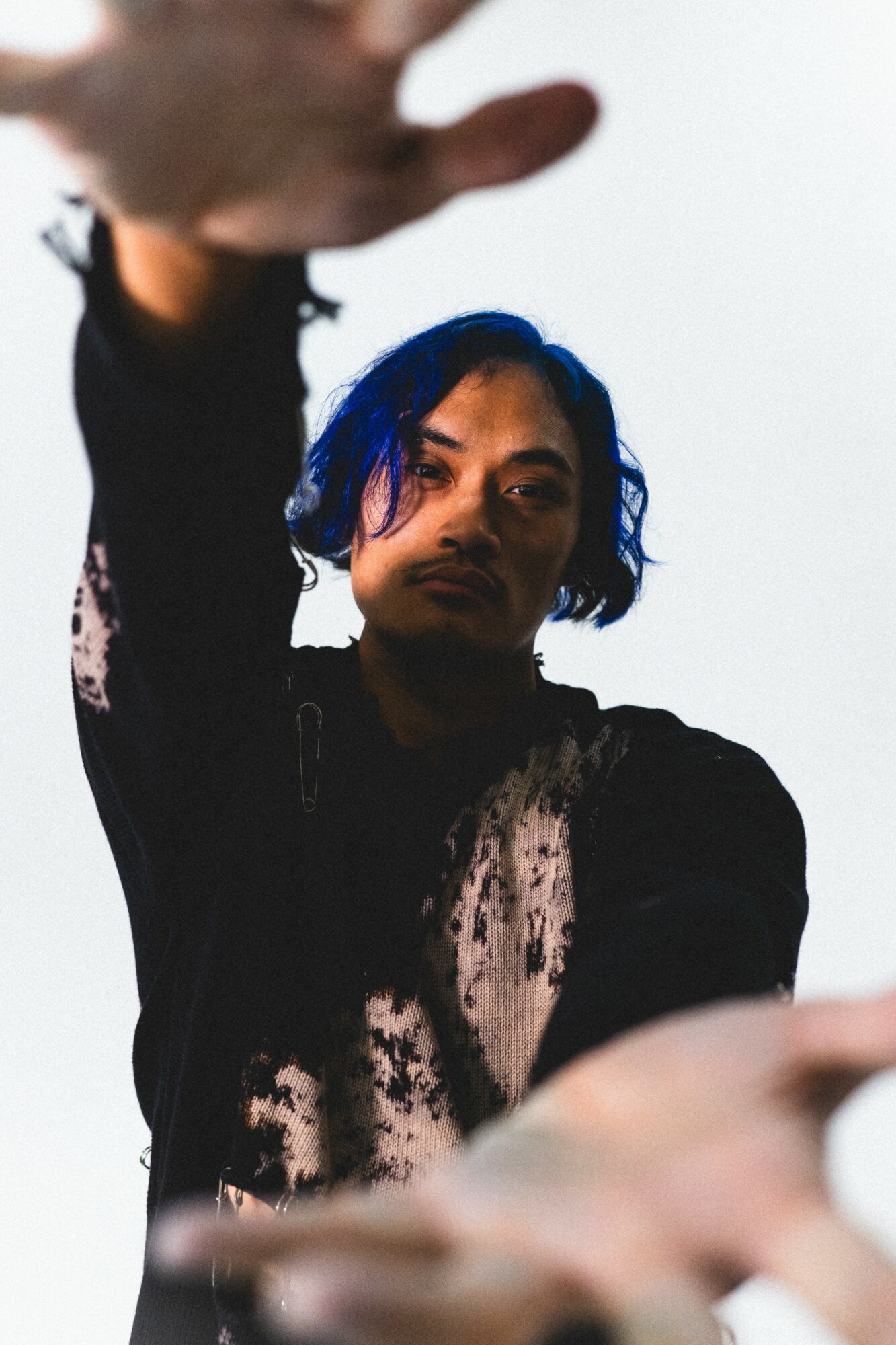
Today we’d like to introduce you to Darro.
Hi Darro, can you start by introducing yourself? We’d love to learn more about how you got to where you are today?
I started playing guitar and writing music in my teens, heavily inspired by early 2000s emo and pop-punk. After earning my master’s in music in 2017, I was diagnosed with a brain tumor that required surgery and intense rehabilitation—I had to relearn how to speak, chew, and sing. That experience deeply shaped my debut album, Song of Recovery, which reached #11 on the iTunes Rock chart.
Since then, I’ve released Accidents, produced by Kris Crummett, which charted at #14 on the iTunes Alternative Albums chart and landed placements on Spotify, Apple Music, and VEVO. As a first-generation Asian-American artist, I’m passionate about bringing more visibility to Asian voices in alternative music and creating songs that speak to resilience, identity, and healing.
Can you talk to us a bit about the challenges and lessons you’ve learned along the way. Looking back would you say it’s been easy or smooth in retrospect?
t definitely hasn’t been an entirely smooth road. Shortly after finishing my master’s degree in music, I was diagnosed with a brain tumor. The surgery and recovery process were intense—I had to relearn how to chew, speak, and sing, which was terrifying as a vocalist.
Beyond the physical challenges, I’ve also faced emotional and mental struggles, including anxiety, depression, and a deep sense of identity loss. On top of that, being a first-generation Asian-American in an industry that lacks representation in my genre means I’ve had to fight for visibility and opportunities that others might take for granted.
Still, all of those struggles have shaped my music and given it purpose. They’re part of why I’m so driven to keep creating and connecting through my work.
Appreciate you sharing that. What else should we know about what you do?
I’m a singer, songwriter, and producer telling stories through an alternative lens that blends emo, pop-punk, and modern production. While the music may feel familiar in sound, what sets me apart is the life I’ve lived—the experiences I’ve survived and the emotional weight behind my lyrics.
After surviving a brain tumor and relearning how to speak and sing, I use music to process trauma, identity, and healing. As a first-generation Asian-American, I also bring a perspective that’s still underrepresented in this genre. I’m proud that my music not only charted but also resonated with people who feel unseen. My goal is to make music that creates space for those stories—mine and others like mine—to be heard.
Can you talk to us about how you think about risk?
I think risk is an inevitable part of pursuing anything meaningful—especially in music. For me, the biggest risk was choosing to keep going after my brain surgery. I didn’t know if I’d ever be able to sing again, let alone perform or release music. Putting myself out there again—vocally, emotionally, and physically—felt incredibly vulnerable. But I knew that if I didn’t try, I’d regret it more than failing.
As an independent artist and a first-generation Asian-American in alternative music, just showing up in this space is a kind of risk. There’s no clear roadmap or safety net. But I’ve learned that growth only comes from discomfort. I don’t think I’m naturally a risk-taker, but I’ve learned to embrace it because the alternative is staying silent—and that’s not an option for me anymore.
Contact Info:
- Website: https://darro.co
- Instagram: https://instagram.com/darro_c
- Facebook: https://facebook.com/darrochea
- Youtube: https://youtube.com/darro_c
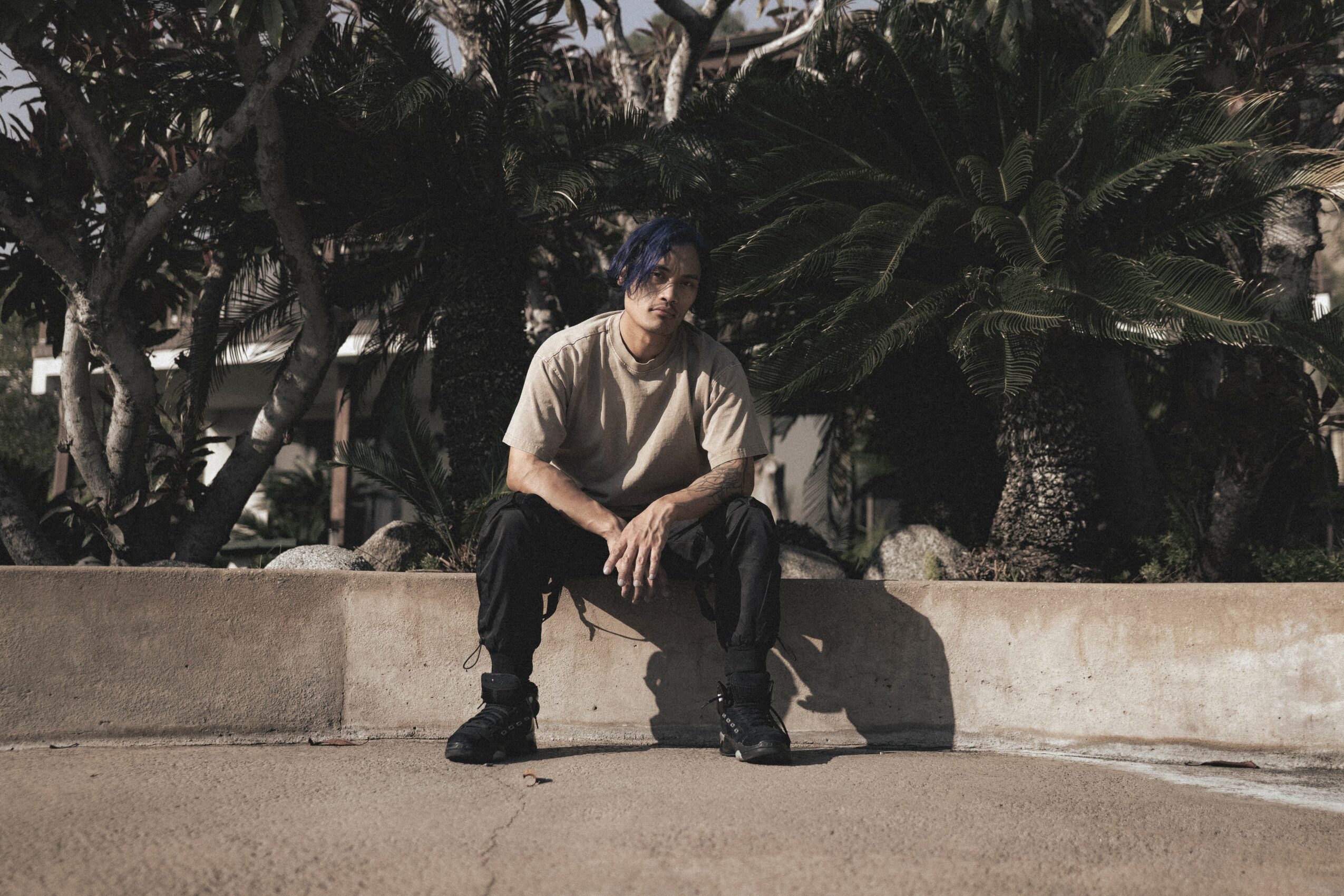
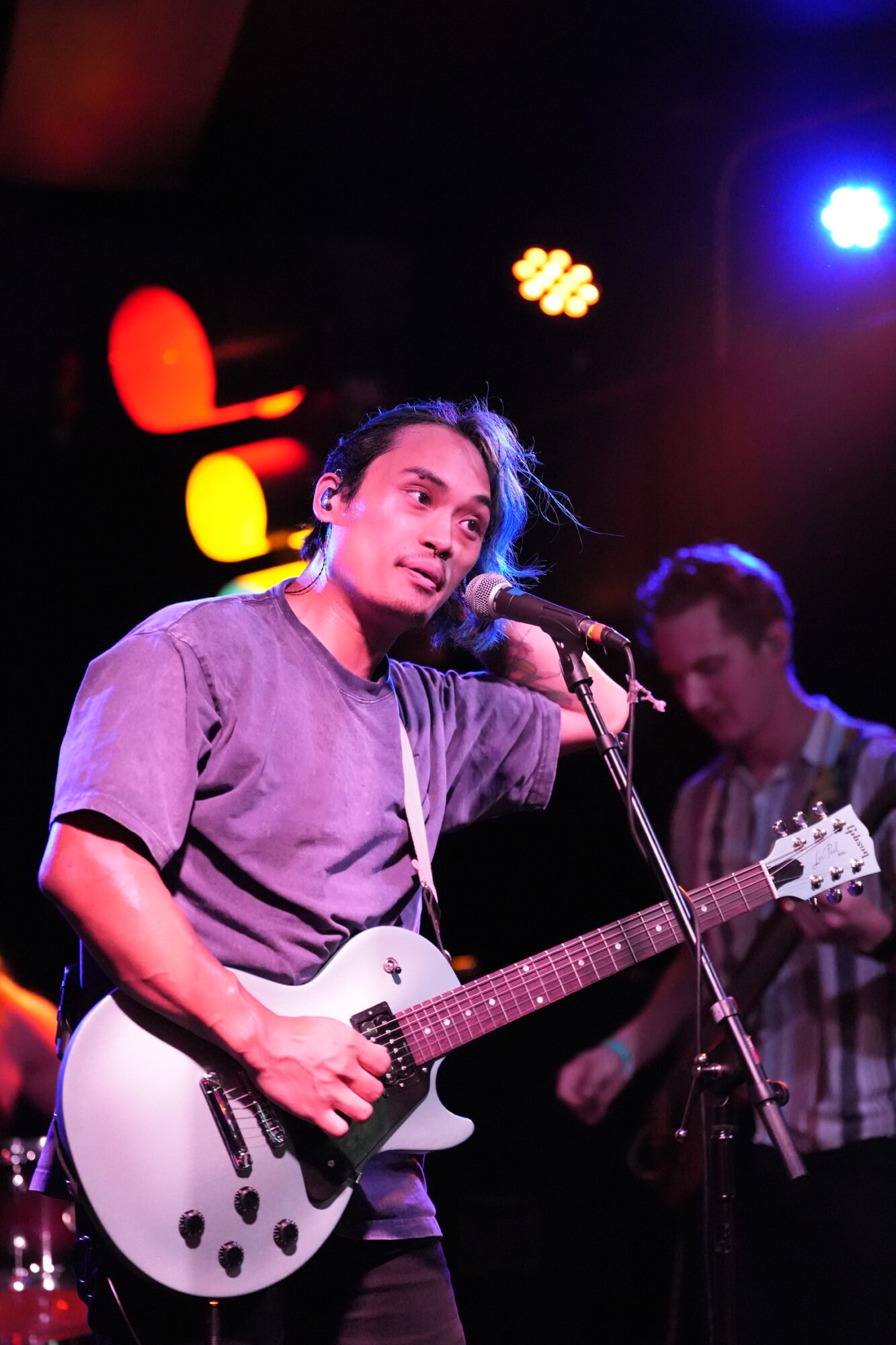
Image Credits
Mike Monto
Popular
-

Portraits of the Valley
-

LA’s Most Inspiring Stories
-

Robin Olive on Building an Inclusive Performing Arts Movement and Expanding Opportunities for Every Student
-

Que Johnson on Building Brands That Last: From Visibility to True Market Authority
-
Christina Wren Steps Into the Director’s Chair to Tell Stories That Feel Like Home
-
JordanL on ‘Breathe,’ Belief, and Building a Movement Beyond the Music


