




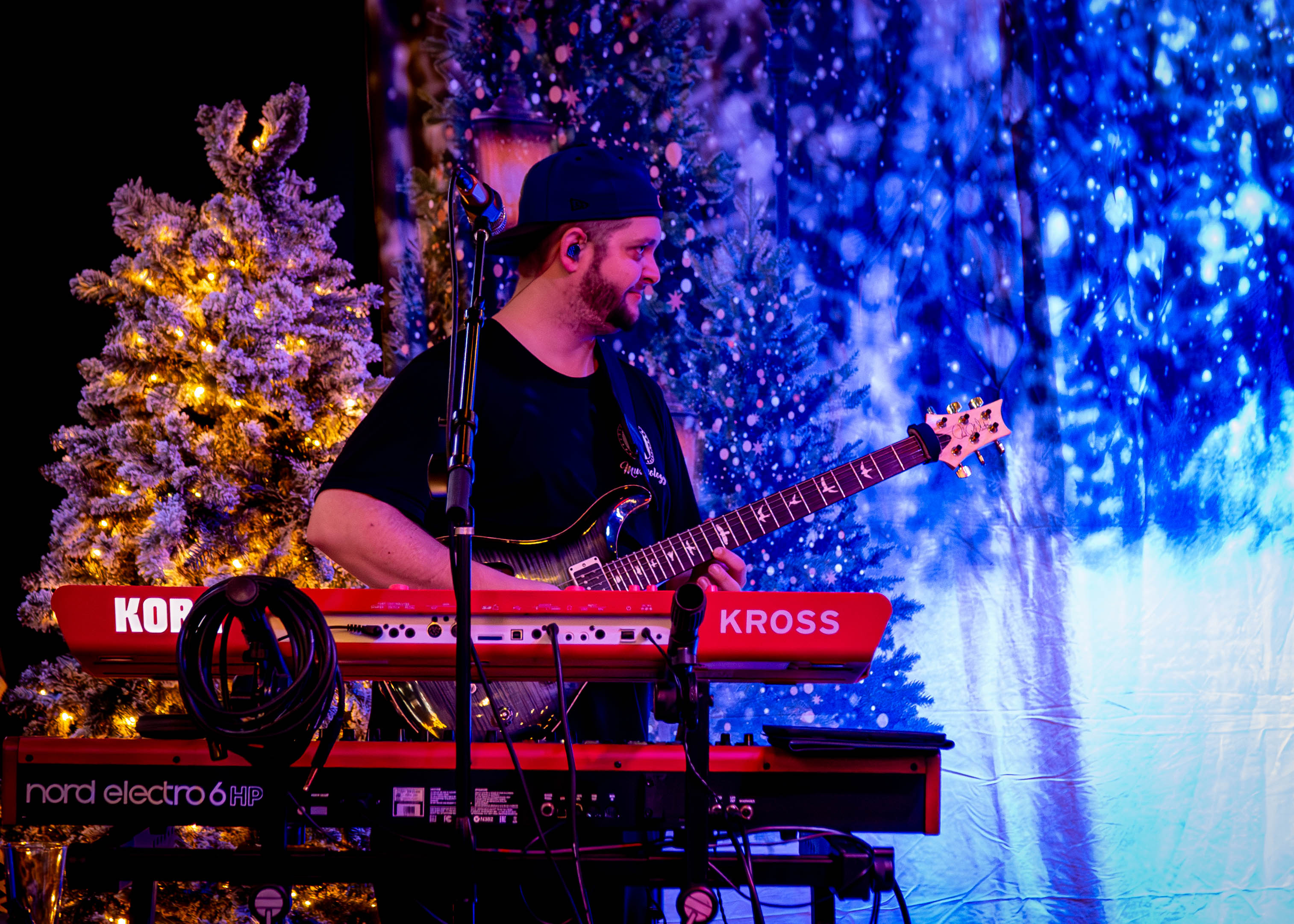
Today we’d like to introduce you to Mason Hensley.
Hi Mason, we’d love for you to start by introducing yourself.
My name is Mason Hensley, and music has been a part of my life for as long as I can remember. I grew up singing and reading music in church, and started playing instruments as soon as I could sit down at my grandparents’ organ. I took up the trumpet in elementary school, and began learning the French horn in 6th grade. I played in Jazz band and Wind Ensemble throughout middle school, and began learning guitar at about age 11. In High School, I started playing guitar in local bands with my friends. I’ve always really enjoyed performing, so I tried to be involved with as many different bands and projects as I had time for. I began writing and composing songs, and attempting to record them using various DIY setups. After High School, I received a full-ride scholarship for Classical Guitar Performance at the University of La Verne. With the network that I built there, I was able to start performing professionally around town, primarily as a solo guitarist. Around age 19, I joined my first reggae band, Better Daze. I loved the community, the musical vibes, and the culture that surrounded all of the local bands that I was associated with. Around that time, I began the journey of educating myself about audio engineering and recording engineering. The University that I attended had a small recording studio that I had unlimited access to, so I started recruiting classmates to help me hone my skills as a mixing and mastering engineer. By this time, I was playing guitar, piano, bass, and a few other instruments, and I realized that I could make some extra money by offering to record on other peoples’ music that I was already engineering. I also began working out at a couple studios near Los Angeles as a session musician. Recording on other peoples’ music was always rewarding and fun, but I always struggled to afford my own studio time to record the compositions that I had written, and so I began investing in my own recording equipment that I could use to record myself in the comfort of my own home. That shortly turned into recording my friends’ bands, and word of mouth was enough to start getting me calls from other local musicians that were looking for budget-friendly recording options. For almost 15 years now, I have worked with hundreds of musicians to bring their song ideas to life, and it is still my favorite type of work. I love to perform, but even more so, I love the feeling of working all day on a recording, and blasting it in my car later that night to see if everything sounds good. Performing is also a true love of mine, and I try to keep my gig schedule as busy as possible. About a year ago, at the beginning of 2024, I was playing with a cover band all through the winery circuit of Temecula, CA. Each member agreed that we would like to also write some of our own music, and use my recording resources to release our own original songs, so we formed Dorian Tide. The name is a combination of thoughts and imagery that we felt encapsulated our spirit (and our music-geek side). Dorian is the name for a musical scale that sounds both hopeful and thoughtful, which we thought really fit what we were going for musically. Dorian is also an adjective used for the Doric people of Ancient Greece. If you search “Dorian Greek art” on Google, quite a bit of ancient artwork will pop up, and what I really like about it is that most of the artwork includes silhouettes that have a beautiful amount of detail within them. To me, this exemplifies the nature of our songwriting, where we place a high value on nuance and detail in the way our music moves. We are currently working on our debut album, which we anticipate releasing by mid-Summer. In the meantime, we perform almost every weekend, and we have started building our fanbase across multiple regions. Check out our show calendar, come hang out and give us a chance to win you over with the sounds of Dorian Tide!
Can you talk to us a bit about the challenges and lessons you’ve learned along the way. Looking back would you say it’s been easy or smooth in retrospect?
For me personally, my struggles have been finding the right people to work with, being able to afford the equipment that allows me to do my craft to the best of my ability, and staying positive in the face of an ever-changing music industry. When I first started performing, there were much different methods for being a “successful” musician, and I have a difficult time being as present online as a vast majority of musicians that are more well-known than I am. I think I have a slight case of imposter syndrome, which I think every artist struggles with at some point in their career. I would be perfectly happy hiding behind my computer, my guitar, or my piano, and just enjoying recording and performing without worrying about algorithms, views, or monthly listeners. But the nature of today’s music industry has encouraged me to be more open to learning about all of the details that go into being a professional music act.
Appreciate you sharing that. What else should we know about what you do?
I am an Audio Engineer with experience in studio recording, mixing, and mastering, as well as live sound engineering as both a monitor engineer and a front-0f-house engineer. I would say that I specialize in mixing more-so than the rest of those skills, but I am trying to improve every day. I also play guitar, piano, bass, ukulele, melodica, organ, percussion, a bit of drums, and a few other random instruments. I have been teaching guitar, piano, and bass guitar private lessons for over 15 years now.
Recently, I’ve been playing keys, guitar, and melodica at live performances with my band, Dorian Tide. In our studio work, I have recorded all of those instruments I previously mentioned. I would say that I am most proud of my music theory knowledge, which I am always trying to grow. Understanding the “rules” of music has prepared me for many different situations that I come across in my work. Knowing what key all of my clients’ songs are in, understanding why a rhythm either is or isn’t working well, learning songs quickly by studying the motion of chords and melodies, and being able to recognize what I like or dislike in the music that I listen to; all of those traits that I have developed have made me a valuable piece in the projects and teams that I am involved in, and I try to give that back to the community by making music theory a focal point of my educating when I work with my guitar, piano, and bass students.
What quality or characteristic do you feel is most important to your success?
I think the characteristic that has kept me going all these years has been my endurance. It takes a lot of effort, both mental and physical, to be a full-time musician. My finances aren’t always pretty, and it can be demoralizing to do performances for smaller crowds. It’s so easy to compare yourself to other musicians with more notoriety and allow yourself to believe that you aren’t as capable or as talented as they are. The older I get, the more I realize that there are millions of amazing musicians that you’ll never hear about, and millions of musicians that were in the right place at the right time. That observation has fueled me to be as prepared as I can for when opportunities arrive in my own career. Stay ready so that you don’t have to get ready!
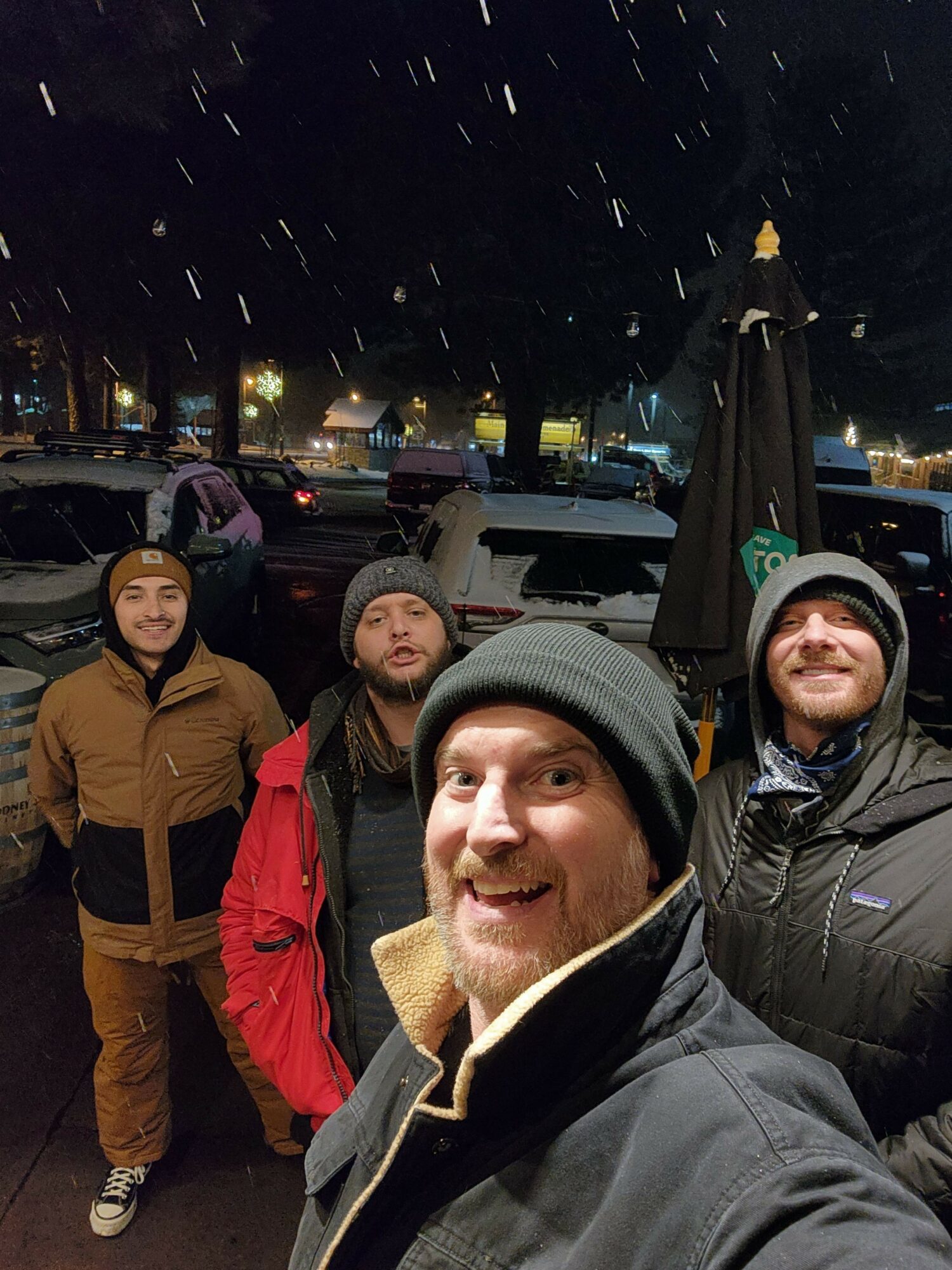
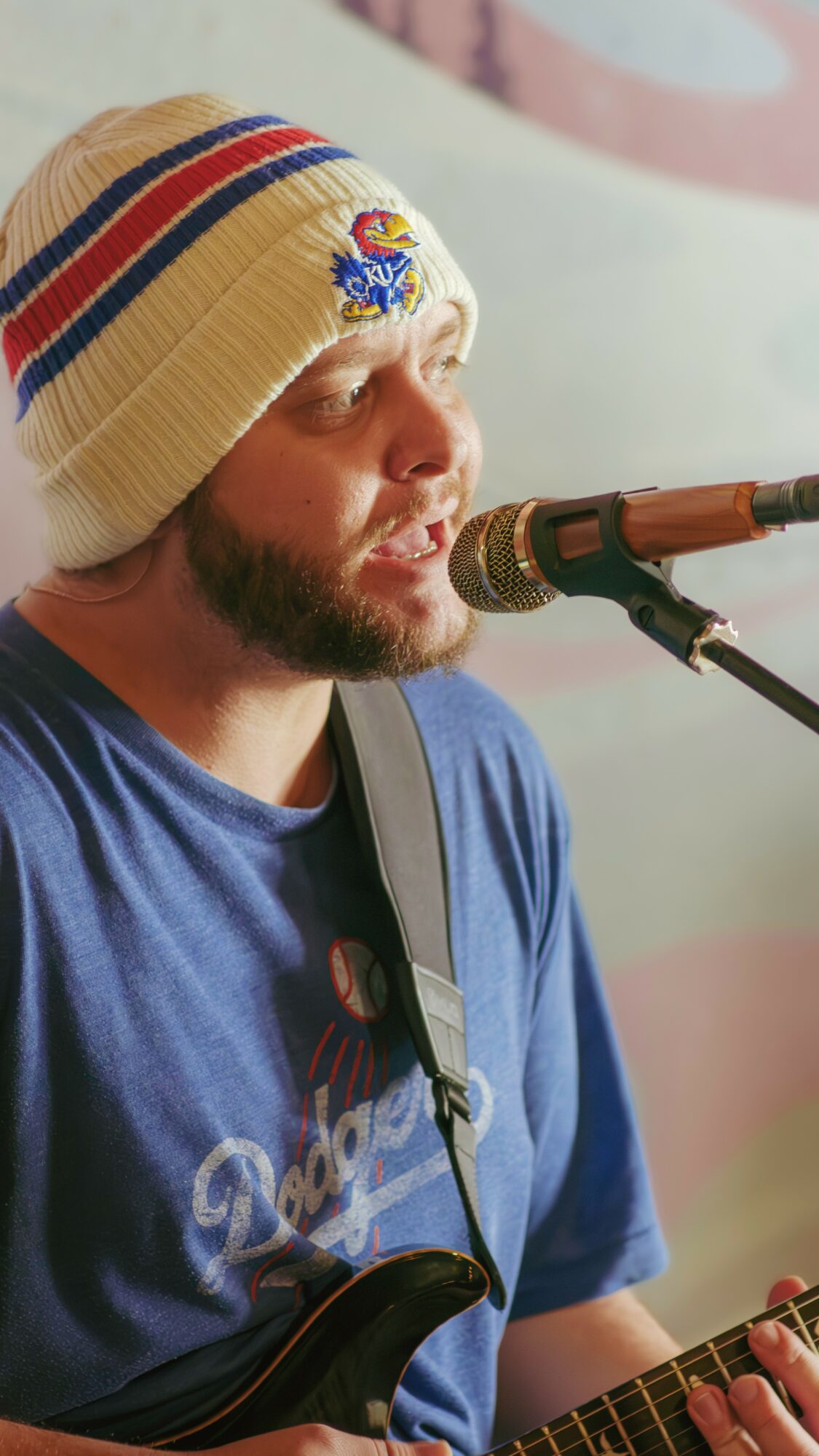
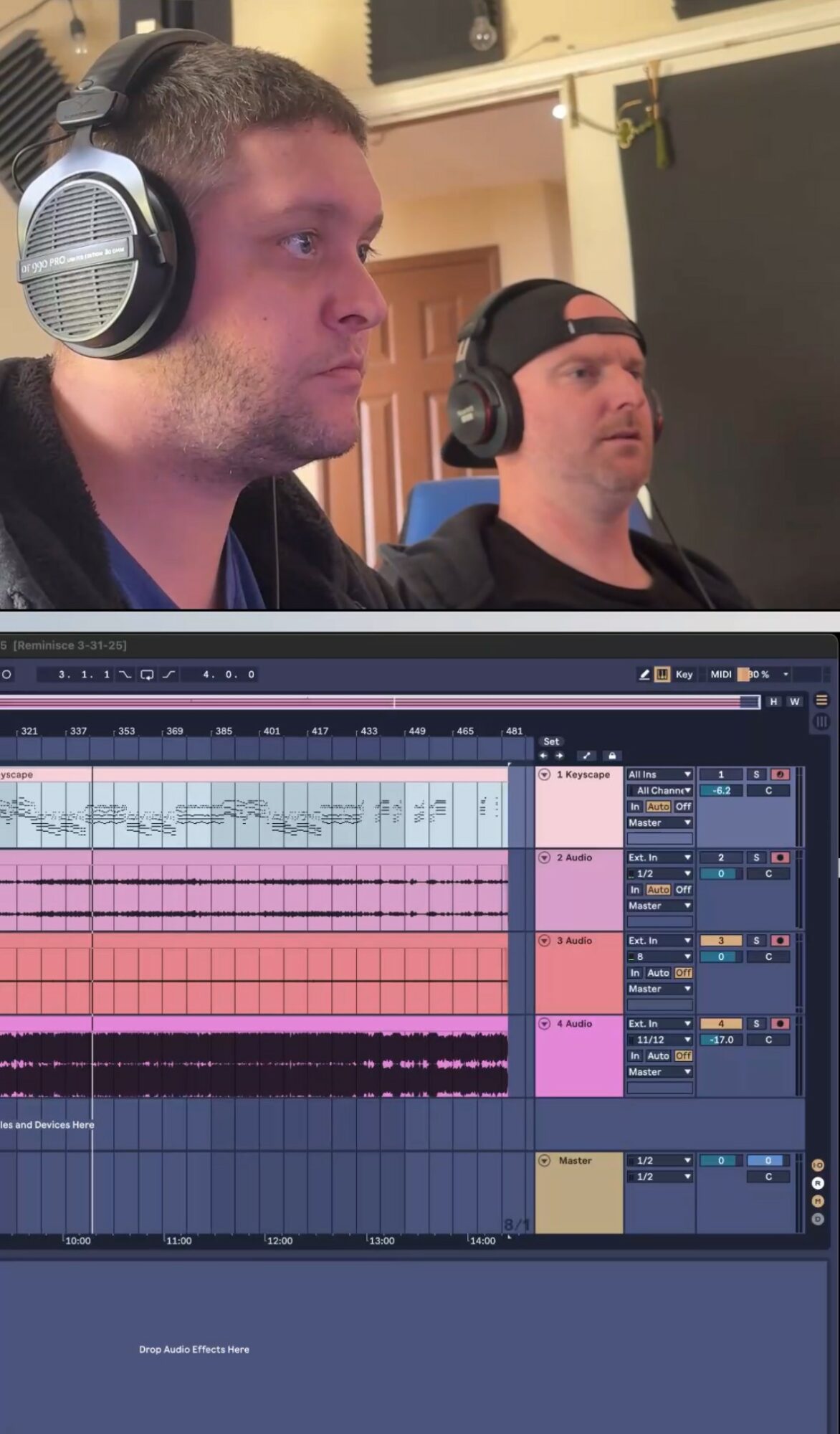
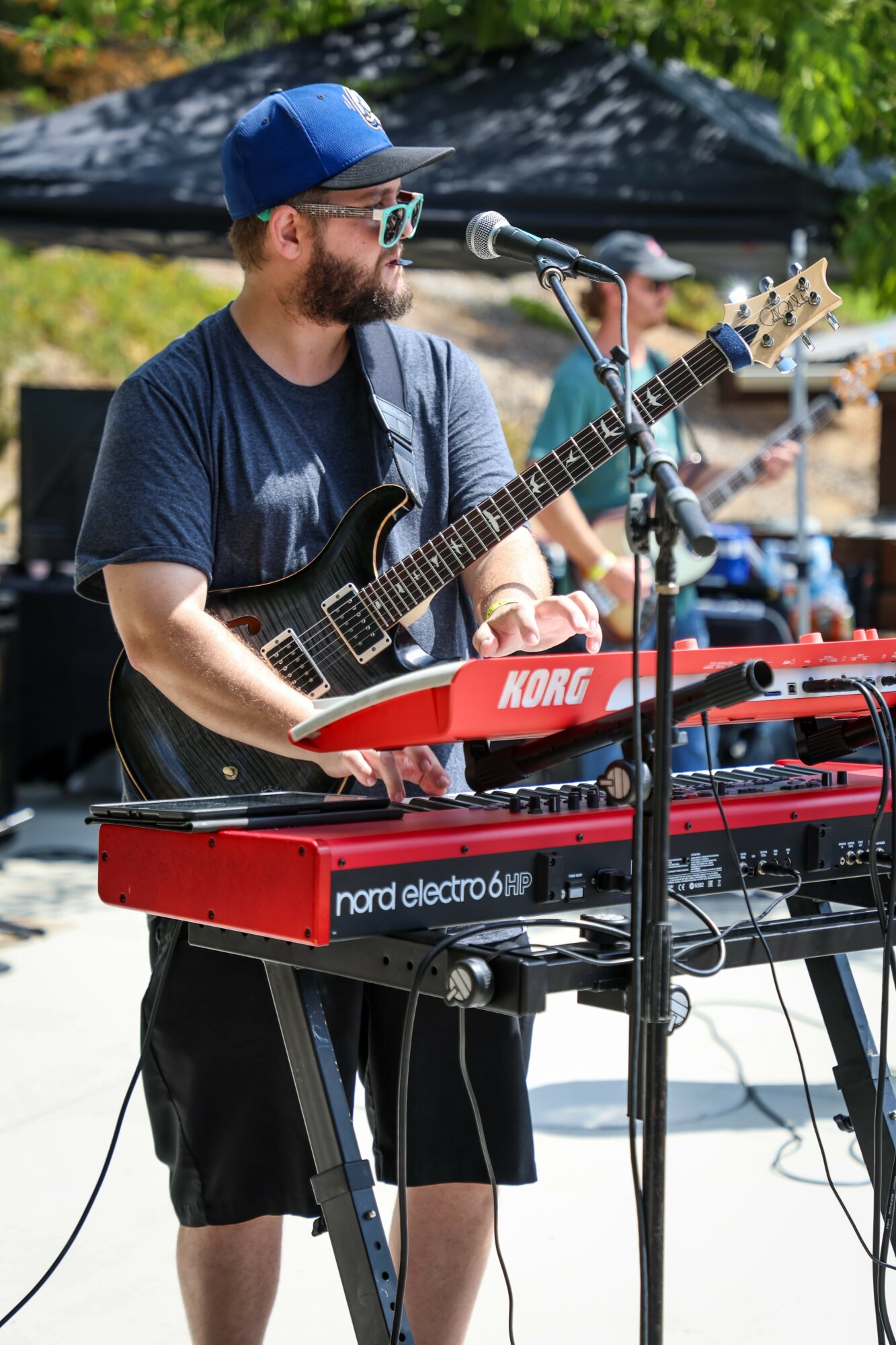
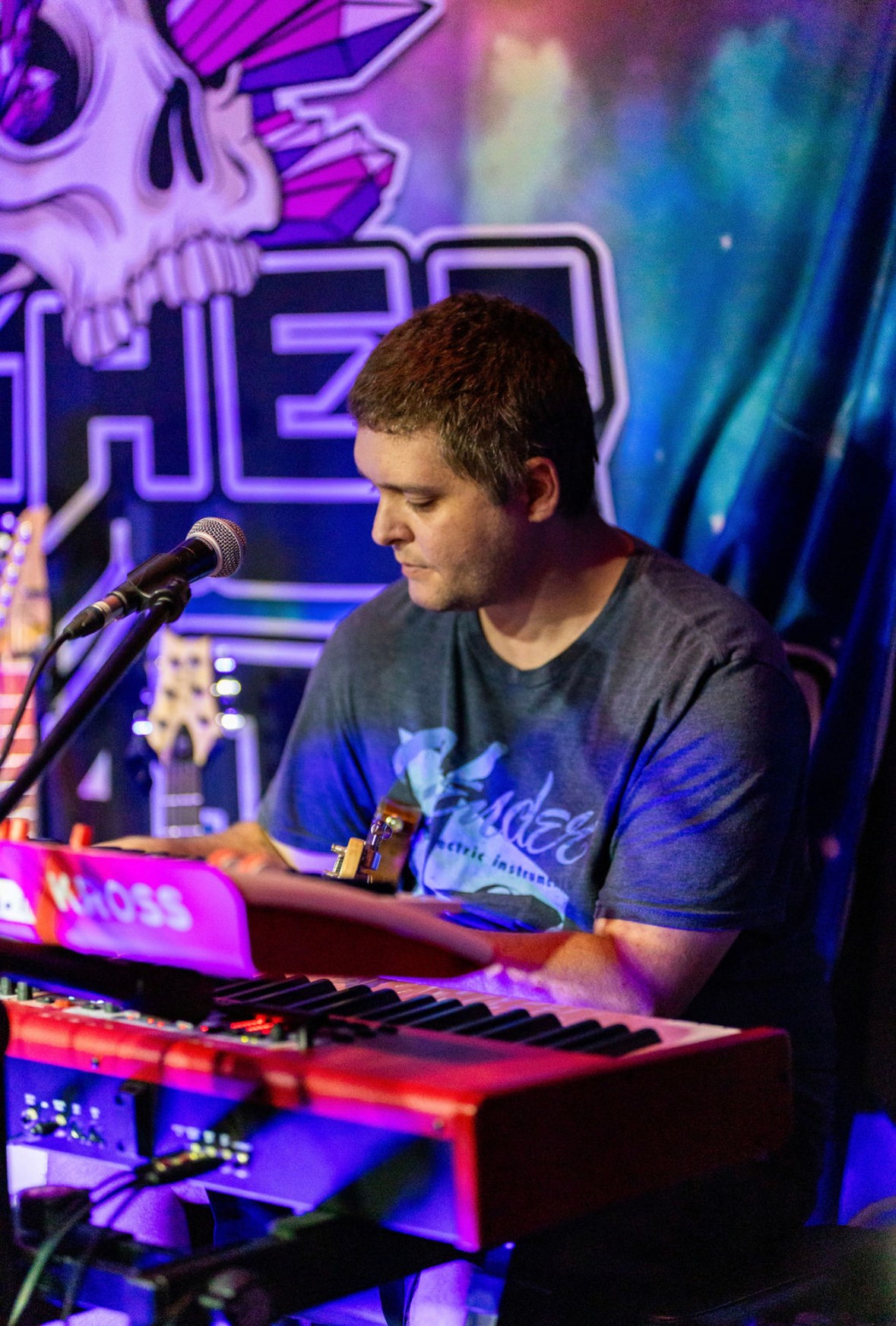
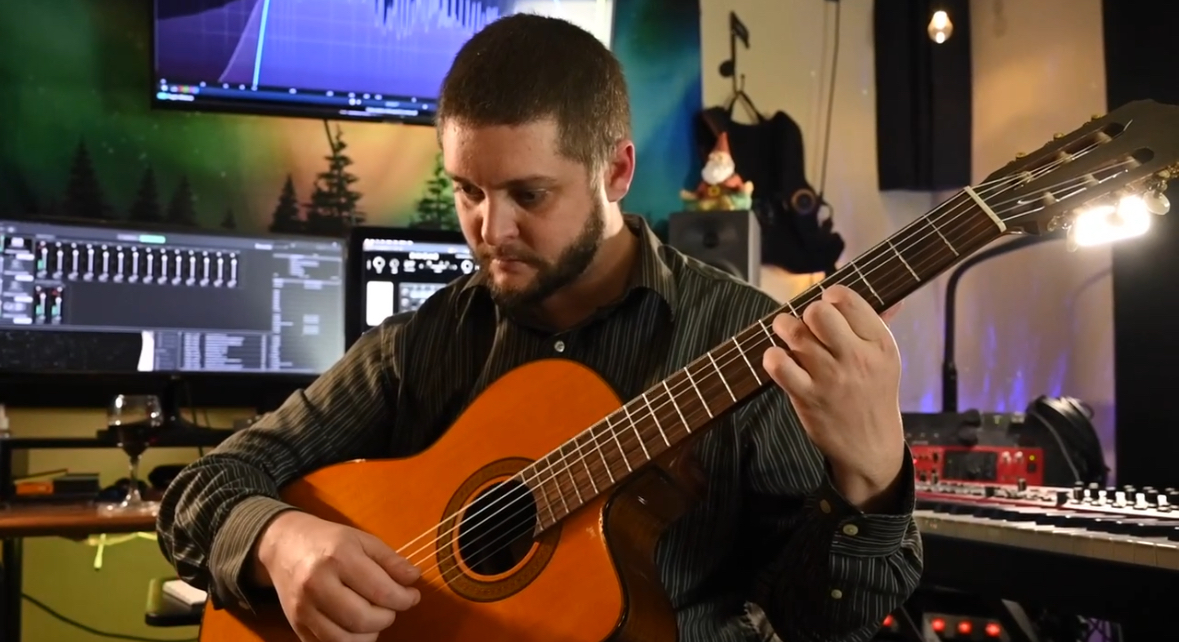
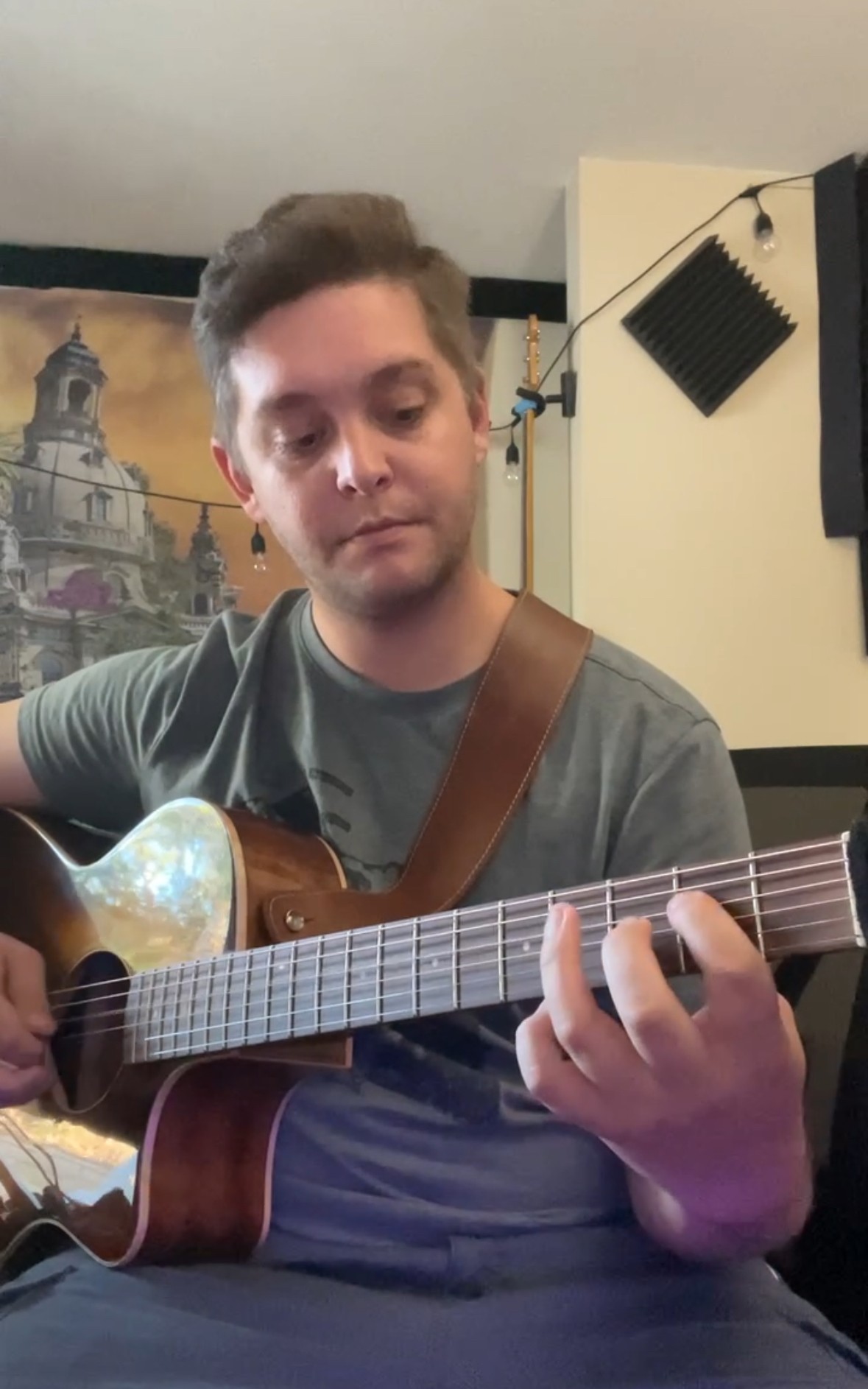
Image Credits
James Watson
Popular
-

Robin Olive on Building an Inclusive Performing Arts Movement and Expanding Opportunities for Every Student
-

Portraits of the Valley
-

LA’s Most Inspiring Stories
-

Que Johnson on Building Brands That Last: From Visibility to True Market Authority
-

Christina Wren Steps Into the Director’s Chair to Tell Stories That Feel Like Home
-
JordanL on ‘Breathe,’ Belief, and Building a Movement Beyond the Music


