




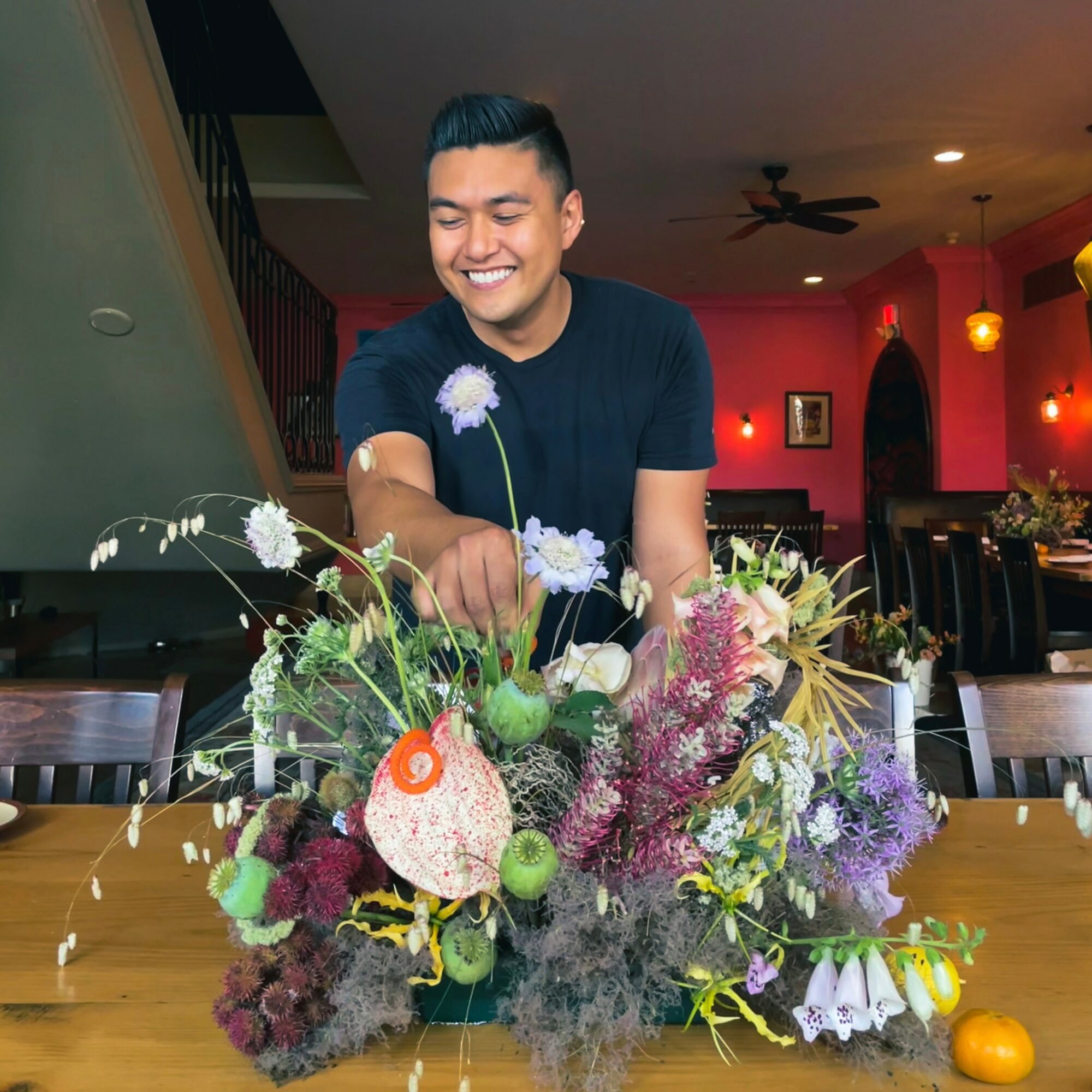
Today we’d like to introduce you to Randy Bautista.
Hi Randy, thanks for sharing your story with us. To start, maybe you can tell our readers some of your backstory.
I started designing with flowers during the pandemic. At the time, I was living in Costa Mesa and working full-time in higher ed, and florals became this quiet ritual—something to ground me when everything else felt chaotic. I’d visit a local flower wholesaler or Trader Joe’s, then spend evenings experimenting with arrangements. Those hours became meditative for me. Focusing on form, texture, and color gave my brain a break when I really needed it. I dove in deep—watching tutorials, signing up for online classes, and studying the work of florists I admired. I didn’t realize it then, but flowers had been in my life all along.
I grew up in Hawai‘i and Las Vegas, and in both places, florals showed up in different ways. My neighbors in Vegas were florists, and my first summer job in high school was helping them deliver and set up arrangements for their accounts like Caesars Palace. In college, I worked briefly for a florist in Honolulu and learned how to process flowers. I was also trained as a hula dancer, which meant making our own adornments—like lei po‘o for the head and kupe‘e for the wrists and ankles. We’d go out and gather materials from nature, always starting with the chant Kunihi Ka Mauna to ask permission from the land. After we danced, we returned those adornments to the ocean as a way of honoring the land and the idea that what we use is borrowed, not owned. That connection to nature and respect for materials is something I still carry with me.
About a year into experimenting, I saw a call from a florist I admired asking for help striking an event. I responded, and that one gig turned into a working relationship. I ended up freelancing for her for a short period of time, and through that experience, I saw a different side of floristry. It wasn’t just weddings—it was intimate dinners, photo shoots, design-forward deliveries. It opened my eyes to what florals could be.
Since then, I’ve freelanced with some incredible florists on all kinds of projects—from intimate dinners to multi-day, six-figure weddings. And while I learned a ton, I also hit burnout. Floristry is beautiful, but it’s also intense—there’s so much behind the scenes that people don’t see. It’s logistics, physical labor, tight timelines. We wear a lot of hats.
Eventually, I had to ask myself: how do I stay in this industry in a way that feels sustainable and aligned? That’s when I started shaping Sensitive Flora—a studio centered on intimacy, intention, and design. I still freelance selectively, but I mostly focus on smaller-scale work and clients who see flowers as a form of art and presence.
Along the way, I realized there was another way I could support the floral world—through consulting. My job working as a university administrator has been in strategy, continuous improvement, and change management and I’m now starting to offer production support to other florists who want to focus on the creative side but need help managing timelines, logistics, or teams. It’s become this beautiful bridge between two parts of my life—creative and strategic—and I’m excited to keep building on that.
Can you talk to us a bit about the challenges and lessons you’ve learned along the way. Looking back would you say it’s been easy or smooth in retrospect?
It wasn’t smooth, which is probably why it feels honest. One of the biggest challenges was managing burnout. For a few years, I was freelancing regularly while also working a demanding full-time job. I loved the work, but I was constantly switching gears—lifting buckets, managing timelines, being “on” for clients—while also showing up in an administrative role that required a lot of mental energy.
The other big challenge was internal: figuring out what kind of floral work I actually wanted to do. There are so many different directions you can go in and there’s sometimes this pressure in this industry to go big or scale fast, and I had to unlearn that. I realized I didn’t want to chase volume or take event work that didn’t align with my values. I wanted to preserve what drew me to flowers in the first place—the meditative, intimate, and intuitive side of the work.
Even when I stepped back, I kept finding myself drawn to flowers, especially in the moments I was hardest on myself. I had high expectations for what I thought I should be doing. But over time, I had to define what success looked like for me, not by industry standards or social media, but by how connected I felt to the work. That shift changed everything. I feel clear in how I want to show up and what I’m choosing to build.
Thanks – so what else should our readers know about your work and what you’re currently focused on?
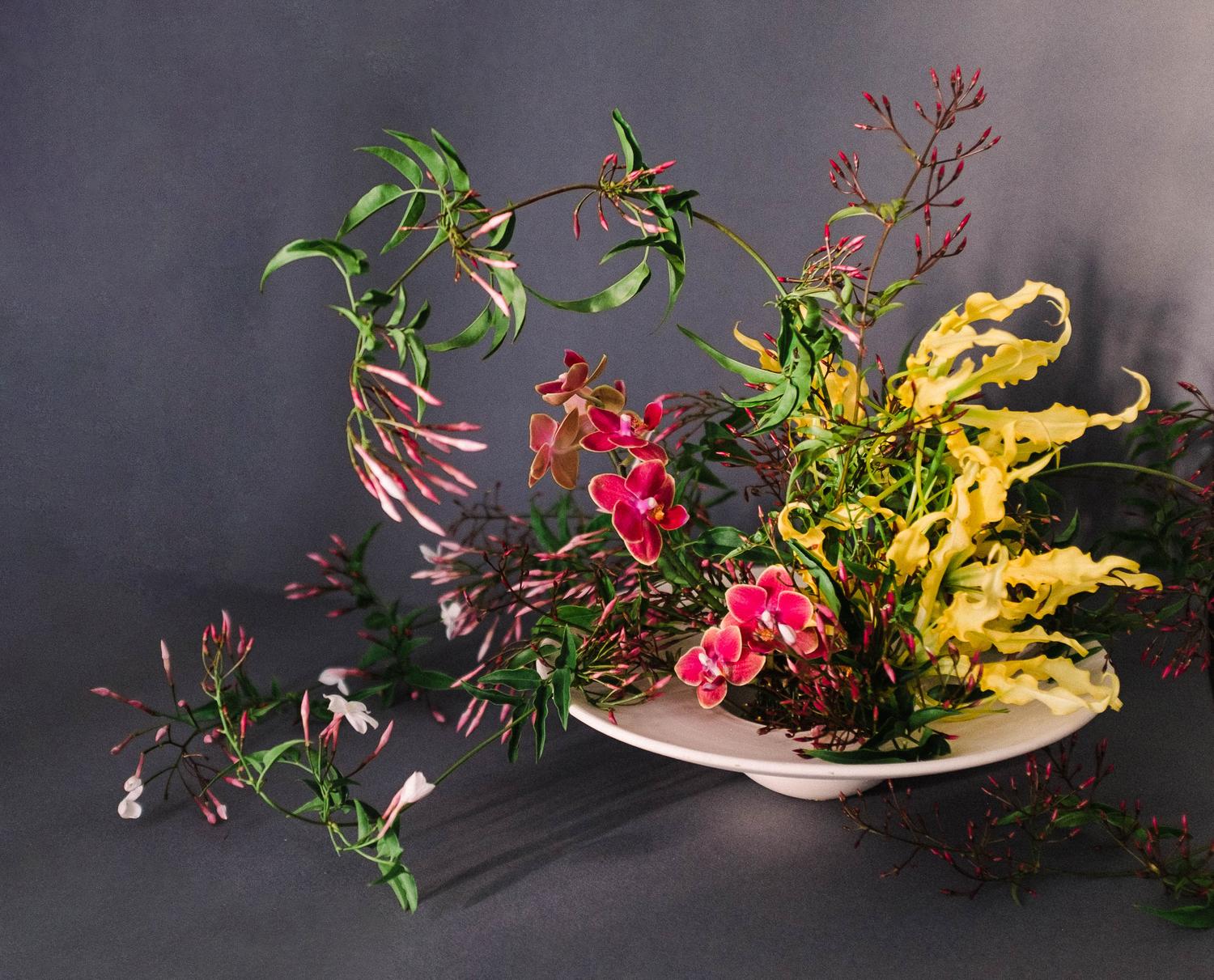
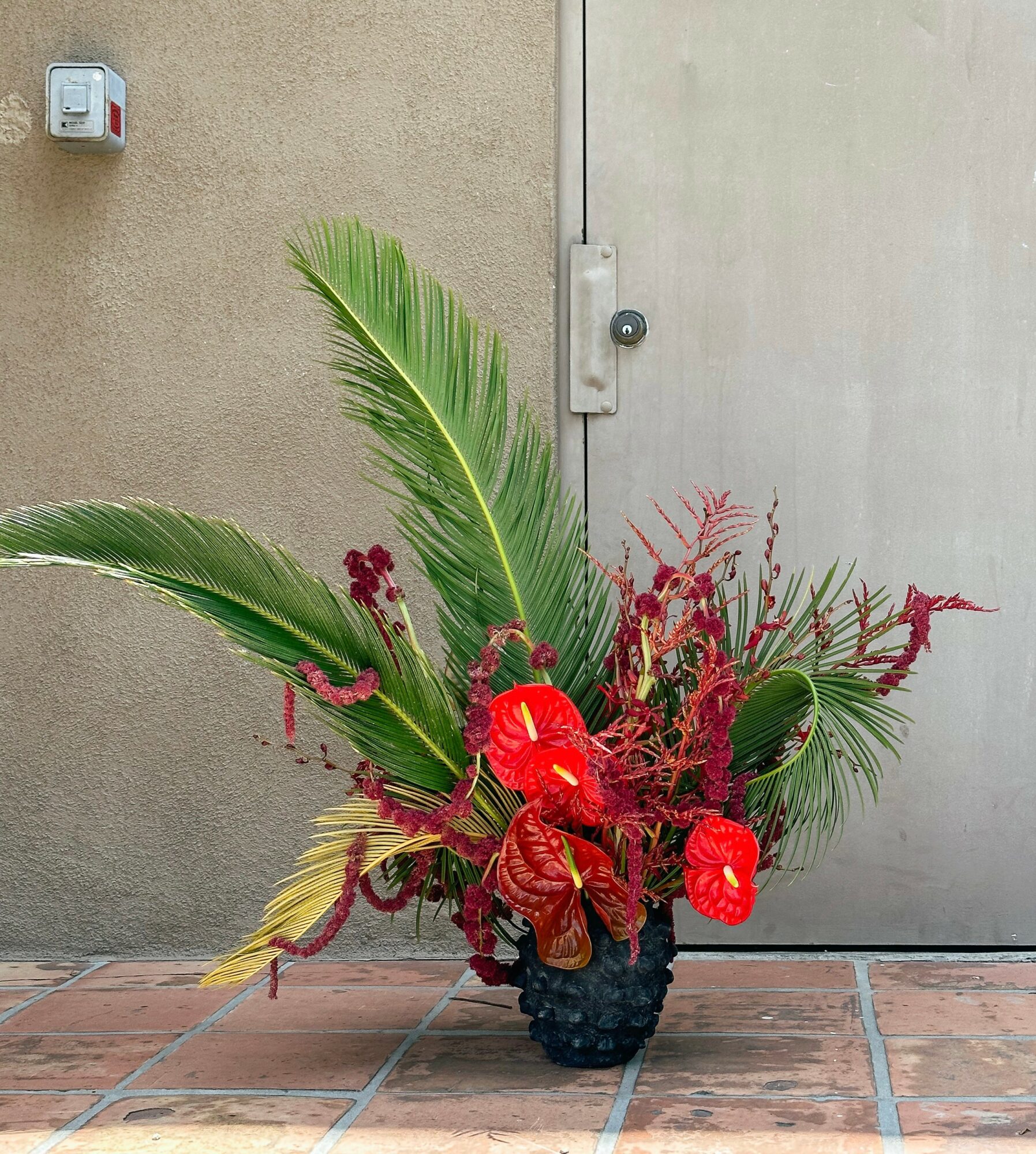
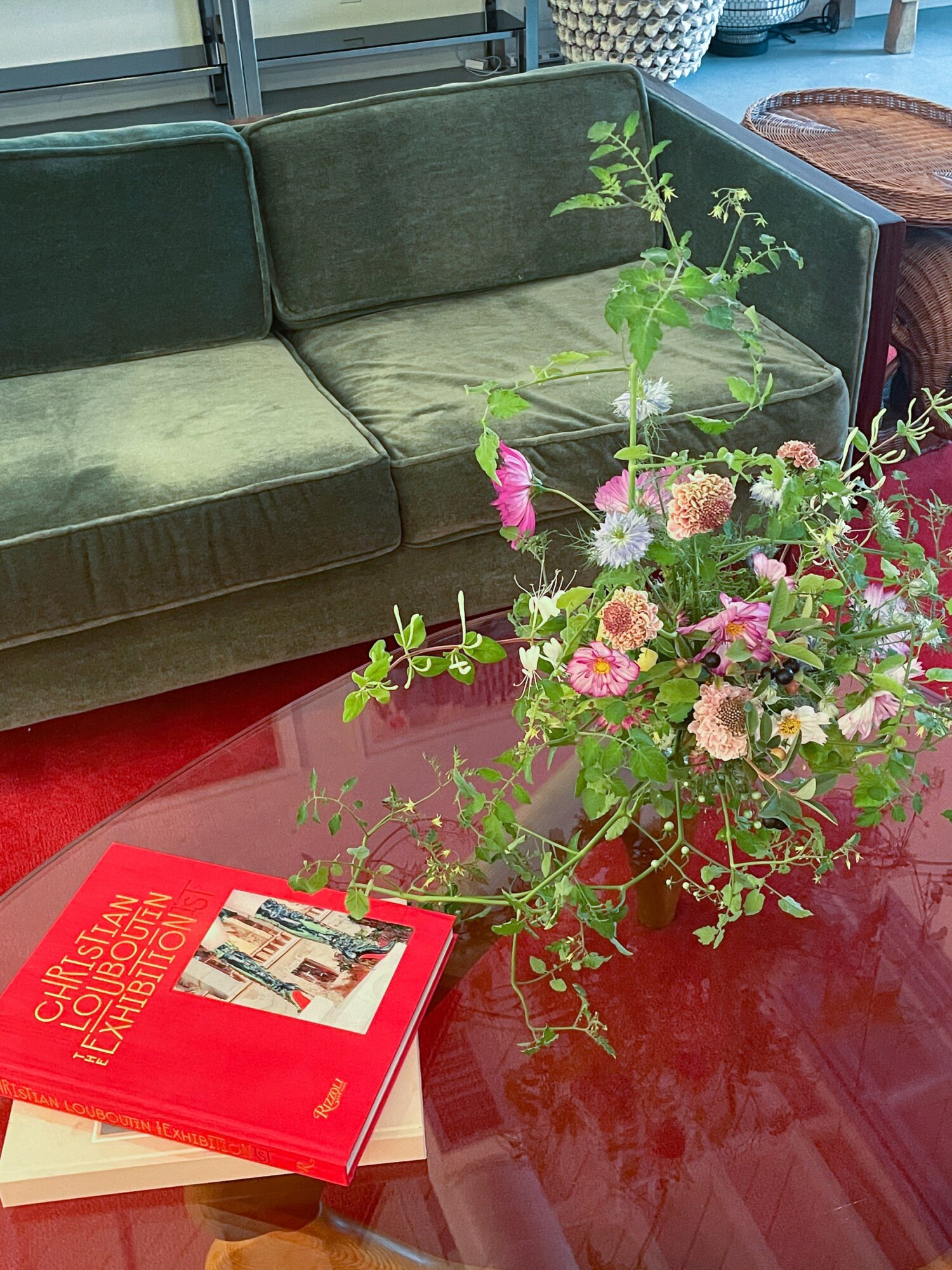
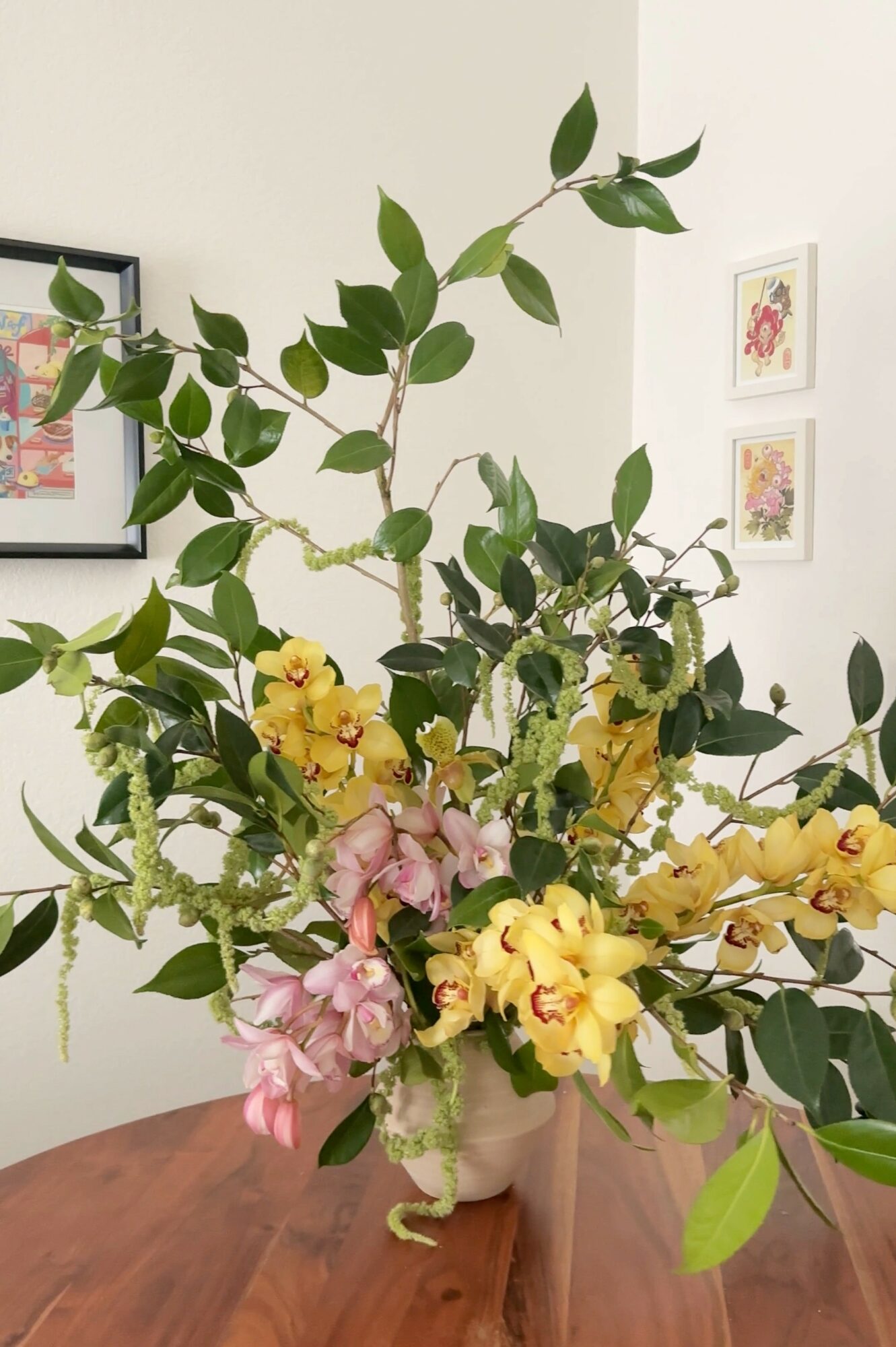
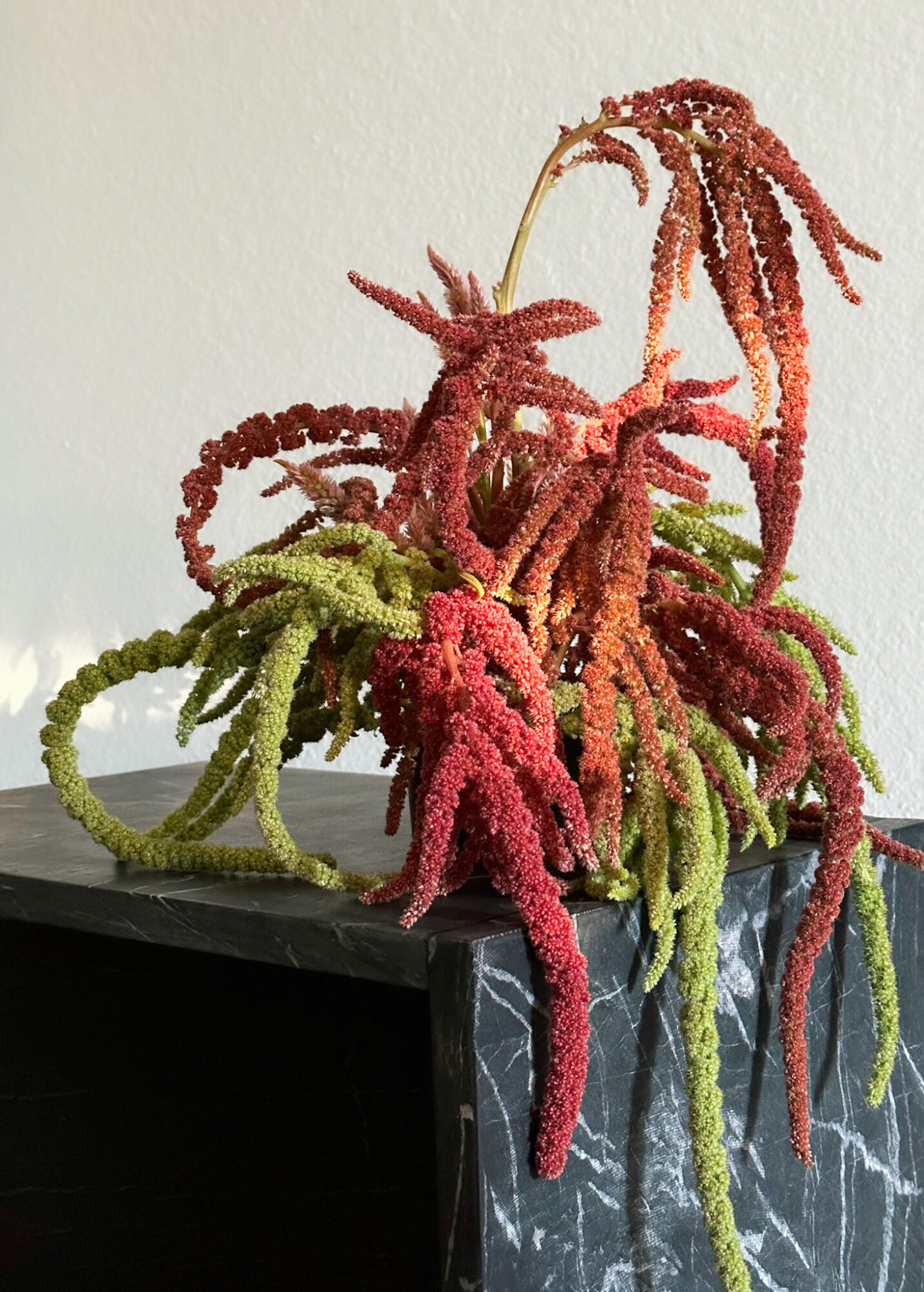
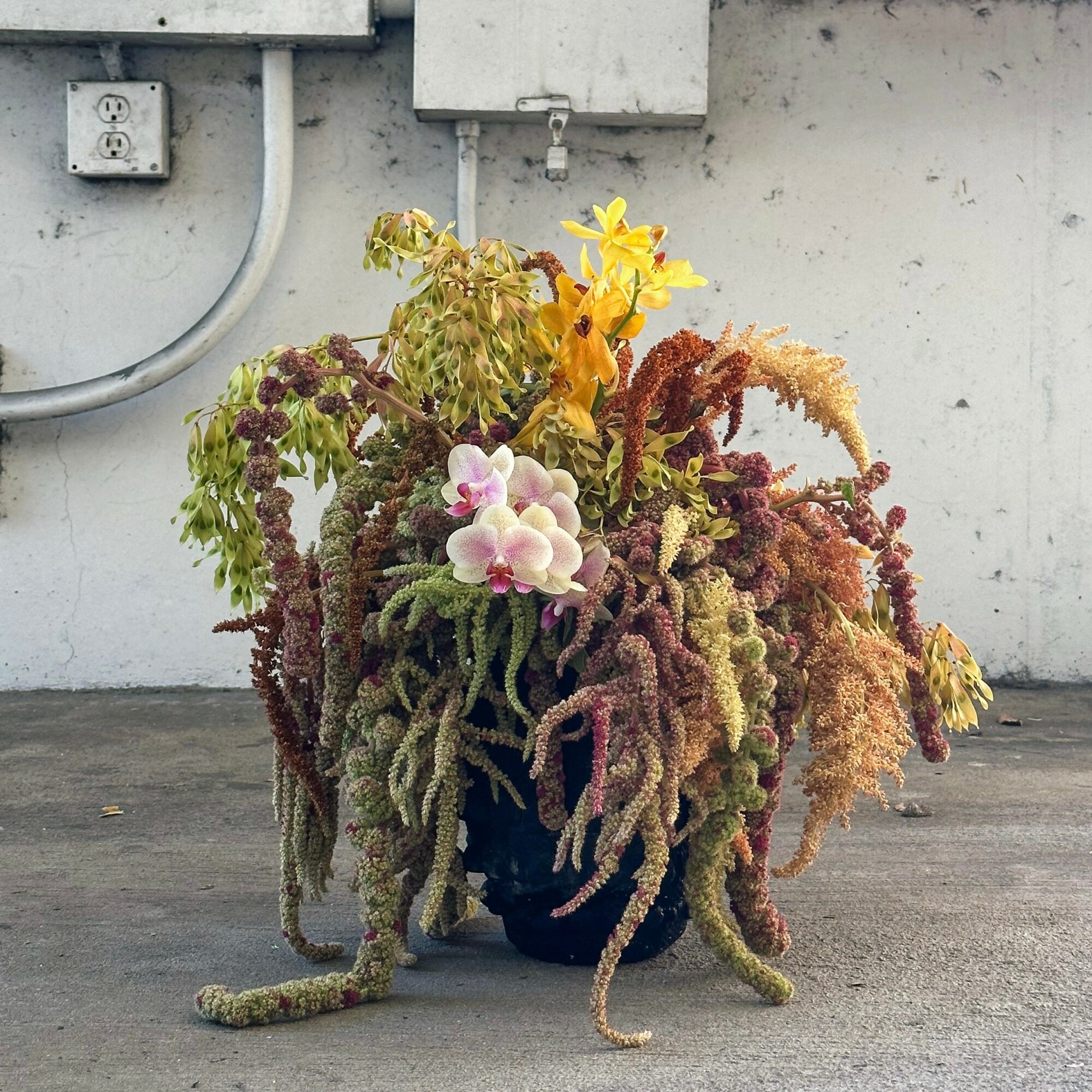
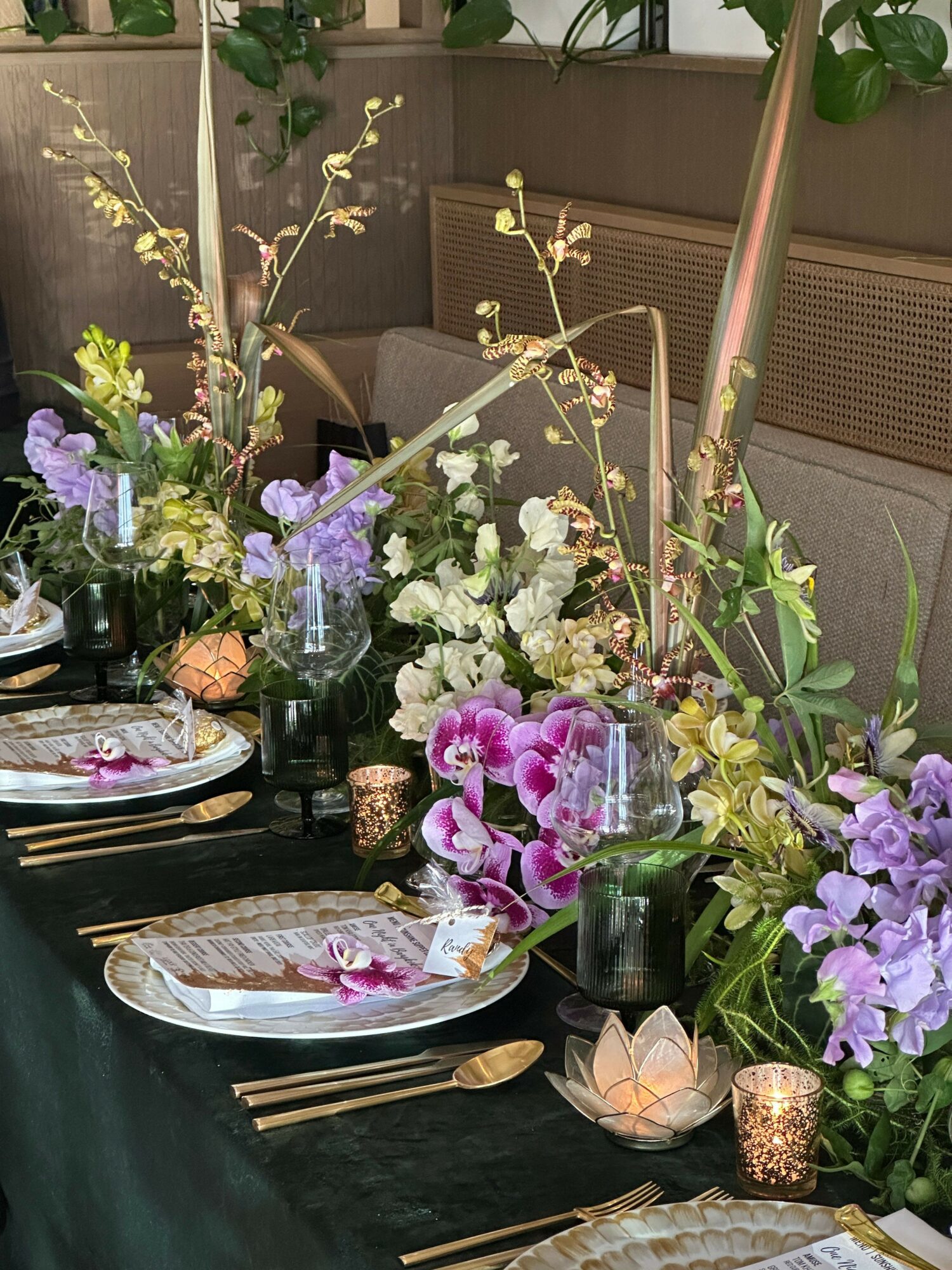
For me, floral design is about movement and mood. My work leans sculptural and intuitive—I’m drawn to shape, line, and texture more than symmetry or perfection. Or, it’s the idea that every stem you touch is perfect in its own way. There’s often a balance of tension and flow in my arrangements, like a push-and-pull between wildness and restraint. It’s less about “pretty” and more about creating something that makes you feel something.
But I also see my creative process in how I approach structure. I have a background in strategy and process improvement, so part of my creative work is also about supporting other florists—especially those working on big events—with the behind-the-scenes systems. I love helping people bring clarity to their workflows so they can focus on what they do best. In that way, my creativity is also logistical.
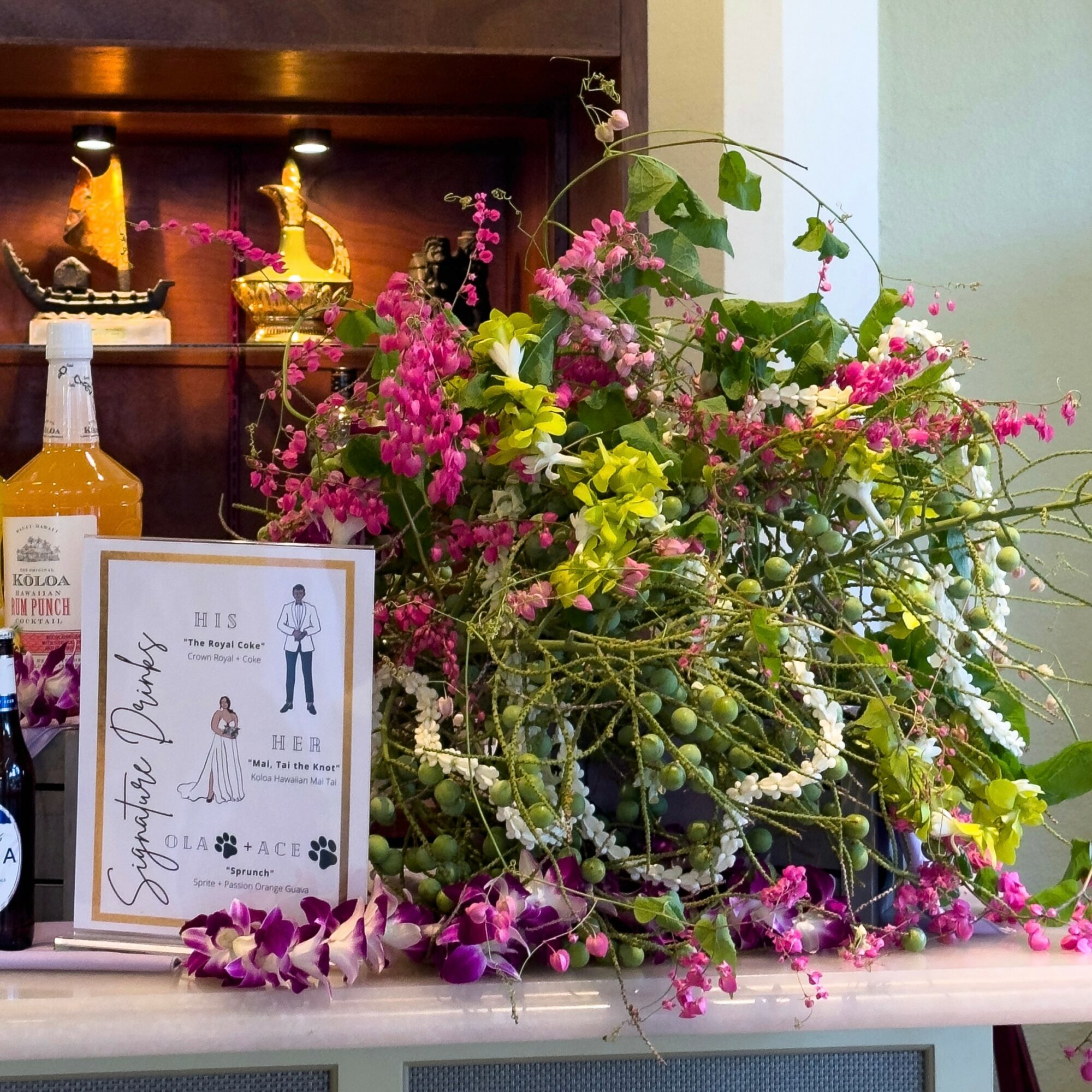
Sensitive Flora is a floral design studio offering both floral design and consulting. On the design side, I create one-of-a-kind arrangements and florals for intimate events, creative spaces, and editorial projects. On the consulting side, I help florists and event creatives manage the logistics of production—things like timeline planning, workflow assessments, and freelancer coordination.
I’m probably best known for my attention to detail and my ability to bring a calm, grounding energy to projects—whether I’m leading a floral install or supporting someone else’s vision behind the scenes.
What I’m most proud of is that I’m building something that feels true to who I am. Sensitive Flora isn’t about growing big or staying on trend—it’s about intentional design, real connection, and staying true to the heart of the work.
What sets me apart is that I’m both a creative and a systems thinker. I can build a wild, emotive arrangement—but I can also step in with a spreadsheet and help a florist streamline their production process. That combination feels rare, and it’s where I feel most in flow.
Risk taking is a topic that people have widely differing views on – we’d love to hear your thoughts.
I used to think risk meant doing something dramatic like quitting your job and going all in on something else. But over time, I’ve come to see risk as something more subtle. For me, the real risk has been choosing alignment over scale. Saying no to projects that don’t feel right. Turning down opportunities that don’t match the pace or values I want for my business.
It was also a risk to offer consulting before I really saw anyone else doing it in this way. But I felt strongly that there was a need for more structure and support behind the scenes in the floral world—and I trusted that if I could show up with care and clarity, the right people would find me.
Pricing:
- Intimate floral events (under 60 guests) typically begin at $2,500, with final pricing tailored based on scope and creative direction.
- One-of-a-kind arrangements start at $200, featuring seasonal blooms and intuitive design.
- Consulting services for florists and event creatives are available on an hourly or project basis. Support can range from workflow audits and production planning to onsite event logistics. Rates vary depending on the depth and timeline of the project.
Contact Info:
- Website: https://sensitiveflora.com/
- Instagram: https://www.instagram.com/sensitiveflora
Popular
-
Candice Swanson on Honoring the Sacred Early Days of Motherhood Through Intentional Photography
-

Michael Johnson on Telling Untold Stories of Identity and Leadership Through SQUAD
-

Owning the Narrative: Drew Dusterhoff Steps Into Power with Lincoln Must Die
-

Portraits of the Valley
-

LA’s Most Inspiring Stories
-

Finding Balance Through Art: Theresa Croft on Blending Music, Wellness, and Visual Storytelling into a Holistic Creative Identity


