




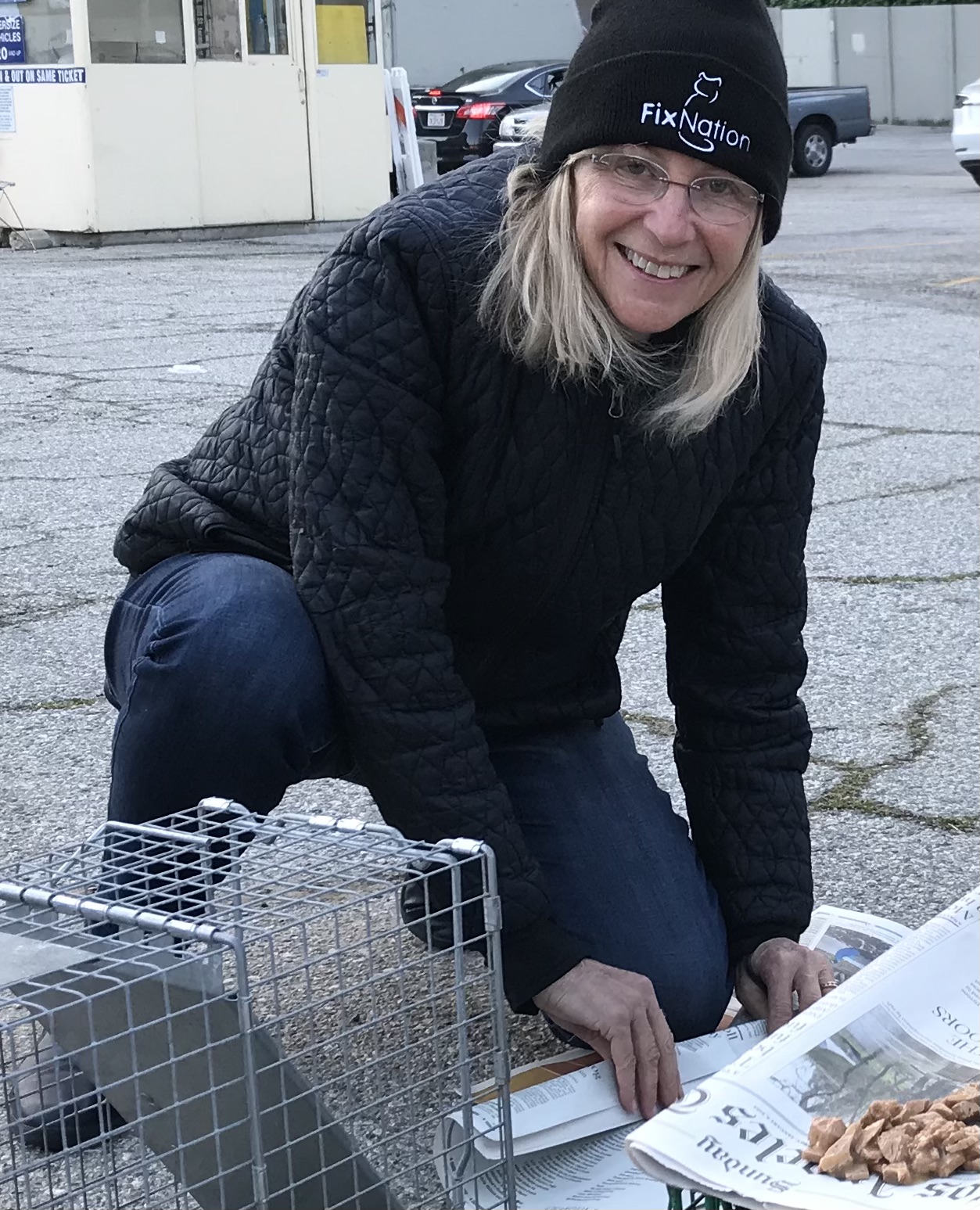
Today we’d like to introduce you to Karn Myers
Hi Karn, please kick things off for us with an introduction to yourself and your story.
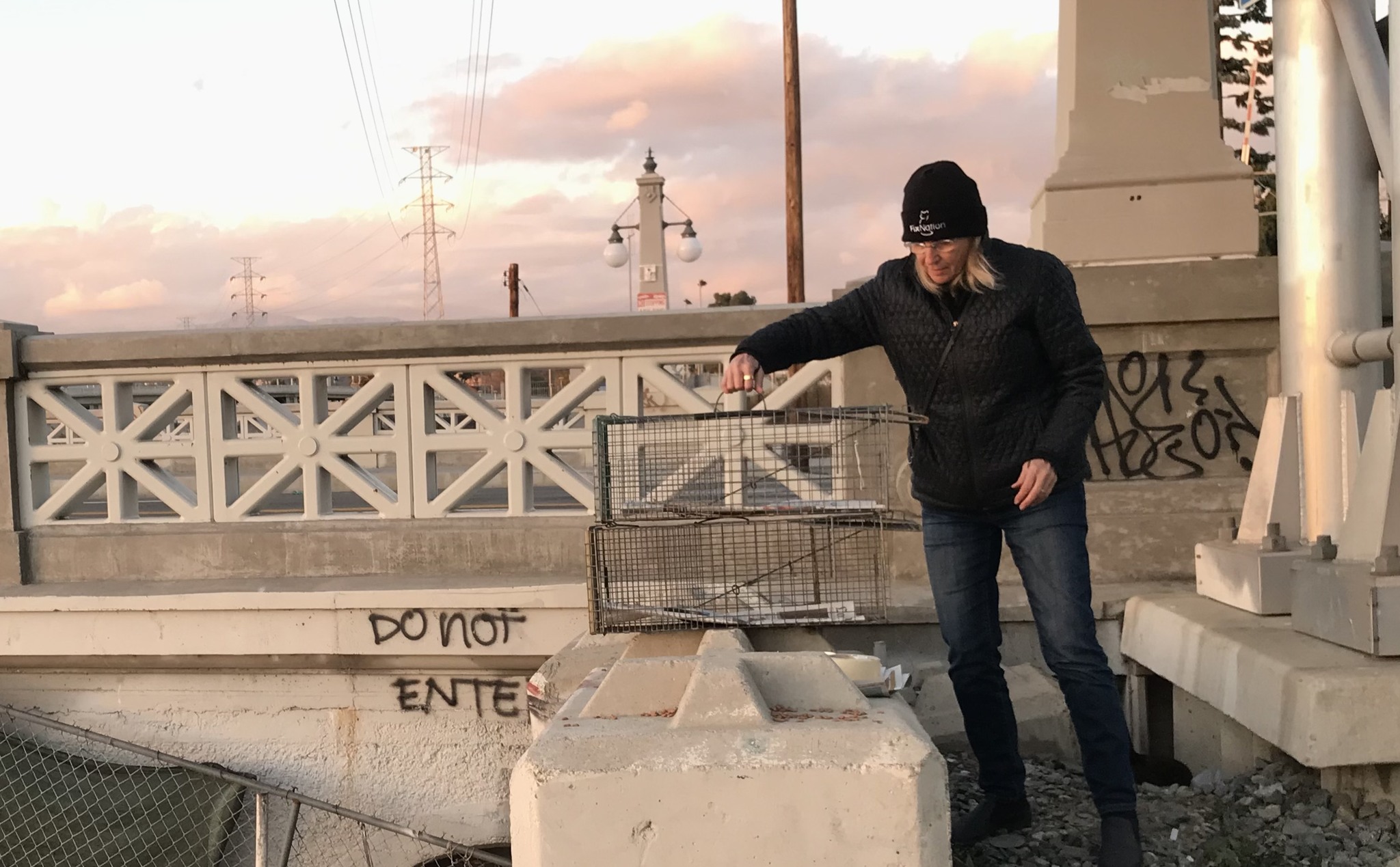
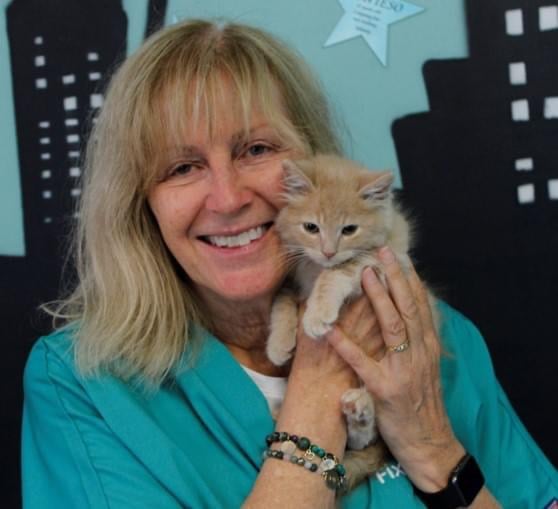
I’m the co-founder and Executive Director of FixNation, a LA-based nonprofit whose primary mission is to humanely reduce the population of homeless cats via Trap-Neuter-Return (TNR) and colony management. My team and I work hard to create a better world for cats and envisions a day when every tame cat has a loving home and every community cat is vaccinated, sterilized and cared for in their outdoor home.
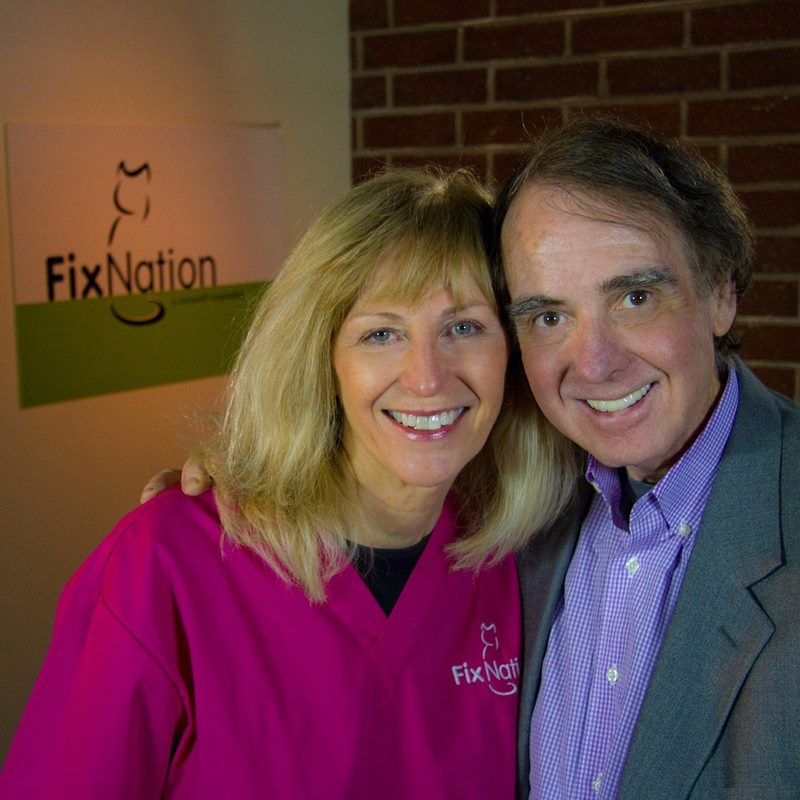
FixNation was founded by myself and my late husband, Mark Dodge, a corporate attorney. Our lives changed back in 1998, when I was working for a special effects company and noticed two women feeding a colony of feral cats in the adjacent property. I befriended the two caregivers and learned everything I could about the plight of homeless, stray and feral cats in Los Angeles. With the help of Mark’s research and networking expertise, we began working with others who shared their vision.
We launched Catnippers in October 1999, a bi-monthly, all-volunteer clinic that ultimately fixed more than 18,000 homeless cats. Yet despite the success of the Catnippers clinics, we knew we needed a permanent, full-time facility in order to make a genuine impact. In 2007, we launched FixNation, a 501c3 organization and the first facility of its kind in Los Angeles to provide free spay/neuter services for homeless cats.
FixNation also loans out humane traps, offers free TNR training, provides affordable services for companion cats and arranges partnerships with rescues to facilitate adoptions. FixNation’s protocols are now considered the gold standard for other high-volume spay/neuter clinics, and organizations across the US and around the world have turned to us for advice and mentoring.
Over the past 25 years, FixNation programs have sterilized nearly 270,000 cats. It’s a great achievement, one that Mark Dodge would have been incredibly proud of. Sadly, he died in 2013 after a courageous battle with ALS.
We all face challenges, but looking back would you describe it as a relatively smooth road?
One of my biggest challenges these days is the shortage of vets. Everyone is struggling to find vets, but FixNation is really struggling, because high-volume spay/neuter vets are super specialized. They’re like heart surgeons. Or unicorns! That’s how rare and precious they are. I support legislation like ACR 86, which will make it easier for vets and RVTs to come work in California.
Another huge challenge is the lack of funding for spay/neuter services, particularly for community cats. We need to stop the breeding. We need more resources for spay/neuter programs and more vets who are willing and able to do the job.
There are a lot of myths and incorrect information out there about community cats and about Trap-Neuter-Return programs. One is the mistaken belief that exterminating homeless cats will solve the overpopulation problem. Studies have shown that mass euthanasia is neither a humane nor an effective solution to controlling the homeless cat population. If all the homeless cats in any given community were taken away, it would create a vacuum in that will quickly be filled with more cats moving in. TNR programs focus instead on spaying and neutering community cats so the population naturally declines as the cats enjoy a better overall quality of life.
Another false belief is that adoption will solve the problem. If a kitten isn’t socialized from a young age, it will grow up to become a feral adult cat. Community cats will never be happy living inside a home with humans, so if these animals are picked up by animal control or taken to a shelter, they are not put up for adoption and most will end up euthanized. TNR programs, by contrast, focus on sterilizing homeless cats and returning them to their original location to live out the rest of their natural lives.
TNR improves the lives of community cats, addresses the complaints and concerns of community members and stops the endless breeding cycle. Getting cats ‘fixed’ before returning them to their familiar territory stops their population from growing and prevents a vacuum in the ecosystem that draws other ferals, making it a much more effective and humane method of control than extermination. TNR programs are vital to responsible and compassionate animal welfare. By understanding and supporting these practices, we can humanely significantly reduce the number of homeless cats while ensuring their health and safety.
Appreciate you sharing that. What else should we know about what you do?
FixNation’s TNR program has helped to humanely reduce the population of community cats, which greatly decreases the number of cats brought into overcrowded local shelters. The key to FixNation’s success: every community cat brought to the clinic receives spay/neuter services and basic medical care FREE of charge.
FixNation programs have fixed nearly 270,000 cats over the past 25 years, primarily community cats but a considerable number of pet cats as well. That’s a big number, but keep in mind that the actual impact is actually far greater. Let’s say 100,000 of those 270K cats were female community cats. If they hadn’t been spayed, each would most likely have had at least 2 litters of 4-6 kittens each. That adds up to a conservative estimate of about a million cats that our tiny team have prevented from being born, not to mention all their offspring, and their offspring and their offspring, and so on and so on.
Alright, so to wrap up, is there anything else you’d like to share with us?
My husband always said that we have a moral obligation to help animals, particularly those that were domesticated by humans. It’s now our duty to look after them and give them the best life possible. Spay and neuter is the only solution and that’s my biggest challenge of all, getting people to understand that and empowering them to do something about the welfare of innocent animals.
Contact Info:
- Website: https://fixnation.org
- Instagram: https://www.instagram.com/fixnation/
- Facebook: https://www.facebook.com/FixNationLA
- Youtube: https://www.youtube.com/user/FixNationClinic
- Yelp: https://www.yelp.com/biz/fixnation-los-angeles
Popular
-

Greg Hex Is Turning the Everyday Kitchen Knife Into a Modern Design Object
-

Portraits of the Valley
-

LA’s Most Inspiring Stories
-

Rick Norris Learned That Building a Successful Business Means Building a Life You Actually Want to Live
-

How Olivia Rush Turned Survival Into a Mission to Help Others Keep Going
-

How Bibi Goldstein Is Helping Entrepreneurs Reclaim Their Time by Embracing the Power of Delegation


