




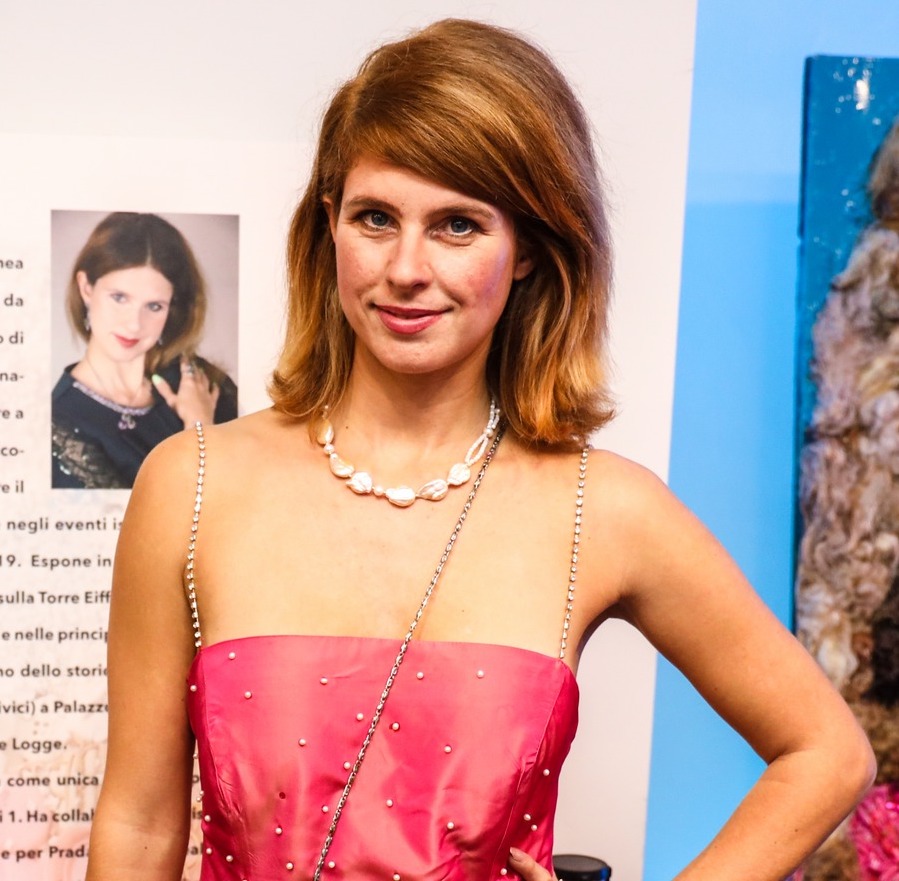
Today we’d like to introduce you to Letizia (art Name Lady Be) Lanzarotti
Hi Letizia (art name Lady Be), can you start by introducing yourself? We’d love to learn more about how you got to where you are today?
I believe that when we are born we already know what we will become, and I feel that I was born with a paintbrush in my hand. One of the first memories I have is of a day at the nursery. While I was drawing, my young friend came to me and said: “The flower you are drawing is too big”. At that moment, I remember thinking: “Why is she saying that? I am good at drawing, I know what I am doing”. After finishing primary school, I attended an art school and then a fine art academy. What I like of my profession is that I always knew that I wanted to pursue it. I studied to become an artist and, since I was born, I never thought of becoming anything else but an artist.
The first artwork I have completed when I was 19 was the portrait of Marilyn Monroe. It was made with all those items that, although they had lost their original function, I did not want to throw away.
Today I do Contemporary Mosaics totally made of little pieces of plastic and toys, recycled objects, pencils, jewels, plastic cutlery, plastic caps, buttons. I am the inventor of my technique, and I coined the name of Contemporary Mosaic, although at the beginning I used it more to explain how my works of art are made. The definition of Contemporary Mosaic was later confirmed by art critics, experts, historians and gallery owners who, over the years have worked with me to make my works known. Among the critics that wrote about my art: Dr. Francesco Saverio Russo, Dr. Salvatore Russo, Sandro Serradifalco, Paolo Levi, Prof. Nuccio Mula. Dott. Adolfo Carozzi, curator, historian and gallery owner, is taking care of an important publication about Mosaics in which he explains the history of mosaics until nowadays, talking of my art as the new frontier of the mosaic. Many articles, newspapers, catalogs and magazines talks about my art as “Mosaic 2.0” or, “the new mosaic”. The plastic materials that I use are part of me. I always keep every little thing, because I am very attached to memories, but more importantly, because I have always been taught that things should not be thrown away, as long as they work.
I’m sure it wasn’t obstacle-free, but would you say the journey has been fairly smooth so far?
Italy has a very important art history, but nowadays our country does not foster art, and being an artist in Italy today is really difficult. We have to pay sky-high taxes and there is a lot of competition: if we include both those who do it as a hobby and as a profession, it is estimated that there are about a million artists in Italy, so approximately 1 in every 60 people. Further to this, Italy is the third worse country in Europe for corruption. In our daily practice, it is obvious that one must have connections in order to move forward and that we have no meritocracy. Our institutions are in a critical state and are not able to help, so we all have to fund our work with our own money. I live in Dorno, a small town in the north of Italy, since I was born. Because of its small size, everyone knows everyone there and many family friends and even some schools help me to collect the recycled materials, objects and small toys that I need for my work. The advantage of living there is that I have a big house, so I can work in the open air and in large spaces when I have to create big artworks. It is a peaceful village and a relaxing place, although it can be a little foggy and cold in winter. I also have a small flat, which is my registered studio, not far from the city centre of Rome, 500 km away from Dorno. Rome is right in the middle of the country and it is a large city, full of history and art. Unfortunately, it is badly preserved and its art scene is very commercial and neglected by the general public. This further location allows me to have everything I need for my art available at a stone’s throw, including many fine art and DIY shops and a lot of flea markets where I can buy the plastic objects I use in my artworks. Rome is also well connected to the rest of Italy and to the world, which is convenient since at the moment I am travelling a lot for my exhibitions and events.
Alright, so let’s switch gears a bit and talk business. What should we know about your work?
I am specialized in portraits. I portrayed celebrities from the world of cinema and music such as Marilyn Monroe, Audrey Hepburn, Steve McQueen, Madonna, Freddy Mercury, David Bowie, Elvis Presley, The Beatles, Paul McCartney and John Lennon as solo artists (in fact, my name “Lady Be” was inspired by its assonance with the song “Let it be”, that is very important for me), cartoons like Pinocchio or Batman, some political icons such as Che Guevara, Mao Tse-tung, Benito Mussolini, and Hitler, our Former Italian Prime Minister Silvio Berlusconi, and some fashion brands like Elio Fiorucci’s dwarf and the logo of the leather manufacturer Braccialini. I also create portraits on request. What I prefer to do, however, is to portray iconic artists, because I hope that one day their faces will become known to the public as much as those of personalities of cinema, politics and music. There are not many artists whose face is known by everyone and not only by art lovers. I believe that artists should be remembered as they are and not only through their artworks, because their life, their personality and even their physical appearance, especially for pop artists, is important.
The plastic materials that I use are part of me. I always keep every little thing, because I am very attached to memories. The recycled material, that has lost its original function, in my works acquires the function of “colour” and this way it earns a higher status as part of an art object. These are things that people throw away, one could say that they are rubbish, but at the same time they could be defined as Pop, since they are objects that we all know and recognize as part of our everyday life. Through my art, I want to send a message in support of recycling and sustainability, making people aware of the fact that everything can have a second life and can be recycled in many ways, and that even garbage, the most humble matter, can become the thing that more than anything else elevates us spiritually: Art.
Is there something surprising that you feel even people who know you might not know about?
As I said, my art is defined “Mosaic”, but no one could imagine that I have never studied mosaic, but using my technique I feel like painting! I used to say that my art, what I call “Lady Be Art”, for me is painting with plastic pieces. I have studied and I know how to create good figurative paintings, but for years now I have been replacing paints with plastic trinkets. With them, I can obtain shadows, lights, perspective, depth, distinct expressions and all the nuances and chiaroscuro I could create using a brush, because the materials I use cover a whole range of colours. Of course, this process requires a long and hard work of research and preparation. I collect the objects from different sources (flea markets, e-bay, friends, schools, or even finding them myself on the seashore) and then I split them by colour. Finally, I cut and model them, and split each colour into different shades. The result are as many bins full of objects separated by colour, and for each colour a full palette of shades ready to be used when the time comes to glue the pieces on the preparatory drawing on the table. What I would like to underline is that my material is never coloured after I compose the art piece. Each object is kept in its original colour, because I want people to recognize it as it is and therefore it must not be altered in any way. Rightly enough, many art critics and art experts define my art as “contemporary mosaic”; mosaic is an art with an ancient origin, that is originally interpreted by me with objects typical of this time and that will remain as witnesses of this era. So, gender-wise, my art is closer to mosaic than to painting and sculpture, although when I am creating it I feel like I am painting.
Pricing:
- Artwork size 40 x 40 cm: 1200 €
- Artwork size 60 x 60 cm: 1800 €
- Artwork size 80 x 80 cm: 2400 €
- Artwork size 100 x 100 cm: 3000 €
- Artwork size 120 x 120 cm: 3600 €
Contact Info:
- Website: http://www.ladybeart.com
- Instagram: https://www.instagram.com/letizialadybe/
- Facebook: https://www.facebook.com/ladybeart
- LinkedIn: https://it.linkedin.com/in/lady-be-790415128
- Twitter: no
- Youtube: https://www.youtube.com/user/Ladybeartstudio/videos
- Yelp: no
- Soundcloud: no
- Other: no
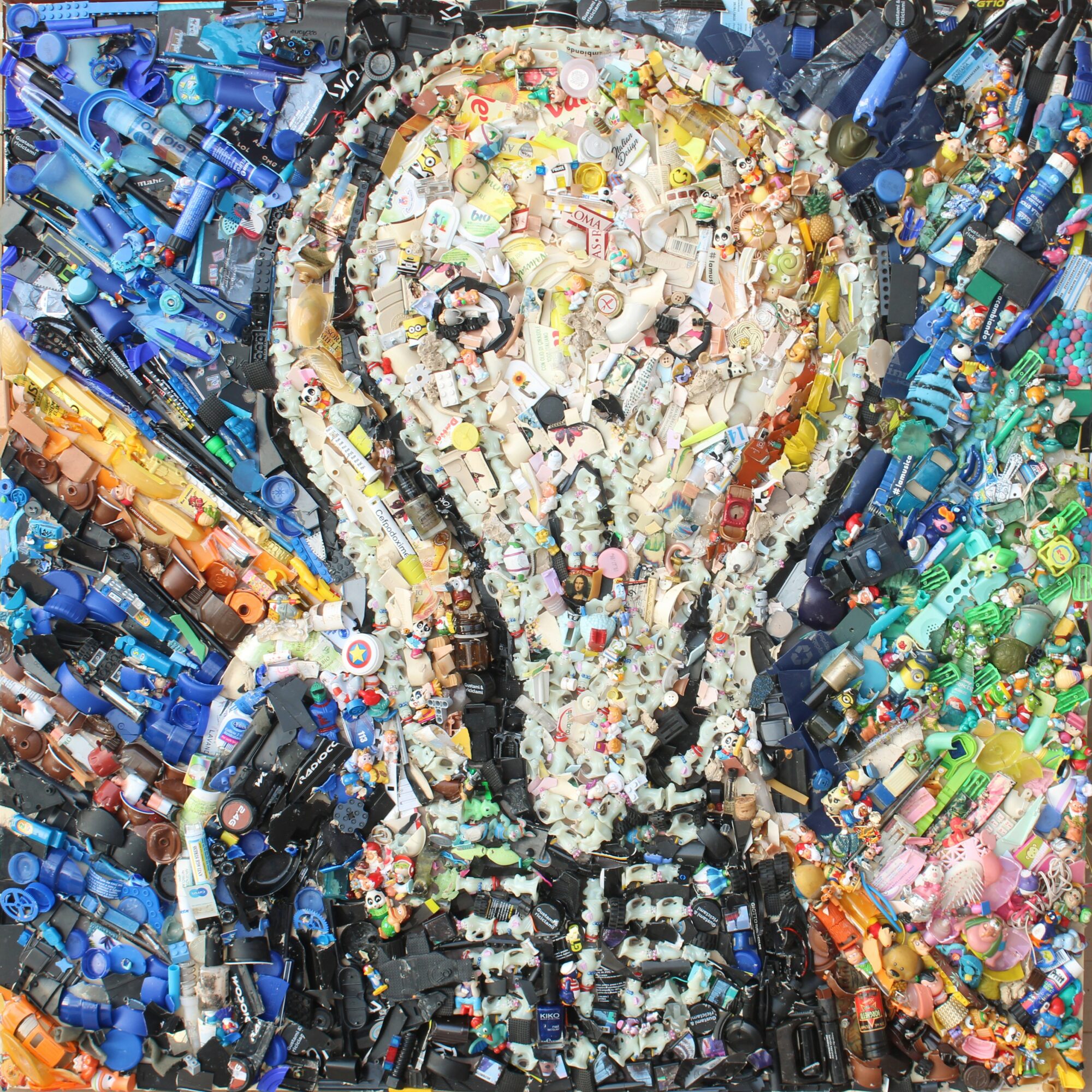
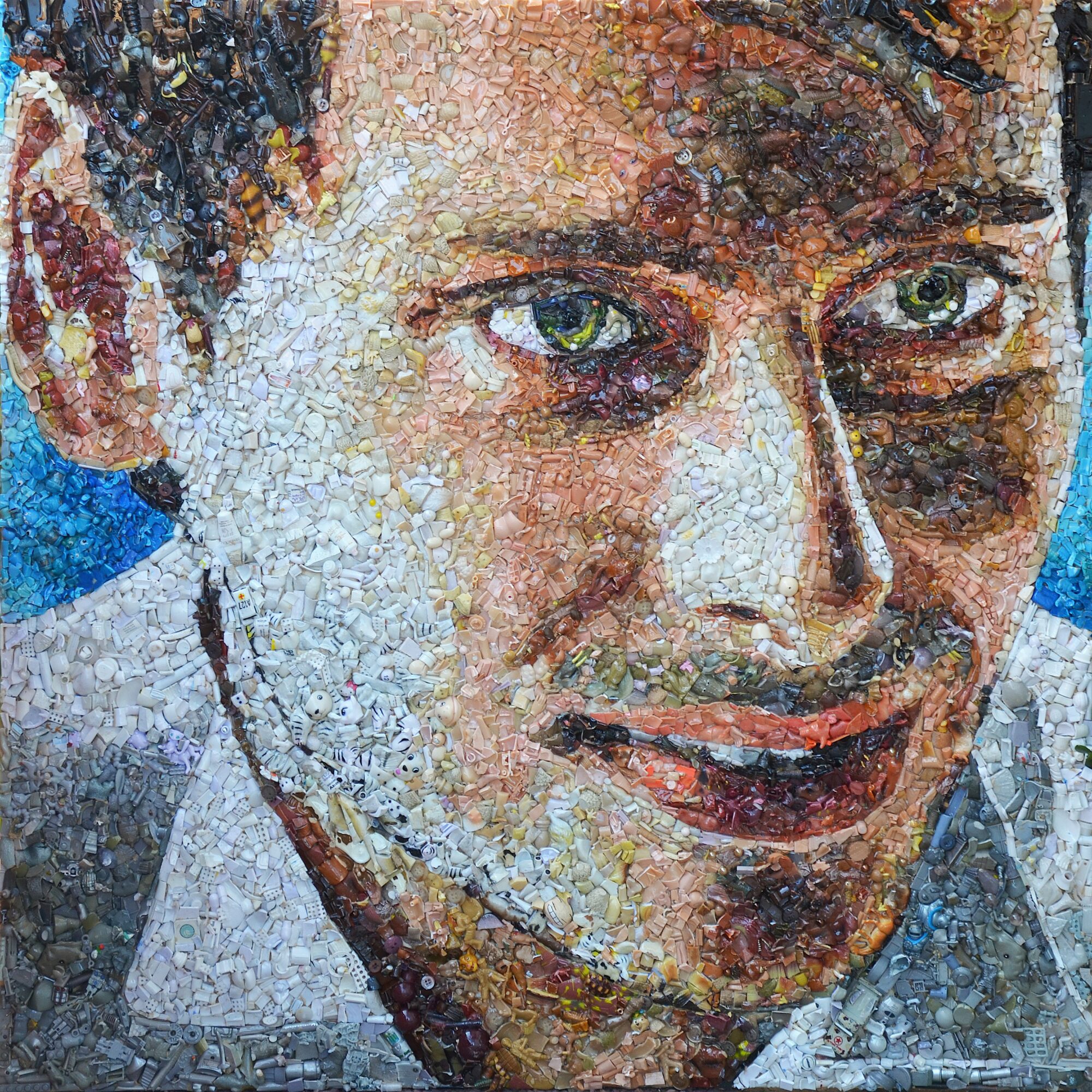
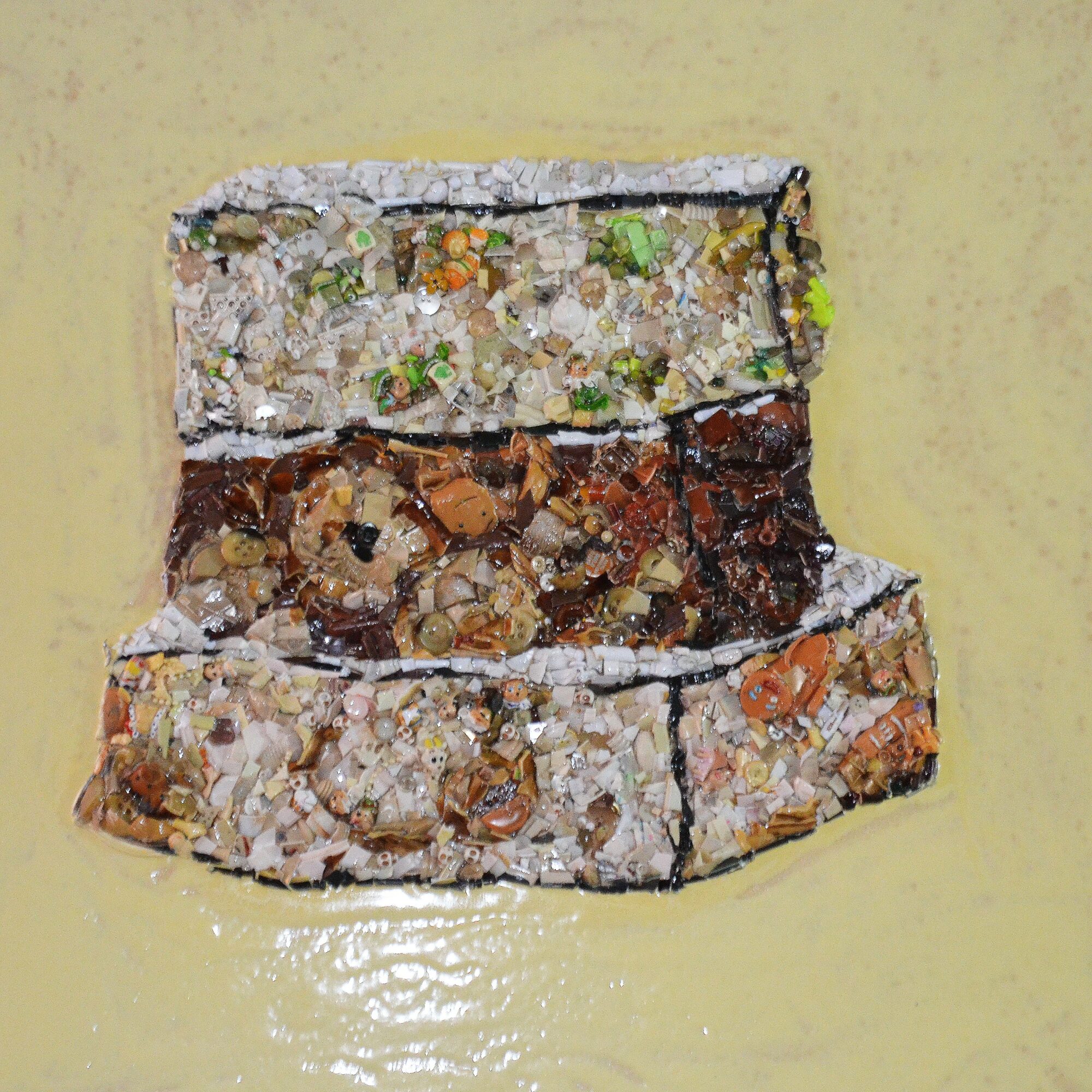
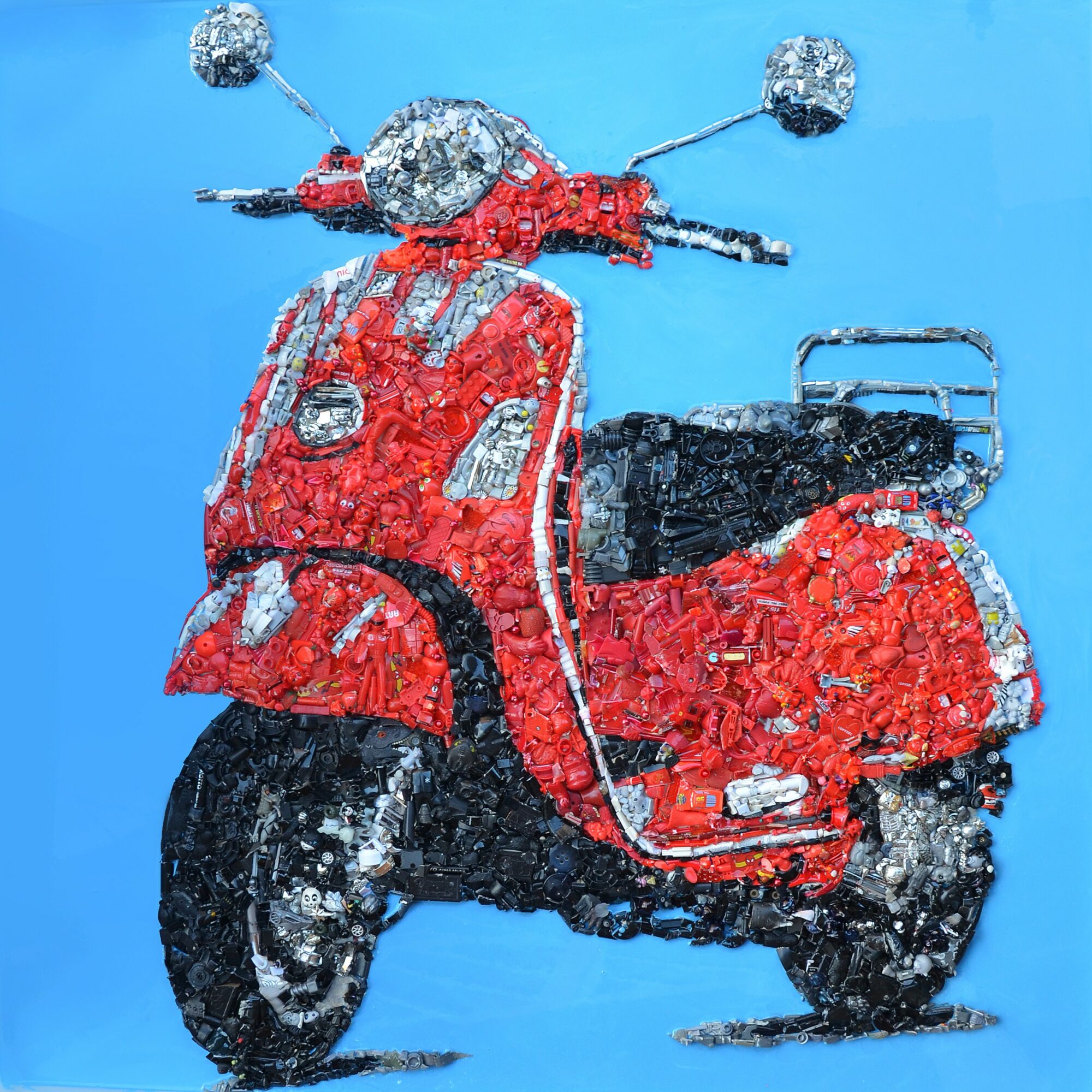
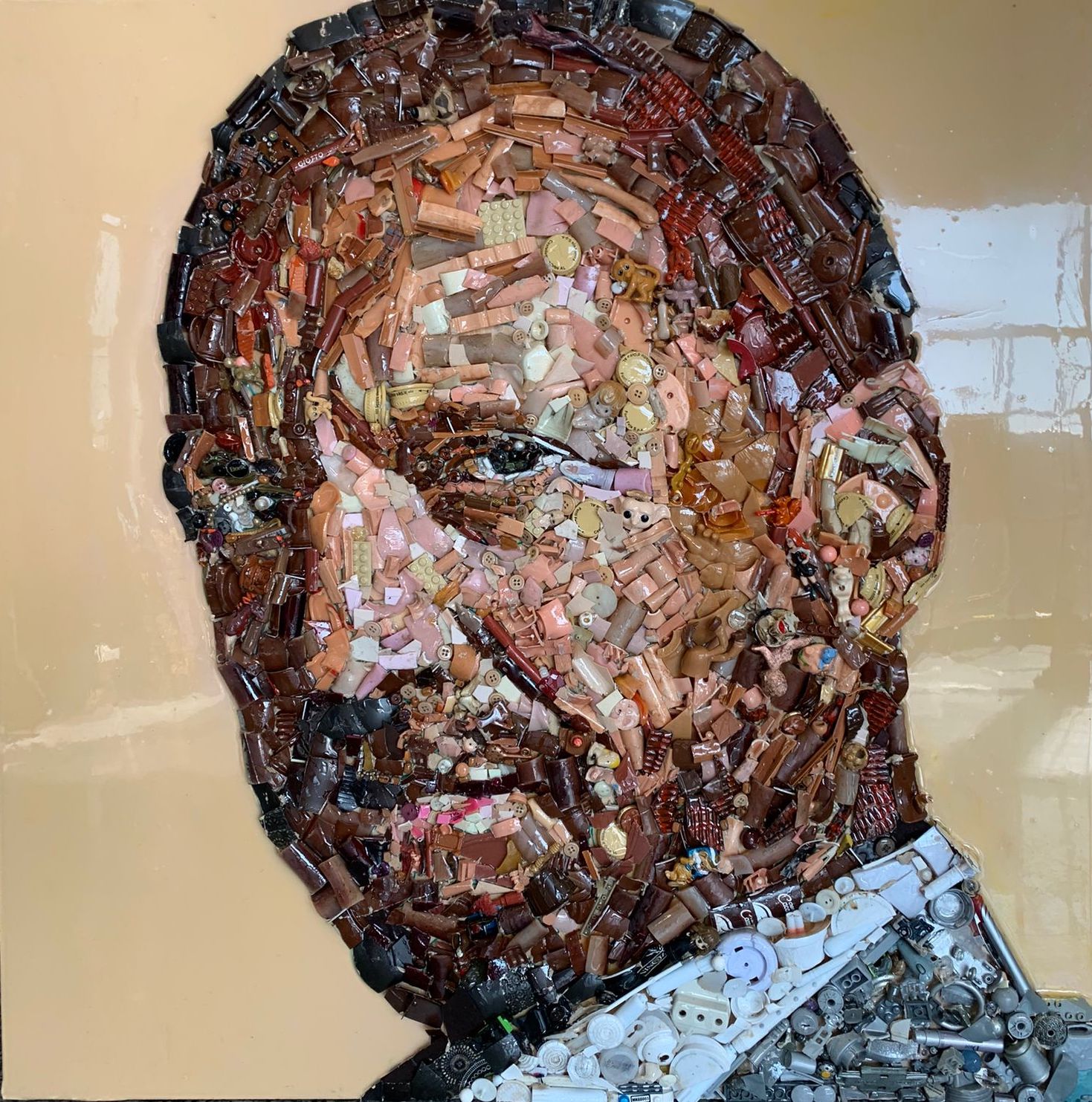

Image Credits
Pieretta Passerini
Popular
-

Portraits of the Valley
-

LA’s Most Inspiring Stories
-

Robin Olive on Building an Inclusive Performing Arts Movement and Expanding Opportunities for Every Student
-

Que Johnson on Building Brands That Last: From Visibility to True Market Authority
-

Christina Wren Steps Into the Director’s Chair to Tell Stories That Feel Like Home
-

JordanL on ‘Breathe,’ Belief, and Building a Movement Beyond the Music


