



Today we’d like to introduce you to Bonan Li
Hi Bonan, it’s an honor to have you on the platform. Thanks for taking the time to share your story with us – to start maybe you can share some of your backstory with our readers?
I’ve always believed that clothing is more than just something we wear—it’s a contemplative space that allows us to explore identity, culture, and our connection to the natural world. My journey in fashion began with my studies at the Beijing Institute of Fashion Technology and later at Parsons The New School, where I developed my design philosophy and passion for creating works that transcend traditional boundaries.
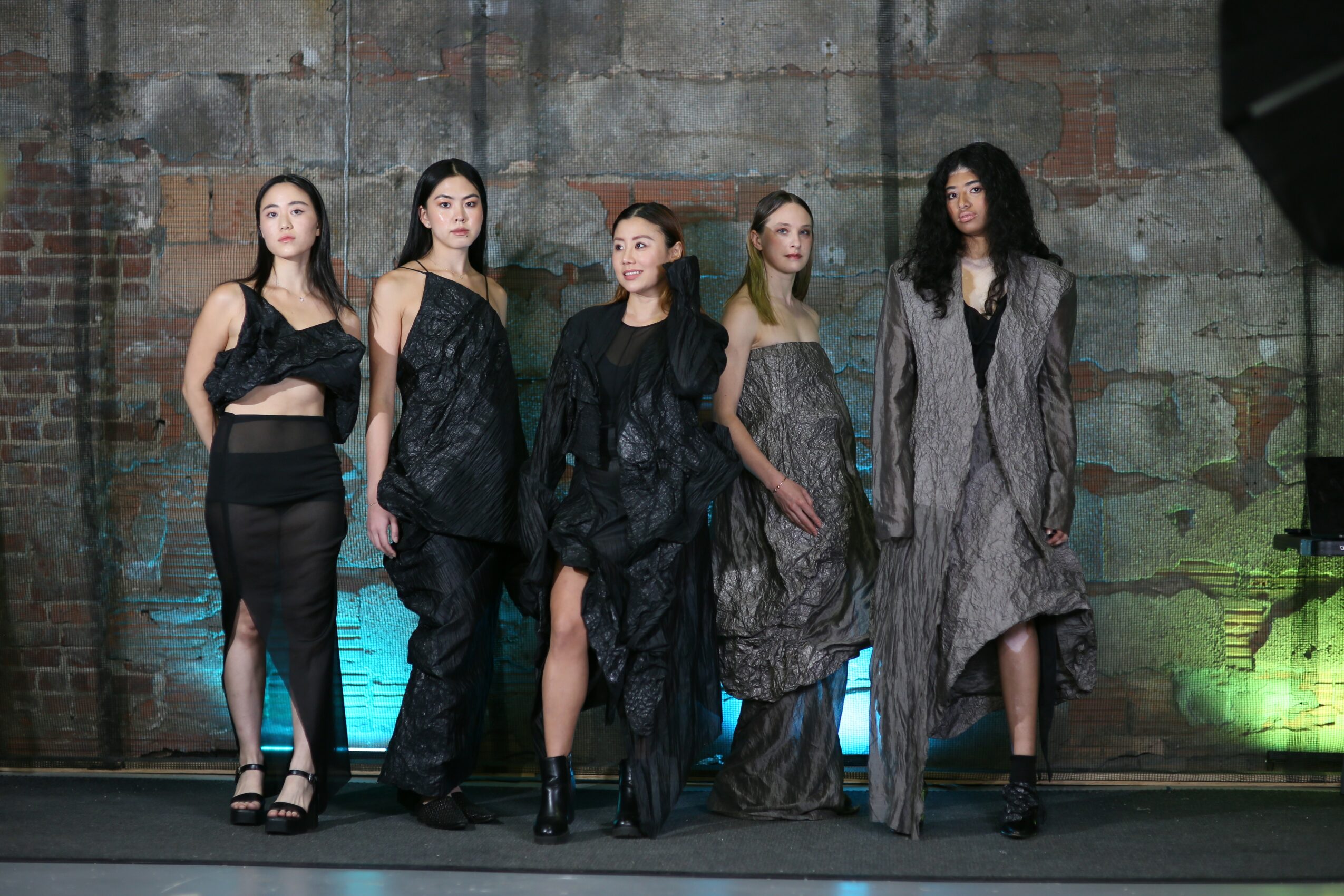
In 2024, I leaped to launch my eponymous brand- Bonan Li-a bold move allowing me to embrace my creative vision fully. This November, I unveiled my latest collection, Floating Landscape, at a special showcase held at Mad Under in Chelsea, New York. This event was particularly meaningful because it highlighted the inclusivity of my designs. Instead of professional models, I collaborated with inspiring women from various industries and walks of life—individuals who embody strength, intelligence, and individuality. Through this partnership, I wanted to demonstrate how my clothing is not confined to conventional standards but instead celebrates the diversity of the human experience.
The Floating Landscape collection is deeply personal, inspired by themes of transience, void, and the poetics of nature. It reflects my ongoing exploration of Eastern aesthetics and philosophy. Seeing my work come to life through such a diverse group of women was an incredibly rewarding experience, and it reaffirmed my belief that fashion has the power to bridge cultures, identities, and ideas.
As I continue to develop my brand, I’m committed to creating designs that invite people to connect with themselves and the world around them in meaningful ways. For me, clothing is not just about aesthetics—it’s a way to tell stories, challenge norms, and celebrate humanity in all its forms.
I’m sure it wasn’t obstacle-free, but would you say the journey has been fairly smooth so far?
The road to where I am today has been anything but smooth, especially as I’ve chosen to focus on sustainable fashion—a path filled with both challenges and opportunities for innovation. My commitment to creating designs that are not only aesthetically compelling but also environmentally responsible has required constant experimentation, learning, and problem-solving.
One of the key challenges has been sourcing sustainable materials. Balancing the procurement of raw materials with production needs while minimizing waste is a complex equation. For example, deciding how to incorporate deadstock fabrics effectively while ensuring enough consistency and quality for a cohesive collection is an ongoing puzzle. Additionally, the integration of new recycled materials presents its own set of difficulties, particularly in terms of scaling up production. Sustainable textiles often come with limited availability or require extensive research and testing before they can be seamlessly integrated into designs.
Another significant hurdle lies in development. One of my goals is to implement zero-waste design techniques on a larger, more industrial scale. While this approach has been effective in small-scale, bespoke collections, adapting it for collaboration with factories requires rethinking traditional manufacturing processes. This involves not only redesigning patterns to eliminate waste but also convincing industry partners to embrace these methods, which may initially seem less efficient or profitable within standard production frameworks.
Despite these challenges, I see them as opportunities to drive meaningful change. Every obstacle pushes me to innovate and explore new ways of thinking about fashion as a holistic system, from material sourcing to garment construction to consumer engagement. It’s not just about the final product—it’s about reshaping how we approach design and production in ways that prioritize longevity, versatility, and ecological impact.
This journey has taught me that sustainability is a continuous process, not a fixed destination. It requires collaboration, creativity, and resilience. While the challenges are substantial, I believe they are worth confronting to create a future for fashion that aligns with both environmental and social responsibility.
Thanks for sharing that. So, maybe next you can tell us a bit more about your work?
My work revolves around using fashion as a medium to explore self-identity, cultural narratives, and our deep connection to nature. I specialize in sustainable fashion design, creating clothing that not only tells a story but also challenges traditional notions of gender, power, and human interaction with the environment. What sets my work apart is my commitment to treating garments as contemplative spaces—dynamic extensions of the body that encourage introspection and connection.
My designs are heavily influenced by Eastern aesthetics and philosophy, particularly the concept of jian, which emphasizes simplicity, mindfulness, and the beauty of emptiness. This approach informs everything from the silhouettes I create to the materials I choose, resulting in pieces that balance functionality, elegance, and sustainability. I strive to design clothing that resonates with the wearer on a sensory and emotional level, evoking themes of transience, void, and the poetry of nature.
One of my proudest achievements this year was the release of the Bonan Li capsule collection, Floating Landscape, which debuted at Mad Under in New York. The show was a collaboration with inspiring women from diverse industries, showcasing the inclusivity and adaptability of my designs. It was a moment that beautifully encapsulated my vision: fashion as a bridge between individuality and universality, honoring both human diversity and our shared existence.
What truly sets me apart is my dedication to sustainable practices. From experimenting with zero-waste design techniques to exploring how recycled and deadstock materials can be transformed into high-quality garments, I am constantly pushing the boundaries of what fashion can be. Sustainability is not just a feature of my work—it’s the foundation of my creative process. My aim is to merge artistry with responsibility, crafting pieces that are not only beautiful but also mindful of their impact on the world.
Above all, I take pride in creating designs that transcend trends and encourage meaningful connections—with oneself, with others, and with the natural world. For me, fashion is a powerful tool for storytelling and transformation, and I’m honored to be part of this evolving journey.
Can you talk to us a bit about the role of luck?
Luck, in its many forms, has played an undeniable role in shaping my life and career. I see luck as a mix of opportunities, timing, and the ability to recognize and seize those moments when they come along. While good luck has certainly opened doors, such as meeting the right mentors or being featured in key exhibitions, it’s often been paired with a readiness to act and a deep commitment to my work.
For instance, when I launched the Bonan Li capsule collection, Floating Landscape, earlier this year, I was fortunate to collaborate with an incredible venue like Mad Under and connect with inspiring women from various industries to bring my vision to life. That opportunity felt like good luck, but it also required years of building relationships, refining my craft, and staying true to my creative philosophy to make it happen.
On the other hand, I’ve also faced what some might call bad luck, especially in my journey toward sustainable fashion. There have been moments when supply chain issues, material shortages, or failed experiments with new techniques threatened to derail my progress. For example, I’ve had to navigate the challenge of sourcing sustainable materials that meet my design standards or face delays when implementing zero-waste methods at scale. These experiences have taught me resilience and adaptability—turning setbacks into lessons and using constraints as fuel for innovation.
Ultimately, I believe luck is only one part of the equation. What matters most is how we respond to it. Good luck creates opportunities, but hard work, persistence, and a clear vision are what allow us to make the most of those moments. Similarly, bad luck can serve as a catalyst for growth if we embrace it as part of the creative process. For me, every twist of fate has shaped not just my work but also the way I approach life—with gratitude, curiosity, and a willingness to keep moving forward.
Contact Info:
- Website: http://bonanli.com
- Instagram: https://www.instagram.com/bo_nan_li/
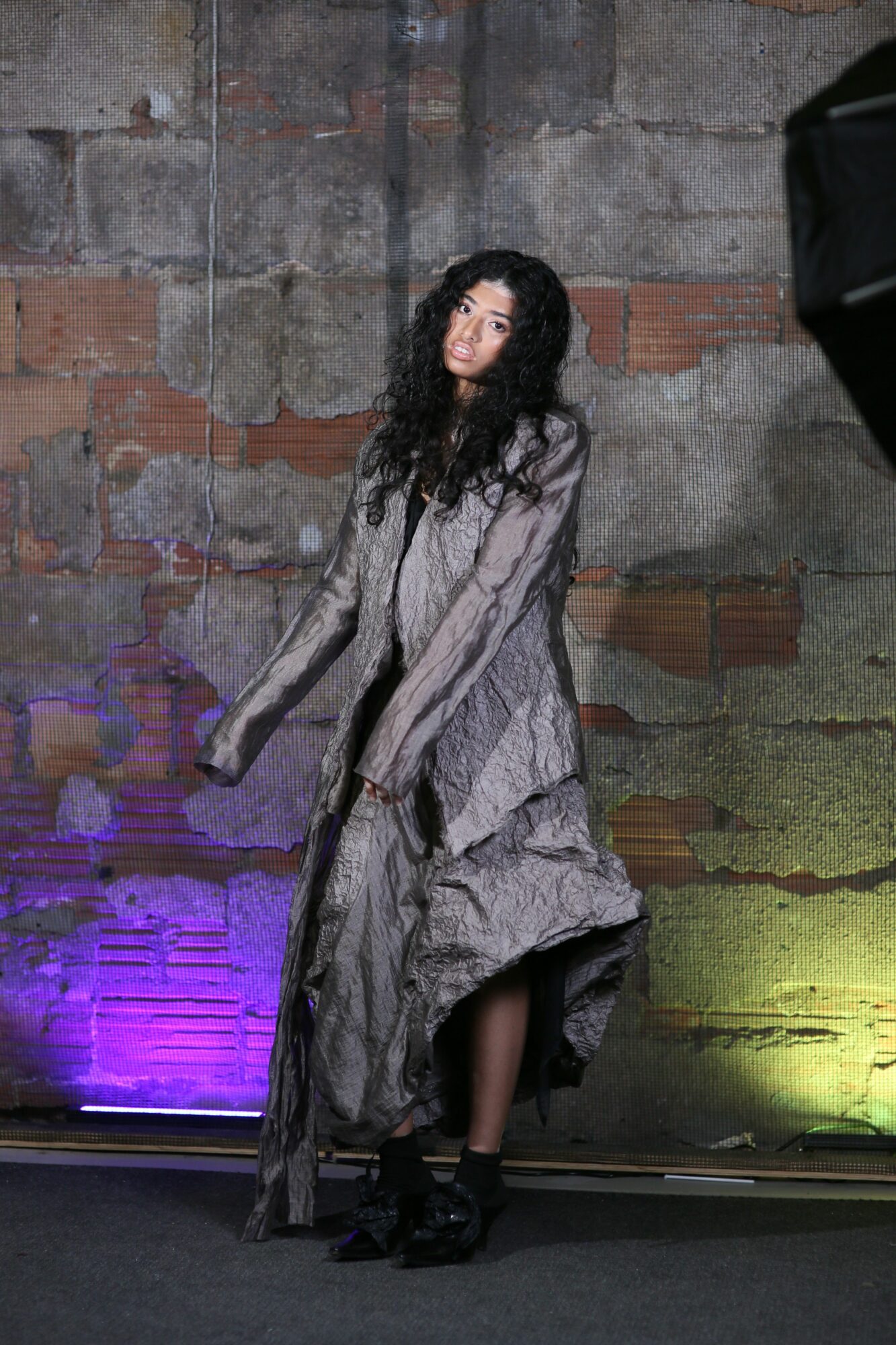
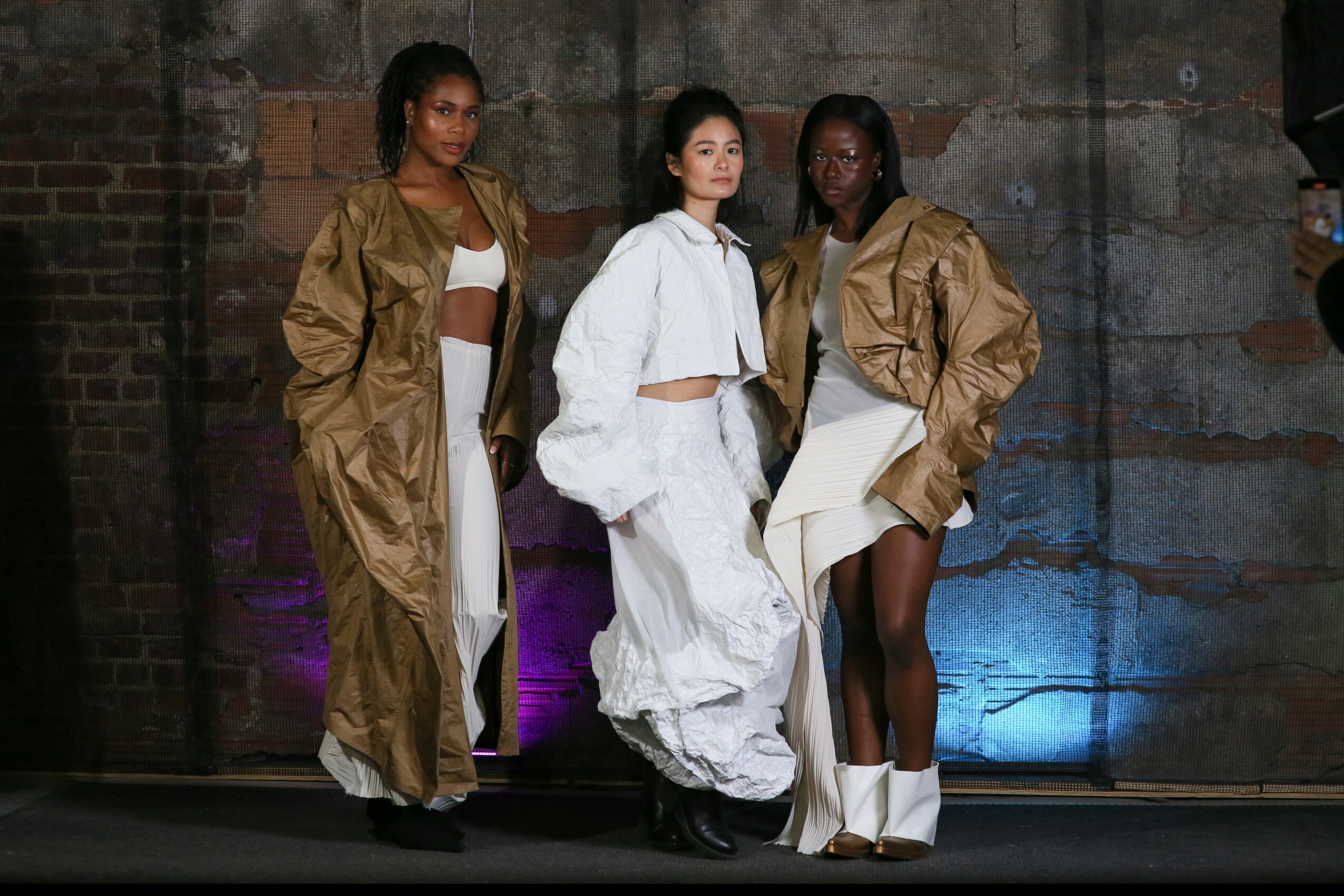
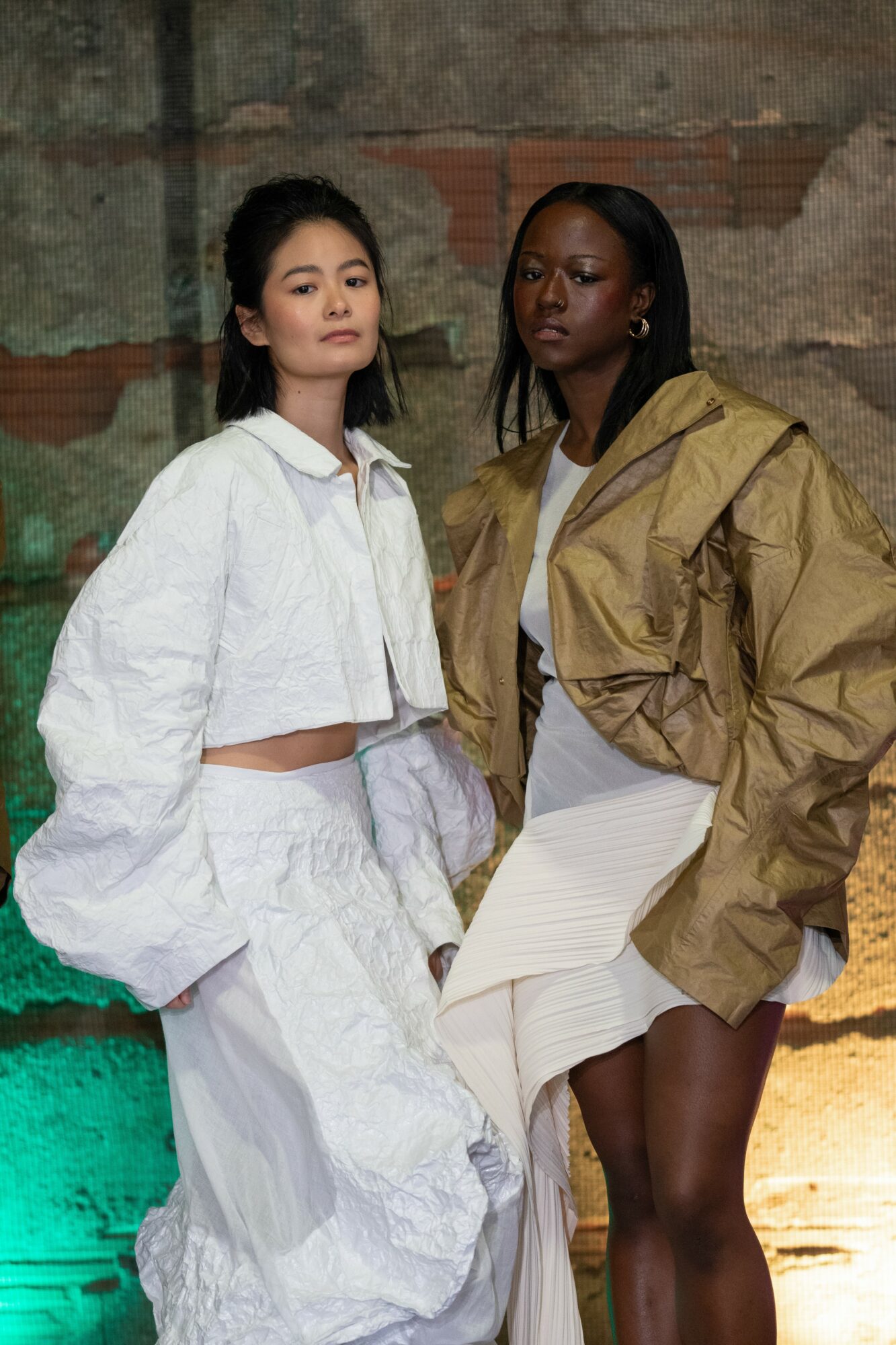
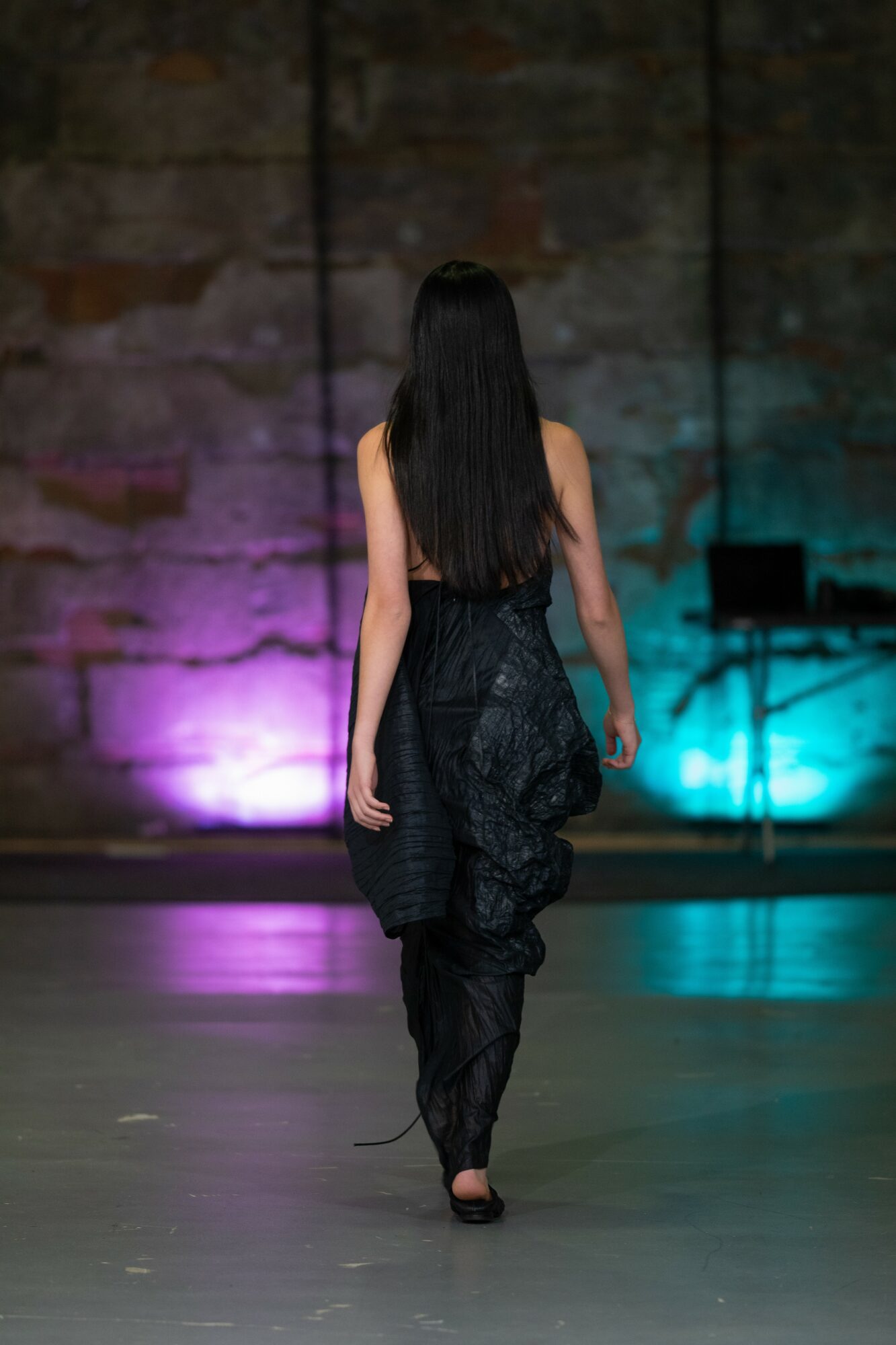
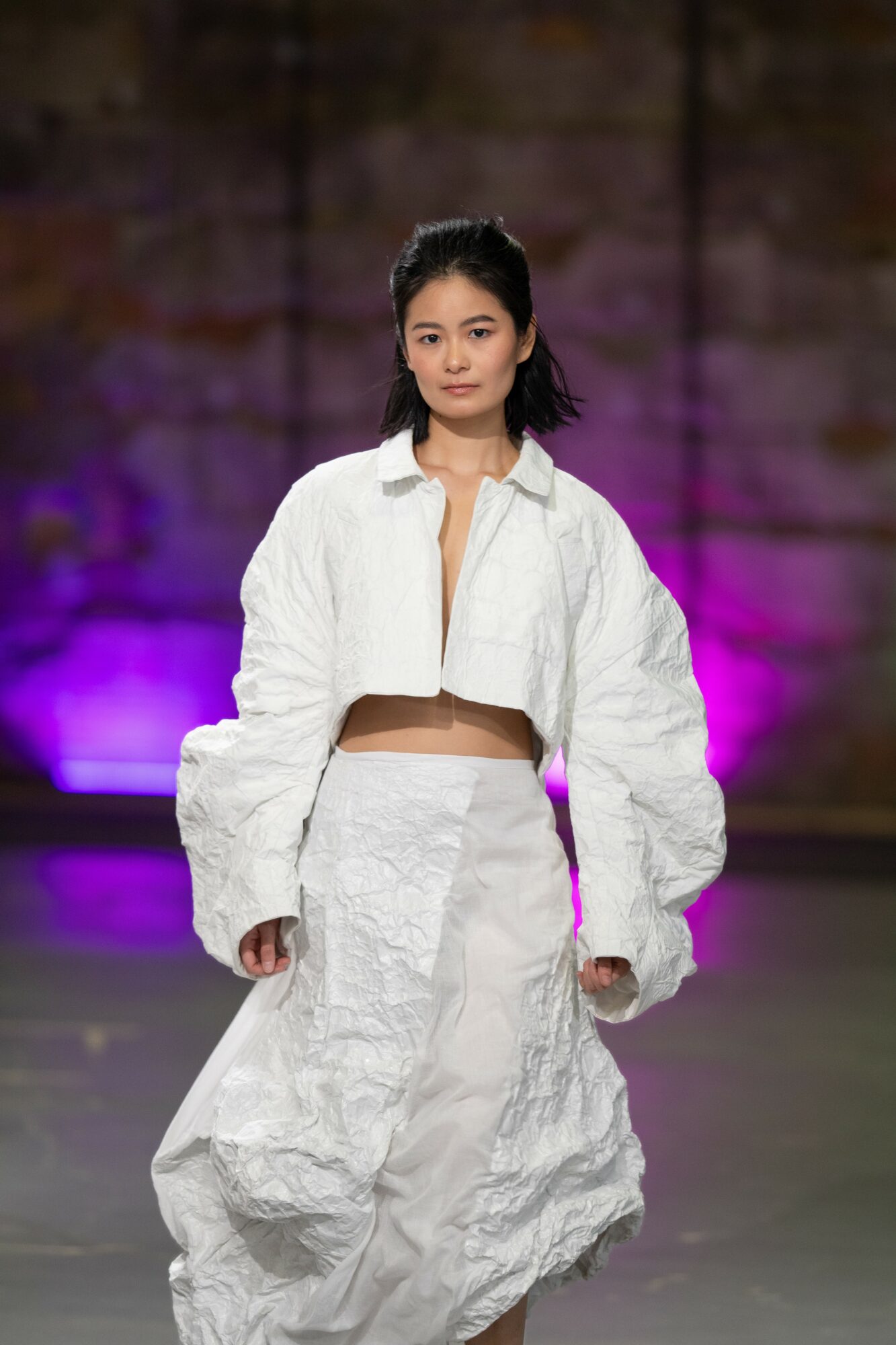
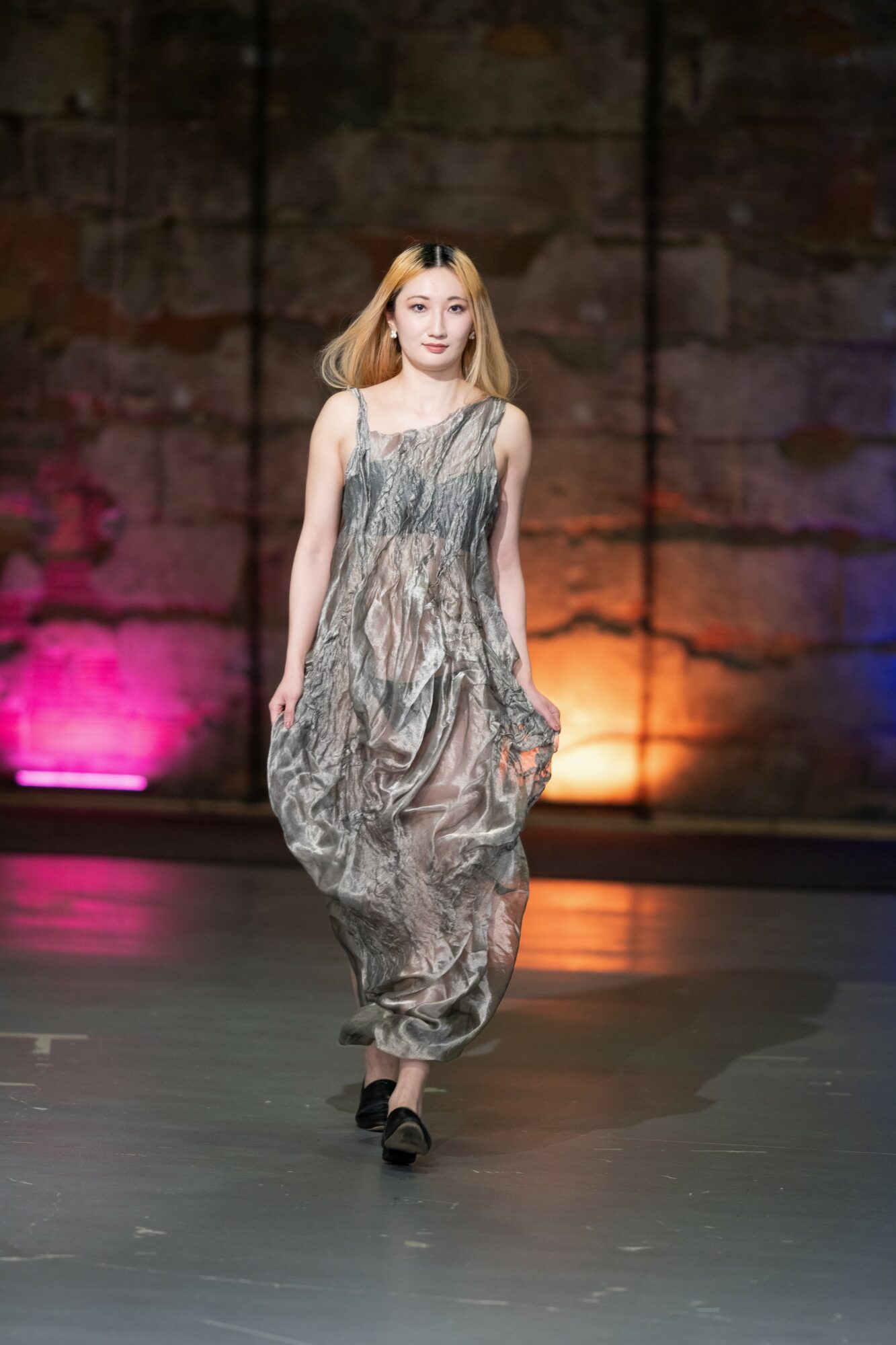
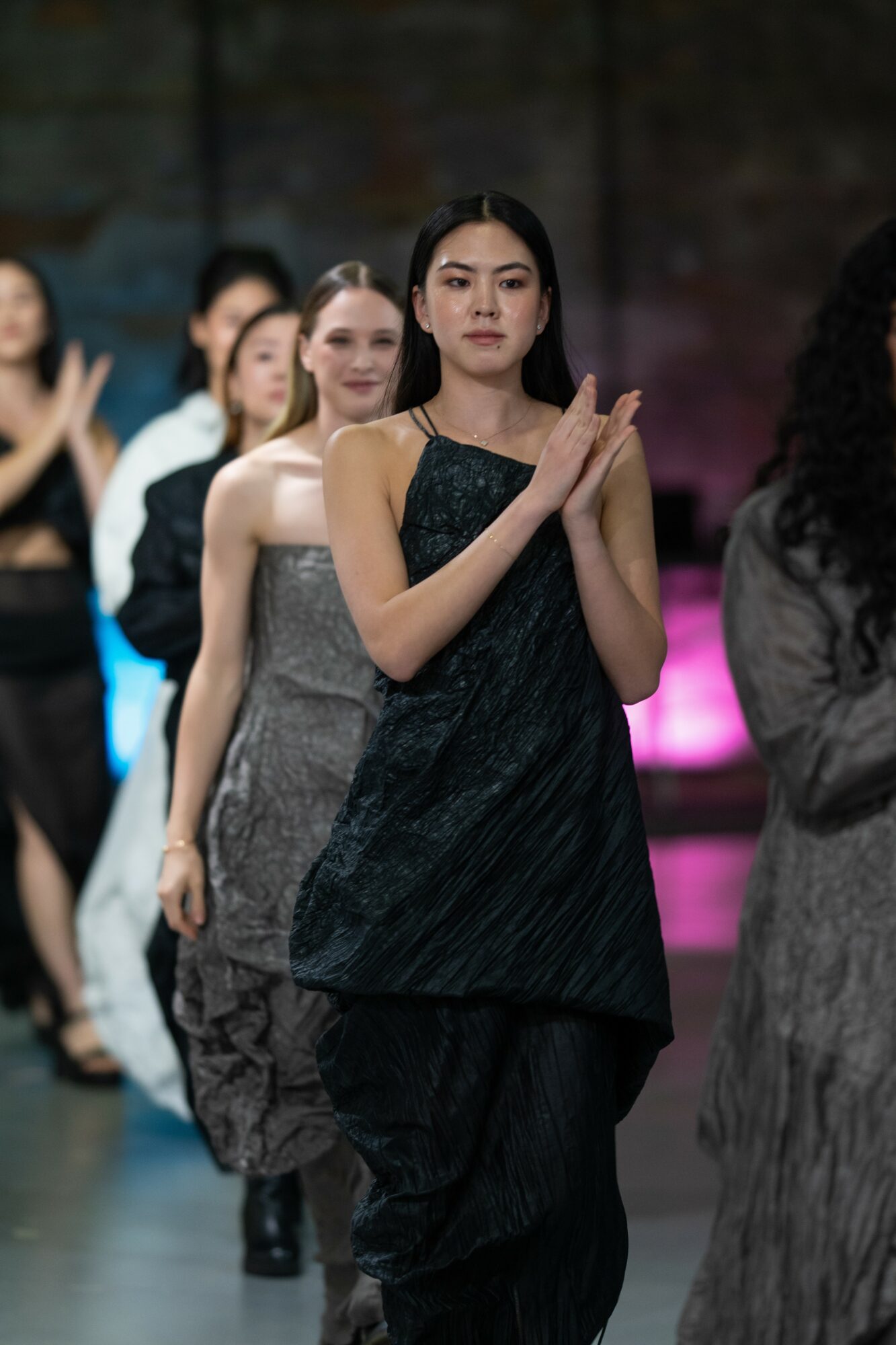
Image Credits
Photographer: Hao Zeng, David Francois
Model: Peize Liu, Maria, Ellen Chen, Priscilla, Michelle, Floss, Rinda, Sneha, Samari
Popular
-

Los Angeles Barea on Turning Green Superheroes into a Global Movement for Youth-Led Change
-

Trisha DuVivier on Bridging the Franchisor–Franchisee Divide with Workhero and “Franulate”
-

Portraits of the Valley
-

LA’s Most Inspiring Stories
-

Cedar Boschan on Elevating Black Music Rights and Driving Urgent Conversations Around Credit, Equity, and Artist Protection
-

Robin Olive on Building an Inclusive Performing Arts Movement and Expanding Opportunities for Every Student


