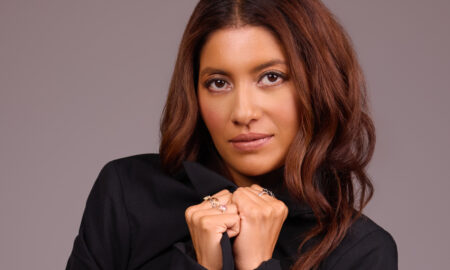



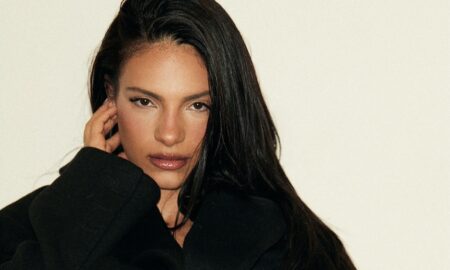
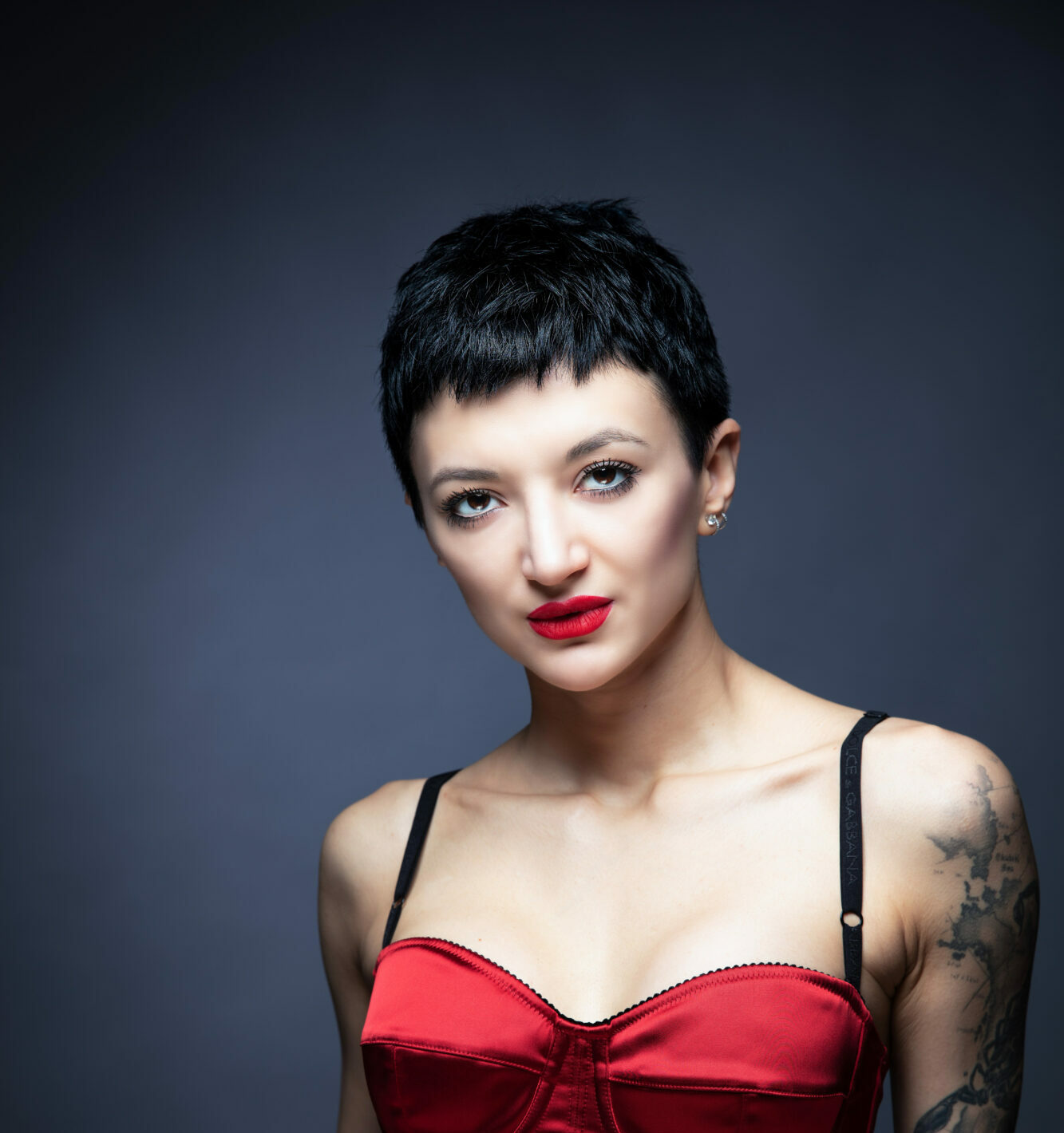
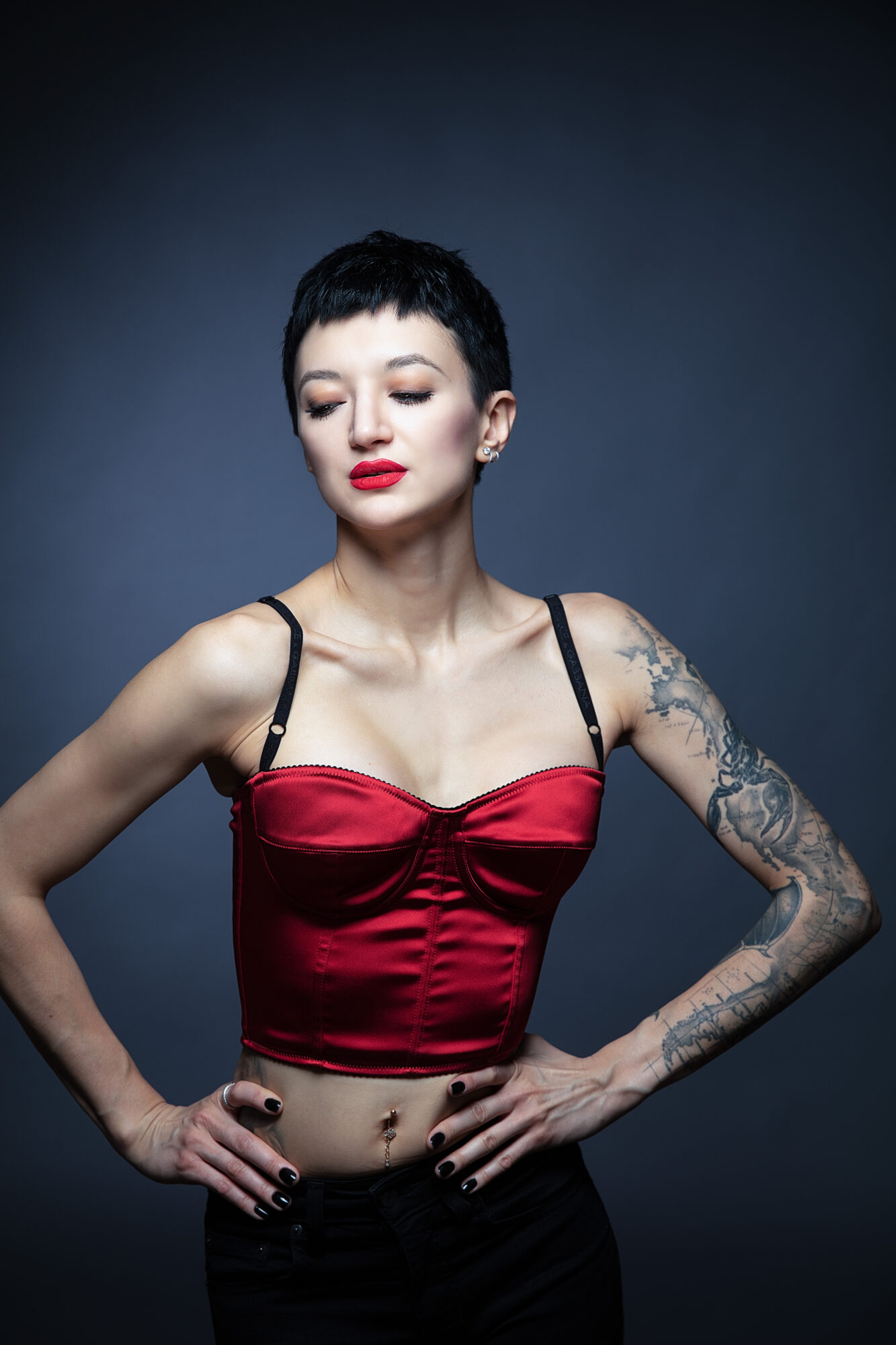
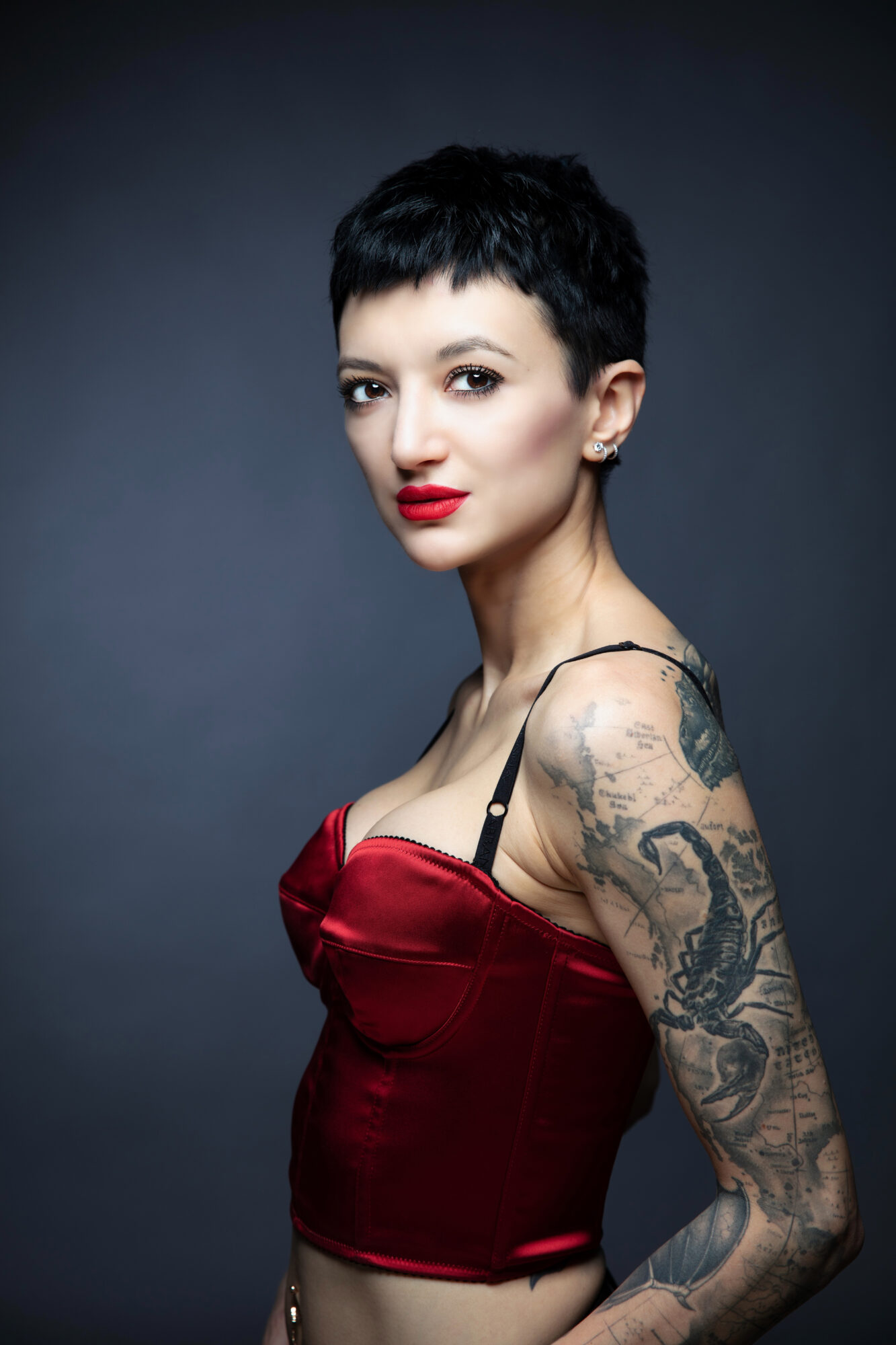
For Diana Mayers, reinvention wasn’t about erasing the past—it was about honoring its completion and consciously stepping into something more aligned. After relocating to Los Angeles, she allowed herself the space to experiment, integrate acting, writing, modeling, and personal branding, and redefine success on her own terms. Today, Mayers is building a layered, long‑term creative life rooted in autonomy, depth, and intentional expansion—protecting her standards, her narrative, and her sovereignty as she grows beyond external expectations and into a future she fully controls.
Diana, you’ve spoken about consciously leaving a past public chapter behind to build a new creative life in Los Angeles — what prompted that decision, and what has reinvention looked like for you in practice?
After moving to Los Angeles, my life shifted in ways I didn’t fully expect. The change wasn’t only external — it was deeply internal. I grew. My perspective evolved. And the work I had been doing no longer reflected the person I was becoming. It felt like that chapter had already served its purpose in my life — it was complete. And when something is complete, you don’t cling to it. You move forward.
The transition wasn’t immediate or perfectly clear. There was a period when I genuinely didn’t know what my next step should be. I felt the need for change, but I was still searching for direction. I tried different things. I allowed myself to experiment without forcing a rigid plan. That process of exploration was essential — it helped me separate external expectations from what I truly wanted.
Some parts of my new path had always been with me. Modeling, for example, was something I had already been building and naturally continued to develop. Other elements emerged more recently — acting and writing. Acting allows me to explore psychology and emotion in a structured, disciplined way. Writing, especially working on my book, became a way to process experience and transform it into something meaningful.
Creating a new name wasn’t about hiding from the past. It was about defining my future. I wanted a creative identity that reflected my current values, ambitions, and artistic direction. Reinvention, for me, wasn’t dramatic — it was intentional. It was the decision to grow beyond what was familiar and to consciously build a life that aligns with who I am now.
As a multi‑hyphenate creative working across acting, writing, modeling, and personal branding, how do you navigate staying authentic without feeling pressured to fit into a single box?
I used to think I had to choose one label in order to be taken seriously. The industry often pushes you toward simplification — one title, one niche, one identity. But over time, I realized that authenticity for me isn’t about narrowing myself down. It’s about integration.
Acting, writing, modeling, and personal branding aren’t separate lives — they’re different expressions of the same core. Modeling is visual storytelling. Acting is emotional storytelling. Writing is intellectual storytelling. And personal branding is the structure that holds all of it together.
What keeps me grounded is clarity of intention. I don’t pursue multiple disciplines randomly. Each one supports the others. My writing deepens my acting. Acting sharpens my emotional awareness. Modeling strengthens my visual communication. When everything connects back to a coherent inner vision, it doesn’t feel fragmented.
There will always be external pressure to “fit into a box,” especially as a woman rebuilding her public narrative. But I’ve learned that long-term credibility comes from consistency of values, not limitation of roles. I’m not trying to be everything at once — I’m building a layered creative identity that evolves organically.
Authenticity, for me, isn’t about being loud or rebellious. It’s about being aligned. When you’re aligned, you don’t feel the need to shrink yourself to make others comfortable.
Your writing often explores darker, more introspective psychological themes — what draws you to that space, and how does creativity help you process those inner layers?
I’ve always been more interested in what’s underneath the surface than in what’s immediately visible. The darker, introspective spaces of the psyche don’t scare me — they intrigue me. They reveal contradictions, vulnerability, suppressed desire, moral conflict. That’s where real complexity lives.
I write from personal experience, and I’m not afraid to touch subjects that may feel uncomfortable or even painful for some people. I often speak about things many prefer to stay silent about — betrayal, shame, obsession, power, faith, identity. Not to provoke, but to confront what is real.
During the writing process, I’m not only offering readers a mirror — I’m holding one up to myself. Creativity allows me to reexamine my own decisions, my reactions, my past versions. Sometimes I reach conclusions I didn’t expect. Sometimes I realize I’ve evolved more than I thought. Writing becomes both exploration and recalibration.
I’m naturally drawn to what is dark and deep — not because it is dramatic, but because it is honest. The surface is easy. Depth requires courage. And for me, creativity is the space where I can safely enter those inner layers, reshape them, and turn complexity into meaning.
How has your understanding of success, money, and independence evolved as you’ve grown into this new phase of your career?
My understanding of success, money, and independence hasn’t softened — it has expanded. The standard that once defined those words for me is no longer enough. As I’ve grown, the bar has risen.
Earlier in my career, success felt more immediate — tangible milestones, visible progress, financial results. Now I think in terms of scale and legacy. I don’t just want to succeed; I want to build something substantial. Something that compounds over time.
Money used to represent achievement. Today, it represents capacity. Capacity to invest in better projects, stronger teams, larger ideas. Capacity to think long-term instead of transactionally. I want more than comfort — I want leverage.
Independence has also evolved. It’s no longer about simply standing on my own. It’s about operating at a higher level — creatively, financially, strategically. It’s about raising my standards and refusing to shrink them to fit what feels safe.
This new phase of my career is defined by expansion. I expect more from myself now — more discipline, more clarity, more ambition. And naturally, my definition of success has grown with me.
Looking ahead, what kind of creative life are you intentionally building now, and what boundaries or values are most important to protect as you move forward?
Looking ahead, I’m intentionally building a creative life that is layered and sustainable. I don’t want a career that depends on trends or momentary visibility. I’m building something multidimensional — acting, writing, visual storytelling — supported by a strong personal brand that I fully control.
I want my work to deepen over time, not just expand outward. That means choosing projects carefully, investing in skill development, and creating intellectual property — whether that’s through film, publishing, or long-term collaborations. I’m thinking in decades, not seasons.
As I move forward, boundaries have become essential. I protect my time, my narrative, and my standards. I’m selective about the environments I enter and the partnerships I accept. Growth is important, but not at the expense of alignment or self-respect.
The values I guard most closely are autonomy, integrity, and depth. I don’t want to build something fast that I’ll later have to dismantle. I want to build something strong that reflects who I am becoming — not who the industry expects me to be.
For me, the goal isn’t just success. It’s sovereignty over my creative direction.
Links:
- Website: https://www.
dianamayers.com - Instagram: https://www.
instagram.com/ dianamayersofficial - Twitter: https://x.com/
dimayers - Facebook: https://www.
facebook.com/di.mayers. official/
Popular
-
Inside the Future of Search: Robb Fahrion on Building a Global Team and Leading the Rise of GEO
-

From Supporting Local Boutiques to Building Brand Partnerships: Cinthia Jensen’s Creative Marketing Journey
-
Building Community Through Curiosity: Nathanial and Samantha Rowe on the Vision Behind UNEARTHED
-

Portraits of the Valley
-

LA’s Most Inspiring Stories
-
Building Creative Bridges: Torrey Tayenaka on Community, Collaboration, and the Future of Sparkhouse