




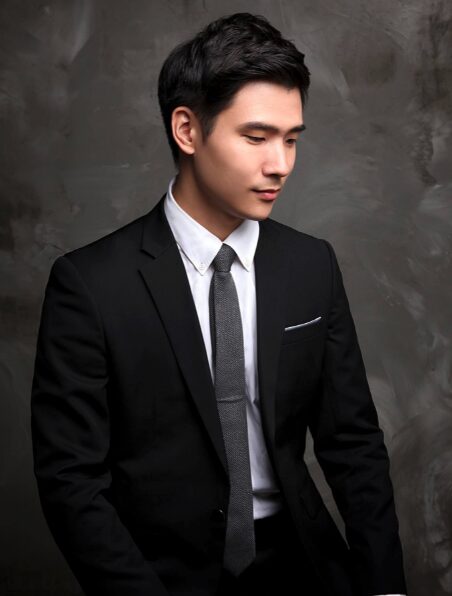
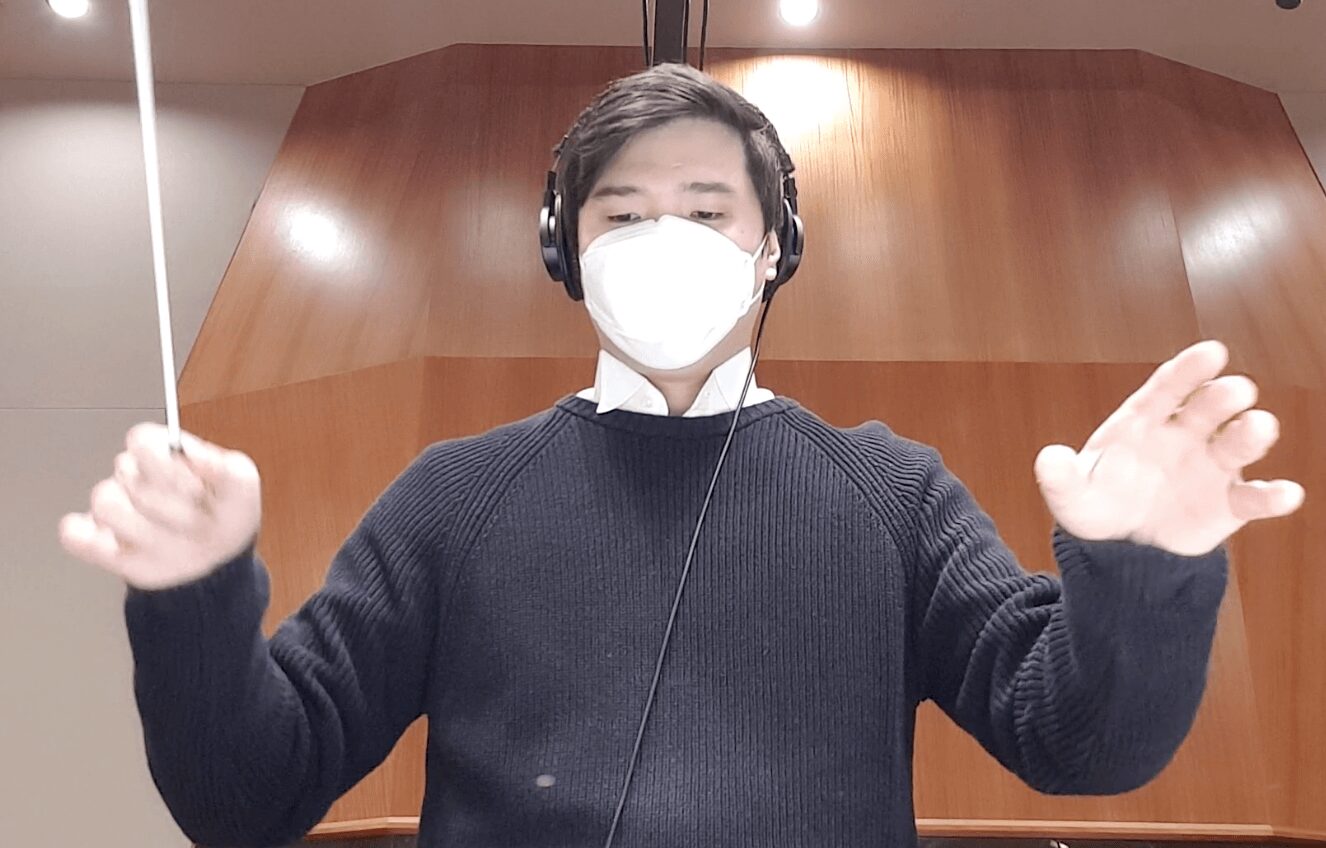
We’re looking forward to introducing you to Yeakun Yoo. Check out our conversation below.
Good morning Yeakun, it’s such a great way to kick off the day – I think our readers will love hearing your stories, experiences and about how you think about life and work. Let’s jump right in? What is a normal day like for you right now?
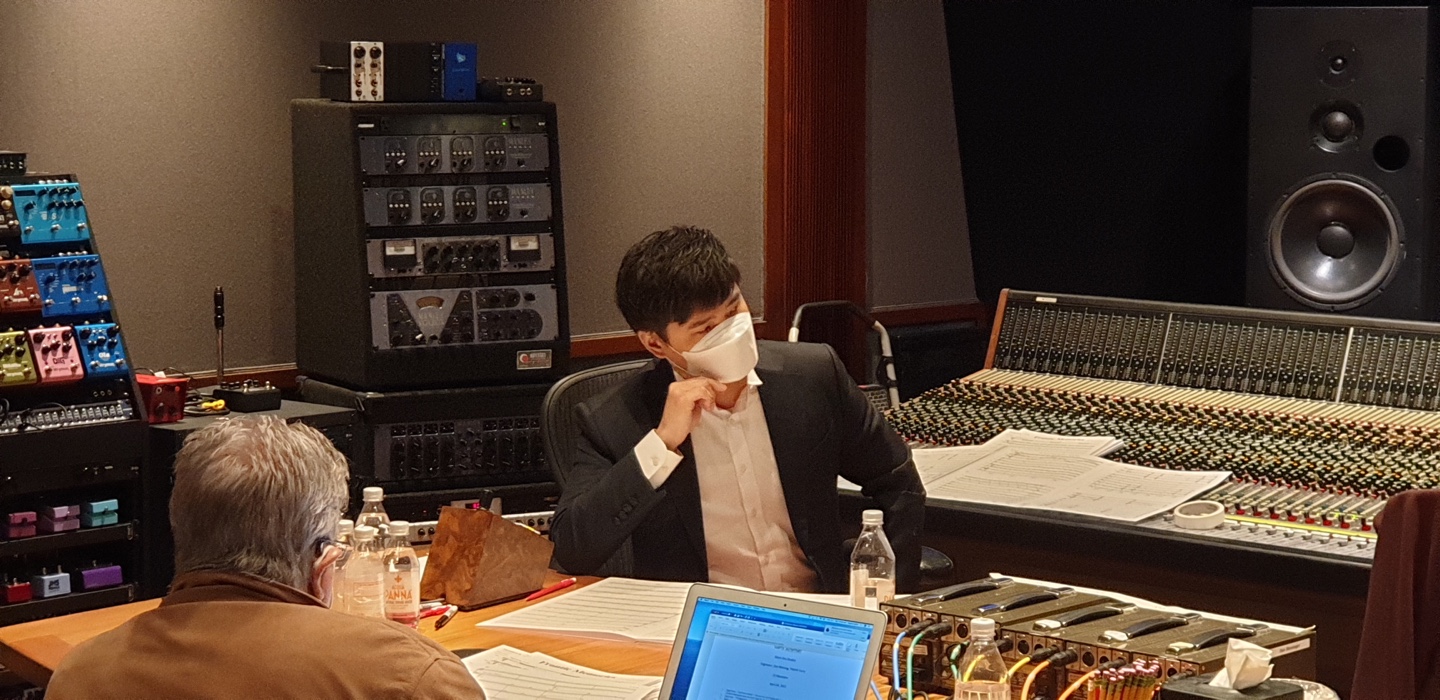
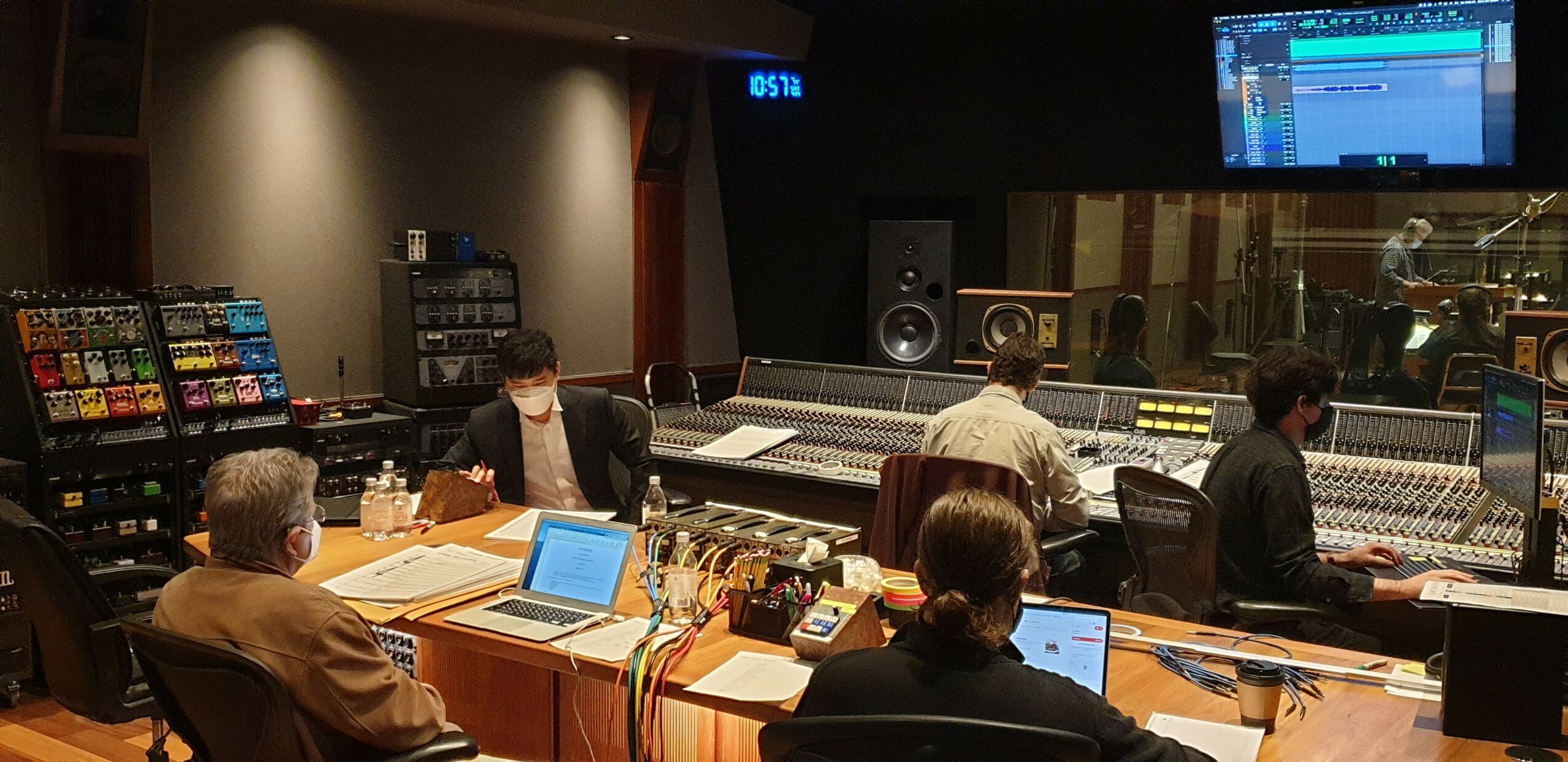
A normal day for me is a blend of creative work, team leadership, and balancing life as both a composer and a studio director. I usually start my mornings early at the YK Music studio in Seoul, reviewing cues, spotting notes, or the latest edits from directors and game producers. Since our projects span across the U.S., Korea, and Europe, I often wake up to new messages, revisions, or deadlines from different time zones—so my day almost always starts by aligning those pipelines.
Once I settle in, I move into deep composition work. Most of my creative hours are spent writing for films, TV series, and AAA games. Recently my days have been divided between multiple large-scale titles and international collaborations, so I try to protect a long block of uninterrupted writing time every day. In the afternoons, I check in with my internal team—our composers, engineers, and business director—to review progress, share feedback, and assign needed revisions. Running a studio means I’m constantly switching between being a composer, producer, and manager, but I enjoy that dynamic flow.
Outside of scoring work, part of my routine is maintaining our second venture, a private film-scoring academy. I teach a few students personally each month, and our instructors manage a larger student group. This has become both a meaningful mentoring space and a financial buffer that supports the long-term growth of our creative projects.
After work, I shift into family time with my wife and two kids. They ground me and remind me why I’m pursuing such an intensive career. Late at night—when the world becomes quiet—that’s usually when I finish any remaining cues, explore new musical ideas, or revise mixes coming in from overseas.
So my days are full, but they feel purposeful. I’m building a studio that can operate globally, creating music for stories I care deeply about, and raising a family at the same time. It’s busy, but I’ve never felt more aligned with where I’m heading.
Can you briefly introduce yourself and share what makes you or your brand unique?
I’m a film, TV, and game composer, and the founder of YK Music Productions. My journey as a composer has always been about bridging worlds—culturally, musically, and emotionally. I started my career in Korea with a strong classical foundation, especially in orchestration and working with large ensembles. That early experience shaped my musical identity, but it wasn’t until I moved to the United States to study at UCLA and USC that I discovered the creative freedom and experimental approach that now defines my work.
What makes my brand unique is the combination of those two influences:
the discipline and precision of classical training, and the bold, innovative mindset I learned in the American film and game industry. I try to create scores that don’t just support a scene, but express something deeply human—music that feels like an emotional language on its own.
YK Music has grown into a studio that collaborates internationally with directors, game developers, and producers across the U.S., Korea, and Europe. We take on projects that are narrative-driven and emotionally rich, from feature films and TV dramas to AAA games and documentaries. Rather than focusing on volume, we prioritize artistic depth and long-term partnerships—projects where music plays a meaningful narrative role.
A meaningful part of my story is the desire to help the next generation of composers. That led me to launch a private film-scoring academy, where I mentor young musicians and create a community of people who share the same passion for storytelling through music. Teaching keeps me grounded and reminds me why I fell in love with this craft in the first place.
At the core, my mission is simple:
to write music that heals, resonates, and leaves a lasting emotional imprint—music that reminds people they are not alone. Every project I take on is shaped by that belief, and it continues to guide where my studio and my career are heading next.
Appreciate your sharing that. Let’s talk about your life, growing up and some of topics and learnings around that. What was your earliest memory of feeling powerful?
One of my earliest memories of feeling powerful comes from when I was a teenager, long before I became a professional composer. I didn’t grow up with a lot of confidence or social advantage—if anything, I spent most of my early years feeling isolated and misunderstood. But around the time I was in high school, I discovered something that changed my life: I realized that when I wrote music, I could create an entire world that didn’t exist before.
I remember sitting alone in a small room late at night, writing a simple orchestral sketch on paper. I didn’t have fancy equipment, or a mentor guiding me—just a pencil, manuscript paper, and a strong desire to express emotions I didn’t know how to verbalize. When I played back what I wrote, even if it was imperfect, I felt a kind of power I had never experienced. For the first time, I understood that I could transform loneliness into something beautiful and meaningful.
Later, during my military service, I joined the orchestra as a composer-arranger. Writing for a 50-piece ensemble and hearing my ideas come alive in real time amplified that feeling even more. I realized that music had the power not only to change how I felt, but also to influence how others experienced a moment, a scene, or a story.
That was the moment I understood what “power” meant to me:
not control, or status, or recognition—
but the ability to turn inner emotion into sound,
and for that sound to touch people, comfort them, or move them.
That memory shaped everything I’ve pursued since then. It taught me that my voice had value, even when I felt small. And it’s the same belief that drives my work today as a composer and as a mentor to younger musicians.
Was there ever a time you almost gave up?
Yes—there were a few moments when I seriously questioned whether I should continue.
The first major one happened in Korea, long before I became a film and game composer. I had dedicated several years to preparing for a classical path, aiming to enter one of the country’s top graduate programs. After graduating from Seoul National University’s composition department, I expected that the classical route would naturally continue—but I failed multiple entrance exams and auditions that I believed were essential for my future.
For the first time, I felt like the path I had been building for years had disappeared overnight. I remember thinking, “If I can’t succeed in the field I invested everything into, what do I have left?”
It was a moment of complete disorientation, and I genuinely considered giving up.
The second moment came after I moved to the United States. I wasn’t failing exams anymore, but I was failing in a different way—internally.
I was surrounded by composers from all over the world, each with completely different approaches, aesthetics, and cultural identities. The American scoring environment was bold, experimental, and fearless. Compared to that, my writing felt overly “safe,” shaped by years of classical training. I constantly felt like I was behind, like nothing I created was interesting enough.
It was a different kind of crisis—not technical, but existential.
But ironically, these “almost gave up” moments became the turning points of my life.
Failing the classical path in Korea forced me to look for a new direction—one that eventually led me to film scoring.
And feeling lost in America pushed me to break old habits, embrace experimentation, and develop a voice that was truly my own.
Those moments taught me that giving up isn’t the opposite of success—
sometimes, it’s the doorway to reinvention.
Without those painful points of doubt, I wouldn’t have discovered the path that fits me best today.
I think our readers would appreciate hearing more about your values and what you think matters in life and career, etc. So our next question is along those lines. What are the biggest lies your industry tells itself?
One of the biggest lies in the film and game music industry is the belief that speed is more important than depth.
There’s a common narrative that composers must deliver fast, constantly produce content, and always keep up with impossible deadlines. While efficiency matters, great storytelling doesn’t come from rushing—it comes from thoughtful musical decisions, emotional accuracy, and understanding the heart of a project. Yet many people in the industry act as if “faster” automatically means “better,” which often leads to music that sounds safe, generic, or replaceable.
Another lie is the idea that originality is a luxury.
Many teams still believe that music needs to fit into predefined temp tracks or follow trends to be “commercial.” But in reality, the scores that stay in people’s memories are the ones that take risks—scores that are authentic, personal, and emotionally honest. The pressure to conform often prevents composers from exploring their real voice.
There is also the misconception that creativity happens in isolation.
People imagine a composer working alone in a room, magically producing a perfect score. In truth, scoring is highly collaborative. It requires communication with directors, producers, game designers, engineers, and other musicians. Pretending it’s a one-person miracle ignores the depth of teamwork behind every cue.
But maybe the biggest lie is this:
that music is just a “tool” for the project.
When done right, music isn’t a background element—it is an emotional language that shapes the audience’s memory and experience. Treating it as an afterthought limits the true power of what a score can bring to a story.
The more the industry acknowledges these truths, the more space we create for better storytelling, healthier creative environments, and music that genuinely moves people.
Okay, we’ve made it essentially to the end. One last question before you go. What are you doing today that won’t pay off for 7–10 years?
A lot of the work I’m doing right now is intentionally long-term, and I don’t expect it to pay off immediately. The biggest one is building a creative ecosystem around my career—not just as an individual composer, but as a studio, a brand, and a community.
First, I’m investing heavily in global relationships and long-term collaborations with directors, producers, and game studios across the U.S., Korea, and Europe. These partnerships don’t turn into major projects overnight. Sometimes it takes years of trust, shared creative language, and consistent work before a single project happens. But I know that the biggest opportunities in this industry come from deep, long-lasting relationships, not quick transactions.
Second, I’m developing my team at YK Music. Training composers, engineers, and collaborators is not something that produces immediate results. It takes years to grow a team that can operate at an international level with a unified artistic philosophy. But I believe this investment will allow the studio to take on larger-scale projects in the future and eventually function as a global creative hub.
Third, I’m building a personal musical identity that I hope will resonate for decades. Instead of chasing trends, I’m focused on refining a voice that blends emotional storytelling, orchestral depth, and the experimental mindset I learned in the U.S. That kind of artistic identity doesn’t pay off quickly—it requires time, growth, and a body of work that accumulates slowly.
Lastly, I’m nurturing the next generation of composers through my film-scoring academy. Teaching is not something that gives a fast financial return, but it lays the foundation for a community and a legacy. And in 7–10 years, the students I’m mentoring now may become collaborators, team members, or even leaders in the industry.
None of these efforts are designed for immediate results.
But together, they’re building the foundation for the career I want a decade from now—one where my work, my team, and my artistic philosophy can operate globally at the highest level.
Contact Info:
- Website: https://www.ykmusicproductions.com/en
- Instagram: @yeakunyoo
- Linkedin: https://www.linkedin.com/in/yeakun-yoo-2b471b135/
- Facebook: https://www.facebook.com/yeakunyoo
- Youtube: https://www.youtube.com/@yeakunyoo9989
- Soundcloud: https://soundcloud.com/yeakunyoo
Popular
-

Portraits of the Valley
-

LA’s Most Inspiring Stories
-

Rick Norris Learned That Building a Successful Business Means Building a Life You Actually Want to Live
-

How Olivia Rush Turned Survival Into a Mission to Help Others Keep Going
-

How Bibi Goldstein Is Helping Entrepreneurs Reclaim Their Time by Embracing the Power of Delegation
-

Victoria Hasson is Redefining Voice Coaching Through Community and Collaboration


