




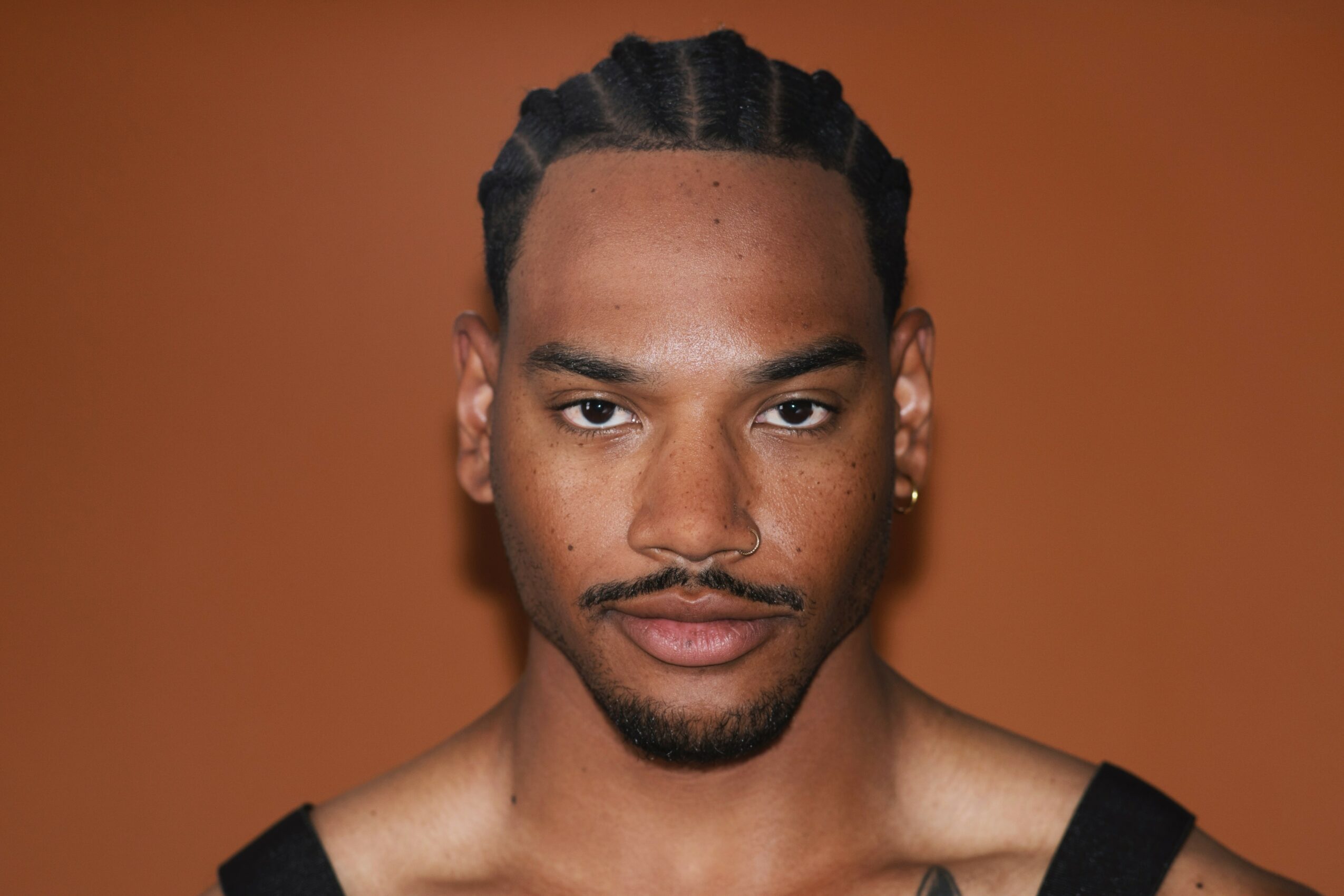
Malachi Moore shared their story and experiences with us recently and you can find our conversation below.
Hi Malachi , thank you so much for joining us today. We’re thrilled to learn more about your journey, values and what you are currently working on. Let’s start with an ice breaker: What do the first 90 minutes of your day look like?
The first ninety minutes of my day are cherished. The SECOND I open my eyes, my brain starts going, so it’s crucial for me to get ahead of my thoughts and set the tone for the day. To be fair, some days look different than others, but I find the more disciplined and consistent I am with my routine, the better I feel reflecting on the week.
My soothing alarm of birds chirping goes off at 6 so that I can wake up with the day. With my phone in hand, the toughest part is putting it down before the cravings start settling in. I’ll give my addiction a lil’ ~somethin’ somethin’~ by checking the weather and whatever message my Co–Star has for me, which is much better to reflect on than whatever else social media has to offer. From there, I’ll normally turn the kettle on and head to the bathroom to get all primped for the day (take a dump, do my face routine, and brush my teeth). The silence of the morning might just be my most favorite thing ever. I’ll open the windows in my room, stretch, meditate, and do a small workout to wake up my body. I heard someone/somewhere say that doing something strenuous as the first thing in your day makes anything afterward feel easier—and that stuck with me! Getting myself to do a reverse plank this early in the morning is arguably the hardest thing I have to do all day. Even if I had to do something like, I don’t know—do taxes—it still wouldn’t suck as much as that burn thirty seconds in (I love it).
Ehhhh, afterwards, I’ll methodically take my creatine and make coffee with my french press. I used to hate breakfast but have grown very fond of it now that I’m a ~seasoned~ millennial in my 30s. It’s always some variation of oats, to be honest: oatmeal, yogurt with granola… oatmeal with granola and peanut butter (I’m not a horse, I swear). It’s not so easy lugging this muscular mass around. I want to make sure that I properly prepare myself for whatever I end up doing for the day. I’ve found through time and repetition that this routine is the best course of action for me to take on whatever I get myself into. By 8 a.m., my mind, body, and soul are supercharged!
Can you briefly introduce yourself and share what makes you or your brand unique?
My name is Malachi Moore, I originally hail from the East Coast (the garden part of the Garden State, New Jersey), and for the past twelve years, I’ve self-proclaimed as a “Renaissance Man.” It’s a term coined in the 20th century that really appealed to me, referring to individuals with “self-awareness, unquenchable curiosity and a feverishly inventive imagination.” To me, that has always felt like something worth striving for, yet entirely vague in terms of how that looks. That’s where the fun begins.
Having moved to Los Angeles with virtually no footing in the industry, big dreams and a naïve delusion fueled by a passion for self-discovery, becoming such has simply been a necessary means to an end. I received a Master’s in film production and screenwriting, worked on independent film sets to varying degrees and positions, held more odd jobs than one could imagine, financed my own projects and modeling career, and have subsequently been blessed with a vast community of like-minded individuals. From and through the journey alone, I have found myself becoming several things: a writer, an author, a script consultant, producer, director, actor, model, and confidant to all (see how it’s just easier to say “Renaissance Man” — despite how pompous it sounds??).
What has been most exciting to share is that now, after several trials and tribulations, my outside perspective is beginning to reflect what I have always internally told myself and doubled down on: that I am many things, and that the appraisal of life would allow me to discover and nourish them. It’s required sacrifices, yes, but none that did not help me mature, become more compassionate, and grow more self-loving. I would say that the most challenging part has been maintaining the consistency of my conviction through adversity, but it’s never felt more natural to stick with a perspective that feels so…organic. There is no other me; I was always going to be this way!
Growth, or progress, can often look like adversity. The past two years have been ~especially~ humbling for your boy. 2023 felt like reaching a threshold in my career and — therefore, a potential dead end — after working in production for several years. I often reflect on what a blessing it is for a previous dream-perspective to now feel like a comfort zone, but working in this unstable, unpredictable industry greatly encourages one to want more for themselves. It was also the time I felt most acquainted with the wisdom gained from said experience and ready to begin putting feelers out for what, at one point, I felt was a pipe dream (wait…where does this term come from?). I wanted to direct, and I knew I’d need to understand how to do everything in order for that to happen. When you look like me, it’s better — dare I say, necessary — to come correct with experience and a know-how that shows itself in your disposition. I started writing with what I knew about myself, my personal struggles and interests. Through several versions and refinements, “Deadening” was birthed. And that was only the beginning! From there, it felt just barely possible to make a proof-of-concept short film out of it. “Just possible”…is putting it lightly.
Pre-production and crowdfunding felt like one consistent heart attack. I was in a perpetual state of relying and inquiring, being exposed and vulnerable as I navigated making a film while asking every single person I’ve ever known for a contribution of some kind. This is where everything gained from the previous eight years was most utilized and appreciated. I could have never gotten through it without my vast and colorful support system, whether it were friends in the industry, mentors, or loved ones in my personal life. It took all of 2024 to see Deadening through and finally come to life in the spring of this year. “How fitting,” he says internally, smirking while looking off to the side. A time of new beginnings. Rebirth. Growth!
On the contrary, my delusion about the timeline of its completion has actually been a big part of the humbling experience. Even still, everything has felt very natural and in alignment with everything else going on in my life. My garden is a cohesive plot of diverse seeds that grow individually. As my film develops, other creative investments present opportunities for themselves — such as with my modeling. Next January, I will be attending IMTA, an international modeling convention I hope will bring even more to the harvest. What a particular joy it brings to see the fruits of my labor begin to ripen!
The most striking element of the entire process was both seeing and feeling the organic changes in other areas of my life as I strove to do what felt like the impossible. Undertaking Deadening required a profound amount of sacrifice from me. It became very clear that it would take more than just all of my time and resources to pull this off. I also had to get rid of old habits, become more consistent with routines, stop self-isolating and sabotaging, and be vulnerable when asking others for help. I could no longer leave my financial stability up to chance working freelance and had to get a full-time job outside my field. Changing my perspective on what it means to work somewhere outside of my desired field was, and still is, the hardest part. If y’all ever see me with an Amazon vest on, please feel free to give me a hug — or a stack. In all seriousness, though: over time, what once felt painstakingly impossible simply became part of the dance. Throughout, I developed a better understanding of myself, as well as many of the elements that my film addresses.
All of my work strives to spark deeper conversations about identity, mental health, and the human condition — and Deadening is no different. What many will soon come to see is that the plot heavily revolves around my main character’s inability to express himself to his partner, for several reasons. His lack of identity and tools to navigate his anxiety have forced him to dissociate throughout his life. Now that he has someone else depending on him to show up, he’s finding that his usual comfort zone has grown into something of a malevolent force. Working through my own anxiety during production not only allowed me to gain a better sense of where this comes from, but how to grow from and out of it.
The evidence of things coming to fruition through time and consistency has really reinforced my faith in other areas of my life. I’ve become much more serious about myself as an entity and as a brand. What I eat, how I work out, what I consume, put into, and tell myself have all become regimented. Still, as I sit here and type this, I am very overwhelmed by the unknown and uncertainty of the future. What I take comfort in, and am most proud of, is how the pursuit of this has shaped all aspects of my professional and personal life.
Appreciate your sharing that. Let’s talk about your life, growing up and some of topics and learnings around that. What part of you has served its purpose and must now be released?
With such a fixation on “self-discovery,” as well as a childlike infatuation with anime, I have always carried this notion of not being “complete” (This isn’t even my final form! — iykyk). And while this fixed intention greatly helped me through certain adversities by not allowing complacency to settle, I’ve found that there are better, more mature, and compassionate ways to hold myself accountable.
As an adolescent, feeling so disconnected from myself and my community, at the time it made sense to dissociate from my surroundings until I felt safer or more fulfilled in some way. This dynamic I had with myself was formed during a time when I needed to protect my sensitive ass from adhering to the very shallow demarcations of who I was and what I could aspire to be. Society does not encourage or expect much of its men, unfortunately. Nor does it validate any emotion outside of anger or aggression. But now, as a more realized adult, this dynamic began to turn into a refusal to accept certain responsibilities that involved showing up and being present — not just with myself, but in having difficult conversations with others and being firm in my convictions.
I was less concerned with the practice of “becoming” and more eager to just “be,” that I completely disregarded the act of simply being. Does that make sense? Basically, and at the risk of telling on myself, I think I had subconsciously believed there would be some external validation to my manhood. Maybe this is how people feel after having a child, buying a home, or — for older generations — being called to war, but even that feels like putting the cart before the horse. I do think one should have all of their internal affairs in order before presenting as such, and so this isn’t to say my intentions to better myself weren’t well-meaning; I just think the way I went about it was harmful.
This way of life began to reveal itself as such the more I needed to rely on the traits and habits garnered from everything I’d been through previously. They were there, yes, but not acknowledged or utilized. Now, I am much more gentle with myself. I’m present and comfortable with who I am as I continue to practice humility toward refinement and rely on the evidence of my personal development as validation. This has allowed me to move with a quiet confidence in my capacity to learn and grow while simply being.
All of this is to say that while this “boyish” perspective served its purpose at the time, its effect would have always required me to alter that outlook as I outgrew it. Moral order must constantly adapt to the necessities of life in the present, and not rigidly cling to the past. Much like other things pertaining to my childhood, it has been released in order to make room for what it’s created: a comprehensive me.
What have been the defining wounds of your life—and how have you healed them?
Oh MAN, how much time do you have? I’m only half joking, but seriously, it’s been quite a journey up to this point. Acknowledging, making peace with, and healing these wounds has not only been what’s made them so “defining,” but has also created very broad parameters for how I understand and go about my life.
I experienced a profound loss at a very early age when my mother passed in 2012. Even before then, my relationship with her had been tumultuous due to her struggle with addiction. I was also a mama’s boy, and subsequently even more affected by the heartbreak that ensued from the confusion of her actions. When I was a child, I was afraid. In my teenage, hormonal years, that fear and confusion turned into resentment. Fate would have it that she would pass at the peak of our distance, and it happened so suddenly that there was no opportunity to say our goodbyes or put a lot of unresolved feelings to rest. What was left, was a deep internal shame.
This was also during the same time I was putting an intense amount of stress on my body through the strenuous obligations of being a Division I athlete. Football exposed me to a lot of life-threatening injuries: blood clots, heart irregularities, acute muscle fatigue, and even kidney failure (go ahead and Google rhabdomyolysis). If that weren’t enough, the culture of collegiate athletics, whether intentionally or incidentally, really created a toxic connection between productivity and self-worth. People encouraged me to “play for my mom”, but…I wasn’t playing. My ass was on the bench! If you didn’t know by now that I am ultra-sensitive, you best believe that my guilt ate that s**t up. At the time, I didn’t have much of an understanding of what a “wound” was or what trauma could do to a person, but knew I had a lot of mental, physical, and spiritual work to do once I was able to distance myself from that environment. Even if I wasn’t deeply connected to my body then, my inner voice made it clear that healing had to be a first priority if I was ever to see a perspective outside of pain, hurt, or confusion.
To be clear, nothing came as simply as I’m putting it. The biggest struggle came from simply acknowledging and coming to terms with what I voluntarily put myself through. Obviously, there were things out of my control, and there’s only so much I could have expected from my adolescent self when it came to dealing with such circumstances. There was just too much happening at the time, so it was much easier to suppress and normalize what I’d gone through. Even approaching things from a victimized place made me very uncomfortable. I can’t remember ever once crying, despite the weight of an existential melancholy that felt so heavy.
What likely seemed like — and intended — as dwelling, actually turned out to be therapeutic and inspiring. Cerebral art became quite the emotional outlet for me while still in college. I changed my major to English and found comfort in poetry, intrigue in Gothic literature, and strength through Emerson’s philosophies of the Transcendentalist movement. I would romanticize any free time I had, taking solo trips to the Boston Museum of Fine Arts and listening to Beach House through the corridors. Film became especially beneficial when I saw how several genres could evoke complex emotions through their visual languages. And so, while I still couldn’t bring myself to fully grasp these wounds of mine, I was at least acquainting myself with familiar sentiments. By the time I attended grad-school, I was writing very personal, character-driven stories that struggled due to what was still a shallow understanding of myself. I’m very grateful for those three years of unending introspection, predominantly consuming Joseph Campbell, James Baldwin, and Alan Watts throughout. It was truly the most arduous, healing, and therapeutic period of my life.
As I began to better discern the very disorganized structure of my grief, I also began to exhibit some of the more debilitating thoughts and frames of mind I imagine affected my mother. I’m always told how similar we are, and I truly take it as a compliment. She was so much more than what her demons exhibited — a strong, radiant, smart, outspoken woman who was also very hard on herself. The older I get, the more trying times become, the more compassion and understanding I seem to accumulate for myself, my mom, and others like us.
One of my favorite hobbies ~ever~ is to get caught up in things. How I’ve counterbalanced this is by prioritizing meditation, sitting with myself and my thoughts in nature. I zoom out, and I feel present. During, I feel a much lighter, quieter presence all around me, and I think to myself that my mom is at peace within me.
On a less weighty note, the physical wounds I’ve had to heal have come from routine and consistency: stretching, proper workouts, and healthy eating habits. I could say that my body is a temple and talk about the full extent of the blessing that is this vessel (BLAH BLAH BLAH), but I am also just a pretty vain person. I enjoy looking good, and I enjoy feeling good — which is quite a 180 from my time in college.
Reflecting on the process now, there have always been silent intentions to heal and prioritize my health, even when I had no idea how to go about doing so. I can’t say that it was a fixed intention, either. It was more so a series of beats — moments of encouragement from things I wanted for myself along the way — that served as reminders.
One of the more significant ones involved the level of openness and transparency I could finally have with my family once I’d been able to process my past trauma. My father and sister couldn’t know what I was going through because even I wasn’t acknowledging it. I also, maybe selfishly, didn’t want them to know for fear of worrying them. Now, I feel as if we’re entering a new phase of our relationship — one where vulnerability has not only been welcomed but reciprocated. We are all healing together and figuring out this life, day by day, as it continues to present more ways to better understand ourselves.
I think our readers would appreciate hearing more about your values and what you think matters in life and career, etc. So our next question is along those lines. What are the biggest lies your industry tells itself?
Hmm. This is a tough one, because the entirety of the film industry is composed of dreams and grand delusions. Lies can really run rampant within an industry that demands the miracle of filmmaking to make a profit. There are just so many lies to choose from, really…
While not necessarily a “lie,” I think it’s important to distinguish the various types of films — and the intentions behind them— that fall under the umbrella of “The Film Industry.” As we rapidly move deeper and deeper into the perspective of late-stage capitalism, the grifting enterprise that has become the norm in this country, and the advancement of artificial intelligence within creative fields, one must make space for what we are about to witness and categorize it appropriately. This, I imagine, will be the new veil to the age-old argument of “Art vs. Entertainment.” Maybe even the cavemen used to have entire symposiums about the significance of one constellation over another.
To critics, creators, and consumers: broaden your consideration for what makes a film successful. Separate the ones that are there to make you think, the ones that are there to entertain, and the rare ones that manage to do both. Hold space for them all.
I say this in hopes that someone feels less discouraged by how they interact with the film industry, whether they wish to be a part of it or not. There was a younger version of myself that believed I could only aspire to be in conversation with those most praised for making great films; the ones that were both entertaining and financially successful. I was discouraged because I wanted to make films for people like me, and the notion of that being a sustainable lifestyle felt unattainable. Having been in it for some time now, I’ve found a vast amount of people out here with the same intentions who are doing just fine for themselves. There is sooooo much more wealth than financial, y’all. The biggest lie any industry has ever told is the monetary significance of a product — and the film industry is no different. Art must continue to be assessed broadly, from both a societal and contextual standpoint
Before we go, we’d love to hear your thoughts on some longer-run, legacy type questions. What do you understand deeply that most people don’t?
I’d like to think that I have a healthy grasp on how seriously life should be taken. I’m biased, due to everything I just yapped about above, but also because I’m a seasoned millennial who has lived through one unprecedented event after another in this country. It’s because of this, that I don’t think people have had to consider just how finite a miracle it is to be alive as I have (been forced to). I don’t think people have reflected on their own autonomy, how vital it is, and how cherished it should be.
Making peace with this has had the opposite effect of what’s often associated with nihilism. On the contrary, understanding the fragility of life has allowed me to prioritize gratitude in every circumstance and interaction, to redefine what it means to be selfish, and to seize every opportunity. All of this is done under the umbrella of loving my community — and in defiance of those who wish to do otherwise.
Contact Info:
- Instagram: https://www.instagram.com/prophet_1121/
- Other: IMDB: https://www.imdb.com/name/nm9601068/
Substack: https://substack.com/@malachimoore
Deadening (Short Film) Instagram Page: https://www.instagram.com/deadening_short/
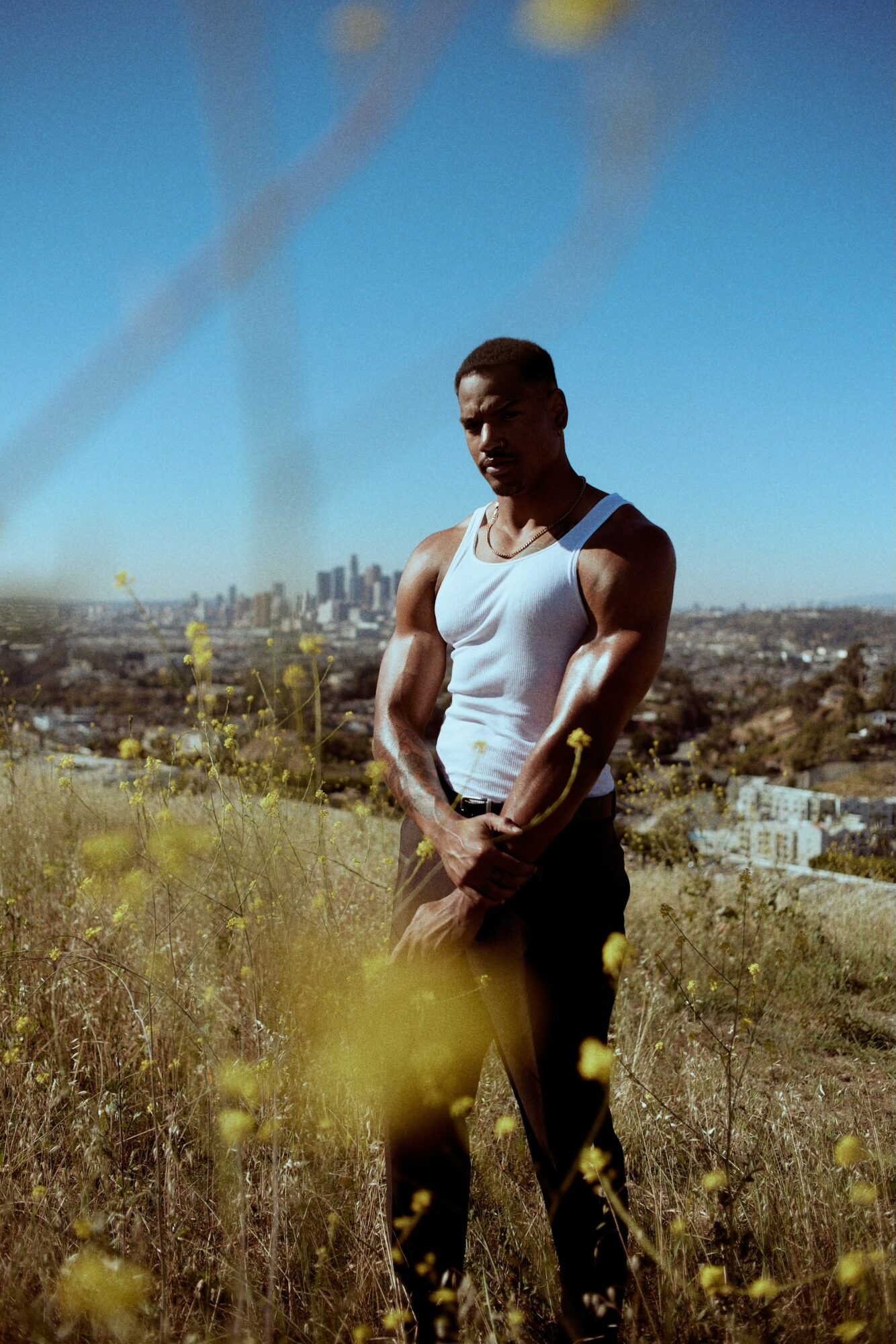
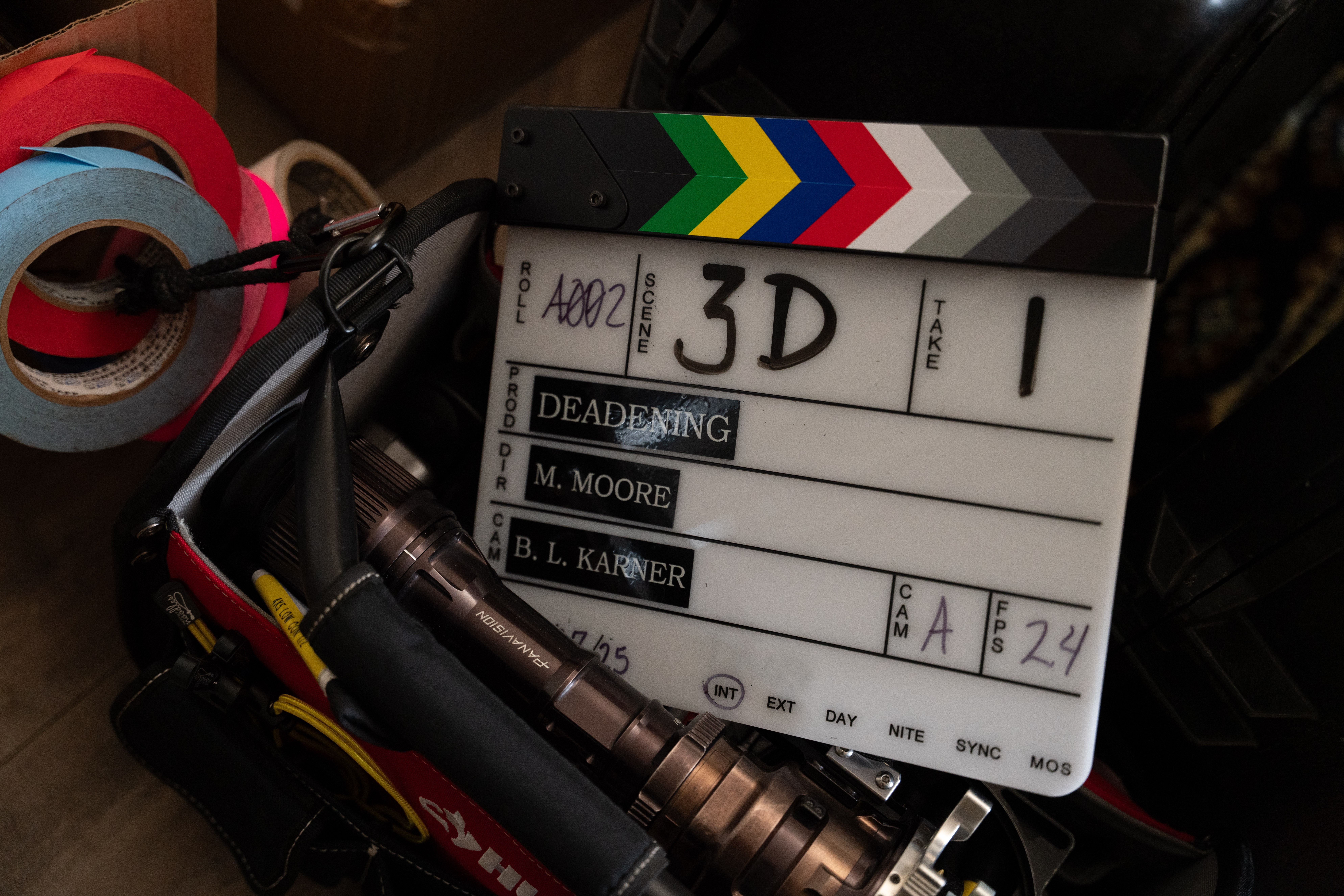
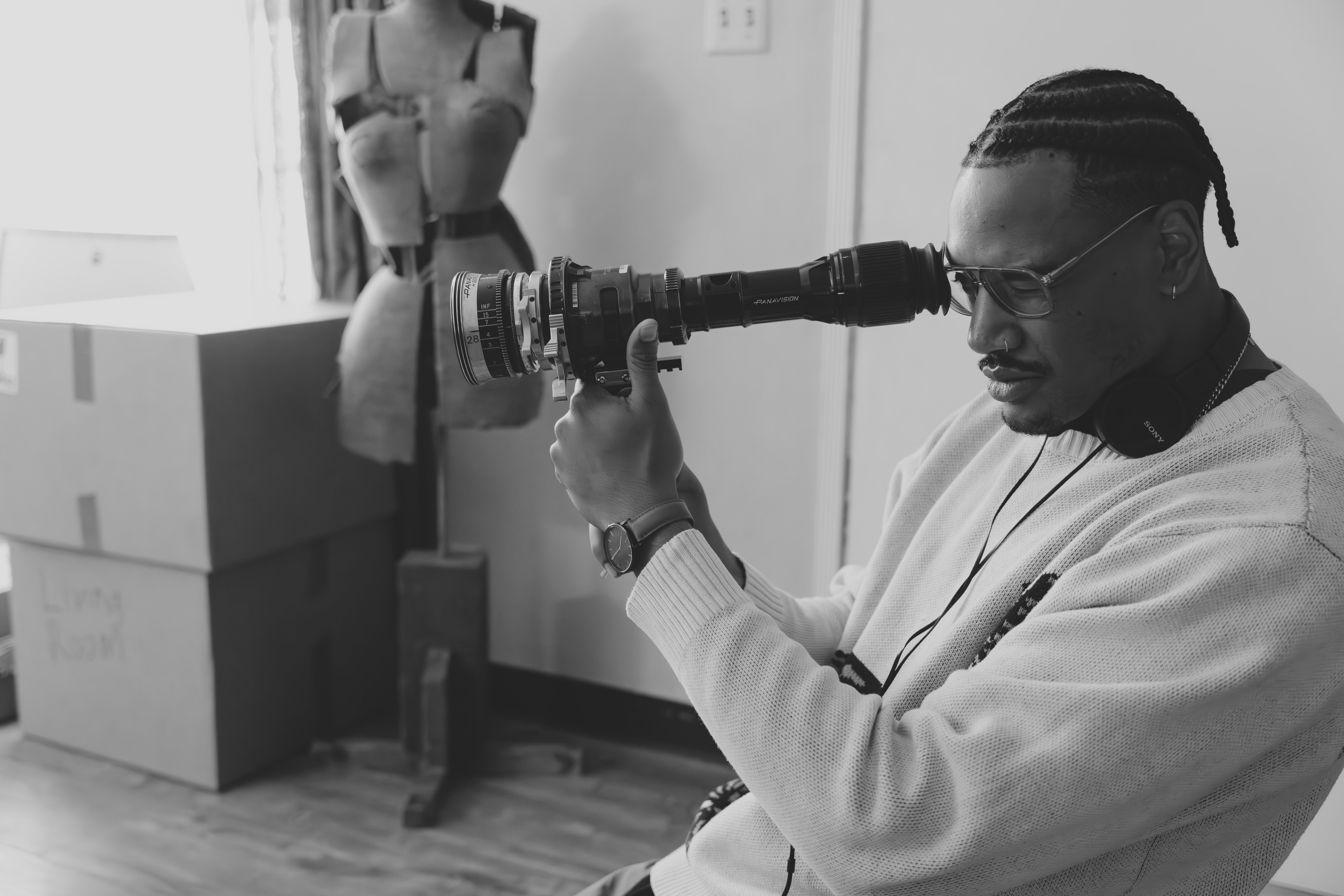
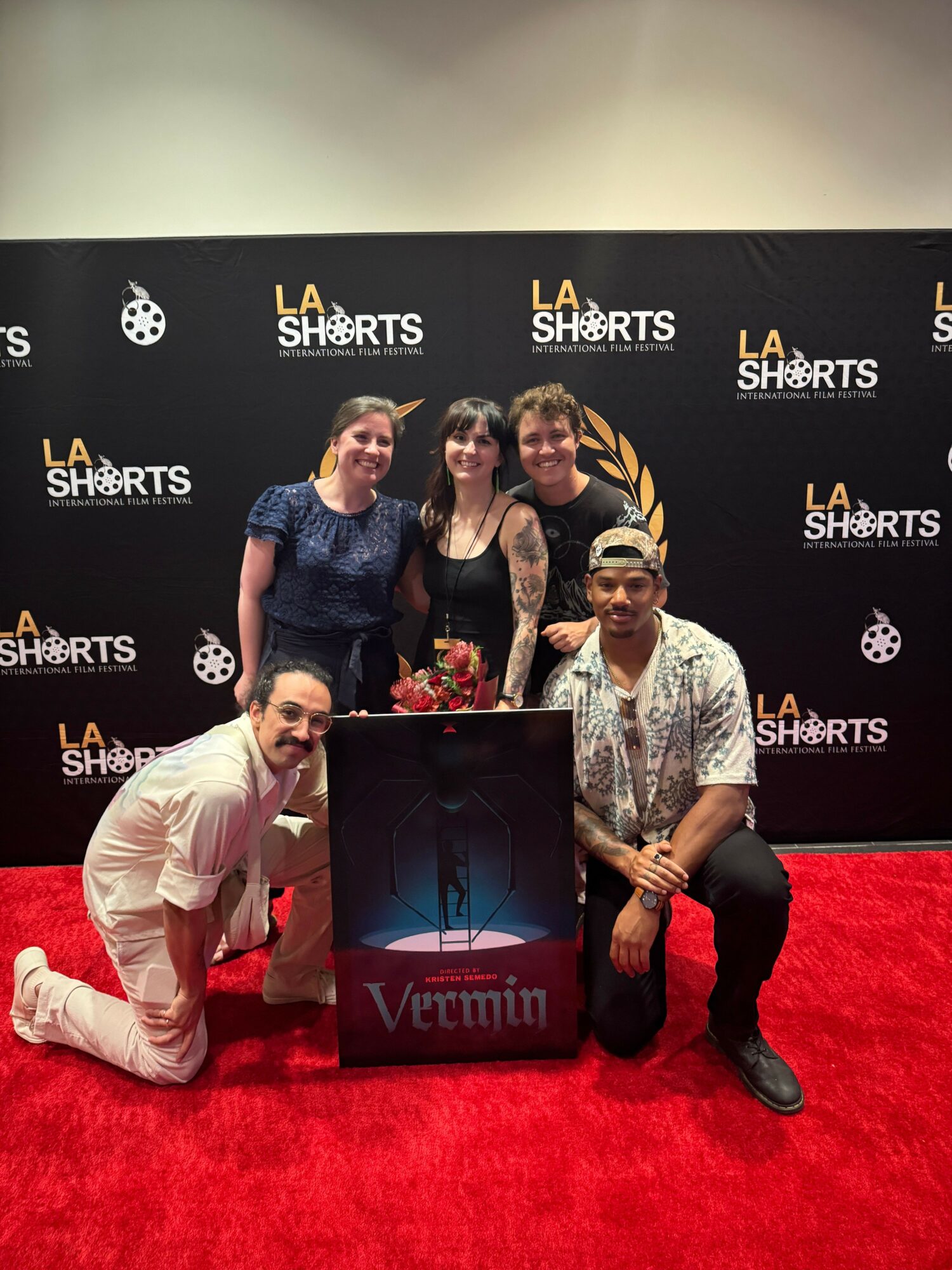
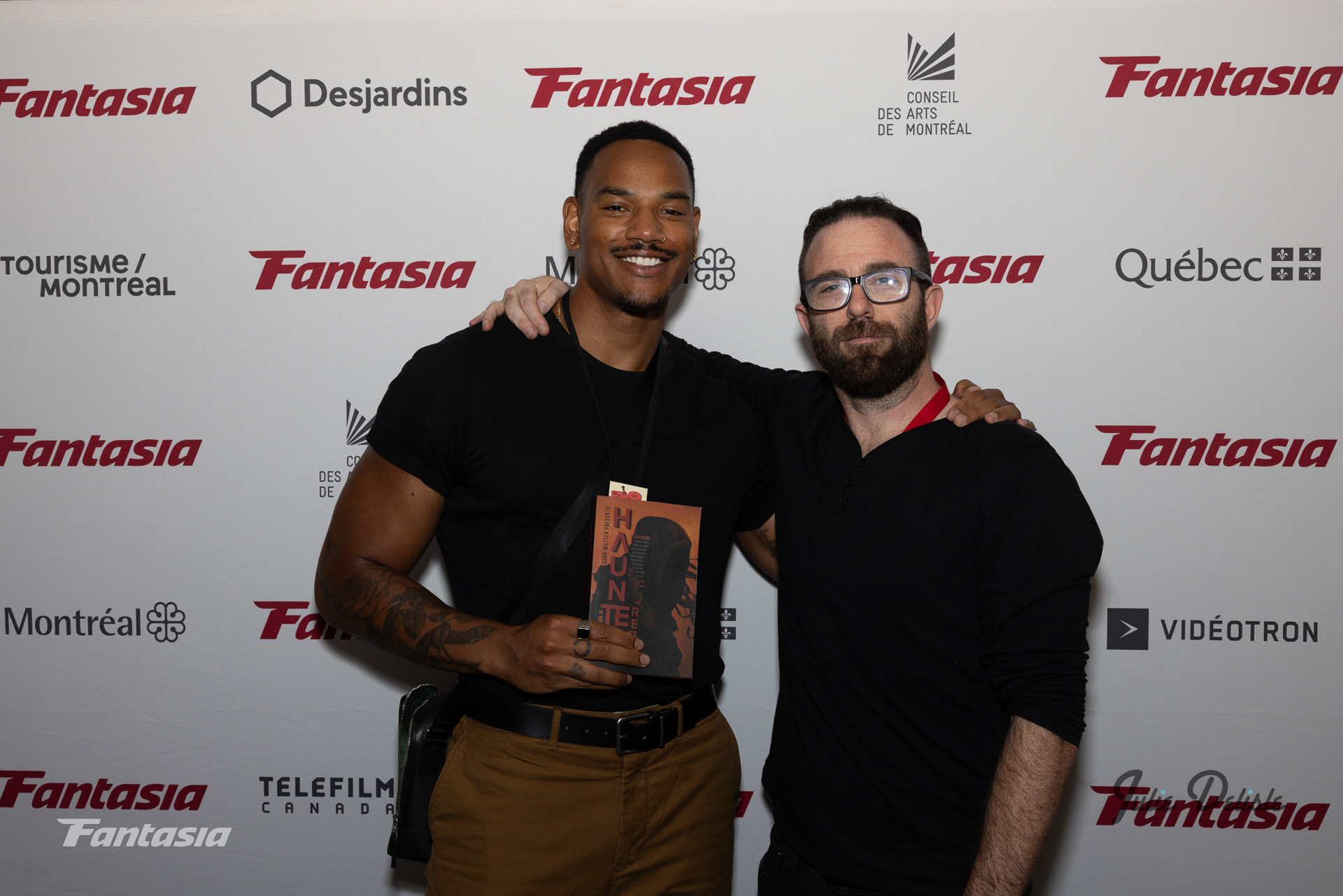
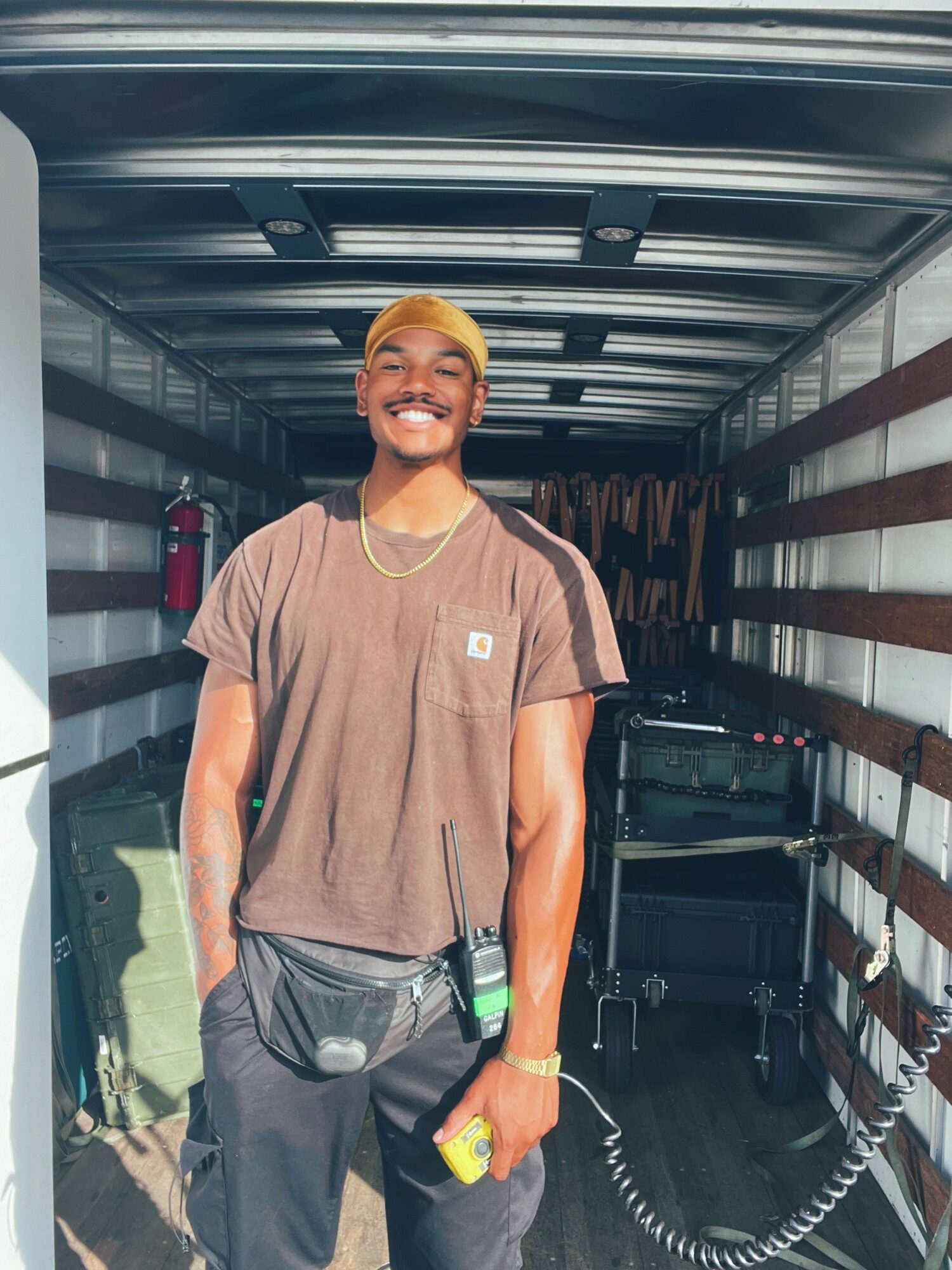
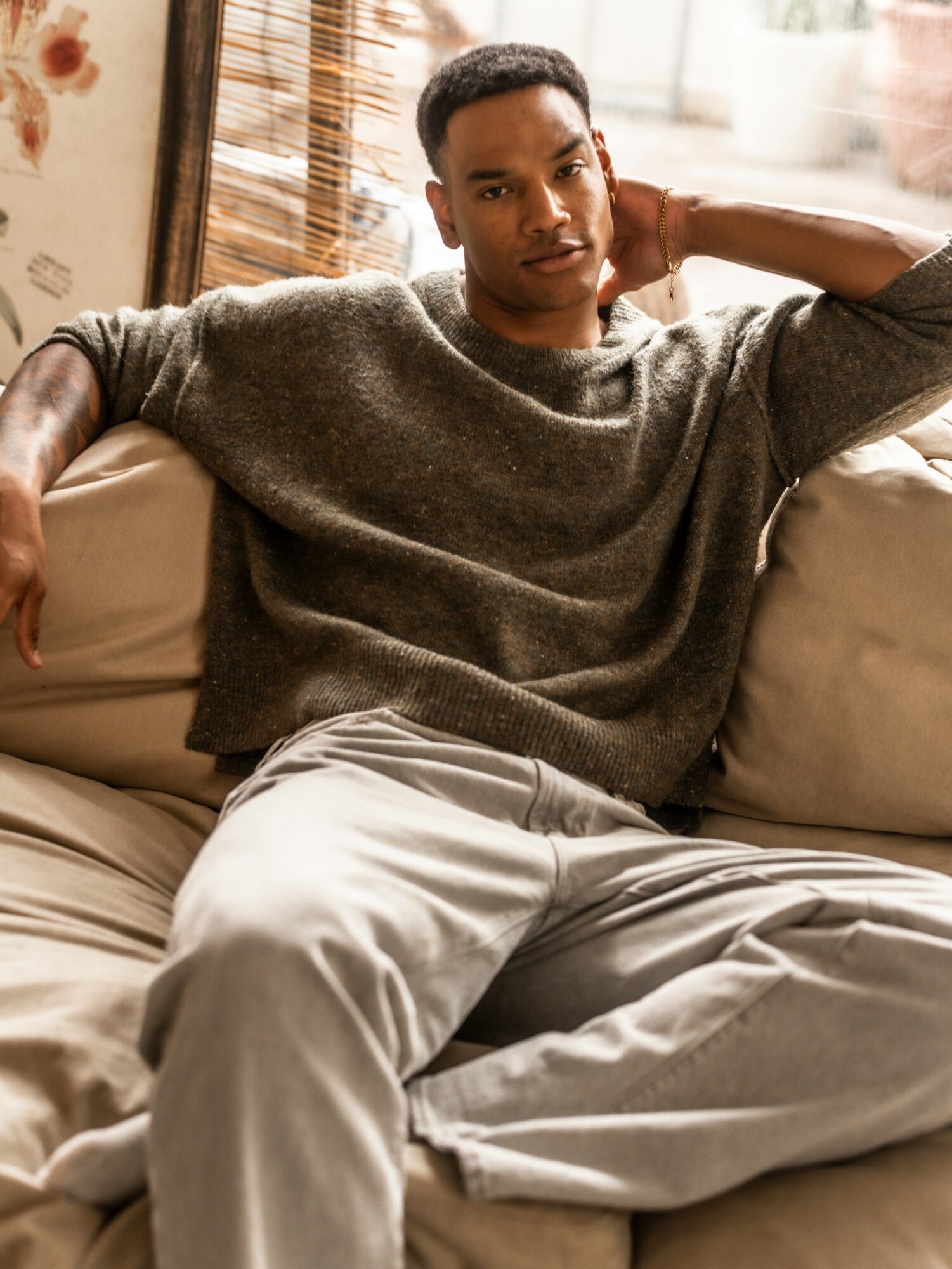
Image Credits
Transparency Studios
Kristen Semedo
Tim Theisen
Justin Macala
Popular
-

Portraits of the Valley
-

LA’s Most Inspiring Stories
-

Rick Norris Learned That Building a Successful Business Means Building a Life You Actually Want to Live
-

How Olivia Rush Turned Survival Into a Mission to Help Others Keep Going
-

How Bibi Goldstein Is Helping Entrepreneurs Reclaim Their Time by Embracing the Power of Delegation
-

Victoria Hasson is Redefining Voice Coaching Through Community and Collaboration


