




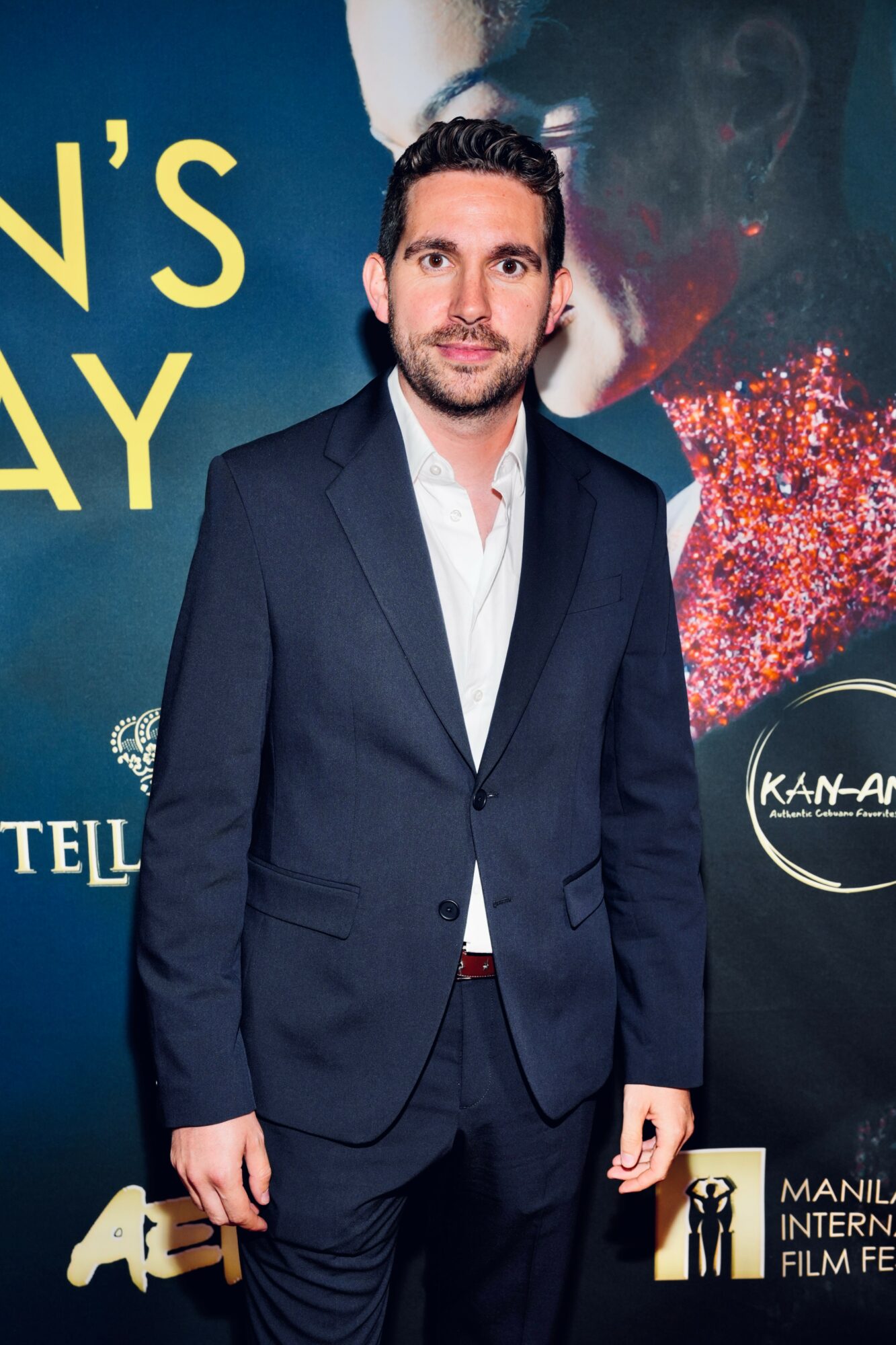
We recently had the chance to connect with Erik Sopracasa and have shared our conversation below.
Good morning Erik, it’s such a great way to kick off the day – I think our readers will love hearing your stories, experiences and about how you think about life and work. Let’s jump right in? What do the first 90 minutes of your day look like?
While the first year of my company, MOVART, was focused first on execution and building a portfolio and then expand into creating a product that could be sold to a major network, this year has been very focused on building strategic relationships with executives and studios to position MOVART as a stronger, more established creative studio within the industry. These things take time, but it’s been a meaningful year of laying foundations and opening new doors. So a normal day for me is a mix of creative work and business development. I usually start by reviewing priorities and working on ongoing projects, whether that’s writing pitch materials, shaping new concepts, attending networking events, strengthening partnerships, following up on potential opportunities, and making sure MOVART is aligned with where the market is heading. I’ve also started running again which I try to do the first thing at the start of my day and I also have a very energetic Golden Retriever who will make sure I take a break to walk her haha.
Can you briefly introduce yourself and share what makes you or your brand unique?
My name is Erik Sopracasa, and I’m the founder of MOVART, a creative studio and production company based in the US. I’m a filmmaker, producer, and marketing executive with a bit of an unusual path into this industry. I was born in Italy, grew up most of my life in Belgium, built a career in global marketing and moved to the United States in 2016. I can’t believe it’s been 9 years now, time definitely goes faster in the US :-).
I moved to the US to do something completely different that what I was doing in Europe, I felt it was like a “now or never” moment in my life that I could do it, so I auditioned and was accepted at Stella Adler, a world renowned school for acting where many actors graduated such as Marlon Brando, Robert DeNiro, Mark Ruffalo, and many many more. I started the conservatory in LA but then moved to NYC where I graduated in 2019.
When the pandemic started I immediately realized that the entertainment industry was going to change just like any other industry, look at where we are now with Netflix and Paramount just announcing their possible buy of Warner Brothers.
This change that started during the pandemic and later followed by the strikes in the industry would push people to create their own work because everything was paused. This would also give independent productions more opportunities as they don’t depend from the studio politics, are more agile and work much faster. Many executives in the industry I spoke with all confirmed that production crews are shrinking and we are evolving into a more “independent” style of producing. This is exactly how I approached my first feature documentary. I approached it as a startup. My experience in both corporate and startups in technology was a very big help to actually make it all work.
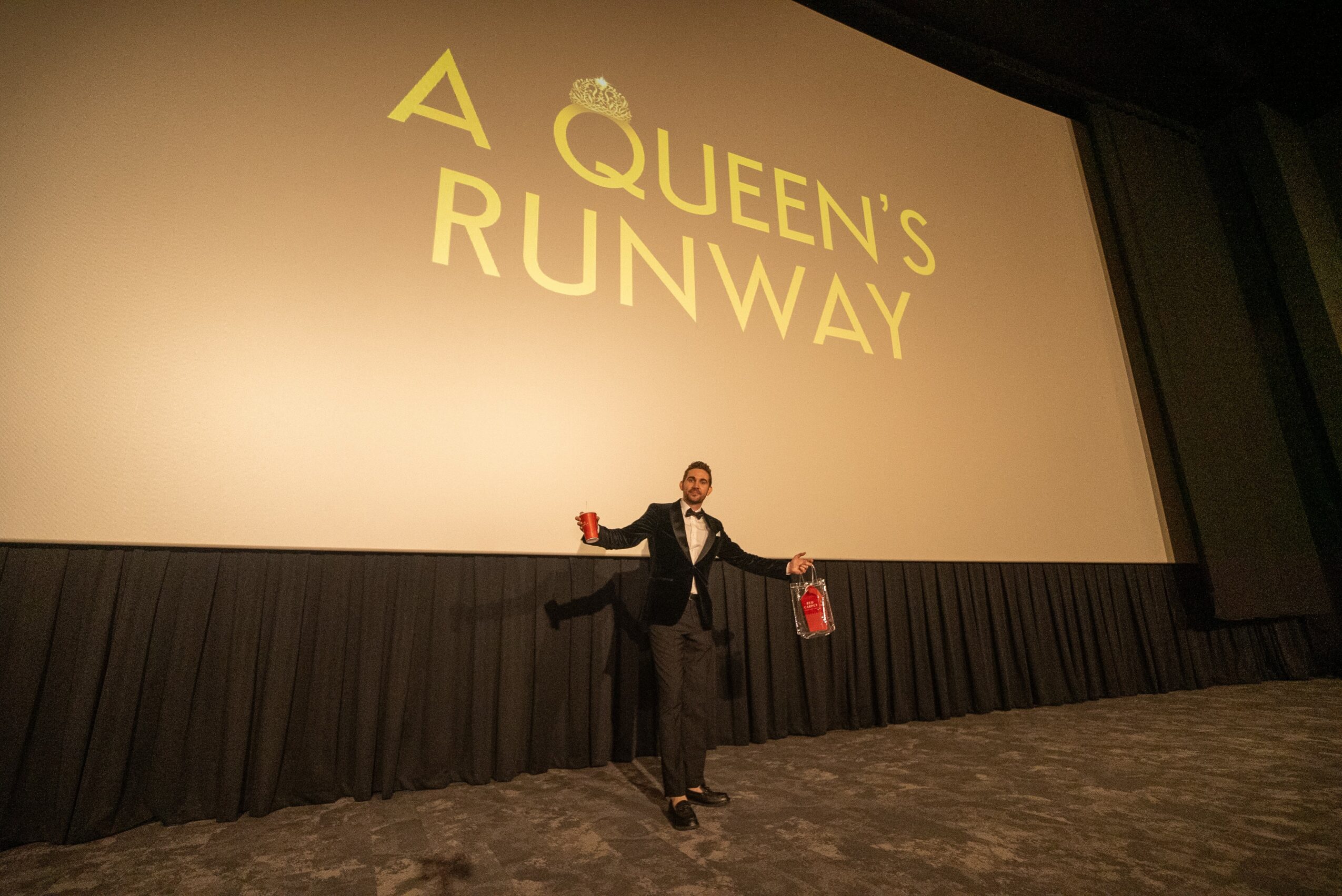
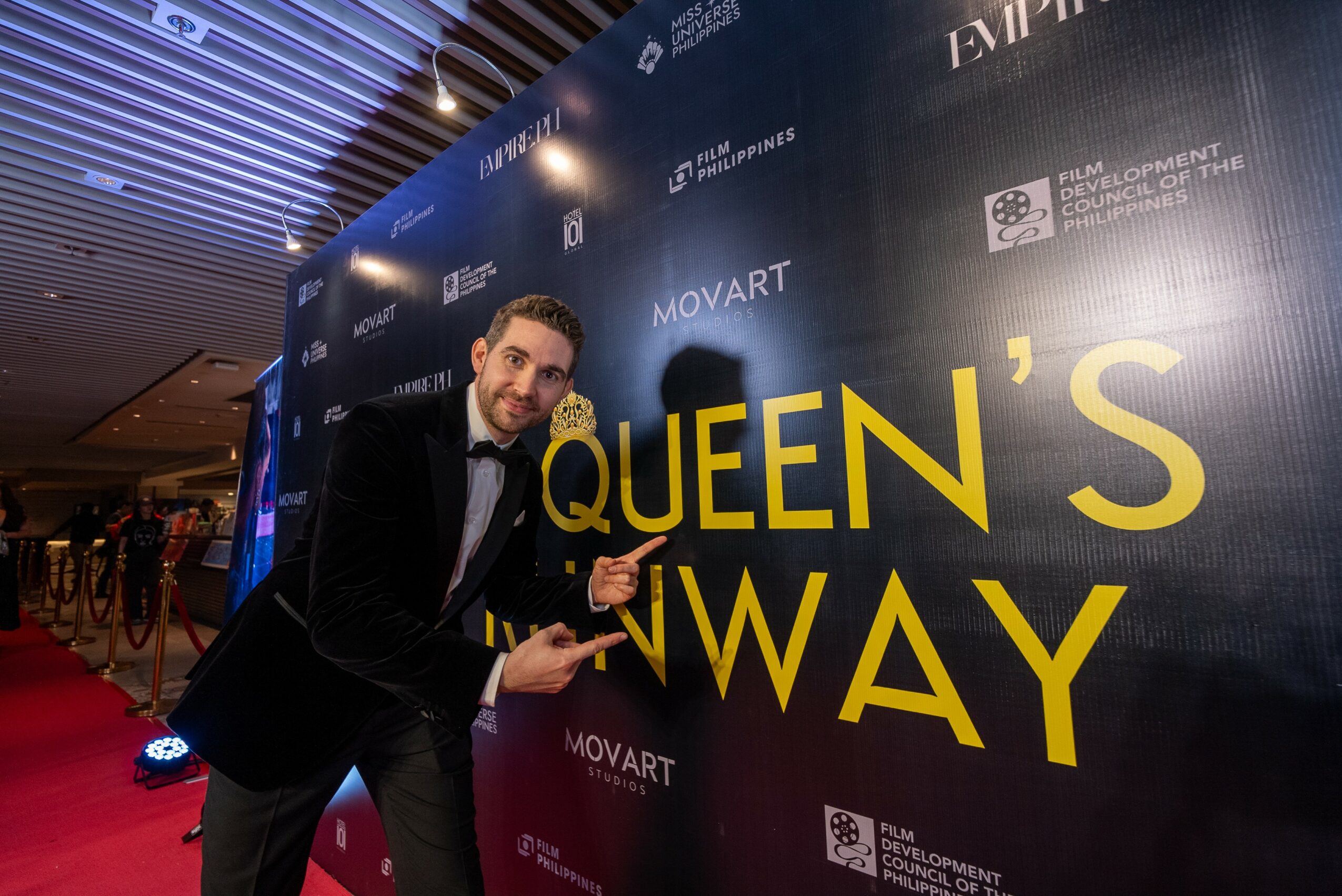
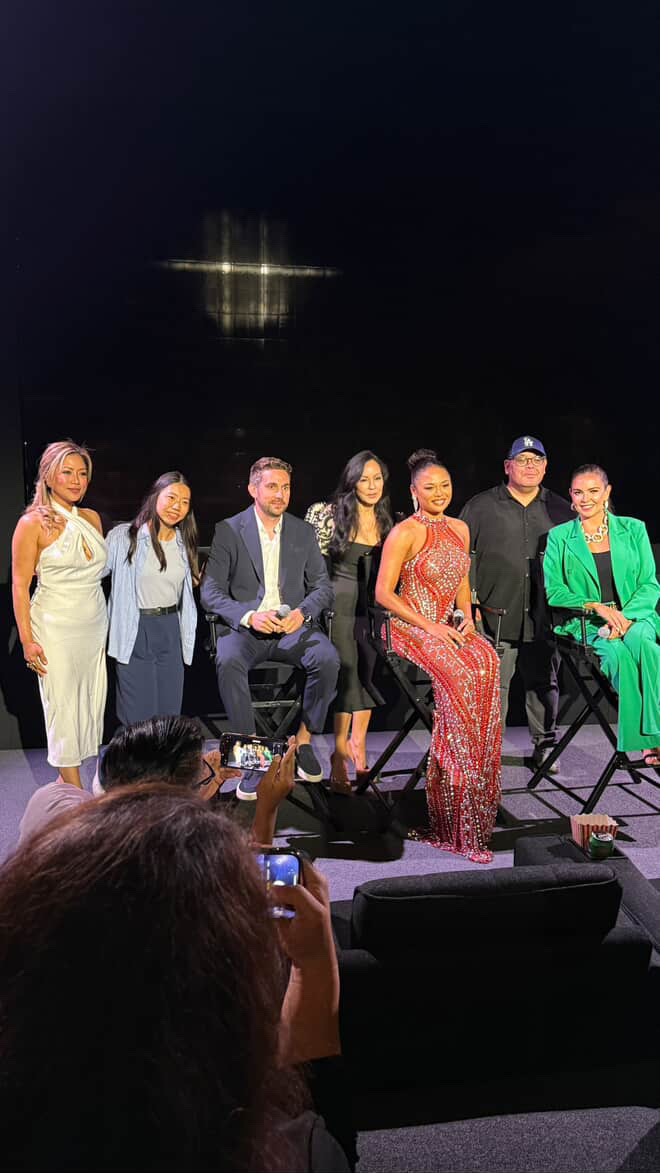
In 2023, I officially launched my production company MOVART with as goal to break into the global entertainment market. Less than two years later, we went from a concept on paper to selling our first feature documentary, A Queen’s Runway, to Netflix, making it the first documentary in history about Miss Universe Philippines to land on the platform.
My background allows me to work at the intersection of filmmaking, global marketing strategy, and international distribution. MOVART isn’t just a production company, it’s a modern micro studio model built for the next decade, where creative development, brand storytelling, and strategic distribution work together from day one.
What makes our approach unique is that we operate with the precision of a global marketing organization and the soul of an independent film studio. Beyond documentaries, we’re now building a slate of prestige films, series, and branded stories. From historical dramas to global narrative features and high-end branded documentaries.
What I have achieved with MOVART in such a short amount of time is the proof that with the right strategy independent creators have the chance to influence culture, elevate unheard voices and can compete on a global stage.
Amazing, so let’s take a moment to go back in time. What’s a moment that really shaped how you see the world?
One moment that fundamentally reshaped how I see the world was the day I decided to move to the United States completely on my own. I was leaving behind for a place where I had no guarantees.
I remember stepping off the plane in LA with one suitcase and this intense feeling that I had just bet my entire life on myself. That decision forced me to see the world as a place where opportunity is not something you wait for, it’s something you create intentionally. The U.S. is really a place full of opportunities but you have to work really hard for it. Every door I have opened here, from training at Stella Adler to building my own production company and eventually selling a film to Netflix, came because I was willing to take that first risk and keep betting on myself long after it stopped being comfortable.
Moving to the U.S. was a very humbling experience, you need a lot of persistence and the courage to live far outside of your safety zone. It shaped the way I work, the way I lead, and the way I tell stories. It taught me that reinvention is possible, that resilience is a strategy, and that the world ultimately belongs to the people who refuse to wait for permission.
Was there ever a time you almost gave up?
Many times. People often see the highlight moments and assume the path was smooth or it was just luck. But the reality is that the path often times is very rough. I felt many times alone. I rarely stand still on what I achieve because I always think I can do better and next to that, moving to the US on your own requires you to do a lot. It would lead the conversation too far but it’s been the most difficult thing I have done in my life.
There have been days when the rejections, the financial pressure and the 24/7 uncertainty made me question whether I had chosen a dream or a delusion.
Even with the last project I did, A Queen’s Runway. I’m someone who focuses so much on the end result and the work, I can be very obsessive about what I want to achieve and bring the best work out there. But I found out that there will always, and literally always, be people who are not there for the work, they are there to get a piece of the pie you are creating, there will always be people preying on your success or try to slow you down. Especially when what you are building is something out of their comfort zone. You will encounter this because you are exposing yourself to risks most people will never take but that’s when you know you are on the right track and it’s not supposed to be easy.
Every time I reached that edge, something inside me refused to quit. My faith has been very important to get through those difficult moments and I don’t think I would have been able to get there without it.
So yes, I almost gave up many times. But every single time, I chose to take one more step forward and that has made all the difference.
Alright, so if you are open to it, let’s explore some philosophical questions that touch on your values and worldview. What’s a belief or project you’re committed to, no matter how long it takes?
One project I’m committed to – no matter how long it takes – is creating a major documentary or scripted series exposing the global crisis of human trafficking, especially child trafficking. This is not just another project on a slate for me. It’s something I feel a responsibility to tackle as a storyteller with a global platform.
Human trafficking is one of the largest criminal industries in the world, estimated to generate over $236 billion USD in illicit profits every year. Behind those numbers are real children, over 2 million every year, whose lives are being stolen. What shocks most people is that the United States – a place many assume is the safest – now hosts more child sexual abuse material online than any other country. That reality is unacceptable to me, and it’s one of the reasons I’m committed to using my craft to confront it.
I want to partner with organizations doing real work on the ground, like OUR Rescue, and build a project that exposes not just the scale of the problem but the systems, vulnerabilities, and blind spots that allow trafficking to thrive. Whether it becomes a feature documentary, a multi-part series, or a feature, I know this story requires depth, patience, and absolute integrity and I’m willing to put in that time.
Storytelling has the power to shift public perception, influence policy, and open doors for change. If I can help bring global attention to a crisis that too many people still ignore, then that’s a legacy worth fighting for, no matter how many years it takes.
Before we go, we’d love to hear your thoughts on some longer-run, legacy type questions. What is the story you hope people tell about you when you’re gone?
I want to be remembered as someone who always kept his promises, came from nothing, crossed continents, rebuilt his life more than once and never gave up. But more than the achievements, I hope the story people tell is that I used my voice and my work to shine light on others, to create opportunities, and to tackle subjects that matter. That I cared enough to try to make a difference, even in small ways.
If people can say I was someone who stood by his word, who created with purpose, and who lived with integrity, that’s a legacy I’d be proud of.
Contact Info:
- Website: https://www.movart.tv
- Instagram: @eriksopracasa and @movart.tv
- Linkedin: Erik Sopracasa

Popular
-

Portraits of the Valley
-

LA’s Most Inspiring Stories
-

Rick Norris Learned That Building a Successful Business Means Building a Life You Actually Want to Live
-

How Olivia Rush Turned Survival Into a Mission to Help Others Keep Going
-

How Bibi Goldstein Is Helping Entrepreneurs Reclaim Their Time by Embracing the Power of Delegation
-

Victoria Hasson is Redefining Voice Coaching Through Community and Collaboration


