




We’re looking forward to introducing you to Ann Diener. Check out our conversation below.
Ann, we’re thrilled to have you with us today. Before we jump into your intro and the heart of the interview, let’s start with a bit of an ice breaker: What is something outside of work that is bringing you joy lately?
One of my favorite activities is open water swimming and I’ve been swimming in the ocean several times a week with a group all summer and into the Fall
Can you briefly introduce yourself and share what makes you or your brand unique?
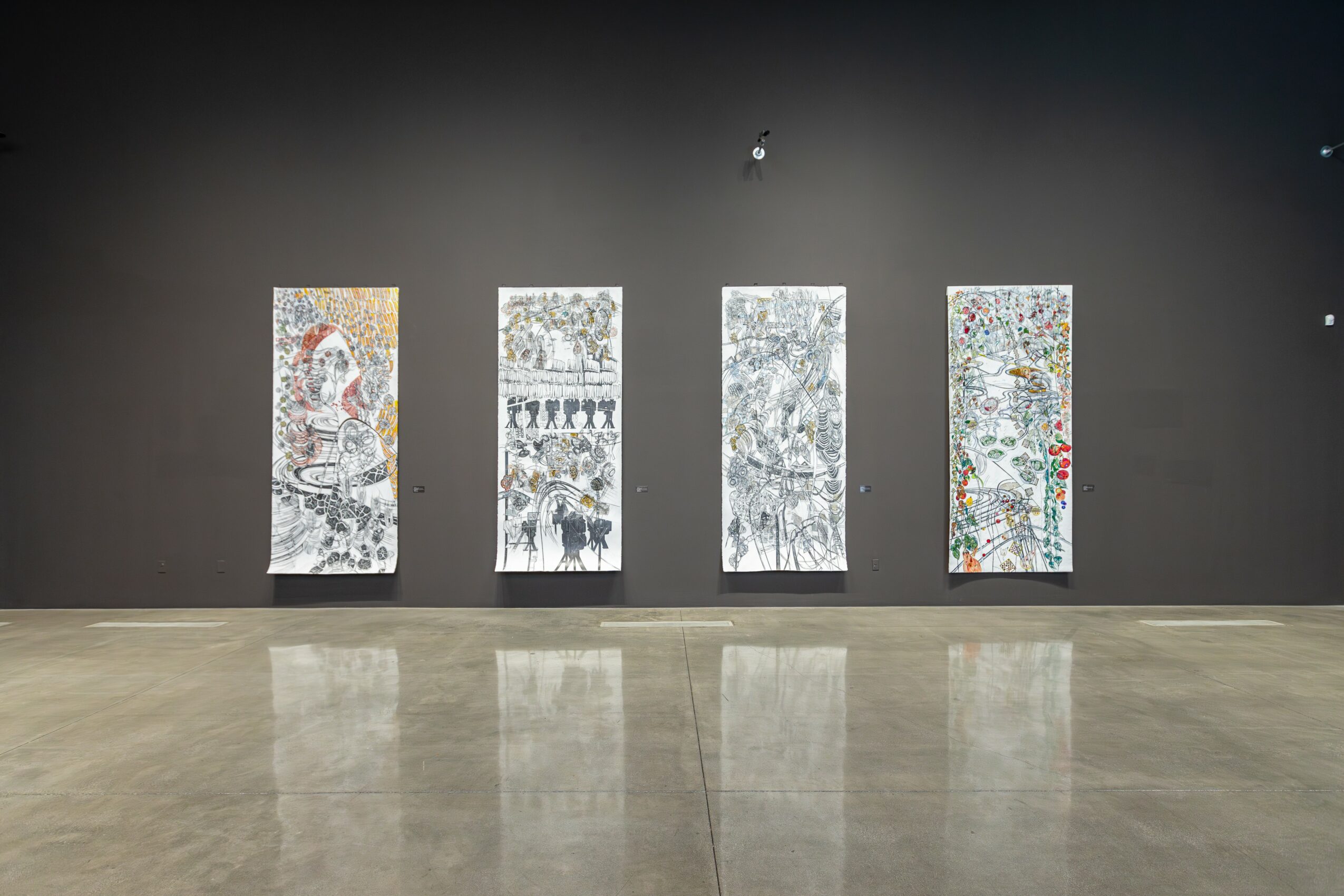
I make multi-layered drawings, tapestries, prints and immersive installations which investigate the history of places and social structures: home, family, government, and politics. My current body of work examines industrial agriculture/factory farming, specifically the global disparities in water access. The technology of factory farming remains as intrinsic to California agricultural future as artificial intelligence and the innovations of Silicon Valley. The ecosystems this technology generates are at the core of my work, resulting in intricate architecture and stunning visual landscapes. While water issues are key components of climate change, they are important metaphors for social and racial inequalities. Water is an urgent global crisis impacting many parts of the world.
I source imagery from land, cartography, and aerial photographs to highlight how social and racial inequalities shape resource distribution and the resulting effects on crops, land, and communities. This work was the subject of an exhibition in 2024 at The Lancaster Museum of Art and History, MOAH and the exhibition is traveling to The Bakersfield Museum of Art in January 2026. The exhibitions are accompanied by a book with essays by Mark Arax, author of The Dreamt Land, Ian James, staff writer for The Los Angeles Times, both who write about water issues in California, Leslie Jones, Curator of Priints and Drawings at LACMA 2005-2023, Shana Nys Dambrot, art critic, curator and author and exhibition curators Andi Campognone and Victor Gonzales and me.
Thanks for sharing that. Would love to go back in time and hear about how your past might have impacted who you are today. Who taught you the most about work?
The person who provided me the most insight into my work was Dr. Colin Gardner, Professor of Critical Theory and Integrative Studies at the University of California Santa Barbara. Through his classes on Critical Theory while pursuing my MFA, I read a wide variety of writers, learned how to critically analyze my work, research a wealth of new ideas and push it into new directions.
If you could say one kind thing to your younger self, what would it be?
I would advise my younger self not to be so hard on myself.
Alright, so if you are open to it, let’s explore some philosophical questions that touch on your values and worldview. Whom do you admire for their character, not their power?
The person I most admire for his character is my husband, Robert Diener.
Thank you so much for all of your openness so far. Maybe we can close with a future oriented question. What will you regret not doing?
I don’t think I will regret anything. If I weren’t making art, I would certainly have regretted it.
Contact Info:
- Website: https://www.anndienerstudio.com
- Instagram: @anndiener
- Facebook: Ann Diener
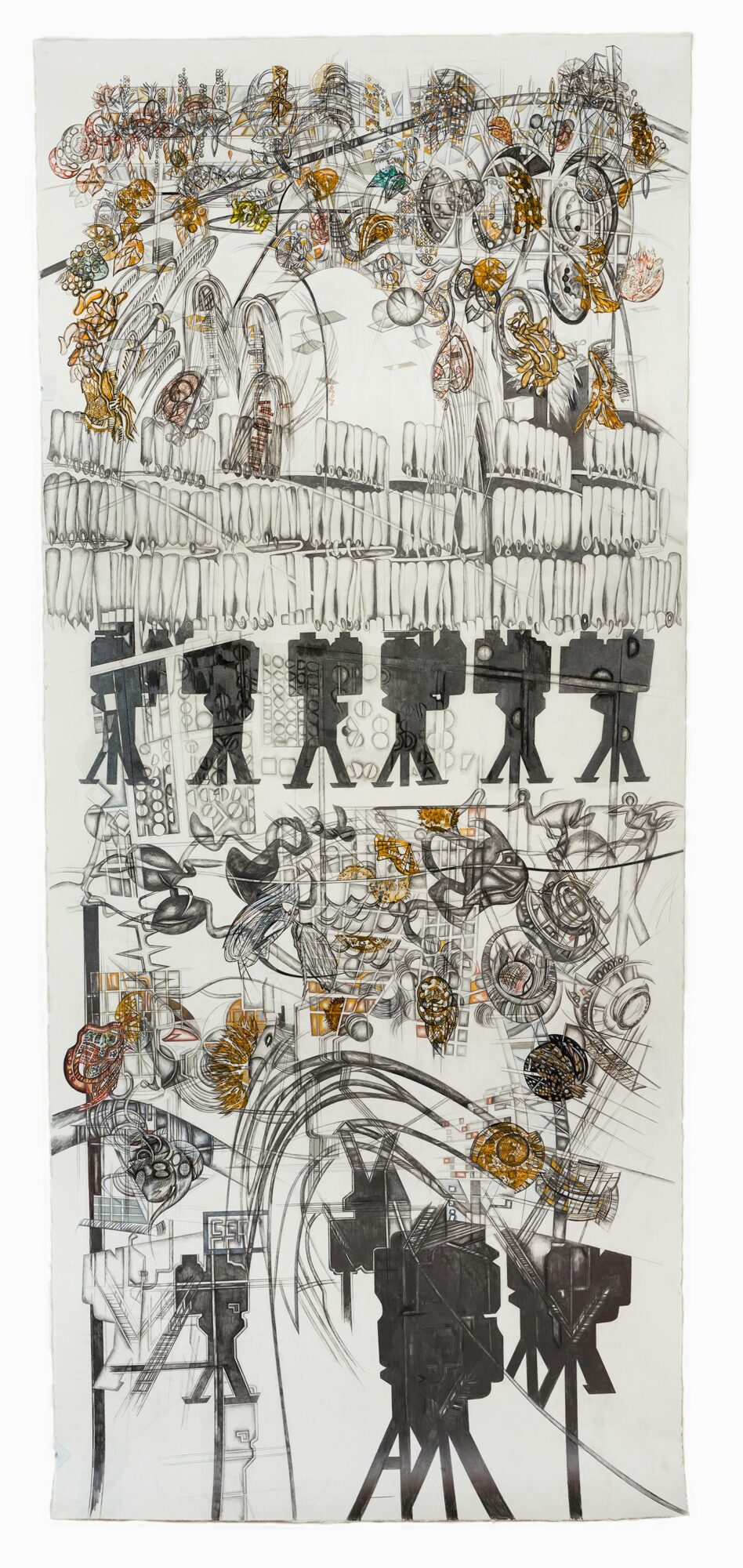
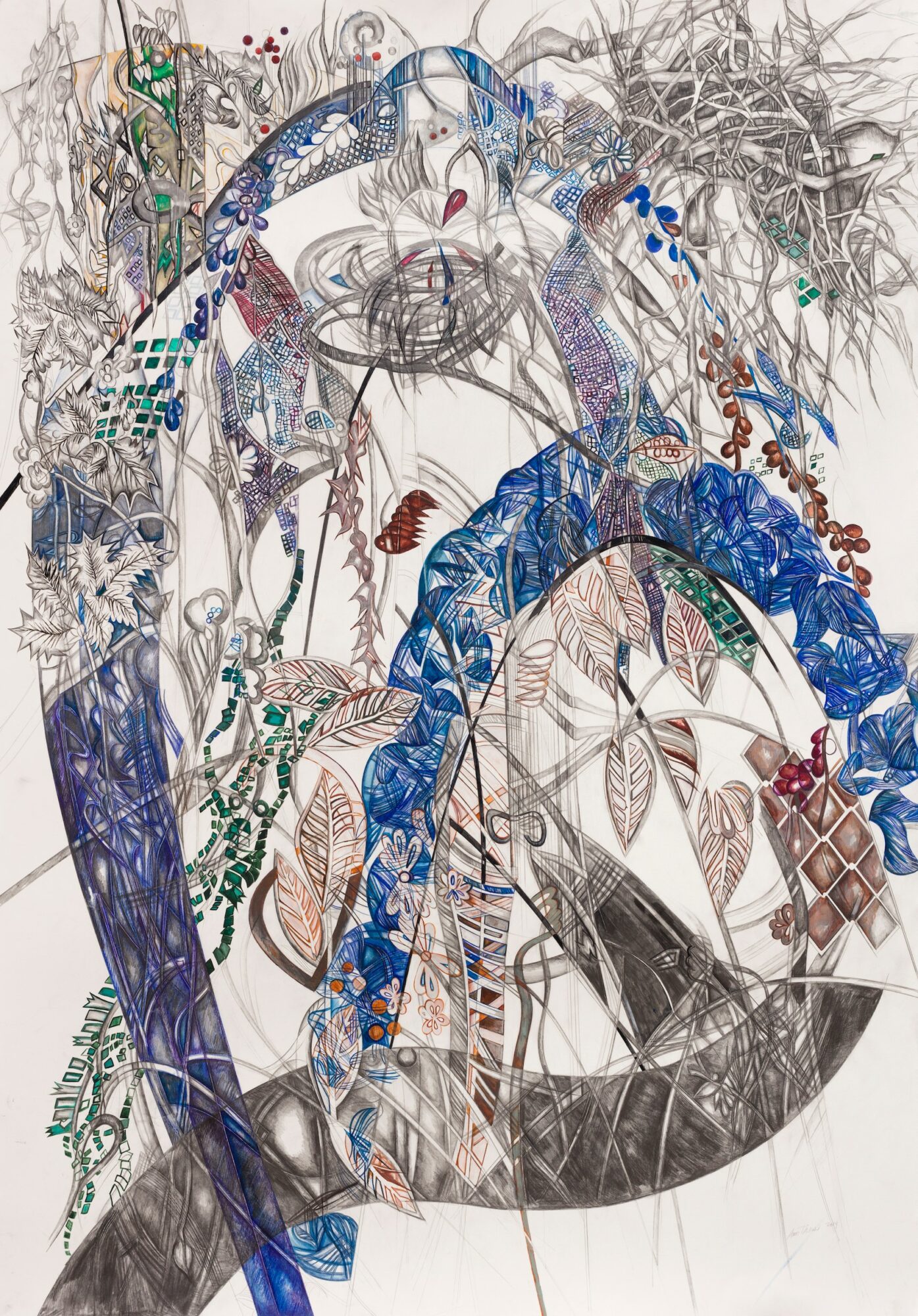
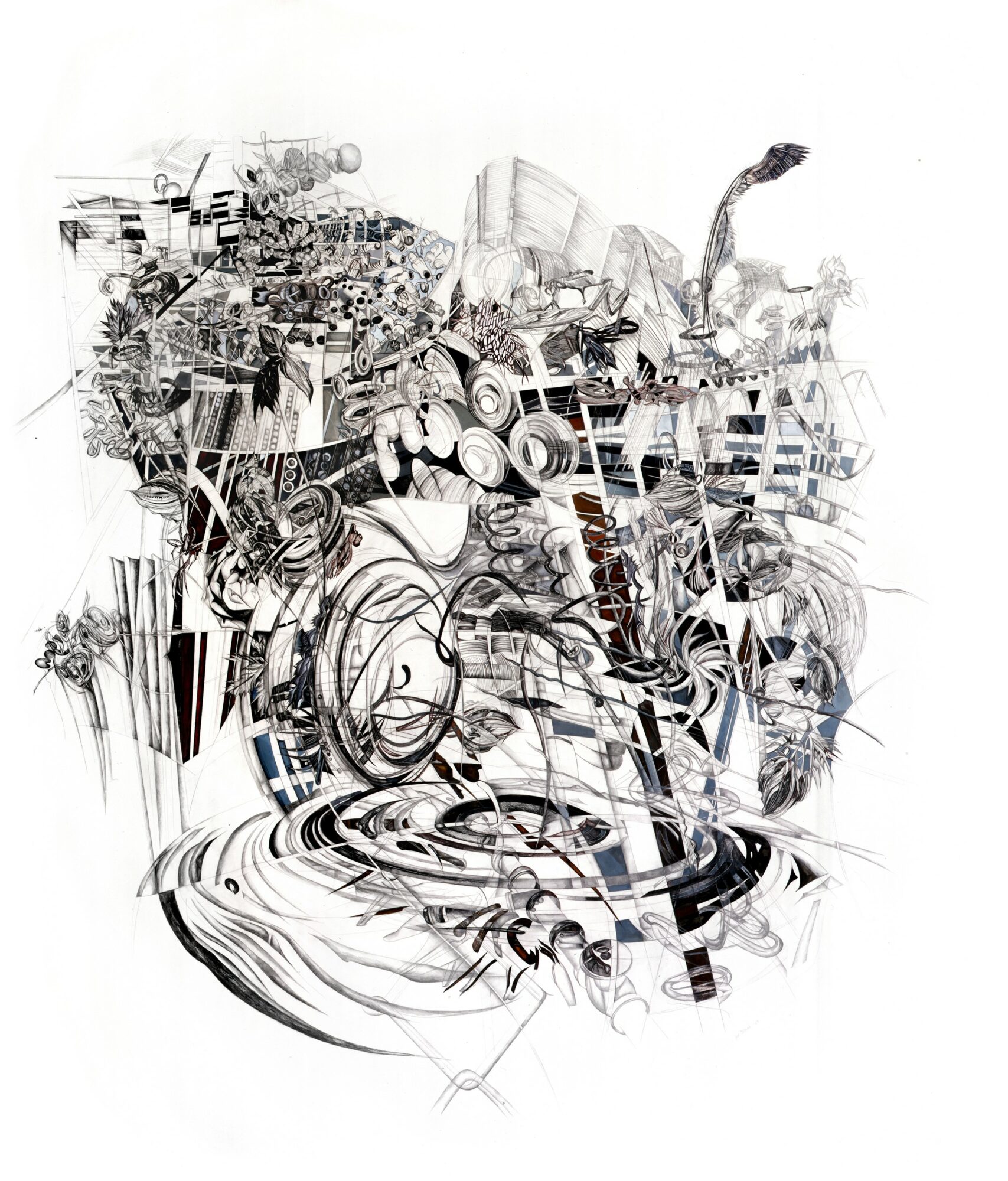
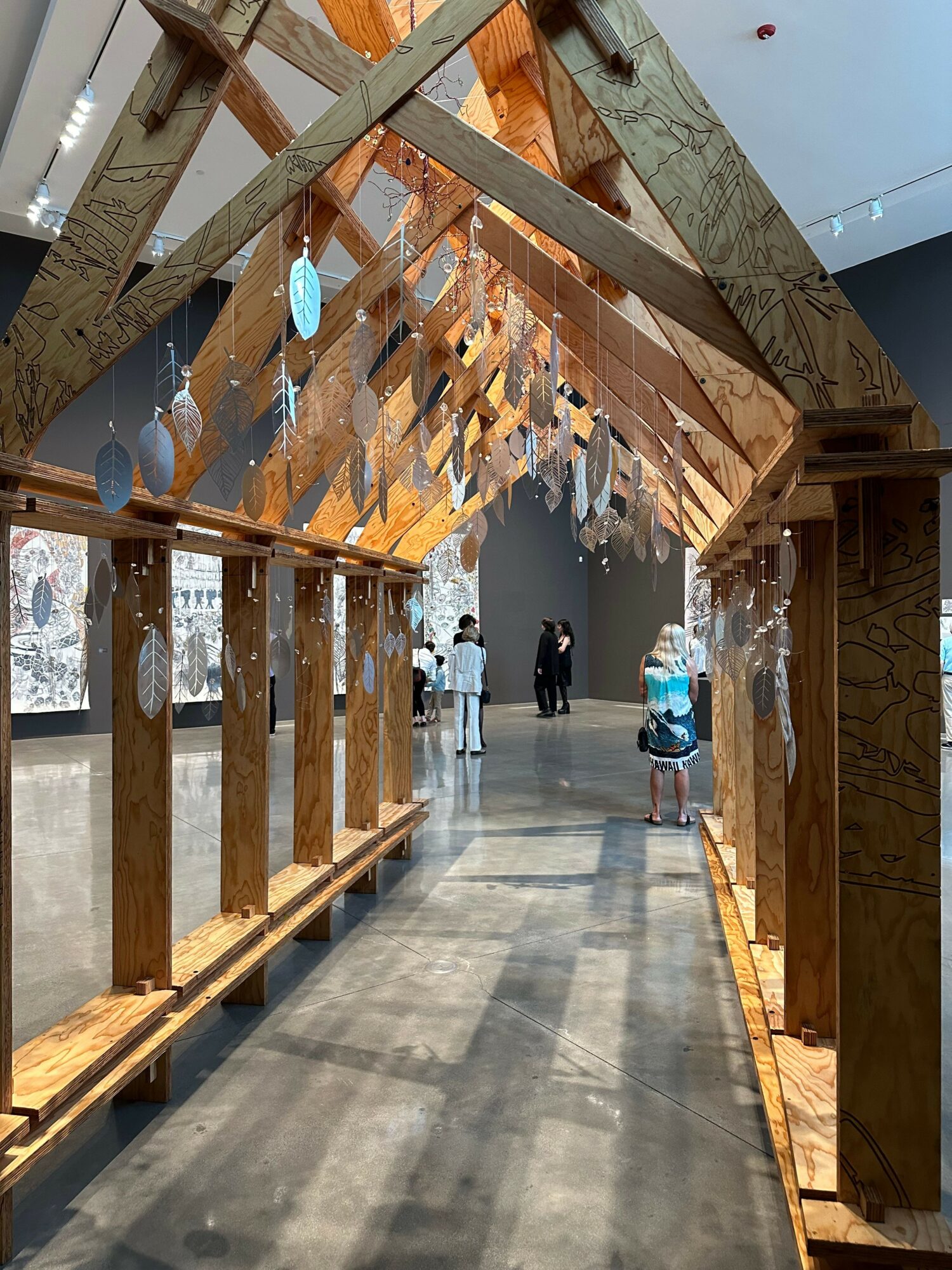
Image Credits
Elon Schoenholz Photography amd Angel Xotlanihua Photography, Los Angeles
Popular
-

Portraits of the Valley
-

LA’s Most Inspiring Stories
-

Rick Norris Learned That Building a Successful Business Means Building a Life You Actually Want to Live
-

How Olivia Rush Turned Survival Into a Mission to Help Others Keep Going
-

How Bibi Goldstein Is Helping Entrepreneurs Reclaim Their Time by Embracing the Power of Delegation
-

Victoria Hasson is Redefining Voice Coaching Through Community and Collaboration


