




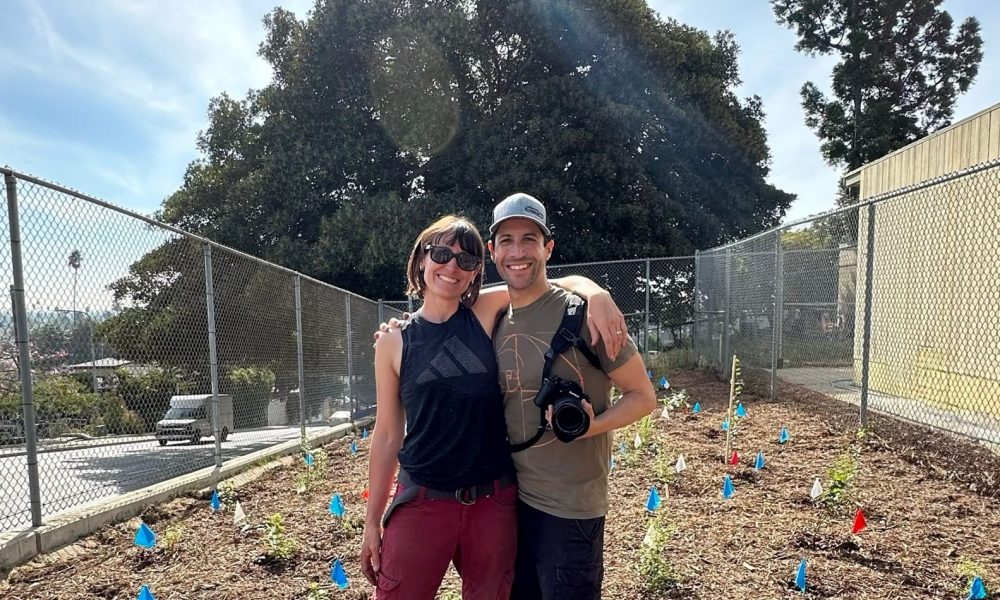
Today we’d like to introduce you to Thea Golden.
LA Recovery Connect (LARC) is a non-profit organization on a mission to provide under-resourced people impacted by alcohol and substance use disorder with housing and supportive services that foster self-confidence and build healthy connections.
The inception of the idea was born from documentary filmmaker and founder Thea Golden’s own recovery journey, which began during the production of her first film with director John Chester entitled “Lost In Woonsocket.” Producing this powerful documentary about two men suffering from substance use disorder introduced her to the world of recovery and connected her to mentors nationwide.
Golden embarked on a three-month tour with the film, during which she came face to face with her and her family’s recovery journey. This epiphany inspired her to leave behind her documentary roots and become a Recovery Coach.
Upon returning to LA, Golden’s eyes were opened to the desperate need for peer-to-peer support for people in recovery, in particular the under-resourced individuals in her South LA neighborhood. Golden, along with her husband Tyler and a group of close friends, founded LARC in service to those whom the system tends to leave behind.
Today, a converted ADU in their backyard hosts two women well on their way to getting their lives back on track utilizing LARC’s unique “unconditional support” approach. Acknowledging that humans deserve dignity, respect, and the grace to make mistakes, Golden (who serves as Recovery Coach, House Manager, and LARC’s Executive Director) and the LARC team take a compassionate approach to recovery.
Additional supportive services offered by LARC include “All Recovery Meetings,” in which all pathways to recovery are embraced, and “Open Spaces,” which provides members with invigorating hikes in nature. LARC also co-hosts Naloxone training events in partnership with the lukelove Foundation, providing invaluable opioid overdose reversal instruction to schools, clubs, organizations, groups, and businesses throughout Los Angeles, even providing attendees with free Naloxone kits.
If you’d like to learn more about LARC’s services, book a Naloxone training, or support LARC in any way, go to larecoveryconnect.org. You’re invited to our annual “Headshots and Tacos” fundraiser Saturday, September 28 12p – 6p (RSVP on our site). A suggested donation of $100 gets you a headshot by a professional photographer and as many tacos as you can eat.
Who can say “no” to that?
Alright, so let’s dig a little deeper into the story – has it been an easy path overall and if not, what were the challenges you’ve had to overcome?
“It’s difficult to exist in the non-profit space when your organization is intentional, slow, and steady in a world that is anything but that,” reflects Thea.
The biggest challenge LARC faces is funding.
Providing affordable housing with supportive services in South LA isn’t cheap. We work tirelessly to come up with creative revenue sources to increase our sustainability as an organization.
We’re a small team providing direct services while simultaneously scaling our capacity to serve. We strive to find the balance of honoring our mission while courting corporate sponsors and large donors and fielding grant opportunities.
The supportive services we provide are holistic and connection-based and require a significant amount of time, so more personnel are required to sustain the quality of care LARC offers. Our team is crucial.
“If you have a good team, you can help more people find stability” says Thea. She also believes in taking care of the people who take care of people, so providing the LARC team with a livable wage is a big piece of the LARC puzzle but can be a tough sell to funders.
Resource availability for LARC members is another challenge. Wait lists for services are incredibly long. LARC strives to fill in the gap until those services are available. For example, when someone is awaiting therapy support, LARC provides supplemental opportunities through 12-step meetings and support groups until a therapist becomes available.
We’re always in need of In-Kind donations and are currently seeking a water filtration system for our residence. If any of your readers have an appropriate resource, please reach out through larecoveryconnect.org.
As you know, we’re big fans of you and your work. For our readers who might not be as familiar what can you tell them about what you do?
LARC scaffolds its members by providing five pillars of recovery: Housing, Peer Services, Education, Health and Wellness, Respect, and Autonomy.
We provide a safe recovery residence in which those identifying as women can dwell for up to two years. This service provides stabilization, support, and an alternative to recidivism/incarceration.
LARC community members benefit from peer services that provide a holistic approach to recovery. A cornerstone being personal check-ins with our Executive Director and acting Recovery Coach/House Manager. We connect members to job and education opportunities and transportation to both.
We offer weekly “All Recovery Meetings,” a fellowship embracing all recovery pathways and providing an alternative to 12-step programs. This helps satisfy the enormous need for recovery support services for people returning home with alcohol and substance use disorder.
We provide credit score workshops as a way to educate members in financial literacy. We host mental health workshops, most recently facilitated by an LA county community health worker, providing members with practical skills necessary to thrive in society.
LARC also offers peer-supported overdose response and naloxone use training and distributes naloxone provided by DHCS’s Naloxone Distribution Project. This provides drug landscape and harm reduction education in addition to free naloxone to our South LA community.
We recognize the importance of a holistic approach in the recovery process and offer nutrition advice, breathwork, and weekly hikes, immersing members in the healing power of deep nature connection.
In terms of your work and the industry, what are some of the changes you are expecting to see over the next five to ten years?
Peer recovery services in Los Angeles play a crucial role in supporting individuals on their journey of recovery. These services, facilitated by individuals with lived experiences, fill in the gaps between formal treatment programs by offering a unique and empathetic approach.
In Los Angeles, peer recovery services are showing promising outcomes by fostering a sense of community, understanding, and shared experience among those seeking help. Peer support contributes to a more holistic and sustainable recovery process, promoting long-term well-being as they’re supported in their day-to-day lives.
As demand increases, it becomes imperative to acknowledge the significance of peer-based interventions.
The expansion and effectiveness of peer recovery services require collaborative efforts from various stakeholders. Philanthropic organizations can play a pivotal role by providing financial support to fund organizational development, program development, training, and outreach initiatives. Government agencies, recognizing the social impact of these services, can allocate resources and create policies that integrate peer support in a way that’s outside the existing limiting healthcare frameworks.
Payers, including insurance companies, can contribute by recognizing and reimbursing peer recovery services as legitimate components of a comprehensive treatment plan and recognizing the methods of care may be outside the purview of conventional treatment.
Stakeholders, encompassing community leaders, healthcare professionals, and advocacy groups, must actively participate in destigmatizing mental health and substance use disorder, promoting the value of peer recovery services. Through collaborative efforts, a united front can be established to address the systemic challenges that individuals face on their recovery journey.
Contact Info:
- Website: larecoveryconnect.org
- Instagram: @larecoveryconnect
- Facebook: https://www.facebook.com/LARecoveryConnect/
- Twitter: LA_RE_CONNECT
REGISTER TODAY! LARC Life
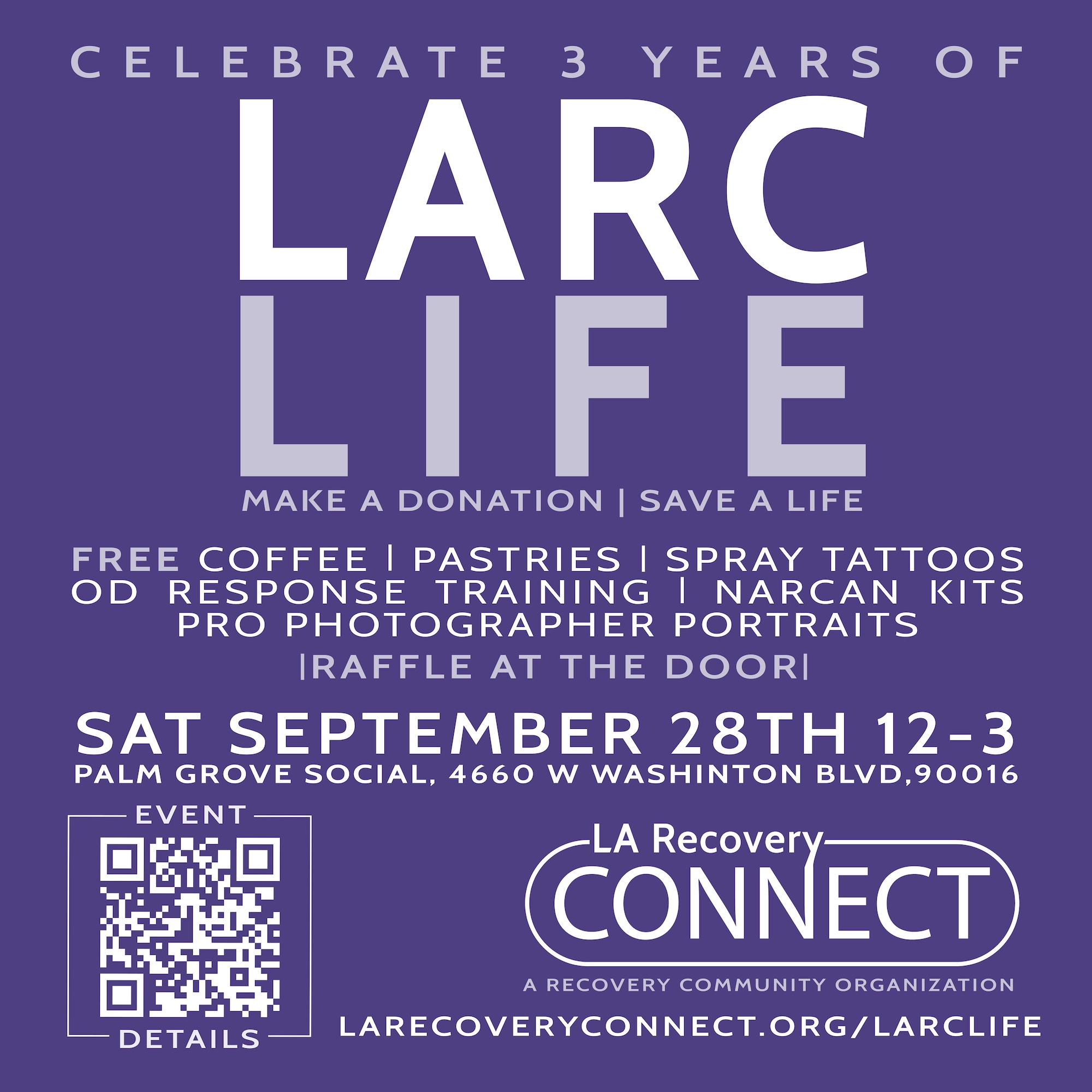

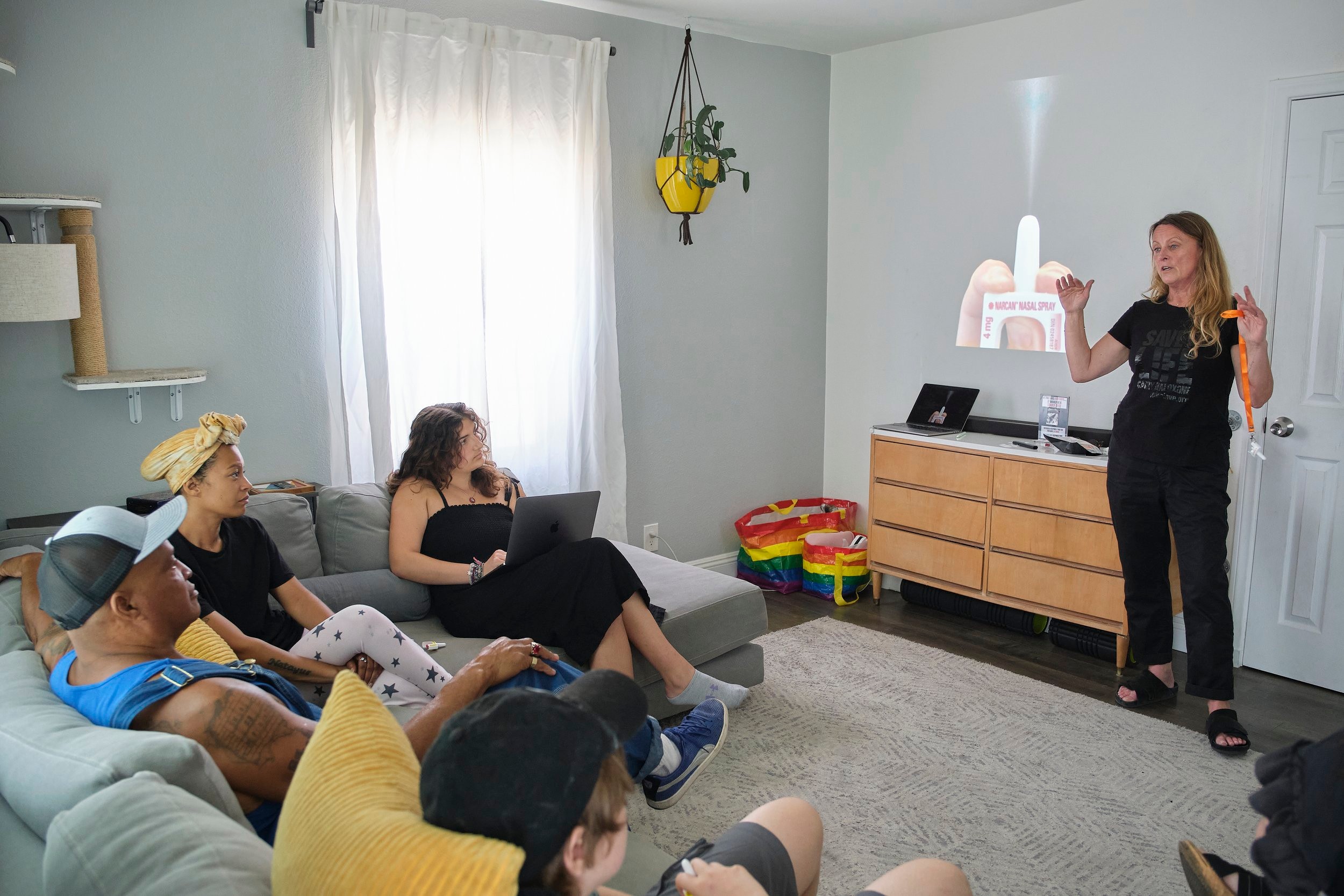 Image Credits
Thea & Tyler Golden – photo by Viet Nguyen lukelove Foundation’s Sheila Scott leading an overdose response & naloxone training – photo by Tyler Golden 3rd Annual Headshots & Taco’s Fundraiser – photo by Tyler Golden LARC Love – photo by Tyler Golden
Popular
-

What is something outside of work that is bringing you joy lately?
-

Local Highlighter Series
-
What did suffering teach you that success never could?
-

What are you most proud of building — that nobody sees?
-

Who were you before the world told you who you had to be?
-

If you could say one kind thing to your younger self, what would it be?


