




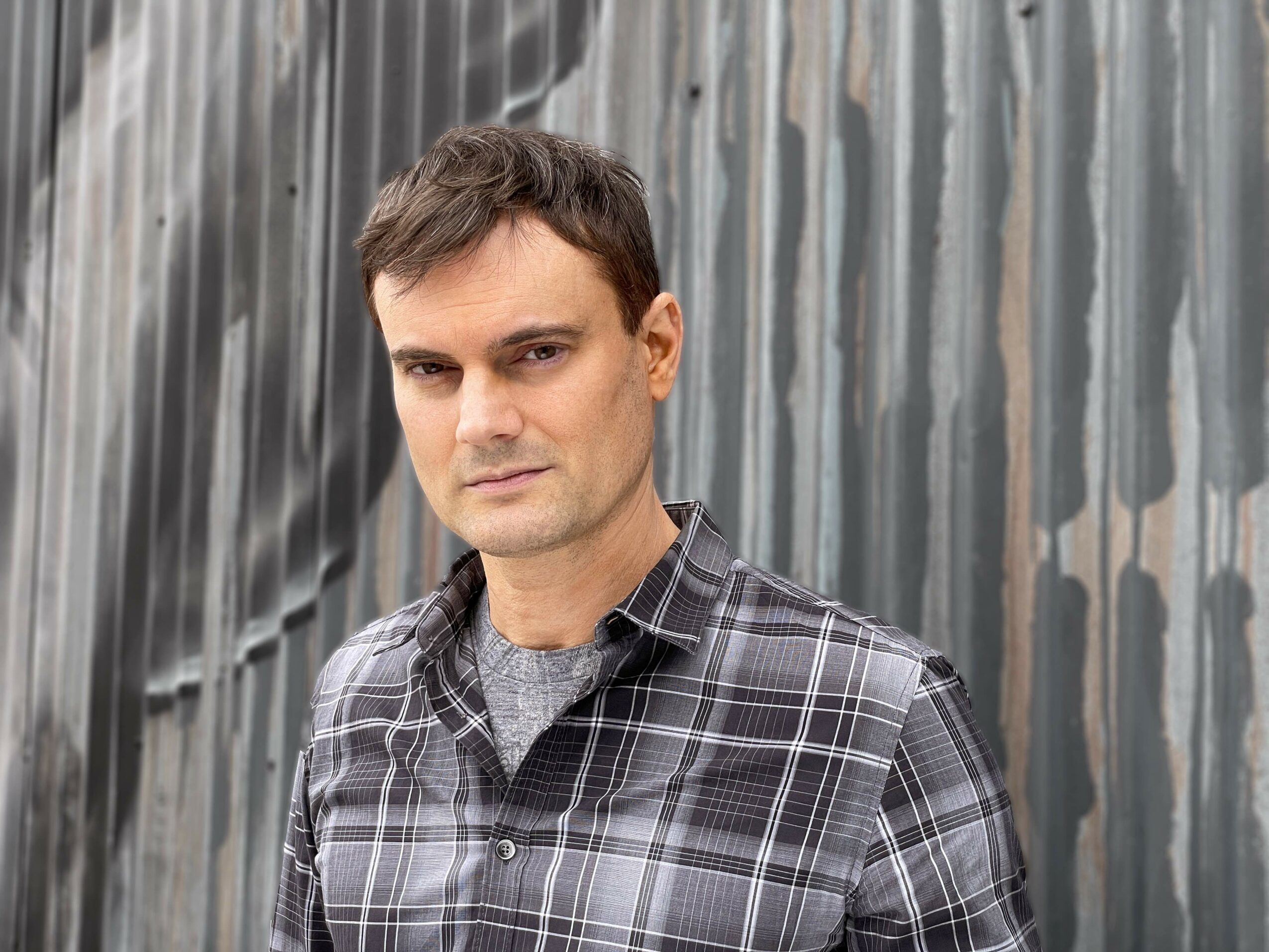
Today we’d like to introduce you to Samuel C. Spitale.
Hi Samuel, can you start by introducing yourself? We’d love to learn more about how you got to where you are today?
I began my professional career at Lucasfilm, where I grew from an assistant to coordinator to manager to eventually Senior Manager of Global Product Development, managing worldwide Star Wars and Indiana Jones collectibles. I also wrote for Star Wars Insider, doing quirky celebrity interviews and updates about the latest Star Wars products.
About 10 years ago, I began to focus more on my own creative writing, and I eventually left Lucasfilm to focus on my own projects. This included everything from story-driven film and TV scripts to personal essays and blogs for Huffington Post and Advocate.com. After 2016, I felt the pull of my journalism roots–my degrees are in mass communication–and my writing began to reflect real-world issues like inequality, socioeconomics, and debunking misinformation.
Around this time, I had countless conversations with friends and family and realized how many people believed stuff that simply wasn’t true. So I became obsessed with how to penetrate those barriers of belief. How do we help people see how some of our most deeply held beliefs have been manufactured and sold to us like any other consumer good? And that they often work against our best interests?
I discovered the answer is equal parts a crash course in media literacy, part psychology lesson, and part understanding the forces of power who benefit from us believing all the misinformation. This framework became my book How to Win the War on Truth: An Illustrated Guide to How Mistruths Are Sold, Why They Stick, and How to Reclaim Reality (Quirk Books 2022), which I hope can be used as a blueprint for critical thinking, because when it comes to having an informed debate, it’s essential that we see the world as it really is, not just how we think it is.
We all face challenges, but looking back would you describe it as a relatively smooth road?
Writing, as a career, is rarely an easy path. It takes time to perfect the craft, to hone your voice, and even more time to stand out and break in.
Thankfully, writing, as a profession, was minimally impacted by Covid-19. I was able to query literary agents, secure representation, shop my book proposal, sell the book, revise the manuscript, and complete the editorial process all during the pandemic. It probably kept me from going stir crazy during those two years! Between checking and re-checking sources, incorporating new material each time I read another book, and turning a manuscript of prose into a graphic novel script (complete with art direction for illustrator Allan Whincup), there was no shortage of work to do!
I think the biggest challenge during the approval process was trying to narrow the scope of the material to fit into the format—which was tough because my editor and I both thought so many of the examples were timely and relevant and we hated to cut anything. So they graciously expanded the size of the book, which really helped. I think the book was initially spec’d at roughly 50,000 words, and the final book got closer to 80,000! And the handful of things that didn’t make it into the book did make it into the audiobook, read by Patrick Lawlor. So even if you read the book, there’s still some extra content in the audio version.
Thanks for sharing that. So, maybe next you can tell us a bit more about your work?
I like to think that I’m good at breaking down complex topics and presenting them in a manner that is easy to understand, while also helping people see them in their proper historical context. That’s what I’ve tried to do with How to Win the War on Truth.
In the digital age, we’re bombarded with so much information, it’s become increasingly difficult to separate what’s true from what’s not. But when you look at that struggle over time, similar patterns emerge. The same public relations playbook that tobacco companies used to deny that cigarettes caused cancer is the same playbook used by the oil and gas industry to deny global warming, which is the same playbook that the lead and asbestos industries once used to do the same.
Or take any struggle to improve working conditions for the labor class. Whether it’s trying to raise the minimum wage, form a union, outlaw child labor, or striking for a livable wage (like the WGA and SAG/AFTRA strikes of 2023), the resistance and their rhetoric is always the same: it will increase labor costs and result in unemployment; it could lead to inflation; it could hurt competition; workers are being greedy/lazy, etc. Notably, these same voices have none of these concerns when they dole out extravagant salaries to their CEOs, some of whom are paid 1,000 times more than their average employee.
I find that many of our current debates (such as global warming vs. climate denial) are not between two equally valid arguments, but rather between truth and myth, or fact and faith—between what’s actually true and what merely feels true. It’s no coincidence that the mistruths tend to work in favor of existing power structures and wealthy business interests (such as the oil and gas industry). How to Win the War on Truth examines how these misbeliefs historically serve those in power, from the Catholic Church (who created the term propaganda) to modern industry (who rely on propaganda to protect their profits). Understanding this is vital to making informed decisions and protecting democracy, especially in a world where if you repeat a lie often enough, it essentially becomes truth to wide swaths of the public.
What are your plans for the future?
I’m teaching a class on Power & Culture at Loyola Marymount University, which looks critically at how political and social conflict is, at its most basic understanding, a struggle for power: who has it, who doesn’t, and how change threatens the balance of power in society–and how propaganda, moral panics, racism, sexism, and cultural grievance are all weapons waged in the struggle for power.
I’m also in talks with a few artist friends to develop books of their artwork–something we’ve talked about for years but are finally (hopefully) moving forward with.
Contact Info:
- Website: https://samuelcspitale.com
- Instagram: https://www.instagram.com/samuelcspitale
- Facebook: https://www.facebook.com/samuelcspitale
- LinkedIn: https://www.linkedin.com/in/samuel-chris-spitale-8a9912172/
- Twitter: https://x.com/SamuelCSpitale
- Youtube: https://www.youtube.com/@HowToWinTheWarOnTruth
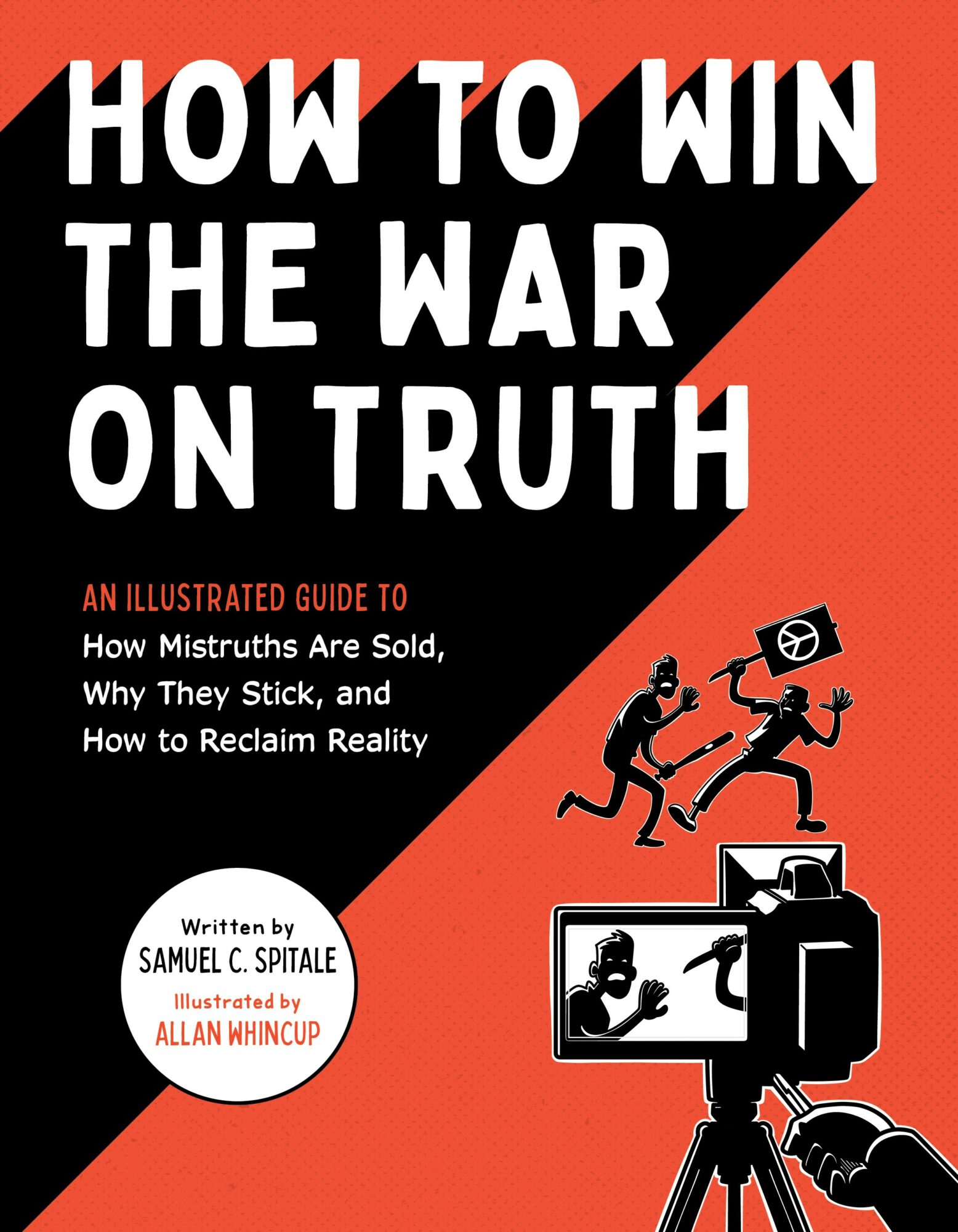
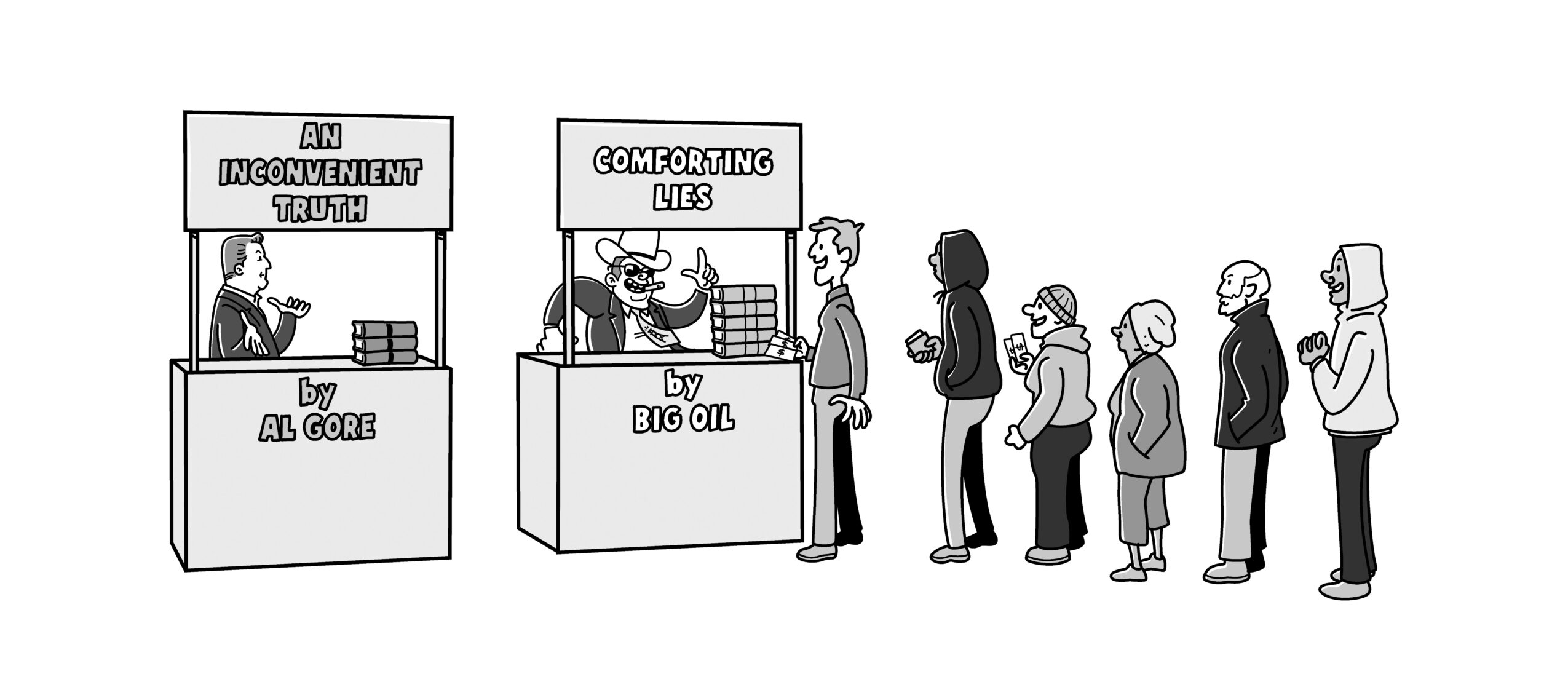
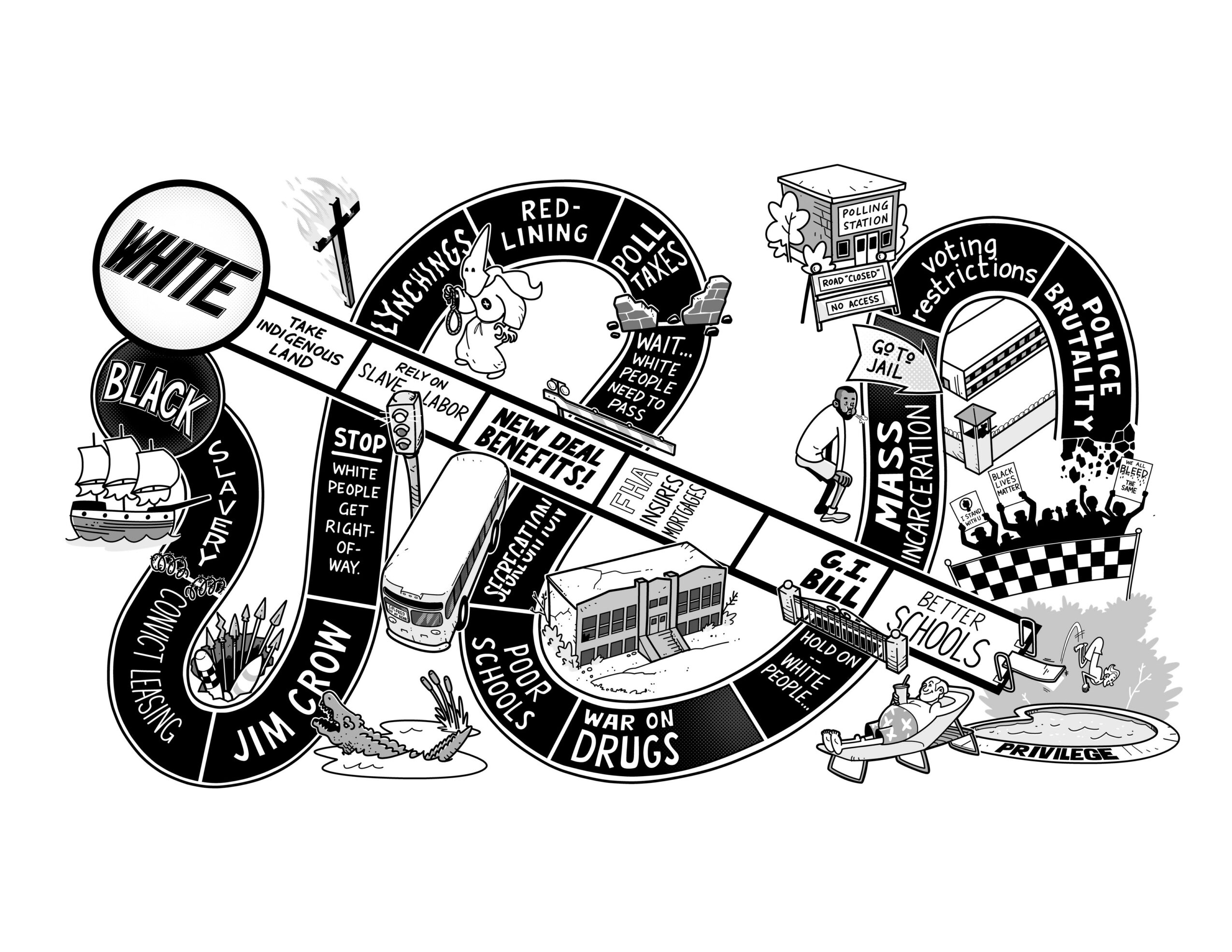
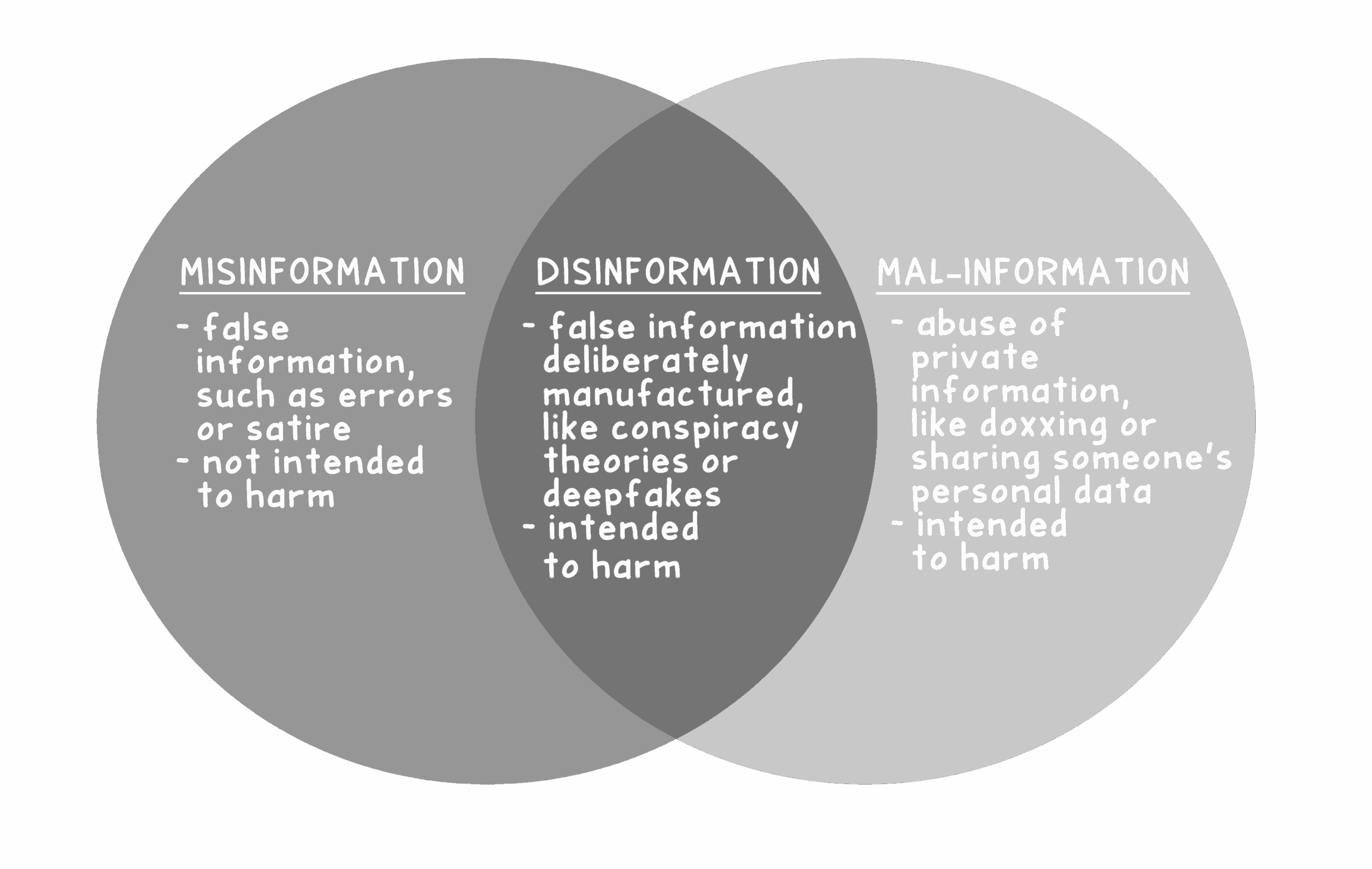
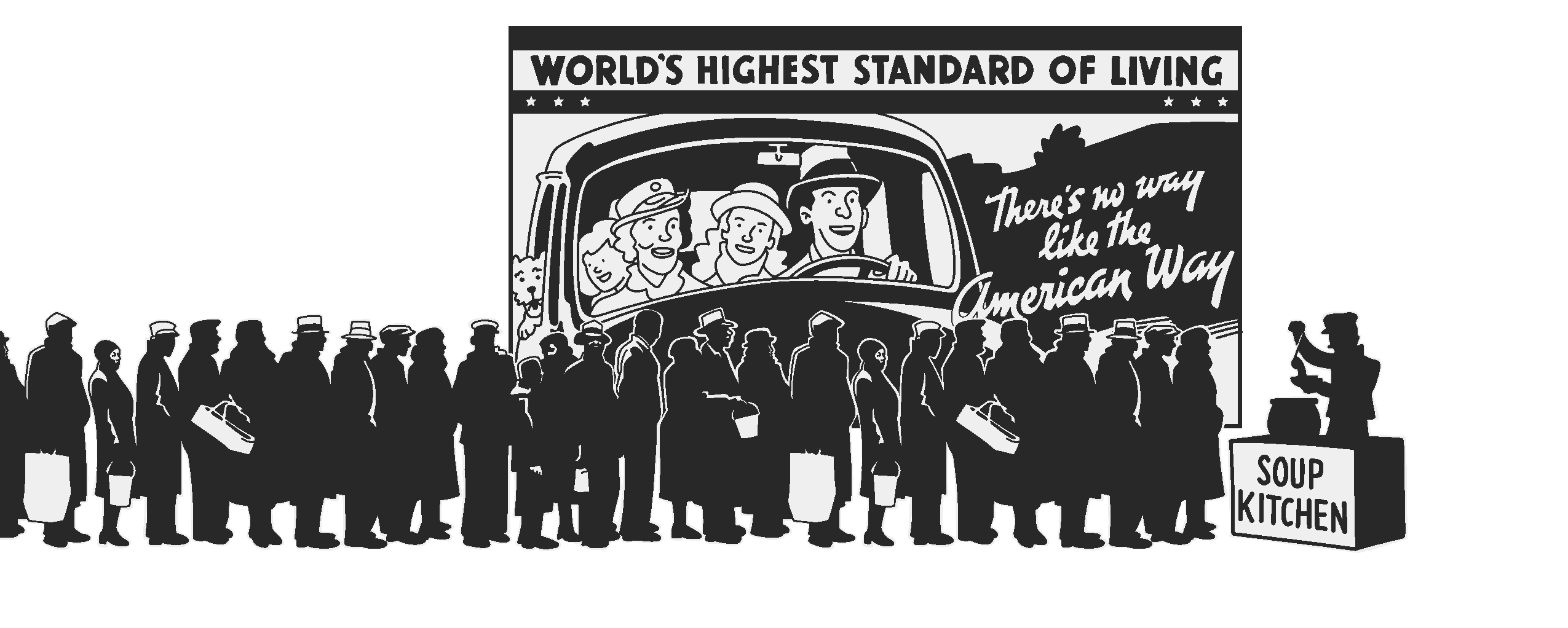
Image Credits
for the photo of me:
Christine Taylor
for the artwork:
Allan Whincup
Popular
-

What is the story you hope people tell about you when you’re gone?
-

Who were you before the world told you who you had to be?
-

Was there ever a time you almost gave up?
-

What is something outside of work that is bringing you joy lately?
-

Who saw you clearly before you could see yourself?
-

What are the biggest lies your industry tells itself?


