



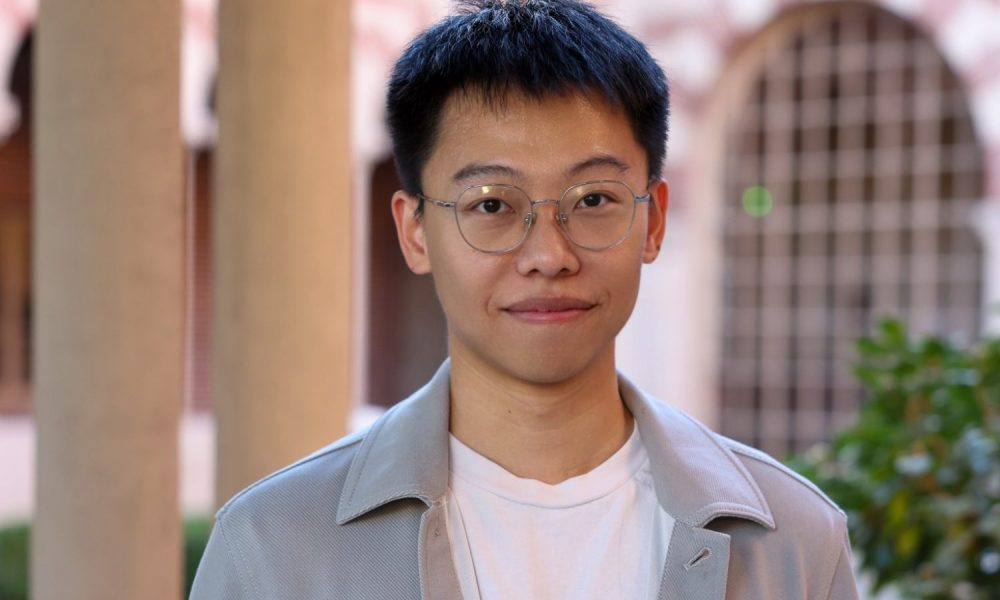
Today we’d like to introduce you to Ruizhe Shen.
Hi Ruizhe, we’d love for you to start by introducing yourself.
Reflecting on my journey, I realize it’s been a blend of opportunities and challenges that have shaped who I am today. Starting as an illustration student at the School of Visual Arts, I was deeply fascinated by the world of art. Serendipitously, as I graduated from SVA, I was invited to join a team for a Game Jam. Game Jam event requires participants to create a game within 48 hours, followed by peer or jury evaluations to select the best game made during the Game Jam. My role in this venture was the artist. Although we didn’t achieve notable success, this experience shifted my decision to pursue a career in the gaming industry.
Following this, I contributed as a game designer to a commercial Match-3 game and then proceeded to deepen my understanding of game production at USC. To maximize my strengths, I initially participated in game creation as an artist, but making games needed more than just art. At school, I learned programming and game development. After delving into shaders and 3D art, I discovered that learning how to program wasn’t just about mastering a skill; it was about discovering a new way to blend art and technology. This sets me on the journey of a technical artist. As technology evolves, AI goes on trend, and I am working as an AIGC technical artist focusing on architect AI-driven working pipelines for game production.
So, when I look back at how far I’ve come, from an art student to a game technical artist, I see a journey marked not just by what I’ve achieved but by the lessons I’ve learned and the experiences that have enriched my perspective. I’m grateful for each step of this journey and excited about where it will lead next.
Alright, so let’s dig a little deeper into the story – has it been an easy path overall and if not, what were the challenges you’ve had to overcome?
For me, the road hasn’t been easy. But in hindsight, it all seems to have gone relatively smoothly. The learning process was always tough, but since I was pursuing what I wanted to do, the joy I gained from creating games, new functions, and special effects far outweighed the initial difficulties. In addition to continuous learning, as a foreigner who came to the United States, adapting to a new culture and searching for jobs in the competitive job market as a graduate student was a humbling experience. It taught me the value of persistence.
Personally, I’m quite introverted, and my pursuit of art made me even more so. Initially, collaborating with others was very challenging for me, and my first few collaborative efforts ended unpleasantly. However, through practice, I’ve now reached a point where I can comfortably collaborate with anyone. To overcome my fear of public speaking, I took up a part-time job as a game design instructor and have been working as a one-on-one tutor at an institution that specializes in portfolio development. This experience has emboldened me to speak up. Constantly preparing for classes has also reinforced my skills. Looking back, I feel this was an excellent decision that has greatly contributed to my personal and professional growth.
Appreciate you sharing that. What else should we know about what you do?
I see myself as a Technical Artist, a role that is complex and versatile during the game development process. As a Technical Artist, their tasks can range from coding to achieving visual effects envisioned by artists to create tools that assist the art team. My primary focus is on accelerating the art workflow, also known as a ‘tools Technical Artist’. Additionally, I can handle tasks such as creating 3D models, applying materials to them, and working on rendering and special effects. These job requires proficiency in various software, which in turn enables me to identify patterns and develop tools for the software.
What sets me apart is my experience with AIGC (Artificial Intelligence Generated Content) tools. AI is a relatively new and rapidly evolving tool in the game industry. As it iterates quickly, functionalities that were useful just a short time ago can quickly become outdated. This fast-paced environment would require someone who continuously learns and applies the latest tools and methodologies to ensure the art workflow remains current and efficient. I believe that in the future, there will be a new specialized role for this responsibility, a role that is an extension of what it means to be a Technical Artist today.
Can you tell us more about what you were like growing up?
Growing up, I went from an art-focused individual to someone who invested in programming and experienced interdisciplinary learning. My interests indeed shifted from artistic creation like illustration and comics to game development. But I believe that games too fall under the realm of art, with many games qualifying as the ‘ninth art form’. My ultimate goal is to develop independent game development, where I, or with a small team, can create games that we find enjoyable for ourselves. This ambitious goal requires a lot of experience, technical skills, and financial resources, and thus I see it as my long-term goal. From a personality perspective, I have transitioned from being an introvert to more of an extrovert. This change could likely be influenced by my proactive practice to socializing with people, as well as my role as a teacher. On the other hand, I’ve always been an optimist. My optimistic nature has remained unchanged throughout my grow-up journey. I am filled with confidence regarding my tasks and projects, believing in my ability to improve and achieve more in the future.
Contact Info:
- Website: www.ruizheart.com
- Instagram: https://www.instagram.com/biggermelon?igsh=YzVkODRmOTdmMw%3D%3D&utm_source=qr
- Linkedin: https://www.linkedin.com/in/ruizhe-shen-3009391b1
- Other: https://biggermelon.itch.io/
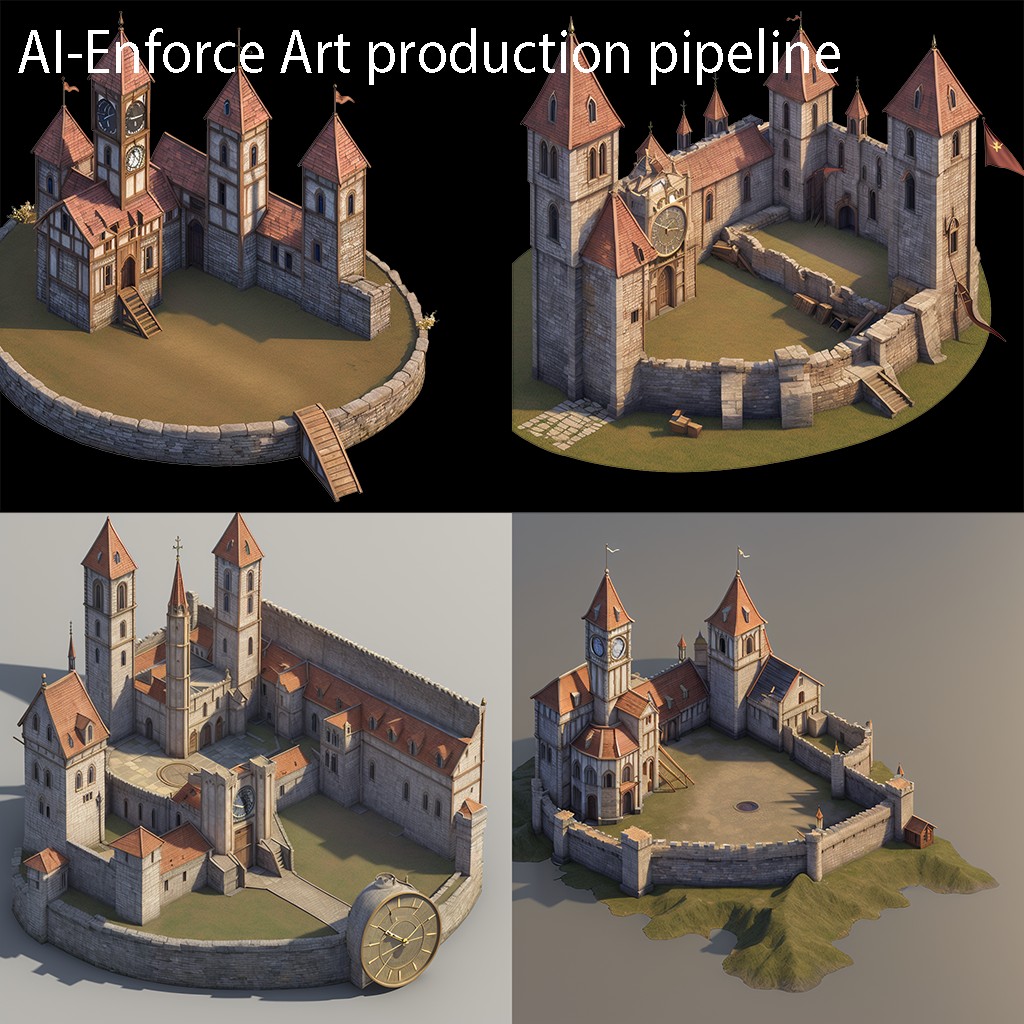
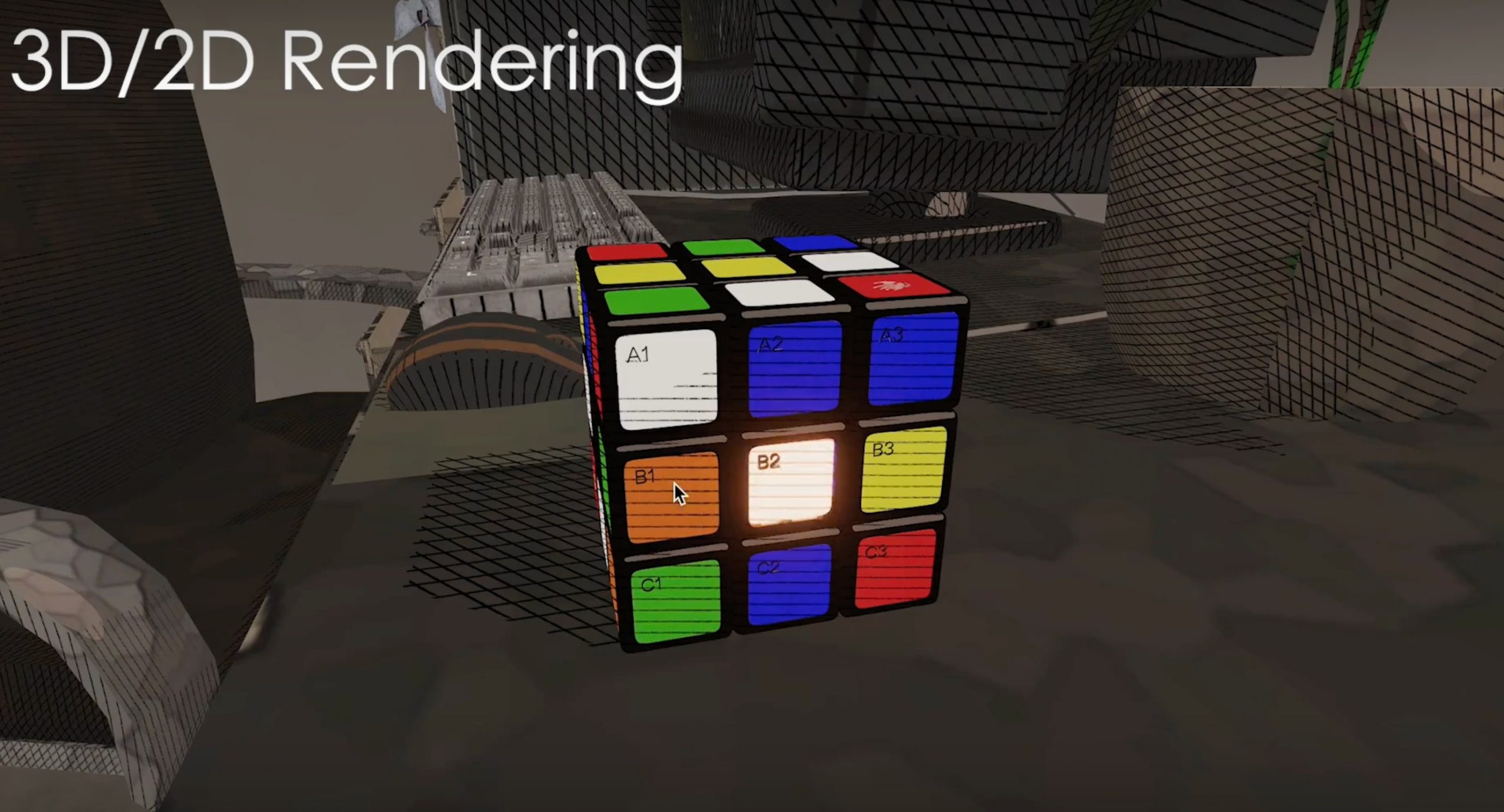
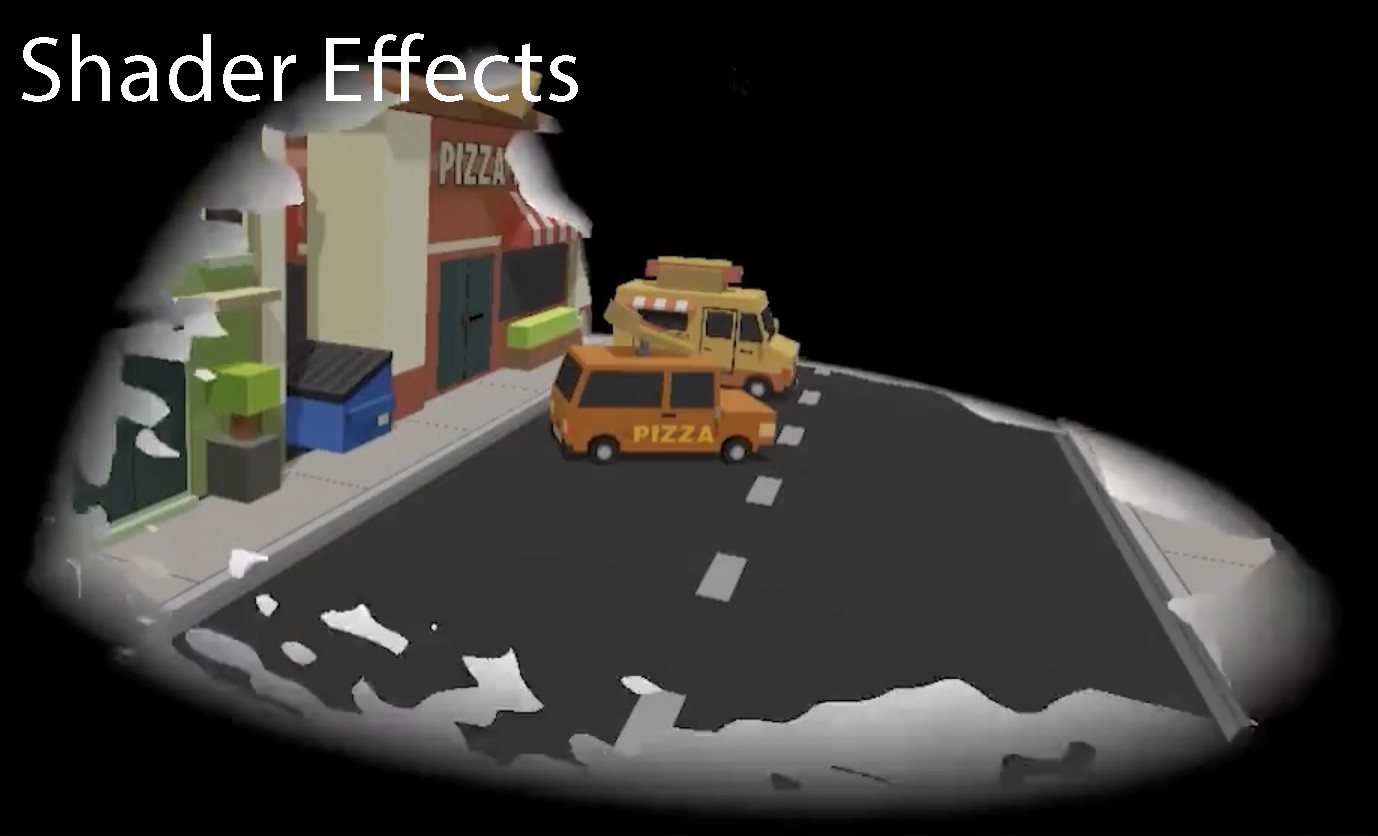
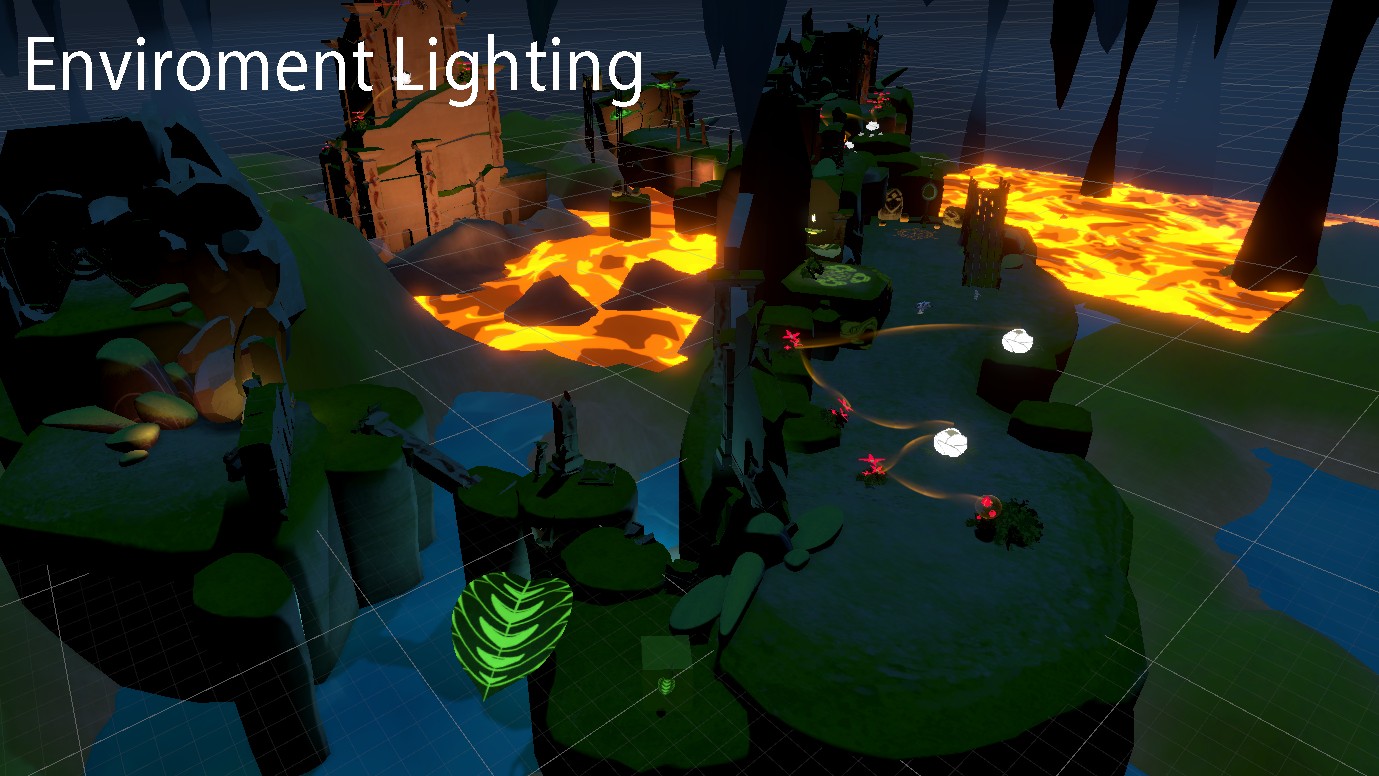 Image Credits
Stella Zhang