




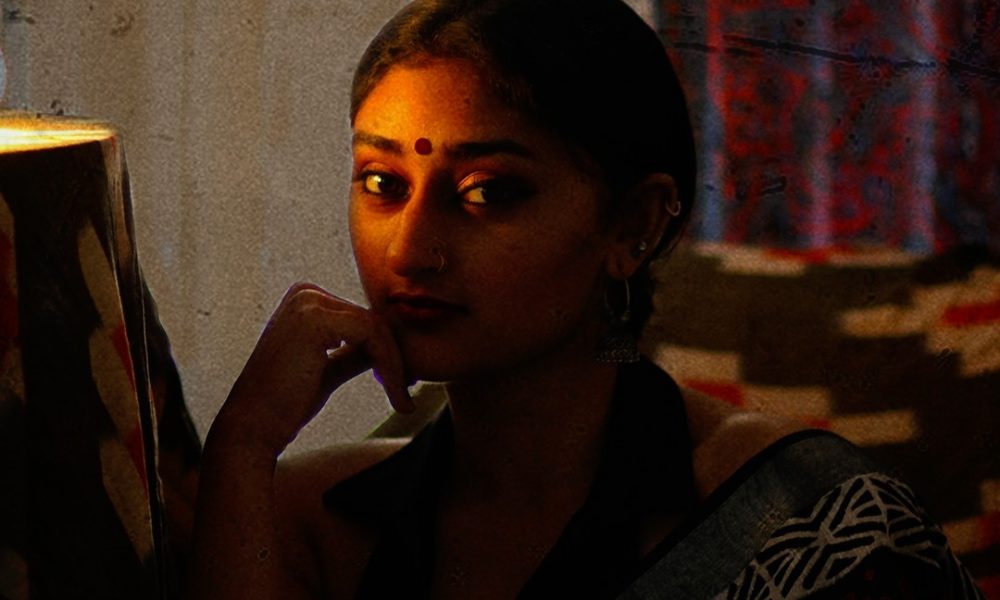
Today we’d like to introduce you to Rajeshwari Ragampudi.
Hi Rajeshwari, it’s an honor to have you on the platform. Thanks for taking the time to share your story with us – to start maybe you can share some of your backstory with our readers?
Hi! My name is Rajarajeshwari Ragampudi, I go by Rj. I’m a self-taught artist, Architect and Production Designer from Hyderabad, India. Growing up, I knew I was a creative, but I always gave myself a hard time for not knowing what I was good at, and what I was meant to be doing. I was one of those people who thought of Art as a multi-faceted thing, and I had quite the journey in discovering this. As a kid, I’d paint, I’d experiment with different mediums, I’d sketch and doodle, I’d write, I’d watch Alfred Hitchcock and Jonathan Demme, and then Gasper Noe and Satyajit Ray and I’d frantically google “behind the scenes” after every movie I’ve watched.
I found solace and rejuvenation in the captivating narratives and immersive worlds crafted by visionary filmmakers. Whether it was indulging in the enchanting realm of Harry Potter or delving into the complexities of foreign language cinema, each cinematic experience served as a refuge from the rigors of daily life.. My version of self-care after a hectic week meant curling up on the couch and putting on a good horror movie to get lost in for the night. For me, cinema transcended mere entertainment, assuming a profound significance akin to a spiritual pursuit.
I pursued Architecture in my Undergrad simply because of my background in science and love for art. In my third year of college, I was diagnosed with two herniated discs in my spine and was left completely paralysed in my left leg for a while. I look back at those days and I can still remember all the great movies and shows that got me through it. From classics like Hitchcock’s Psycho and Lynch’s Blue Velvet, to exploring films of various languages like The Handmaiden and Burning, my love for good storytelling only grew bigger and bigger. It was during this period of physical confinement that my love for storytelling blossomed into a profound understanding of its transformative power. I then truly discovered the power storytelling holds, and the power of visually stunning frames.
I dug into this newfound revelation I had in my later years of college. I wrote my first research paper, a dissertation paper, called ‘Understanding the filmic portrayal of elements in space through the study of Satyajit Ray’s films to examine the human emotional relationship with built environment’. Despite my physical limitations, I devoted myself wholeheartedly to this endeavor, recognizing it as a fusion of my passion for cinema and the principles ingrained in architectural training.
Through rigorous examination and dialogue with my mentor, I unraveled the intricate connection between spatial design and emotional resonance in cinematic narratives. This realization ignited a fervent dedication to the concept of spatial storytelling, propelling me towards a career as a production designer.
Today, armed with a profound appreciation for the symbiosis of storytelling and spatial design, I feel happiness in contributing to the creation of cinematic experiences that transcend boundaries and resonate deeply with audiences.
Can you talk to us a bit about the challenges and lessons you’ve learned along the way. Looking back would you say it’s been easy or smooth in retrospect?
I hail from the outskirts of Hyderabad, specifically from a small village known as Bachupally. My relocation to this area occurred during its nascent phase of development. The societal framework prevalent at the time was deeply entrenched in gender norms and cultural expectations. Within my social sphere, I often found myself diverging from the prevailing norms, thereby assuming the role of an outlier. While my peers were engrossed in conventional pursuits, I found solace in the cinematic works of Hitchcock and Wong Kar Wai, despite the lack of resonance with those around me. As a young individual, I embraced unconventional forms of expression, delving into what was often deemed “peculiar art” and indulging in cinematic experiences deemed “unconventional” by my community.
Driven by a desire to transcend the societal constraints pervasive in Indian culture, I wholeheartedly dedicated myself to academic pursuits, following in the footsteps of my parents. Despite being inherently inclined towards creativity, my educational journey led me towards the field of architecture, with the hope of discovering my authentic voice along the way.
However, midway through my academic journey, the onset of the pandemic coincided with a personal challenge—the diagnosis of two herniated discs in my lower back. This period of adversity, though physically debilitating, granted me invaluable opportunities for introspection and personal growth.
During this hiatus, I rekindled my passion for literature, particularly immersing myself in the enriching wisdom of “Ikigai: The Japanese Secret to Happiness.” Motivated by a quest for enlightenment during these dark times, I embarked on a personal challenge to discern whether this literary work could truly illuminate the path to happiness.
The essence of “Ikigai” lies in its exploration of the fundamental question: “What is the purpose of one’s life?” Through meticulous observation of the lifestyles prevalent in communities boasting the world’s oldest inhabitants, the concept of “Ikigai” elucidates the pursuit of one’s reason for being. Put simply, it is the intersectional point between what you love, what you’re good at, what the world needs, and what you can get paid for.
Upon profound reflection and analysis of this conceptual framework, I unearthed a profound realization—my creative endeavors consistently gravitated towards the realm of visual storytelling. Intrigued by the transformative power of compelling narratives conveyed through film and television, I recognized my innate calling as a visual storyteller. Such narratives possess the extraordinary ability to transport audiences to alternate realities.
Transitioning from a background in Architecture to the dynamic realm of filmmaking presented formidable challenges. Lacking any prior experience on a film set, I recognized the imperative to realign my architectural education to intersect with the principles of film production. Intentionally shifting my focus, I began to explore the symbiotic relationship between space and narrative in cinema, utilizing architectural principles to enhance the visual storytelling process.
This deliberate pivot marked the inception of my journey towards the pinnacle of the film industry—Hollywood. However, this path was fraught with hurdles, particularly financial constraints and physical limitations. Facing rejections from financial institutions and a lack of awareness regarding prestigious programs such as the American Film Institute’s filmmaking Masters program in India, I confronted significant tests of resilience.
In the face of adversity, I sought solace in the unwavering support of my family. Their unwavering dedication to my passion, and their constant encouragement, emerged as the bedrock of my professional odyssey. As a form of payback, I aspire to harness the transformative potential of visual storytelling, endeavoring to evoke emotions and provoke contemplation, much like the impactful cinematic experiences that shaped my journey.
Can you tell our readers more about what you do and what you think sets you apart from others?
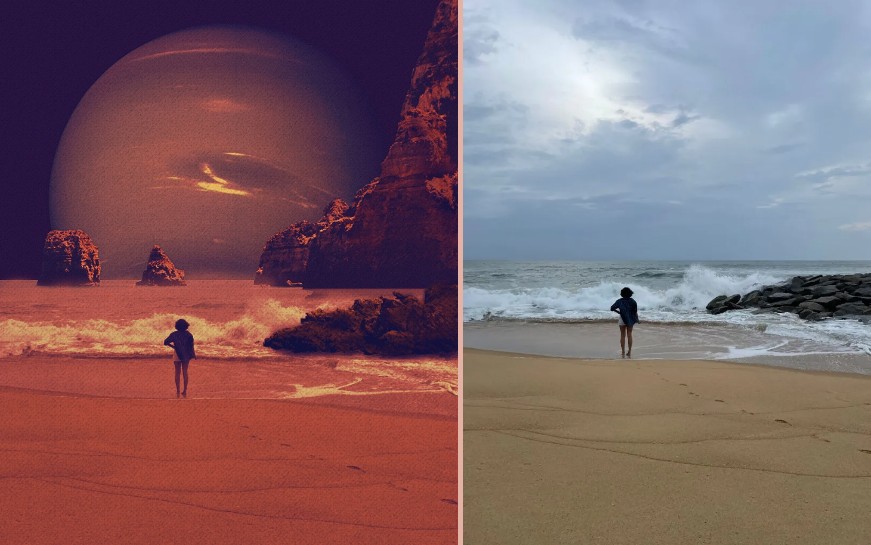
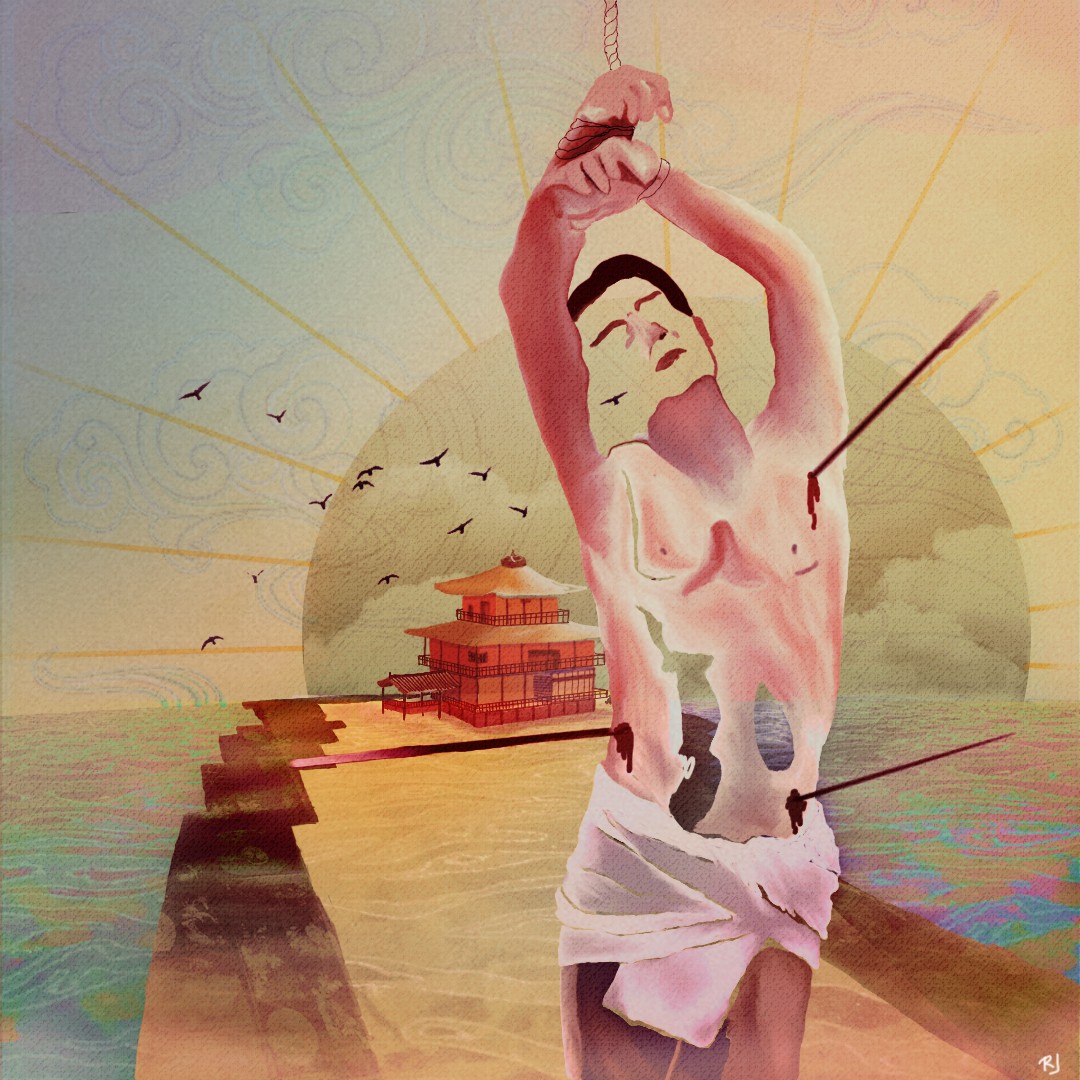
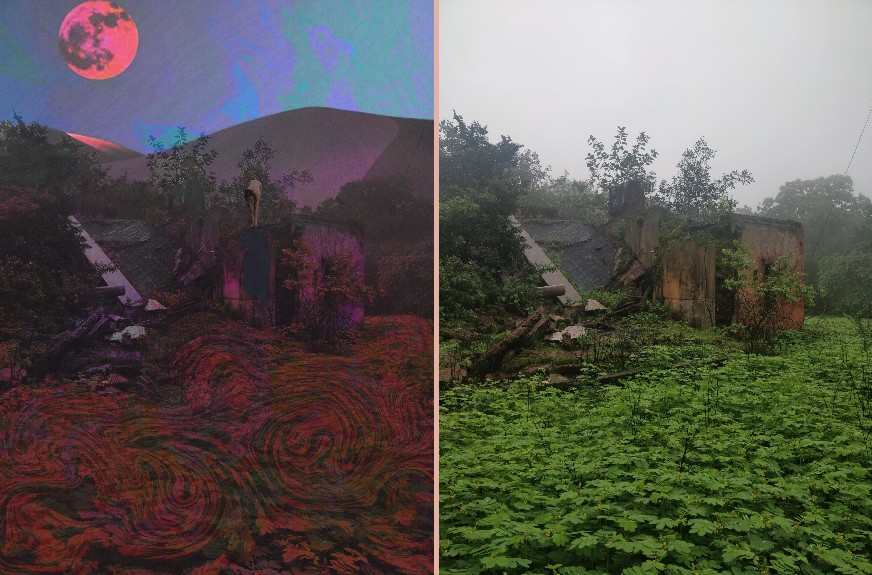
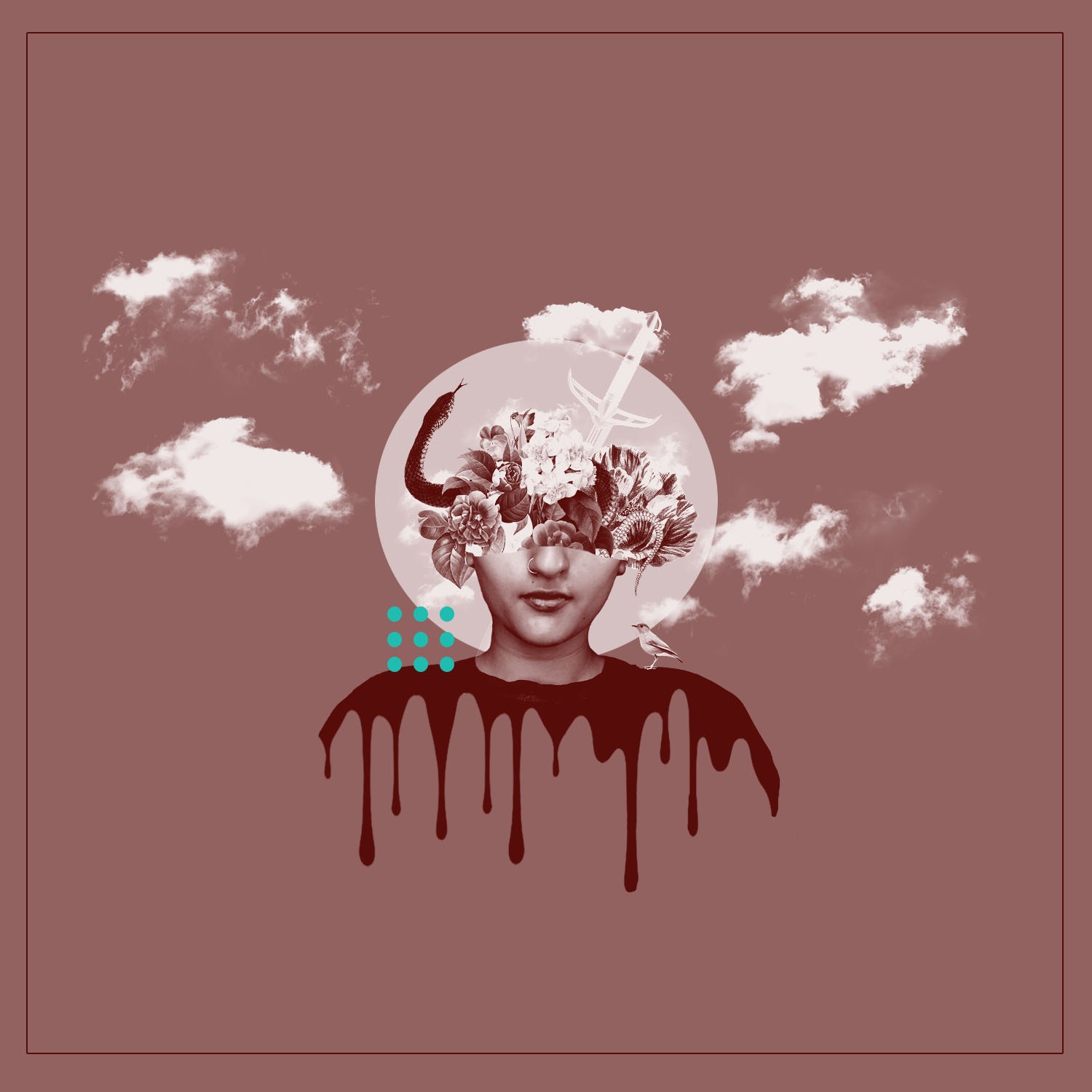
I affectionately term my artistic style as “Scrapbook Art,” a technique rooted in “collage work”, that draws inspiration from the everyday, impactful visual narratives encountered in cinema, television, and various storytelling mediums. My creative process involves manipulating ordinary images to imbue them with new layers of meaning, harnessing the transformative potential of every element within the frame to convey a compelling narrative.
Recently, I have immersed myself extensively in the realm of digital art and photography, leveraging software tools such as Photoshop and Adobe Lightroom to refine my craft. Building upon my foundation in Architecture, I have cultivated a nuanced understanding of spatial design within the cinematic context, honing my proficiency in orchestrating colors, textures, and materials to evoke specific moods and enhance storytelling.
What sets me apart is not solely my technical prowess, but rather the empathetic lens through which I approach each visual composition. Informed by personal experiences and a deep-rooted understanding of human emotion, I infuse a distinct essence of authenticity into my work, thereby forging a unique connection with audiences. With every creation, I bring forth a piece of my own narrative, enriching the artistic landscape with my individual perspective.
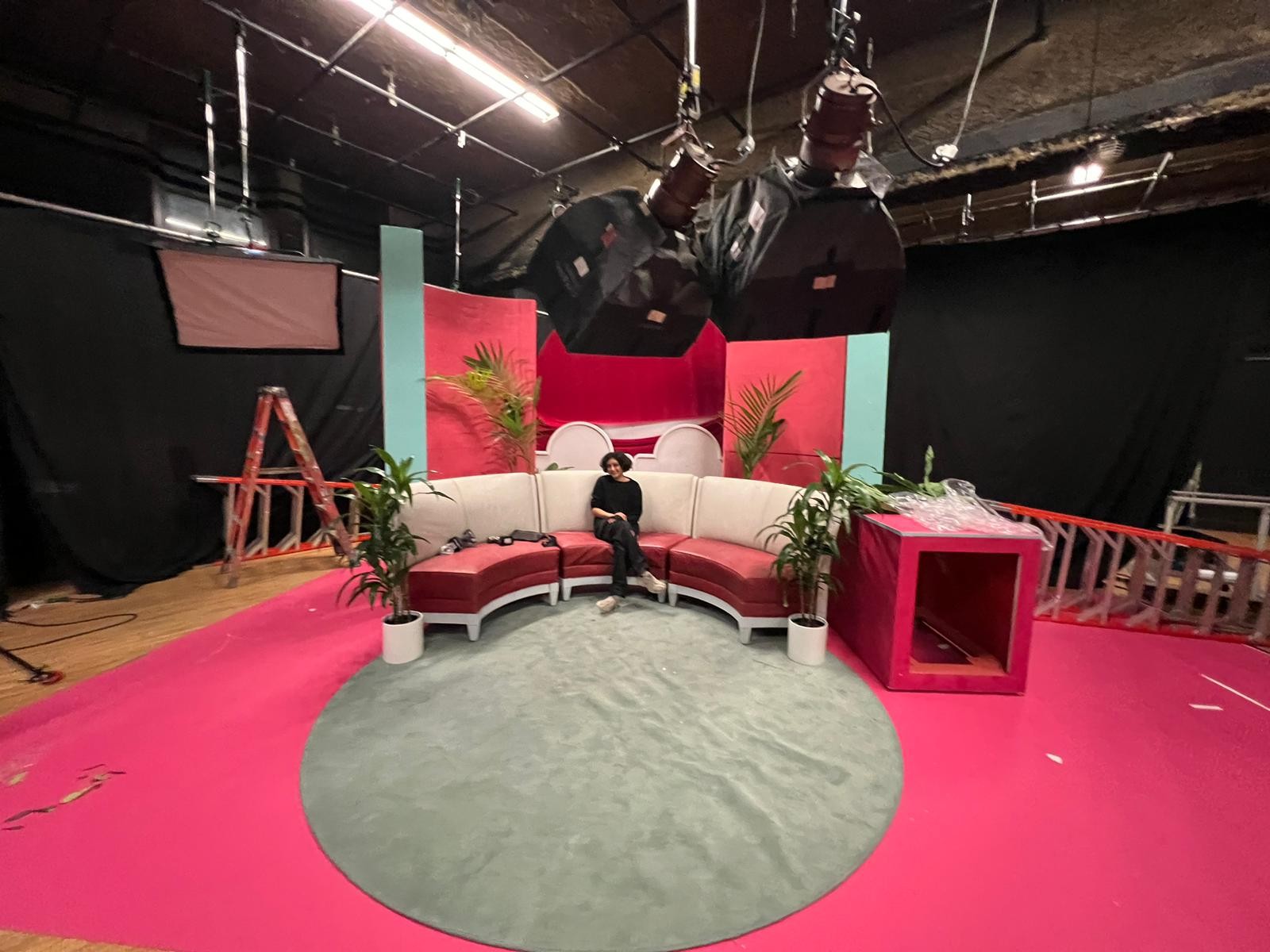
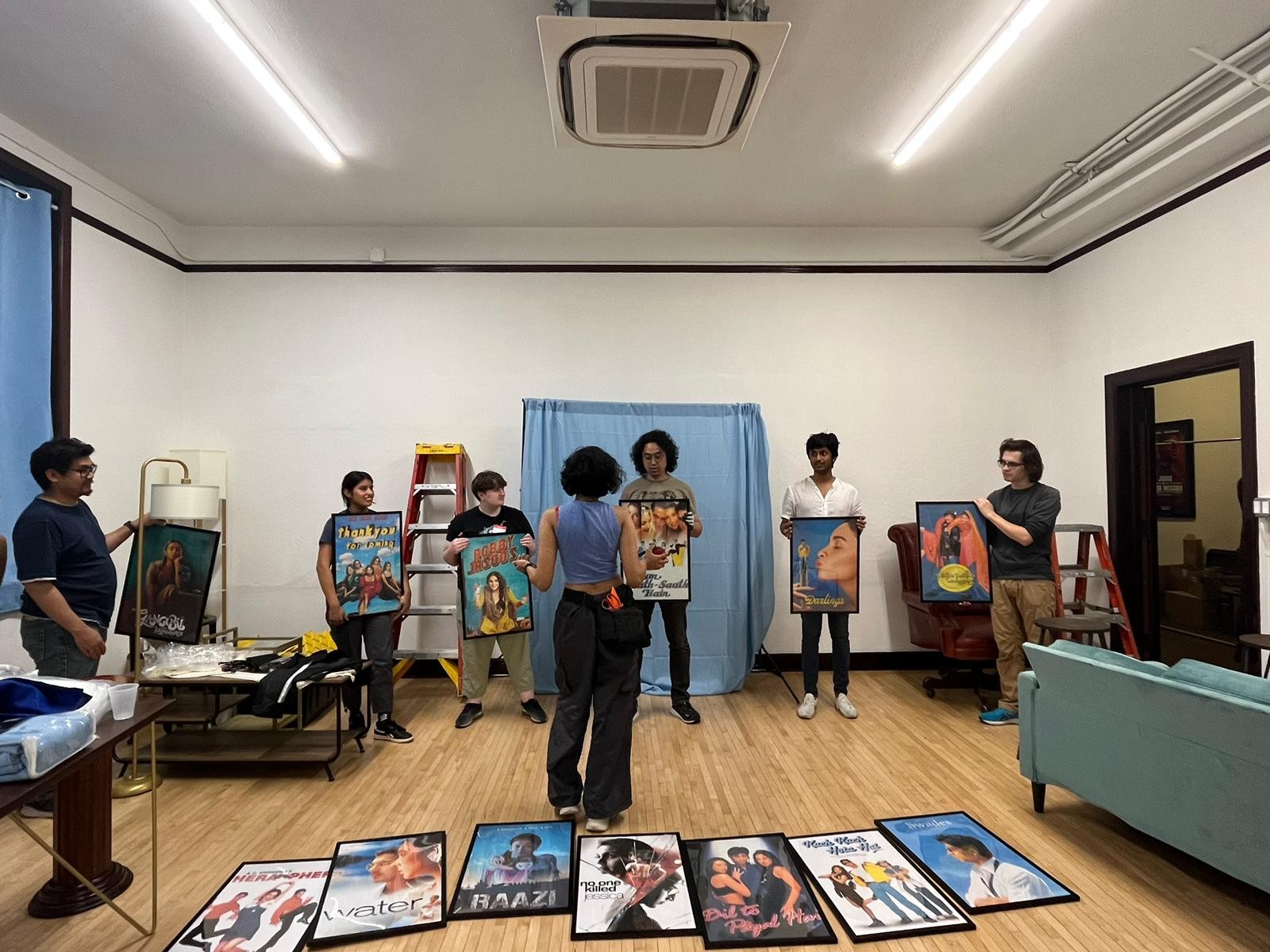
When I design for film, I try to formulate a visual language for the director to tell the story that he/she is seeing in their head. My approach entails meticulously translating the director’s conceptual narrative into tangible visual elements, thereby facilitating a seamless storytelling experience.
My process begins by intricately dissecting the director’s vision, endeavoring to discern the underlying essence of the story they wish to convey. With a keen eye for detail, I embark on an immersive exploration of the narrative universe, meticulously crafting each element to imbue the world with authenticity and depth.
Every aspect of the visual landscape is infused with purpose, as I strive to render a compelling rationale behind every design choice. By bestowing authenticity upon the cinematic environment, I endeavor to engender a sense of immersion for both the audience and the storytellers alike.
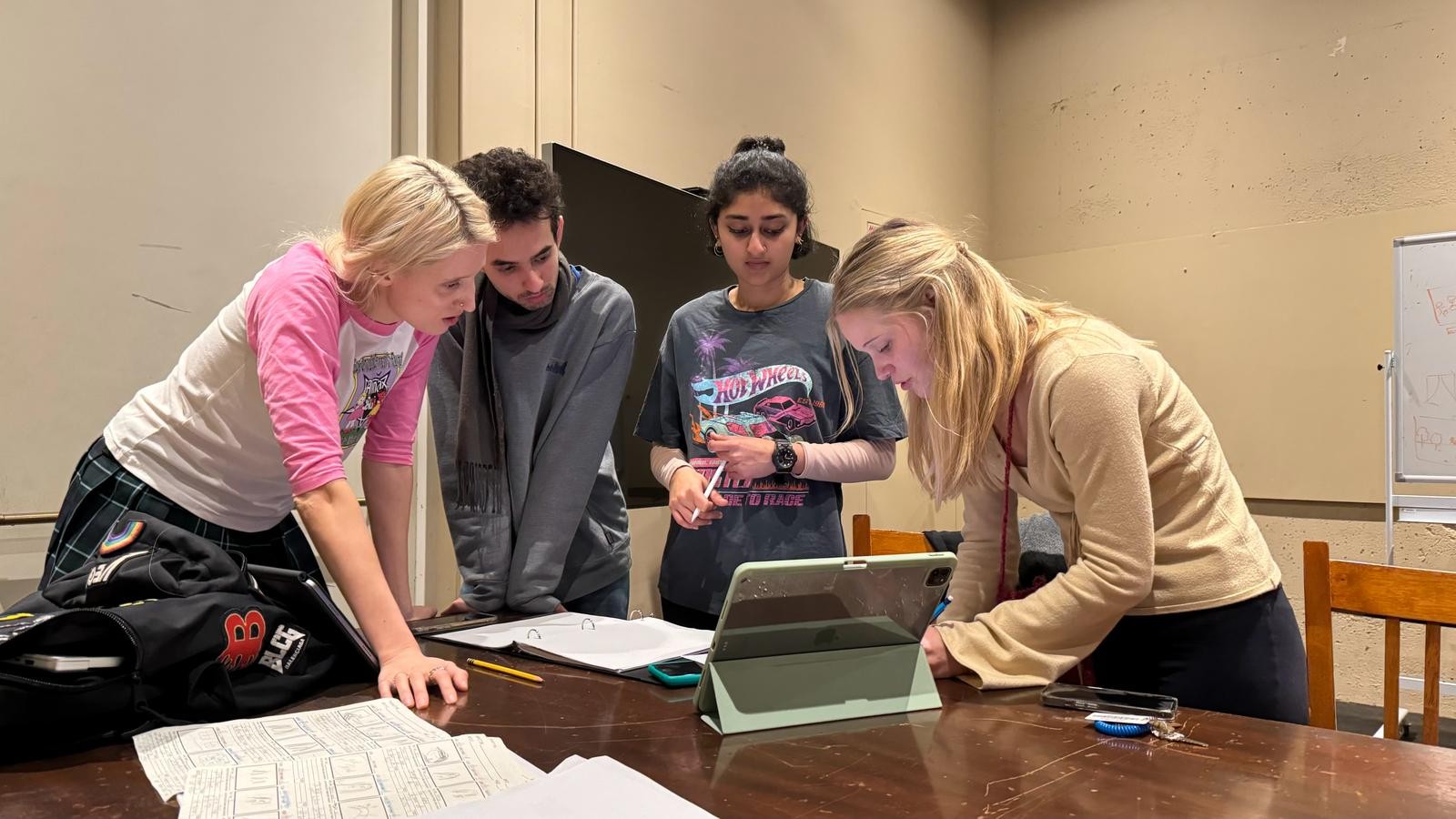
I think I’m most proud of the second film I got to design for at AFI, a film that became very dear to me. The name of the film is “The story of Ezzi X Mars”. I had the opportunity of experiencing an artistic collaboration between six filmmakers each bringing in their own piece of craft to formulate this authentic world of two musical sensations in the internet world who were in love until one of them committed suicide without leaving a note or reason. I felt the most creatively fulfilled as I indulged in this process of doing justice to this powerful story.
Is there a quality that you most attribute to your success?
Very early on in artistic journey, I recognized the indispensable value of maintaining a strong work ethic coupled with a patient approach towards both my craft and personal development. I find great enthusiasm in tackling creative challenges, often emboldened to undertake ambitious projects that push the boundaries of my abilities.
Moreover, I attribute a significant portion of my achievements to the unwavering dedication and consistency I uphold in my endeavors. Most important above all is my steadfast commitment to nurturing a profound understanding of the foundational principles of storytelling.
To this end, I remain deeply engaged in a continual process of immersion and study, immersing myself in the works of revered artists who have paved the way before me. By meticulously observing and dissecting the techniques employed by these luminaries to construct visually stunning compositions, I endeavor to glean invaluable insights that inform and enrich my own creative pursuits.
Contact Info:
- Website: https://theartistichueman.wordpress.com/
- Instagram: @_.rj10._
- Linkedin: https://www.linkedin.com/in/rajeshwari-ragampudi/

Popular
-

What is something outside of work that is bringing you joy lately?
-

Local Highlighter Series
-

What did suffering teach you that success never could?
-

What are you most proud of building — that nobody sees?
-

Who were you before the world told you who you had to be?
-

If you could say one kind thing to your younger self, what would it be?


