




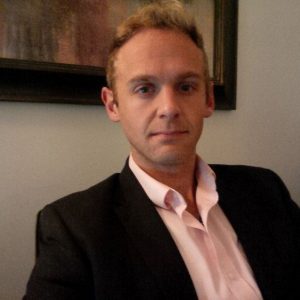
Today we’d like to introduce you to Patrick Lockwood.
Hi Patrick, thanks for sharing your story with us. To start, maybe you can tell our readers some of your backstory.
I grew up in a home with a parent in recovery, went to AA meetings at the age of eight, learned about addiction and recovery firsthand. I also grew up in a family with psychiatrists and therapists, so I heard about the art and science of therapy for pretty much most of my life. As I got older, I became more and more fascinated by why we do such self-destructive things, especially drug use. Seeing highly competent and successful people in my family and my community engage in these kinds of behaviors was confusing, but seeing them succeed in recovery was also fascinating. I went to the University of Missouri, pre-med and with the intention of becoming a psychiatrist. I soon switched to a psychology BA after some disheartening conversations with psychiatrists about how the profession was changing; I wanted to do clinical work, not hand out prescriptions.
I then took time off between my BA and doctorate program to work in a drug rehab, now closed, called DayBreak RTF in central Missouri, where I first-hand experienced how treatment “works” for people with severe Substance Use Disorders (SUDs; commonly called “addicts”). This confirmed that, at least, this was the population of people I wanted to work with professionally in some capacity. I then left Missouri to California to complete my doctorate of psychology, becoming a clinical psychologist. My training pre-licensure and career post-licensure has spanned every level of care and type of facility for the treatment of persons with severe SUDs.
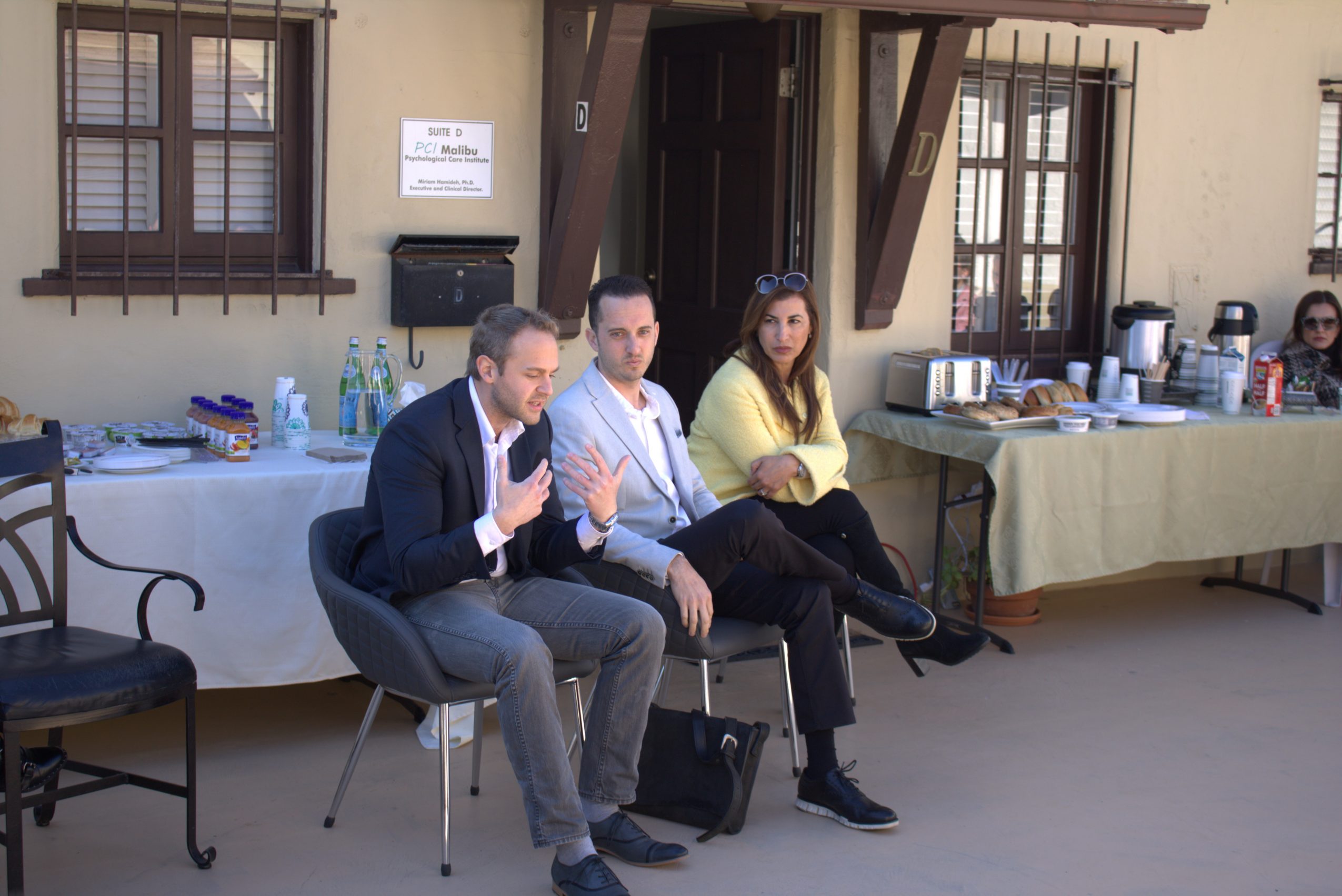
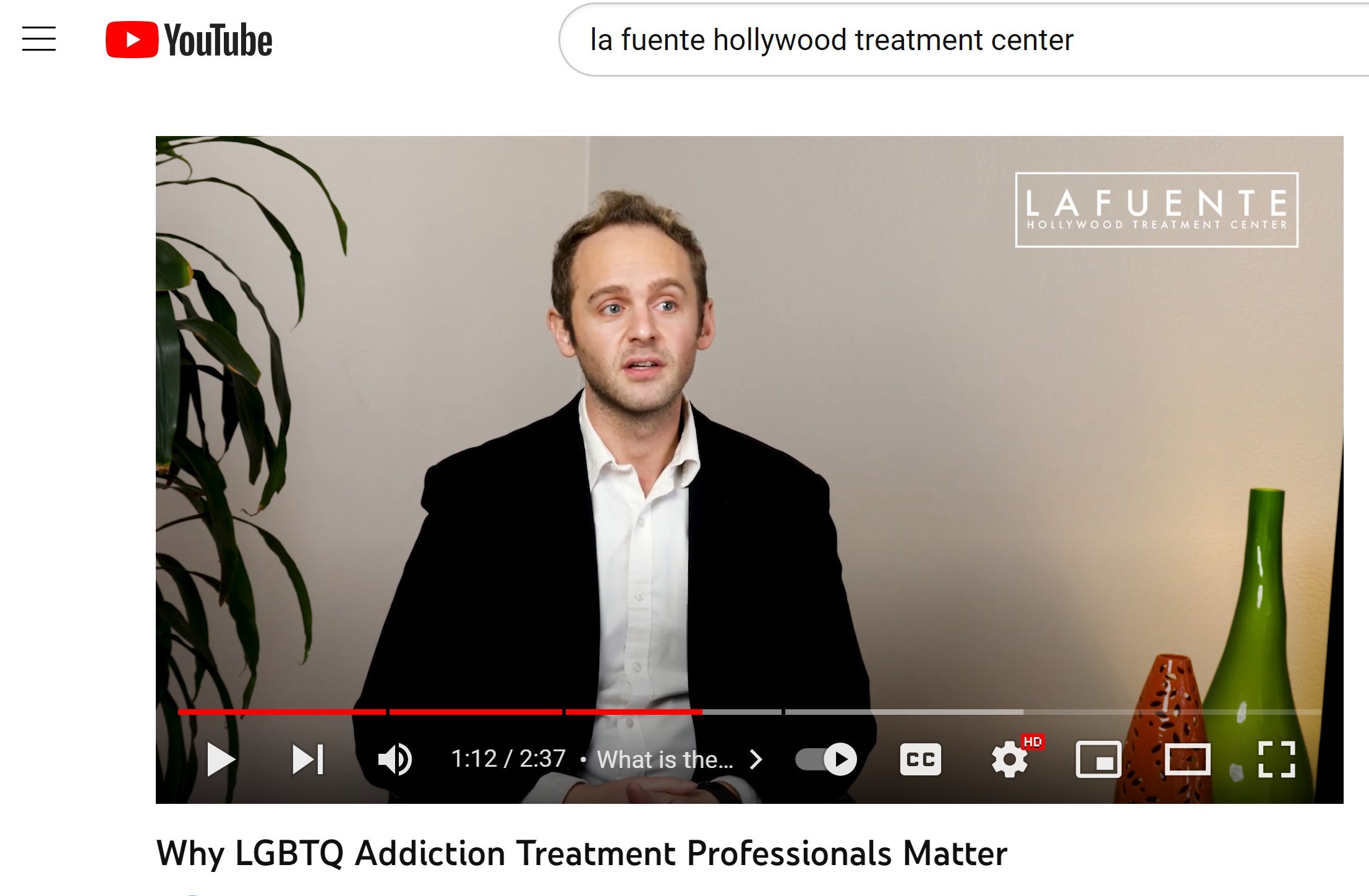
One of my first mentors was Jon Daily of Recovery Happens Counseling Center, now deceased at a very young age due to brain cancer. Jon was highly influential in helping me develop as a clinician and professional who could just “be myself.” His brilliant wife, Dr. Angela Chanter, I have the privilege of calling “friend” and still maintain a relationship with to this day. I have had the great privilege of working with Dr. Miriam Hamideh at PCI Centers and also with Manny Rodriguez at La Fuente Hollywood Treatment Centers. Working with Miriam and Manny helped me establish my reputation as a clinical psychologist, leader, LGBT+ advocate, and educator. I am forever grateful to Jon, Angela, Miriam, and Manny. Without these people, I would be…who knows where.
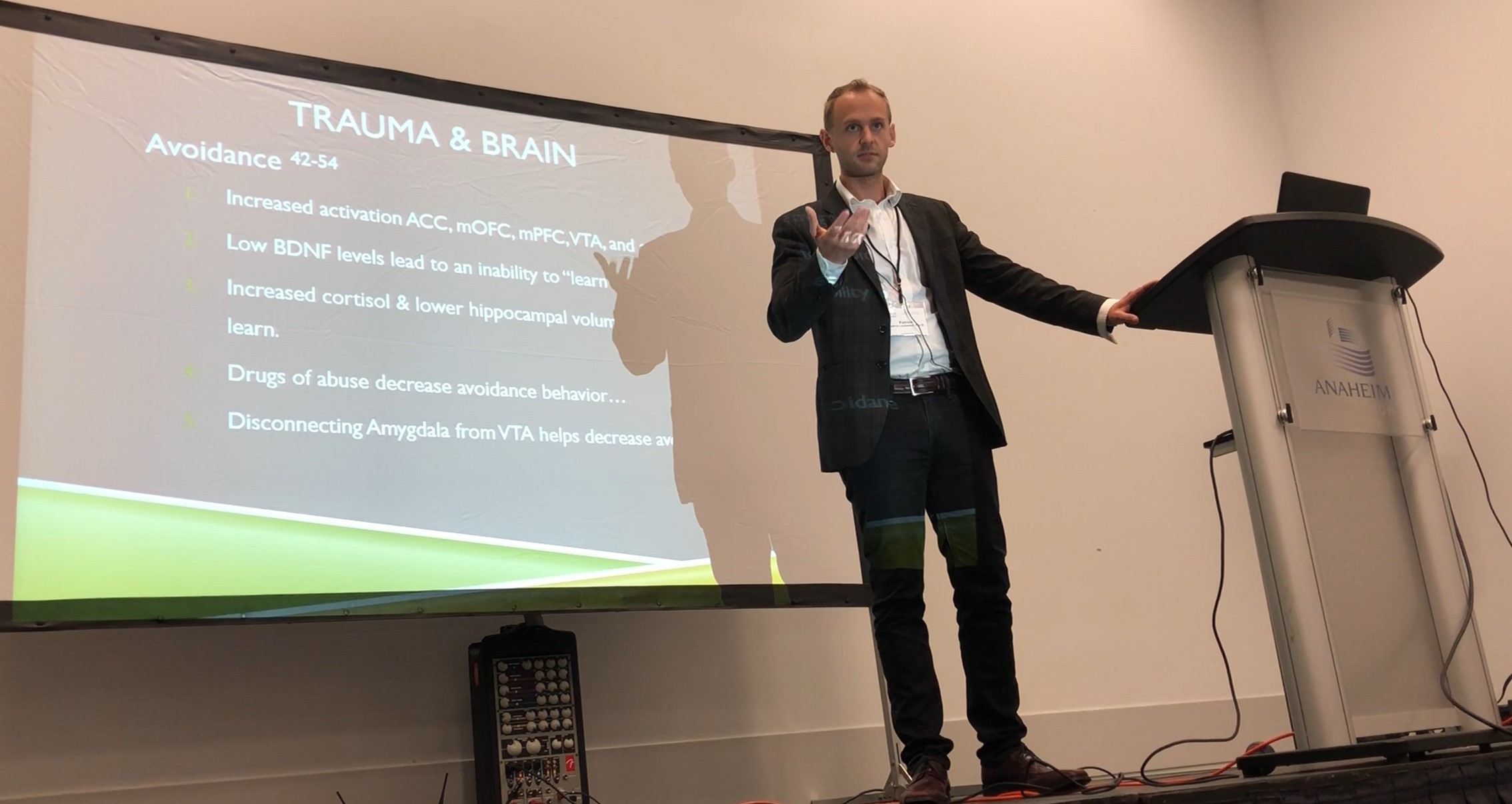
I’m currently the COO of Oak Forest Recovery Center, Inc. (Treatment Center) and the CEO of Oak Forest Care Management (Case Management Company). I’m honored to serve as an administrator at Oak Forest, and mentor clinicians and help their clinical team grow. I’m also an adjunct Professor at California Lutheran University, teaching future clinicians in the Graduate School of Psychology. I love teaching at CLU, it brings me life, teaching future therapists how to be ethical, scientifically minded, and grounded in clinical skills that actually work. I’m also on the board of The Friendly House here in LA, the nation’s first Women only treatment program for persons with SUDs. I’m grateful that I get to impact the treatment industry in many different ways. As I have grown, I have learned that my skills are better served as a professor, administrator, consultant, and supervisor, and I now have a life where I get to do all these things, and more.
Can you talk to us a bit about the challenges and lessons you’ve learned along the way. Looking back would you say it’s been easy or smooth in retrospect?
Has it been a smooth road? In some ways yes, in other ways no. The path to becoming “Dr. Lockwood” has been smooth in the sense that I’m naturally very curious, extremely nerdy and research focused/scientifically-minded, and excited by the opportunity to help people. In essence, I’m a nerd who actually cares. This combination of traits has made it easy to work in the treatment industry and make my way through graduate school.
In other ways, not so smooth. For instance, being openly bisexual and part of the LGBT+ community has been a double-edged sword, even here in Los Angeles. Some folks don’t care or simply accept me or are simply part of the community. Other folks seem to be hesitant to deal with bisexuals, especially in the LGBT+ community because of the standard “Biphobia” you hear about. Another difficulty I have faced, which is essentially only my responsibility to manage, is being “Neurodivergent” (as the kids say nowadays). I’m fairly disagreeable and introverted by temperament, and VERY matter of fact. SO, although I like to joke around am generally affable (ask my staff), I’m awkward, and sometimes (too often) terse. This made graduate school and navigating some social situations in the treatment industry challenging. I’m also disgusted by unethical behavior, so I don’t play well with colleagues and other providers who are let’s say…less than ethical.
As you know, we’re big fans of you and your work. For our readers who might not be as familiar what can you tell them about what you do?
I’m a Clinical Psychologist and Adjunct Professor. I specialize in the treatment of severe Substance Use Disorders and Personality Disorders. I teach at the graduate level and focus on psychopathology, substance abuse, research methods, and personality.
I’m known for being an educator and a stabilizing force in the facilities in which I’ve worked. Among my colleagues, who knows what I’m known for…
I’m proud of basically nothing because much of my life is luck and the support of mentors and friends. I have certain skills and traits/tendencies that I can take advantage of, and I also don’t want to be egotistical. Without the good people who have cared about me and loved me (some still do even!) I would not be here.
I think what sets me apart from others in my industry is I simply don’t give a shit what you think about me. I will take constructive criticism from peers, but gossip and drama, popularity, whatever, I don’t care. I will also happily take flack and damage my reputation (make people uncomfortable) for talking about scientific thinking and ethics incessantly, especially given all the fads and nonsense pop psychology people in my industry tout as “evidence-based.”
Any advice for finding a mentor or networking in general?
Finding a mentor who actually understands you can be tricky. Generally speaking, finding people who understand your personality is key. If you’re fairly agreeable or disagreeable like myself, then you have unique challenges ahead of you in your industry. I would recommend anyone searching for a mentor is as clear and transparent about their strengths, weaknesses, and personality style as possible. What has worked well for me is being honest up front, and patient (sometimes) with people getting to know me. Also, realizing that every professional of whatever “status” is just a “person.” Putting people on pedestals will not make life easier. It’s complicated, but I’m happy to help if I can.
Pricing:
- Oak Forest Treatment Center $14,000/month
- Oak Forest Sober living $4,000/month
Contact Info:
- Website: https://oakforestrecovery.com/
- Twitter: @DoctorLockwood
- Youtube: https://www.youtube.com/@PsychologyCheckup
Popular
-

What is something outside of work that is bringing you joy lately?
-

Local Highlighter Series
-
What did suffering teach you that success never could?
-
What are you most proud of building — that nobody sees?
-

Who were you before the world told you who you had to be?
-

If you could say one kind thing to your younger self, what would it be?


