




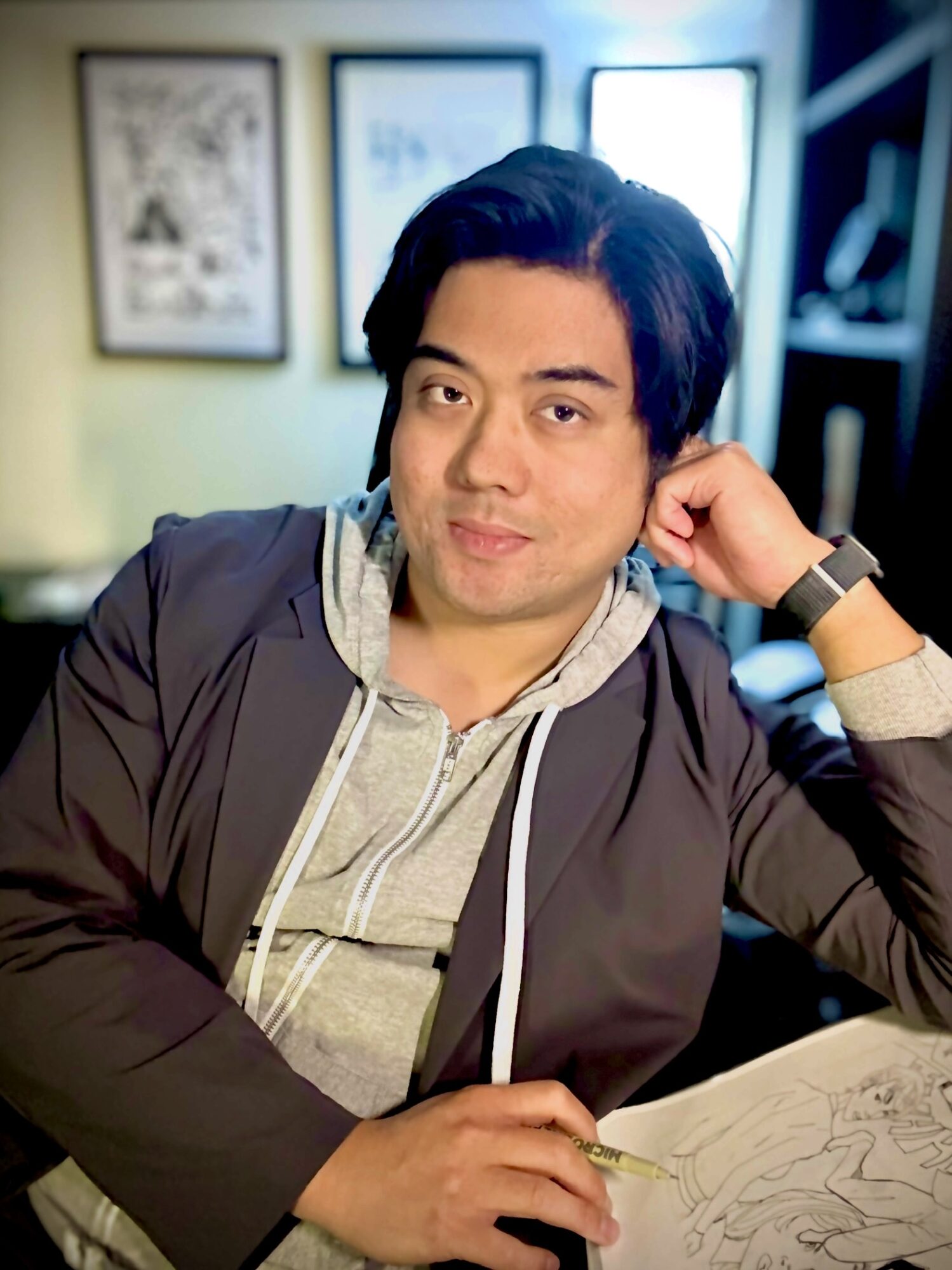
Today we’d like to introduce you to Nathan.
Hi Nathan, so excited to have you on the platform. So before we get into questions about your work-life, maybe you can bring our readers up to speed on your story and how you got to where you are today?
It took me five attempts to get my book right. Over ten years–maybe even twenty if I’m being nitpicky–of starting, almost finishing, giving up, and starting over again.
That’s what happens, I guess, when you spend a good part of your life waiting for permission to follow your passion. Mine has always been storytelling. Unfortunately, I didn’t fully allow myself to be that in my twenties. Or, honestly, through most of my thirties.
Film school? Did that. Then decided I didn’t have the personality for it, or so I told myself at the time. Like a lot of lost, insecure twenty-year-olds, I ran from the thing I wanted most because running is far more predictable than risking failure. “Just for a little while,” I said.
That running turned into teaching and tutoring. I taught internationally–China, Taiwan–eventually taught at the college level, and was even honored as Teacher of the Year. Twice. It was meaningful, respectable work. And for a long time I convinced myself it was enough.
Then came 2020. The pandemic. My academic career stalled, and for the first time I had to admit something I’d been avoiding: my story wasn’t meant to end at the top of the academic ladder. But, truthfully, I didn’t really want it to.
That’s when I saw the announcement for DC Comics’ Milestone Initiative, a talent development program for aspiring, underrepresented comic creators. The task to apply was simple: write a story featuring a Milestone character.
It felt like a longshot. I was out of practice and convinced I might be too late to the game. But I knew I needed to try. And not only that, if I was finally going to do this, I knew I had to tell the kind of story I cared about. One that was about flawed characters, morally ambiguous choices, where even the hero isn’t entirely sure they’re a hero at all.
Somehow, my story found the right eyes. A few months later, I was part of the DC family, training under incredible mentors and learning how to tell stories in this medium.
I still teach today, this time in the graduate business program at Cal State Fullerton. But creativity is no longer a side project. Since then, I’ve written multiple short stories for DC Comics, successfully Kickstarted my own comic, Stellar Remnant, with co-creator Daimon Hampton, and, with my publisher Hot Tropiks, recently released my first book, a hybrid novel blending prose and comics, titled Suspicious Activity, which is about Asian American gangsters. Why? Growing an Asian American male who was inundated with Robert Deniro and in a culture that emphasizes family to a degree of military hierarchy, you start thinking life is just another mafia movie, I guess. But, I’m particularly proud of this book, not just because of its unique approach. It’s a book about trauma, moral ambiguity and the stories we tell ourselves in order to get to the next page of our stories.
And in many ways, that’s what my career has been too: a series of stories I told myself to move forward. I don’t know what the next one will be. I just know I’m grateful it now includes the passions I once ran from.
I’m sure it wasn’t obstacle-free, but would you say the journey has been fairly smooth so far?
It has absolutely not been a smooth road. Especially in the beginning. My biggest obstacle early on was that I wanted to swim in oceans, but I grew up in the middle of the desert. I wasn’t raised with the idea that you should follow your dreams. I was taught to be practical. Growing up in what was essentially a single-parent household, I didn’t have many resources or much guidance in the creative fields I eventually found myself drawn to. On paper, my predetermined path was accounting. I was unfortunately very good with numbers.
But I knew early on that if I was going to live my life honestly, I couldn’t settle for what was simply available. I needed some outlet that allowed me to create, to explore, and to tell stories that mattered to me. That led me to film school. But that brought me to my second obstacle: self-doubt. I didn’t feel I had the personality to be the kind of auteur I imagined. I had the drive and the stories, but I didn’t quite feel like I belonged.
Eventually, I found another avenue for creativity: teaching. It was a compromise, sure, but an acceptable one. The path was clearer. It was available. And at least it wasn’t accounting.
Even in academia, though, there were limits. Institutional ones. No matter how well I performed, how much I achieved, it never quite felt like enough. Being occasionally mistaken for a student walking into a faculty meeting only amplified that feeling, and I began to question whether education was really where my story would end.
I’m grateful now for the opportunity to pursue my passion more directly, even knowing it isn’t easy. Entertainment is its own beast, and I still occasionally wonder if I fit. But I’ve started to see it differently. I no longer view it as a mountain to conquer. I see it as finding the right altitude to fly.
At this stage, it’s less about proving anything. I’ve proven enough. Now, it’s more about alignment. Figuring out which stories I can tell well, which ones feel true, and who they might resonate with. None of this has been easy, but it’s always felt honest. And that’s what sustains me now.
Thanks for sharing that. So, maybe next you can tell us a bit more about your work?
At the most basic level, I’m a writer (and occasionally an artist) working primarily in comics and hybrid prose. I’ve written for DC Comics and small press publishers, and my work often blends genres, formats, and visual storytelling.
More specifically, though, I write stories about complicated people trying to do the right thing in systems that make that really hard. I’m less interested in squeaky clean heroes and villains than I am in moral gray areas, lingering consequences (even if unintended), and the emotional cost of survival. Many of my stories revolve around longing, loss, and a particular kind of ache that doesn’t resolve neatly, but that people learn to live with anyway.
These themes show up across my work. In Suspicious Activity, my recent hybrid novel combining prose and comics, I explore trauma, legacy, and identity through the story of Bingo Andrada Wu, an Asian American money launderer entangled in the family business of crime, all in the wonderful place I call home, the San Gabriel Valley. The book looks at how pain, whether inherited, physical, or systemic, shapes the choices we make and the lives we end up living. At its core, it’s about humanizing people we’re often taught to look away from.
Similarly, my comic series Stellar Remnant (which I co-created with illustrator Daimon Hampton) explores a different kind of ache: the pain of lost connection. It follows a washed-up sentai soldier who discovers that his long presumed-dead partner is not only alive but fighting for the enemy. The story asks what matters more: duty to the world or to the people we love. That tension is something I return to often.
Even in my work for DC Comics, I gravitate toward characters confronting uncomfortable truths or making sacrifices in order to preserve some sense of integrity. One of my short stories, titled “A Constant State of Healing,” focuses on Kimiyo Hoshi (Dr. Light) and frames her physical pain not as a flaw but the thing that makes her more heroic than any superpower.
What sets my work apart is that I treat genre as a tool, not the point. Whether I’m writing superheroes, crime fiction, or speculative stories, I’m ultimately interested in how people endure, how they justify themselves, and how they keep going when a happy ending isn’t guaranteed.
Can you talk to us a bit about the role of luck?
Hard work is mandatory for success, sure. But I don’t believe in bootstraps, meritocracy, or being truly self-made. And yeah, I didn’t grow up with a trust fund, but I also wasn’t living on the streets. Luck isn’t just a number on a bank statement. More often, it’s the right people choosing to see your potential.
Throughout my career, I’ve been fortunate to have advocates. In education, I had mentors and co-chairs who saw my potential early and gave me opportunities to teach when I was still one of the youngest people in the room. In comics, I’ve had creative partners who believed in my stories enough to lend me their craft, and even take the time to teach me a thing or two so I could grow as an artist myself. And of course, despite being one of over a thousand applicants, I was fortunate enough to be selected for DC Comics’ Milestone Initiative, a moment that changed everything, for me.
That said, there are also forms of bad luck that are often beyond our control. Systemic, circumstantial, and personal. In academia, I had merit but very little mobility. And, ironically, while being the youngest person in the room often worked against me in education, entering comics later in life sometimes made me feel like I was already behind.
I eventually realized that waiting for permission was the wrong move. That’s why I continued writing Suspicious Activity, even though it was totally experimental, blending meta-narration, sequential art, and prose fiction. I trusted that the right audience would eventually find it.
And that brings one of the clearest examples of luck in my life. In 2023, I premiered a chapter of the book at Whittier Comic Con. I didn’t sell much and probably just broke even, but, there, I met a guy named Angelo who stopped at my booth after noticing an illustration I’d done of the Filipina superhero Darna. We chatted about the character, some of the work we were doing, and he picked up my book.
I had no idea then that he would go on to become the founder of Hot Tropiks, a leading distributor of Filipino American graphic novels, and eventually the publisher of Suspicious Activity. That moment wasn’t planned or strategic. It happened because I put myself out there and let chance do what it does best.
Pricing:
- Suspicious Activity $22.00
- DC Comics’ I Saw Ma Hunkel Kissing Santa Claus $9.99
- DC Comics’ I Know What You Did Last Crisis $9.99
- Stellar Remnant #1 $9.99-$14.99
- New Talent Showcase: The Milestone Initiative $10
Contact Info:
- Website: https://linktr.ee/nathan_a.k.a
- Instagram: https://www.instagram.com/nathan_cayanan/
- Facebook: https://www.facebook.com/nathaniel.nathan.cayanan/
- LinkedIn: https://www.linkedin.com/in/nathan-cayanan-mpw-mba-9ab6b035/
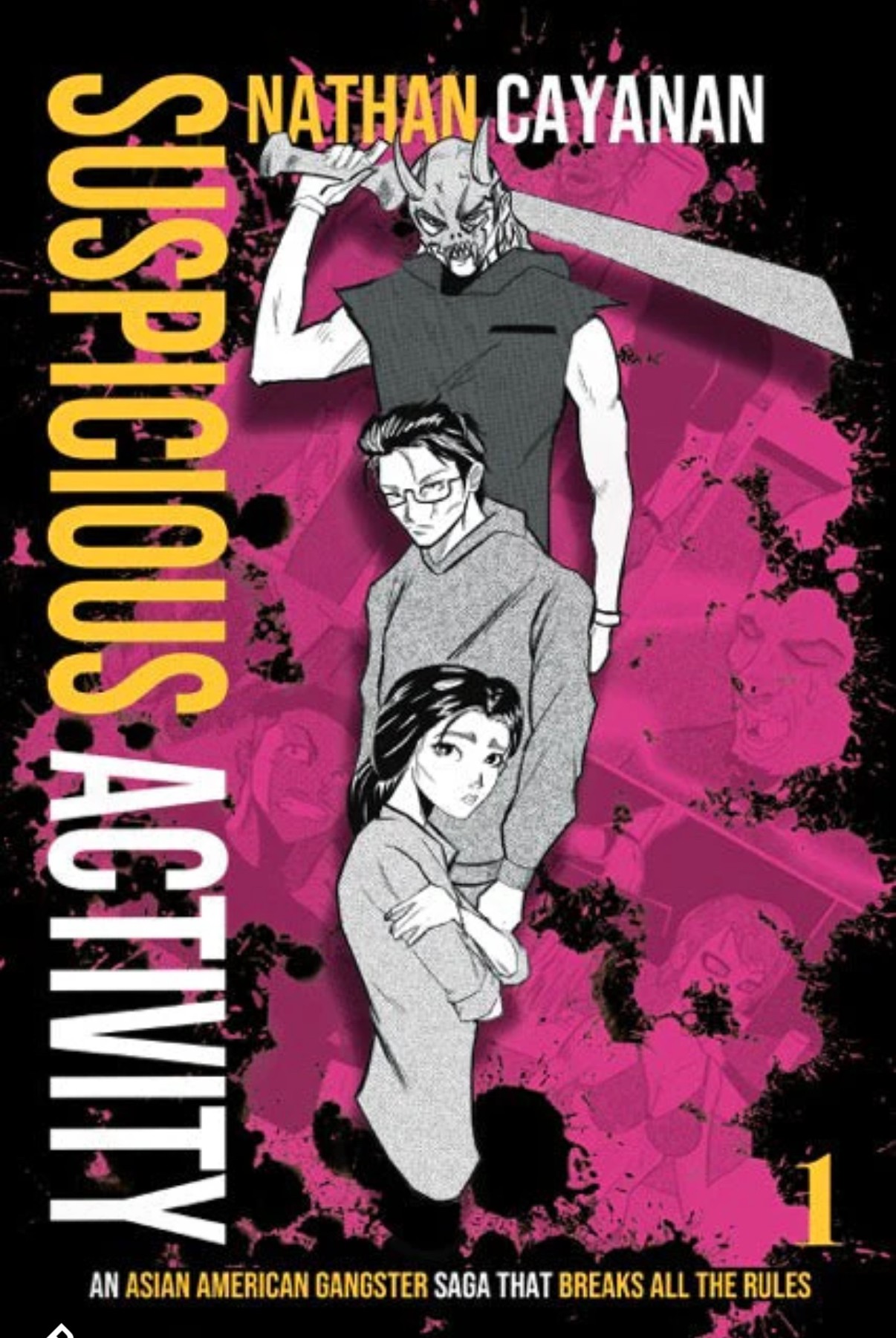
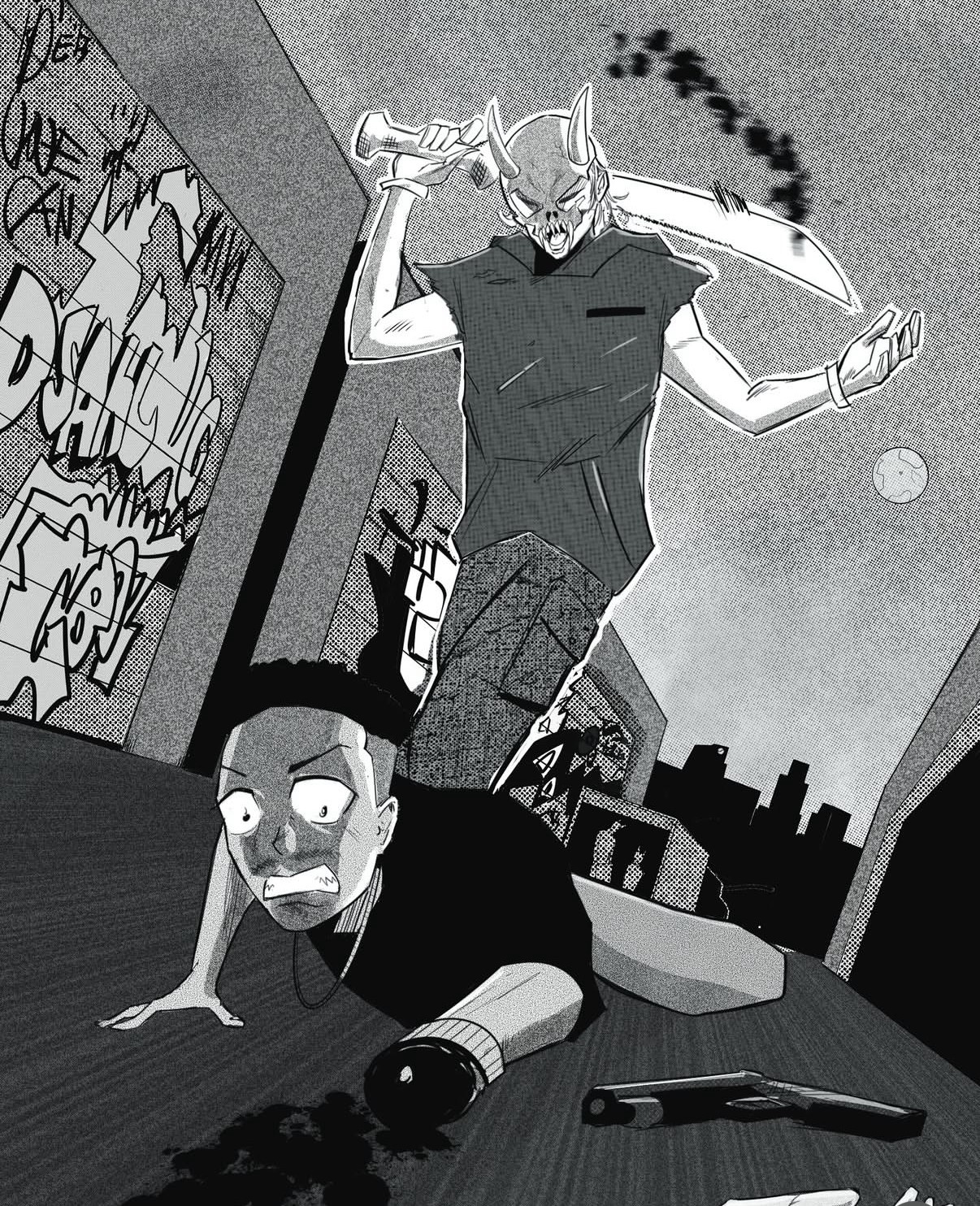
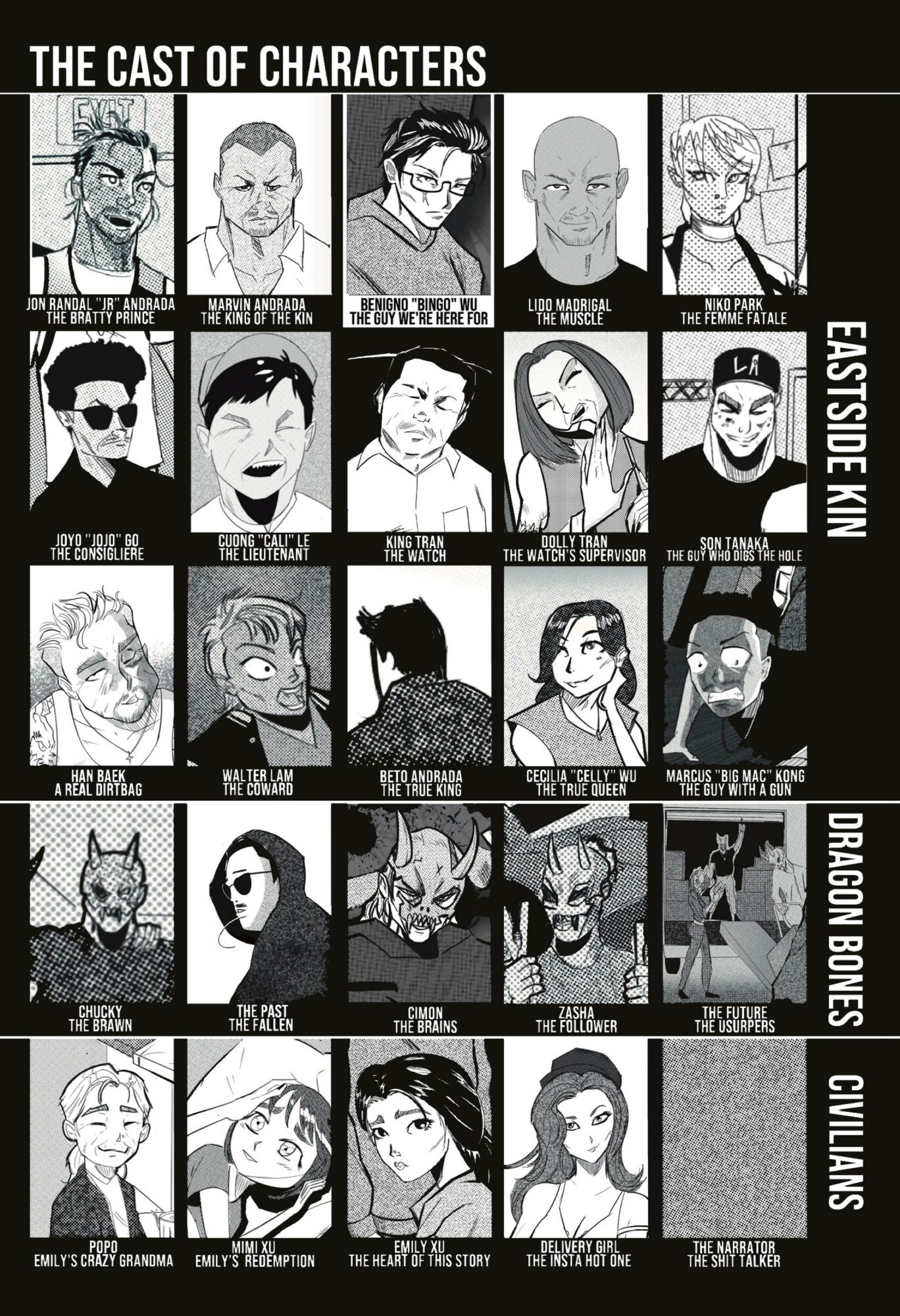
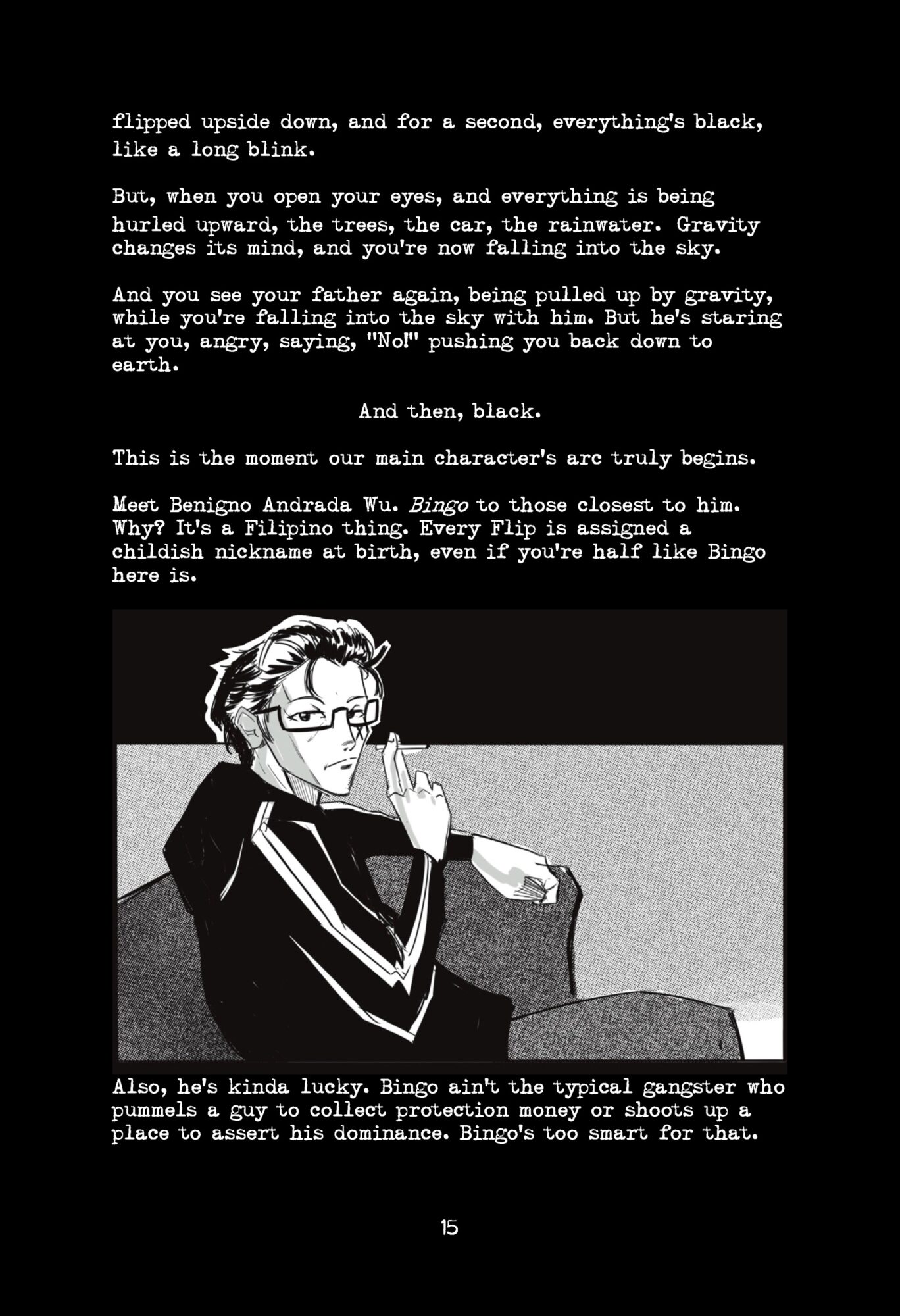
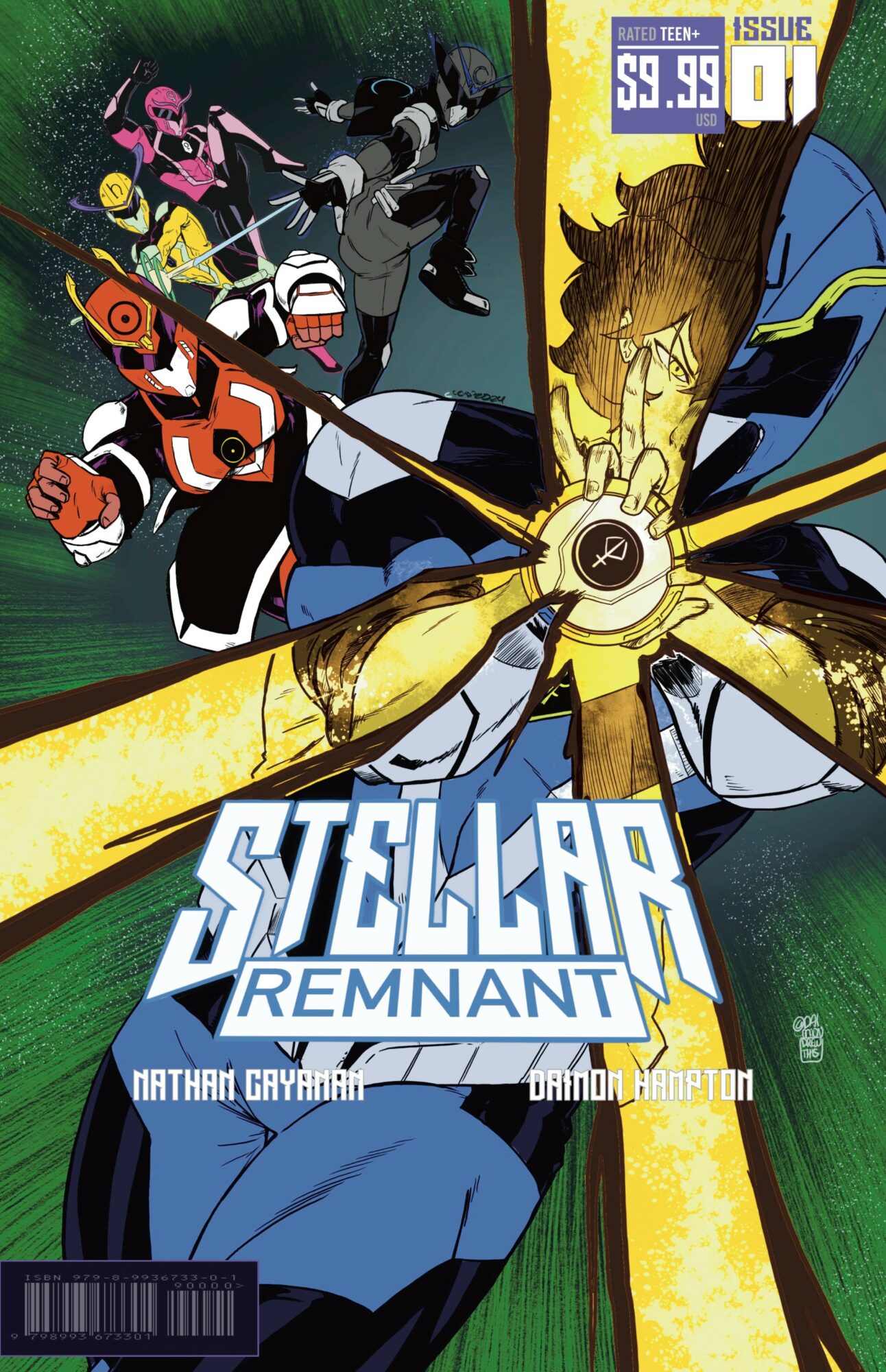
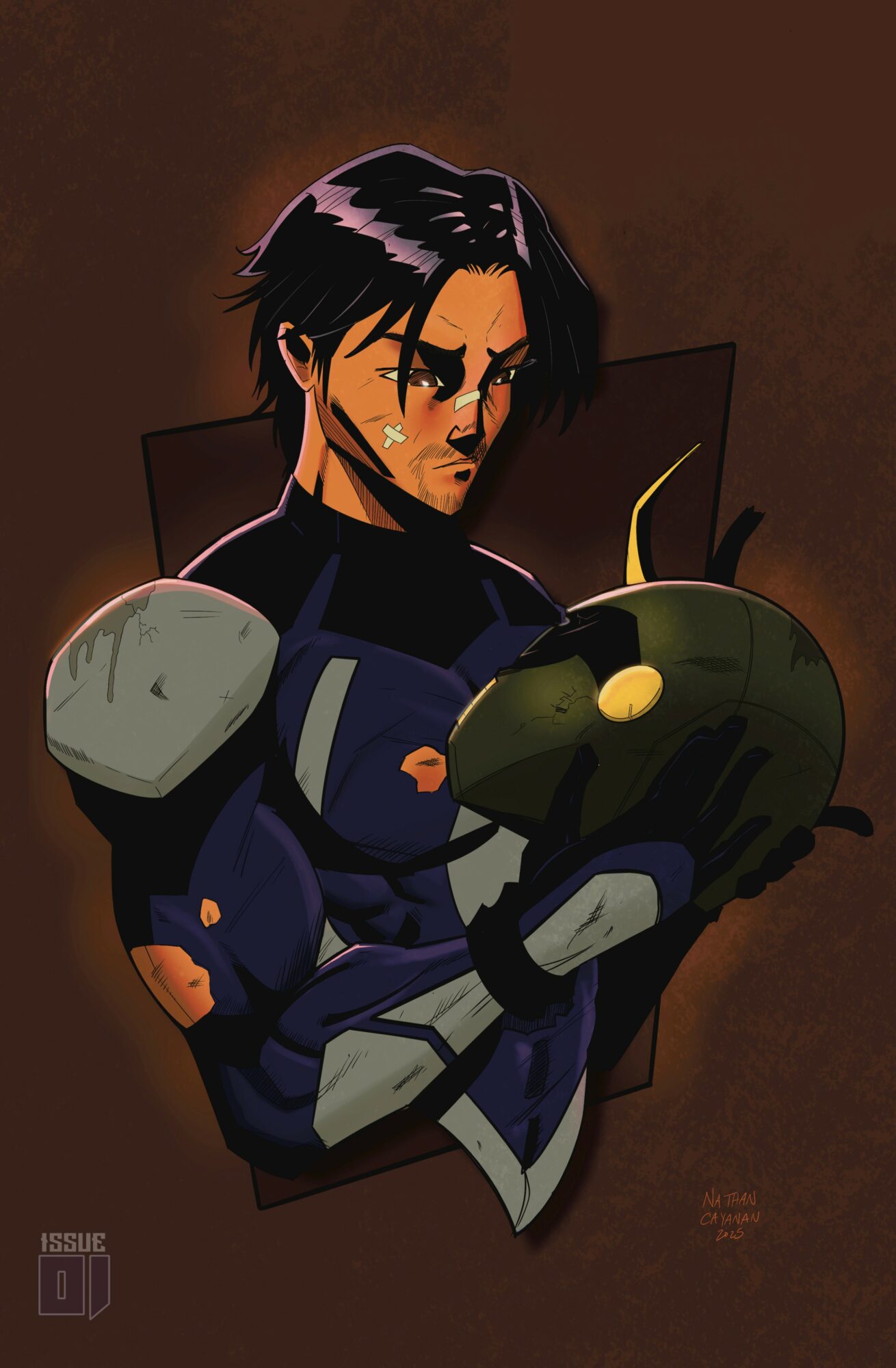
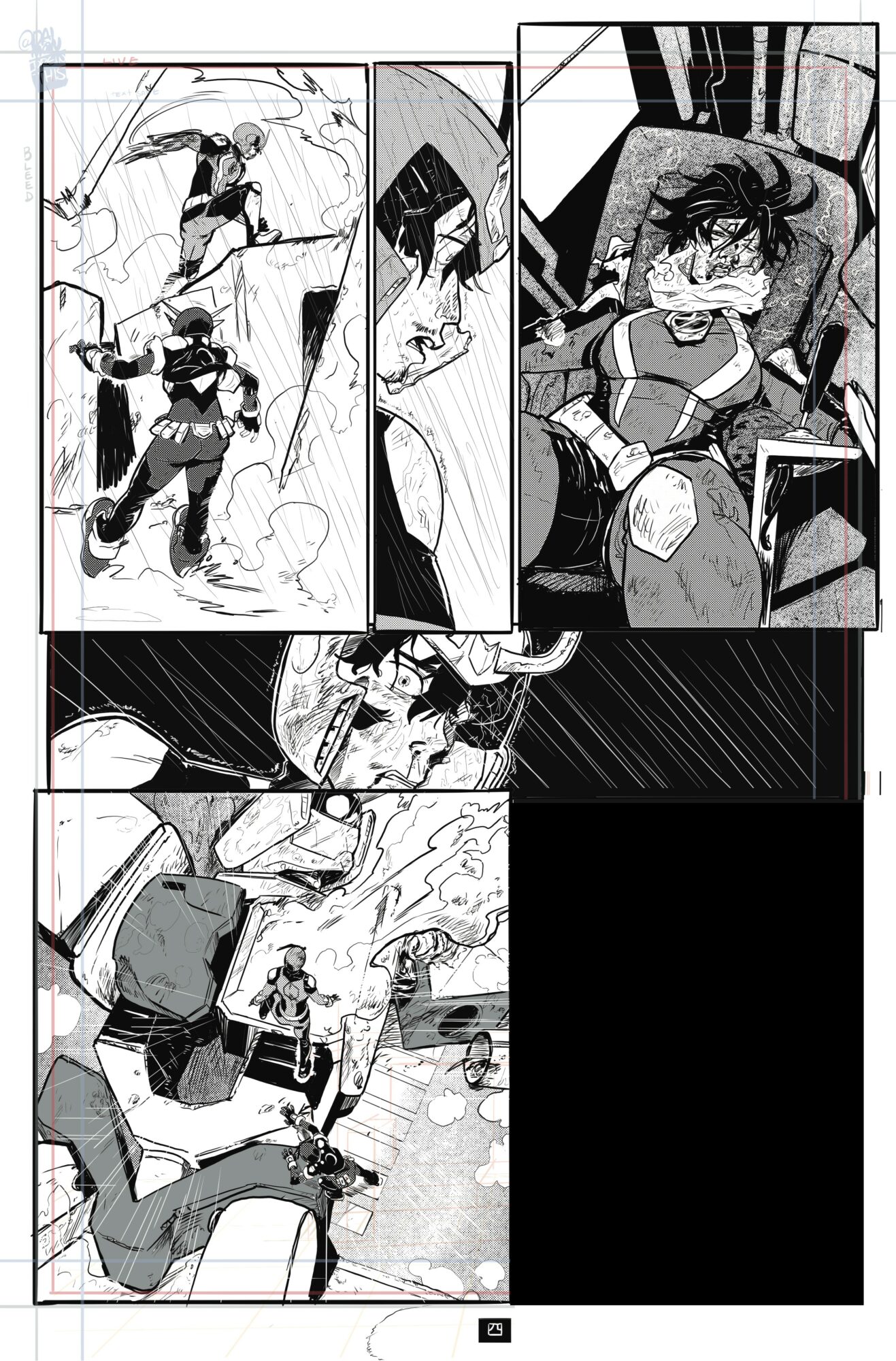
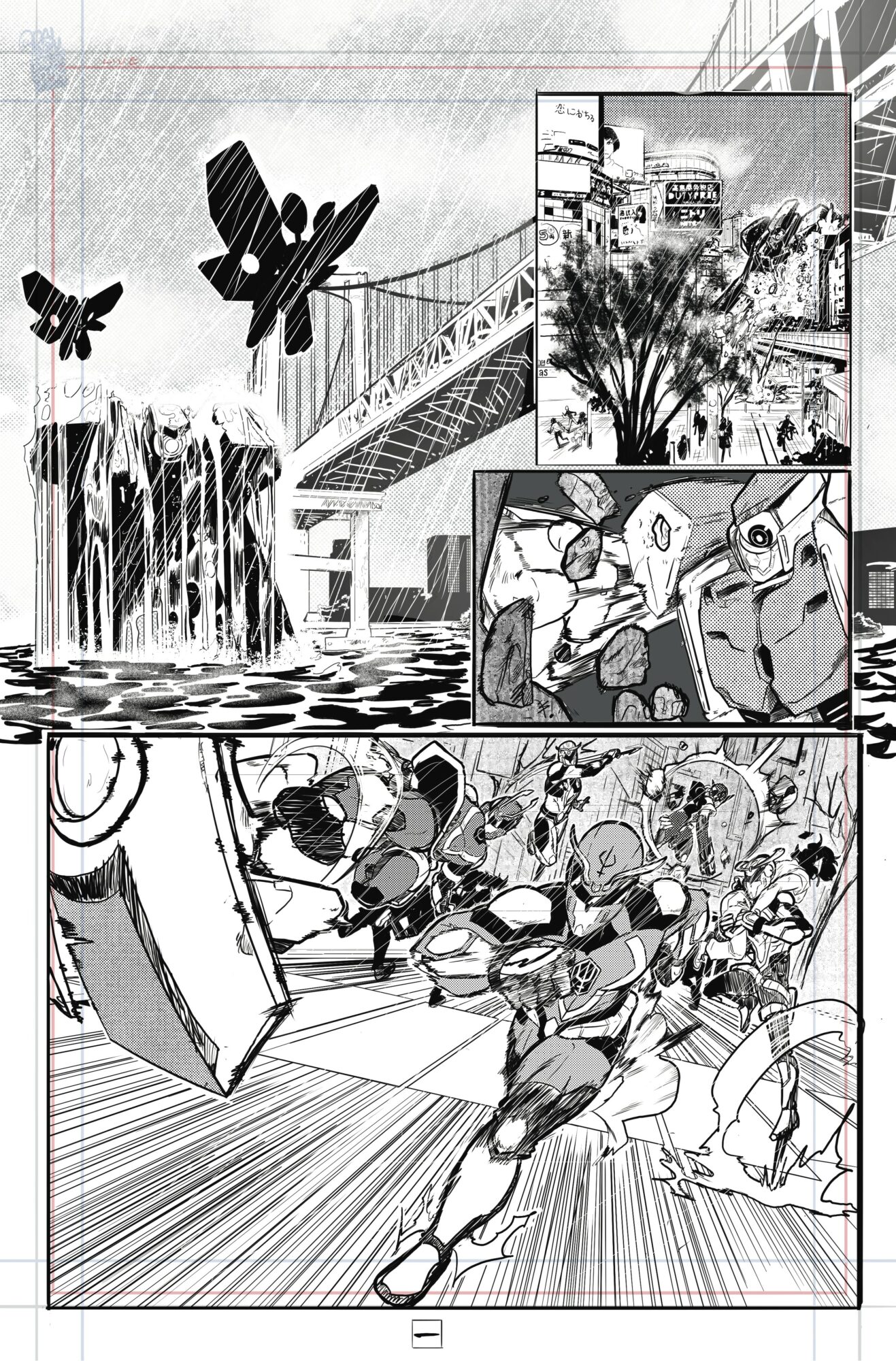
Image Credits
Images 1-4 are the cover and pages from the book Asian American crime hybrid novel Suspicious Activity, written and drawn by Nathan Cayanan. Images 5, 7 and 8 are the cover and pages from sentai comic Stellar Remnant, written by Nathan Cayanan and illustrated by Daimon Hampton. Image 6 is a variant cover for Stellar Remnant #1 drawn by Nathan Cayanan
Popular
-

What is the story you hope people tell about you when you’re gone?
-
What do the first 90 minutes of your day look like?
-

Local Highlighter Series
-
What did suffering teach you that success never could?
-

Who were you before the world told you who you had to be?
-

What are you most proud of building — that nobody sees?


