




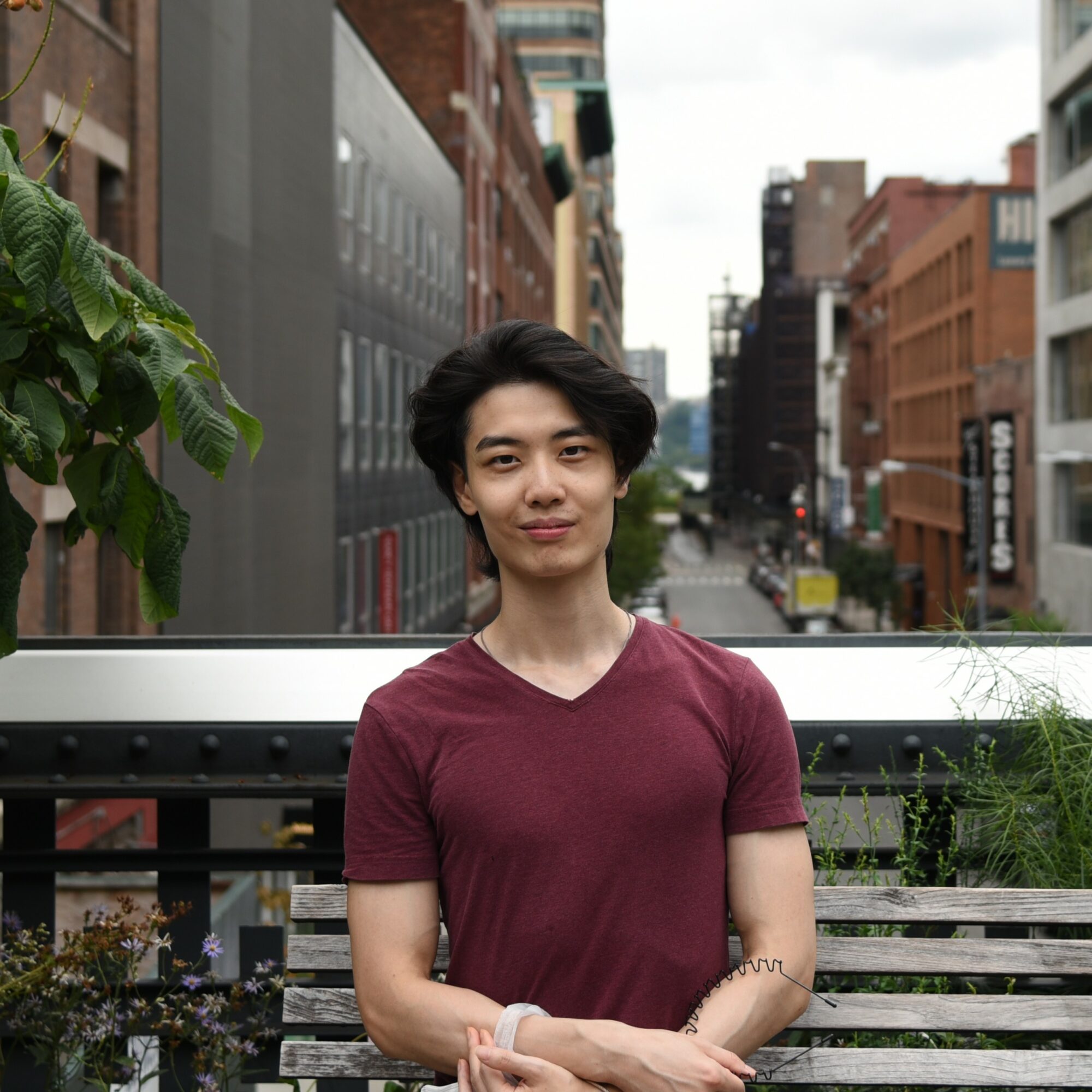
Today we’d like to introduce you to Minquan Wang
Hi Minquan, thanks for sharing your story with us. To start, maybe you can tell our readers some of your backstory.
Hi! I am an architect based in Shanghai. I work for David Chipperfield Architects and work as an independent practitioner at the same time.
I was born in China. I discovered my art talent as a child, but as a “good kid” never seriously considered an art & design profession. Conveniently, China experienced its once-in-a-lifetime urbanization craze in the early 2000s. This prompted me to study architecture in college, which would allow me to pursue my passion in art and design without losing the basic ability to pay the bills.
I loved everything about architectural design and excelled. I came to the US where I got my Master of Architecture at Yale and later my license. After graduation I worked for KPF in New York City, whose portfolio heavily focused on commercial design, typically with large-scale mixed-use developments involving office and retail. I had the opportunity to work on a series of high-profile international projects, through which I gained a lot of experience with the said typology.
After a few years though, I felt that a change from the more corporate environment at KPF might benefit me. I also yearned for a more straight-forward approach after managing international projects through remotely staffed local offices etc. for quite a while. During the pandemic I went back to China and joined David Chipperfield Architects’ Shanghai office. DCA has been a whole new experience. It greatly expanded my exposure to cultural projects (museums, art centers, etc.). David won the Pritzker Prize in 2023, which is considered the highest honor and achievement in the architecture profession. Perhaps for that reason the office received many unique offers and opportunities such as curation, exhibitions, publications, teaching, etc. We taught a design studio at Tongji University in Shanghai last year for example, and I greatly enjoyed these tangential ventures.
The reunion with some of my past connections in China sparked opportunities for a few independent works on my own and with my architect friends. Our works won several awards internationally and hopefully would broaden the pathway forward. These kept me busy and brought me where I am today.
I’m sure it wasn’t obstacle-free, but would you say the journey has been fairly smooth so far?
It has definitely been a bumpy journey! I could talk about how most architects are frequently overworked, the difficulty of navigating a design corporate and getting comissions, etc. But in honesty, I think the biggest struggle has been one about ethics and faith.
Architectures happen in very real social, cultural, and economic contexts. This is especially true for architects like myself who are deeply invested in public projects. Design decisions have consequences. They could make thousands of people’s lives better or worse, enrich the greatness of a place or destroy one. At both KPF and DCA, we work on public buildings, many of which associated with urban centers, landmarks, historical heritages, etc. While the most important decisions in the development processes are often not up to the architects to make, architects do have a huge leverage in synthesizing creative solutions to reconcile between conflicting priorities. When community interests get in the way of development goals, would you stand up or acquiesce the injustice? Or is there a way to strike a win-win through your creative hands? Beyond social equality, architects are also trained to defend beauty and culture. Their expertise in these fields though, are not always appreciated. If making the client happy would mean going against your understanding of what good architecture is, what would you do?
Architecture has a very complicated relationship with power. Architect cannot build without working with capitals, and yet the discipline of architecture demands that we treat it with criticality. In the commercial design world, many would play the devil’s advocate. More would simply choose mediocrity. But that’s not what I enter the profession for. I chose architecture because I believe in truth and beauty, and I believe in a better world for all. Throughout my career I would get into disagreement with my managers for these reasons. I often work overtime on my own on alternative design options just to convince them that we don’t have to give up on good and right design just to move the project forward. This obviously adds a lot of seemingly unnecessary burden to myself, but I think one has to fight for what he or she believes in.
Can you tell our readers more about what you do and what you think sets you apart from others?
As a licensed architect, I work on all phases in the architectural design process, from the initial conceptualization to the technical documentation and construction administration. I specialize in two types of projects: commercial mixed-use and cultural. While working at KPF I worked on many mixed-use projects, including the tallest building in Southwest China, Chongqing International Land-Sea Center, and the tallest building in the southern hemisphere, Thamrin One in Jakarta. At DCA I contributed to many important cultural landmark proposals, such as Shanghai’s Jinqiao Art Center and the ongoing Minsheng Wharf redevelopment. I think my mileage in these two distinct and mutually complimenting fields offers me a broadened perspective.
Across typologies, I have a particular interest in how space brings people together. The public quality of architecture has been both my strength and my focus. Envisioning how space could be given back to the city and shared with people, even in convoluted and unlikely spatial/programmatic scenarios, is my forte. This could be both challenging and rewarding, and result in positively unexpected outcomes. Take Chongqing International Land-Sea Center for an example: the unique topology of the city meant that the project has a railway joining at the roof level of its mall. We were able to turn it into a unique experience where a transit station is seamlessly stitched into the office and retail spaces, allowing the public to flow through and with the traversing railway a sight to behold for the local.
As I started working on independent projects, I carried over these experiences, and interests. I am generally keener to push boundaries and experimenting with ideas when working outside the office. My friends and I completed a proposal for China Academy of Art’s new Mengyuan Campus earlier, which won the silver prize in this year’s MUSE Design Awards in the educational and institutional class. We designed a dual spatial system with two disparate layouts juxtaposed so as to be tailored for the academy’s specific pedagogy. The result was incredibly complex, and yet beautifully resolved.
While I am certainly adept at complicated building problems, I would not fret at going beyond physical constructions when necessary. In 2023 I completed the RAM Assembles in Shanghai, a cultural biennale for which DCA was commissioned for its art direction and installation design. After elaborate discussions on public spaces with the RAM (Rockbund Art Museum) team, we came up with a program that curates multi-location synchronous events in synergy with a series of decentralized architectural installations lending backdrop to improvised urban activities. The biennale truly went beyond the confines of conventional architecture and kick-started successful revitalization of the neighborhood. As a matter of fact, as my career unfolds, I have become increasingly interested in how architecture liaises with conventionally “non-architectural” motives, and generate a renewed impact not just to the profession itself but to the broader society.
What were you like growing up?
I was a very introverted child. I would spend all day on fictions and video games, immersed in distant worlds. I was imaginative, dreamful, and in many ways over-idealistic. I was luckily gifted with a good sensibility for visual art, which became my entry into creating things. I would imitate 90s and 00s manga artists a lot (my favorite is CLAMP!) and later quite clumsily started working on my own stories and character/world designs with nothing much more than a notebook and a pencil. I even tried writing music for those presumed stories. When I discovered RPG Maker in middle school, I was ecstatic. I guess I always enjoyed being the creator of my own world and thoroughly building everything inside all on my own.
But as I said I never became a conceptual artist or a game producer etc. Throughout my childhood I was exceptionally good at school, too good for a Chinese kid to be considered for art majors perhaps. I was put in an “experimental” science class in my city’s top high school where we would train for science Olympiads. Logics and reason were hardwired in me. And I actually enjoyed physics. I never won any medals, but did get into a top university in China, Tsinghua University. I was prepared to be an engineer or a physicist. But when I heard that you get to do both structural calculations and drawings in architecture, I did not hesitate to pick it as my major.
That was obviously a blatant misrepresentation of what architects do. But I later realized that even though architecture was far from what I initially anticipated, it did fuse the rational and the romantic in me. Architecture is exactly about creating worlds. A well-executed building, however small, is a portal to the architect’s utopia. It is up to the architect to build it in meaningful and conceptually coherent ways. In order to do that, he has to apply both imagination and reason. Architecture is also about showing visions and telling stories. The process of composing a good piece of architecture is not too different than conceiving a sound fiction, and it could take the same skills to convey both.
Contact Info:
- Website: https://www.minquanwang.net/
- Instagram: minquan92
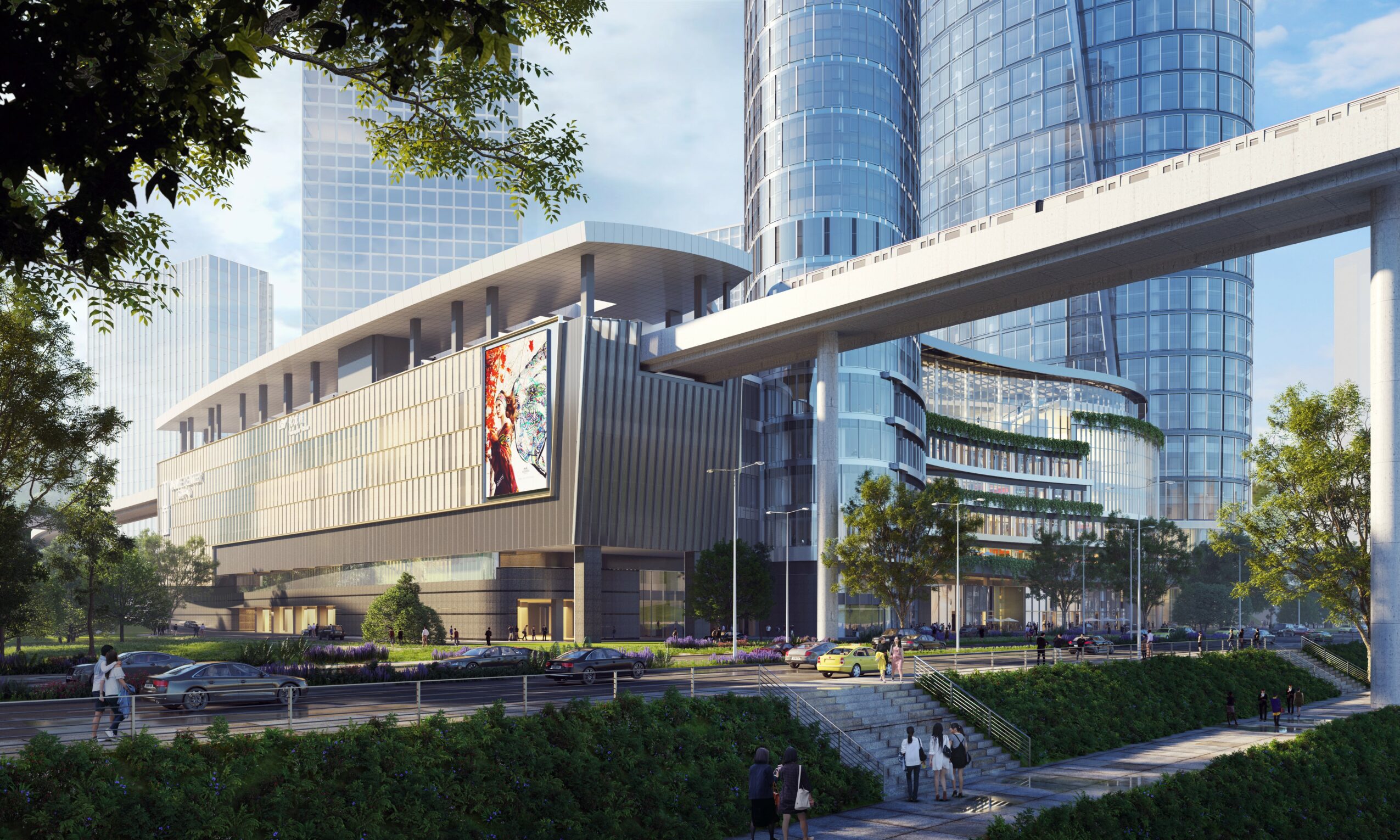
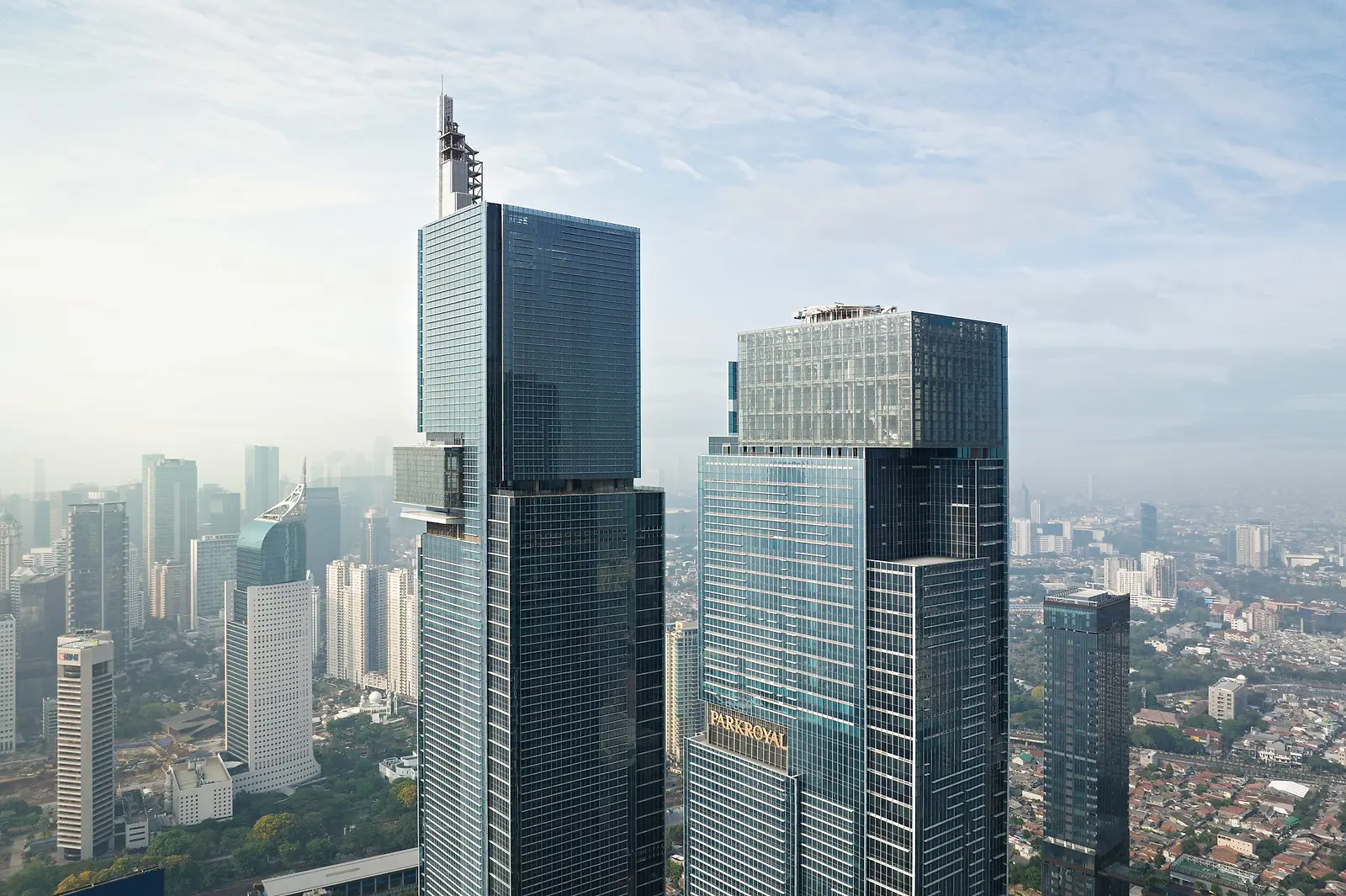
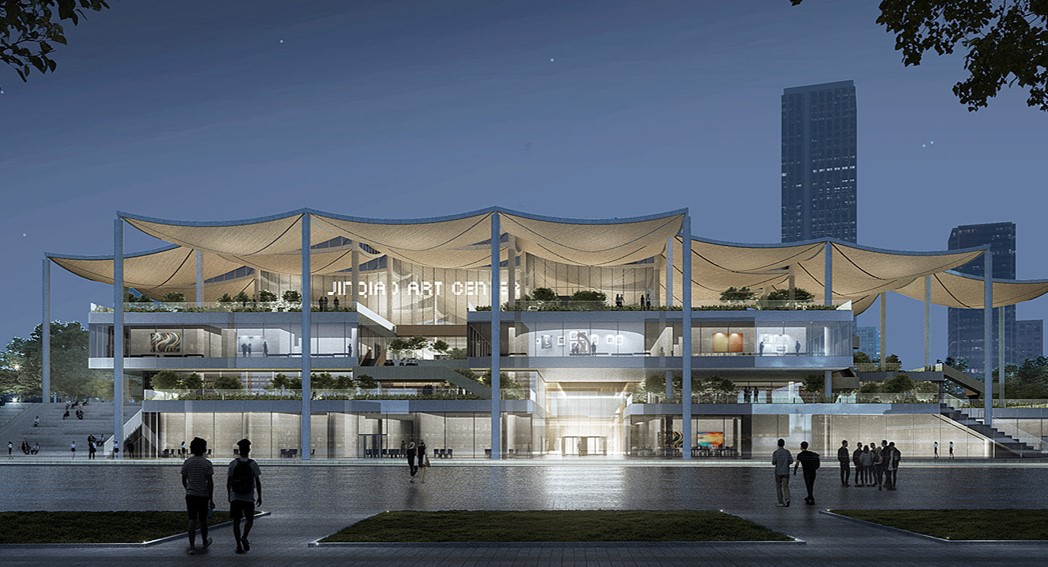
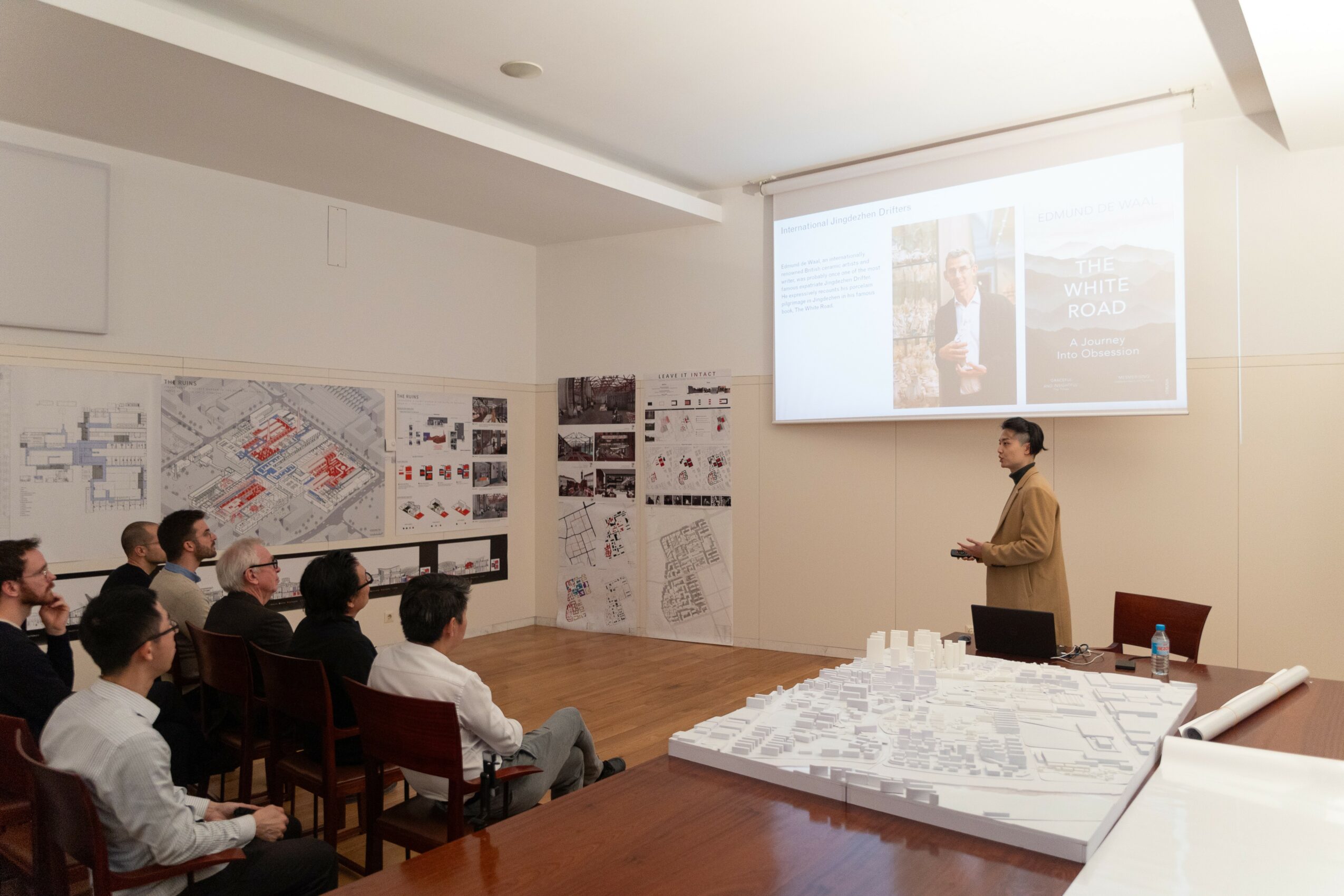
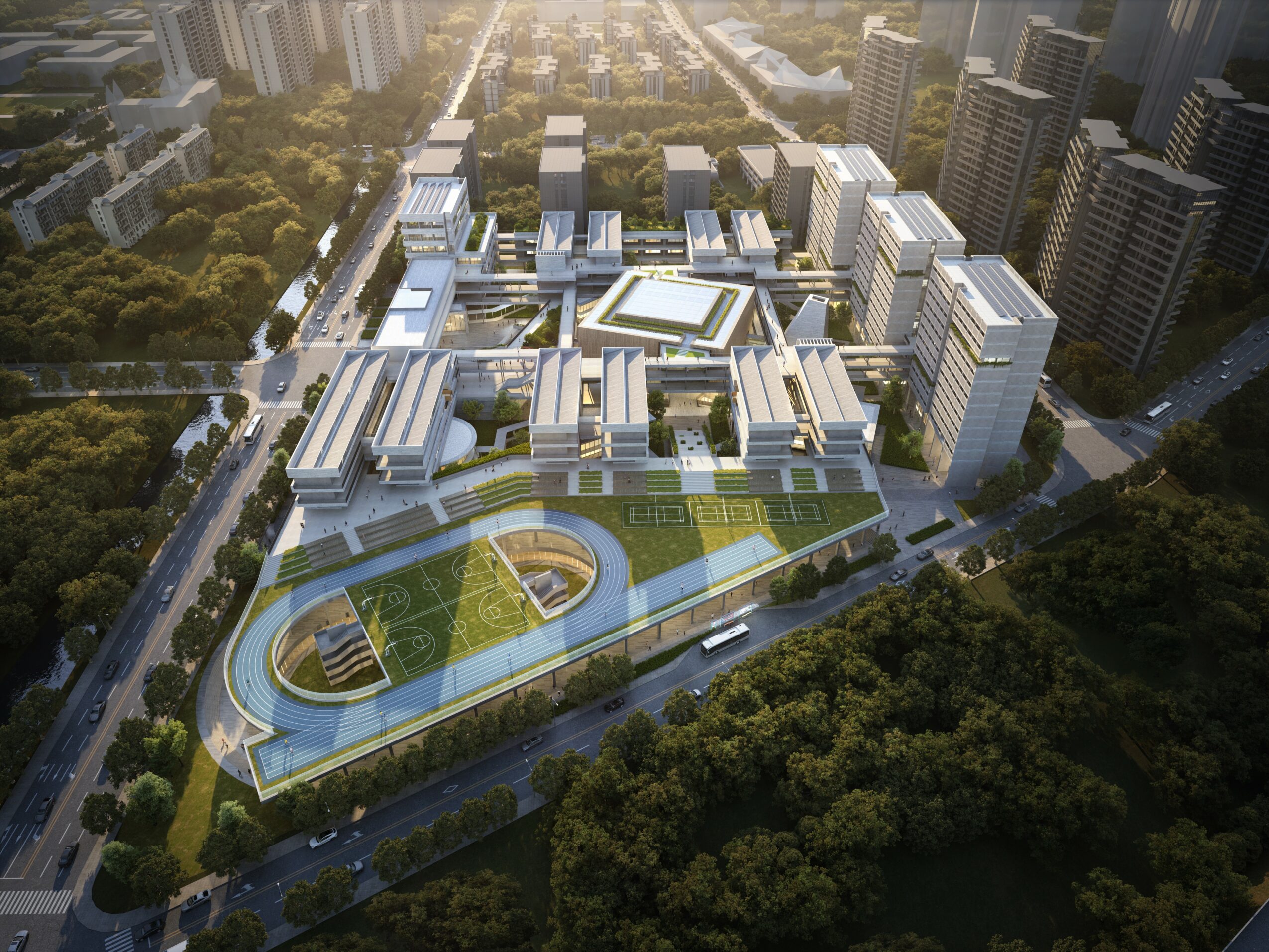
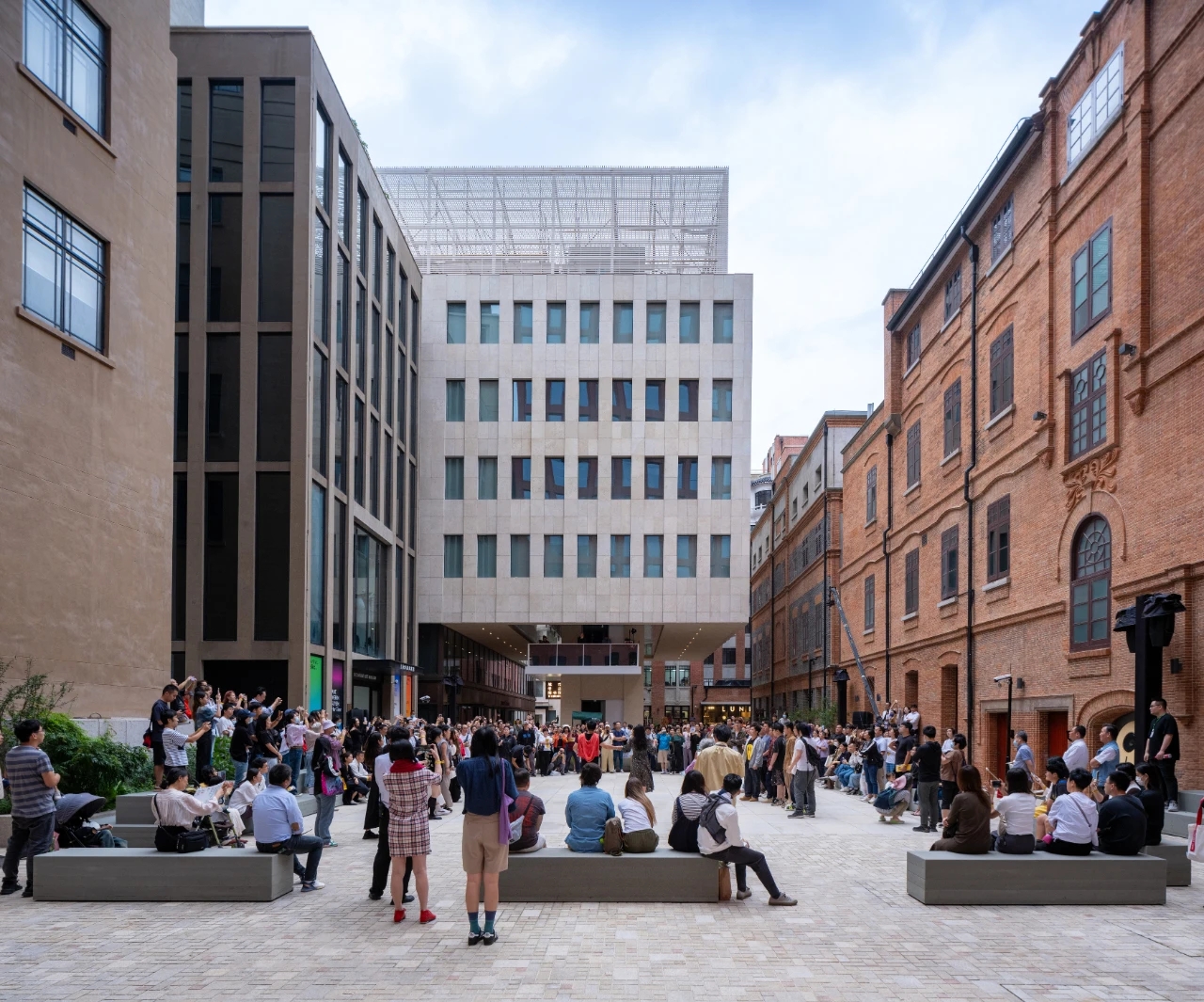
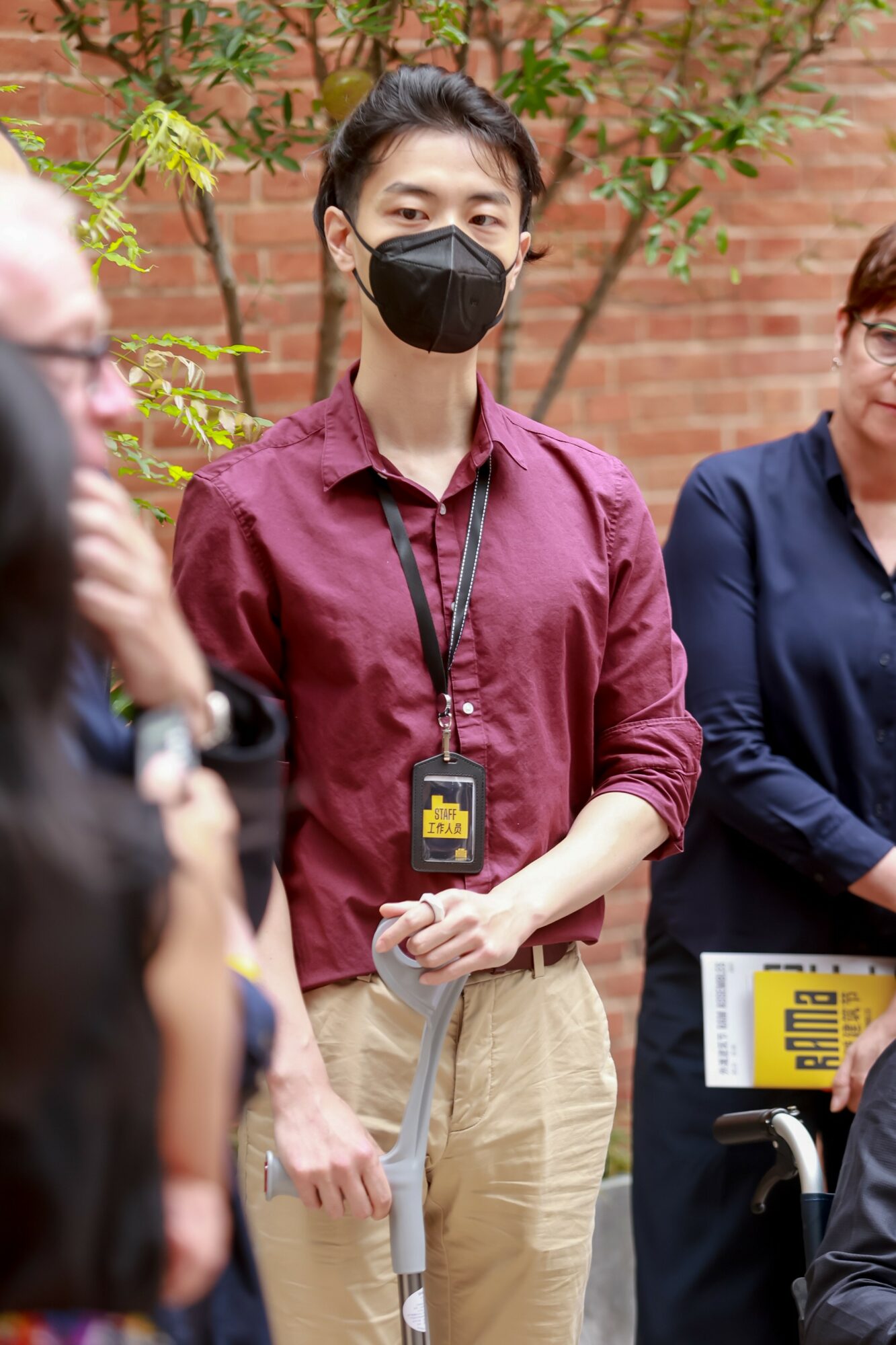
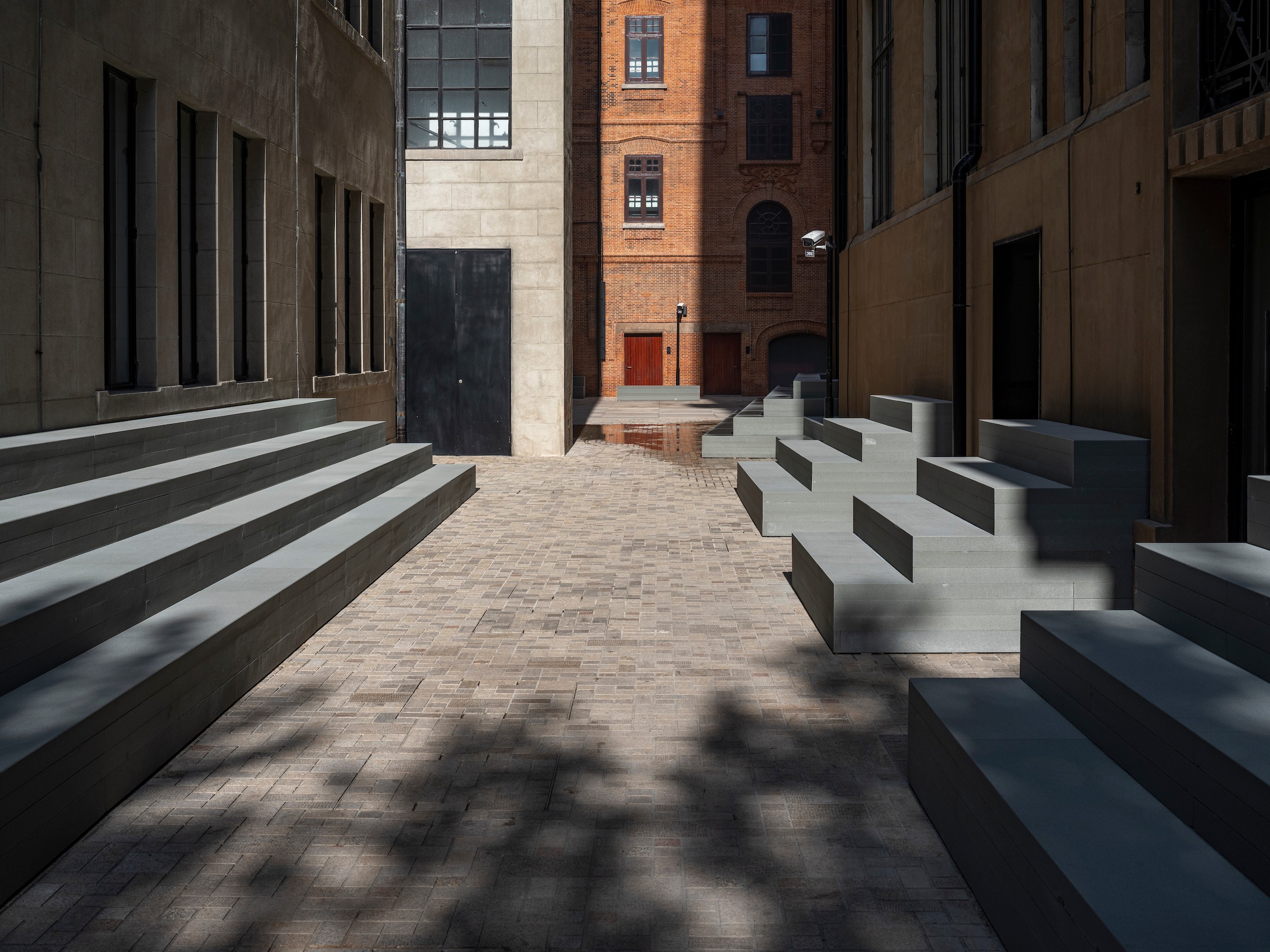
Image Credits
1. Chongqing International Land-Sea Center: ©ATCHAIN
2. Thamrin Nine: ©Mario Wibowo
3. Jinqiao Art Center proposal: ©SAN
4. Minquan presenting at DCA-Tongji Studio final review: ©Fundación RIA
5. China Academy of Art Mengyuan Campus proposal: ©SIZE Arch
6. RAM Assembles; ©RAWVISION studio
7. Minquan at RAM Assembles opening: ©ROCKBUND
8. RAM Assembles installations: ©Fangfang Tian
Popular
-

What is something outside of work that is bringing you joy lately?
-

Local Highlighter Series
-

What did suffering teach you that success never could?
-

What are you most proud of building — that nobody sees?
-

Who were you before the world told you who you had to be?
-

If you could say one kind thing to your younger self, what would it be?


