



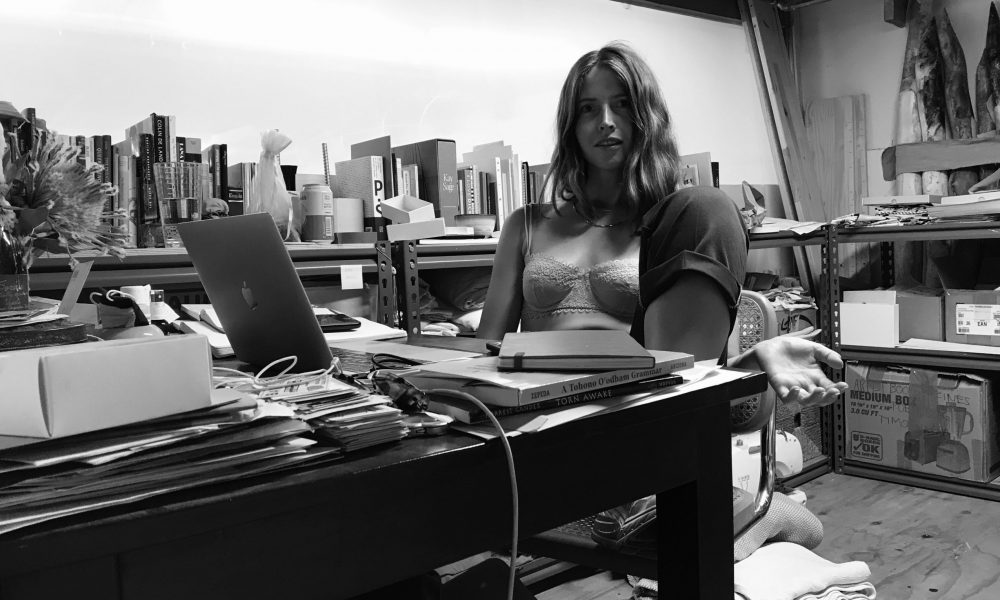
Today we’d like to introduce you to Lara Macarena Schoorl.
Hi Lara Macarena, can you start by introducing yourself? We’d love to learn more about how you got to where you are today?
Growing up I always knew I wanted to do something with art: to make art, study art, present art, e.g. I think it had something to do with finding it difficult to express myself and art provided me with alternative languages. There is not one way to say something, art (including literature) allowed endless attempts to circle around and speak as close to meanings as possible. I guess, as such it allowed for fluidity and change–two concepts which, in hindsight, I seek in order to create. After studying art history at the University of Amsterdam, I continued to study at the School of the Art Institute of Chicago to learn about art in an environment with artists and, as a result of my immigration process, later transferred to Westcliff University in Irvine to study TESOL. While in university, I have worked for various small arts organizations—Sector 2337, Roger Brown Study Collection, the Museum of Jurassic Technology, Hat & Beard Press, Cirrus Gallery & Cirrus Editions, Ltd. All of them are so dedicated to involve every person on staff in contributing to the identity of the spaces and platforms they provide, regardless of their position or contract length. As a result those (and many other) small institutions become porous and open to that same kind of ongoing fluidity that fosters change (be that with the means at hand, within existing structures or into new formats).
My experience working for these organizations as well as people around me or whose work I admired–Jane Lewty, Patrick Durgin, CD Wright, Joshua Marie Wilkinson, Zeenat Nagree, April Martin, Mia You—inspired me to begin Close Distance, a multilingual poetics journal. CD exists online and has a limited print editions created by different graphic designers or bookmakers for each issue. Given full creative freedom, the editions look different each time following not a single identity but their own as interpreted and translated by the designers. Notions of change and movement loosely inform the general composition of journal. It began in Chicago, was first released in Los Angeles and now part-time lives in Amsterdam. As a result of the pandemic and new motherhood, the journal has been on a hiatus, but two new issues are planned for 2023.
Separately though similarly, I think I have come to enjoy (trail) running; a movement that allows me to feel I am going somewhere with different perspectives of my surroundings with each step I take. That is where I am at the moment, writing, editing, running and being a new parent. I quit my job and we lost our home in LA this fall so the future is very open, a lot of space for changes.
Can you talk to us a bit about the challenges and lessons you’ve learned along the way. Looking back would you say it’s been easy or smooth in retrospect?
It has been both a smooth and challenging path. In a way, any road has obstacles. They are incomparable from person to person and sometimes these challenges also are a blessing. I worked hard to get my permanent residence visa in the USA; I applied as an individual as I did not want to depend on another person, organization or financial status. Yet it was also privilege to be able to do that with the support of many previous employers and collaborators. In the end, the process took two years of which the majority was waiting time. That waiting threw me around a bit, sometimes it would be frustrating and anxiety-inducing and at other times I felt this temporal liminal space was something I could take advantage of. A bit of an all or nothing kind of state of mind. It challenges you to be flexible mentally and emotionally; at one point you are not allowed to work legally, you cannot leave the country, you literally become to embody the act of waiting. It is a mind fuck. But, it is during this time that Close Distance came into being.
Can you tell our readers more about what you do and what you think sets you apart from others?
I am a writer. I am not constantly writing but everything I do involves language and communication in one way or another. Recently I have written for others, proofread or translated more that I have written for my own projects. Navigating time between my work and that for others happens a bit like a wave, but at the moment I do not mind the fragmented time I have for both. I am at the beginning of two texts and am still organizing my thoughts and collecting (research) material. The freelance writing jobs that come in between then provide a good exercise to get words on paper. As does answering these questions, it lets me think about what I am doing in a way that other people can also imagine it instead of just me internally. Sometimes I can get lost in my own thoughts and it stagnates my production process. I am a slow writer.
As for my writing, I write essays and poetry that with time are becoming more explicitly personal. Over the past two years, I have been reading diaries or otherwise autobiographical texts. They, for me, embody a format or genre that allows or even requires an explicit “I” as well as a certain casualness in its writing. Having a difficult time to write alongside a full-time job, I found that a diary felt less intimidating and more accessible and am gleaning from this genre for my current projects.
One project I am working on combines biography and autobiography; it is a research-based text about dr. Selma Al-Radi and in particular about her work on the restoration of the Amiriya, a madrasa or religious school, in Rada, Yemen. The text includes memories, assumptions and facts. Because of my personal connection to the content–she was a family friend-I wanted to begin this research through personal and potentially amateuristic sources as well. The writing is based on personal notes, conversations, my father’s diaries and photographs, Nuha Al-Radi’s (Selma’s sister) published Baghdad Diaries and Selma’s book on the restoration of the Amiriya. Partially, I hope to create a personal research text, a format I have been trying to define as contemporary baroque.
Another text I have begun (a bit cliché, perhaps) is a poetic essay about motherhood and language having just given birth to our first child who will grow up in and around three languages.
If we knew you growing up, how would we have described you?
If I were to describe myself, I would say I was a creative and quiet child, a little shy in groups but very open and talkative in more intimate settings. I could easily be on my own (I still can and spend a lot of time alone). I think I was a pretty chill kid. As I mentioned earlier, I always wanted to do something with art. I loved to draw and throughout my teens I painted, but it was not until my early twenties that I began to write. Even though Dutch is my first language, I began writing in English. In English, I reasoned, I was allowed to make mistakes because it was not my first language. I loved languages but was not particularly good at studying them at school, I received (below) average grades for Dutch and was nervous sharing my thoughts in it. English provided more freedom in that way too, as though a different person was writing it slightly removed from myself. Now, I still rarely write in Dutch, but have obtained a new excitement for my mother tongue and will use it for texts that are closest to my heart. I also played sports a lot and sometimes I wish I had the energy of my sixteen years old self who navigated practice, homework, extracurricular stuff and a social life. Kids can be so effortless.
Contact Info:
- Website: www.laramacarena.com
- Instagram: https://www.instagram.com/loglara/
- Linkedin: https://www.linkedin.com/mwlite/in/lara-schoorl-27b36bb
- Other: www.closedistance.org
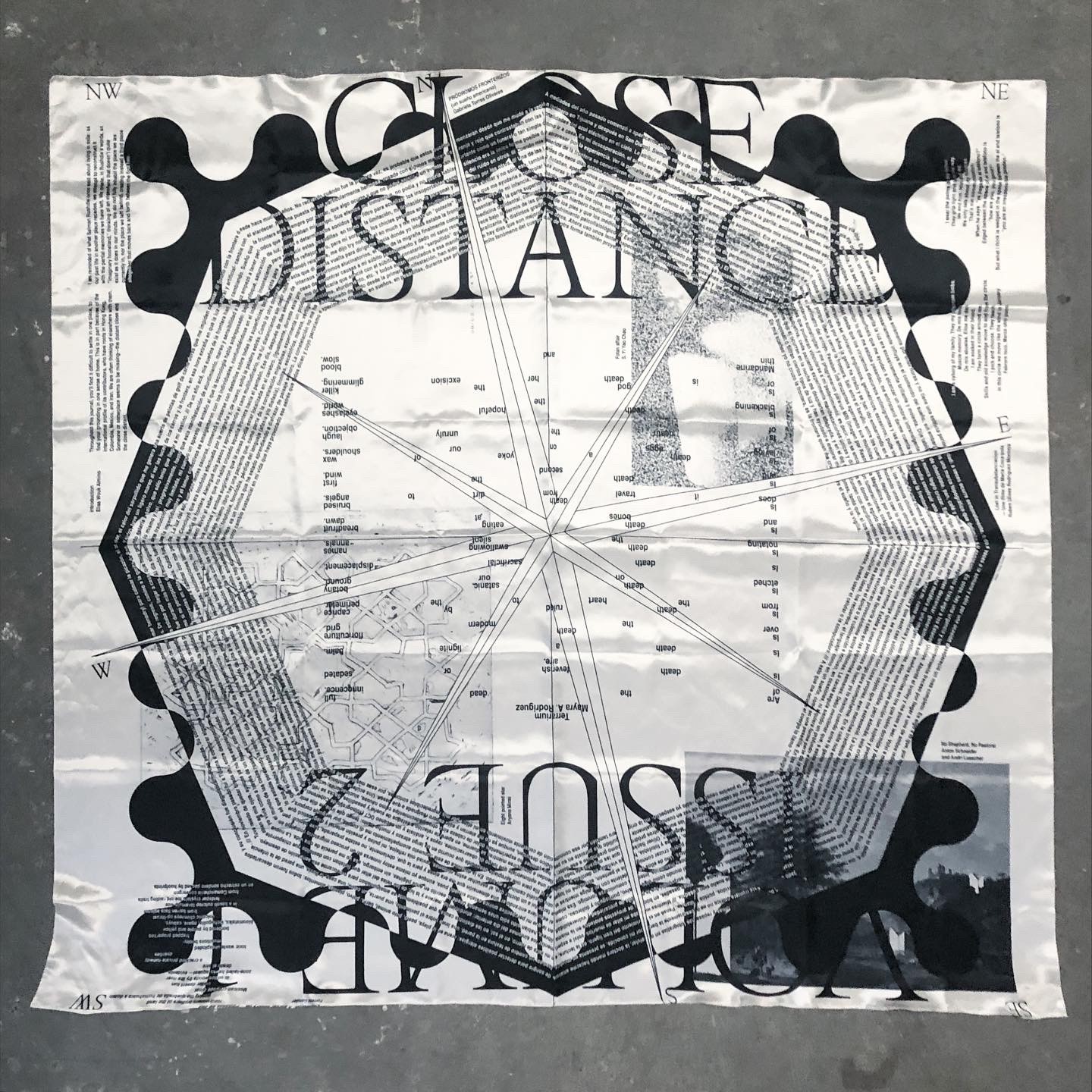
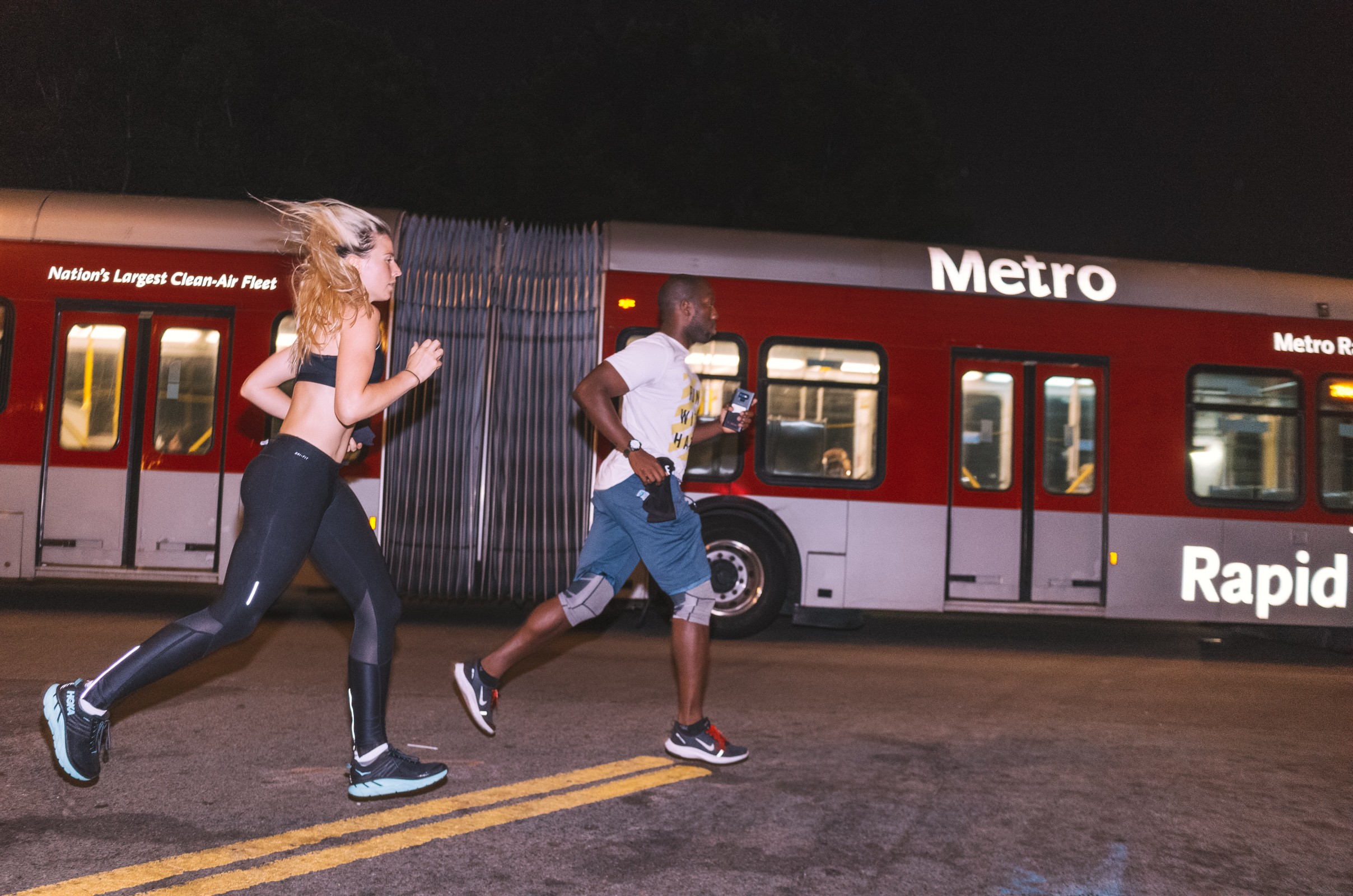
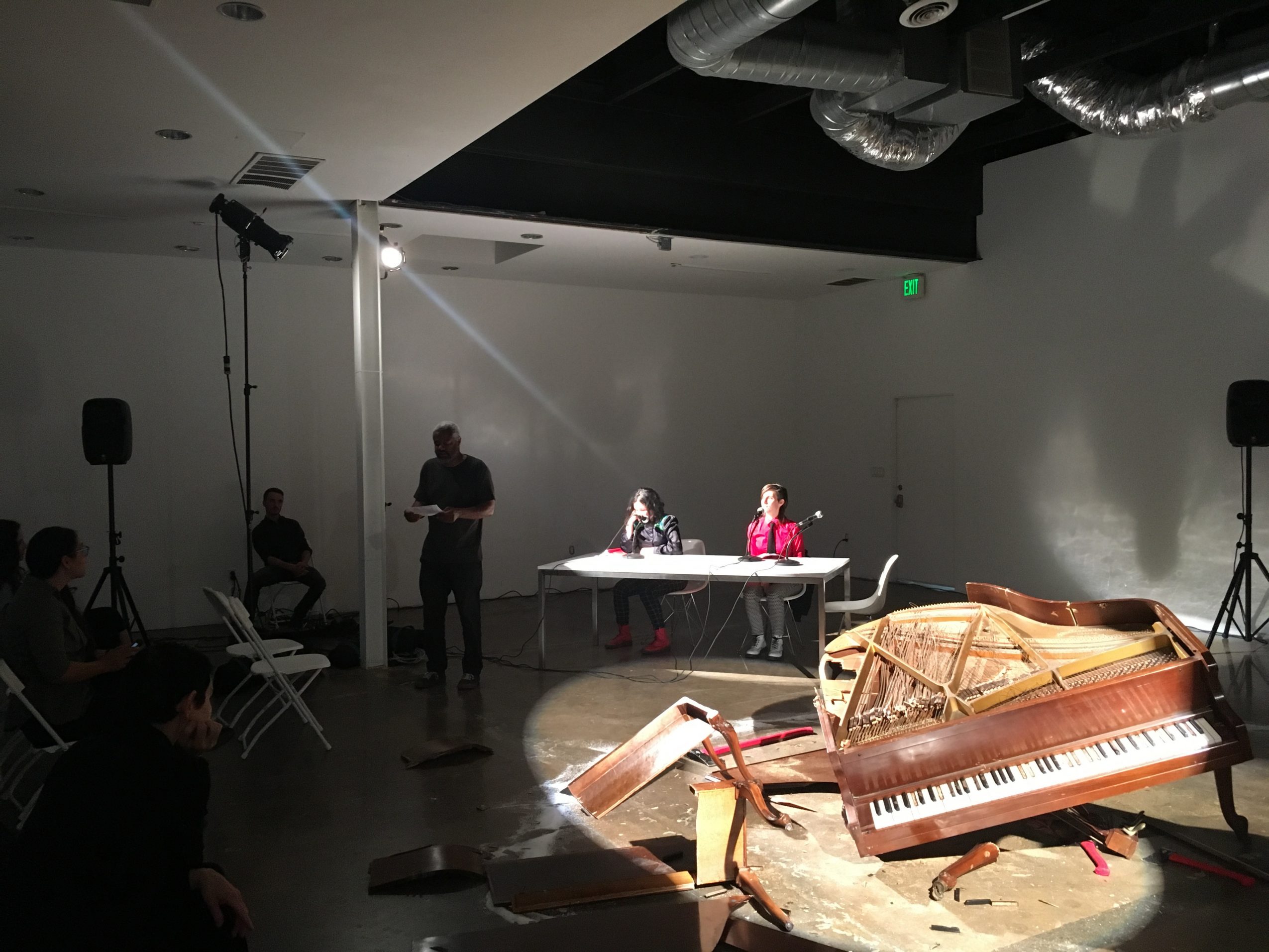
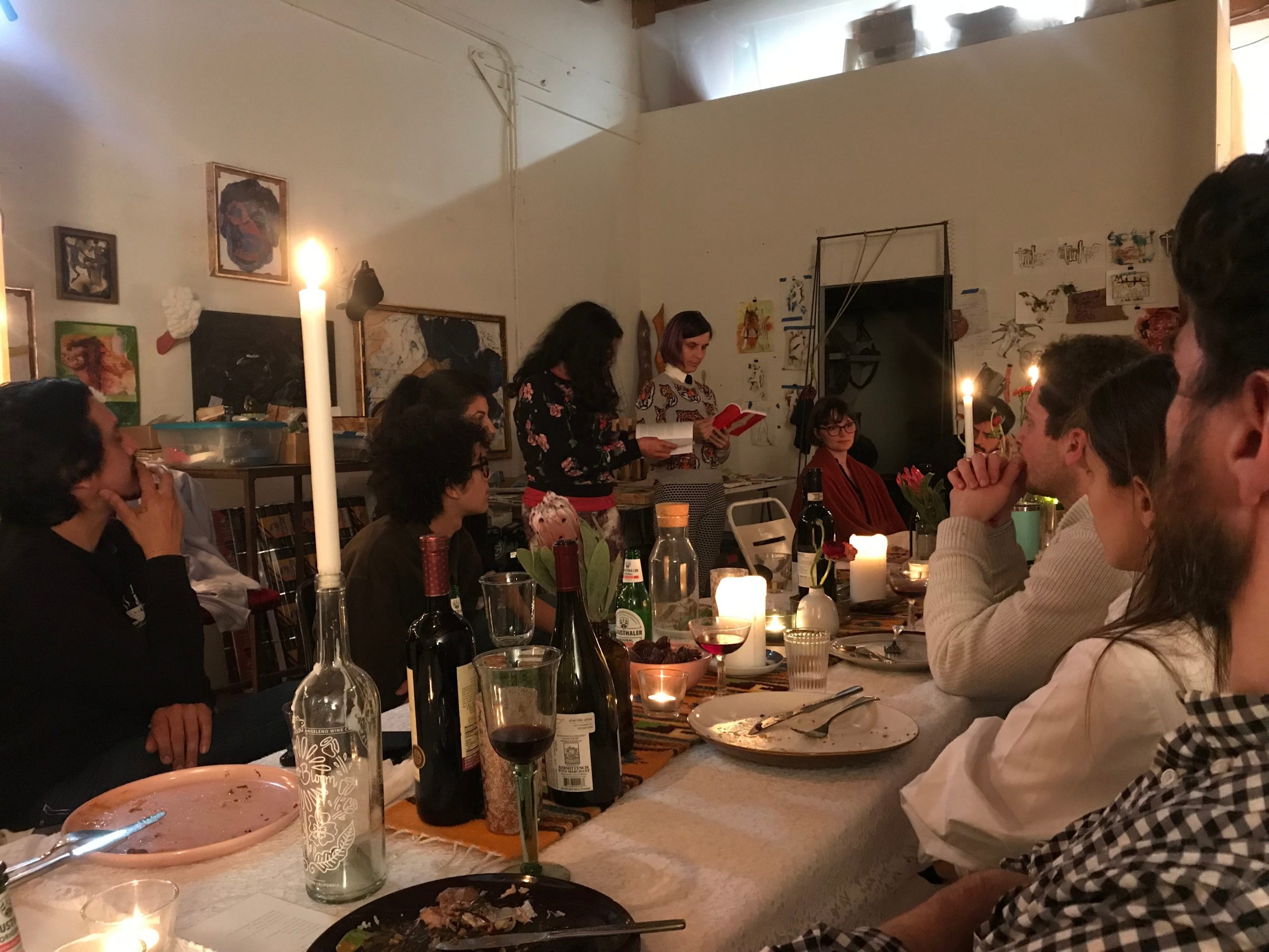

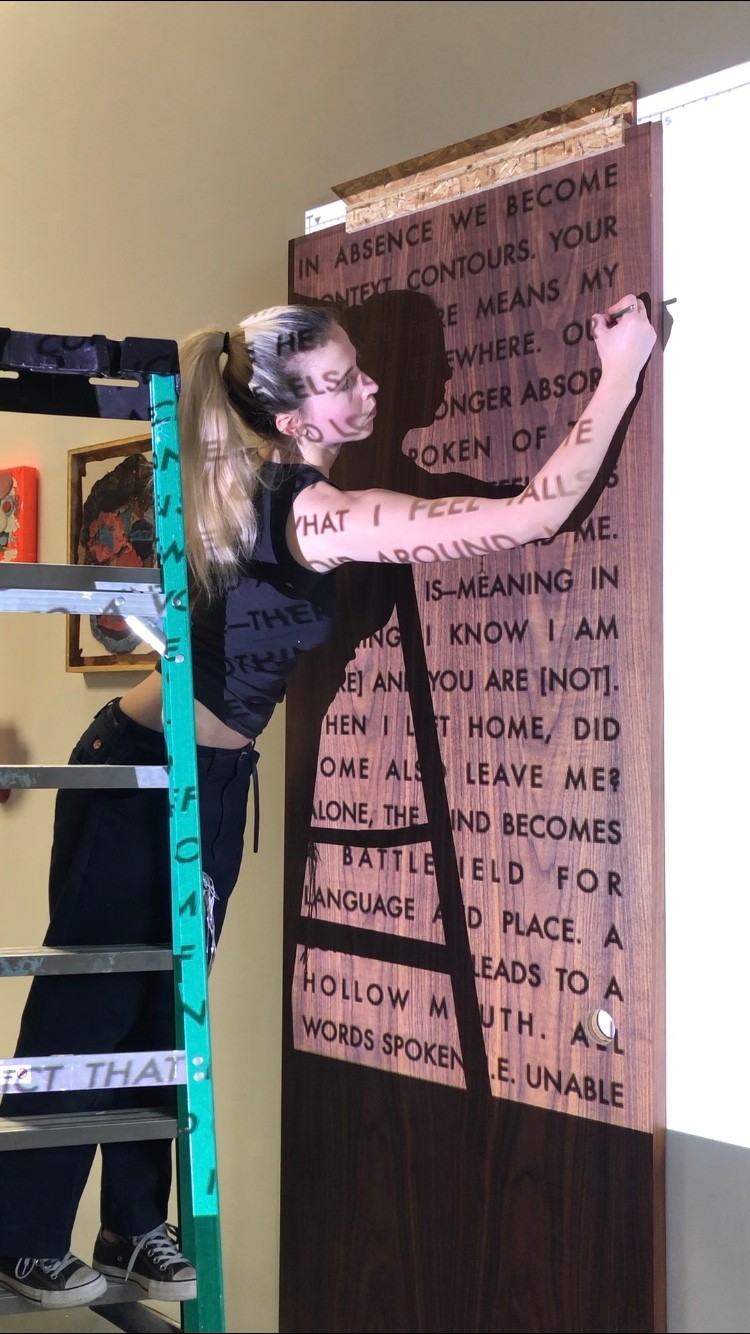
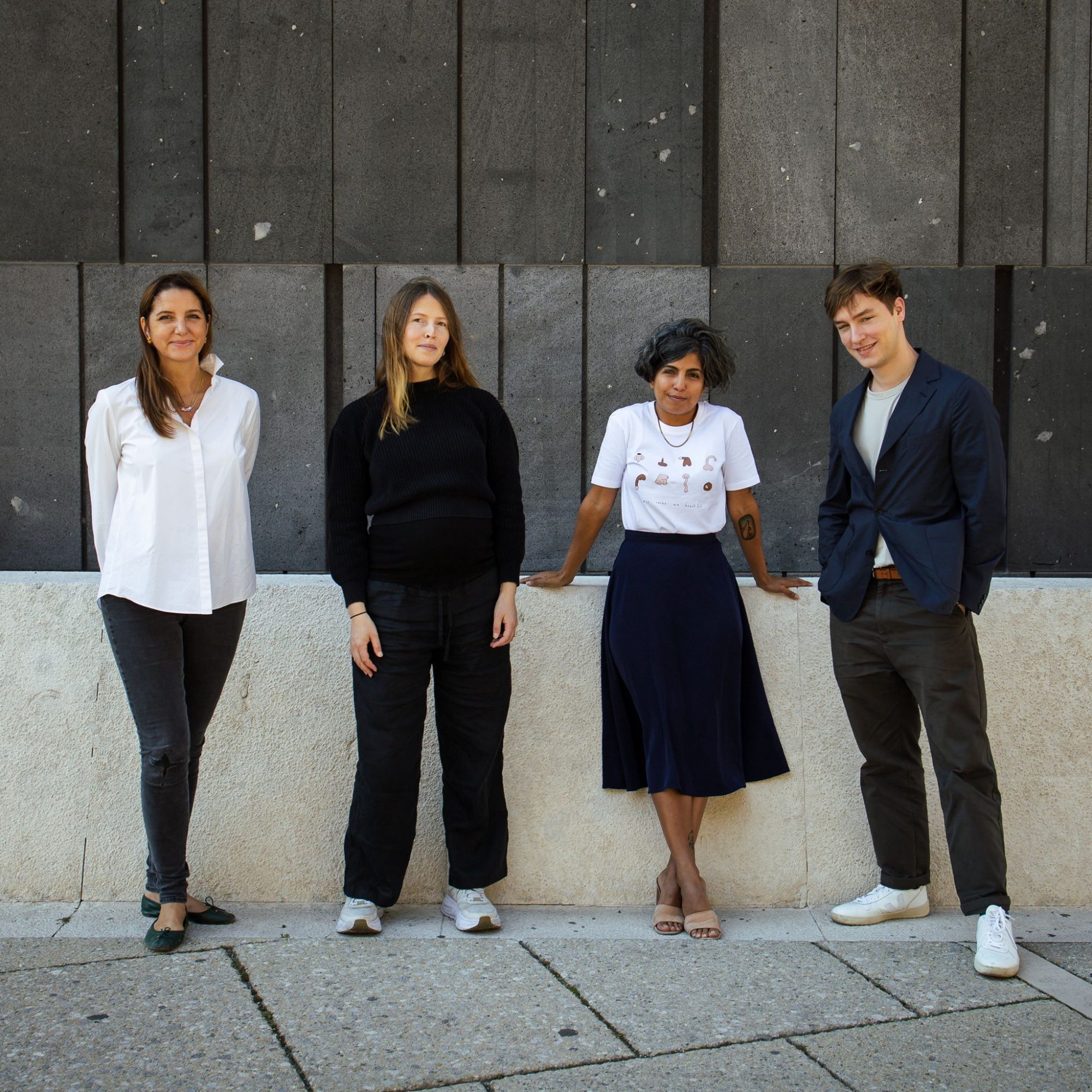 Image Credits
BlacklistLA, Timo Fahler, Jelena Kaludjerovic, Jeff McLane
Popular
-
What is something outside of work that is bringing you joy lately?
-
Local Highlighter Series
-
What did suffering teach you that success never could?
-

What are you most proud of building — that nobody sees?
-
Who were you before the world told you who you had to be?
-

If you could say one kind thing to your younger self, what would it be?


