




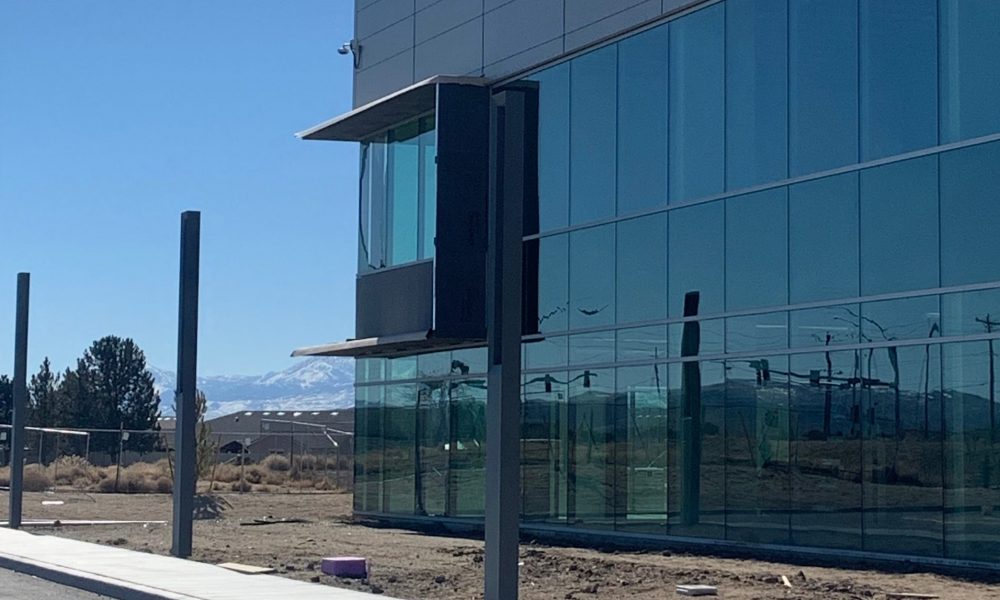
Today we’d like to introduce you to Jingran Xu.
Hi Jingran, thanks for sharing your story with us. To start, maybe you can tell our readers some of your backstory.
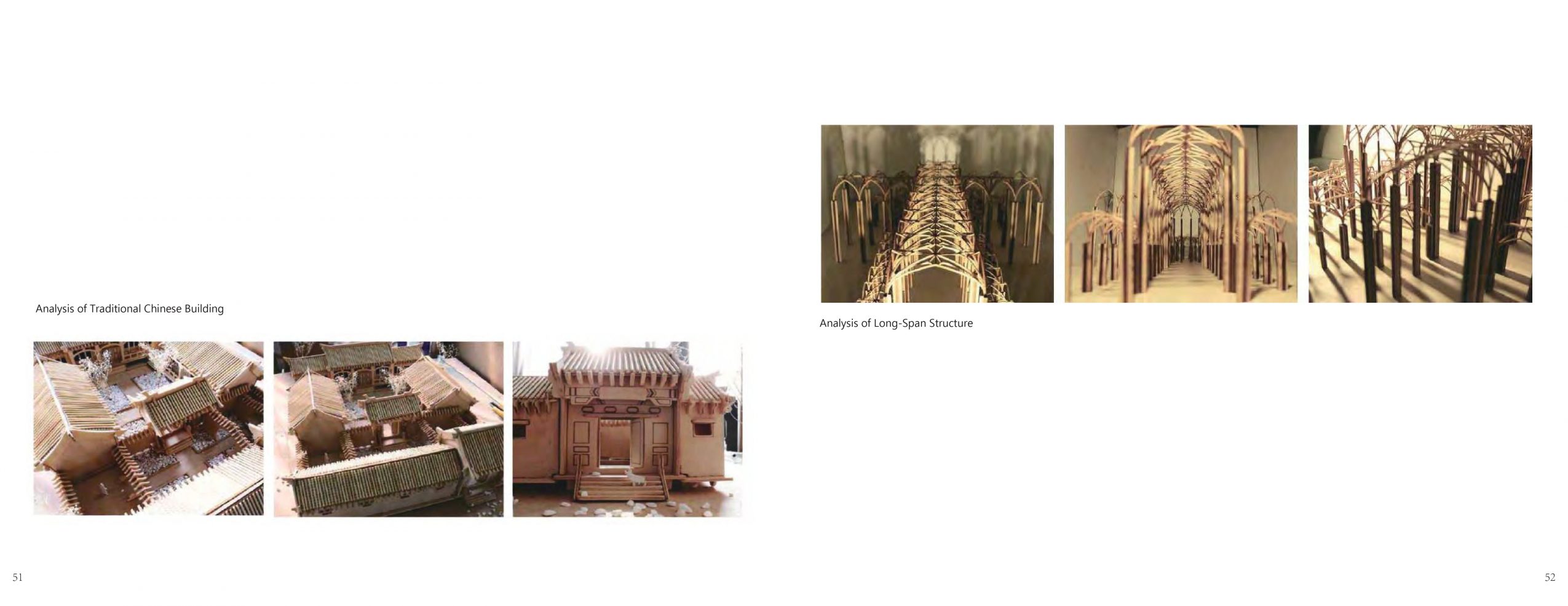
My father is an architect in China, and I have to admit that he influenced me a lot when I was a kid. My parents always took me to travel around, and my father would explain the different architectural styles to me. And that was my first impression of architecture: fancy masonry buildings with interesting history. With his influence, I had a better understanding of architectural design and decided to become an architect in the future, just like my father.
I pursued a Bachelor of Architecture degree at the University of Oregon, where I gained a solid foundation in architecture.
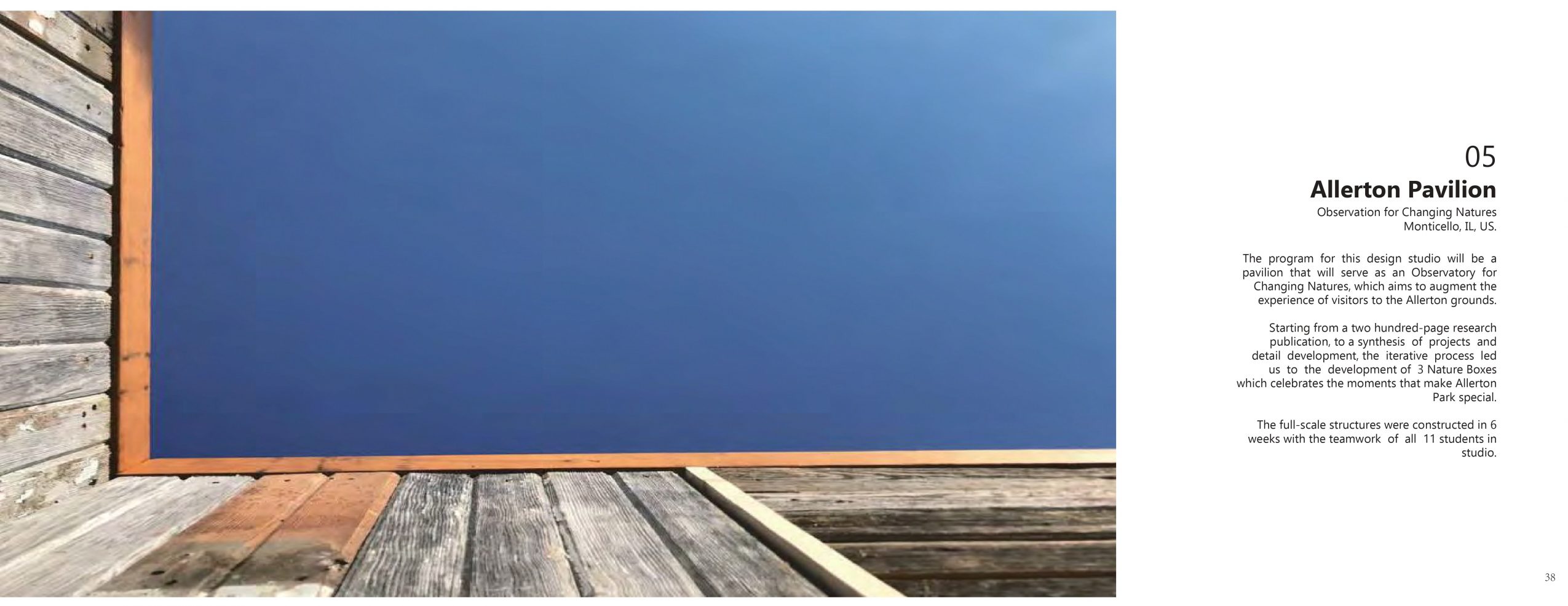
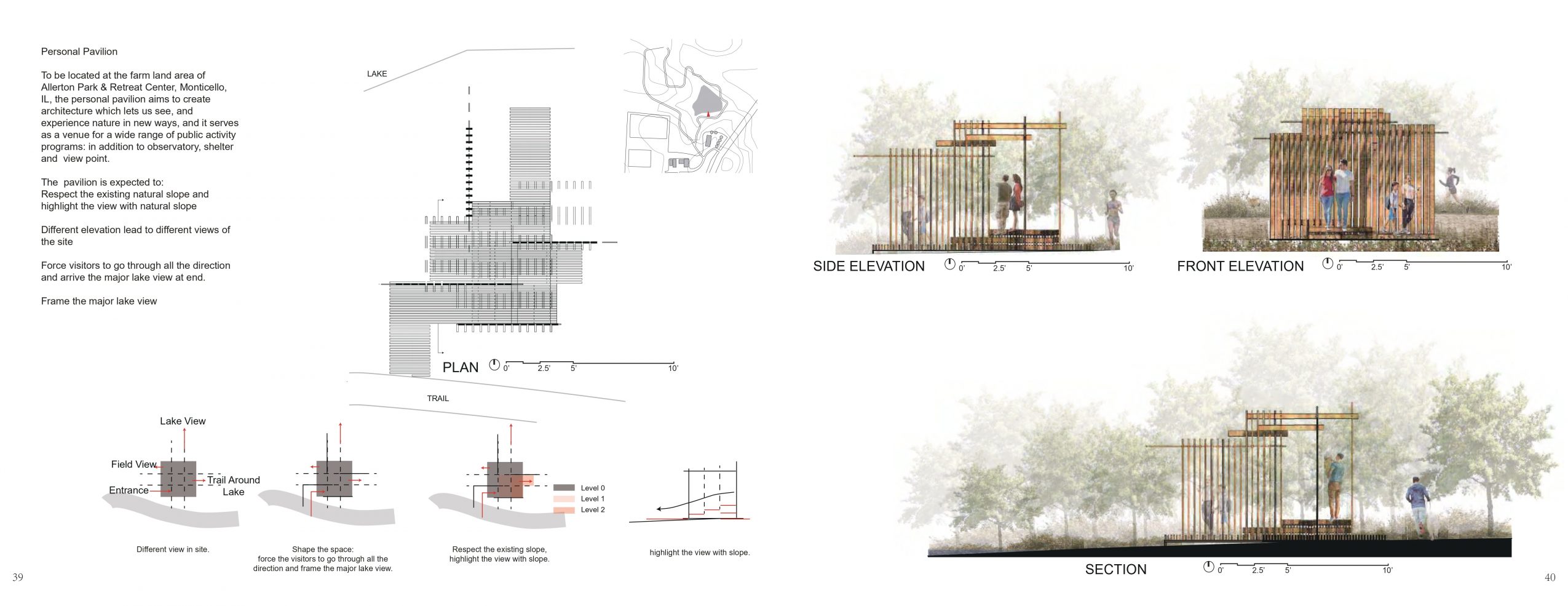
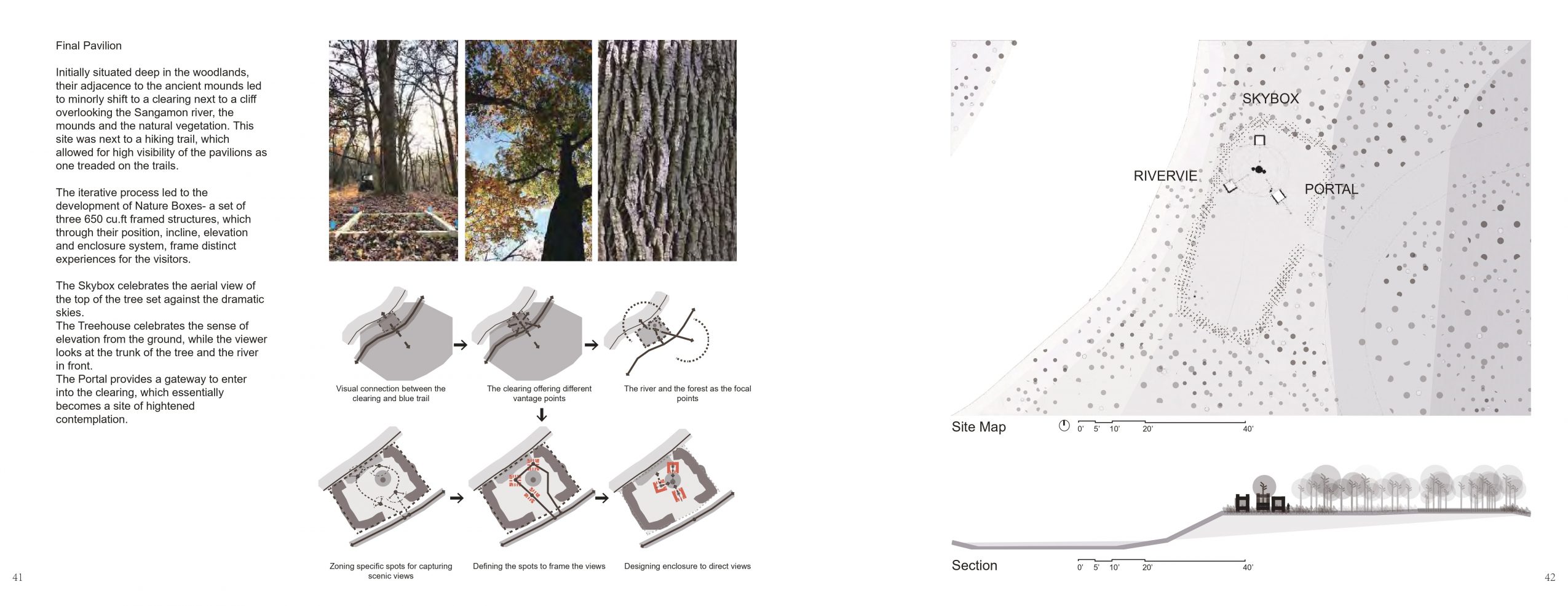
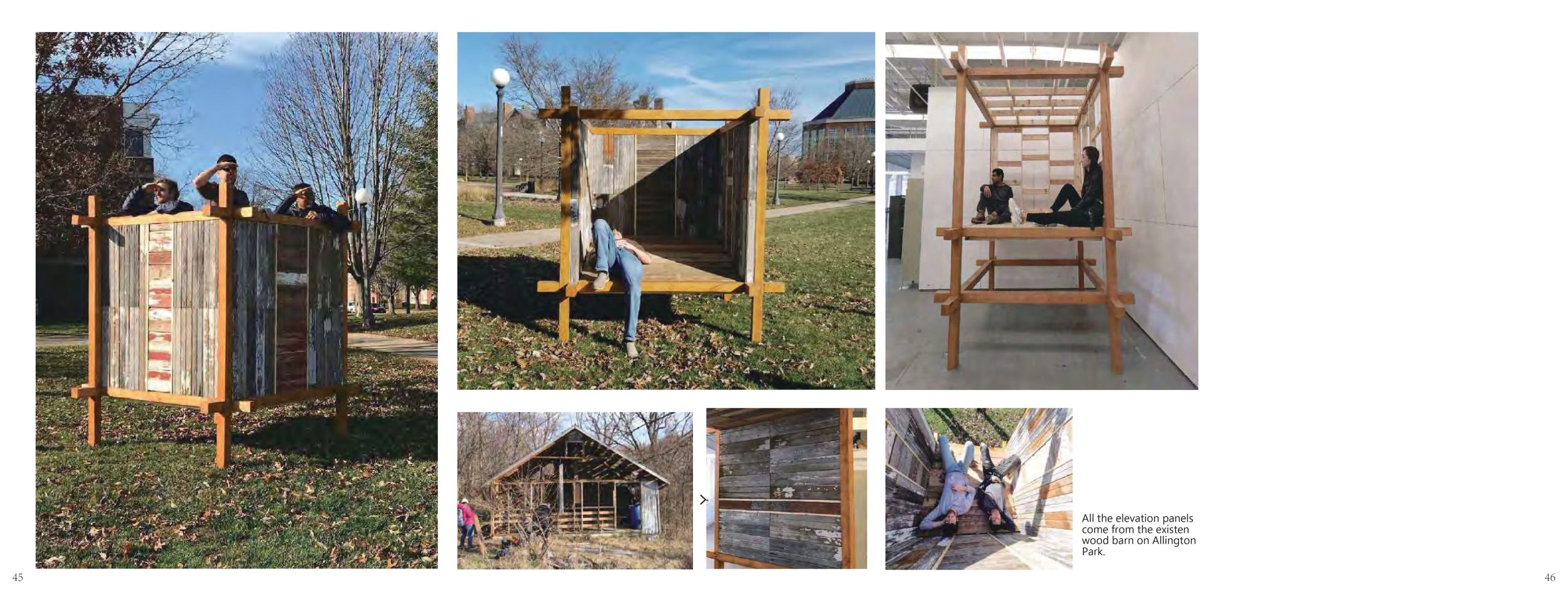
After that, I continued my education at the University of Illinois Urbana-Champaign, where I completed a Master of Architecture degree. During this time, I earned several awards and honors, including an Honorable Mention for the UIUC 2021 Spring Earl Prize and Graduate Alumni Awards.
During the pandemic, I was started to think about how the Covid impacted the architecture and estate industry. I tried to dig into the specific information related to covid and property values, and the result as interesting. I conducted research on the effect of COVID-19 on Metro Seattle property values, which was accepted by the Conference on Urban Engineering and Management Science (ICUEMS2021). This research allowed me to enhance my quantitative research skills and gain insights into the impact of external factors on the built environment.
My professional career began as an Intern Architectural Designer in various roles in China. These internships exposed me to diverse projects and really improved my skills in architectural design and problem-solving.
In 2021, after graduating, I became an Architectural Designer at Tectonics Design Group in Nevada, where I’ve been involved in multiple projects, including “Dutch Bros Coffee” and “Grocery Outlet.” This role has given me hands-on experience in developing architectural drawings and working on commercial projects, which made me have a better understanding of how to communicate efficiently with coworkers and general contractors. I started to realize what I studied in school is different from what I need to do in real life: architectural design does not only mean fancy drawings and rendering; the most important part is how to communicate with the design team and contractors on the construction site, how to solve all the tech problems so that the building can be built in the real world on time without any mistakes.
Overall, my educational journey, combined with a range of work experiences and research projects, has contributed to my growth as an architectural designer, and I will keep moving forward to get my architect license in the future.
Alright, so let’s dig a little deeper into the story – has it been an easy path overall and if not, what were the challenges you’ve had to overcome?
As an architectural designer, I often work long hours, especially when deadlines are approaching. Sometimes, this can lead to a work-life imbalance and burnout. Moreover, architects are usually required to obtain a professional license, which involves passing the Architect Registration Examination (ARE) in the United States. For me, after a long day’s work, sometimes I feel too tired to study for the ARE exams. Preparing for and passing these exams can be a significant challenge.
Designing buildings that meet both aesthetic and functional requirements can be a complex and demanding task. I must consider various factors, including safety, sustainability, and budget, which can be challenging to balance.
Thanks for sharing that. So, maybe next you can tell us a bit more about your work?
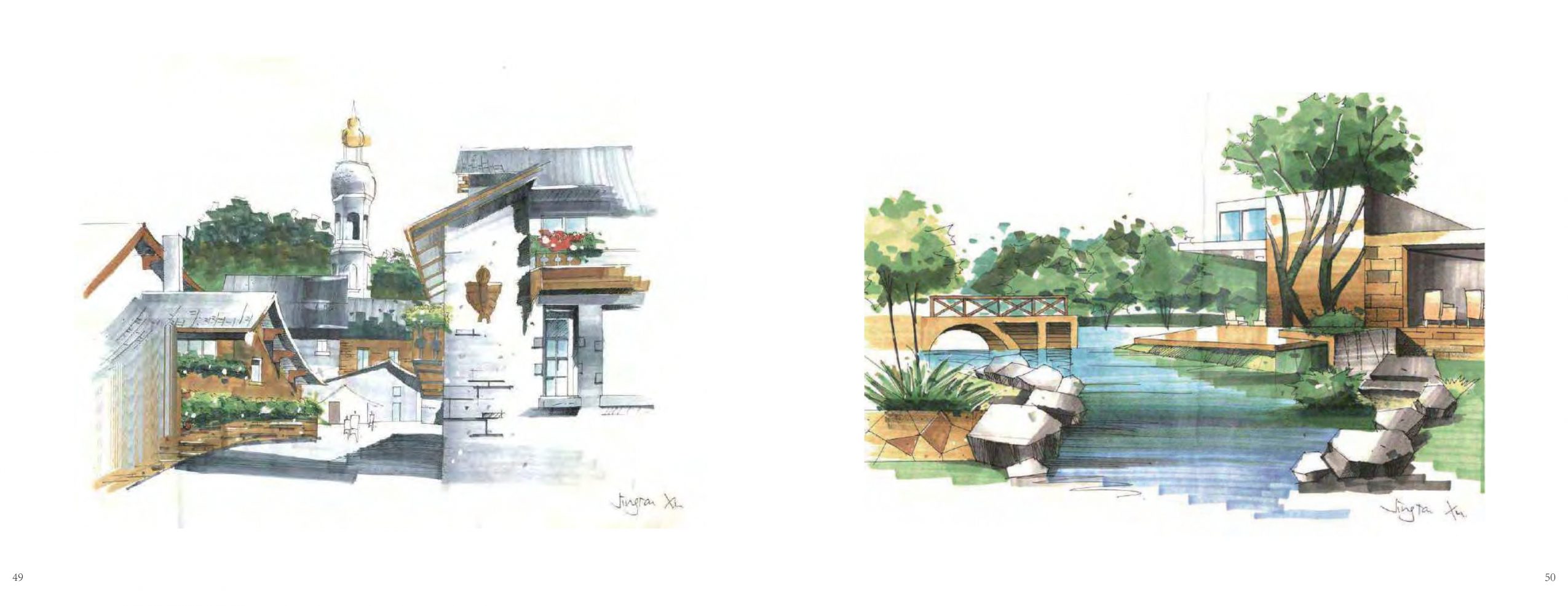
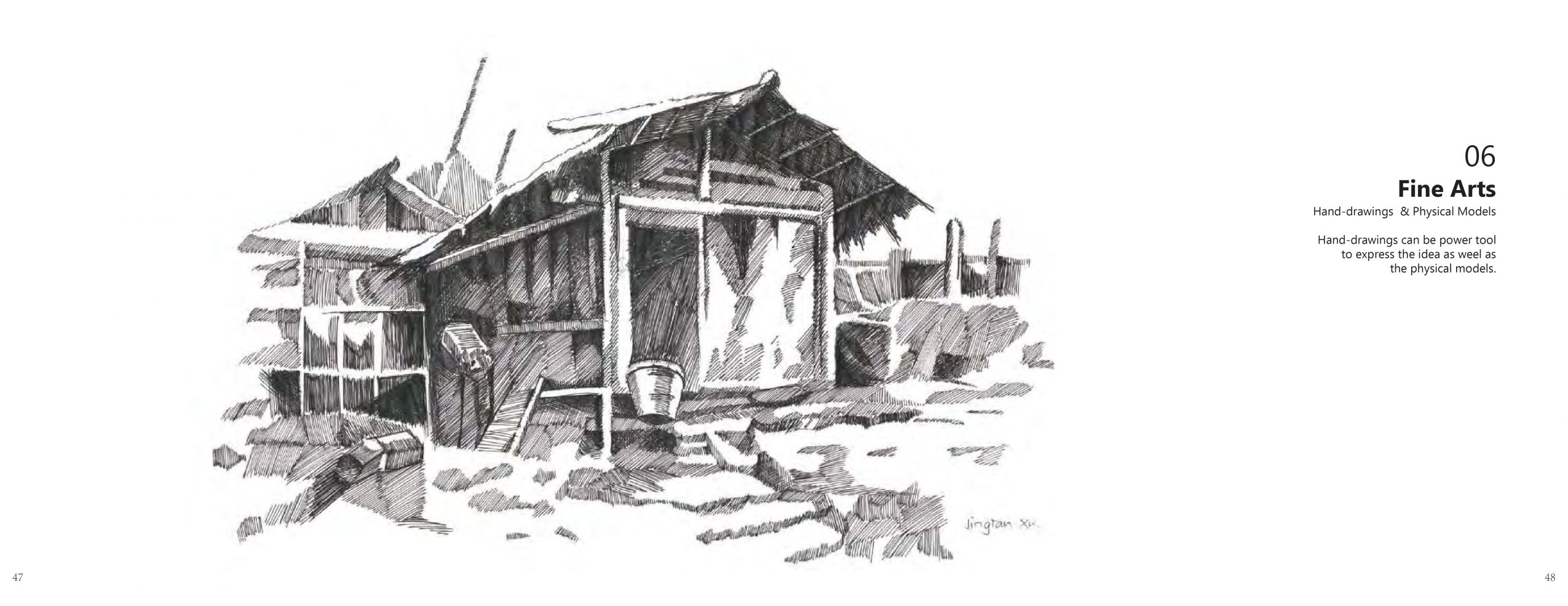
As an architectural designer, I did the construction drawings for industrial buildings and small-scale commercial buildings, and I specialize in sustainable design. I believe strongly that my diverse background and experiences bring a valuable and fresh perspective to the field of architecture. I am proud of my cultural heritage, and I believe I will use it as a source of inspiration in my design work one day.
What’s next?
As I mentioned before, architects are usually required to obtain a professional license, which involves passing the Architect Registration Examination (ARE) in the United States. My current goal is to prepare and pass all 6 ARE exams and get my architect license so that I can call myself an architect.
Contact Info:
- Website: https://issuu.com/xjrcassie/docs/portfolio_05121
- Linkedin: https://www.linkedin.com/in/jingran-xu/
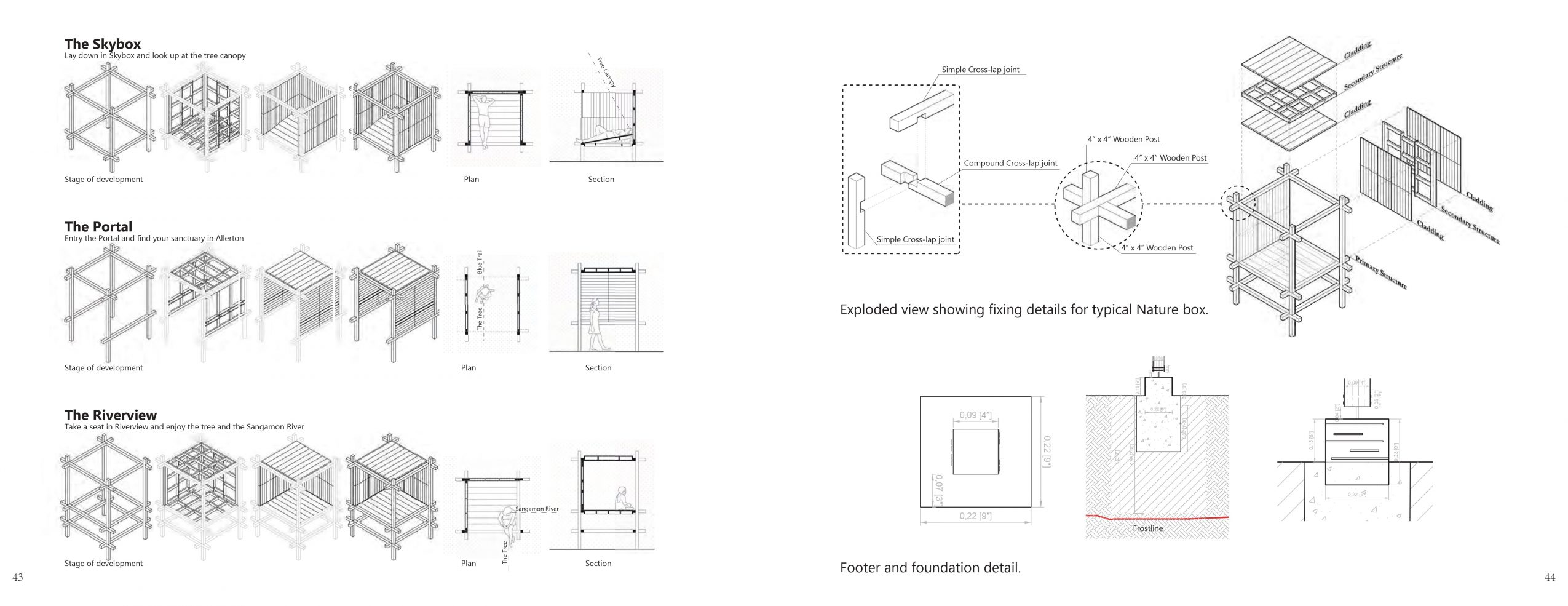
- Other: https://issuu.com/xjrcassie/docs/allerton_publication_compressed
Popular
-

What is something outside of work that is bringing you joy lately?
-

Local Highlighter Series
-

What did suffering teach you that success never could?
-

What are you most proud of building — that nobody sees?
-

Who were you before the world told you who you had to be?
-

If you could say one kind thing to your younger self, what would it be?


