



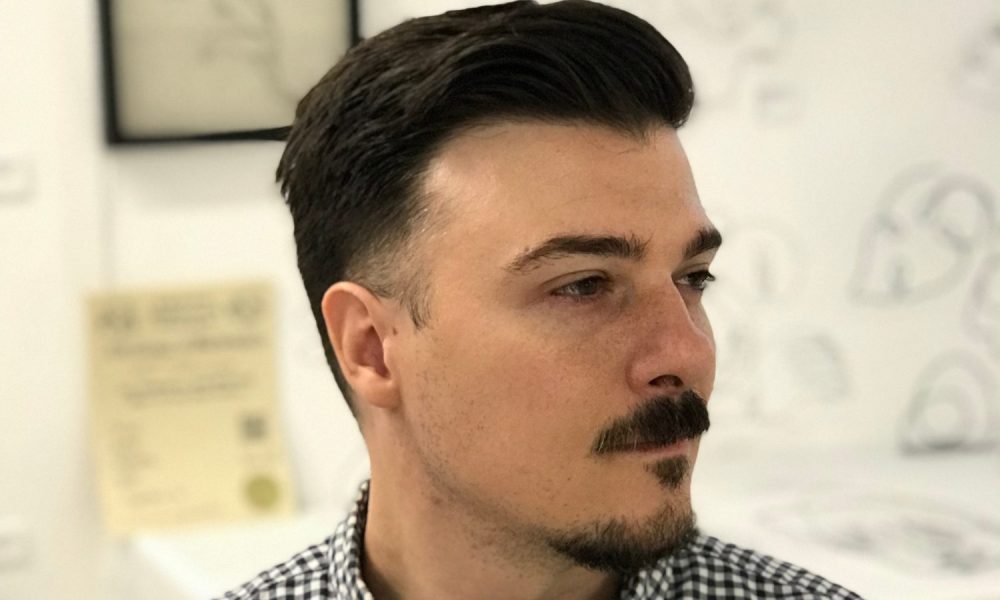
Today we’d like to introduce you to Duncan Sherwood-Forbes.
Hi Duncan, it’s an honor to have you on the platform. Thanks for taking the time to share your story with us – to start maybe you can share some of your backstory with our readers?
My obsession with art began when I was a child growing up in Lincoln, Massachusetts. I was obsessed – I mean OBSESSED with drawing, and I would scribble drawings wherever I could.
I was lucky to grow up a mile from the DeCordova museum, which allowed me access to figure drawing and cartooning classes in middle school as well as a wealth of beautiful art to appreciate and train my eye. Due to an almost perfect score on my SSAT, my parents decided to send me to Concord Academy for high school and to the Putney School for the Arts summer intensive program yearly, where I learned to weld and work with glass.
I first began creating wire sculpture at 15 after being given a copy of Calder’s Circus by an instructor at the Putney, and I immediately fell in love with the ability of wire to draw in space. I didn’t realize it then, but that medium was going to define my life.
In 2006 at the age of 17, I began showing my work at the Featherstone Gallery’s summer art market on Martha’s Vineyard under the name Wired Sculpture Studios, and I had my first two-person juried show in Concord, Massachusetts. This early financial success was a huge boost to my confidence, and it solidified my desire to pursue art as a career.
After a gap year spent studying architecture and language in Barcelona and taking classes at Mass Art, I went on to study sculpture and psychology at Washington University in St. Louis in 2009. I continued selling my wire work while in college, which really pissed my teachers off. I sold through Etsy, showed at small galleries, and participated in a juried art fair highlighting craft at the St. Louis Contemporary Art Museum, which led to my sculpture professor banning my use of wire.
Due to disagreements with the art school faculty, I withdrew in 2013 shortly before graduation and returned home to Massachusetts. I worked as a docent at the Institute of Contemporary Art where I created and led gallery talks for visitors while continuing to refine and sell my wire work, with a focus on portraiture.
This time wasn’t easy for me. I was tackling memories of childhood sexual abuse, and I fell deep into alcoholism to cope. In 2014 things got so bad I sought treatment for my alcoholism and PTSD, attending The Meadows treatment center in Arizona. After creating the foundation of my sobriety, I moved here to Los Angeles and reestablished Wired Sculpture Studios. Based on my experience in overcoming my own struggles, I began working in the recovery industry professionally to help other addicts and alcoholics while maintaining my art and design practice.
Amid growing popularity of my wire work and several large-scale commissions, combined with disillusionment with the recovery industry, I left that field in 2019 to begin focusing on my wire full-time while casually taking classes at a local community college in pursuit of my abandoned undergrad degree.
In 2020 I was accepted into the Freehand Gallery in Los Angeles, and in 2022 as pandemic restrictions eased I began doing art fairs and craft markets around town. This led to a wonderful relationship with Saatchi, who have selected me as one of their “23 Artists to Collect in 2023.” To say I’m honored is a vast understatement!
Today I continue my wire practice while also keeping my foundation strong through weekly figure-drawing sessions. I’m also experimenting in other media such as ceramics and poetry, and my discoveries there inevitably find their way back into my studio practice.
I’m sure you wouldn’t say it’s been obstacle free, but so far would you say the journey have been a fairly smooth road?
It has been anything but a smooth road. Beyond my childhood trauma and battle with alcoholism, I have found many of the artists in Los Angeles to be incredibly competitive and gate-keeping.
For example: when I was taking classes at the community college during the pandemic, everything was great up until I had to take the required art classes for transfer. Ceramics was a gap in my artistic knowledge, so I decided to rectify the issue while simultaneously earning college credit on the cheap – little did I know at the time, this was going to lead to my work being held hostage on criminal charges!
Being a novice in ceramics was fantastic, I loved the human errors my lack of craft produced. I intentionally leaned into the imperfection, enjoying my mistakes and the record of learning they represented. It was thrilling to fail, to create art that was crude and offensive to my perfectionist side. I felt raw and free for the first time in years, and I even began writing poetry and incorporating it into my work. I constantly questioned the value of perfecting craft – after all, these days you can buy a perfect cup from IKEA for $3. Why would I waste my time perfecting craft when the act of being imperfect was producing such cathartic results?
Sadly, this attitude did not go over well with my ceramics teacher. We butted heads often, after all I was not the typical community college student given that I have many years of professional art experience. I would share my ideas with him, only to be shut down – he told me I wasn’t allowed to talk at that level without a degree and that “[he] has the MFA and [I] don’t have shit.” He even told me my wire sculpture is tame and I should stop selling it – and when I countered by telling him my wire work pays the rent, he became even angrier.
As the semester progressed, we butted heads more frequently, but luckily, I’m good at transmuting trauma into art. After each dressing down, I would create. It was my theory that such a jerk could only be the result of being abused himself during his studies, a sort of five-monkeys experiment of generational art school abuse. A poem that arose from the situation I entitled ‘Entartete Kunst’, which called out art school on its fascist tendencies (Artists don’t do that! That’s not art! Follow the assignments, no experimentation!) – a poem part of which I carved into my ceramic piece of the same name.
While calling out my teacher to his face could get me in trouble, the first amendment protects artistic expression, and I used that protection to bring all of my frustration into the world. Eventually, his verbal assaults got so frustrating I wrote him an email detailing his verbal abuse and saying that I’m no longer comfortable being cornered by him and that anything he had to say, he could say via email.
His reaction was to report me to campus police on a number of fabricated charges, claiming I was drunk in class and that one of the vessels I made contained a “racist caricature” of him – despite him knowing that the piece was based on my own trauma and that the figure was an allusion to St. Maud. The accusation of intoxication was especially insulting, given that I’ve been a sober member of alcoholics anonymous since 2015.
Four of my text-based ceramic vessels were then confiscated by campus police on charge of “Crimes Against the Public Peace,” and I was suspended for a year. When I countered that the charges were fabricated and that I was happy to take a drug test, the school informed me that they would happily remove the suspension and return my work – but ONLY on the condition that I “voluntarily” withdraw from the school.
Begrudgingly I signed their agreement. When I retrieved my work, four pieces came with the EVIDENCE TAGS!
Oh, how I wish I could have been in the room when the police were standing around my work, asking themselves, “is this illegal?” It’s an Orwellian nightmare, a Kafkaesque comedy of errors with the volume turned up to 11. I was never officially charged with the crime – after all the first amendment protects self-expression through art, something the community college campus police clearly did not know.
Not one to be defeated, I turned those lemons into lemonade. Having already been accepted into Saatchi’s The Other Art Fair, I decided to take a risk and present the whole scenario as “art as a crime scene”. The evidence tags, my own personal ready-mades, were the centerpiece. And the ceramics work themselves, initially raw experimentation that should never have seen the light of day, now had real content. They were more than just the record of flailing self-expression by an experienced craftsman leaning into his amateur side in a new medium. Now they were a record of professional jealousy, of overzealous policing, and of what happens when a student challenges academia. Even though I had to abandon my studies to get my work back, their confiscation represents a seal of approval money can’t buy.
As you know, we’re big fans of you and your work. For our readers who might not be as familiar what can you tell them about what you do?
I specialize in wire sculpture. Wire has been a continuous thread through my career as an artist, I have done my ten thousand hours ten times over. My style of wire sculpture is more akin to drawing than to sculpture – I see the medium as a way to draw through the air, to take my love of line drawing and transform it into animated and lively living drawings that come off the picture plane to dance and move in the air.
There are very few people who do my style of wire sculpture – all one line, with a focus on portraiture and figuration. It is my unique style, the result of years of experimentation and work. I often work from life, sculpting and resculpting forms until I distill them down to their essence, to something that captures the person while simultaneously taking advantage of my classical training in form and balance.
What I’m most proud of is my perseverance. I have moved away from art, only to return to it no matter what. Being an artist is hard, but for me not being an artist is even harder.
What quality or characteristic do you feel is most important to your success?
Perseverance and the willingness to think and act outside of the box!
On the art side, myopically pursuing my love of wire despite the criticisms of others has helped me focus on my craft and art and nurture my unique medium. When I receive criticism, I try to “observe without judgment” – to take in what I deem useful and to reject what I deem non-useful.
On the business side, bucking the traditional relationship between artists and galleries to pursue my own path has helped me control my own success. Galleries have promoted the concept of business being “dirty” for artists so that they can keep control over the financial aspect of the art world. I embrace selling my work directly to collectors, and from the beginning this has pissed off more established artists and curators – after all, the system benefits from gatekeeping and alliances. Through embracing creating my own relationships with collectors and the international online art community, I have found my own way to success despite burning some bridges with galleries that have promised me success in trade for exclusive representation.
But this is the way I need to work. I love nothing more than meeting people and sharing my love of creating art with those who love to appreciate it. Some of these have turned into lifelong friendships with collectors who come back again and again to add more of my work to their collections.
Pricing:
- Wire Portraits – $300 – $800
- Large scale welded work – $1000-$6000
Contact Info:
- Website: wiredsculpturestudios.com
- Instagram: https://www.instagram.com/wired_sculpture_studios/
- Facebook: https://www.facebook.com/wiredsculpturestudios/
- Linkedin: https://www.linkedin.com/in/duncan-sherwood-forbes-35a8724a/
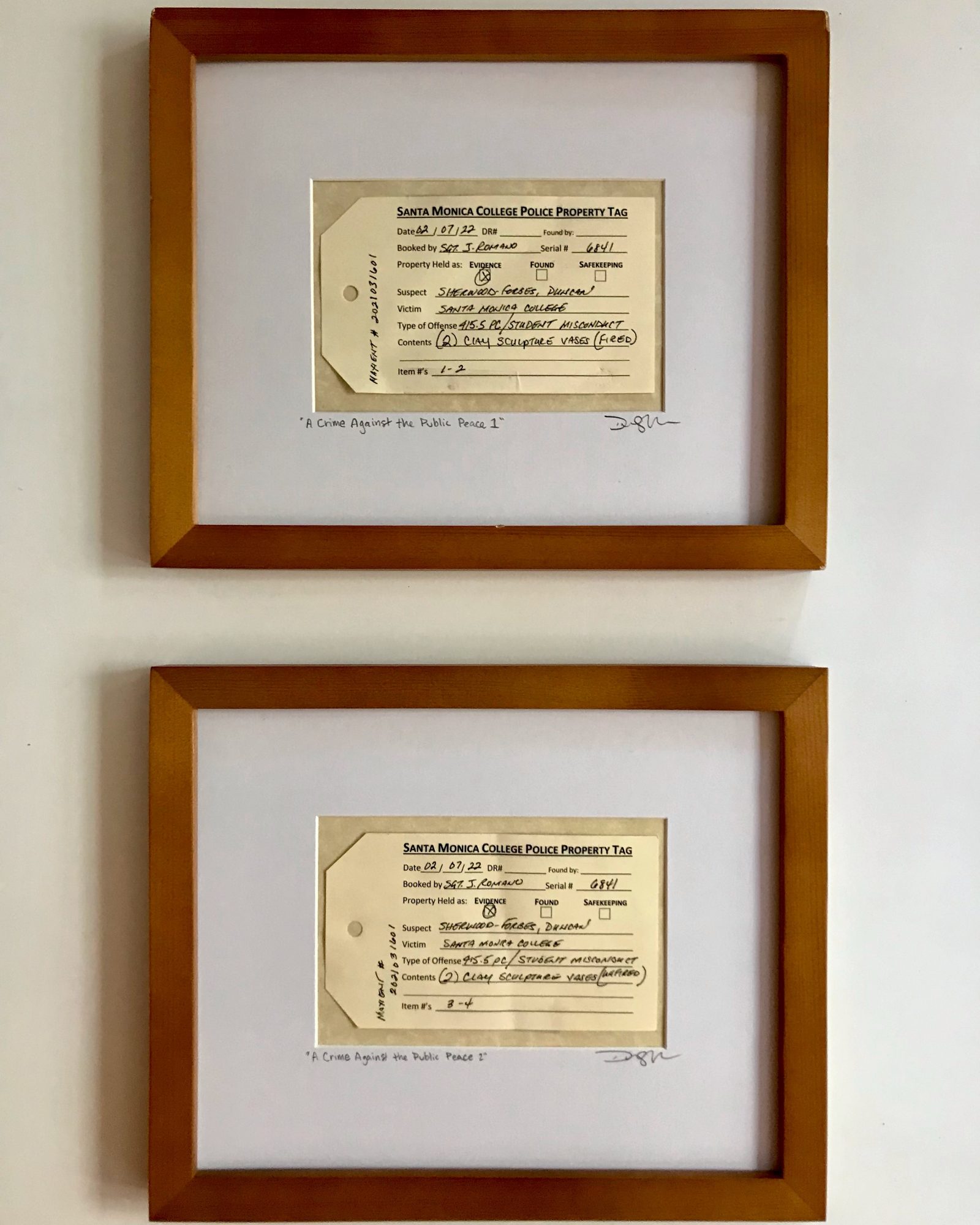
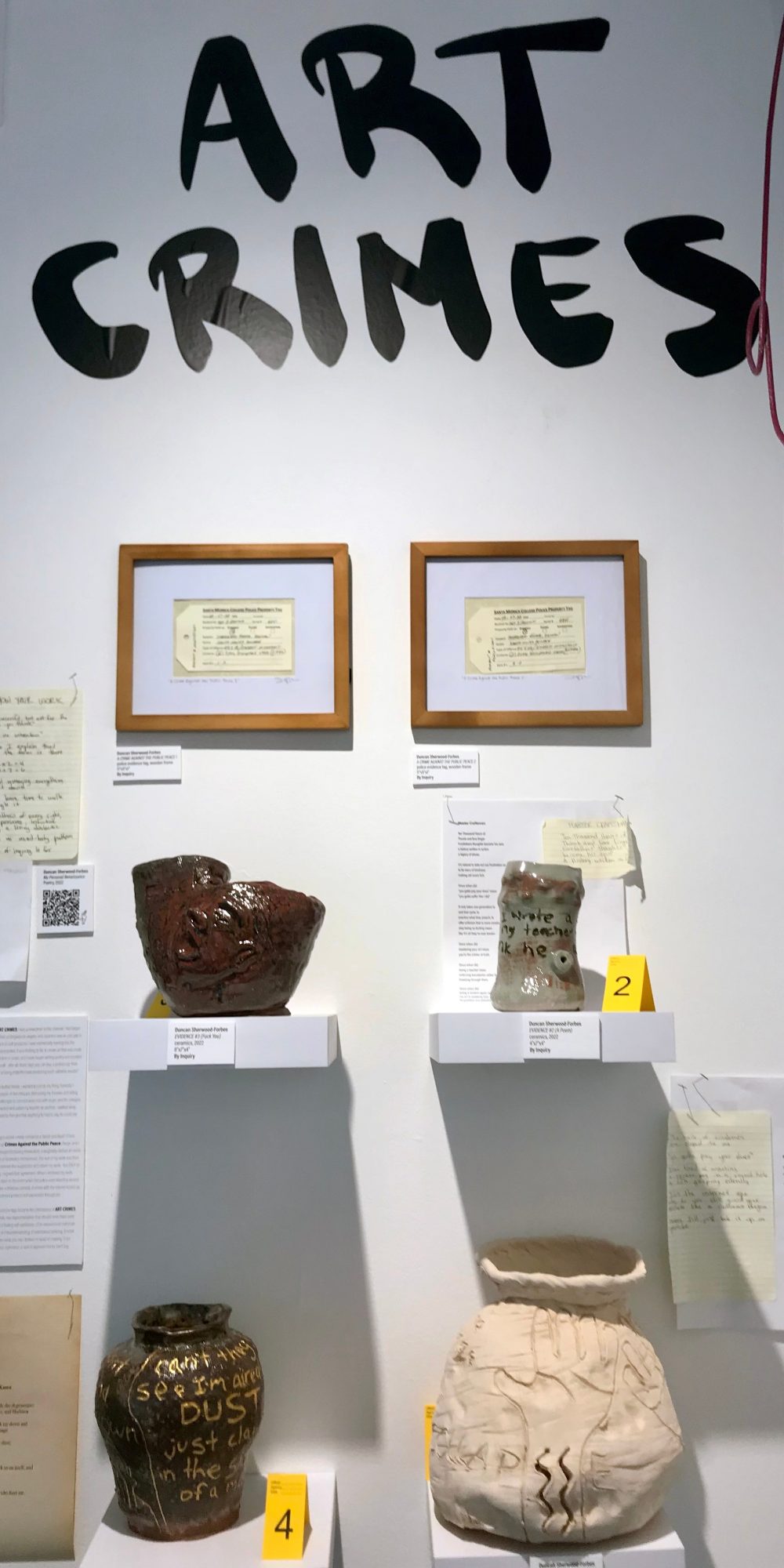
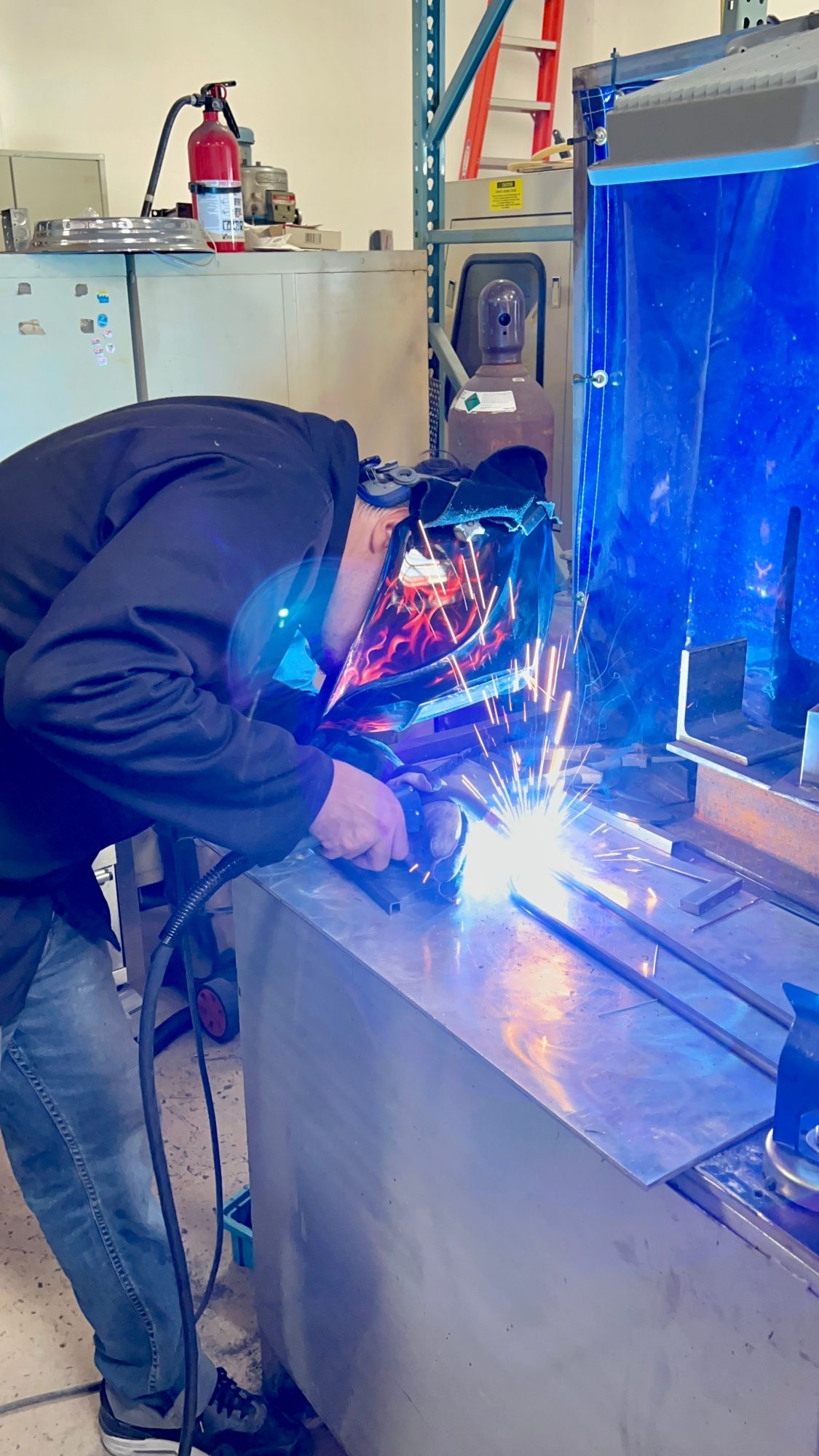
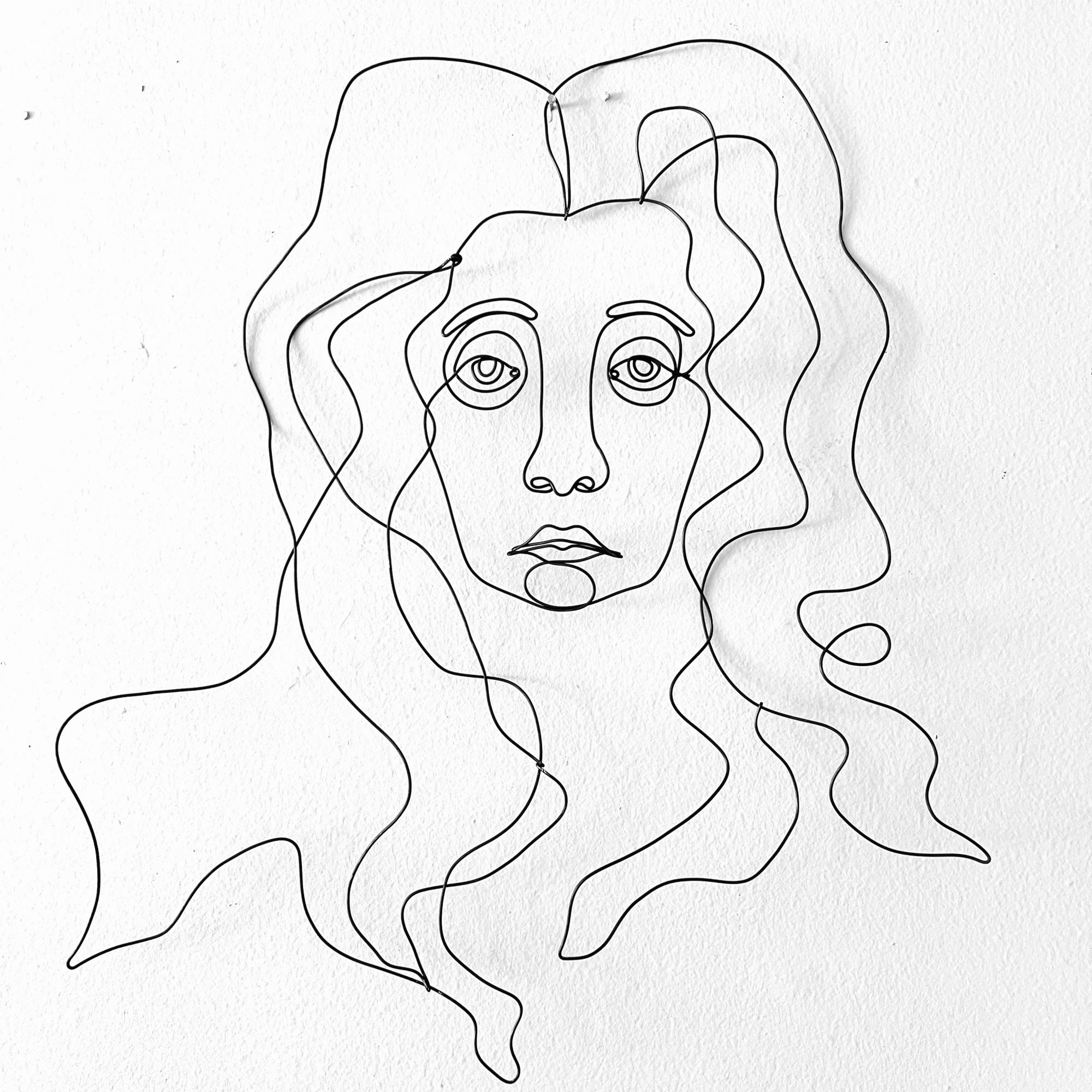
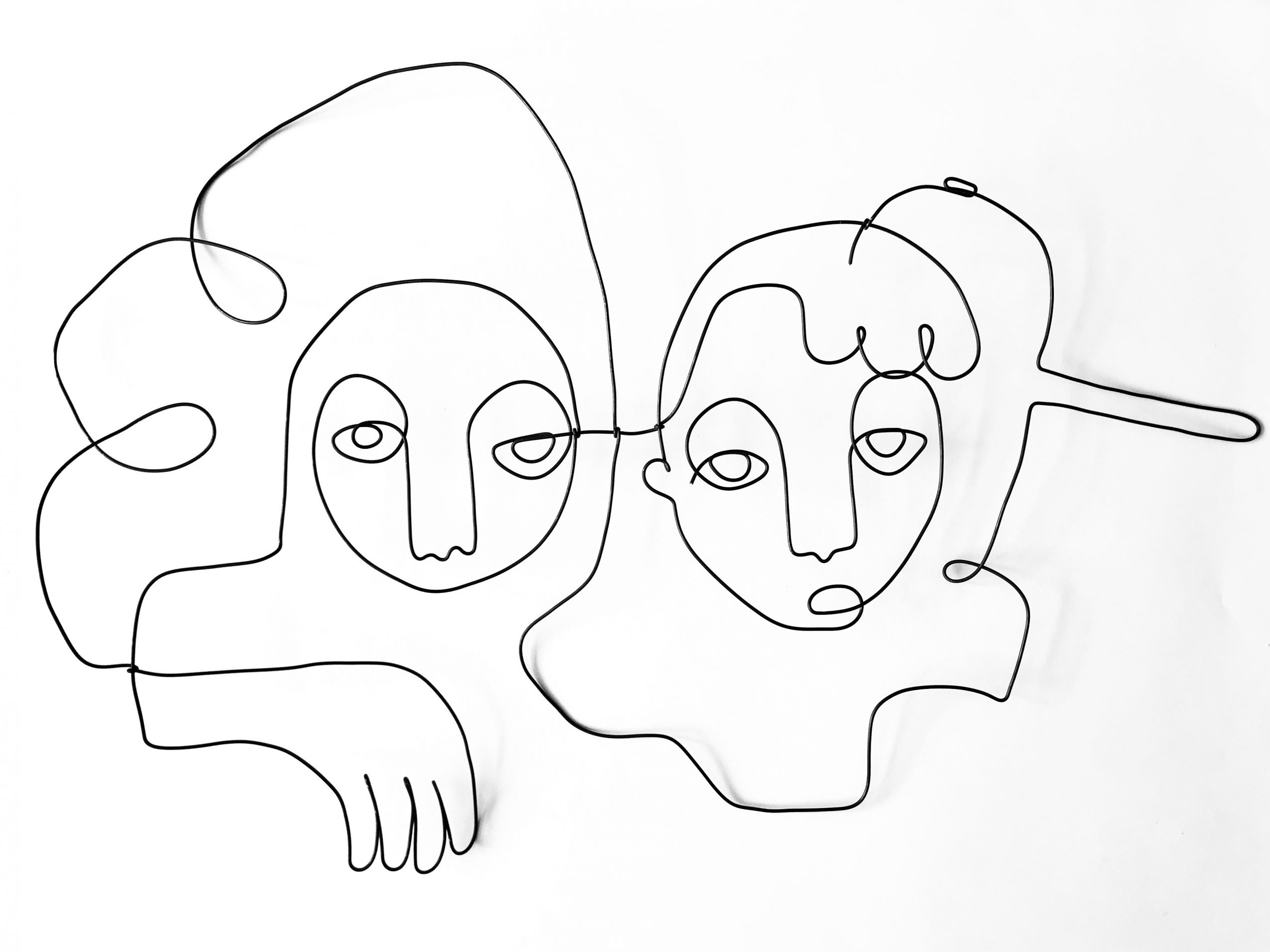
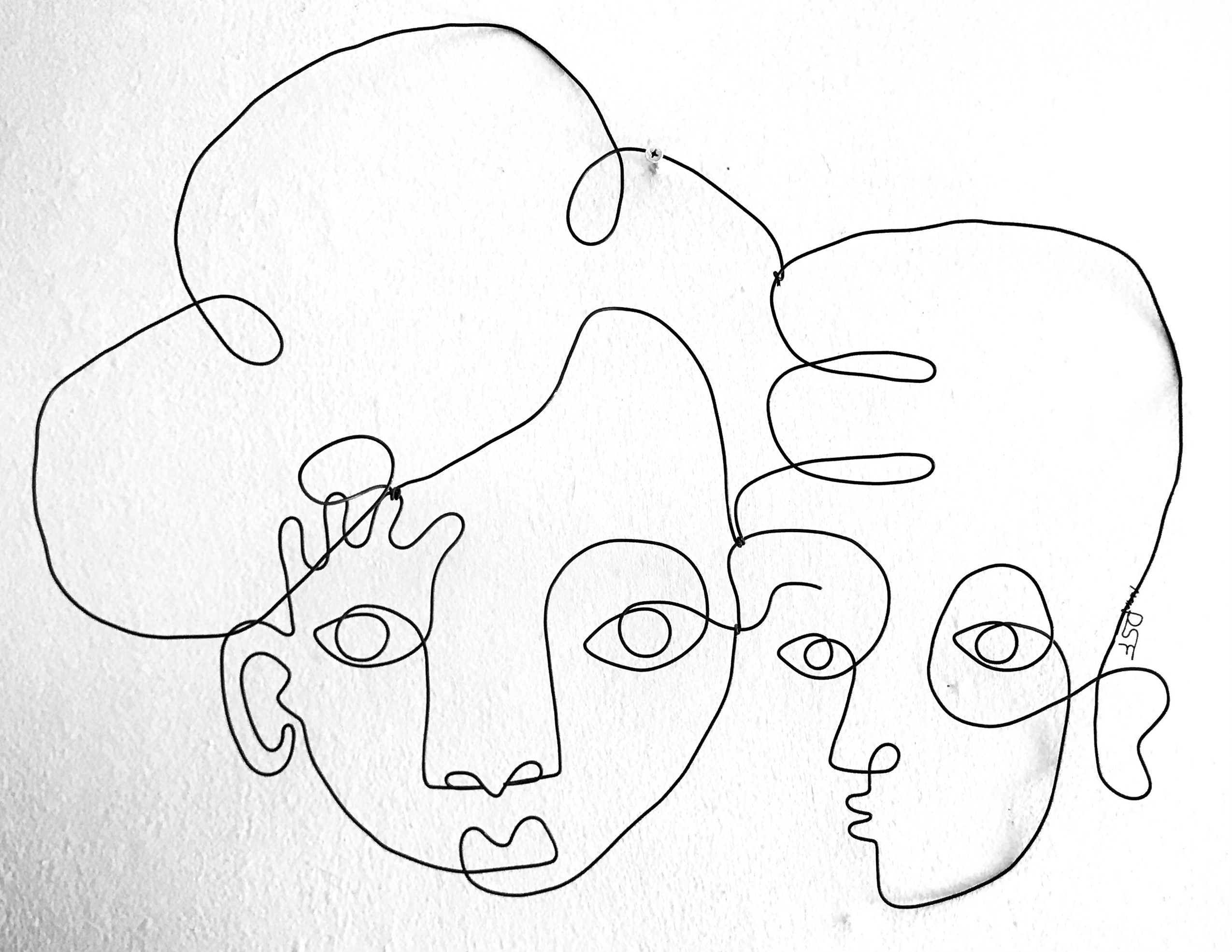
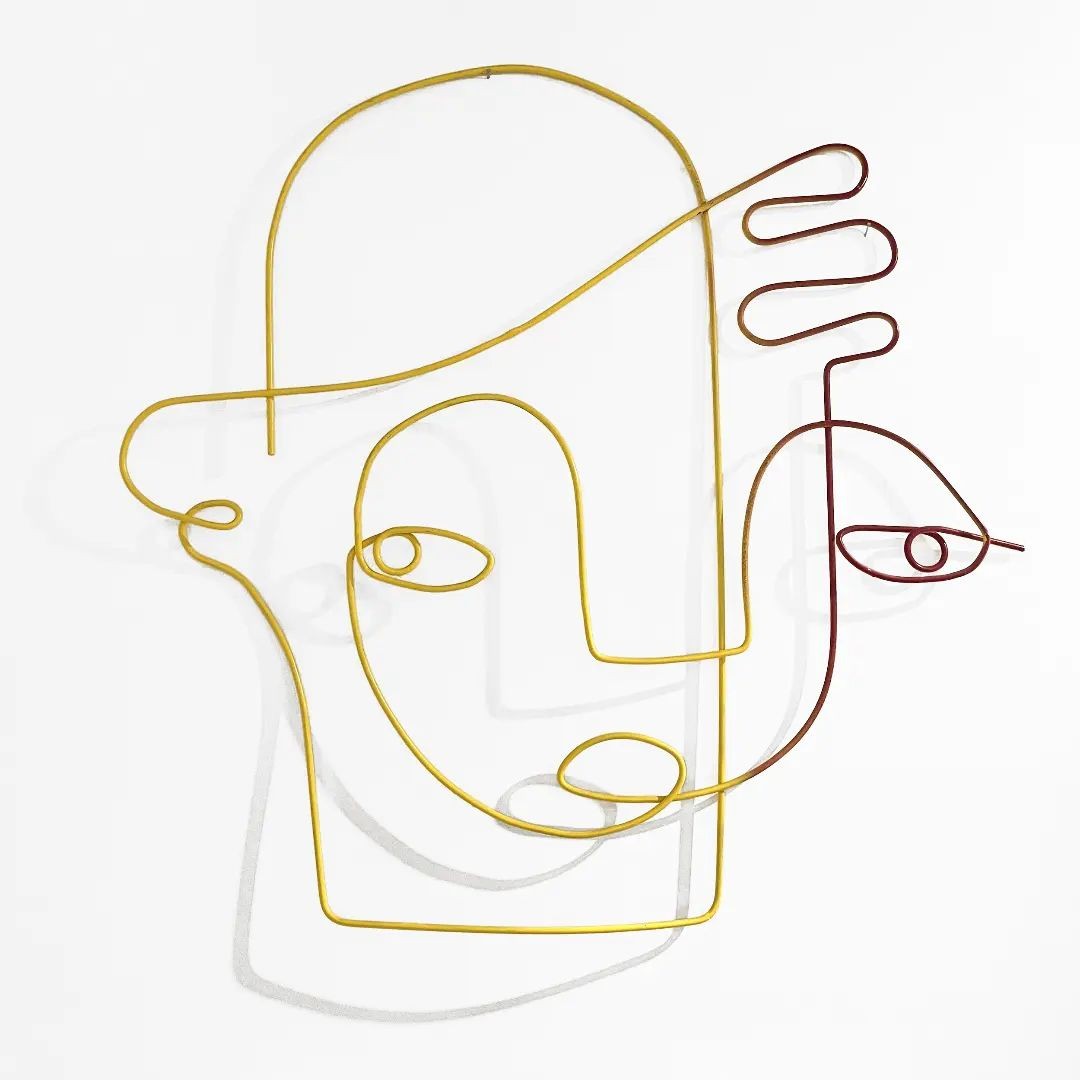
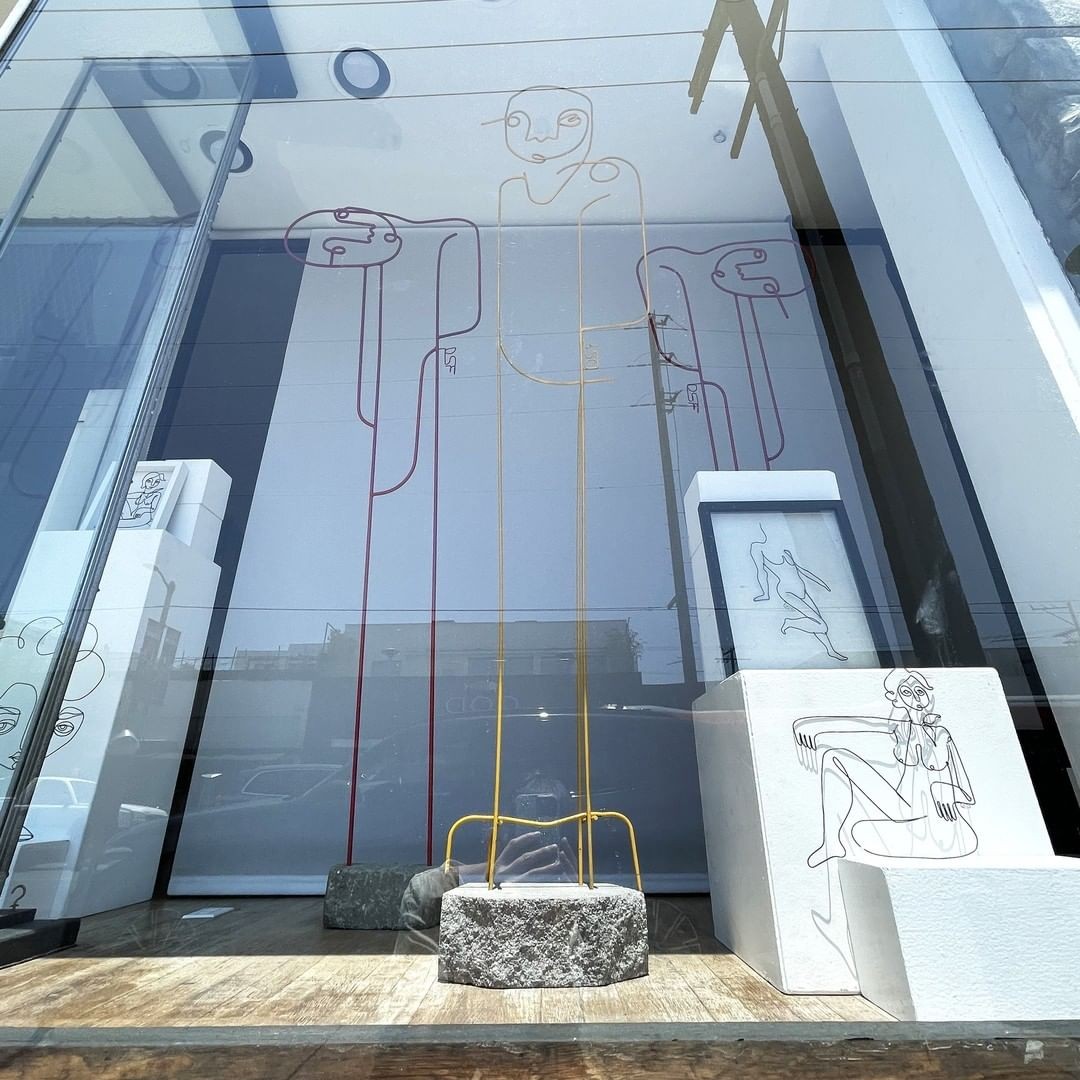 Image Credits
All images copyright Duncan Sherwood-Forbes
Popular
-

What is something outside of work that is bringing you joy lately?
-

Local Highlighter Series
-
What did suffering teach you that success never could?
-

What are you most proud of building — that nobody sees?
-

Who were you before the world told you who you had to be?
-

If you could say one kind thing to your younger self, what would it be?


