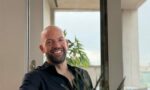



Today we’d like to introduce you to Darwin Herrera-Gonzalez.
Hi Darwin, we’d love for you to start by introducing yourself.
It all begins with my mother and her desire to give our family the best possible future. She immigrated from Mexico with the dream of pursuing a secure career. Naturally, I grew up believing that becoming a doctor was the path I should follow. Throughout high school and into college, I dedicated myself to that goal, preparing to one day reach medical school.
But during my junior year, something shifted. I discovered a passion for photography and videography, and it reignited a love I had since childhood—watching TV and films. The first movies I ever watched were Spider-Man by Sam Raimi and The Lion King, both on VHS. Realizing this passion as a junior made me feel behind, so I committed myself to catching up. I used every dollar I saved to travel from Madison, Wisconsin, to cities like Chicago and New York, learning on sets and gaining hands-on experience.
After graduating in May 2025, I knew my next step had to be Los Angeles—the heart of film and TV. Even though I’d heard the industry was changing, I believed that people with passion and drive would still find opportunity there. Within a week of graduating, I bought a plane ticket and secured work at a film festival to meet people and understand how the city worked. That risk paid off; I built friendships and connections, but I had to return home shortly after. So I saved for three more months and, with everything I had and a tough goodbye to my family, I moved to Los Angeles on September 1st.
Since then, I’ve grown tremendously and built meaningful relationships. Most importantly, I’ve gained clarity about my purpose: I want to create my own TV show, become a showrunner, and win an Emmy. After that, I want to write a feature film and win an Oscar. These are ambitious goals, but I want to accomplish them alongside others who push me to grow and who share my passion. I want to build a community of creators who are committed to breaking down gatekeeping in television and empowering people to make the shows they want to see and genuinely connect with. Television needs more risk-taking and bold storytelling. I’m proud to see that film is evolving in that direction, but I want to help spark that same movement in TV.
Can you talk to us a bit about the challenges and lessons you’ve learned along the way. Looking back would you say it’s been easy or smooth in retrospect?
It definitely hasn’t been a smooth road. I didn’t grow up with a background in film, and I didn’t take the traditional path of attending film school. At times, that made me feel like I was already behind before I even started. I had to teach myself the fundamentals of storytelling, cinematography, and editing through trial, error, and a lot of perseverance.
Not having industry connections was another major challenge. I relied on my own savings to travel to sets in different cities just to observe and learn. Moving to Los Angeles without a built-in network or a safety net was intimidating, but it forced me to be resourceful, push myself out of my comfort zone, and build relationships from the ground up.
There were moments when doubt crept in—wondering whether I made the right choice, leaving a more traditional and secure career path. But those challenges ultimately shaped me. They taught me resilience, self-motivation, and the importance of believing in my vision even when no one else fully understood it yet.
The road hasn’t been easy, but the struggles have made me hungrier, more focused, and more determined to carve out a space for myself and help others who don’t come from traditional film backgrounds do the same.
Appreciate you sharing that. What else should we know about what you do?
Right now, my work spans several areas of film and television because I believe that to build the kind of TV community I envision, one that embraces risk, collaboration, and diverse voices, I need to understand the craft from multiple angles.
I’m drawn to cinematography and camera work, and I’ve spent a lot of my time on set as a camera assistant. That experience has helped me understand how visuals shape emotion and how small details behind the lens can elevate storytelling. At the same time, I’m actively learning what it means to be a producer not just creatively, but logistically and collaboratively. It’s important to me to understand how to lead a team, secure resources, and guide a project from concept to completion.
I’m also committed to becoming a stronger screenwriter, and for me, the best writing comes from lived experience. That means getting out in the world, meeting people, absorbing perspectives, and letting those real emotions and interactions shape the stories I want to tell.
What I’m most proud of is my focus on building community. I don’t just want to create TV, I want to help build spaces where others who didn’t grow up in film or go to traditional film school can learn, create, and feel like they belong. I believe risk-taking and innovation shouldn’t be limited to those with access or connections.
What sets me apart is that my path hasn’t been traditional. Every skill I’ve learned has been earned through curiosity, persistence, and real-world experience. I’m not afraid to start from the bottom or ask questions, and I’m driven by the belief that TV should be more open, collaborative, and bold. That mindset fuels everything I do—on set, on the page, and in the communities I’m trying to build.
Where do you see things going in the next 5-10 years?
Over the next 5–10 years, I see television going through a major transformation, one driven by community, accessibility, and creativity rather than just big budgets and legacy gatekeepers. Audiences are becoming more diverse, global, and vocal about the kinds of stories they want, and I believe the industry will have no choice but to respond.
We’re going to see more independent and grassroots TV projects emerging, not just from major studios but from creators who build their own communities and platforms. The rise of vertical storytelling, decentralized production, and affordable equipment is lowering the barrier to entry. That means more voices, more risk-taking, and more experimentation.
I believe we’ll also see a shift in how shows are developed, moving away from a top-down model to one where creators collaborate directly with their audiences and communities. That’s the movement I want to help lead: creating a space where emerging filmmakers and writers can learn, pitch, produce, and be taken seriously without needing traditional pathways or permission.
Personally, I hope to be at the forefront of that change by producing my first TV show, growing a community of like-minded creatives, and proving that innovative, audience-driven television can succeed at the highest levels. My goal is to build something strong enough to not only tell great stories but to be recognized, with the ambition of one day winning an Emmy.
The next decade belongs to the storytellers who are willing to take risks, break the old rules, and create TV that reflects the world we actually live in. And I want to be one of the people shaping that future.
Contact Info:
- Instagram: https://www.instagram.com/darwins_lens/
- LinkedIn: https://www.linkedin.com/in/darwin-herrera-gonzalez-652b60264/
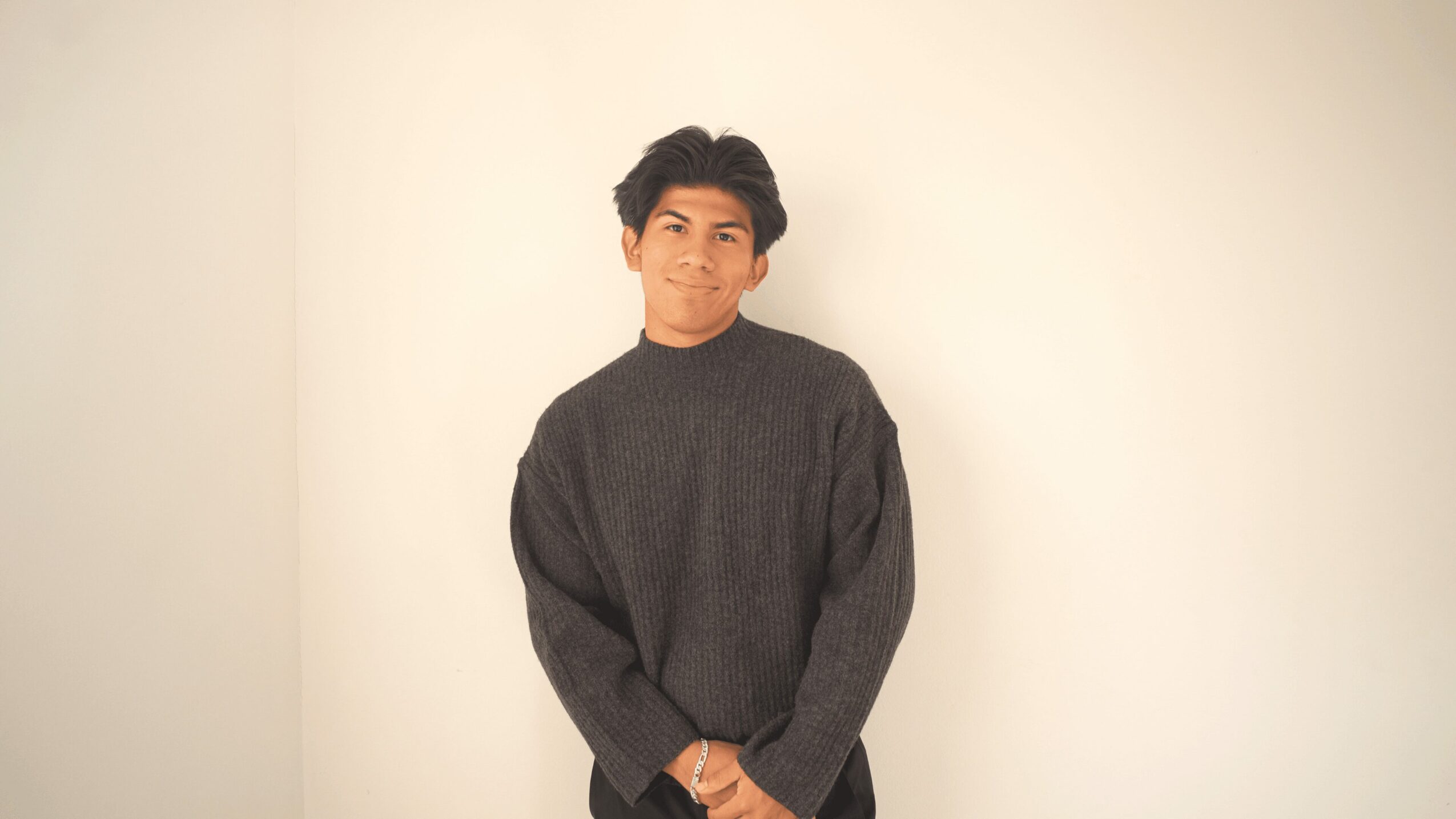
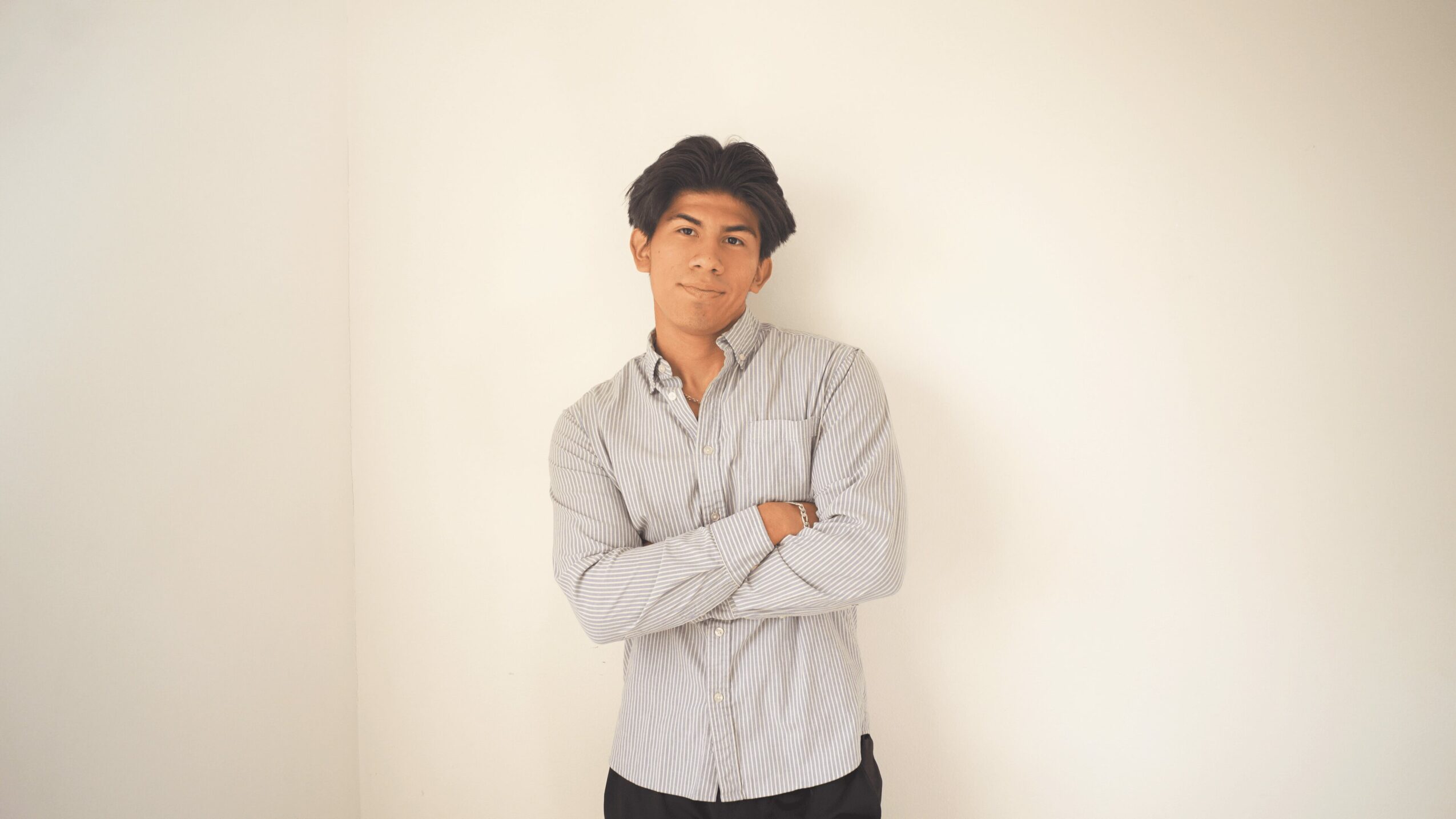
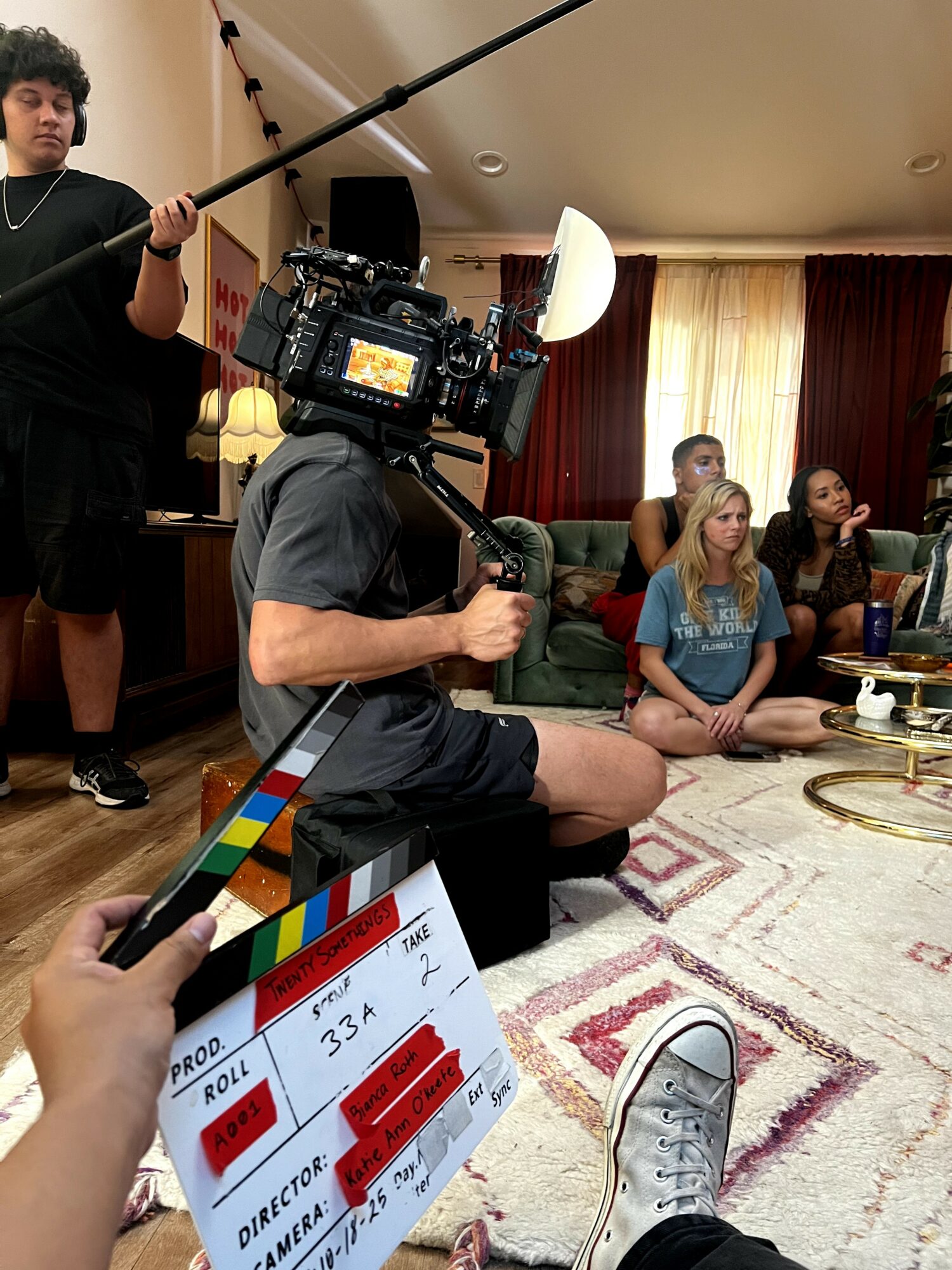
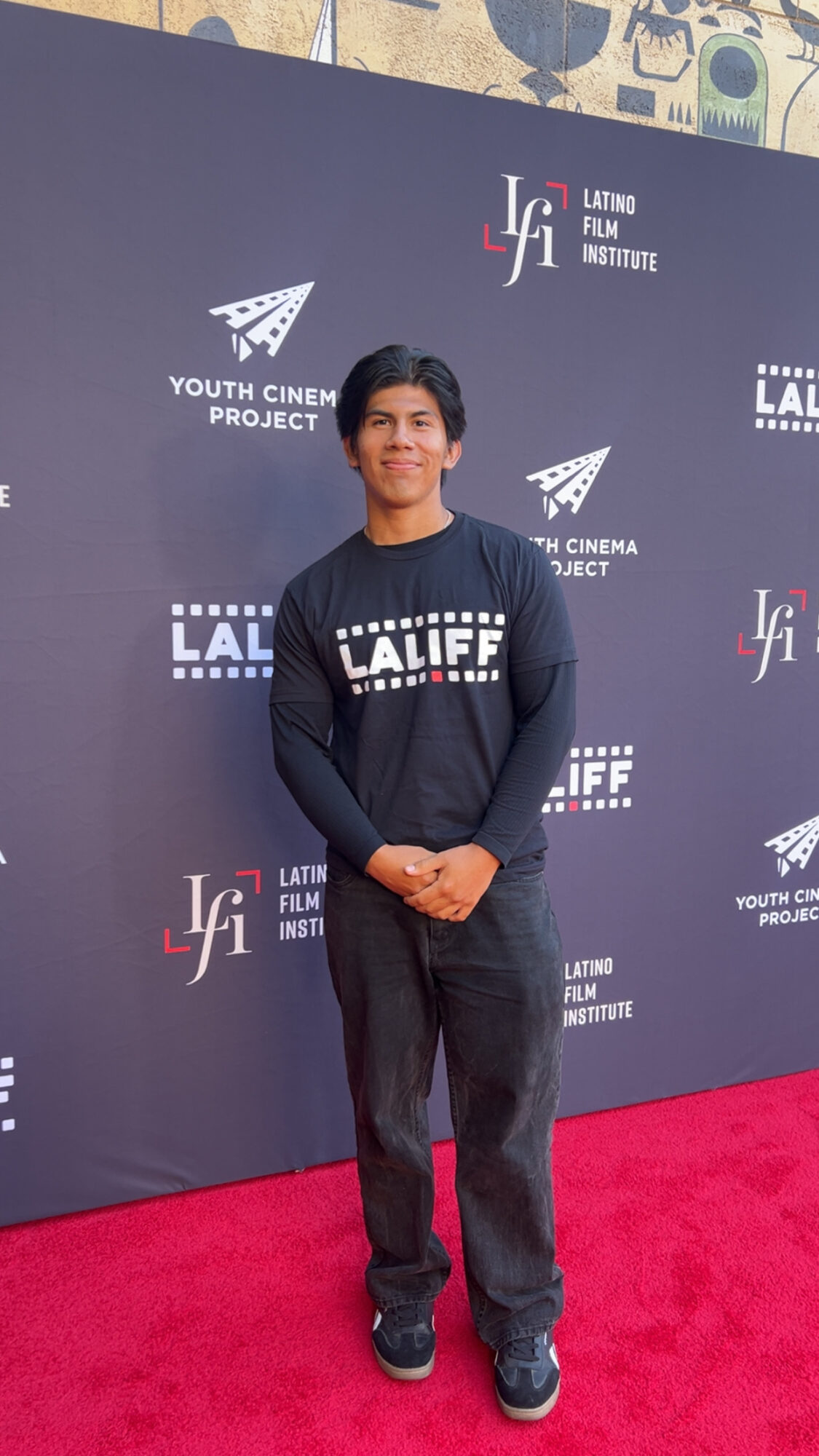
Image Credits
All taken by me