




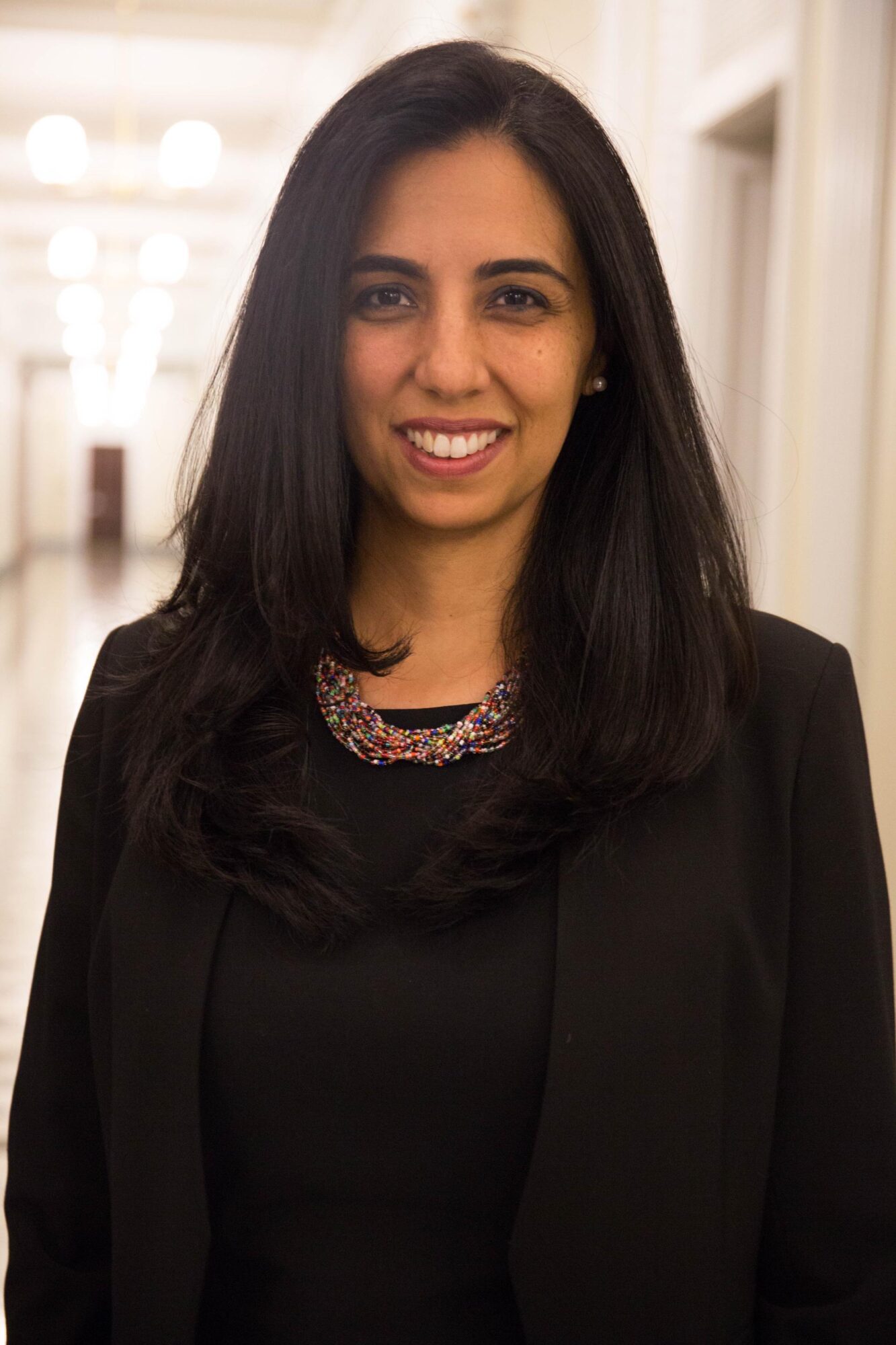
Today we’d like to introduce you to Archana Sahgal
Alright, so thank you so much for sharing your story and insight with our readers. To kick things off, can you tell us a bit about how you got started?
I founded Hyphen in 2021 to ensure that resources from historic federal policies like the American Rescue Plan and the Bipartisan Infrastructure Law accelerate systems change and improve the material conditions of low-income families, communities of color, and other historically underserved populations. Because of my experience working at the intersection of philanthropy and government, I knew two things. First, the historic $4 trillion federal investment under the Biden Administration, akin to the New Deal, is a once-in-a-generation opportunity to support sustainable economic development, mitigate climate change, generate high-quality jobs, and advance racial equity. Second, the federal government can’t meet these goals alone, and philanthropy and the private sector have a rare opportunity to leverage federal resources and help achieve an outsized impact.
I had experience working for and starting organizations that had done bold work like this, and I was able to assemble a team to make Hyphen a reality. While my career did not start off in establishing public-private partnerships, I have worked extensively in nonprofit advocacy, philanthropy, and the federal government, all of which laid the foundation for the creation of Hyphen.
As the daughter of South Asian immigrants, I grew up in Los Angeles and have always been passionate about advocating for my own community and those around me. And early in my career, as a law student during 9/11 and the invasions of Iraq and Afghanistan, I was motivated to fight against the subsequent attack on civil rights of Muslim, South Asian, and Arab activists/communities and build a stronger support ecosystem for these communities. I realized quickly that strong community organizations play a key role in this ecosystem and that their work was often overlooked and under-funded. This realization started a two-decade career in the nonprofit sector and philanthropy that included at the Open Society Foundations,, the Democracy Alliance, and The San Francisco Foundation where I worked to secure funding for social justice organizations led by immigrants and people of color. Eventually, I joined the Obama Administration and served at The White House and the Department of Commerce. Immediately prior to launching Hyphen, I led the creation of the National Immigration Law Center’s political arm, the NILC Immigrant Justice Fund, and served as its first director.
Currently, I serve on the boards of Planned Parenthood Pasadena-San Gabriel Valley, Color of Change, Community Based Public Safety Collective, and the Welcome Fund.
Hyphen has been one of the most meaningful experiences of my professional career thus far, in part because I can draw on my experience in each sector, but also because I can work with leaders in each to maximize impact and improve the lives of people who need it most.
Can you talk to us a bit about the challenges and lessons you’ve learned along the way. Looking back would you say it’s been easy or smooth in retrospect?
Developing public-private partnerships at a significant scale definitely has its challenges. In this political moment, there is both an increasing public appetite for advancing racial equity, and also a public backlash against it. Within that political tension, Hyphen is carving a new path forward for the federal government to work closely with philanthropy and the private sector, which requires strategic alignment. Each public-private partnership we launch has its specific needs and challenges. For the White House Community Violence Intervention Collaborative, we worked with White House officials, mayors, philanthropic leaders, and over 50 community groups across 17 cities led by individuals who had lost a loved one to gun violence. Because community violence was both deeply personal and high stakes, coordinating the partnership required working intentionally to build trust, communicate openly, ramp up capacity, and develop innovative strategies to meet the goals we had set.
With all our partnerships, there is a built-in tension because each sector has its own strategic vision and culture, and the issues we are tackling are deeply rooted and complex: tribal economic development, community violence intervention, access to capital for entrepreneurs of color, etc. However, the work we do requires seeing those moments of tension as opportunities to build bridges and forge stronger partnerships that ultimately lead to lasting systems change.
In addition, as a small but mighty team of women, one of the struggles we have had is navigating gender and related dynamics. Because much of the work is behind the scenes and in support of community leaders, it can lead to our involvement in the work becoming invisible. This makes it harder to showcase the tangible impact of our work and for it to be understood fully.
Thanks – so what else should our readers know about your work and what you’re currently focused on?
At its core, Hyphen is a systems orchestrator. We believe that systemic issues need systemic responses, and we work to build public-private partnerships that mobilize actors across a field and across sectors to advance racial equity and achieve shared goals. We are deeply outcomes-oriented and work as a neutral intermediary that manages the partnerships and encompassing relationships. We work in the background and at the forefront as necessary to build and execute strategies that lead to desired systems outcomes.
We are known for designing, launching, and managing multi-sector public-private partnerships that leverage substantial federal resources and lay the groundwork for long-term systems change. We are experts at building relationships with key stakeholders in philanthropy, government, and nonprofit/civil society. We are known for harnessing the power of the White House and the federal government, for setting up initiatives to demonstrate early success, and for our effective management and coordination of these initiatives.
Below are three initiatives that demonstrate the power and impact of our work:
Initiative for Inclusive Entrepreneurship
Announced by Vice President Kamala Harris, the Initiative for Inclusive Entrepreneurship (IIE) is a national effort to expand access to capital for small businesses owned by people of color. Hyphen incubated IIE during its 18-month pilot phase, during which we built the capacity of capital providers to drive resources to entrepreneurs of color and leveraged philanthropic and private capital to help states meet the match requirements. We worked with implementation partners to ensure the equitable implementation of the U.S. Department of the Treasury’s $10 billion State Small Business Credit Initiative (SSBCI), 40% of which is designated for businesses owned by socially and economically disadvantaged people. After a successful pilot phase, Hyphen transitioned IIE to its current home at the Milken Institute.
Tribal Community and Economic Development
For the past year, Hyphen has been working with Native Americans in Philanthropy (NAP) to increase access to capital in Indian Country, which has traditionally faced systemic barriers to community, economic, and business development. To call attention to the need for capital in Tribal communities, Hyphen and NAP convened a historic roundtable at the White House with Interior Secretary Deb Haaland, Commerce Deputy Secretary Don Graves, Small Business Administrator Isabel Guzman, Treasurer of the U.S. Chief Lynn Malerba, and senior officials from other federal agencies on how to increase Tribal access to capital and make federal funding more accessible to Tribal communities across the U.S. More than 20 financial and philanthropic leaders participated in the roundtable, and Hyphen has since worked with NAP to launch the Tribal Community Vision Partnership, a $1.2 billion public-private partnership.
White House Community Violence Intervention Collaborative
President Biden announced the Community Violence Intervention Collaborative in 2021 as part of his administration’s comprehensive strategy to address gun crime. Through this 18-month pilot, Hyphen brought together mayors, community experts, philanthropic leaders, and other key stakeholders to leverage and deploy federal dollars to scale evidence-based, community-led strategies to reduce gun violence and enhance public safety in 17 cities across the U.S. The work of this initiative contributed to a decline in violent crime. The June 26, 2023 article, “Murder, on the Decline,” in The New York Times, cited the expansion of community violence intervention as one of three reasons for this decline. The work of this initiative played an instrumental role in securing over $761 million for community violence interventions across the country.
What sets us apart?
Our values, our organizational culture, and our commitment to racial equity as the North Star set Hyphen apart from other organizations. As social entrepreneurs, we see failure as necessary to learning and finding new pathways forward, and we recognize the value of failing fast and letting go when needed. We are extremely agile and can pivot quickly in response to changing conditions and to make the partnerships successful. We carry everything we learn from one body of work into the next, and we have become more savvy about what conditions need to be present for us to take on new initiatives and have an impact. We are extremely skilled at bridging and translating, investing time to build trust as there are no shortcuts, and always thinking long term, even and especially when the journey encounters turbulence.
We also believe strongly in reflecting on each partnership– failed or successful– and taking the time to absorb the lessons and apply them to new bodies of work. Most importantly, we are extremely planful and intentional about our work, and our motto is “a vision without a plan is just a hallucination.” The stakes are too high for us to not be thoughtful and intentional about our work.
Have you learned any interesting or important lessons due to the Covid-19 Crisis?
Hyphen was founded in the midst of the COVID-19 crisis, which deeply exacerbated the systemic issues underserved communities already struggle with. The COVID-19 crisis taught me three important lessons: 1) centering racial equity in all the work we do is imperative to fight structural racism, 2) being nimble and flexible is a must when working with multi-sector partners, and 3) federal dollars have a better chance of flowing into underserved communities when philanthropy and civil society step in. For example, the White House Community Violence Intervention Collaborative we incubated played an important role in directing $761 million in flexible federal funding to support community violence interventions.
Lastly, COVID made it clear that systemic issues must be addressed at a systemic level. That is why I have oriented our work around systems change and work towards achieving long-term outcomes.
Contact Info:
- Website: https://www.hyphenpartnerships.org/
- LinkedIn: https://www.linkedin.com/in/archanasahgal/
- Other: https://www.linkedin.com/company/hyphenpartnerships/posts/?feedView=all
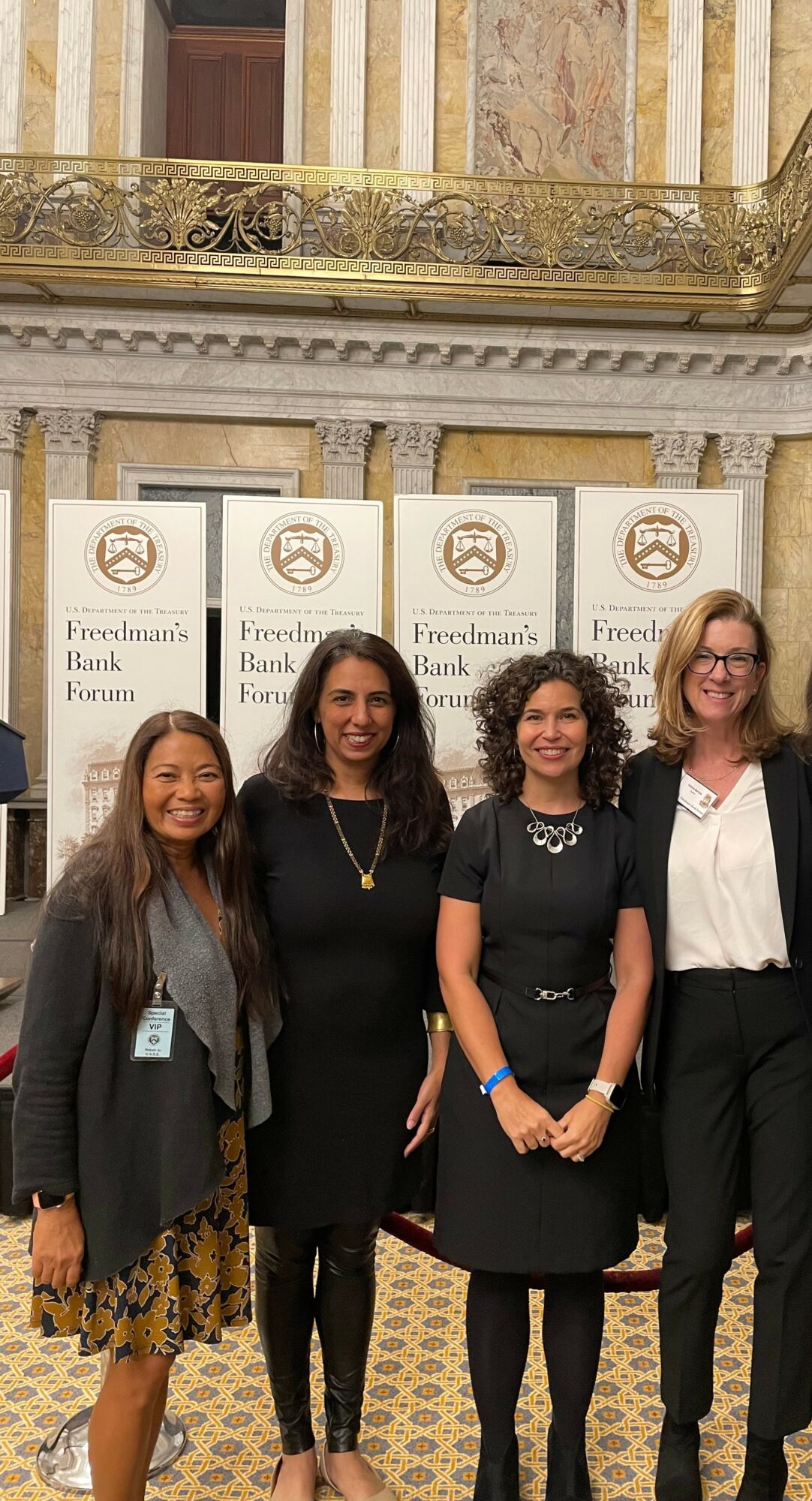
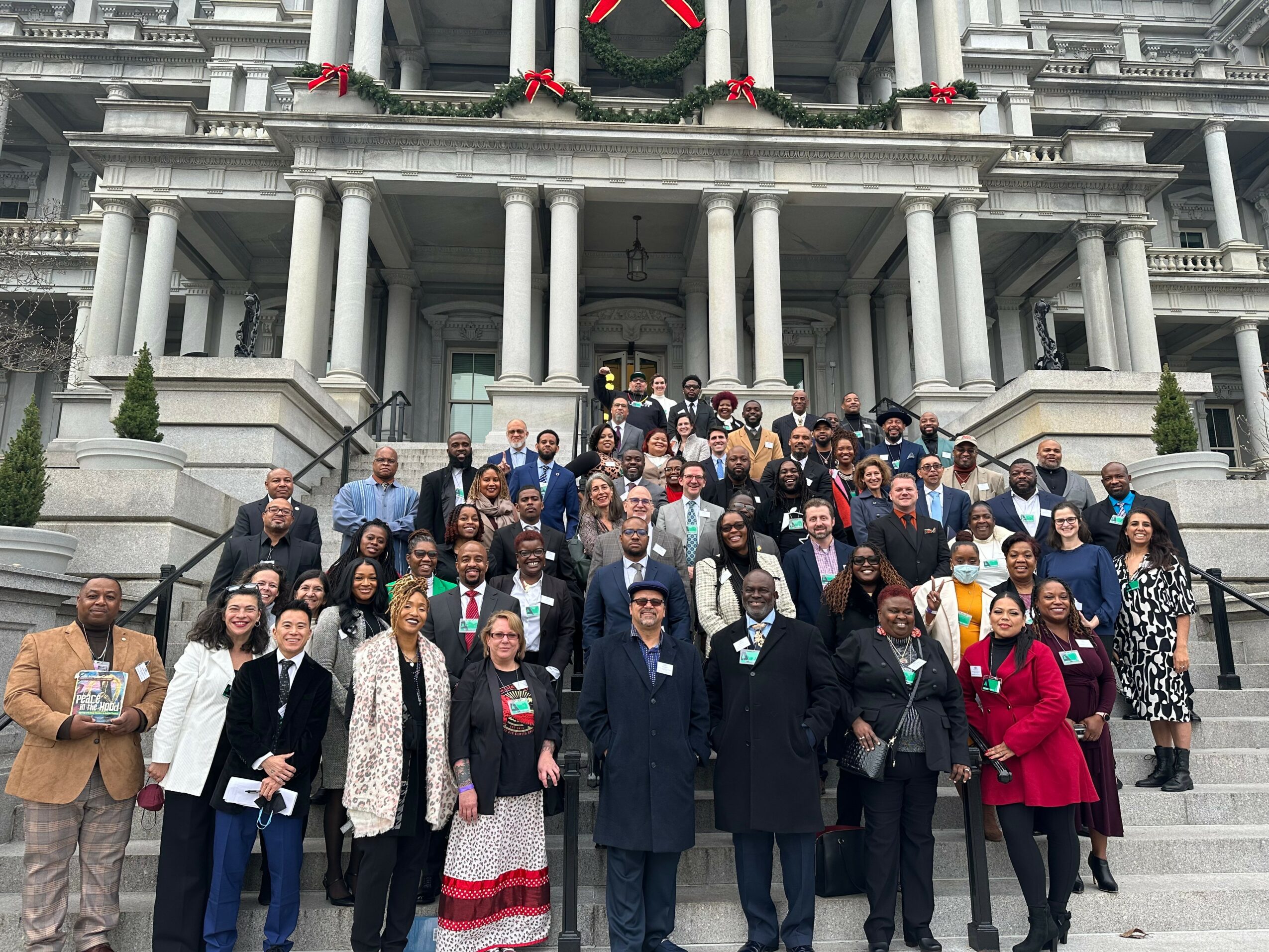
Image Credits
The first photo credit is The White House and the second and third photos’ credit goes to Hyphen.
Popular
-

What is the story you hope people tell about you when you’re gone?
-

Who were you before the world told you who you had to be?
-

Was there ever a time you almost gave up?
-

What is something outside of work that is bringing you joy lately?
-

Who saw you clearly before you could see yourself?
-

What are the biggest lies your industry tells itself?


