



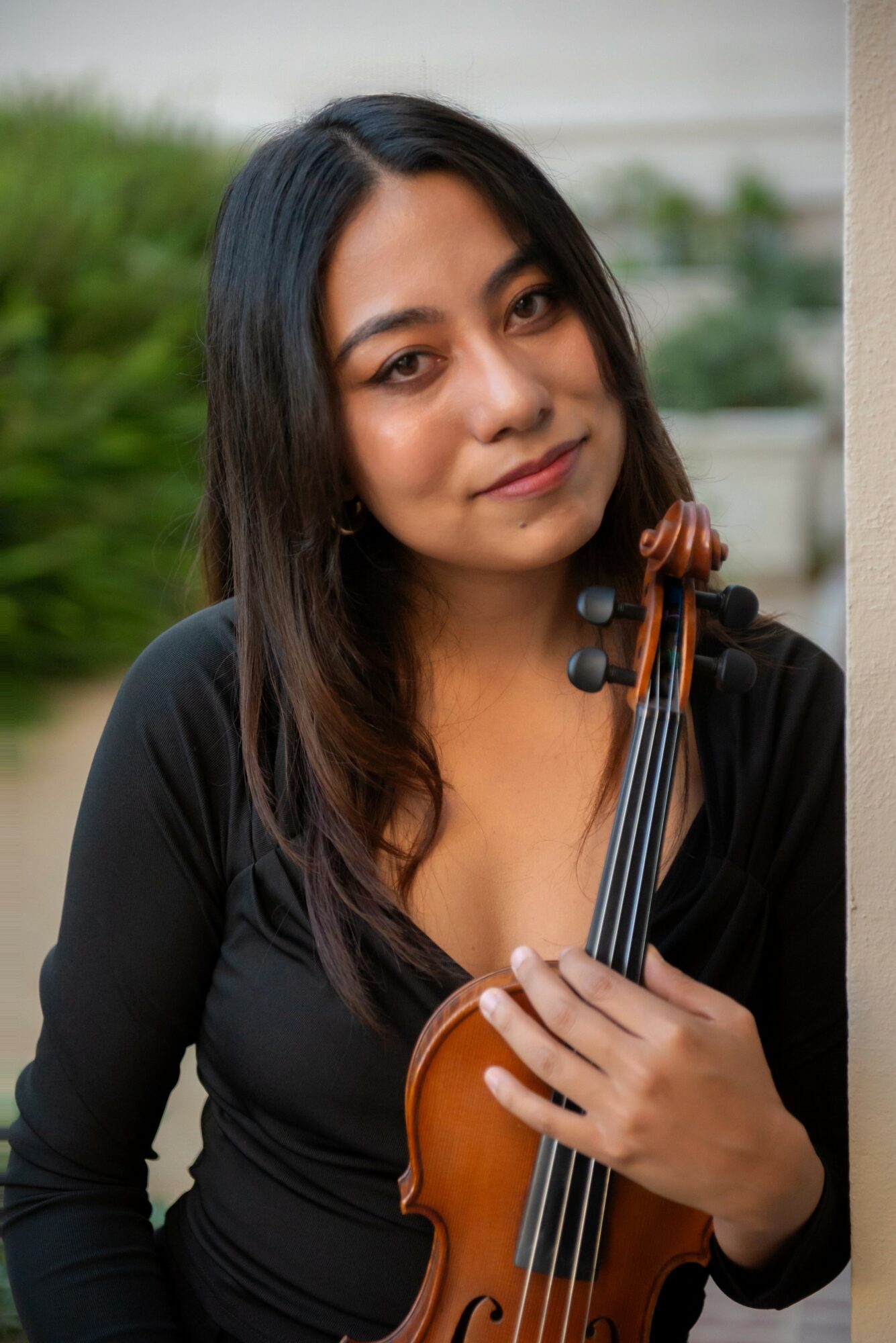
Today we’d like to introduce you to Alisa Luera.
Hi Alisa, it’s an honor to have you on the platform. Thanks for taking the time to share your story with us – to start maybe you can share some of your backstory with our readers?
I was born in Seattle to a Japanese mother and a Mexican-American father, and music has been part of my identity for as long as I can remember. My mom was a piano teacher, so my childhood looked a lot like an informal conservatory — sitting next to her students, learning by proximity, and eventually playing alongside her at community events. She taught me piano first, then violin, and that became the instrument I really fell in love with.
We didn’t grow up with a lot, and after my biological father left when I was a baby, my mom supported us through private piano teaching. That studio — tiny living room, sheet music everywhere — was my first introduction to collaboration, discipline, and how music could build community.
I started studying violin seriously at four, performed through school, and eventually earned degrees from CSUN and UCLA. Both shaped me enormously — not just through technique, but through chamber music, mentorship, and getting to work with musicians I admired. Touring in Europe, playing at Carnegie Weill Recital Hall, and performing new works with colleagues helped me realize how much I value collaboration and storytelling through music.
Today, I wear many hats: educator, freelancer, ensemble player, collaborator. I teach at schools and youth orchestras across Los Angeles, and I perform with groups ranging from symphonic ensembles to film and recording projects. I’ve been lucky to work with artists like the Foo Fighters, Disney studios, Grammy-winning composers, and orchestras around California.
What keeps me going is the same thing that started all of this — the idea that music isn’t just performance, it’s connection. Whether I’m coaching a middle school student, recording for a creative project, or playing in a chamber ensemble, I still feel that same energy from being in my mom’s studio: music as something shared, built together, and always evolving.
Can you talk to us a bit about the challenges and lessons you’ve learned along the way. Looking back would you say it’s been easy or smooth in retrospect?
Not at all — I don’t think any artist’s path is linear, and mine definitely hasn’t been.
Like many people, COVID was a major disruption for me. I was still finishing my undergraduate years, and the first three had been full of momentum — performances, opportunities, and a clear trajectory. Then suddenly the industry stopped. I had to navigate the transition from student to working musician without the usual performance ecosystem, collaboration, or networking that our field depends on.
I took a gap year before graduate school, and it forced me to redefine what being a musician meant. Up to that point, most of my identity and income came from performing, not teaching. With concerts gone, I had to learn how to communicate music differently — how to mentor young players, build relationships with families, and contribute to their growth rather than just my own.
It was uncomfortable at first, but that period was transformative. It stretched me in ways the conservatory environment never did. Teaching across multiple schools and youth orchestras connected me to Los Angeles in a more meaningful, human way. I stopped seeing myself only as a performing musician and started seeing myself as someone who helps build the next generation of musicians.
That struggle ended up reshaping my career — today education is a core part of what I do and one of the most rewarding pieces of my work.
Thanks for sharing that. So, maybe next you can tell us a bit more about your work?
My career has evolved into a multi-hyphenate life in music, and I’ve come to truly treasure that.
I started as a performer — chamber music, orchestras — and I was very performance-driven through my undergraduate years. COVID interrupted that trajectory, and for a while I genuinely questioned whether Los Angeles was the right place for me. I considered moving back to Seattle to teach quietly and step away from the freelance path.
But UCLA and the work that followed completely changed me.
Not only did I rebuild and expand my performance life — from ballet productions to symphony work, chamber music, weddings, and recording projects — I also discovered how meaningful it is to teach and mentor. Today I work across multiple schools, youth orchestras, and programs in LA, and I perform with organizations like American Contemporary Ballet, Golden State Pops Orchestra, and regional symphonies.
What sets me apart isn’t one singular lane — it’s the way I move between them. I’m as invested in a middle school sectional as I am in a professional concert. I perform everything from contemporary works and ballet repertoire to wedding quartets and university faculty recitals, and I love that my weeks don’t look the same.
Los Angeles has taught me that the modern musician isn’t boxed in — we create community, we collaborate, we teach, we perform, we record, and we show up wherever music is needed. That versatility is something I’ve worked hard to develop, and it has allowed me to build relationships all over the city — including incredible colleagues who inspire me daily.
I think I’m known for connection — being adaptable, collaborative, and deeply invested in the people I work with. Jobs through social media, new ensembles, festivals, students who become colleagues — all of it grows through connection.
That’s what I’m most proud of: not just the places I’ve played, but the network of people whose musical lives intersect with mine.
We’d be interested to hear your thoughts on luck and what role, if any, you feel it’s played for you?
I think luck shows up most in the form of people and timing.
Some opportunities came because I was prepared — auditions, festivals, mentors — but the timing of when someone saw potential or opened a door was definitely luck. My mom being a piano teacher is probably the first example of it — I didn’t choose to be raised in an environment where music was everywhere, but it shaped everything.
I’ve also been incredibly lucky with community. LA is huge, and yet the people I’ve met — mentors, composers, colleagues, other educators — have helped shape my path. I don’t take that lightly. Yes, I’ve worked hard, but I know a lot of the most pivotal moments in my career came because someone took a chance on me, mentioned my name, or connected me to an opportunity.
So I guess I see luck as the thing that meets you when you’re prepared — the right person, the right timing, the unexpected detour that forces you to grow. Some of my most meaningful work came from circumstances I didn’t plan, and I’m grateful for that mix of luck and persistence.
Bad luck shows up in the most random ways in a musician’s life — Los Angeles traffic, a car malfunction on the way to a wedding gig, food poisoning before a major performance, or even getting your dress caught in a bike wheel on the way to rehearsal. Sometimes it feels like the universe tests our timing and composure on the days we need it the most.
But what I’ve learned is that every musician I know has their own version of those stories. Bad luck isn’t unique — it’s part of the job. What matters is how you adapt when things go wrong, who steps in to help you, and how you grow thicker skin without losing sensitivity.
So while luck — good and bad — has certainly affected my life, I think the real lesson has been resilience and humor. You can’t control the random things that happen, but you can control how you show up afterwards. And in a strange way, those chaotic moments often become the stories that bond us as artists.
Contact Info:
- Website: https://www.alisaluera.com/about
- Instagram: https://www.instagram.com/alisa.ikeza.luera?igsh=NTc4MTIwNjQ2YQ==
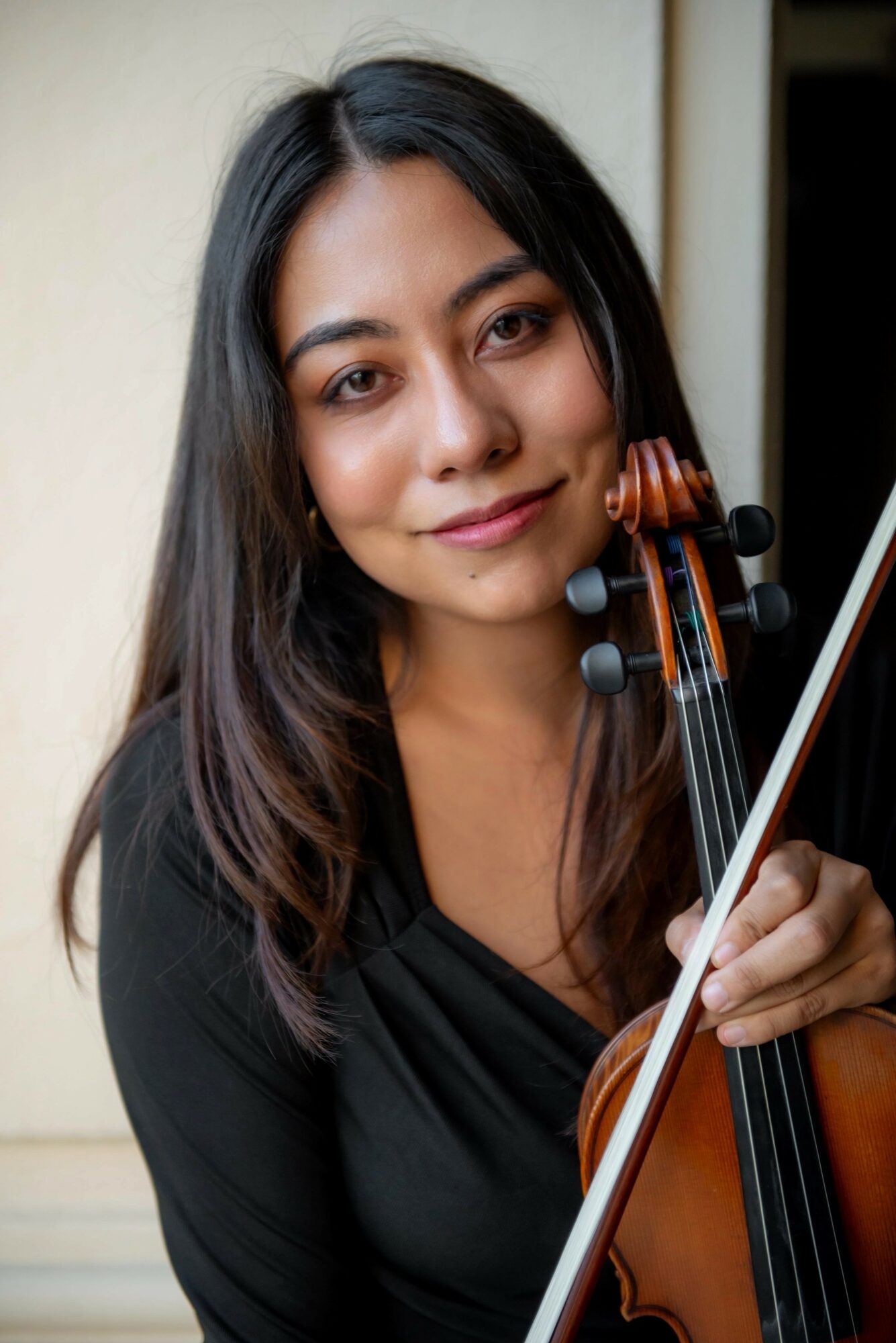
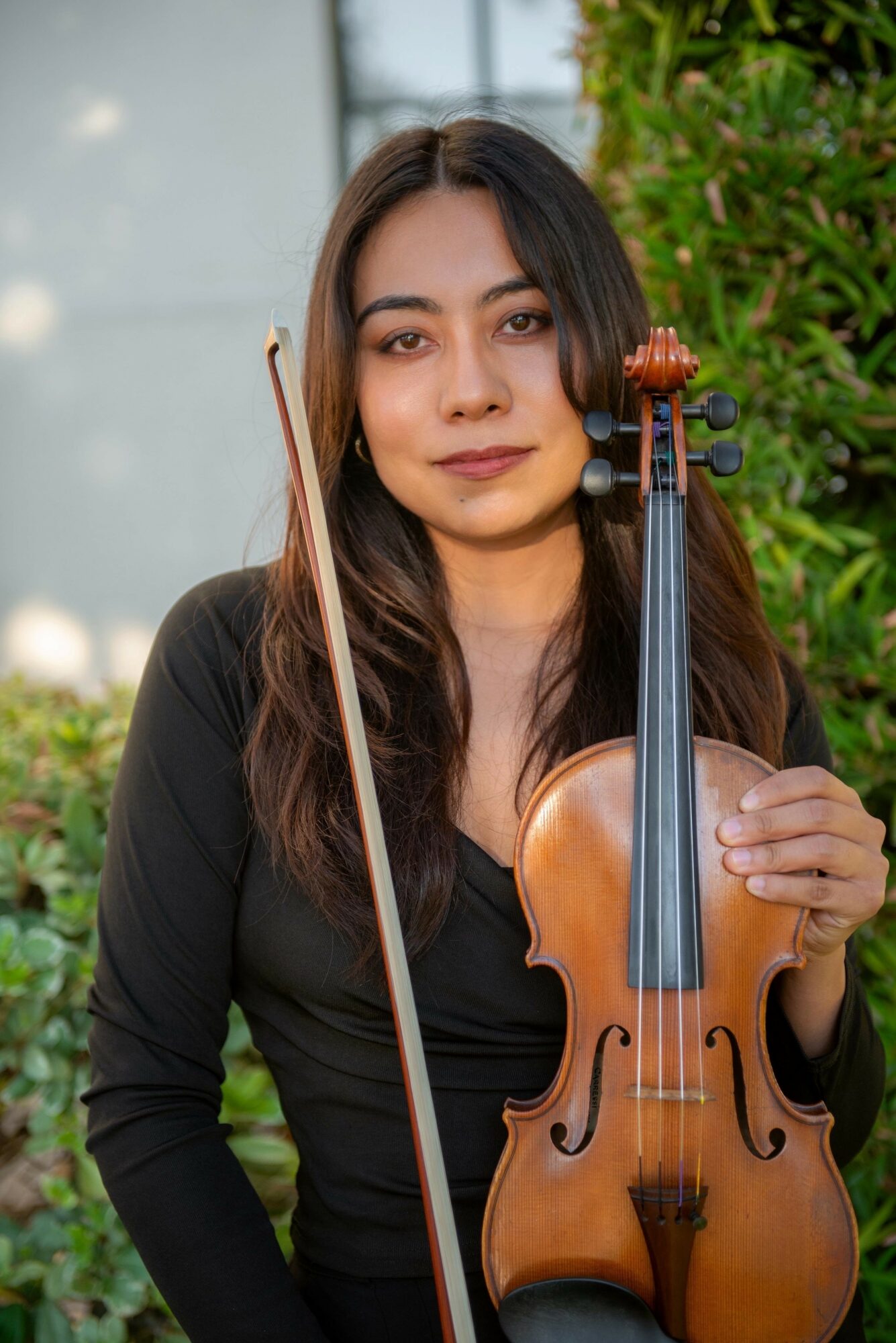
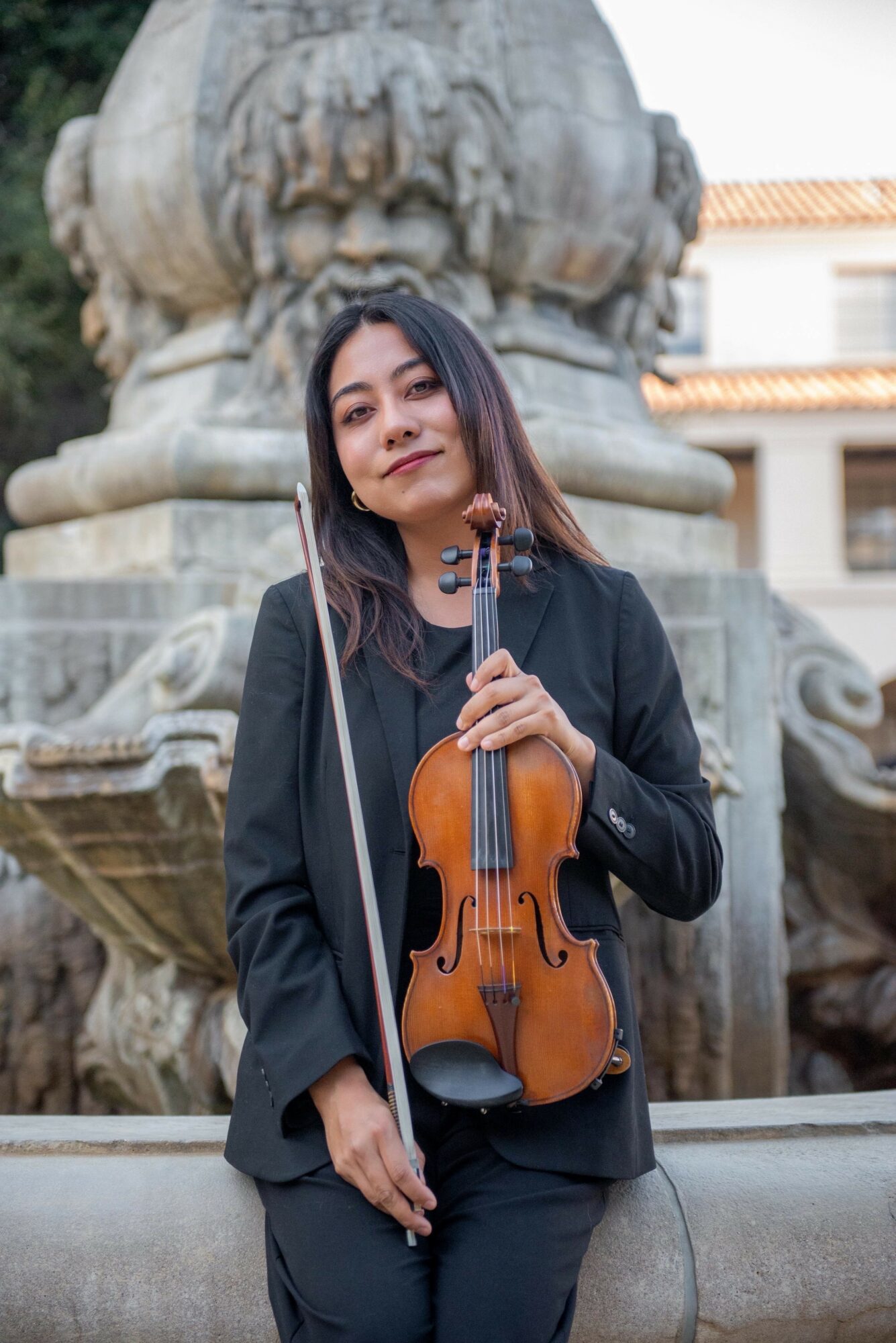
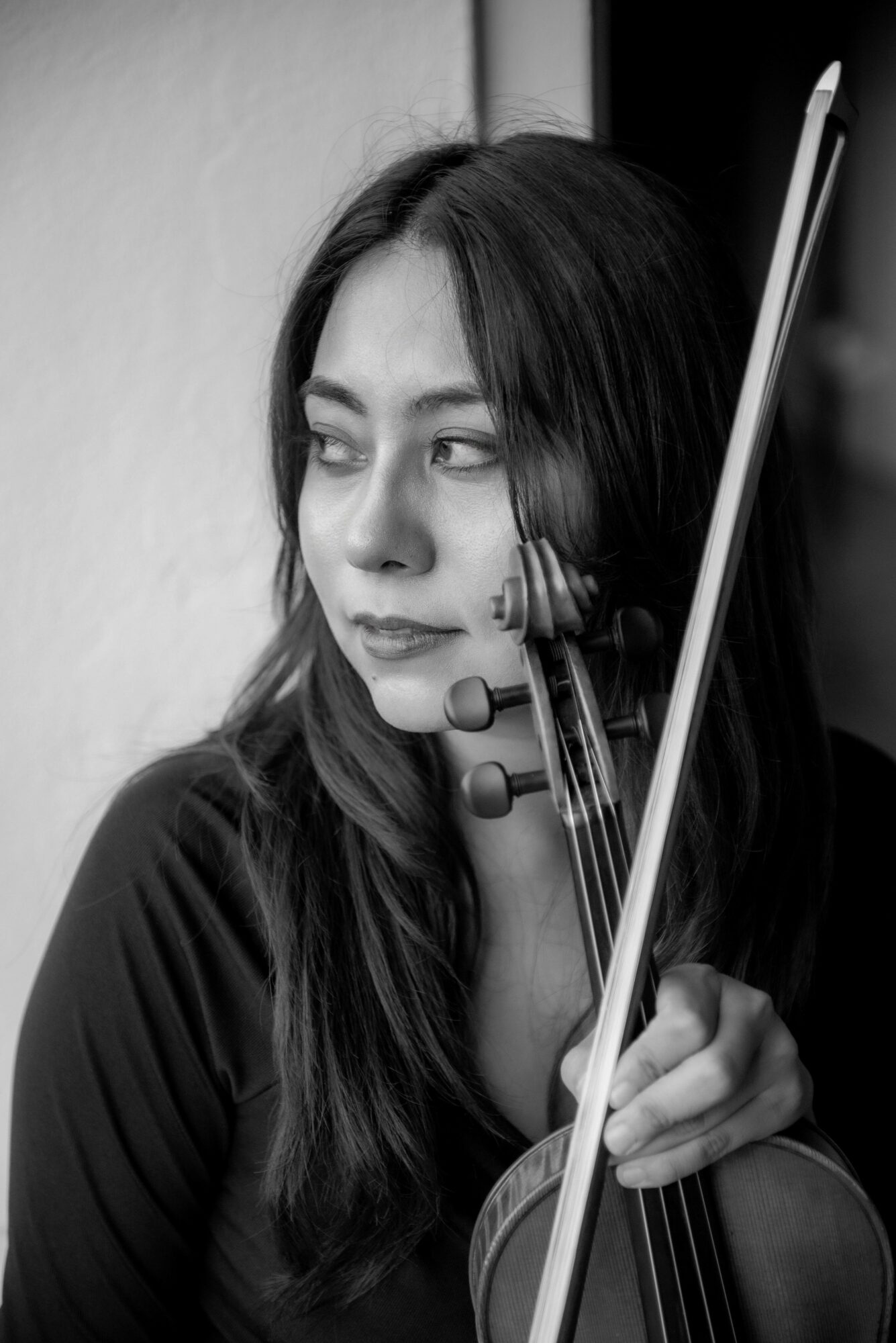
Image Credits
Photographer: Erica Hou