




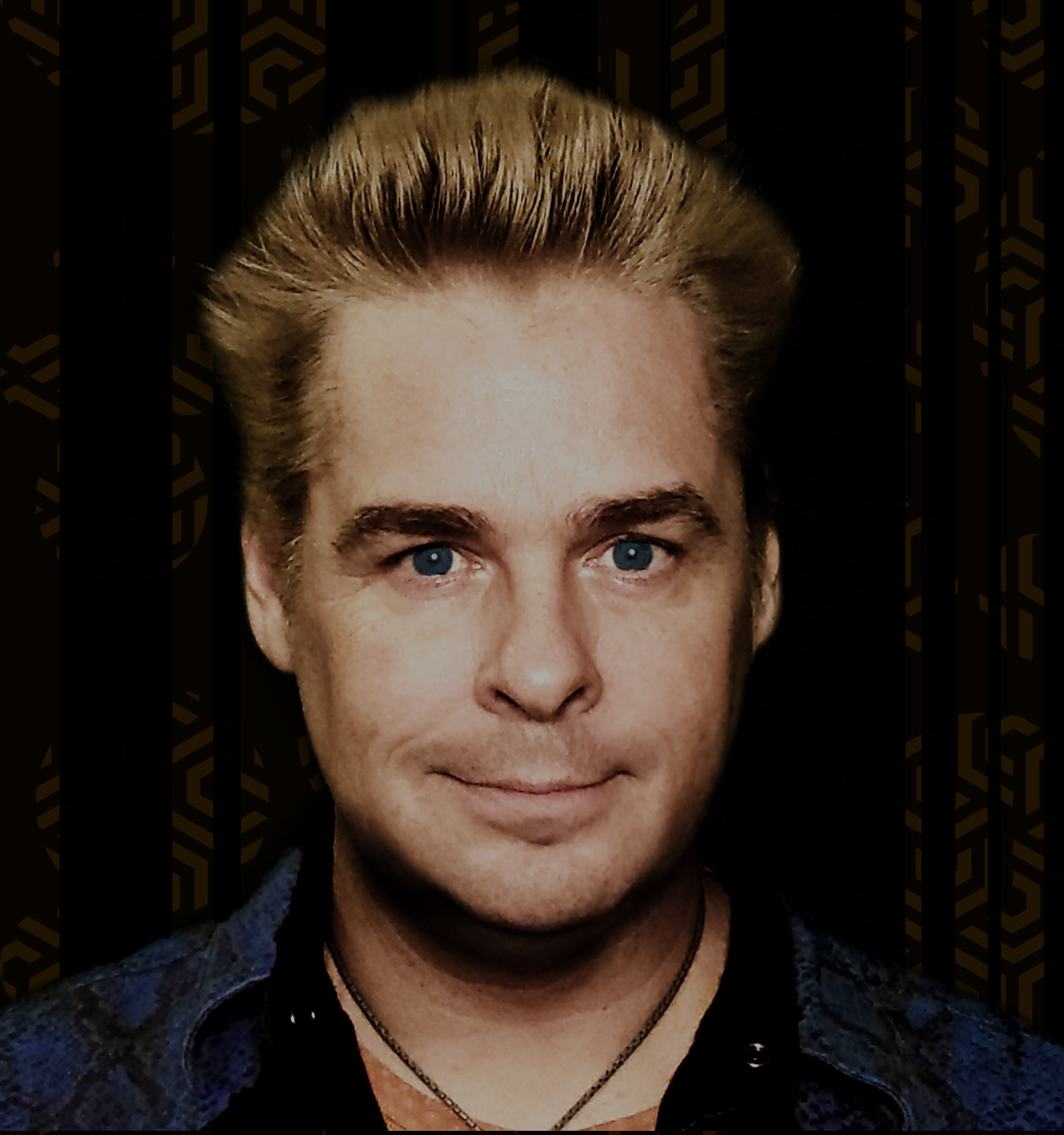
Today we’d like to introduce you to Adam Benson.
Alright, so thank you so much for sharing your story and insight with our readers. To kick things off, can you tell us a bit about how you got started?
I had a weird and a-typical intro into the film industry. It started when I was trying to be a professional musician. My early work with Photoshop and Corel Draw to make band fliers started getting me local print ad jobs and work with other bands – all freelance stuff. When music became a good way to stay poor, I decided to go to college to study astro-physics. I’m a science nerd. While in college, the math kicked my ass, and so I reverted to working in the graphic arts. While studying that, I was required to take a “Introduction to 3D design” class. Strangely, I wasn’t looking forward to it, but when I got into the class (3D Studio Max v1.0) I immediately fell in love and asked my professor what it would take to do that for the rest of my life. He fobbed me off with a “work hard kid” sort of answer, but by the end of the semester he was using my homework for examples in his class. That was when I lived in Oklahoma. My parents were in the military, so we moved around a lot and my Dad retired there, which got me stuck there.
When I finished college there, I decided to move to Arizona to continue studying animation and visual effects. When I got there, because I had such a great teacher in Oklahoma, and such a voracious appetite for knowledge, I was actually well ahead of most of my professors. One got annoyed with me and asked me if I wanted to teach the class. Some of my other professors saw my potential for on set film work and editing. My background in music made me well suited to be a sound man and an editor. I started getting hired a lot to work on set sound, which lead to on-set camera work, grip work and some gaffer gigs as well. My editing chops lead me into a lot of work as an Avid and Final Cut editor. I was good at it, so I kept getting both pushed into and hired on for all kinds of production and post production projects. The bonus for them was, I was also a really good visual effects artist, so they’d then have me do the VFX work after the fact more often than not.
After about 6 or 7 years of that, I really didn’t want to do that anymore. I didn’t like the early mornings for production, and I didn’t like the monotony of editing – especially commercials. I got into all this because I like the 3D visual effects, and so I forced myself out of the production and editing sphere to once again focus on the visual effects.
I started my own company there in Phoenix and got hired to do the FX for lots of independent film and television projects as well as some work that I was getting from bigger studios in Los Angeles as an outsourcer. On the side, I opened up a recording studio to make good use of my recording equipment and my love of music, but after about 2 years of trying to make that work, I realized that musicians are all poor and the recording studio only broke even every month. The visual effects jobs I was getting was the scraps that studios were willing to throw my way. I was tired of that, so I moved to Los Angeles to get work directly from the studios.
When I got to LA, I was hoping to be good enough to keep up with the professionals. I just didn’t want to fail. I was the new guy. I had only ever worked for studios in Phoenix at that point, and Phoenix isn’t a hot-bed for film talent in the way LA is. I came in fresh, trying to just keep up, but to my surprise, my weird passionate start in the industry actually left me with more knowledge and experience than just about anyone else at the studio I got hired on for. Within one month they fired their CG Supervisor and promoted me to his job, because I was doing it anyways.
This trend continued. When I went to the next studio, I got hired on as a compositor. They ended up skipping the 3 week training they normally do, and got me into shot work in 3 days. Shortly thereafter they made me a lead artist. The next gig was the same story. I got hired on as a Maya generalist and within a short period of time the VFX supe asked me if he could clone me and if I knew anyone else with my kind of chops. I did not. So, he made me a lead on that project as well. Over the next five or so years, nearly every job I got would start out as some box-jockey artists, but then I’d get promoted quickly to either lead or CG Supervisor position.
Then around 2015 I started to realize that I didn’t really need to get promoted into those positions, I could go out and get them from the start. After that, I started only applying for supervisor positions and I got them. The more I got them, the more my name got out there and the more I became a requested commodity.
Over the years I’ve had the privilege of being a CG Supervisor at Marvel Studios Animation, CoSA VFX, Aaron Sims Creative and a handful of other studios. I’ve worked on Eyes of Wakanda, Star Wars: Zero Company, Stranger Things, Green Lantern, The Phantom Menace, Resident Alien, Night Skies, and now Stranger Things again. I’m quite proud of my IMDB page.
I’m sure it wasn’t obstacle-free, but would you say the journey has been fairly smooth so far?
The biggest obstacle I’ve found is making connections. When you start out in a premiere school making premiere connections and basically getting installed into studios from school promoted connections, it’s much easier to get great jobs quickly and early in life. You don’t even have to be a master of anything.
But if you’re like me, and you come from a scrappy, get it done no matter what environment, where you are coming in from the outside, it’s hard to get noticed, and it’s hard to make those connections. It took me longer to get where I’m at, because I didn’t have anyone passing my name from class to recruiter. I was an outsider trying to get recruiters’ attention while they were looking through a long line of pre-vetted candidates with recommendations from notable professors.
I’m not complaining, that’s just a reality.
I think, however, my path actually made it easier for me to advance to higher positions, because my breadth of knowledge outpaced all my colleagues who got specialist positions right out of college. Many of them are still stuck in the same positions they were in when they started 20 years ago. I have advanced continually.
As you know, we’re big fans of you and your work. For our readers who might not be as familiar what can you tell them about what you do?
Most people don’t know the entirety of the phrase “Jack of all trades and master of none”. The full poem goes like this:
Jack of all trades and master of none
Is often times better than master of one.
I am a true Jack of All Trades. My friends call me a one man band, or a one man army. My list of talents reads like a lie. My list of accomplishments sound like a badly made up story, but it’s all true and I’ve got the receipts to back it up.
I’m a musician and composer, I play nearly 20 instruments, including guitar, drums, bass, piano, cello, violin, mandolin, ukelele, concertina, trumpet, theremin, upright bass, pan flute… I know I’m forgetting some right now. I record a lot of music. I’m an author. I have two books out now, and I’m working on a third novel in my spare time. I’m a puppeteer and a puppet builder. I’m currently producing a puppet show that we’re nearly done with the first few episodes on. I even designed and printed my own circuit boards to make part of the puppets animatronic. I’m a screenwriter. I have a writing partner and we’ve written 7 animated series that we’re trying to pitch. I’m a programmer who has developed pipeline systems and software for studios including Aaron Sims Creative, Rouge Mocap Studios, Masters FX and the Third Floor. I’ve been an editor on 1 feature film, 10 television show episodes, countless commercials and shorts. I’ve scored several films for myself and others. In visual effects I’ve worked professionally as a modeler, a look development artist, a character rigger, an animator, an FX artist, a lighter/renderer, a compositor, and of course a supervisor. Apart from that, I’m also a painter specializing in both oil paintings and digital paintings. I released a pin-up girl calendar in 2016 that was nothing but my own paintings. And to put icing on the cake, I’m a hell of a good grill cook and my friends tell me I’m a chef – not a cook. I’m good with food.
See what I mean? It reads like a lie. There is no lie here.
Do you have any advice for those looking to network or find a mentor?
Strangely, I think one of the easiest ways to find a mentor is to simply ask questions. Flattery can get you everywhere. Find someone for whom you admire their work, compliment them on what you think of it, and then ask questions. If they’re willing to answer, ask more questions, and make them excited about answering your questions. This is easier than it sounds. When you ask a question, take initiative to memorize the answer, act on it and then show them what you did with their advice and get their advice on what you could do better.
Never take criticism hard. In this industry, we are artists for hire. None of this is precious. We’re being paid to make other people’s dreams come true, so if they don’t like something, that’s ok. Smile and make the changes. If you do this with a potential mentor, they will be more likely to trust you, to rely on you, and to keep you learning more.
Contact Info:
- Website: https://www.AdamDBenson.com
- Instagram: @sleepdeprivedvfx
- LinkedIn: https://www.linkedin.com/in/sleepdeprivedproductions/
- Youtube: https://www.youtube.com/sleepdeprivedproduct
- Other: https://www.LearnToPaintGood.com

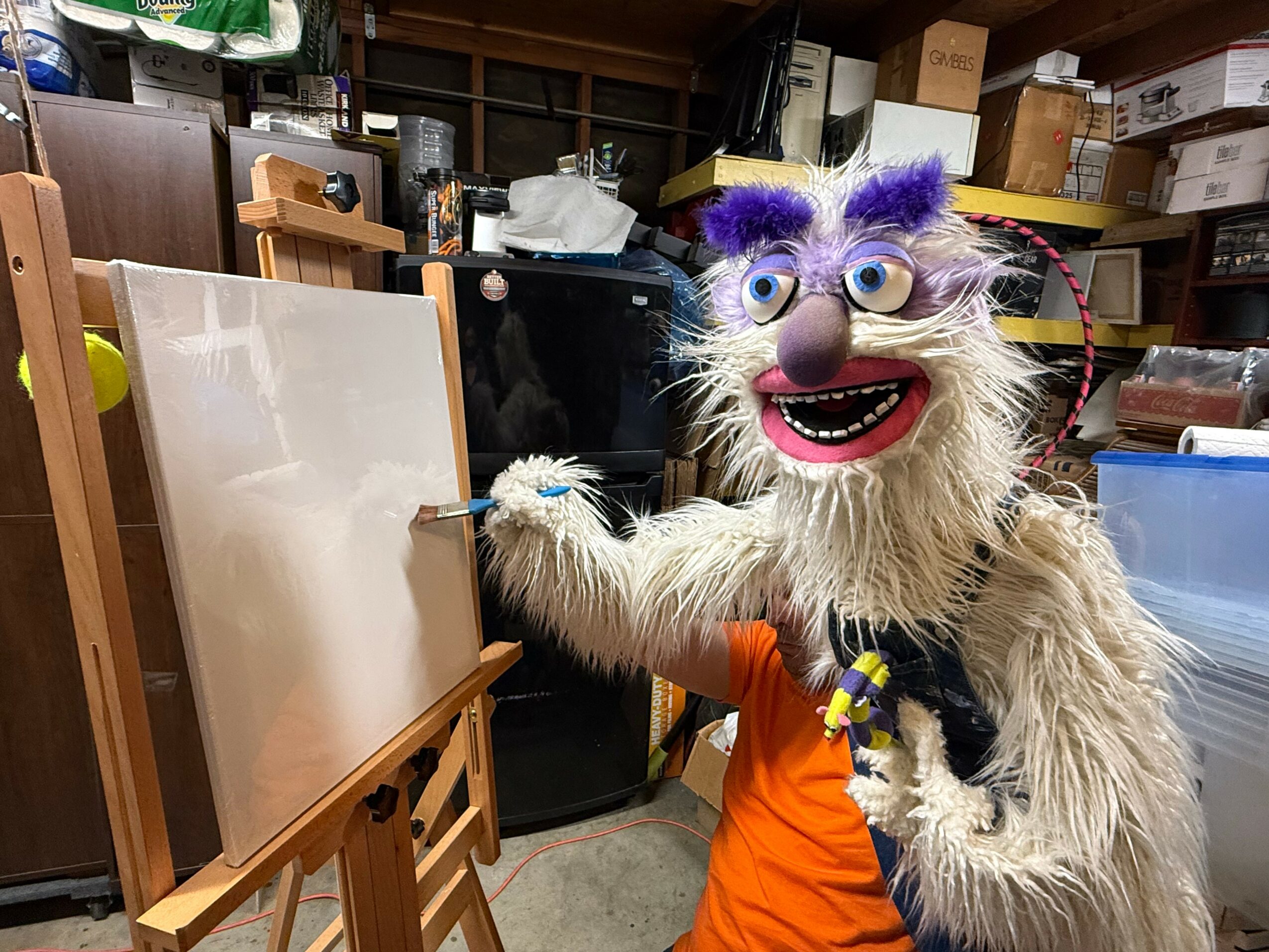
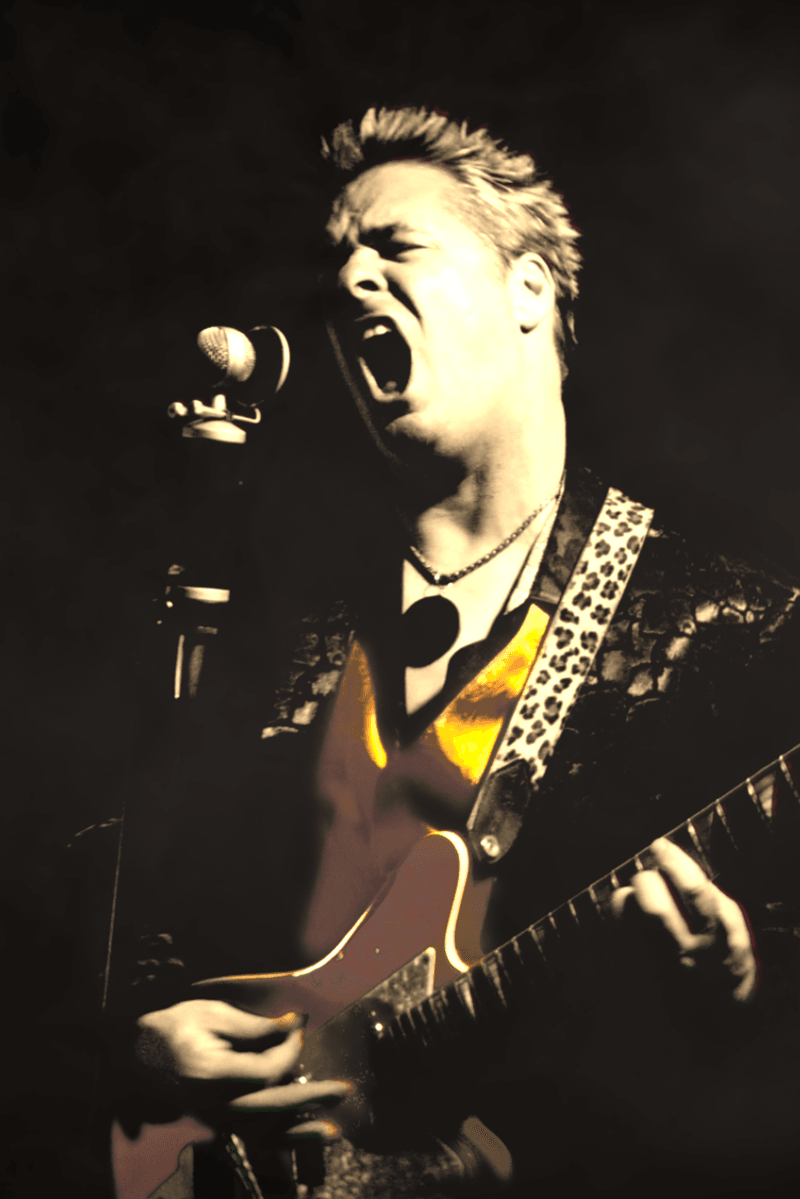
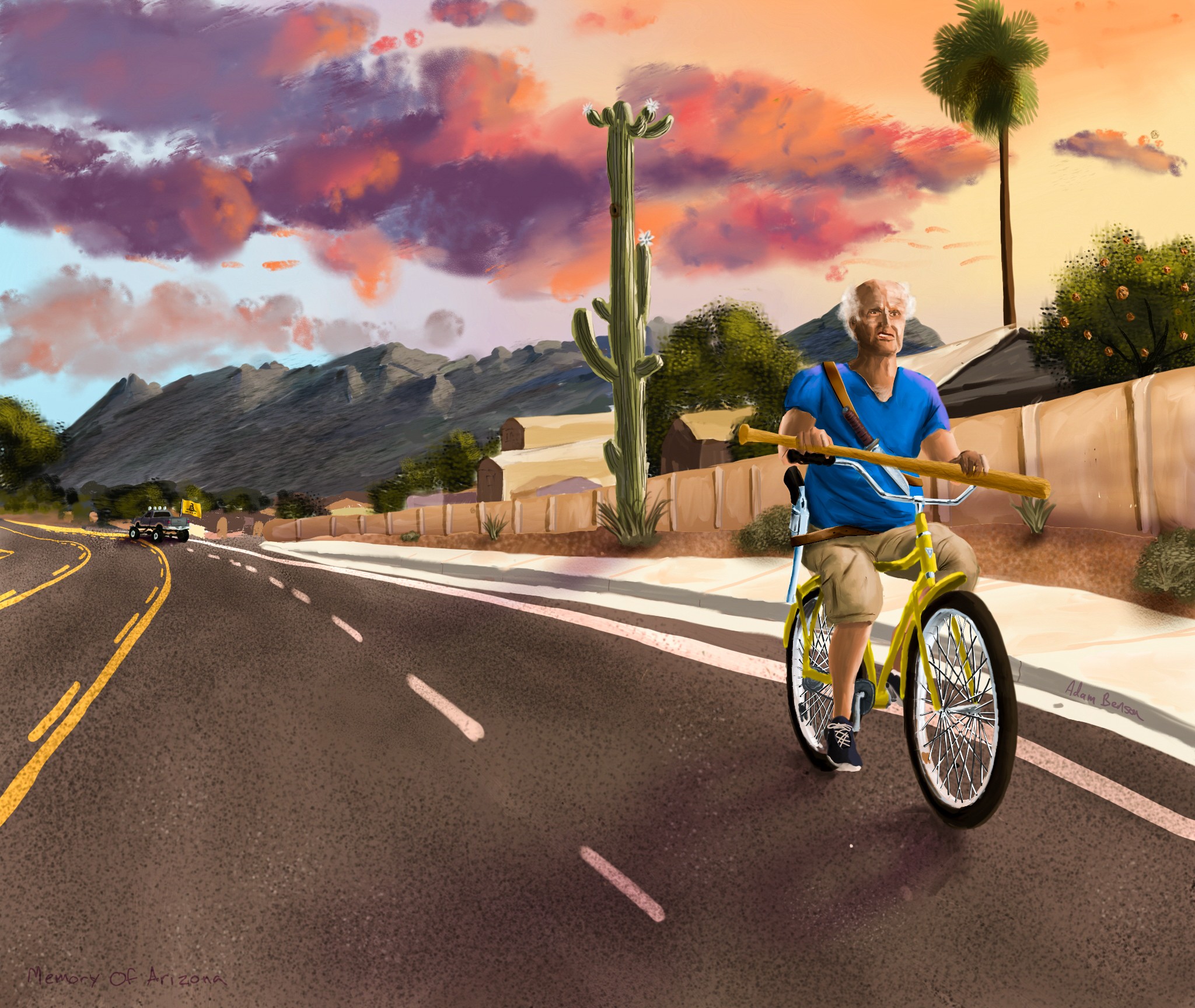
Image Credits
Adam Benson
Laura Barbera
Popular
-

What is something outside of work that is bringing you joy lately?
-

Local Highlighter Series
-
What did suffering teach you that success never could?
-

What are you most proud of building — that nobody sees?
-

Who were you before the world told you who you had to be?
-

If you could say one kind thing to your younger self, what would it be?


