




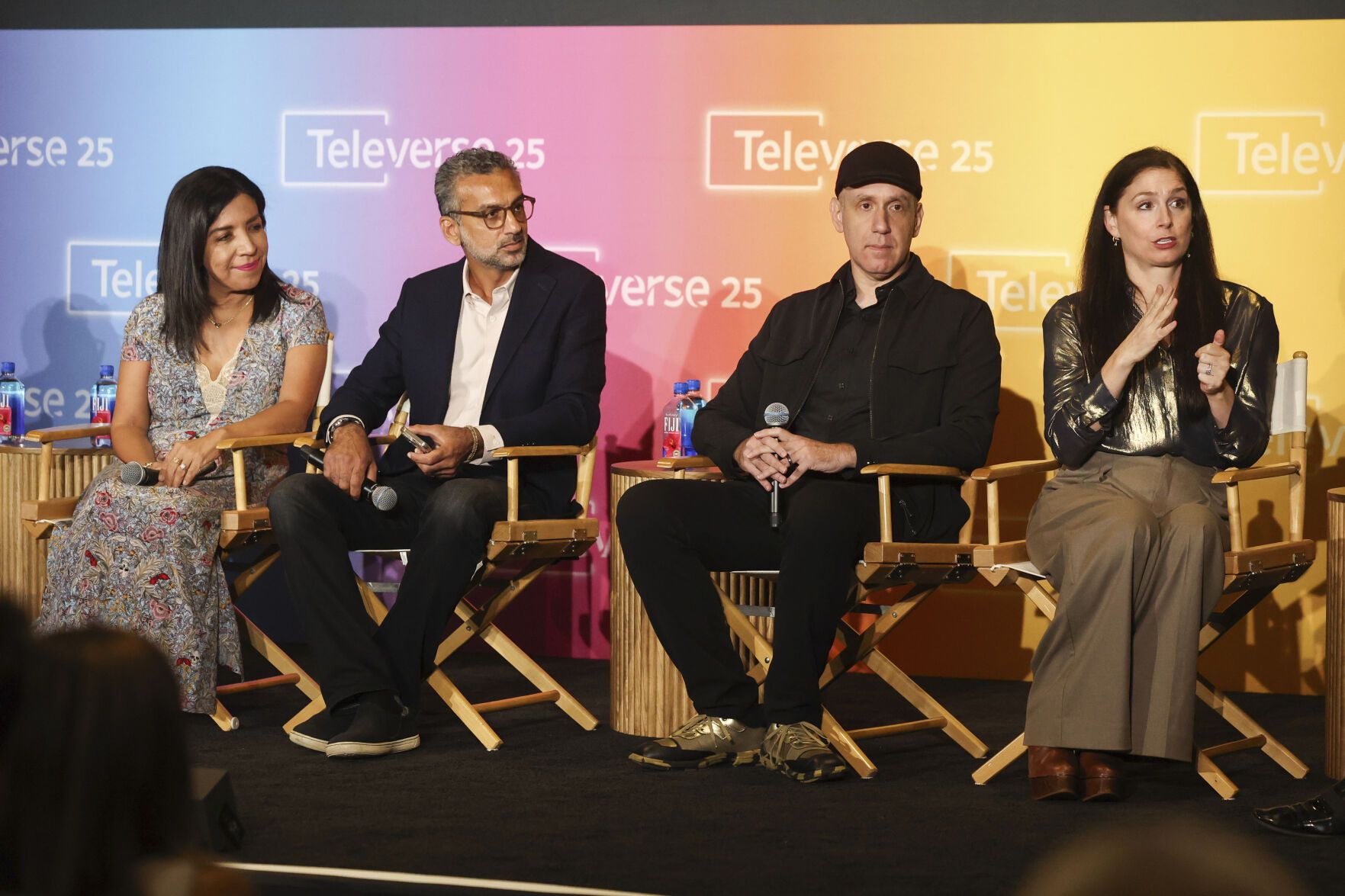
We’re looking forward to introducing you to Noam Dromi. Check out our conversation below.
Noam, we’re thrilled to have you with us today. Before we jump into your intro and the heart of the interview, let’s start with a bit of an ice breaker: What is something outside of work that is bringing you joy lately?
Honestly, what’s been bringing me the most joy lately is that my wife and I are fostering a rescue dog named Bear. He’s a Malinois/German Shepherd mix, which basically means he’s full of energy and keeps us on our toes. He’s definitely a handful, but since we don’t have kids, it’s been a really meaningful way for the two of us to connect by figuring out together how to care for this big, goofy, complicated creature. It’s been an adjustment, but also such a joy to see how much love he’s brought into our home.
Can you briefly introduce yourself and share what makes you or your brand unique?
I’ve always thought of myself as a restless storyteller. I’ve worked in film, television, theater, digital, even VR, and what connects all of it is curiosity. Right now, that curiosity is focused on Jewish storytelling in my role as Managing Director and Executive Producer at Reboot Studios, where our mission is to champion projects that expand the definition of Jewish creativity and show just how universal these stories really are. Whatever I’m working on, I tend to ask a lot of “what ifs.” What if Jewish stories weren’t just historical but futuristic? What if we used comedy to unpack collective trauma? What if emerging voices had the same platform usually reserved for the established ones?
Lately, I’ve been thinking about these questions in the context of something deeper: who gets to tell stories, and why? In Jewish tradition, there were maggidim, traveling storytellers who went from town to town with parables, humor, and moral urgency to help people make sense of a chaotic world. In many ways, I see myself as a modern maggid — not only in the telling, but also in the supporting. My work is about creating the space and support for other storytellers to bring narratives into the world that might otherwise remain hidden. That mix of curiosity, creativity, and stewardship is what excites me most, and what makes this work feel both timeless and urgently relevant today.
Amazing, so let’s take a moment to go back in time. Who taught you the most about work?
The people who taught me the most about work were my parents. My mom was American-born but spent years living in Israel in her twenties and thirties, and my dad immigrated from Israel to the U.S. Together, they built a life in Los Angeles and started a small distribution business that brought Jewish and Israeli periodicals to the West Coast. From an early age, my brother and I were part of it. We had paper routes for the company, which became our first real introduction to the discipline of showing up and following through.
They constantly reinforced that work wasn’t just about earning a paycheck but about being curious, entrepreneurial, and adaptive. That mindset shaped how I approached every little venture I tried growing up, from making balloon animals as a clown at kids’ birthday parties to working on film sets in my teens. What I absorbed from them is that there’s dignity in every kind of work, that resilience and flexibility matter as much as talent, and that creativity can coexist with hustle.
Their example gave me both the practical foundation and the worldview I still carry into my career today: that work is about contributing, about building something meaningful, and about staying open to new ways of doing things.
Was there ever a time you almost gave up?
There have definitely been moments when I felt like giving up. At this stage in my life, I can honestly say I’ve experienced more failure than success at scale. That’s been both humbling and clarifying. There were business and creative ventures I was convinced would succeed, only to watch them collapse despite my best efforts.
The hardest period came with the last company I ran before Reboot Studios. When it failed, everything unraveled. People threatened to sue me and my partners, we lost what we had built, and I felt like the ground had disappeared beneath me. In that moment, walking away from the industry altogether felt like the only option. But underneath the grief and exhaustion, I also knew I still had more to give.
What kept me going wasn’t the illusion that the next thing would be easier, but the recognition that meaningful work is messy. Failures sting, but they also clear the way for new opportunities and sharpen your sense of purpose. For me, it became less about chasing an outcome and more about staying in the work itself by continuing to create, collaborate, and contribute even when the road was rough.
I think our readers would appreciate hearing more about your values and what you think matters in life and career, etc. So our next question is along those lines. What are the biggest lies your industry tells itself?
One of the biggest lies my industry tells itself is that success is linear. That if you’re talented and work hard, the wins will stack up in a predictable way. The reality is far messier. I’ve had ventures collapse, companies fail, and projects I believed in that never made it past development. At times, that made me want to walk away entirely. But over the years I’ve realized that the real work is not about chasing certainty, it’s about staying in the game long enough to create the conditions for meaningful stories to find their way into the world.
That’s why my focus now at Reboot Studios is so important to me. We’ve built a space where the metric isn’t just commercial success but cultural impact by championing Jewish stories that are diverse, surprising, and often overlooked. Some of these projects may never be blockbusters, but they spark conversations, expand empathy, and preserve voices that matter. For me, that’s the antidote to the industry’s lie: not pretending that every story will be a hit, but committing to nurture stories that deserve to exist, no matter how long it takes.
Okay, so before we go, let’s tackle one more area. What is the story you hope people tell about you when you’re gone?
If people tell a story about me when I’m gone, I hope it goes something like this: He believed in the power of stories to make us more human. He stumbled plenty of times, but he kept going. He used his curiosity to open doors, not just for himself but for others. He made space for voices that might have been overlooked. He believed that stories belonged not only to the past but to the present and the future. And in the end, he left behind more than just projects. He left behind a community of storytellers who felt seen, supported, and inspired to keep telling their own stories. And if that’s the story they tell, it’s one I’d be proud to have been a small part of.
Contact Info:
- Website: https://rebooting.com/studio/
- Instagram: https://www.instagram.com/noamenclature/
- Linkedin: https://www.linkedin.com/in/noamdromi/
- Twitter: https://x.com/noamenclature
- Youtube: https://youtube.com/noamdromi
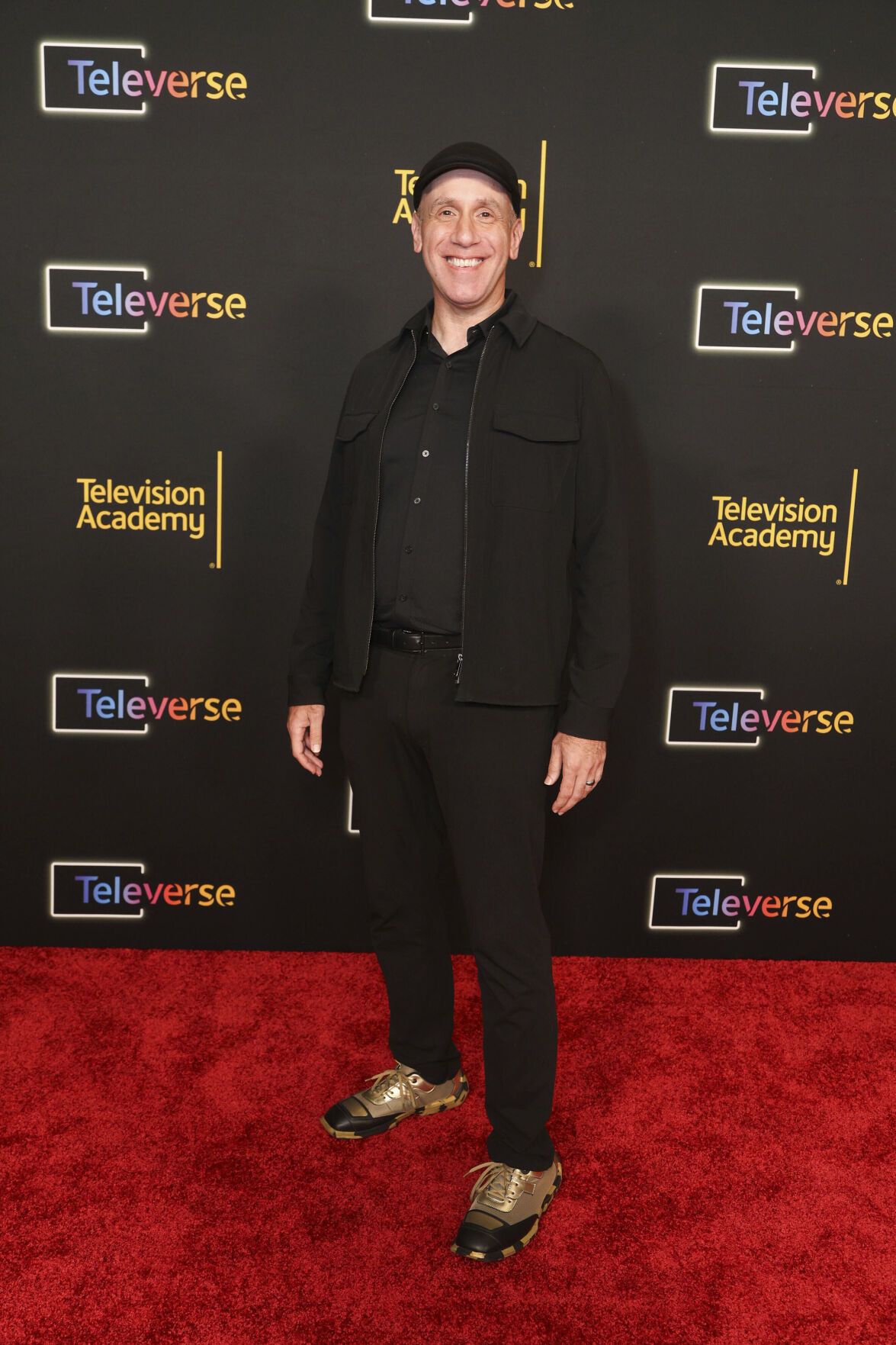
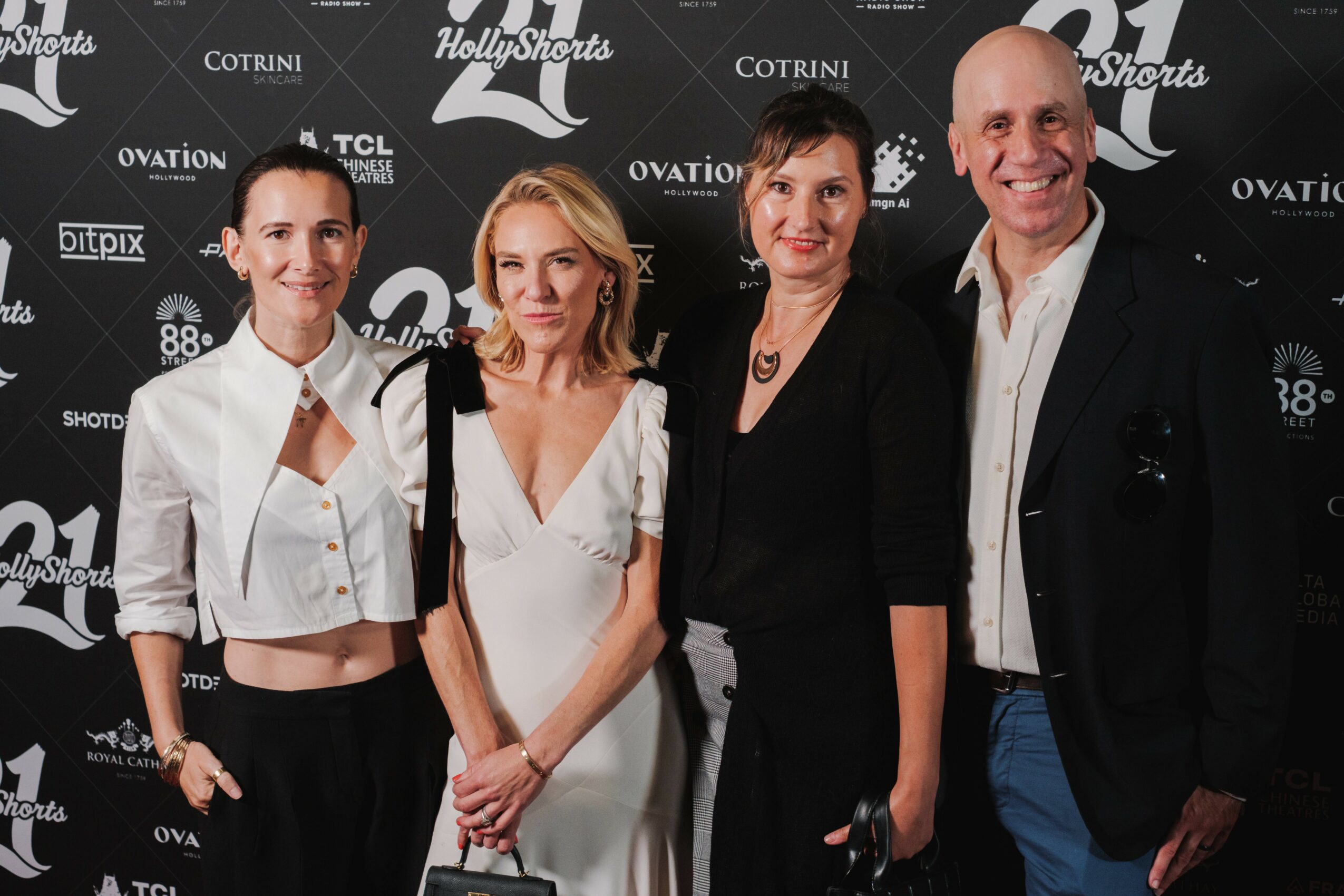
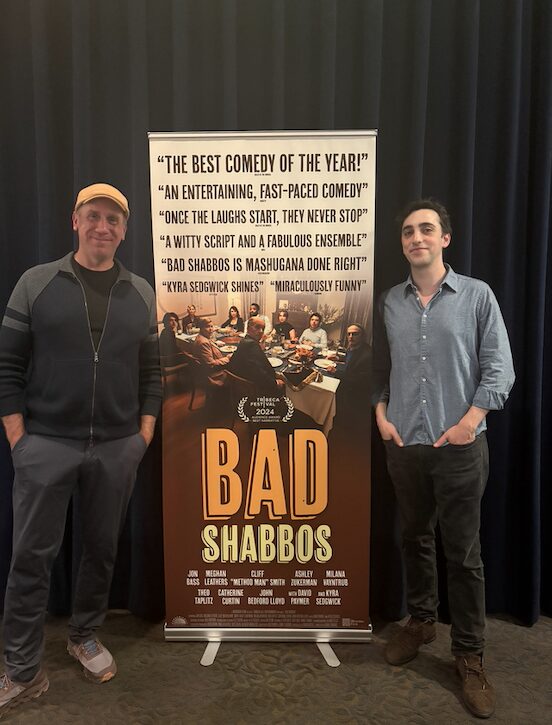
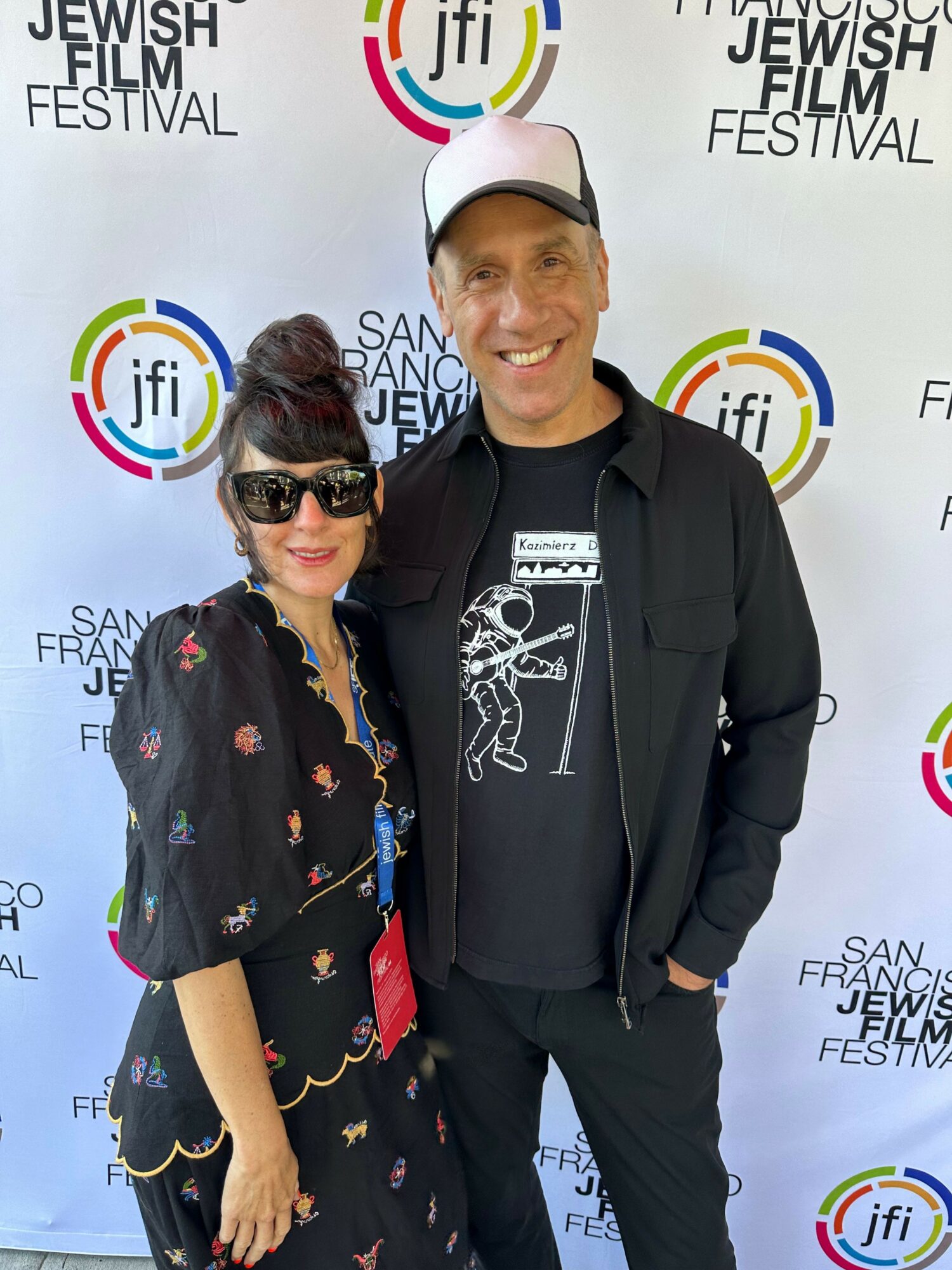
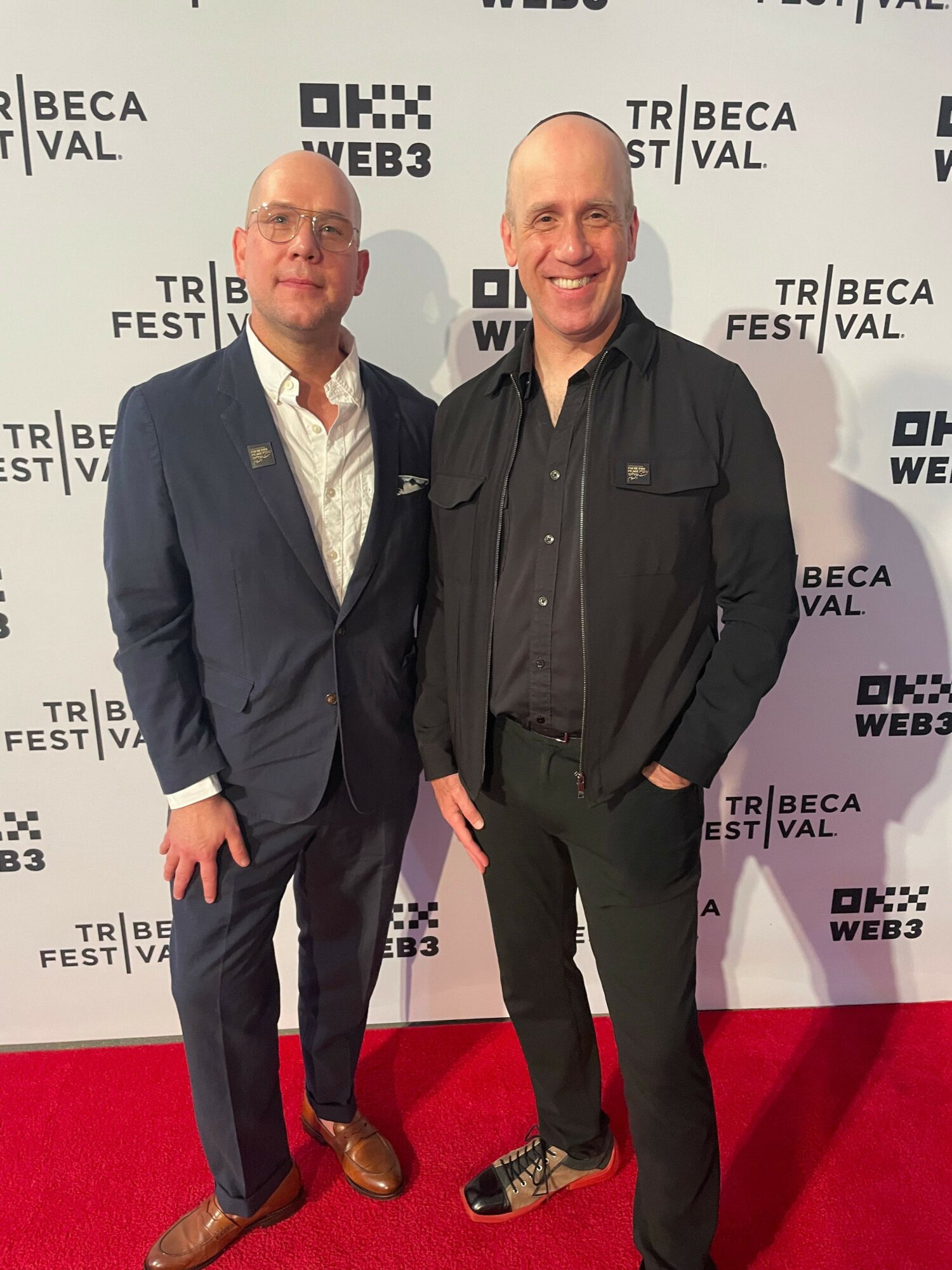
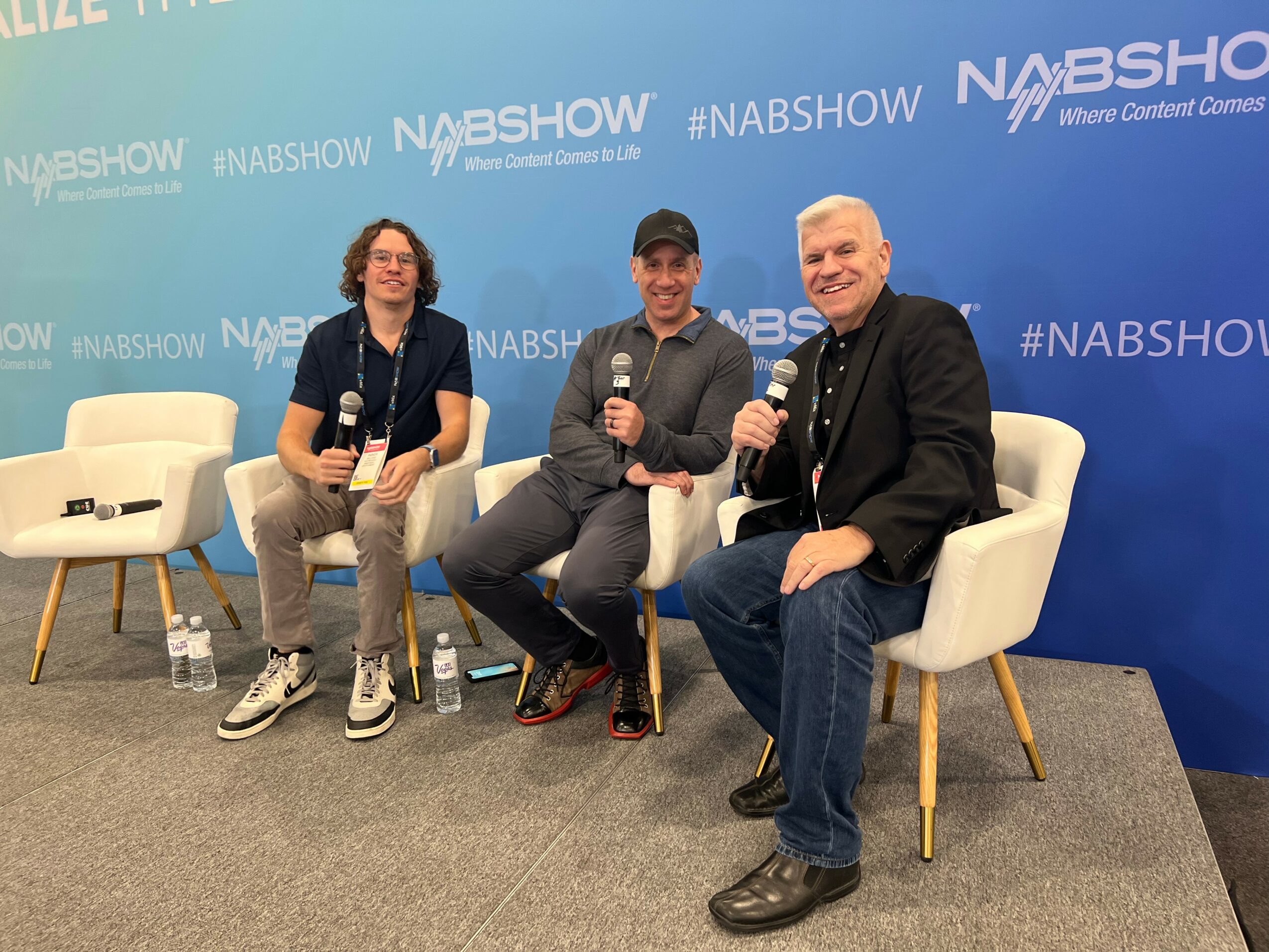
Image Credits
Elizabeth Reynolds
Popular
-

Portraits of the Valley
-

LA’s Most Inspiring Stories
-

Rick Norris Learned That Building a Successful Business Means Building a Life You Actually Want to Live
-

How Olivia Rush Turned Survival Into a Mission to Help Others Keep Going
-

How Bibi Goldstein Is Helping Entrepreneurs Reclaim Their Time by Embracing the Power of Delegation
-

Victoria Hasson is Redefining Voice Coaching Through Community and Collaboration


