




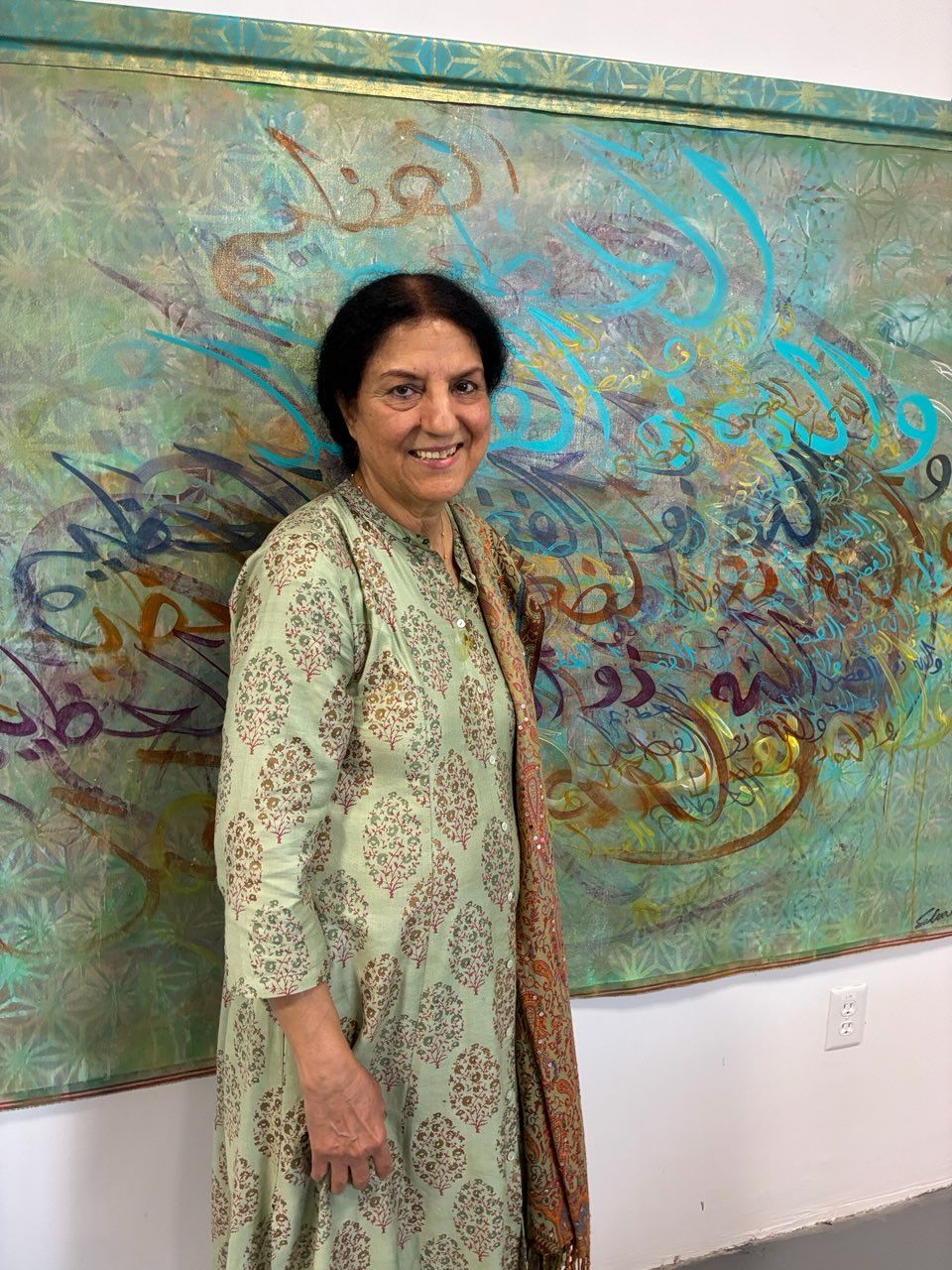
Today we’d like to introduce you to Salma Arastu.
Hi Salma, we’d love for you to start by introducing yourself.
Flowing Through Faith, Form, and Earth
by Salma Arastu
For more than five decades, I have lived my life through art—painting, sculpting, writing, and creating as acts of connection and devotion. As a multidisciplinary artist based in Berkeley, California, I continue to find meaning in the flow between form and spirit. My work—over two thousand paintings, three public sculptures, seven books, performances, installations, and more than fifty solo exhibitions—has always sought one truth: that we are all connected through the language of beauty and compassion. My current series, Soil and Soul, extends this search into the realm of ecological consciousness, exploring our shared responsibility toward the Earth.
I was born in Rajasthan, India, the tenth child of a Sindhi Hindu family displaced by Partition and born with a left hand without fingers. Those early experiences of displacement and difference shaped my understanding of resilience. Art became my refuge, my purpose, and my bridge to belonging. Over time, my creative voice came to rest at the meeting point of cultures and faiths—rooted in Indian tradition, enriched by Islamic spirituality, and open to the world.
After graduating from the Maharaja Sayajirao University in Baroda in 1974, I married and embraced Islam, a decision that at first created distance from my family but opened new spiritual doors. From that moment, my personal and artistic journeys became inseparable. Every migration, every transition, has influenced the colors I choose, the lines I draw, and the stories I tell.
When I lived in Iran and Kuwait from 1976 to 1986, I found myself surrounded by the rhythms of Islamic art—geometry, repetition, and the lyrical power of Arabic calligraphy. Those forms continue to pulse through my paintings today. In the 1970s and 1980s, my abstract works inspired by energy and rhythm in nature were exhibited widely in India and the Middle East, and two were acquired by the Salar Jung Museum in Hyderabad—an early affirmation that my voice had found its place.
Immigrating to the United States in 1986 brought both challenge and renewal. In a culture dominated by abstraction, I began to reinvent my visual language. Using miniature-inspired figures, folk patterns, and intricate pen-and-ink details, I created layered narratives about identity and belonging. This work evolved into my Myth and Mystery series, which gained recognition in the 1990s through solo exhibitions in Pennsylvania and New York. My pieces entered museum collections in Allentown and Harrisburg, and thoughtful reviews by William Zimmer and Charlotta Kotik encouraged me to keep expanding.
In 2000, a residency in Schwäbisch Gmünd, Germany, gave me the chance to explore new artistic terrain, while the events of 9/11 profoundly changed my creative direction. My large painting commemorating the tragedy was later acquired by the 9/11 Memorial Museum. From that moment, my Flow of Humanity series emerged—large canvases filled with calligraphic lines transforming into people moving together, merging, and embracing. Through these works, I began expressing a deep conviction: that compassion is the highest form of faith.
Moving to the San Francisco Bay Area in 2006 marked another turning point. Immersed in the poetry of Rumi and the teachings of the Qur’an, I created a series of large-scale calligraphy paintings that celebrated divine love and unity. Support from the East Bay Fund for Artists and the City of Berkeley allowed me to realize projects such as Turning Rumi: Singing Verses of Love, Unity and Freedom, Celebration of Calligraphy, and Unity of Sacred Texts and Symbols. These works combined scholarship and sacred art, weaving together my devotion and my desire to build bridges between communities.
International recognition soon followed. In 2011, I presented my paper Art Informed by Spirituality at the University of Münster’s symposium God Loves Beauty. My public art projects—Dancing with the Stars (San Diego, 2010) and Celebration of Life (Bethlehem, Pennsylvania, 2011)—brought my visual language into open space, where communities could experience it together. My museum exhibitions at the Triton Museum of Art, the Museum of Contemporary Religious Art in St. Louis, and the Peninsula Museum of Art further affirmed my dialogue between faith and form.
In 2015, I had the honor of meeting Peter Selz, the late curator from the Museum of Modern Art, who wrote of my work: “Her brush produces fluid shapes of joyful dancers set against abstract patterns.” His words captured exactly what I strive for—a sense of joy emerging from depth and devotion.
A residency in Morocco in 2018 enriched my visual vocabulary with new textures and symbols. In 2020, the East Bay Community Foundation awarded me a grant for Our Earth: Embracing All Communities, a project inspired by Qur’anic verses on ecology and accompanied by essays from Islamic scholars. The book that grew from this work became the foundation for my ongoing Soil and Soul series, where spiritual reflection meets environmental awareness.
Recent years have brought new milestones: the publication of my poetry collection Seeking Oneness: Connecting Humanity, Soil and Soul (UK, 2024); the installation of my eight-foot aluminum sculpture Let’s Dance Together in Emeryville; and artist residencies in Itoshima, Japan (2025) and Emeryville, California (2025).
Looking back, I see my life as a continuous flow—across geographies, traditions, and disciplines—guided by the same inner rhythm. My art has always been a form of prayer, a way of transforming separation into connection. Today, my focus on environmental stewardship grows from that same spiritual root: the oneness of all creation.
As I enter my seventh decade, I feel energized to keep creating, collaborating, and giving back. I have founded Oneness Projects, a nonprofit dedicated to art, ecology, and cross-cultural dialogue. It is both a continuation of my journey and a promise for the future—to nurture compassion, creativity, and awareness in a world that needs them more than ever.
Can you talk to us a bit about the challenges and lessons you’ve learned along the way. Looking back would you say it’s been easy or smooth in retrospect?
It has definitely not been a smooth road. Struggles and compromises have been part of my journey, but I’ve learned that what truly matters is how we respond to them. I’ve always believed in moving forward with faith and gratitude, no matter how difficult the path became. My spiritual upbringing, especially the guidance I received from my mother, gave me the strength to accept challenges with grace and keep creating.
Moving from one country to another, starting over each time, was both emotionally and physically exhausting. When my husband and I came to the United States with two growing children, we faced financial hardships and uncertainty. It was not easy balancing survival with artistic dreams. Yet, our love for our work and the support we gave each other kept us going. Looking back now, I feel grateful for every struggle—each one shaped me, deepened my art, and strengthened my sense of purpose.
As you know, we’re big fans of you and your work. For our readers who might not be as familiar what can you tell them about what you do?
My works are lyrical, spiritual, layered and flowing, revealing the stories of unity in diversity, hope and connection, celebration of earth and women. The common thread running through my work is that I am seeking oneness among humanity, soil and soul.
Arabic Calligraphy, miniatures, and the folk art are strong influence on my work. I have tried to bring together Eastern spirituality and Western techniques of painting learned over the years. Through contrasting elements in my work, I yearn and search for unity and balance.
I work in a series, and each new series has evolved from the previous series. My most recent exploration looks at mycelia, the great coordinating, underground connection system in forests. Mycelia is my new muse! And for the first time I am adding scientific investigation and research to a project that includes my usual spiritual inquiry and spontaneous explorations of form. Through my explorations in these life-giving networks under our feet, creating visual images of these connections and collaborations satisfies my soul. I hope to bring humanity together with lessons learned from nature.
My story begins with a line and the lines that I create represent the spiritual energy that emanates from my soul. My method is a physical and meditative process that fills each canvas with moving lines and multi-layered textures. For me creating art means getting physically involved with the piece: scratching, sanding, layering materials like paper, rope, modeling paste, paper-mâché or copper plate, and embroidering with pen and ink. I apply thin layers of acrylic color in between adding textures and this working process brings out subliminal images. Presently I am painting with rust and using natural materials like twigs, grasses and leaves.
In my studio mysteries are revealed each day and I feel awed and inspired to delve further into the unknown fearlessly and look out for new visions emerging on my canvas. I feel blessed because I was born with two wings- the urge to create and a love for Creation. Both these gifts have been sources of eternal joy and a constant flow of positive inspiration in my life. I work daily and hope to spread the joy and blessings I
have received through my work.
Any advice for finding a mentor or networking in general?
I think having a mentor is always helpful—they can guide you, clear your doubts, and share valuable experience. Early in my career, I had a wonderful professor who truly inspired me. Later on, curators and artist friends offered support in different ways. I even worked with a few consultants, though not every experience turned out the way I hoped. I realized that while advice can be useful, you always have to trust your own instincts and strengths.
Networking has also been very important for me. It doesn’t cost anything, and you meet people from different backgrounds who share ideas and opportunities. Some suggestions work; some don’t—but every connection teaches you something. In the end, I’ve learned to listen, stay open, and then make my own decisions based on intuition and experience.
Contact Info:
- Website: https://www.salmaarastu.com
- Instagram: https://www.instagram.com/salmaarastu/
- Facebook: https://www.facebook.com/salma.arastu
- LinkedIn: https://www.linkedin.com/in/salmaarastu/
- Youtube: https://www.youtube.com/@salmaarastu
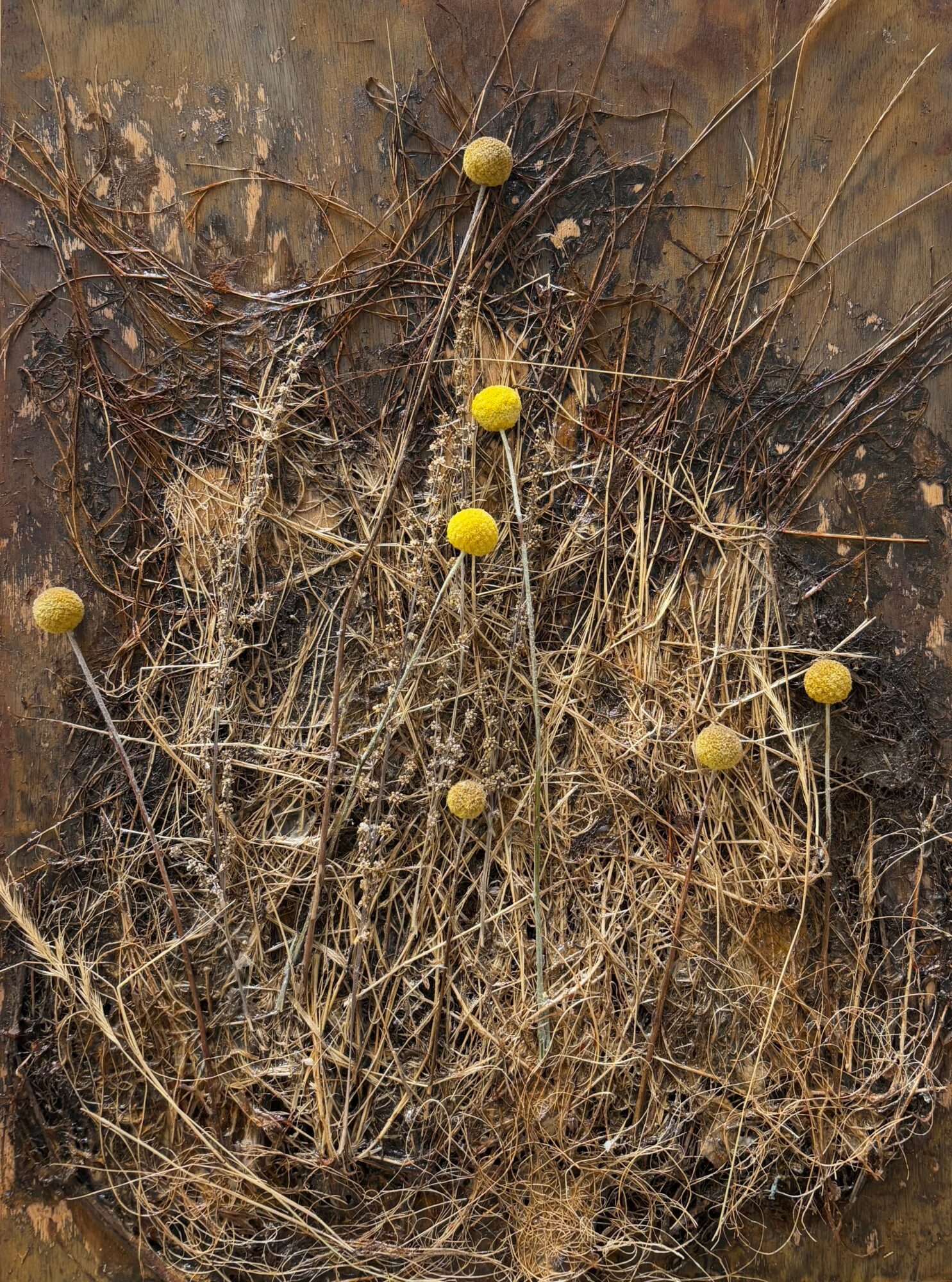
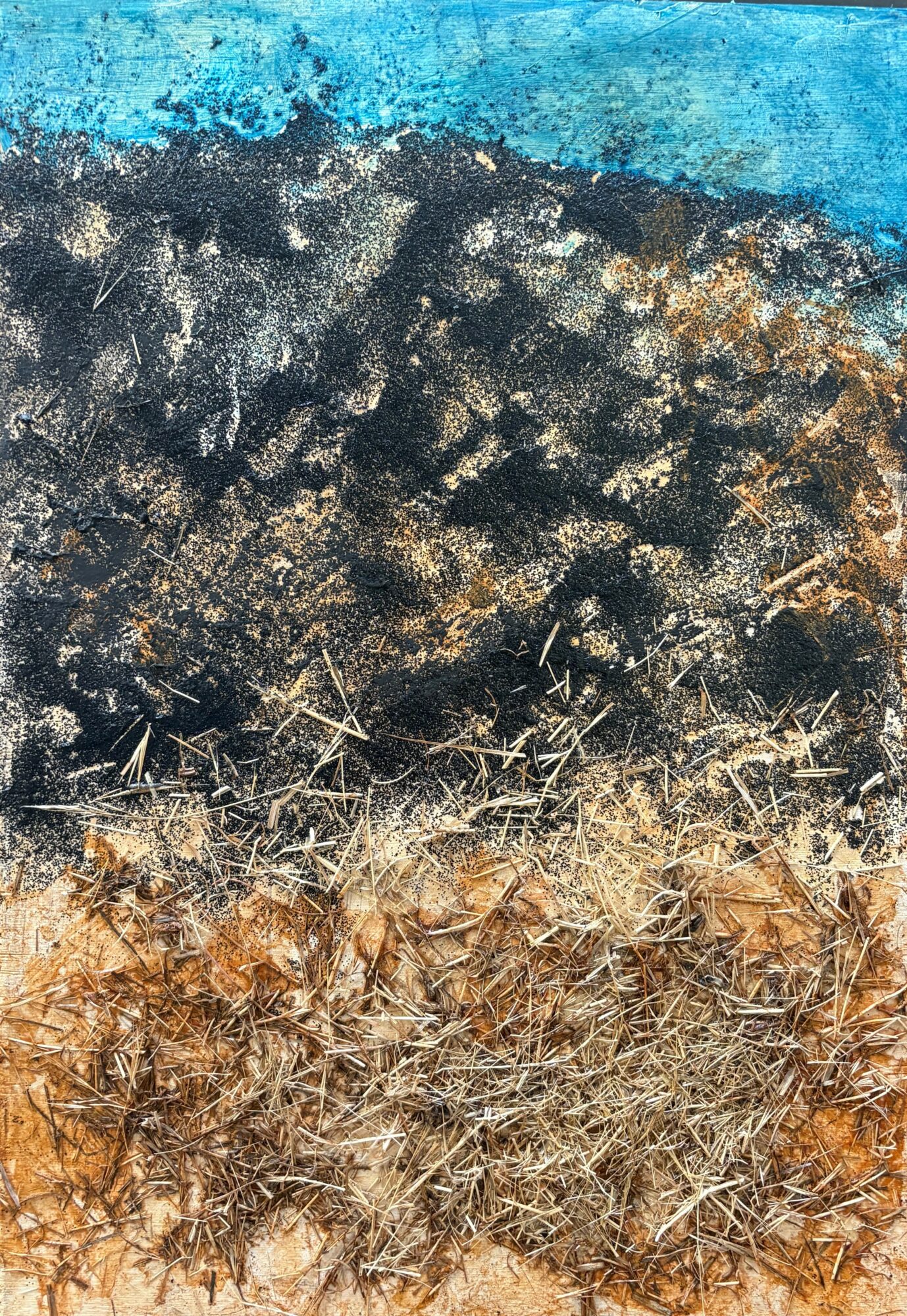
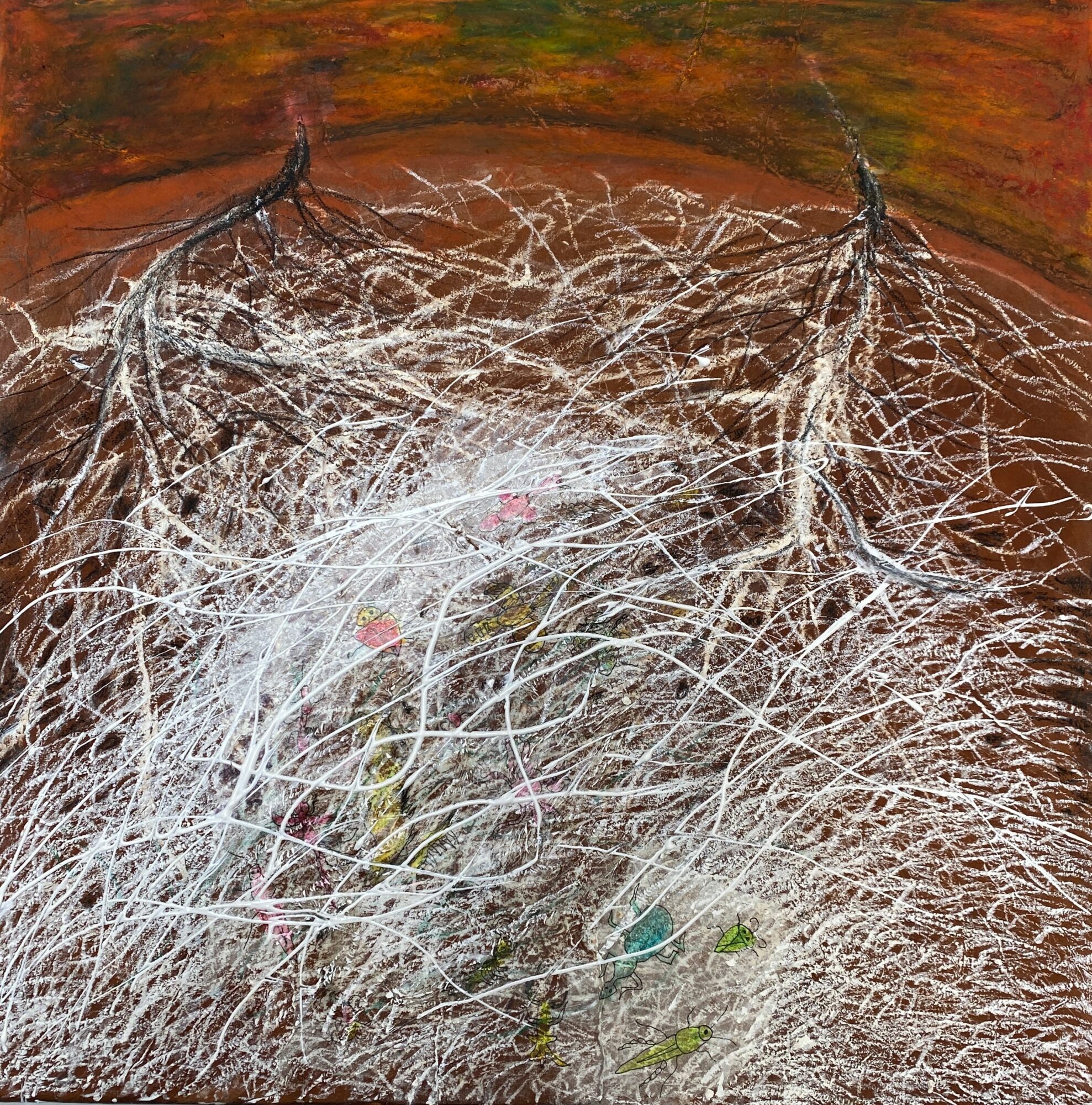
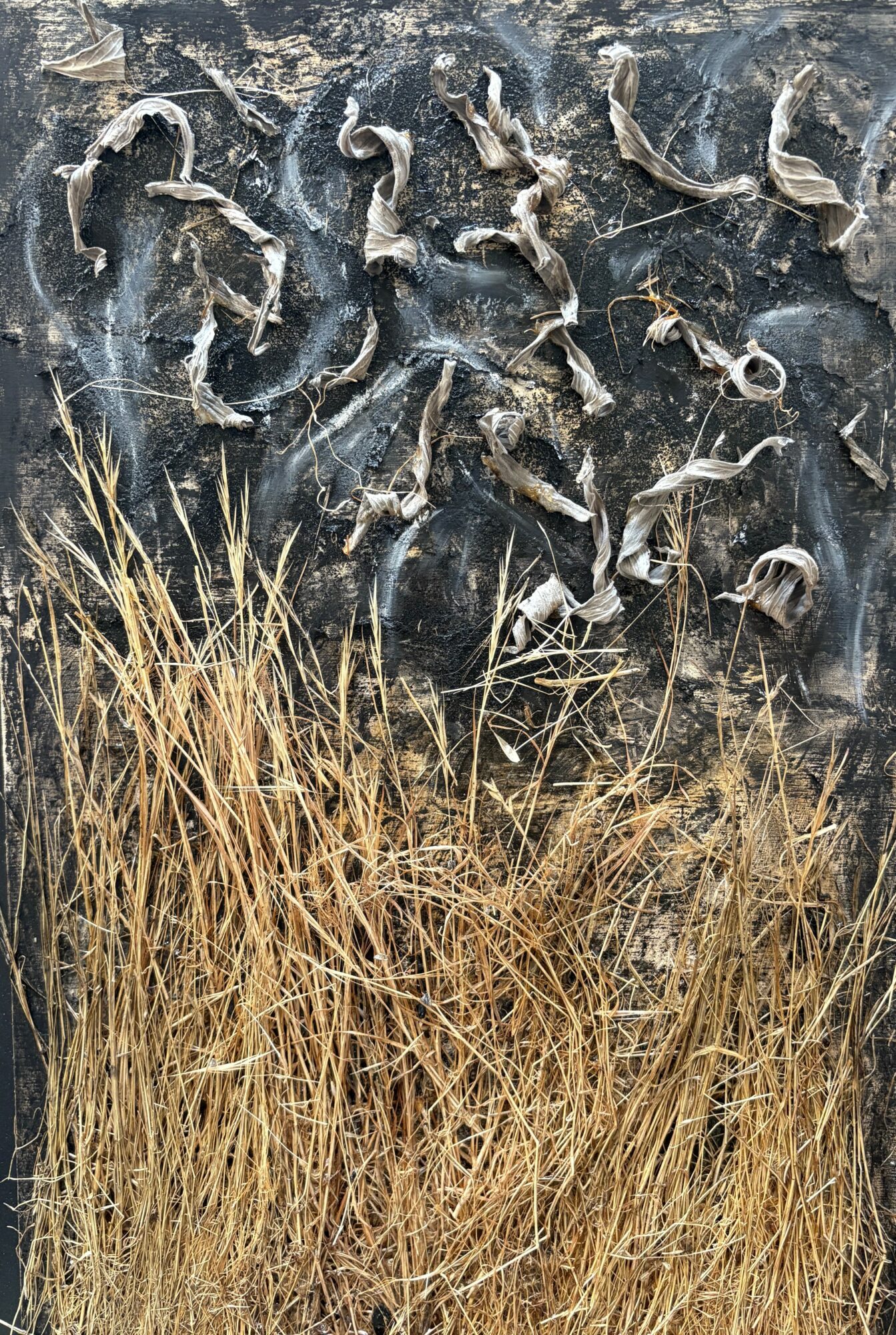
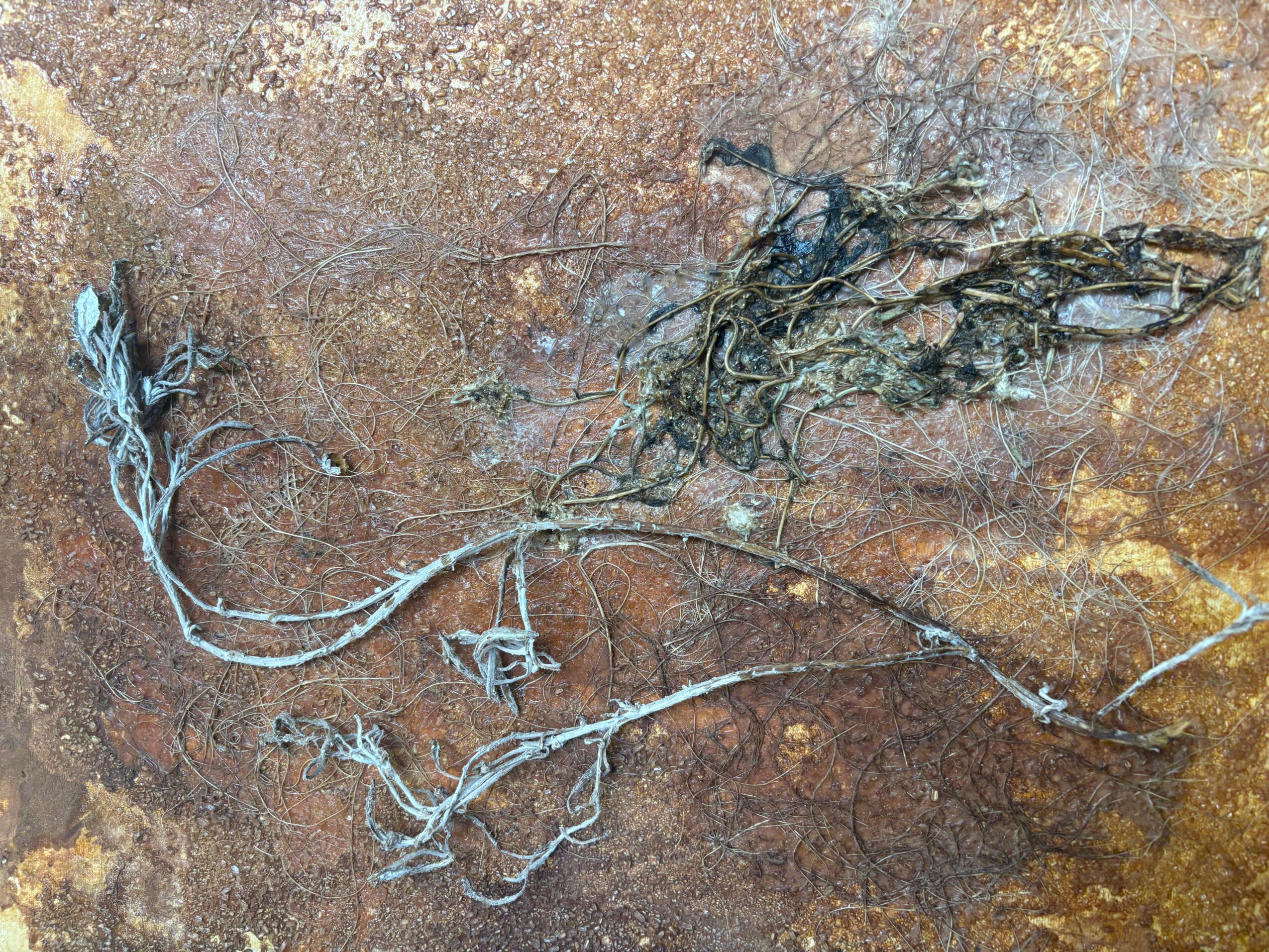
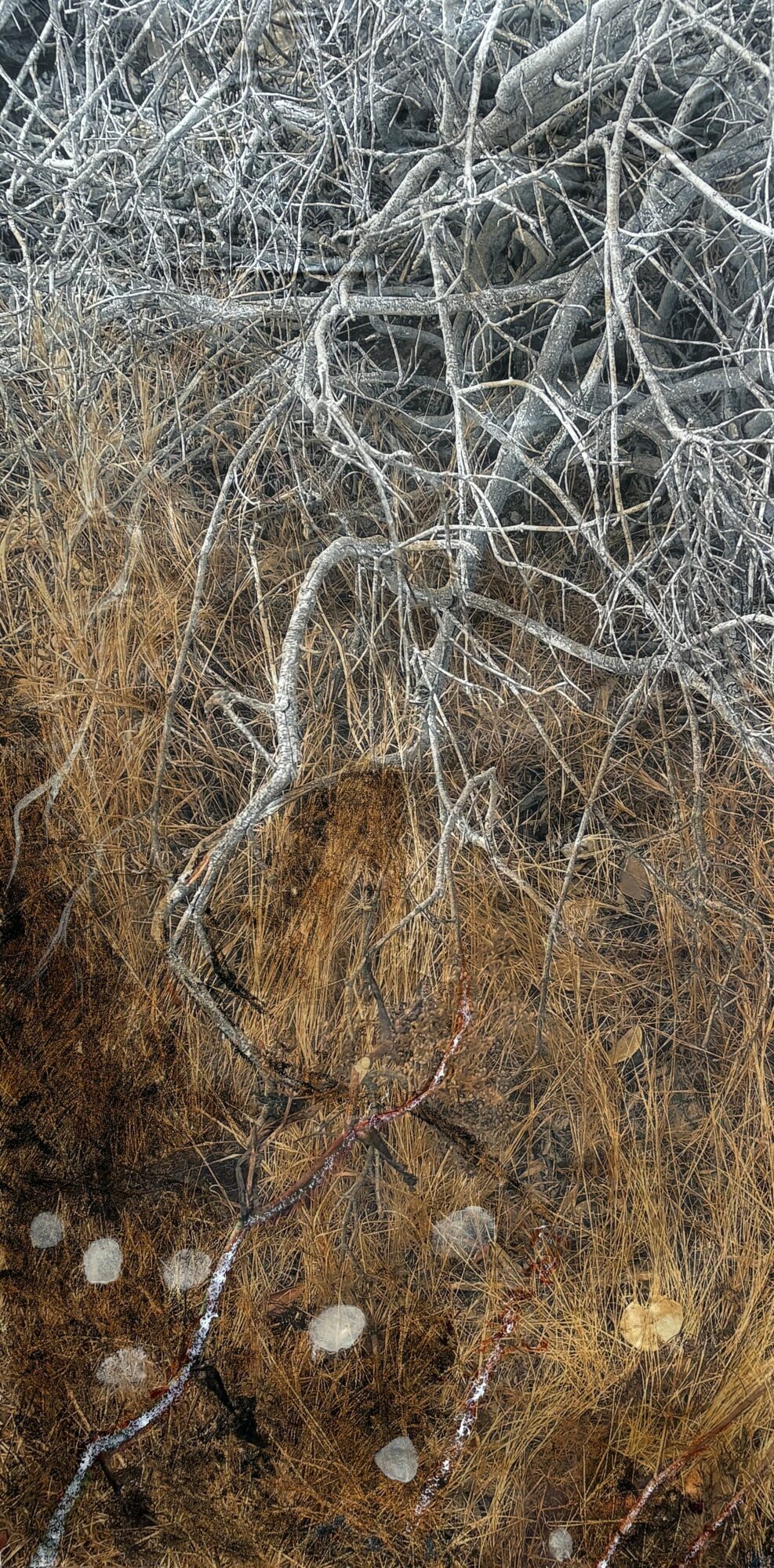
Image Credits
Portrait by Elizabeth Addison
Popular
-

Portraits of the Valley
-

LA’s Most Inspiring Stories
-
Robin Olive on Building an Inclusive Performing Arts Movement and Expanding Opportunities for Every Student
-

Que Johnson on Building Brands That Last: From Visibility to True Market Authority
-

Christina Wren Steps Into the Director’s Chair to Tell Stories That Feel Like Home
-
JordanL on ‘Breathe,’ Belief, and Building a Movement Beyond the Music


