




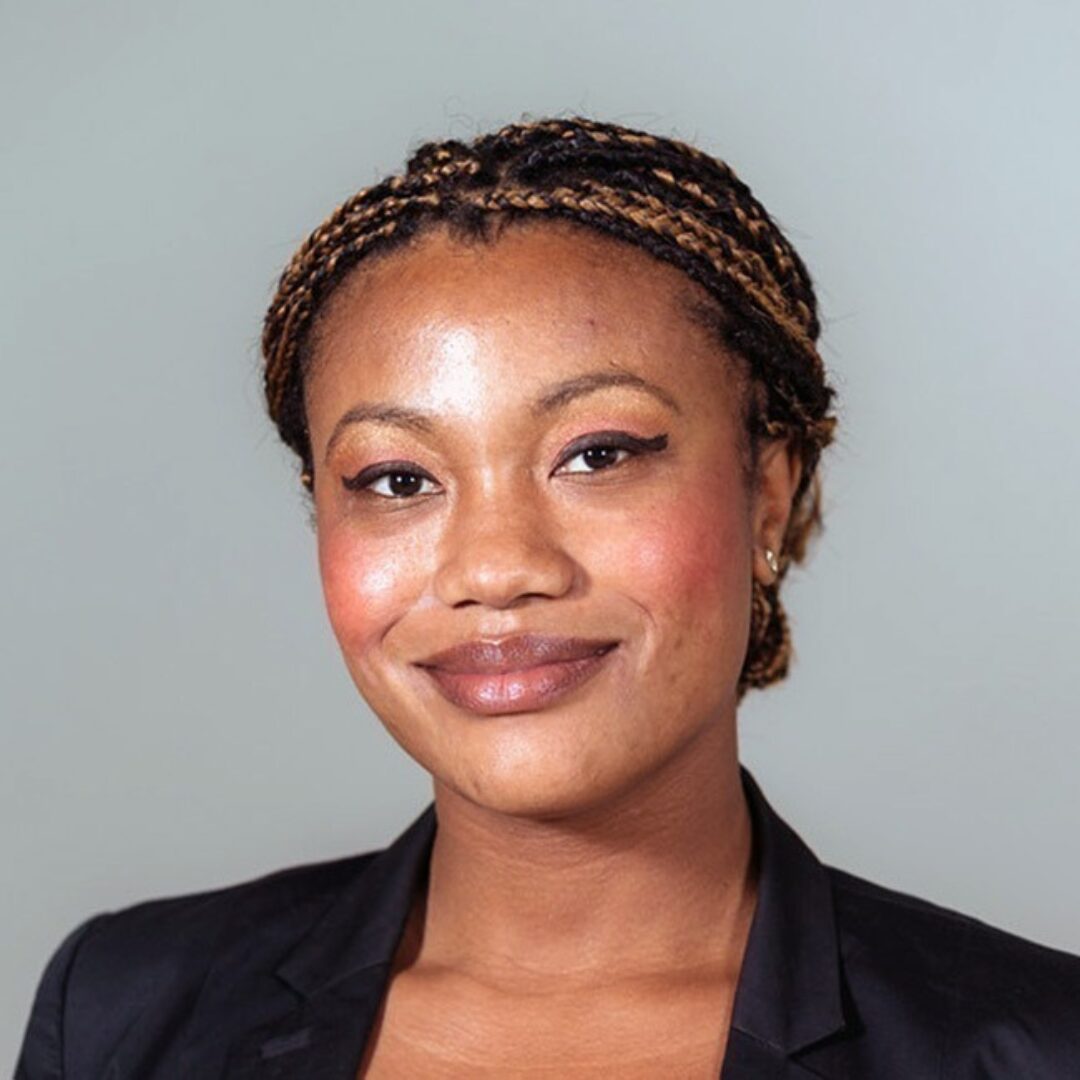
Today we’d like to introduce you to Rayshell Chambers.
Hi Rayshell, please kick things off for us with an introduction to yourself and your story.
Hi, my name is Rayshell Chambers. I’m a Black woman from Oakland, California, and I come from a family of advocates, organizers, and farmers—going back to our enslavement on this Earth. I believe that lineage is what led me to where I am today. I am a co-founder and the current Executive Director of Painted Brain, a Los Angeles based mental health services organization.
I started Painted Brain because I’m a woman with that ancestral background and a woman with lived experience of mental health challenges. I’ve struggled with mental illness for most of my life but have always believed there was hope. My late mother instilled that belief in me—hope through community and connection.
At Painted Brain, we provide mental health practice training for individuals with lived experience, as well as services and treatment for people with serious mental illness and those with justice-involved backgrounds. We’re also involved in policy and legislative work in California. Everything we do is rooted in our early vision of creating community and empowering those who’ve often been unheard—giving them the agency to take control of their lives.
Painted Brain initially began as a community-based project 20 years ago by Dave Leon, a social worker. About 10 years into that journey, I connected with Dave and Eli David Israelian, a tech minded entrepreneur, and the three of us decided to incorporate Painted Brain as a company, coming together around the same mission: to create a space for people with mental illness to thrive, build community, and function in all areas of their lives. That might sound big, but at its core, it’s very practical.
We all met while working at another organization, where I was developing human service programs and fundraising. It was one of those opportune moments where three people who needed each other crossed paths. Together, we built what is now a mental health organization that employs nearly 40 people.
We all face challenges, but looking back, would you describe the journey as a relatively smooth road?
It has definitely not been a smooth road, but I don’t think anything in life is. The earth itself isn’t smooth to walk across, so I don’t believe we were meant to have a smooth path either.
Early on, we were three friends who thought we could use arts, advocacy, and enterprise to start a company in an already crowded space. We learned quickly that building community and connection also requires structure—things like boundaries, insurance, policies, procedures, and a clearly stated vision and values.
The process of structuring the organization contained the growing pains they don’t teach you about in school. No one tells you what kind of insurance you’ll need, or how the responsibilities pile on once you become an employer—especially in California where laws are constantly changing.
There’s truth in the saying, “To whom much is given, much is required.” When we first started, I don’t think we fully valued the gift we had or understood the scope of what we were building. We were driven by passion, but maybe not always by maturity.
One of the biggest lessons I’ve learned—especially now that we’re more involved in policy change—is the importance of shared values and structure. With that in place, you can build something beautiful. You can create civic-centered services, support employee wellness, and foster a workplace where both employees and clients thrive together in community.
Our early struggles gave us the opportunity to build a strong foundation while remaining unapologetic about the heart of what brought us together: using arts, advocacy, and enterprise to support people living with mental illness.
Do you have any stories about the grant landscape and how it has been a challenge?
Yes, definitely. The grant landscape is a real challenge, especially for nonprofits.
The word “grants” can mean a lot of different things, such as contracts, foundation support, or wealthy individuals donating money. But no matter the source, the grant environment has really dried up compared to when I first started the company.
Many organizations look to foundations for grants, but foundations typically only give out about 3–10% of their budgets, and that’s not enough to sustain an organization. Many grants are also often time-specific and project-based, not structured for long-term sustainability. So, if your organization relies solely on grants, you’re constantly at risk for funding reductions.
At Painted Brain, we still apply for grants, but we don’t depend on them to fund our core mission. Instead, we look for ways to diversify revenue and build sustainable pathways. That’s how we support our goal of offering anti-racist, liberated, client-centered services.
Looking ahead to the rest of 2025 and beyond, I believe that nonprofits relying heavily on grants will need to consolidate services with other organizations. The old model just isn’t sustainable. Grants are becoming more supplemental: they’re a way to support public or commercial services, but they can’t be the only source of funding.
At Painted Brain, we’ve been clear that we don’t want to become a mini government agency or get lost in the nonprofit industrial complex. Grants are a tool, not a lifeline, and understanding that distinction has been key to our growth and our ability to stay true to our mission. That’s why it’s so important for communities, foundations, government entities and donors to fund nonprofits that can demonstrate exemplary track records, for those are the organizations that will be able to maximize the impact of every awarded penny.
Contact Info:
- Website: https://www.paintedbrain.org
- Instagram: https://www.instagram.com/thepaintedbrain
- Facebook: https://www.facebook.com/PaintedBrainLA/
- LinkedIn: https://www.linkedin.com/company/painted-brain/
- Twitter: https://twitter.com/ThePaintedBrain
- Youtube: https://www.youtube.com/c/PaintedBrainla
- Other: https://www.tiktok.com/@thepaintedbrain
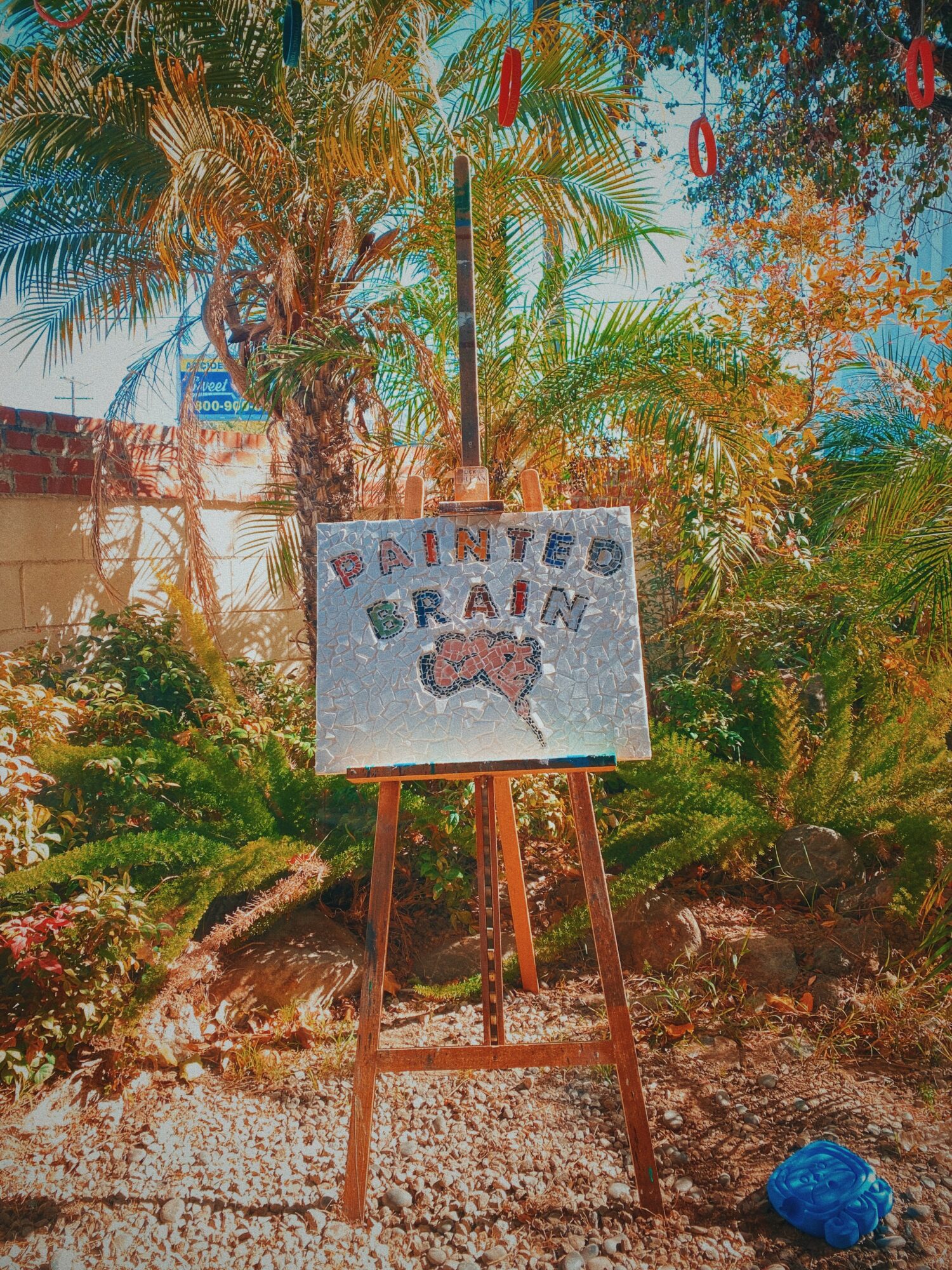
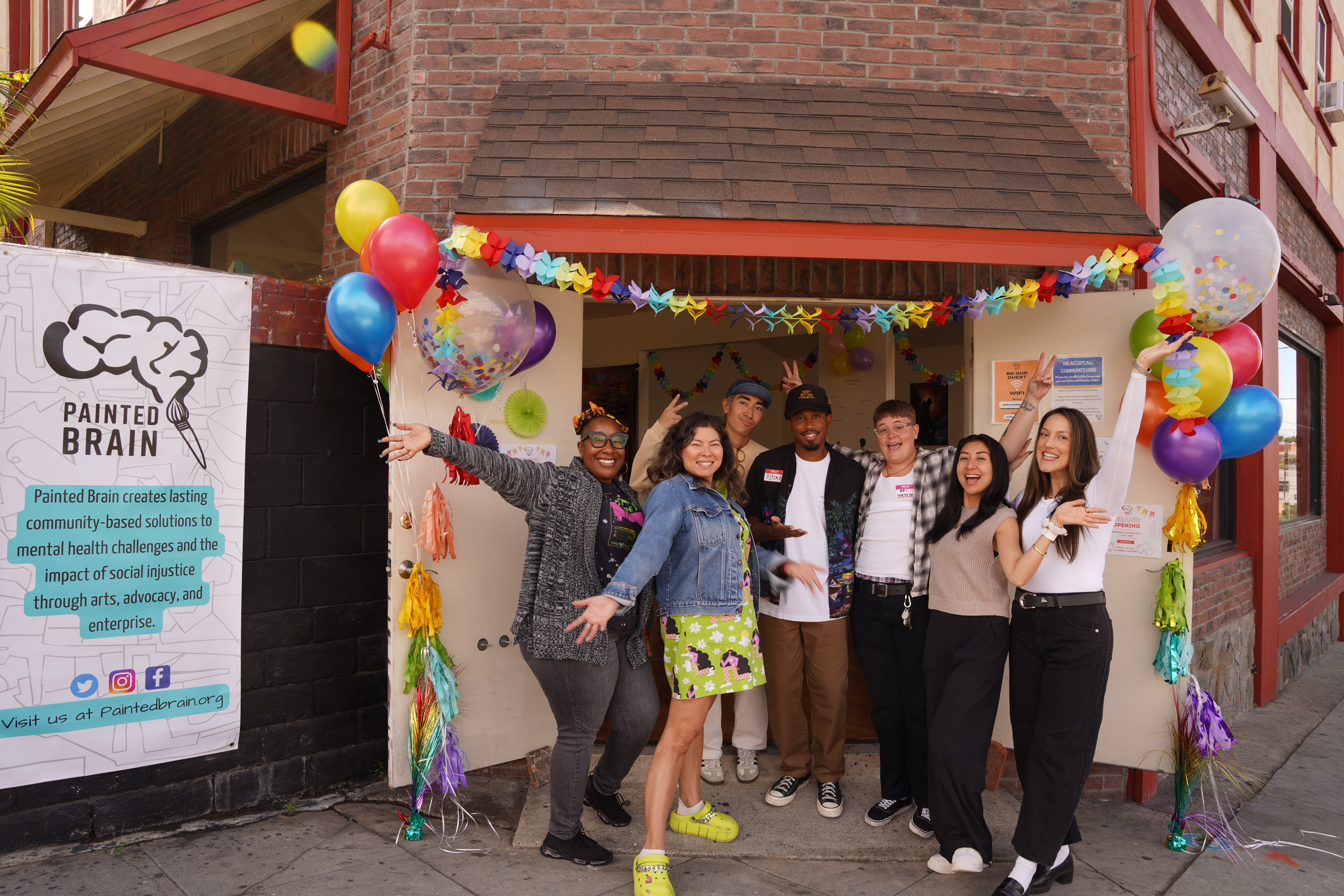
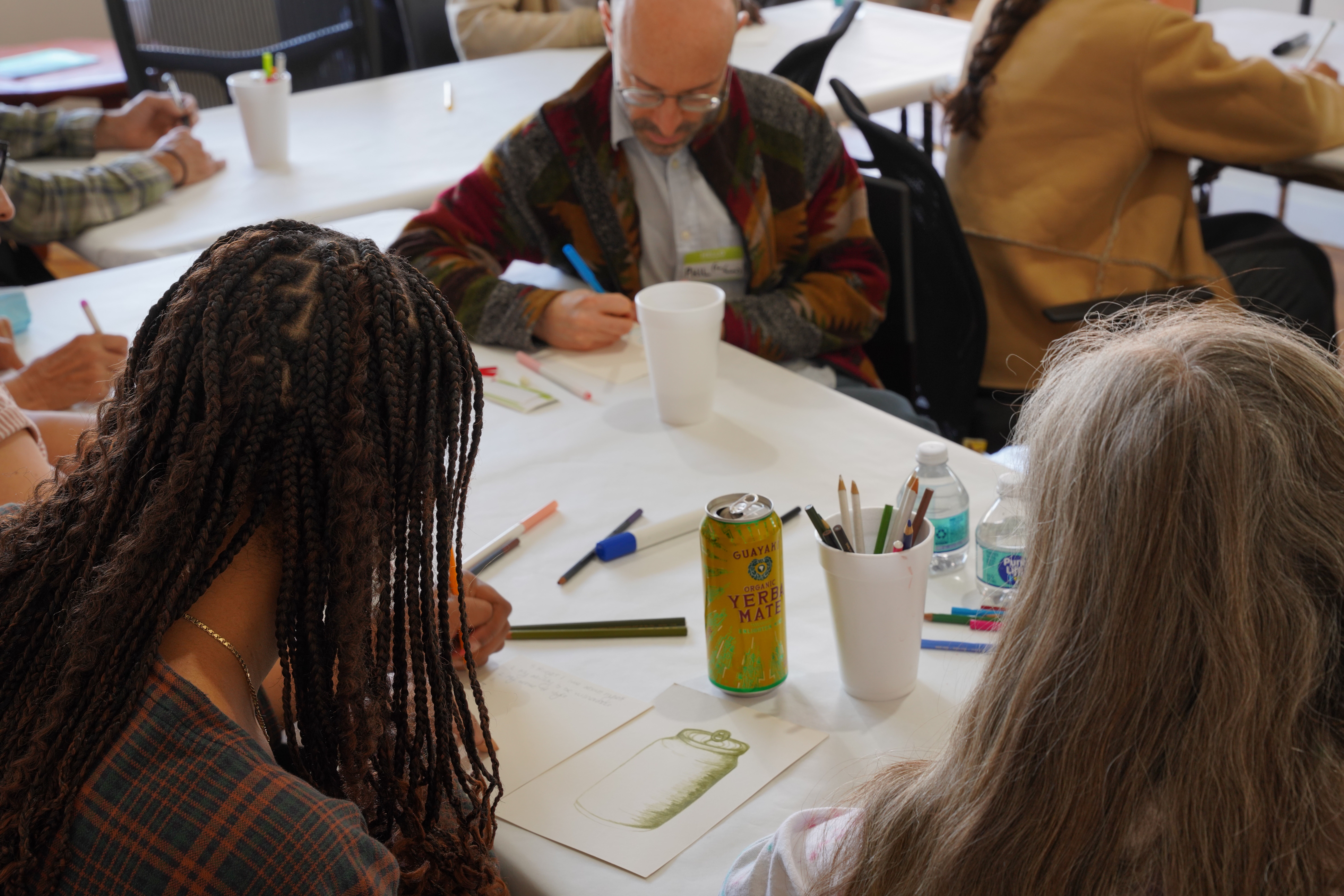
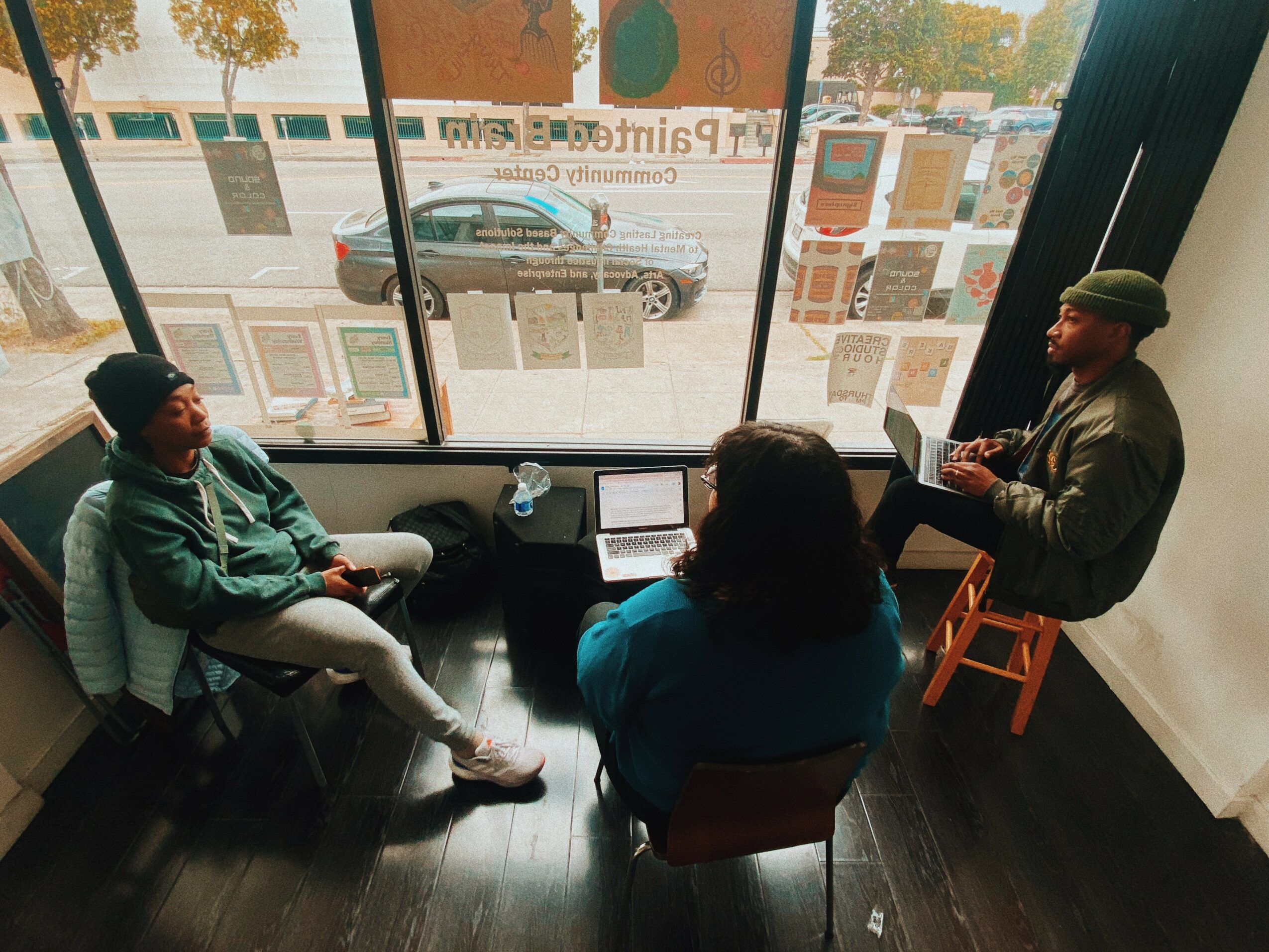
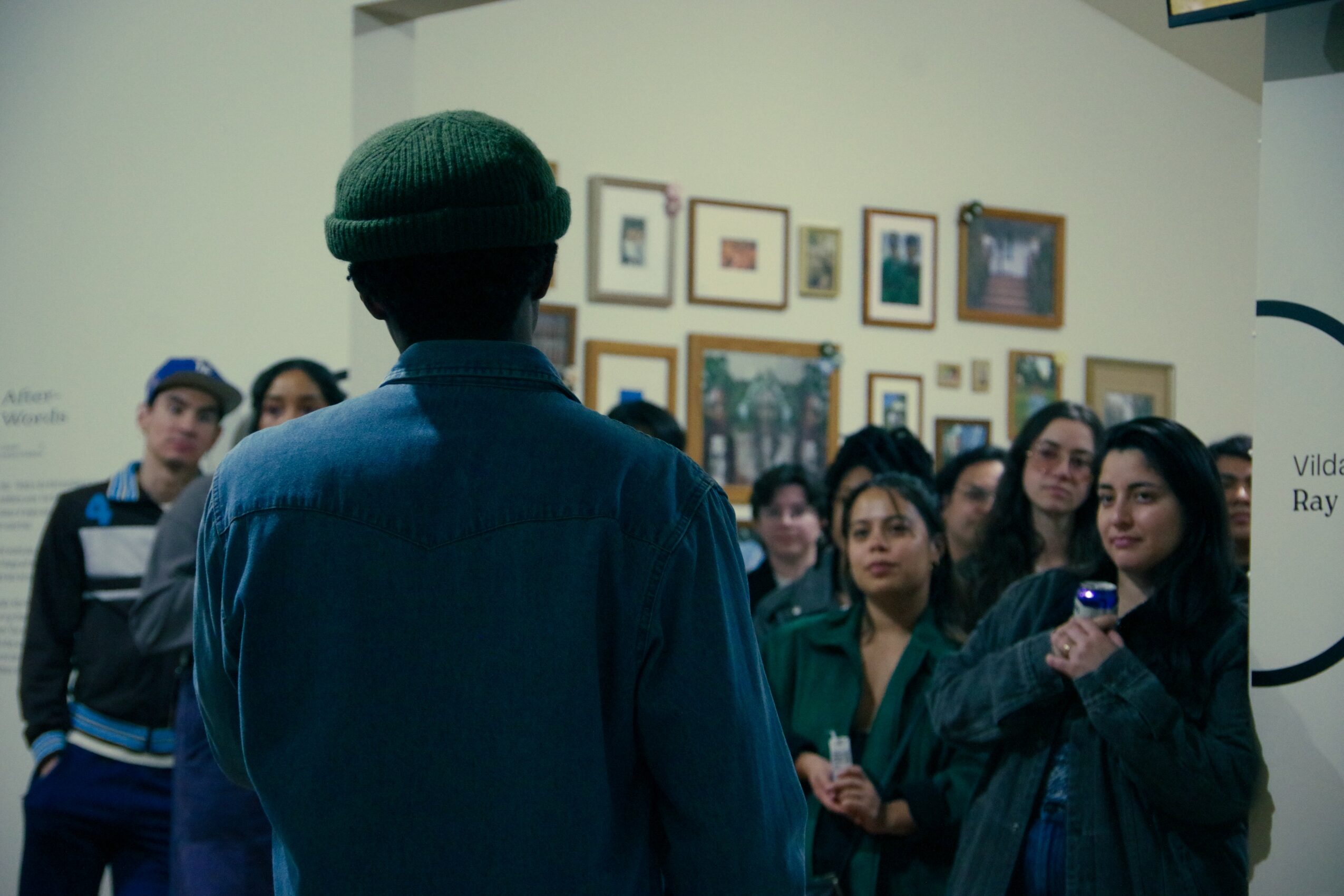
Image Credits
Photography by Kevin Ly
Popular
-

Portraits of the Valley
-

LA’s Most Inspiring Stories
-

Rick Norris Learned That Building a Successful Business Means Building a Life You Actually Want to Live
-
How Olivia Rush Turned Survival Into a Mission to Help Others Keep Going
-

How Bibi Goldstein Is Helping Entrepreneurs Reclaim Their Time by Embracing the Power of Delegation
-

Victoria Hasson is Redefining Voice Coaching Through Community and Collaboration


