




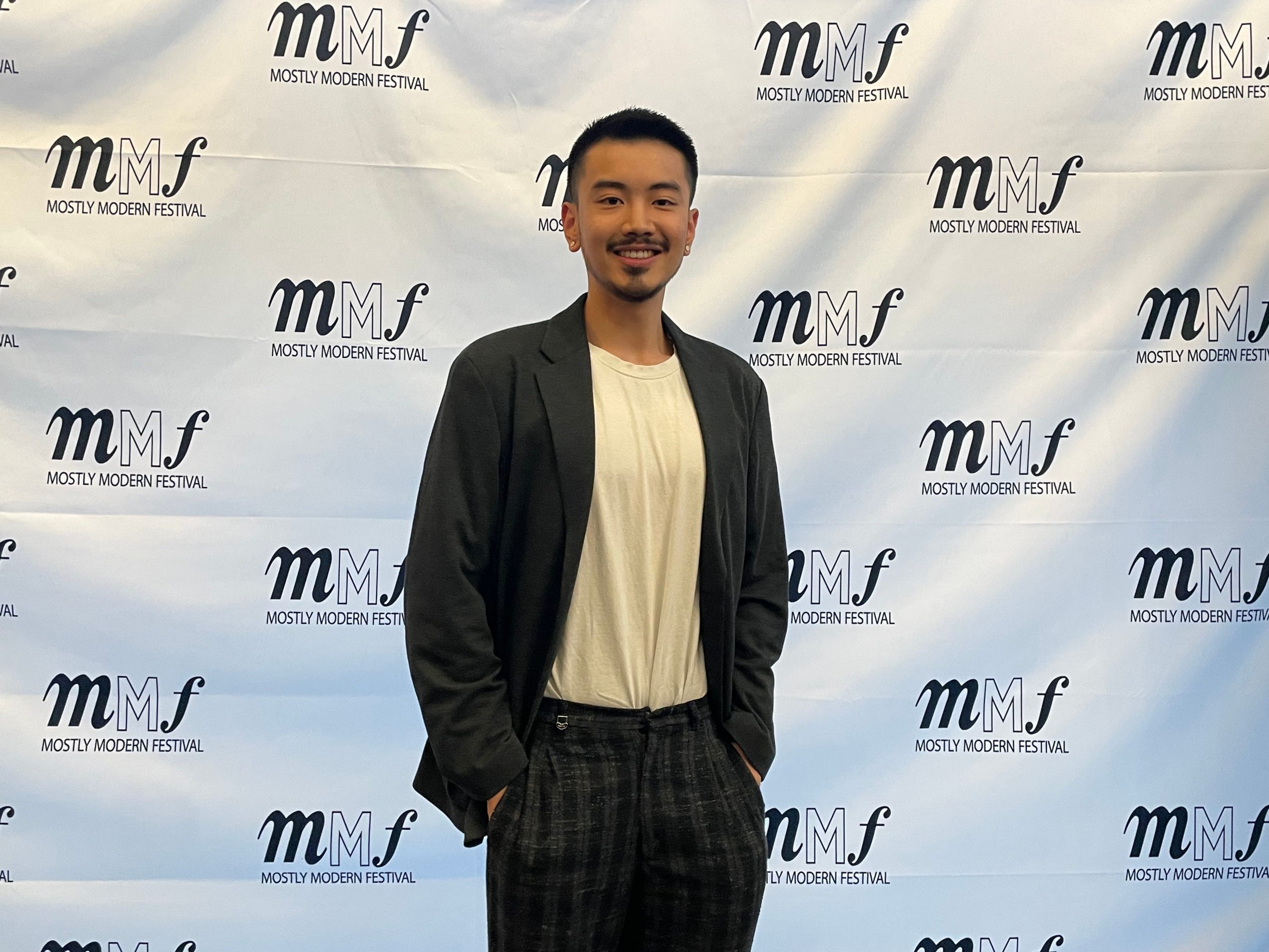
Today we’d like to introduce you to Oscar Pan.
Hi Oscar, please kick things off for us with an introduction to yourself and your story.
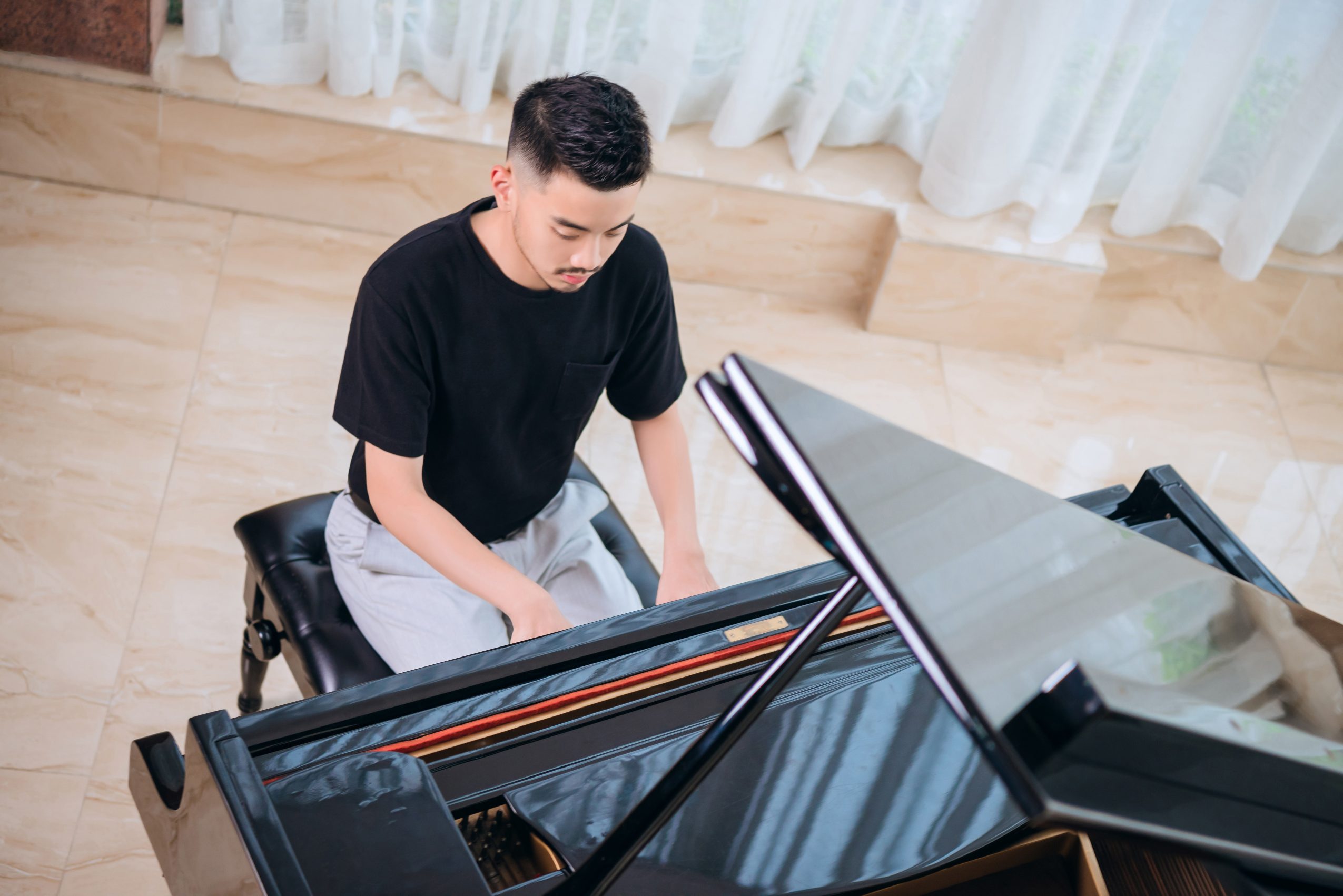
My first musical experience dates back to when I was three years old, learning the piano for the first time. It instantly became one of my best friends throughout my childhood. I would sing my inspirations through this instrument at times, and they became my first little compositions. I wasn’t really into film scoring until one Christmas in high school when I rewatched “The Chronicles of Narnia,” a movie that I had almost forgotten to watch with my cousins while growing up. I was touched not only by how nostalgic the story felt but also by Harry Gregson-Williams’ otherworldly and beautiful score that greatly enhanced the movie. At the time, I was still uncertain about what I was going to study in college and which path I would lead in life. However, in that moment, I felt assured yet excited at the idea of pursuing film scoring, a profession that combined my early passion for music with the magical power of storytelling.
After high school, I was accepted into New York University for music composition and film scoring, and the rest is history. In 2019, I had the opportunity to study composition with one of Messiaen’s students in Paris for a semester and learned about electroacoustic music at IRCAM. It was an unforgettable study-abroad experience that helped me solidify my voice as a composer. After completing my undergraduate studies at NYU, I felt the need to take everything I had learned about music to the next level and focus more on the practical side of the industry. That’s when I decided to pursue my MFA in screen scoring at Columbia College in Chicago. It’s one of the best film-scoring graduate programs globally, and two factors made me choose this program: a thesis recording project at the Newman Scoring Stage in LA and a composer’s assistant internship upon graduation.
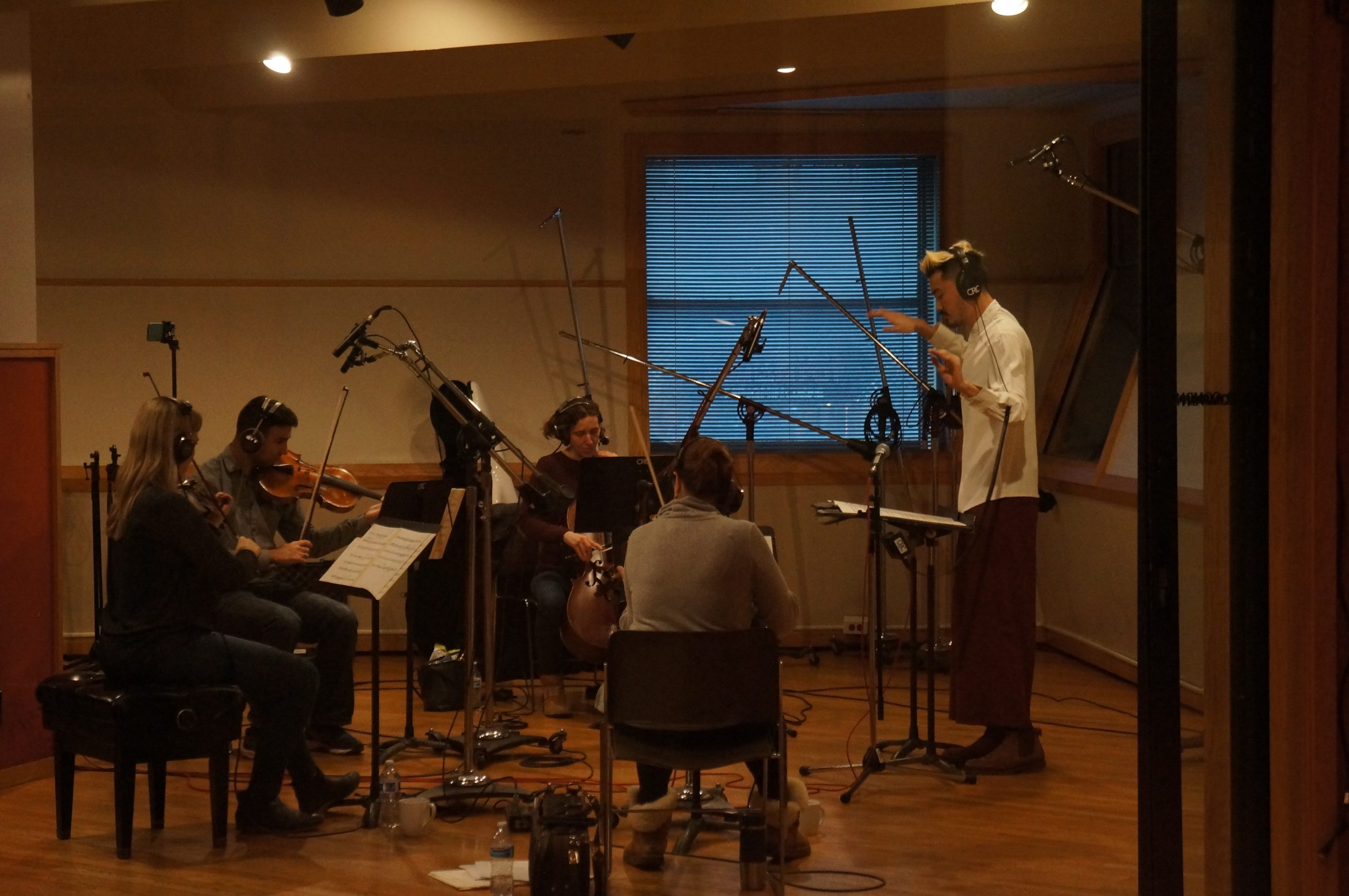
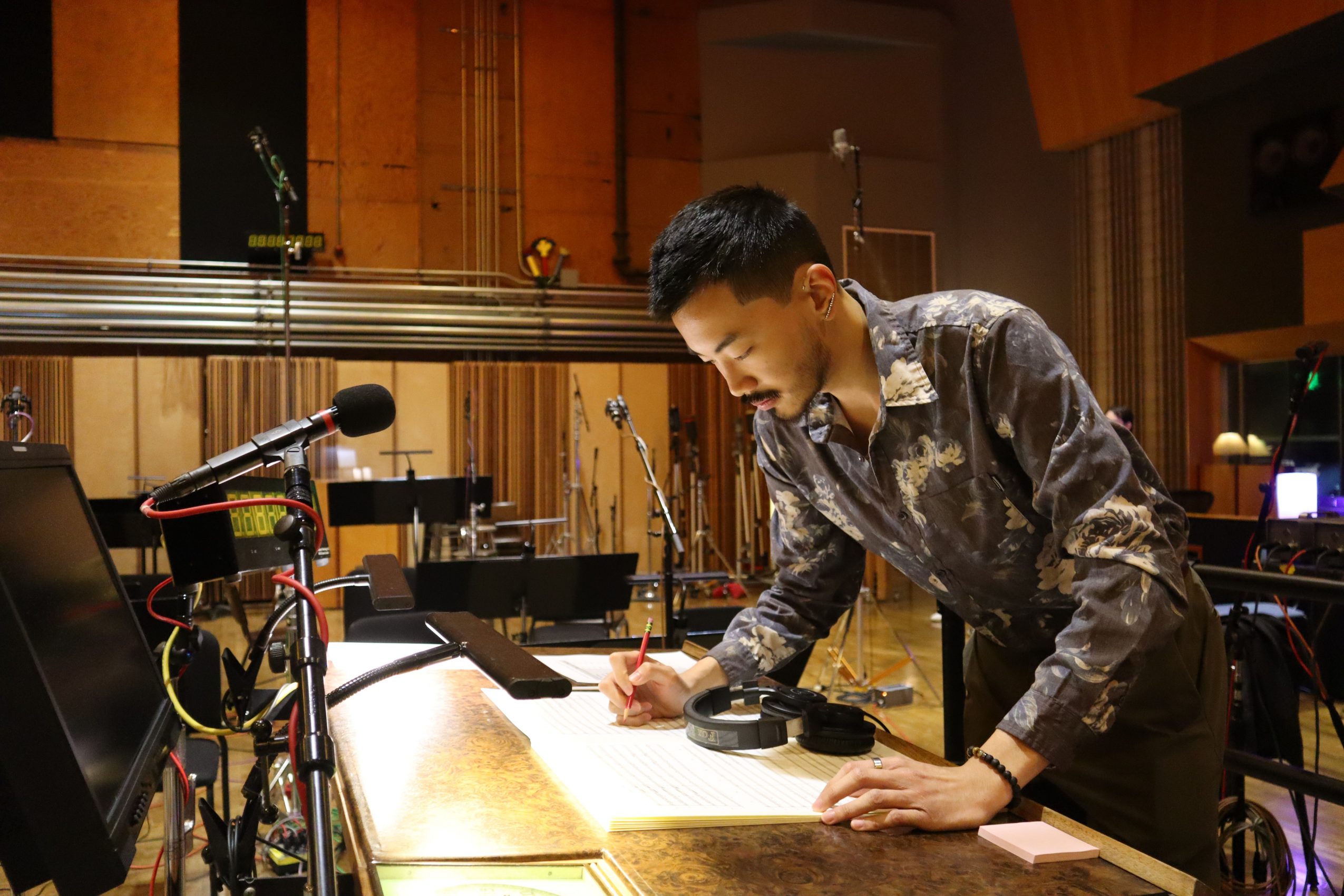
I was incredibly grateful for the opportunity to record my thesis piece, “amazonia: hoja de mal aire,” with a 70-piece orchestra conducted by Anthony Parnther and mixed by Dennis Sands. Sitting in the recording booth, listening to my piece come to life, was a moment I’ll never forget, and it made me thank my younger self for never giving up on this path. After the thesis recording, I had the privilege of assisting one of my favorite film composers and a Pulitzer Prize-winning composer, Michael Abels. His passion for music and storytelling closely aligned with mine, and having him as my first mentor in LA was a true blessing to my musical journey.
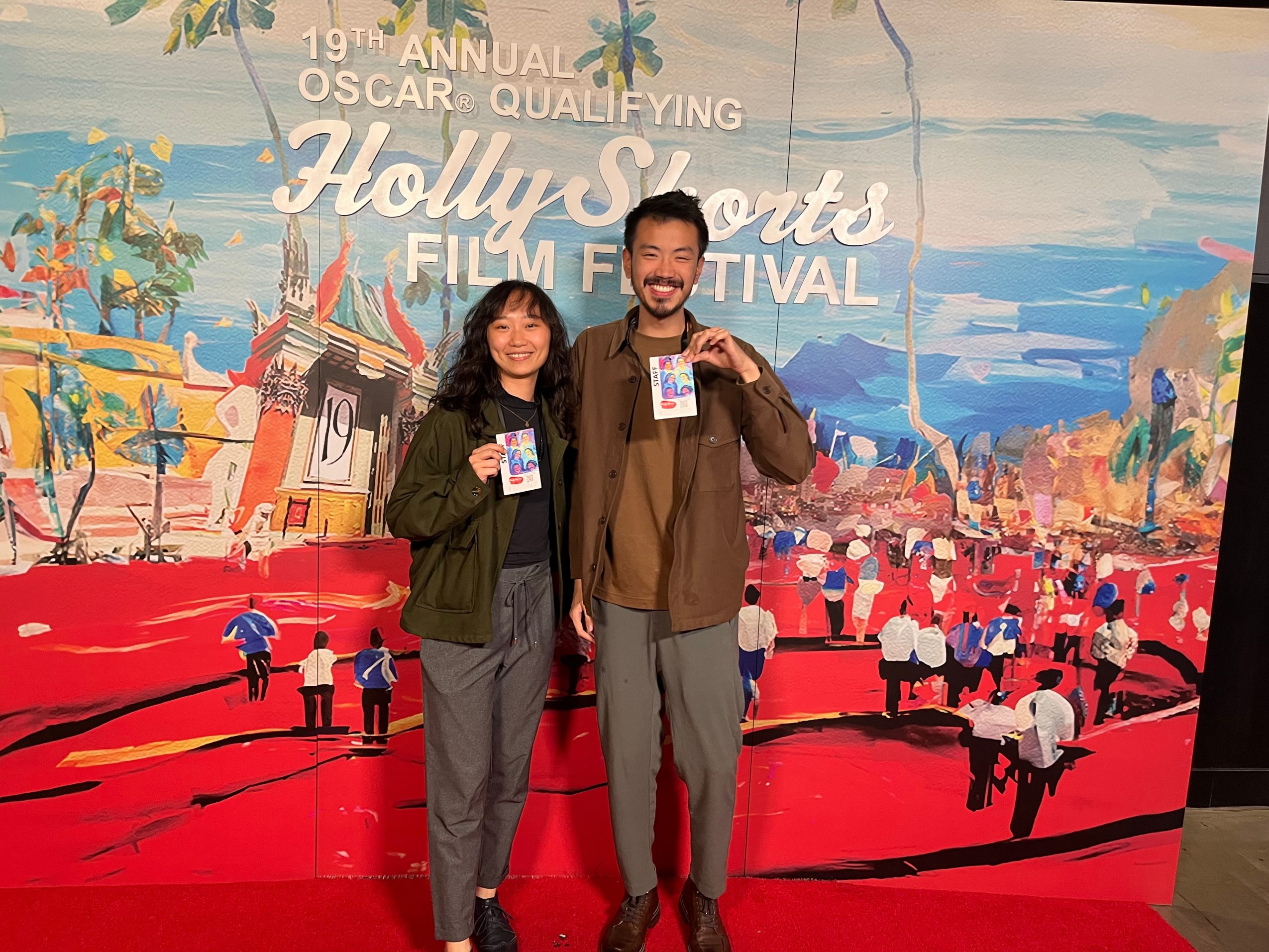
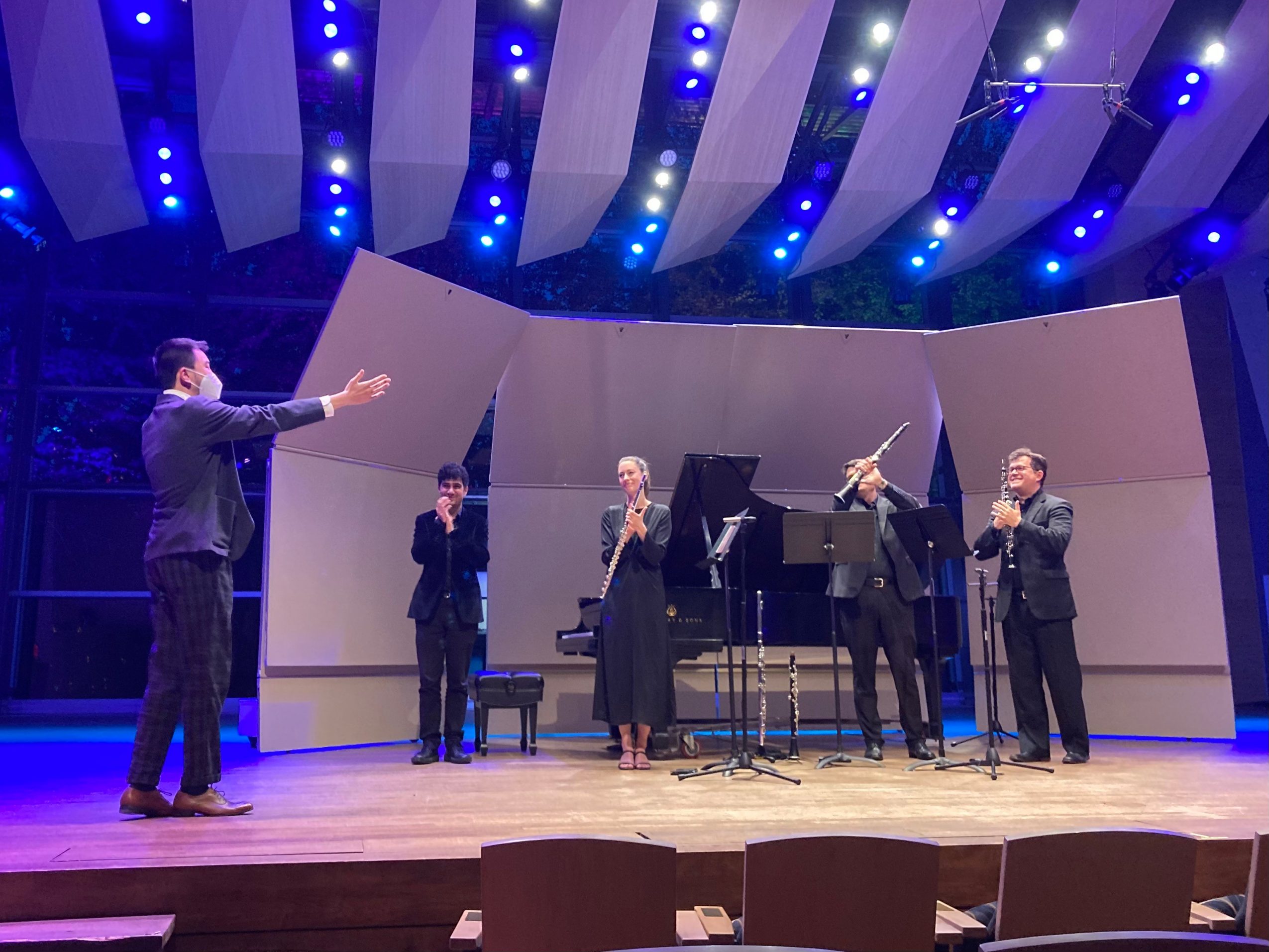
Currently, I’m based in LA, primarily working on independent film projects and concert commissions. I love the number of opportunities brewing in the city—film festivals, panels, networking events—and how tight-knit the creative community is here. I’m having some really exciting collaborations with musicians and directors who share my creative vision, and I’m looking forward to seeing where my path, once initiated by a childhood film, is taking me.
We all face challenges, but looking back would you describe it as a relatively smooth road?
I imagine it wouldn’t be a smooth road for most of us pursuing film scoring. It takes a great deal of determination, dedication, passion, self-confidence, a mature understanding, and some talent. I was born and raised in Guangzhou, China until when I was 17 and moved to Florida in the US for my junior year of high school. My education up to that point had been heavily focused on math and science, and my parents would have never thought in a million years that I would choose the path of film scoring—a subject so foreign in China at the time that they had never heard of it and something that sounded too artistic to be practical for them. Needless to say, it was a huge disappointment to them, and it was painful for both me and them. At that time, I also hadn’t received any formal training in music composition. To be honest, getting accepted to NYU seemed too much like a fluke to be true. So, there I was, constantly battling the pressure and doubts from my parents and myself, but still needing to summon the strength to convince everyone, including myself, that this was the right path.
Never having had a composition lesson in my life and knowing almost nothing about music theory and history, the first year in college was, of course, tough, and I had a lot to catch up on. I was lucky to have such talented and supportive colleagues and professors to learn from, and I slowly but finally felt like I was starting to find my footing. I was also fortunate to have the opportunity to study abroad in Paris for a semester, where my musical tastes greatly expanded. Another challenge at the time was finding a viable source of income from film scoring. I worked on many student films, took on free gigs, and did unpaid internships, and none of them could cover my daily expenses in the city. I suppose the path of film scoring is a mystery to many of us lost and young souls, one that’s so uncertain and non-linear that finding the entrance has always seemed hard. But that’s life—a ride full of surprises that keep us moving forward, isn’t it?
Film scoring is an extremely competitive business, and sometimes it’s easy to fall into a routine where we keep writing music and forget who we are as artists. There were times when I found it so hard to identify what kind of artist I am in this business. It took me a long time, but after many independent projects I was involved in and a personal album I’m currently writing, I slowly figured out and, in the process, also created bits and pieces of myself. This process is long and challenging, filled with self-doubt and stepping outside of comfort zones, but it’s worth it. I don’t think we can ever find our voice in music, as it’s constantly changing, just like life itself. As we gain more life experiences, we feed that into our arts, which is ever-evolving. I just moved to LA roughly three months ago. It’s a new city and new chapter of my life, filled with excitement and changes. I’m ready to face whatever new challenges come my way, just as I always have been.
Can you tell our readers more about what you do and what you think sets you apart from others?
I think everyone’s music is unique as long as they stay true to themselves because everyone’s stories matter. What sets my music apart from others is precisely my life experience, background, and worldviews, which are different from everybody else’s. It’s complicated to summarize one’s experiences in just a few words but to provide some examples, I’m proud to be a Chinese gay composer, an arts fanatic, a globe-trotter, and someone hoping to use their voice to make the world a better place.
Traveling has always been a big part of my life and identity. Through living in different places and learning different languages and cultures, I felt a stronger connection to projects that embrace diversity and share stories from around the world. In 2021, right before I graduated from NYU, I was approached by a poet named Cindy Tran, who had the idea of making a poetic documentary, “Sonnet Crown for NYC.” The script consists solely of a sonnet crown she wrote based on her interviews with local business owners from different cultural backgrounds during the COVID pandemic. The common thread in all these diverse stories speaks to their love for their community and their perseverance through the hardships posed by the pandemic. Given my diverse cultural background and personal experience with Asian discrimination during the pandemic, I was deeply honored to be part of this project. Just as each of the stories is connected by the sonnet, each music cue I composed is also linked by a grand musical scheme I devised for this project. This film later premiered and ran throughout the summer of 2021 at The Shed NYC, earning me some of my first film music awards, such as the Oniros Film Awards and Independent Shorts Awards for Best Original Score.
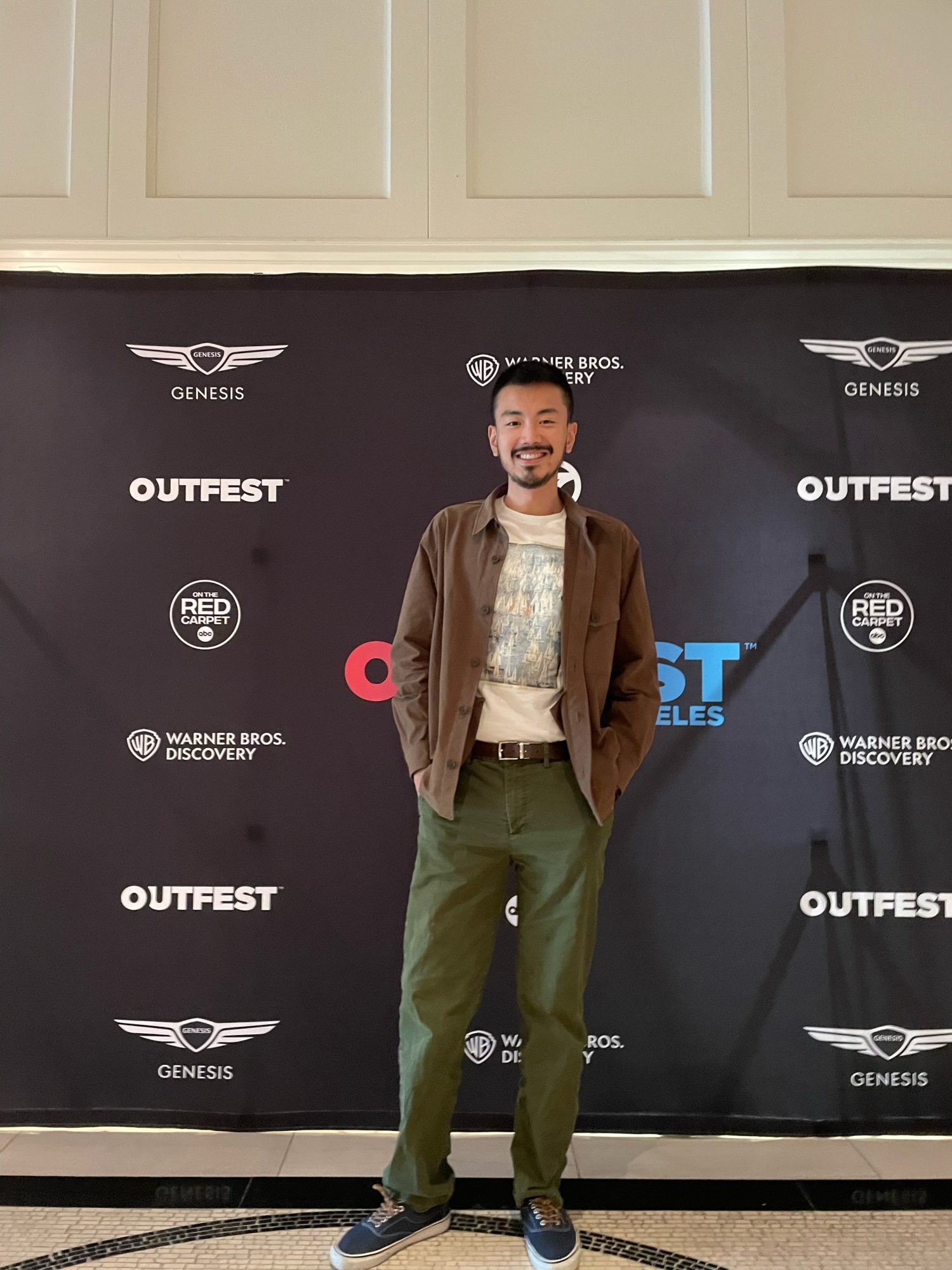
After this documentary experience, I found my purpose as a composer through telling stories that deeply resonate with me. I was then invited to collaborate with a Moroccan filmmaker who was making a documentary, “I Am Illegal,” about the anti-LGBTQ sentiments of regular people in Morocco. Being a gay composer who has encountered similar experiences while traveling to Morocco, I instantly said yes to the project. Both the director and I believe that the sense of discomfort while watching this documentary is necessary. Therefore, the score I composed for this film is intense, ritualistic, and infused with abrasive electronics. This film was selected and premiered at the academy-qualifying Outfest LA Film Festival this past July.
As for the sound of my music, again it’s hard to assign a label, but based on my experiences and musical tastes, I tend to use a lot of piano, my versatile childhood friend, in my scores. I drew inspiration from Icelandic artists like Ólafur Arnalds, who specializes in creating a soothing and magical atmosphere using simple piano, strings, voices, electronics, and some sound design. I also developed an appreciation for French impressionistic music during my study-abroad experience, which taught me to view a piece of music as a canvas where we paint our ideas with sounds. Having studied composition during my undergrads with John Kaefer, who introduced me to minimalistic music, I also became interested in the idiom of creating an interesting and ever-evolving textures in sounds. I’m certain that the sound of my music will continue to expand and evolve—it’s on a journey called life.
Currently, I am continuing to work on projects that have a meaningful impact. Some of the films I’m working on include “The Space Between,” a heartfelt documentary about a friend of mine raised by two mothers and his journey to reconnect with his family after a fallout, and “Cut Your Wings and Fly,” an experimental dance film addressing domestic violence and sexual abuse. Apart from film music, I’m also working on my own album to further explore my voice, my identity, and my understanding of the world. The concept of this album is to dedicate each piece to a place I’ve visited or lived in that has changed my life and my understanding of myself. For example, earlier this year, I took a solo trip to Ecuador, my first South American country visited, and instantly felt a kinship with our Mother Nature and this beautiful planet. I was inspired to write “amazonia: hoja de mal aire,” which I also dedicated to my thesis recorded at the Newman Scoring Stage.
Can you talk to us a bit about happiness and what makes you happy?
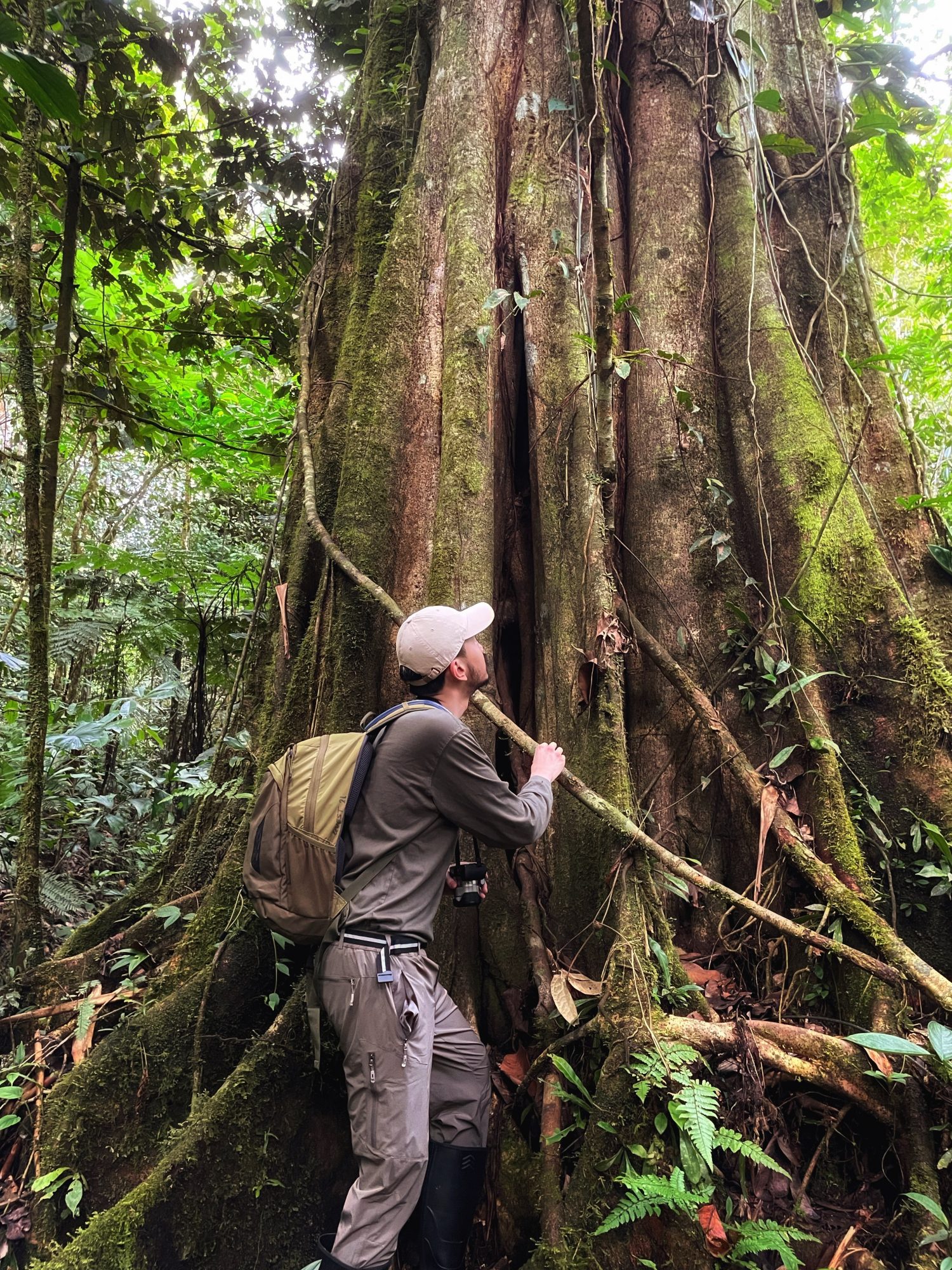
Music, of course. But aside from that, I also love animals, being in nature, and experiencing new things. I feel that as society and technology continue to develop, our happiness actually decreases. People seem to be obsessed with creating new realities but sadly forget about the reality they live in—the one with animals, breathtaking views, and real human interactions. For me, I always find myself most relaxed and content when I’m out, lying in the sun, going to the beach, and hiking in the mountains. That’s one thing I love about living in LA: the vastness of nature and sunshine. Being out in nature and experiencing new things keeps me grounded in the reality I live in, focused on the present, and not worried about things I have no control over. The actual world we’re living in is the source of my happiness, personal growth, and inspiration for my music.
Contact Info:
- Website: www.zhioscarpan.com
- Instagram: https://www.instagram.com/oscarpanmusic/
- Linkedin: https://www.linkedin.com/in/zhioscarpan/
- SoundCloud: https://soundcloud.com/zhioscarpan
- Other: https://www.imdb.com/name/nm10894485/
Popular
-

What is something outside of work that is bringing you joy lately?
-

Local Highlighter Series
-
What did suffering teach you that success never could?
-

What are you most proud of building — that nobody sees?
-

Who were you before the world told you who you had to be?
-

If you could say one kind thing to your younger self, what would it be?


