




Today we’d like to introduce you to Nicky Sims.
Hi Nicky, can you start by introducing yourself? We’d love to learn more about how you got to where you are today?
I’ve loved television for as long as I can remember, but that love really started to develop artistically in the mid-90s. One day, I found a coax splitter in a toolbox, and a friend told me I could use it to connect multiple TVs together. I was curious, so I rounded up all the old CRT televisions in the house and hooked them up. When I saw all the screens playing in sync, I was completely fascinated. It reminded me of being in a Best Buy.
Friends would come over and see this tiny wall of screens (usually 3-6 13″ TVs), and before long, it became something people wanted to play video games on, sports, music videos, current events. During this era, flat screens were just starting to take over, and people were throwing out their old heavy tube TVs. Friends started giving them to me, and my wall kept growing. The more TV sets I had, the more ideas I wanted to try: sideways TVs, upside-down displays, playing with color & black & whites.
By the late ’90s, Houston’s rave scene was really taking off. I had a close group of very creative friends — DJs, producers, painters, and multimedia artists — and together we formed an artist collective called Brio. We started performing at local raves and festivals and eventually began throwing our own events. I’d bring out my wall of televisions while my friends DJd, played music, painted, or performed. On the screens, I’d mix together random clips I found interesting — movies, cartoons, music videos — all edited using two VCRs. It was pretty low-tech, but people seemed to like the vibe.
Friends and family kept telling me I should stop editing on VCRs and study editing professionally, so I took their advice. After finishing school, I packed two pickup trucks full of televisions, had about $500 in my pocket, and drove to Los Angeles to try and make a career out of it.
When I arrived in Burbank, I literally went door-to-door to different studios asking for applications for jobs. Most people laughed and asked for a resume or a reel — I didn’t even know what a demo reel was supposed to look like back then — but I kept asking around. Luckily, my cousin’s husband heard about a PA position at E! Entertainment, and I jumped at the chance.
That job was working on The Simple Life, where I helped create short-form content, promos, and MOS interviews for social content. I learned everything I could in that PA position, and eventually moved up to Associate Producer. I still wanted to edit full-time, though, so I continued looking. Eventually, a post house took a chance on me, and I had the opportunity to work on commercials for the 2008 Beijing Olympics campaign as well as promos for Gossip Girl and Terminator: The Sarah Connor Chronicles.
That first editing credit changed everything. E! hired me back — this time as an editor — and not long after, NBCUniversal acquired the network. I spent the next 14 years there helping build brands, marketing, and promoting shows like Keeping Up with the Kardashians, The Real Housewives franchise, the Sharknado franchise, and Botched.
When COVID hit in 2020, I was one of the many who got laid off from NBCUniversal. It was a tough time, but it also gave me space to slow down and think about what I wanted next. A few months later, I landed a gig at Netflix, editing the Tiger King 2 campaign — trailers, teasers, and promos. That turned into more opportunities on shows like Love Is Blind and The Circle, and it helped me get back on my feet.
After that, I joined Paramount/CBS, working first on Hot Bench, then on The Drew Barrymore Show for two seasons. Eventually, I was offered a chance to work on two shows I’d grown up watching with my family — Jeopardy! and Wheel of Fortune. I still work on Wheel of Fortune today, and honestly, it’s been a dream come true.
When the show’s not in production, I help out on other projects like the NCIS franchise and The Price Is Right. Since the pandemic, I’ve been working from home, which has been great — my edit bay is right next to my screening room, filled with over 30 old CRT televisions.
Every once in a while, I still bring my TV walls out for installations. Recently, I installed an 18-television wall at Lucky Cat Labs Gallery in downtown Los Angeles, and in early 2026, I’ll be installing another piece at Rizo Corp Gallery as part of the Inanis Collective Art Show, which will feature works from over 20 female artists.
Looking back, I never could have imagined where that one coax splitter would lead. What started as curiosity turned into a career and an art form that’s been part of my life ever since. I’ve been lucky to work with amazing people, to learn constantly, and to keep finding new ways to share my love of television — both on-screen and off.
Would you say it’s been a smooth road, and if not what are some of the biggest challenges you’ve faced along the way?
Like most people, there have definitely been bumps and potholes int the road along the way.
As my career developed, I started to notice how some corporate television environments were often perpetuating content that felt outdated or a bit biased. There were moments when I had to make a choice between staying quiet or speaking up. Saying “no” in a room full of executives — especially as one of the only women there — can be intimidating and, honestly, career suicide. But I’ve always believed that how you say something matters just as much as what you say.
In those moments, I tried to approach things with respect and clarity, keeping the focus on creating content that was fair and forward-thinking. In the end, I think taking those risks paid off — not just in the work itself, but in earning genuine trust and opening the door for better conversations in the future. The industry still has room to evolve, but the momentum feels positive — and that gives me a lot of hope.
Alright, so let’s switch gears a bit and talk business. What should we know about your work?
In my career, I’ve been lucky to wear a few different hats — editor, producer and artist — but at the heart of it, my work has always been about storytelling through moving images. Whether it’s a music video, reality series, a promo campaign, or a wall of vintage TVs, I’m drawn to the way visuals, sound, and rhythm come together to make people feel something.
Professionally, I specialize in editing and producing promotional content for television. Over the years, I’ve worked on everything from reality shows to talk shows, documentaries, and network campaigns. I’m known for finding emotional beats and subtle moments that help a story land with authenticity — even in short-form content.
What I’m most proud of isn’t any single project or award, but the relationships and collaborations that have come out of this work. Television is such a team effort, and I’ve learned the most from the people I’ve worked alongside — producers, editors, assistants, and directors who all care deeply about making something meaningful.
That said, I am proud of a few milestones. I’ve never chased awards, but the ones I earned meant a lot, not just because of the recognition, but because they represented creative and professional risks that paid off. I’ve also loved being able to work on shows that have meant something to me personally — Wheel of Fortune, Jeopardy!, The Price Is Right — programs I grew up watching with my grandparents.
And my passion for television extends beyond the screen. I still collect and restore old CRT televisions and build installations that explore the way images connect us — visually, emotionally, and even nostalgically. That’s the thread that runs through everything I do: I love taking something familiar, like television, and finding new ways to make it feel alive again.
At the end of the day, whether it’s cutting a trailer, producing a show, or building a wall of vintage screens, I just try to create work that resonates with people. If it makes someone stop, feel something, or remember why they love this medium, then I’ve done what I set out to do.
What would you say have been one of the most important lessons you’ve learned?
The most important lesson I’ve learned is to take risks. Every major turning point in my life came from stepping into the unknown — whether it was packing up and moving to Los Angeles with $500 and two trucks full of TVs, or speaking up when something didn’t feel right creatively. Sometimes you have to make the move that scares you most, because it just might turn out to be the best decision you ever make.
Contact Info:
- Website: www.nickysims.tv
- Instagram: @emptycanLA
- Linkedin: www.linkedin.com/in/nickysims
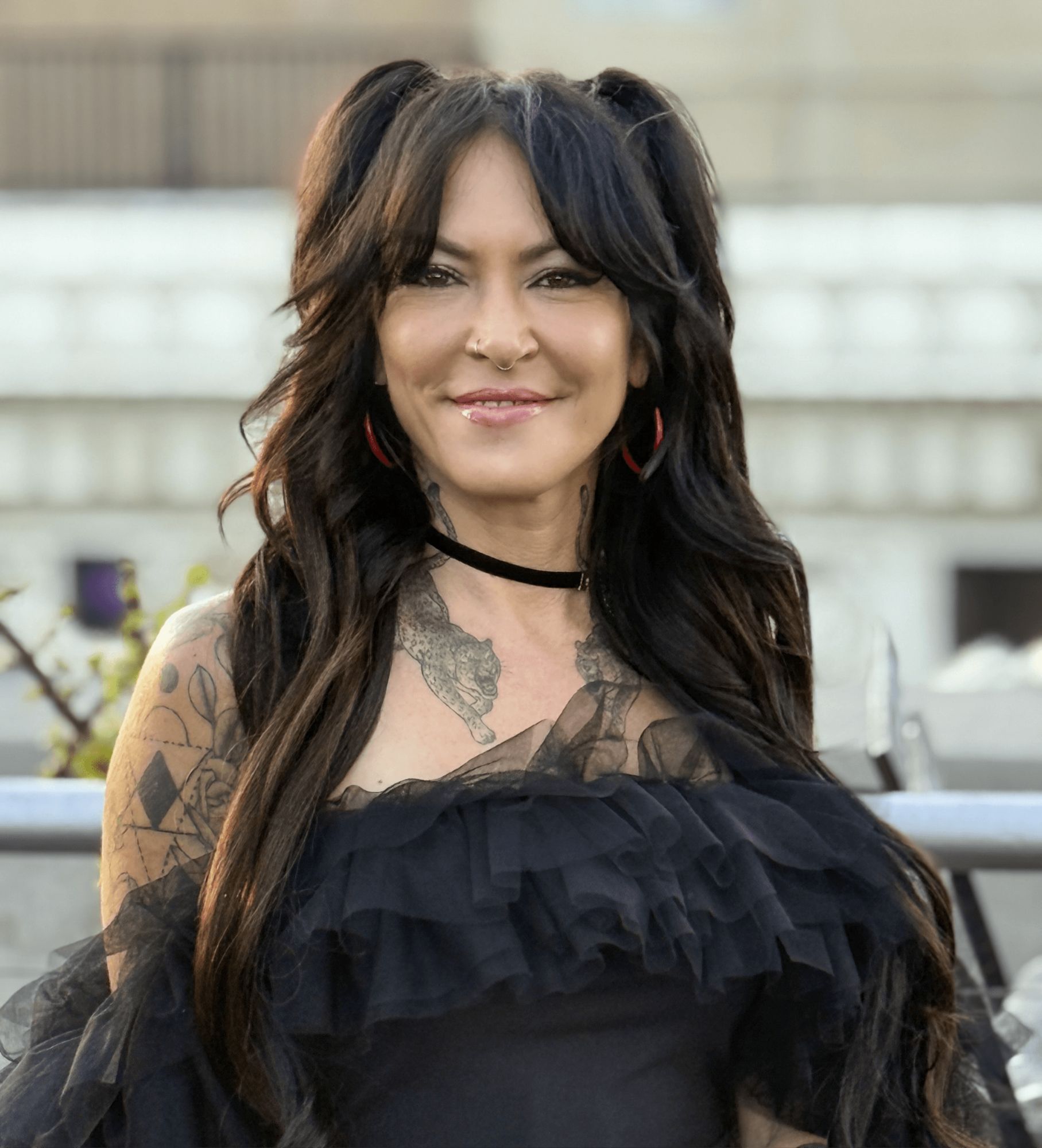
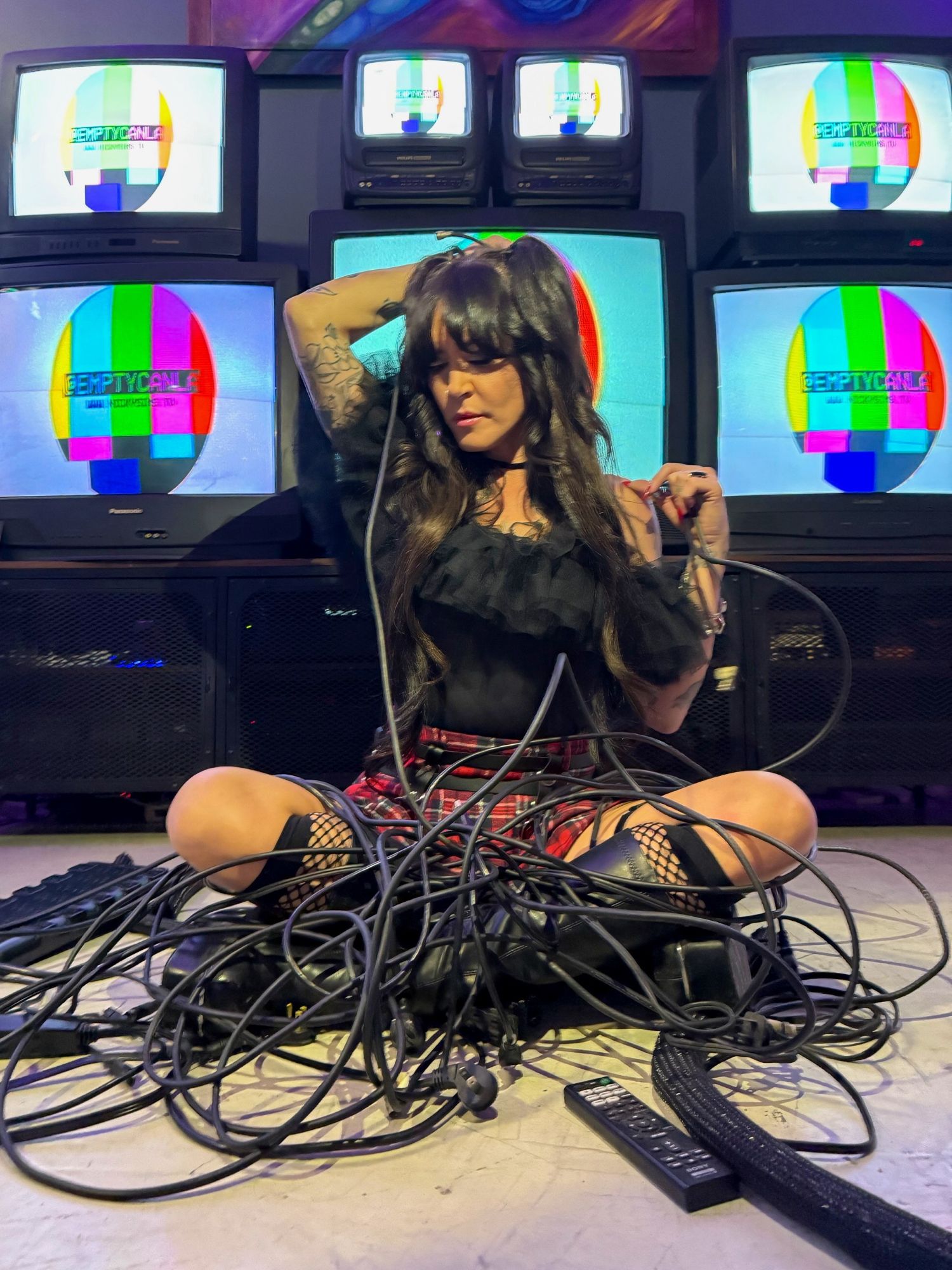
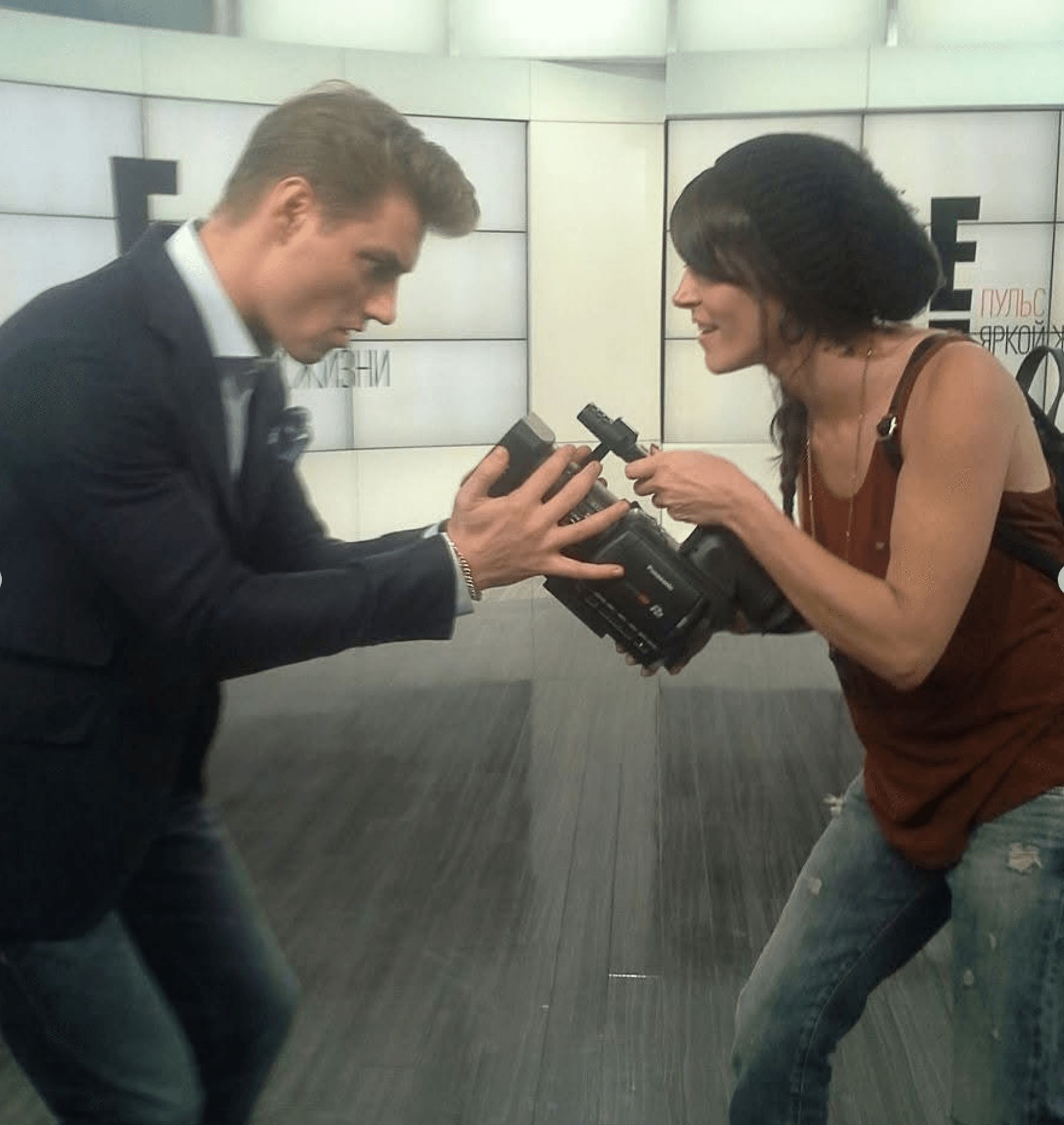
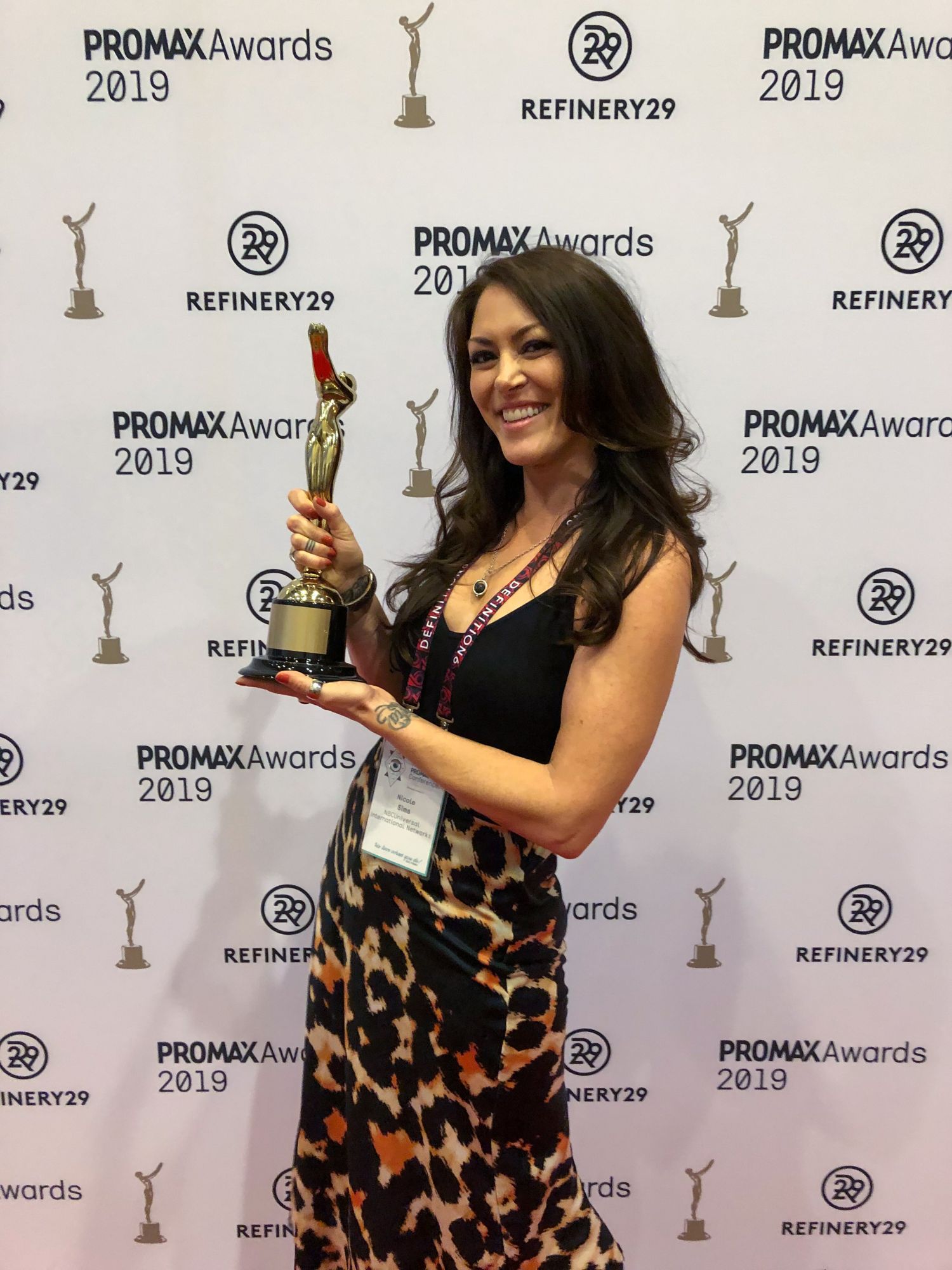
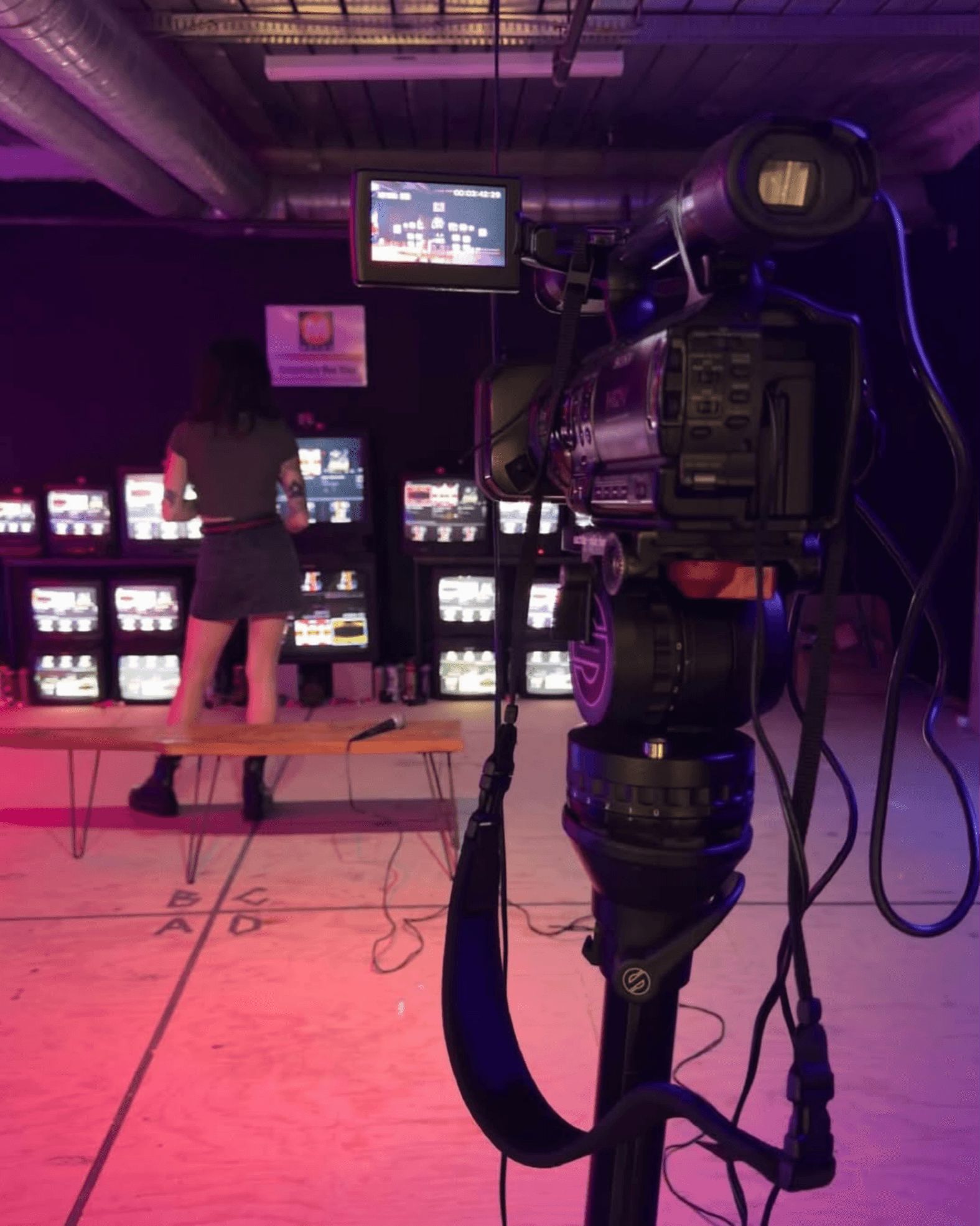
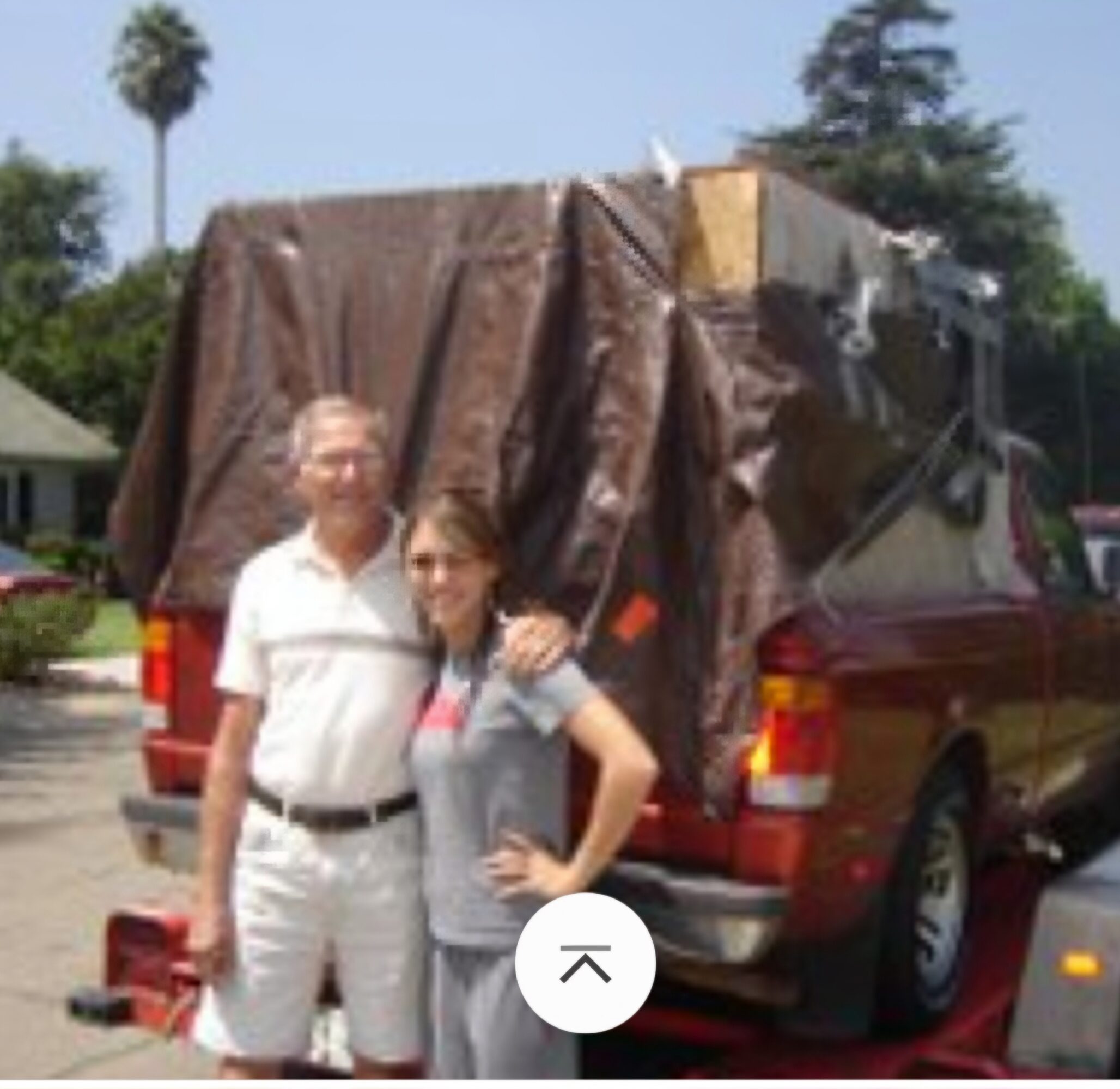
Image Credits
Angelina Del Rosario @kissmesweets John Guerrero @johnguerrerophotography
Popular
-

What is the story you hope people tell about you when you’re gone?
-
Who were you before the world told you who you had to be?
-
Was there ever a time you almost gave up?
-

What is something outside of work that is bringing you joy lately?
-
Who saw you clearly before you could see yourself?
-
What are the biggest lies your industry tells itself?


