





Today we’d like to introduce you to Joy Stevens And Dia Parsons.
Hi Joy Stevens and Dia Parsons, we’re thrilled to have a chance to learn your story today. So, before we get into specifics, maybe you can briefly walk us through how you got to where you are today?
We’re Joy Stevens (Founder) and Dia Parsons (CEO), partners at Alegria Collaborative – a concierge behavioral health and addiction recovery service based in Los Angeles. Alegria was born out of nearly two decades of shared experience working in addiction and mental health care. After years in the treatment and recovery space, we both saw the same gap: clients were leaving programs without the structure, accountability, or support needed to sustain long-term recovery.
From Joy: My path began in Los Angeles as a life coach and sober companion before moving into leadership roles in behavioral health. Drawing on eighteen years of direct client experience, I bring a grounded, compassionate approach to helping people rebuild their lives beyond treatment.
From Dia: My journey began in 2007 when I entered the behavioral health field as a CADC II. With experience across multiple areas of recovery and a creative, global perspective, I’ve learned to adapt care to meet each client’s unique needs. After losing a close friend to overdose, I committed my life to helping others find strength and transformation through recovery — a passion that continues to guide Alegria’s work today.
We came together with one shared vision – to build something different. Alegria bridges the gap between clinical treatment and everyday life, meeting clients where they are and designing personalized systems of support that include sober coaching, case management, family guidance, and coordination with treatment providers.
Our mission has always been to help people – especially those in high-pressure environments like entertainment, entrepreneurship, or public life – heal in a way that feels safe, sustainable, and deeply human. What began as an idea between two women in recovery work has grown into a movement redefining what modern healing looks like in Hollywood and beyond.
Can you talk to us a bit about the challenges and lessons you’ve learned along the way. Looking back would you say it’s been easy or smooth in retrospect?
Like most meaningful ventures, Alegria’s journey hasn’t been a perfectly smooth road – and honestly, we wouldn’t want it to be. Growth usually happens when we’re pushed to pause and course-correct.
One of the biggest challenges early on was building trust – both within our team and with the community. In mental health and recovery work, connection is everything, but it takes time to earn. We also had to navigate the ever-shifting landscape of each client’s needs, finding balance between structure and flexibility.
Another obstacle was finding the right people – those who not only have strong clinical skills but who truly understand our philosophy of care: leading with empathy, humility, and respect for every person’s story. It took patience (and a few false starts) to build the team we have now, but every step of that process shaped our culture for the better.
And of course, like any small business in the healthcare space, we’ve had to scale responsibly while keeping the quality of care deeply personal and genuine.
Through it all, what’s kept us going is our why – the belief that healing doesn’t happen in isolation, and that joy (our namesake, Alegria) can coexist with the hard work of recovery. Every challenge has refined us, clarified our mission, and strengthened our resolve to keep showing up for the people we serve.
Appreciate you sharing that. What should we know about Alegria Collaborative?
Alegria Collaborative is a concierge behavioral health and recovery service based in Los Angeles, providing high-touch, personalized services for individuals navigating addiction, mental health challenges, or both. Our offerings include individualized sober coaching, case management, interventions, transport, and family systems work—all designed to help clients transition from crisis to long-term wellness. We see addiction as a mental health disorder, not a moral failing, and our model integrates clinical expertise with compassionate, hands-on care to bridge the gap between treatment and everyday life. Specializing in supporting artists, executives, and families under unique pressures, our discreet, relationship-driven approach ensures clients have the tools, structure, and accountability for lasting recovery. We’re most proud of creating a company rooted in empathy and integrity, where every client journey is deeply personal and focused on rediscovering purpose, rebuilding connection, and achieving meaningful, lasting change.
In terms of your work and the industry, what are some of the changes you are expecting to see over the next five to ten years?
The one-size-fits-all model is over. In the next five to ten years, behavioral health will move decisively toward precision-based, concierge-style care – personalized, wraparound support that blends psychiatry, coaching, recovery work, and family systems therapy. Clients will expect seamless, full-spectrum treatment delivered by small, integrated teams that combine clinical excellence with genuine human connection.
Behavioral health is shifting from fragmented treatment to full-spectrum care – and that’s exactly where Alegria thrives.
AI will play a massive role in this transformation. It will enhance insight, track progress, and predict relapse risk, allowing care to become more adaptive and responsive. But the same tools that help can also harm. We’re entering an era where clinicians may face AI-influenced psychosis – delusional thinking magnified by algorithms, deepfakes, and digital echo chambers. For vulnerable minds, technology can blur the line between perception and paranoia.
The solution isn’t to reject AI but to use it responsibly – building ethical guardrails that prioritize human grounding. The most effective clinicians will be fluent in both psychology and technology, guiding clients to discern truth from distortion and connection from illusion.
AI may shape perception, but it can’t replace empathy. The future of care depends on using innovation to anchor people in reality – not pull them further from it.
Contact Info:
- Website: https://www.alegriacollaborative.com/
- Instagram: https://www.instagram.com/alegria.collaborative/
- Facebook: https://www.facebook.com/alegria.collaborative#


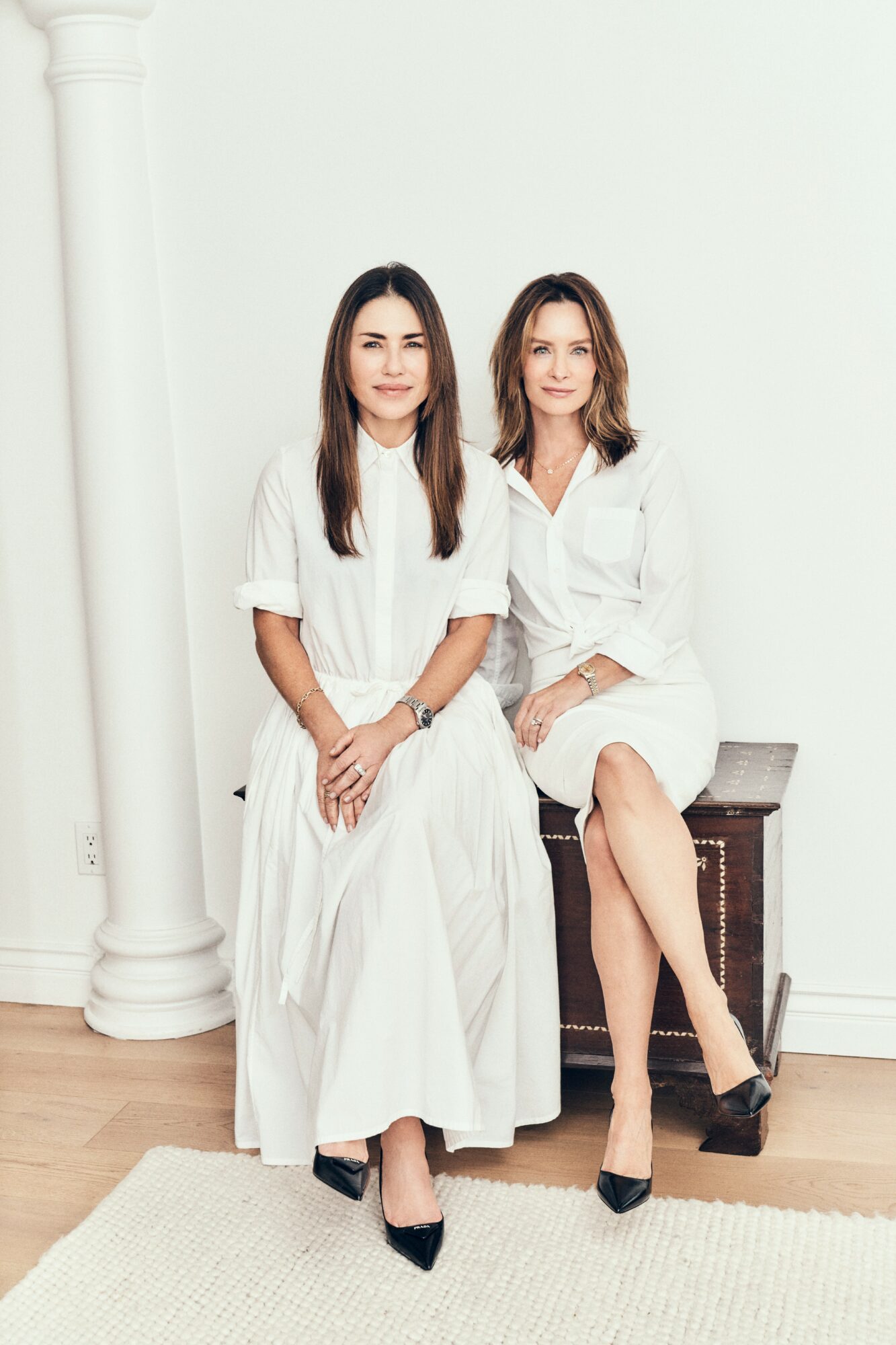


Image Credits
Shayan Asgharnia
Popular
-

Portraits of the Valley
-

LA’s Most Inspiring Stories
-

Maagic Collins on Building a Fearless Publishing Platform for Truth, Advocacy, and Underrepresented Voices
-

Los Angeles Barea on Turning Green Superheroes into a Global Movement for Youth-Led Change
-

Trisha DuVivier on Bridging the Franchisor–Franchisee Divide with Workhero and “Franulate”
-

Cedar Boschan on Elevating Black Music Rights and Driving Urgent Conversations Around Credit, Equity, and Artist Protection


