




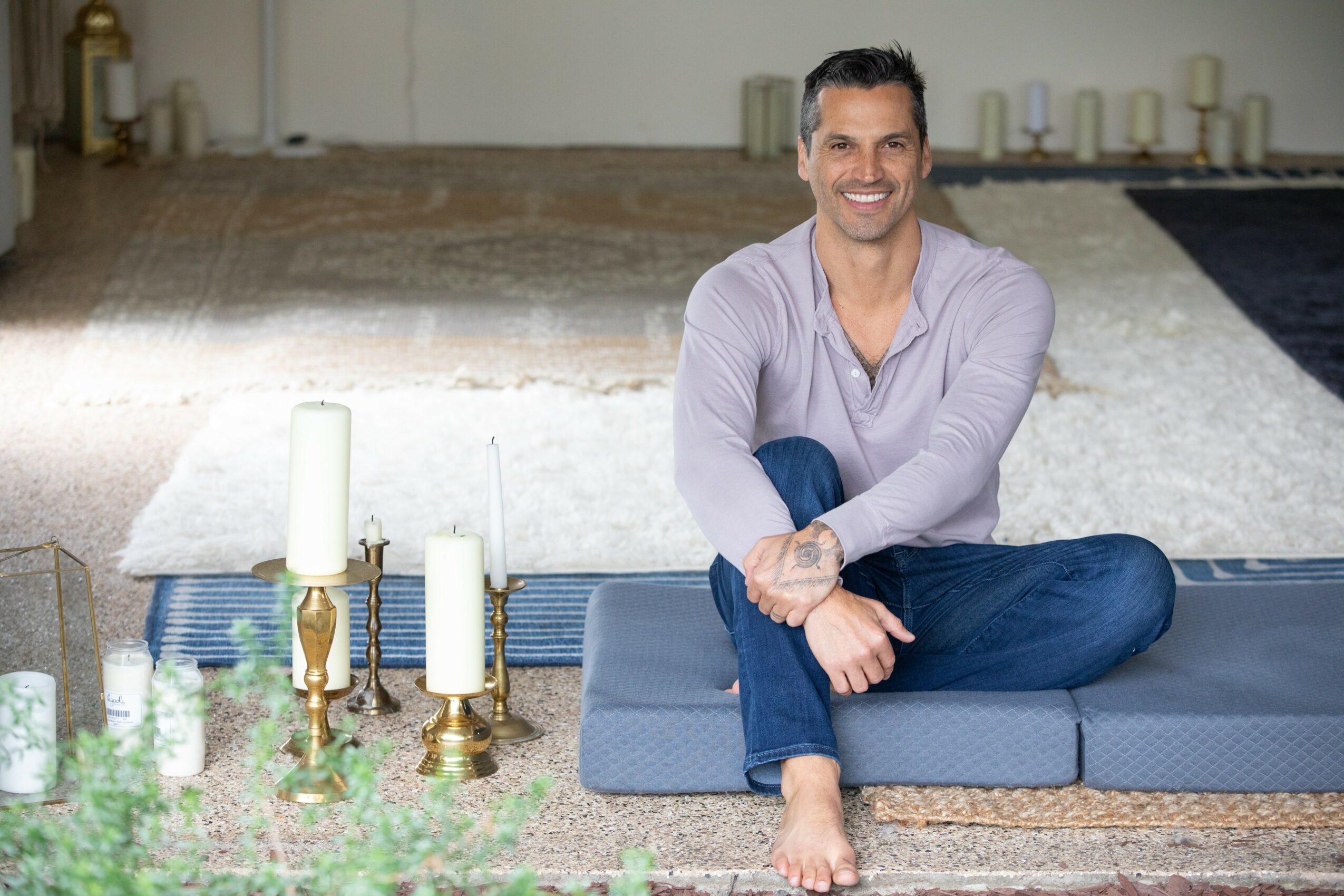
Today we’d like to introduce you to John Moos, MD.
John, we appreciate you taking the time to share your story with us today. Where does your story begin?
My path has never been about a single pivot, but a steady movement toward deeper honesty about what actually helps people heal and live well. This work has followed a through line: helping people move toward wholeness in a way that honors both their humanity and their intelligence.
I began in environments shaped by acute trauma, where responsibility was immediate and care had to be precise. Over time, my work shifted from intervening in pain, suffering, or crisis to supporting longer arcs of relational healing. What changed was the orientation: from fixing to serving. It became less about the repair in the moment to integration over a lifetime rooted in life, love, and purpose.
Soul Surgeon reflects that evolution. Today, the work centers on education, facilitation, and guided healing for individuals, couples, and groups. I develop structured programs that help people live with greater authenticity, vulnerability, and connection, while also training facilitators to hold space ethically, skillfully, and with depth. The focus is not only on methods, but on discernment, relational presence, and responsibility.
Psychedelic work, including microdosing, is part of this landscape and is approached as a serious practice of care rather than a trend. It lives alongside relational work, somatic awareness, and compassionate inquiry, integrated into programs designed for safety, coherence, and long-term growth. An invitation to create the conditions for health, wellness, and healing to sustain over time.
At this stage, my role is best described as comprehensive and integrative. I work as an educator and guide who translates hard-earned wisdom into clear frameworks people can actually live inside. Soul Surgeon is becoming a place for learning, healing, and vulnerable inquiry, where people can tend their trauma, expand their capacity, and move toward fuller, more connected lives together.
Alright, so let’s dig a little deeper into the story – has it been an easy path overall and if not, what were the challenges you’ve had to overcome?
It hasn’t been a smooth road. One of the greatest challenges was leaving a well-defined, successful career as a trauma surgeon and stepping into work that required me to discover and strengthen capacities I didn’t yet know I had. Reinvention became both an opportunity and a crisis as I walked away from a clear identity into something still taking shape.
Another challenge has been building a practice in a field that is still emerging, without a clear roadmap. The work I do sits at the intersection of medicine and mysticism, science and art, psychology and spirituality. Introducing a model of care that honors all of those domains, without collapsing into dogma or spectacle, has required patience, discernment, and a willingness to stand in ambiguity.
There has also been the work of reframing and education. Psychedelic and integrative healing still carry the weight of stigma shaped by decades of fear-based narratives and incomplete policy reform. Operating in an environment where curiosity, regulation, and cultural understanding are still catching up has been a practical challenge.
Through all of it, the challenges have been shaping rather than deterring. They’ve strengthened my resolve, sharpened my judgment, and clarified how I want to show up in this work. A passage from the Book of James has stayed with me throughout this process, particularly the idea of counting trials as joys rather than obstructions. I’ve continually tried to hold the hardships as part of the education, invitations and opportunities to deepen my trust, perseverance, and steadfastness in the work and in myself.
Obstacles and challenges haven’t made the road easier, but they have made it more meaningful.
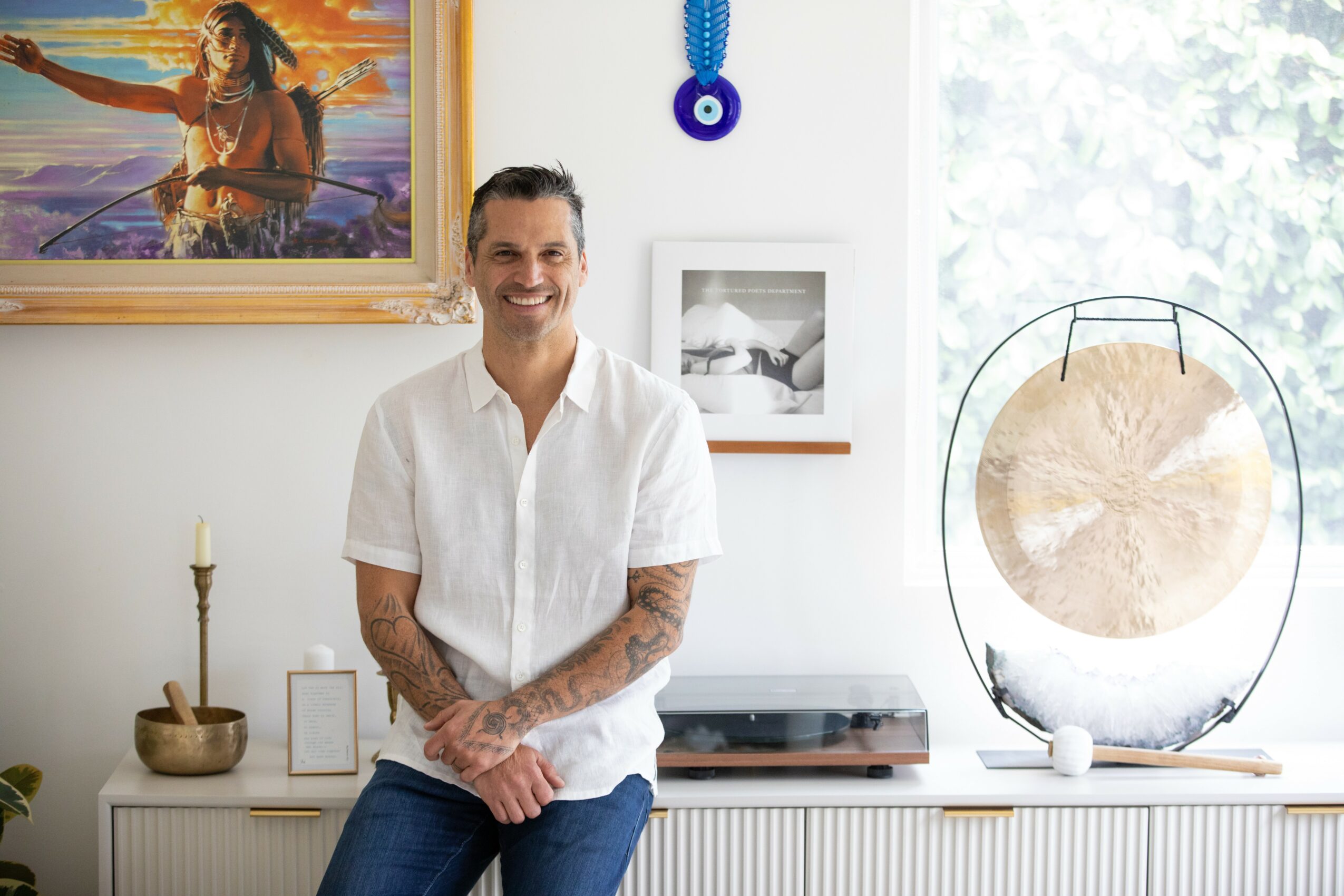
As you know, we’re big fans of Soul Surgeon by Moos MD. For our readers who might not be as familiar what can you tell them about the brand?
Soul Surgeon is an integrative healing and education practice devoted to helping people live more fully, love more honestly, and orient their lives around purpose. The work brings together medicine, psychology, spirituality, and thoughtful strategy to support human development across the lifespan.
At its heart, the practice is relational. Soul Surgeon works with individuals, couples, families, and groups who are navigating the effects of trauma, mental and emotional distress, relational rupture, or periods of transition and questioning. This includes adolescents and young adults, people exploring family systems and intergenerational patterns, couples seeking deeper intimacy and repair, and individuals who feel disconnected from themselves, their creativity, or their sense of direction.
The work also supports those who are not in crisis, but who are ready to grow. Clients often come seeking to loosen self-limiting beliefs, work through constricting patterns, expand creative capacity, or optimize their health, resilience, and overall functioning. Healing and optimization are treated as part of the same continuum, rather than separate pursuits.
Education remains central. Soul Surgeon develops structured programs for personal growth as well as training pathways for facilitators who want to guide others with care and responsibility. Psychedelic work is approached as an educational and integrative practice, with support around preparation, meaning-making, and integration, including thoughtful guidance around microdosing within legal and ethical frameworks.
What sets Soul Surgeon apart is its integrative depth. Clinical understanding and psychological insight are held alongside questions of love, grief, creativity, and purpose. It invites wholeness rather than compartmentalization into the human experience. It creates space for people to heal, learn, and return to relationship with themselves and one another.
What I’m most proud of, brand-wise, is that Soul Surgeon has grown through trust rather than trend. It has stayed rooted in care, clarity, and integrity as the work has evolved.
What I want readers to know is simple. Soul Surgeon exists to help people tend their wounds, deepen their capacity to love, and step into lives that feel whole, meaningful, and alive.
What do you like and dislike about the city?
What I like most about Los Angeles is the people I’ve met and the work that’s been possible here. Venice, in particular, has been a place of creation and experimentation. It’s where Soul Surgeon took shape, where ideas were tested, refined, and made real, and where I’ve encountered some extraordinary human stories. I hold a real sense of gratitude for what has been built here and for the community that formed along the way.
What I struggle with is the pace and the fragmentation. My temperament leans toward slower rhythms, shared life, and regular access to wild, unobstructed nature. I feel most at home in Montana, where the landscape invites reflection, movement, and a different relationship with time. That’s where my nervous system settles and my spirit fully grounds.
For now, my home is with my family, and my family is here. Los Angeles has been a place to build, to innovate, and to connect. Even as my heart is drawn elsewhere, I respect what this city has made possible and the role it’s played in shaping the work.
Pricing:
- Consultation $250
- Inquire for other services
Contact Info:
- Website: https://soulsurgeon.com
- Instagram: https://www.instagram.com/soulsurgeonmd/
- LinkedIn: https://www.linkedin.com/in/johnmoos/
- Youtube: https://www.youtube.com/@soulsurgeonmd

Popular
-

LA’s Most Inspiring Stories
-
Maagic Collins on Building a Fearless Publishing Platform for Truth, Advocacy, and Underrepresented Voices
-
Los Angeles Barea on Turning Green Superheroes into a Global Movement for Youth-Led Change
-

Trisha DuVivier on Bridging the Franchisor–Franchisee Divide with Workhero and “Franulate”
-

Portraits of the Valley
-
Cedar Boschan on Elevating Black Music Rights and Driving Urgent Conversations Around Credit, Equity, and Artist Protection


