



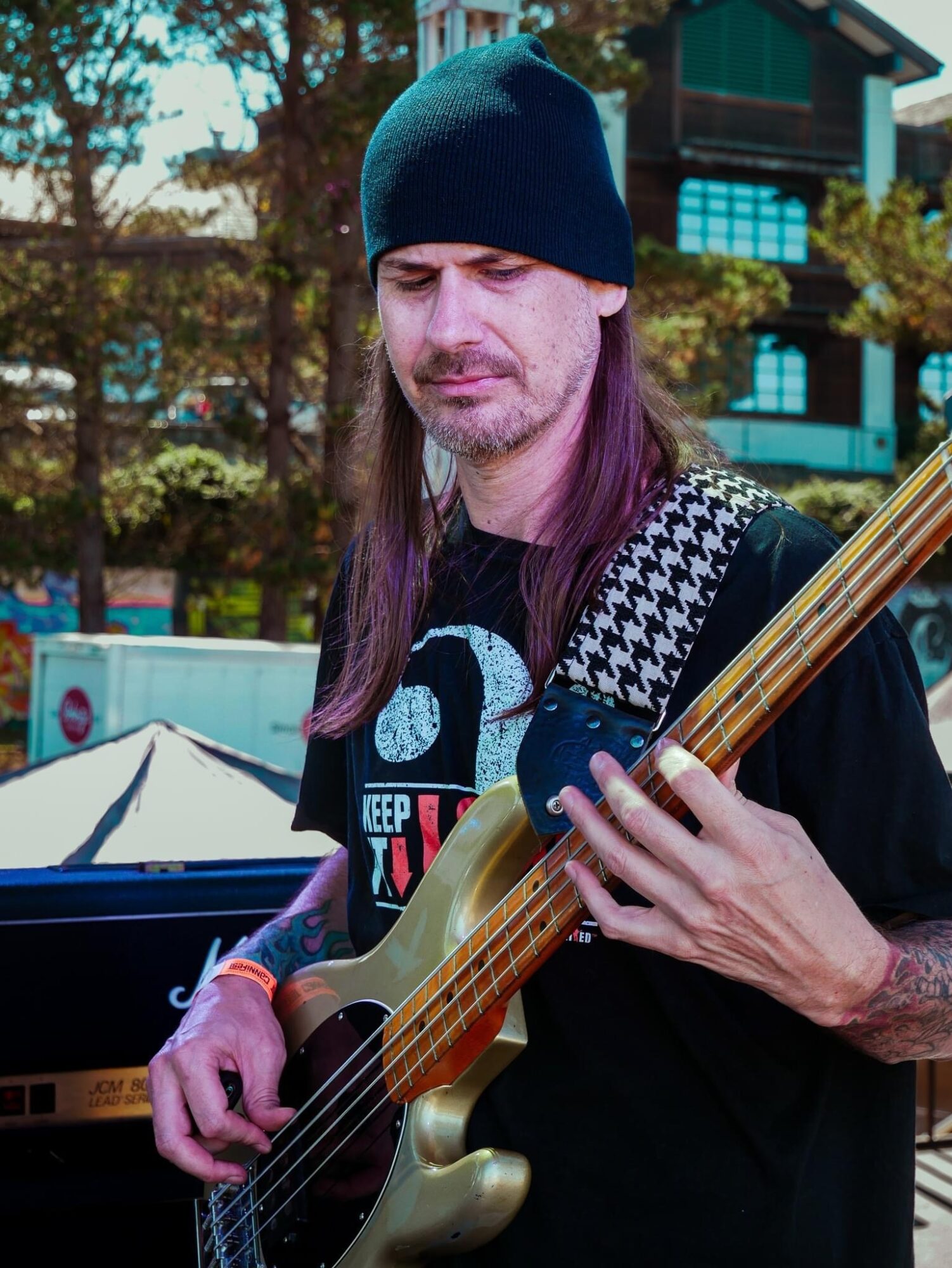
Today we’d like to introduce you to John Heintz.
Hi John, please kick things off for us with an introduction to yourself and your story.
My beginnings in music started around the age of 7 or 8 when I asked my parents for a guitar and some lessons. I think the inspiration was seeing some kids in my catholic elementary school playing at mass and thought that had to be better than sitting through church in the congregation. And so it began. I played music up until I was 16. My last performance was a high school talent show and then I set my focus elsewhere, mainly in business and entrepreneurship. My first business was a cigar shop that my father loaned me the money to start up. I did that for a few years and then went into the insurance world when the opportunity presented itself. I worked for a couple different brokerages before starting my own. Commercial insurance was my last career prior to music.
My path into music was definitely unconventional. I didn’t start my music career until I was 30. In Dec. of 2006 I hit a point where I realized that none of it made me happy and I wasn’t living a life for myself, I was living a life that was what I thought would make everyone else happy. I came to the realization that I had the freedom to choose what career path I wanted to pursue and went for it. I started thinking back to what brought me joy as a kid, and music kept resurfacing, so I made the decision to walk away from everything to give music a shot. It was scary just taking a leap of faith but something inside me kept telling me to do it and that it will all work out. I’m forever grateful that I did.
At the time, I knew I wasn’t going to suddenly jump into a band, especially at that age, so I figured I’d probably just buy and sell guitars on eBay. But a series of unexpected events led to an opportunity to tour with a band called The Lee Boys in March of 2007. They already had a bass player, but they brought me out on the road with them to get me playing again and to teach me the business side of the music industry. I tour-managed them, sat in and played some of the shows, and met an incredible number of musicians, especially because the festival world is full of players sitting in with each other bands. I became the person coordinating those sit-ins and ended up with a deep Rolodex of connections.
One of my early gigs with The Lee Boys had a super jam at the end of the festival, with players from different bands just vibing off each other and the crowd. Watching that energy sparked the idea that eventually became my project/band The Big Ol’ Nasty Getdown. I wondered what would happen if I recreated that same spontaneous, collaborative magic in a studio environment, live energy, no rules, just musicians and music fans feeding off each other. I talked to several players for the next few months and everybody liked the idea but thought it would be logistically impossible to pull off. Finally in Sept of 2007 I spoke to John Paul Miller and Derrick Johnson from an Asheville NC band called Yo Mama’s Big Fat Booty Band and they said, let’s do it. A few days later I moved to Asheville to begin the planning. In December 2007 the project came to life. We brought together 35 musicians from 17 different bands into a giant house in New Orleans and basically had a week-long creative house party. We wrote most of the first album during those late-night hangs and recorded what we had done in the nights before at a studio we rented last minute. Originally it was just supposed to be a writing session and we would record everything at a future gathering, but the songs just wrote themselves and we knew we had to get everything recorded right away. That was the birth of The Big Ol’ Nasty Getdown. Not long after, George Clinton invited us to finish the album at his studio. From there, the project just kept growing. Today, we’re at over 250 musicians from around 180 major bands that are part of the project with several albums under our belt. We’ve built a music collective with some of the greatest musicians on the planet . A true rotating supergroup and one of the largest collaborative projects of its kind. We’ve also remained independent the entire span of the project which is a true DIY triumph in a major label world. It’s hard to believe that 18 years later we are still at it and at the top of our game. Looking back, I’m not sure what my life would’ve looked like if I’d stayed in the business world. Business still interests me, but blending it with creativity and bringing all these brilliant musicians together, has felt like the path I was meant to take.
We all face challenges, but looking back would you describe it as a relatively smooth road?
The road to where I am now definitely hasn’t been smooth. It hasn’t been terrible, but there were some painful lessons along the way. Nothing like The Big Ol’ Nasty Getdown had really been done before—at least not in the way we were doing it—so there was no blueprint. It was a lot of trial and error, and some of those errors hurt. But we learned from every single one and kept moving forward.
One of the biggest hurdles came early in the life of the project in 2008 when we played our first show. We were booked as a headliner for Loki Fest in Asheville, and we brought in more than 40 players to recreate the first album live. It was an insane undertaking—huge logistics, huge payroll—and we were contracted at a high fee with half paid upfront. We used that to cover travel, lodging, and rehearsals, with the other half promised after the show to pay the players. After the performance, the promoter handed us a check instead of cash. I reluctantly took it, deposited it, paid the band… and by Tuesday, my whole account was in the red. The promoter’s check had bounced, and now all the checks I wrote to the players were bouncing too. We suddenly owed a mountain of money with no cushion left because most of our budget had already gone into production costs of the album. The players weren’t at fault, they showed up and did their job, so the responsibility was on my partners and I. I took a loan from my family, another partner did the same, and we paid every musician what they were owed within a week of the incident. The promoter never did make right of it and last I heard he’s in jail. He did the same thing to almost every band on the festival’s line up. It was brutal, but we got through it.
Another challenge was having George Clinton involved early on. It was an honor and a huge boost, but it also created an unexpected dependency. Talent buyers kept asking if George would be at shows or on the next album, not realizing this wasn’t a George Clinton project, he was just one of many musicians involved. We were finding there wasn’t a lot of interest from the talent buyers if George wasn’t in the line-up. Building our own identity without relying on George’s presence took time. By the second album, we addressed it by bringing in so many heavy hitters that no single name overshadowed the collective. We leaned into what the project truly is: a rotating supergroup where the lineup changes constantly and part of the experience is the surprise of who shows up next.
Another major challenge has been staying fully independent. The cost of making records and touring is massive, and without a major label behind you, most projects don’t survive. Somehow, we’ve managed to beat the odds and stay independent for nearly 18 years. But independence comes with its own pain like constantly figuring out how to fund the next album, how to build a touring budget, and how to protect the project when unexpected setbacks hit. Still, we’ve found creative, sometimes first-of-their-kind ways to generate support and keep the project sustainable. Those innovations are a big part of why we’re still here doing what we do.
Those challenges were tough, but they shaped what The Big Ol’ Nasty Getdown has become.
Thanks for sharing that. So, maybe next you can tell us a bit more about your work?
Describing my job isn’t easy, haha. There’s no quick elevator pitch. I wear a lot of hats with The Big Ol’ Nasty Getdown.
On the business side I handle logistics and budgets. These roles include booking, tour planning, travel and lodging, tour management, tour and album budgeting, recording schedules, payroll, manufacturing logistics (CDs/Vinyl/Apparel), merchandising, product development, running our online store, advertising, shipping our products when they sell, and outreach to music supervisors for film/TV placements. My publicist and I handle the PR and our various social media platforms.
On the creative side I oversee album design and artwork, select the songs and sequencing for the albums. I also produce our music both in the studio and remotely. That involves making good decisions on who the right players for the songs are and who’s going to work well together. I also play bass on some of the recordings and I’m the primary live bassist.
There are a few things I’m known for and specialize in. One would be putting together a project as large as the Getdown with the number of musicians involved. Another is putting out super high quality albums both visually and sonically. I put just as much importance into the design and packaging of the CDs and Vinyl as I do the music. I’m also known for putting together unique, one-off lineups, both in the studio and onstage. I basically get to play mad scientist, hand-picking my favorite players from my favorite bands and putting them together to create original music. For example The Big Ol’ Nasty Getdown was the first to have players from P-Funk, Fishbone and Living Colour all on an original song together. The song is called ‘Creatures of Habit’ which is on our Volume 2 album ‘Creatures of Habit’ lead to one of my proudest moments when it was chosen for the New York Times Top 10 playlist in January of 2018. We were on a list that included Justin Timberlake, Bruno Mars, Lana Del Rey, Kendrick Lamar, and other major artists. Here we were, a mom-and-pop operation based off of a couch in Los Angeles with no major label behind us, featured up there with some of the industries biggest names.
We’d love to hear about any fond memories you have from when you were growing up?
It’s hard to narrow down to just one favorite childhood memory because my parents Jim and Celia provided such an awesome upbringing for both my sister Andrea and I. We got to do so many cool things as kids. I guess one of the things that always stands out are the road trips we would take. We had this big conversion van back in the day and we would take these road trips all across the country to explore and see all the important landmarks in the US and to visit my relatives who lived in various parts of the country. Just spending time with the family and traveling together on those adventures are always happy memories for me.
Hitting an out of the park home run my first at bat in little league is a good one too.
Contact Info:
- Instagram: www.instagram.com/bigolnastygetdown & www.instagram.com/getdownmusic
- Facebook: https://www.facebook.com/TheBigOlNastyGetdown
- Youtube: https://www.youtube.com/@bigolnastygetdown
- Soundcloud: https://soundcloud.com/getdownentertainment
- Other: Band’s Online Store: https://the-big-ol-nasty-getdown.myshopify.com/
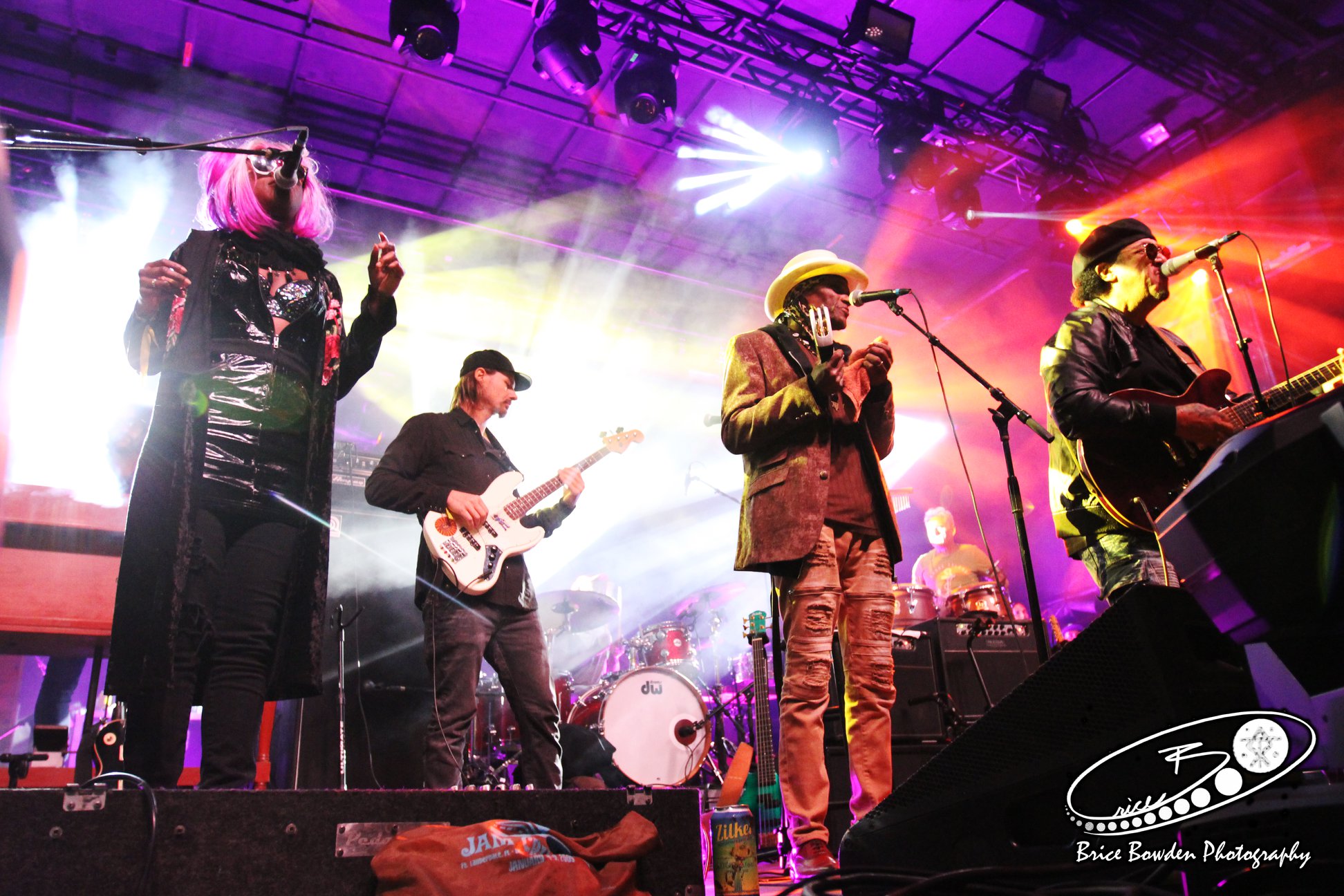
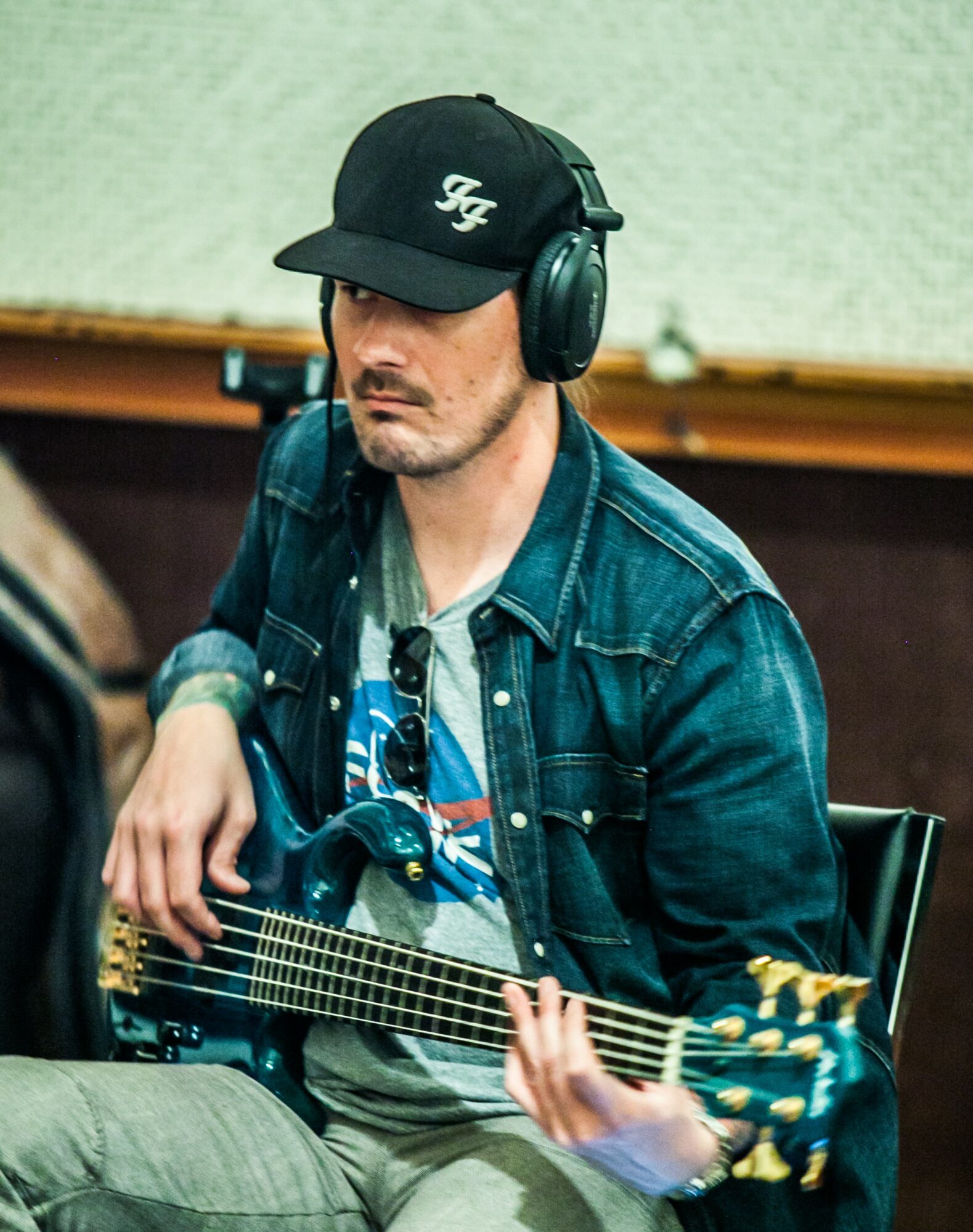
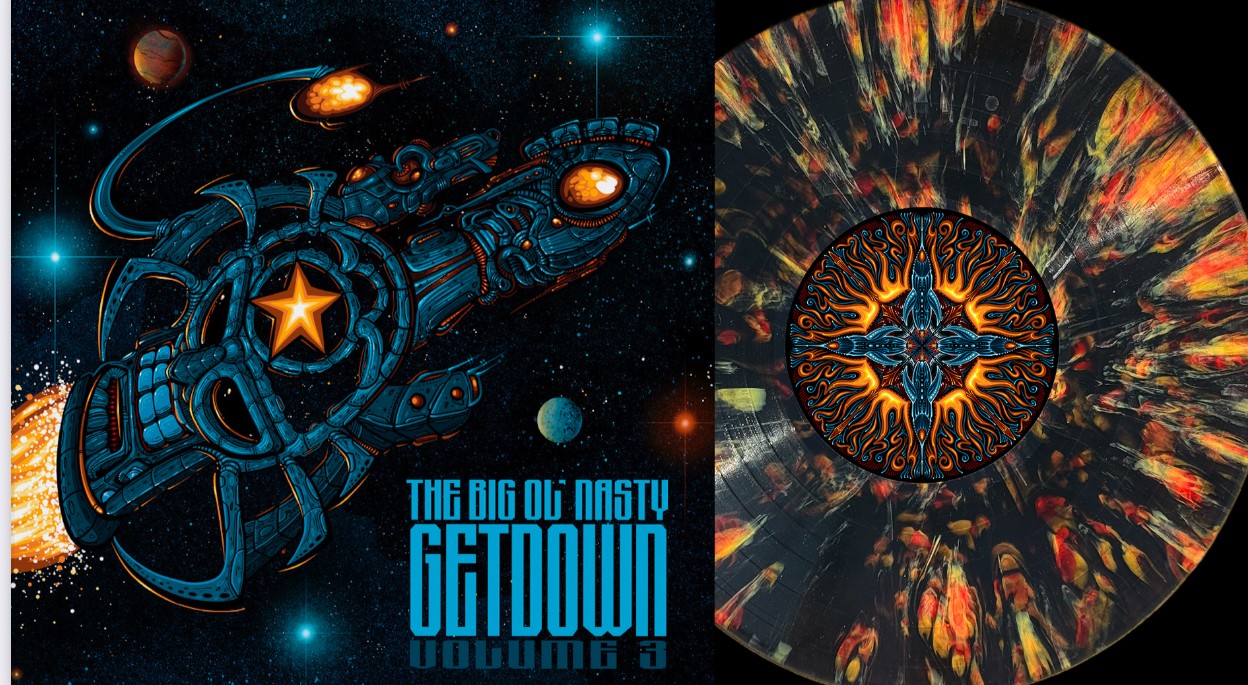
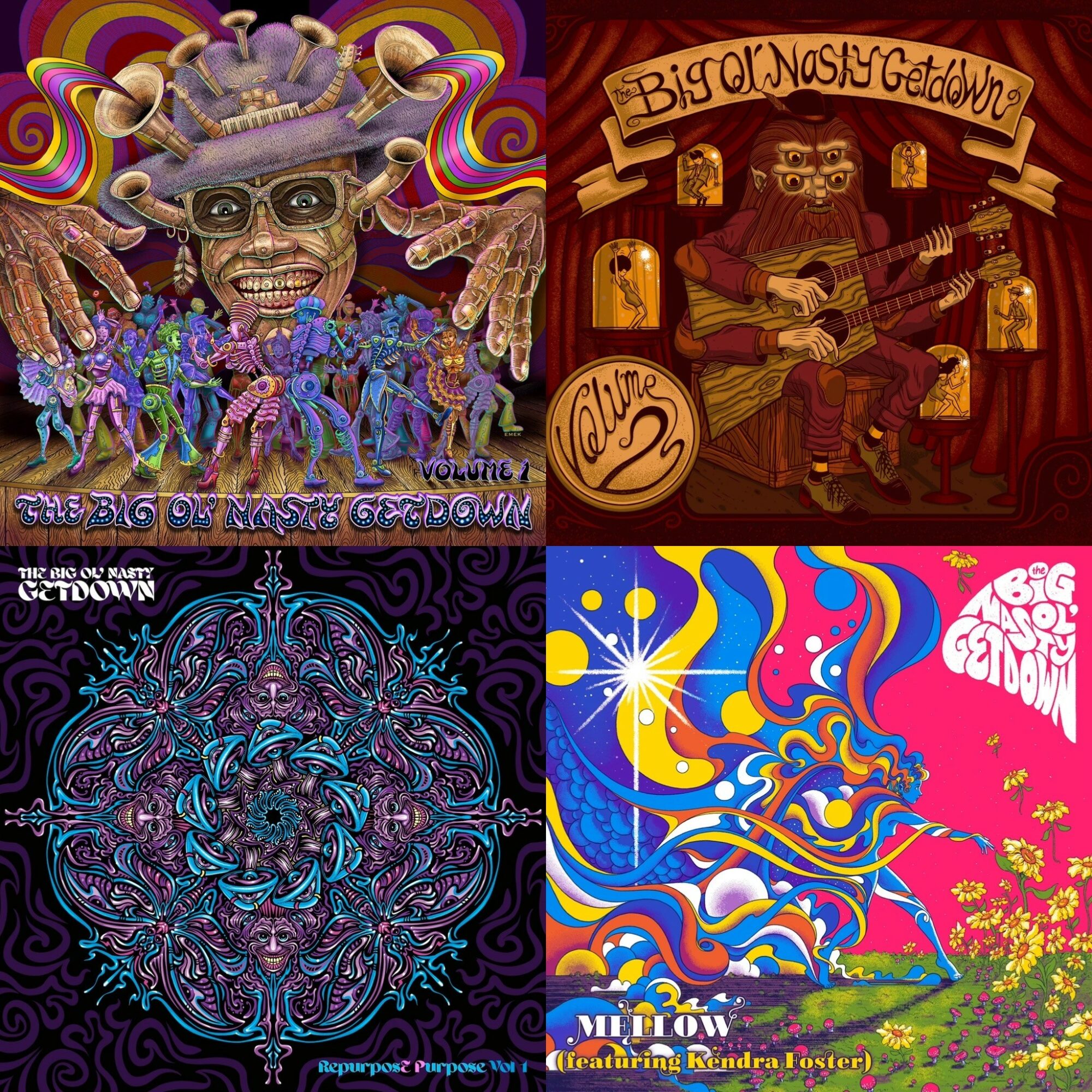
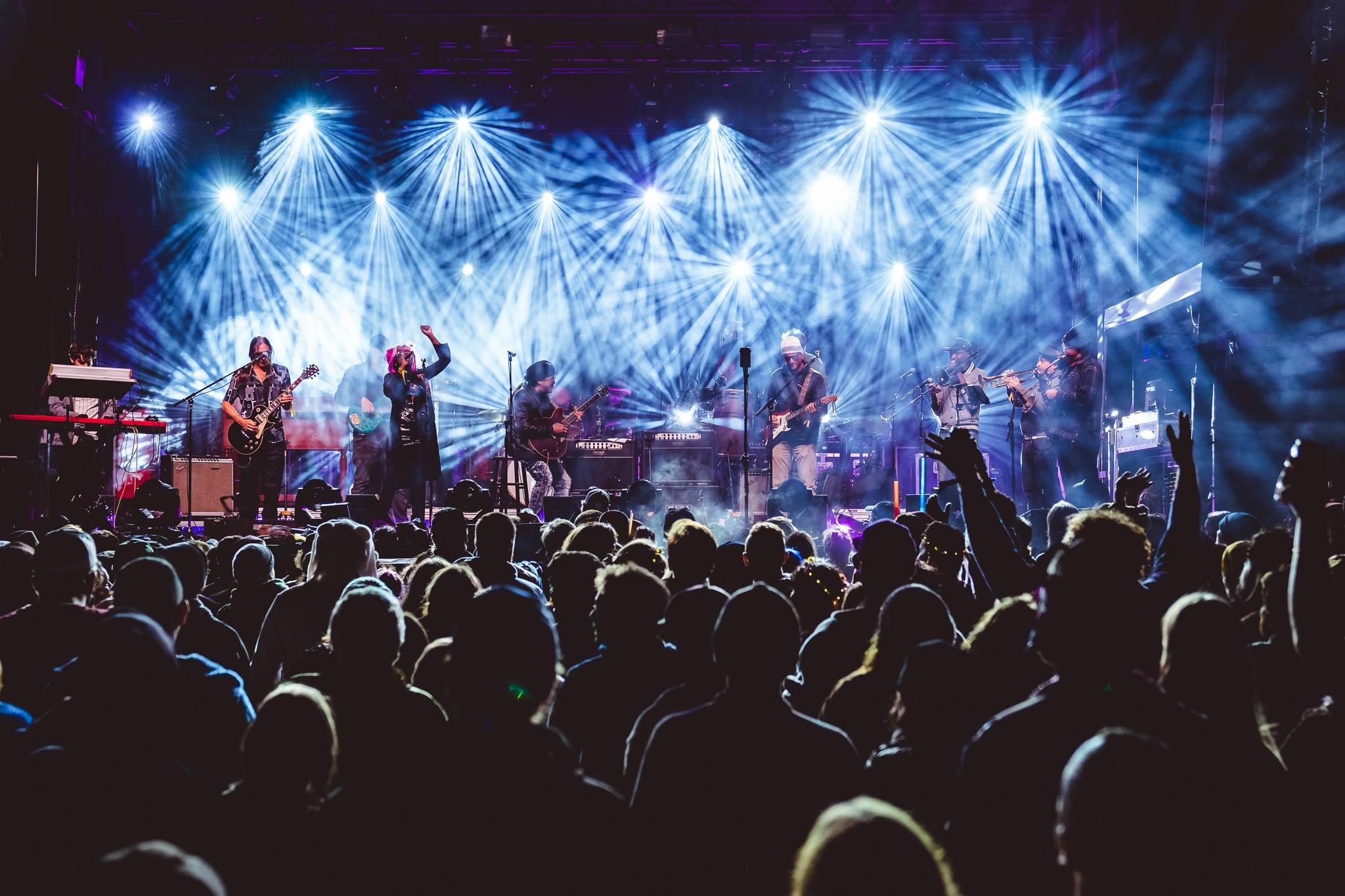
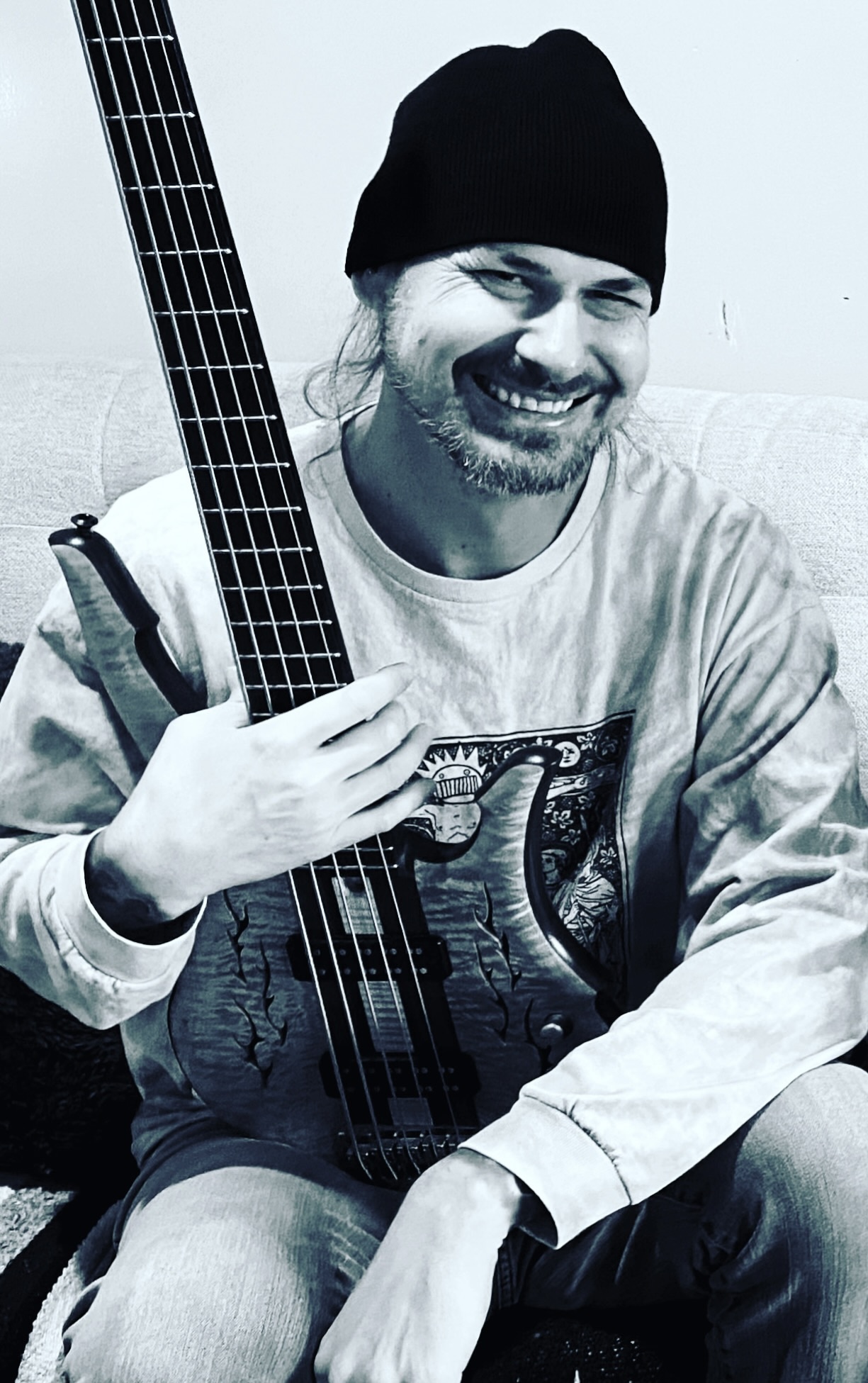
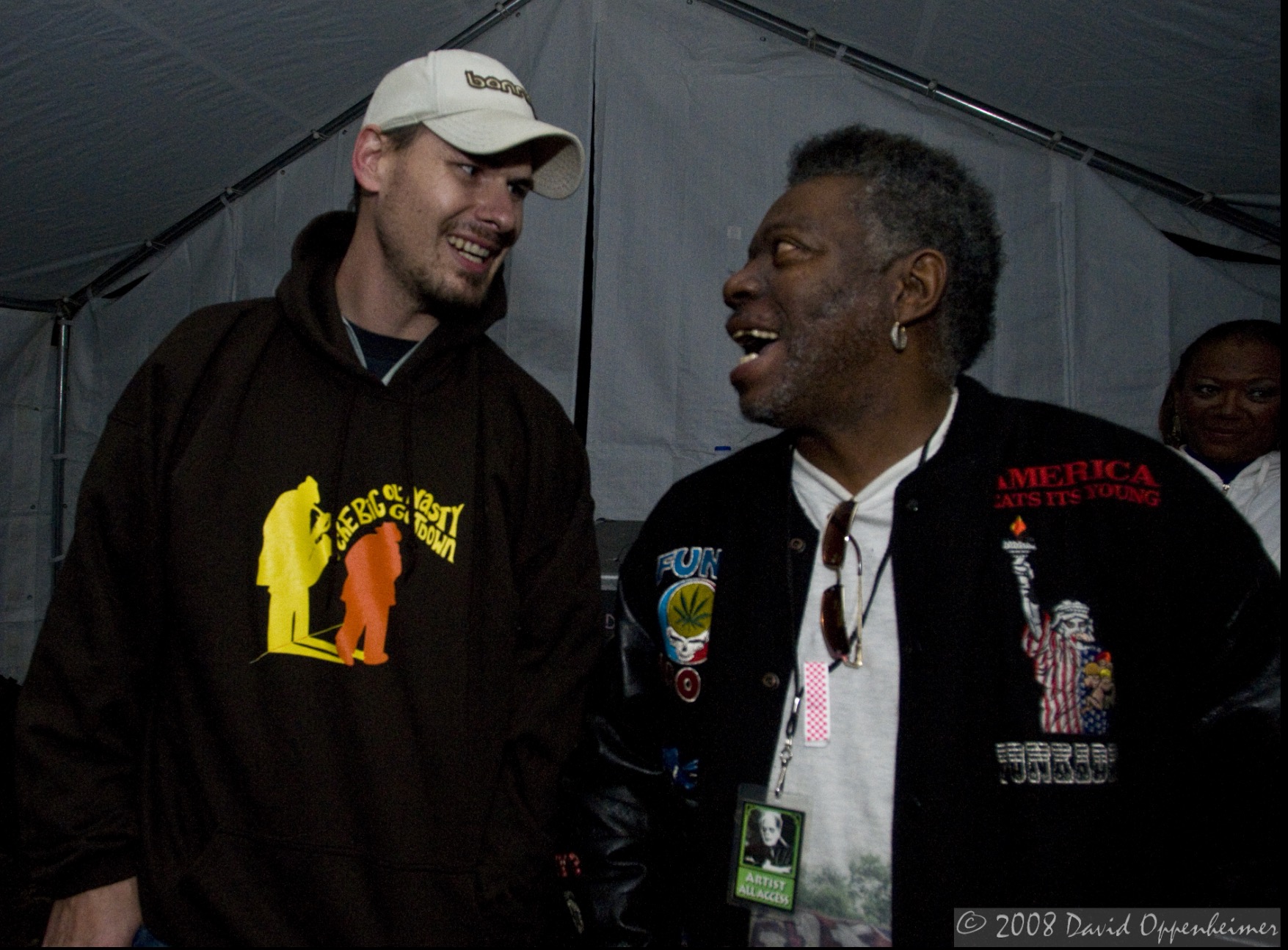

Image Credits
Main Photo: Greta Janssen
Additional Photos:
Photo 1: Brice Bowden
Photo 2: Tamarind Free Jones
Photo 5: Brice Bowden
Photo 6: Steve Capp
Photo 7: David Oppenheimer
Photo 8: Brice Bowden
Popular
-

LA’s Most Inspiring Stories
-

Portraits of the Valley
-

How Amy Beavington Is Creating a More Grounded, Inclusive Approach to Spirituality Through Community and Self-Discovery
-

How MEL Symphonic Is Expanding His Creative Sound Through Collaboration, Emotion, and a Bold New Musical Direction
-

Dricka Crawford Is Expanding Two Girls & a Drink by Bringing Globally Inspired Cocktail Experiences to Weddings, Corporate Events, and Celebrations of All Ages
-

Saba Moor-Doucette Is Redefining Longevity by Building a Career Fueled by Creativity, Fitness, and Fearless Reinvention


